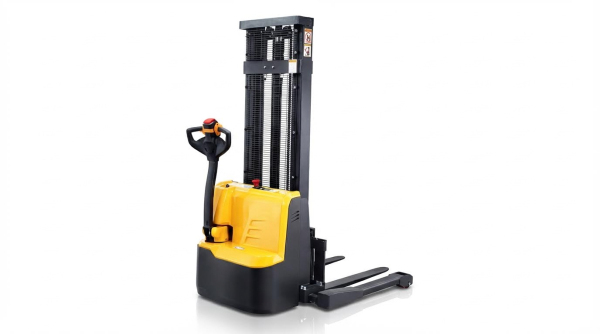
Safe walkie stacker operation depended on disciplined procedures, well‑understood controls, and consistent safety checks. This article explained how to use a lift stacker correctly, from operator training and site rules through pre‑use inspections and functional tests. It then detailed safe operating techniques, load handling methods, and typical hazard patterns that affected incident rates. Finally, it summarized best practices and risk‑reduction measures that helped mechanical engineers, supervisors, and operators standardize safe, compliant battery-powered stacker use.
Operator Training, Rules, And Site Responsibilities
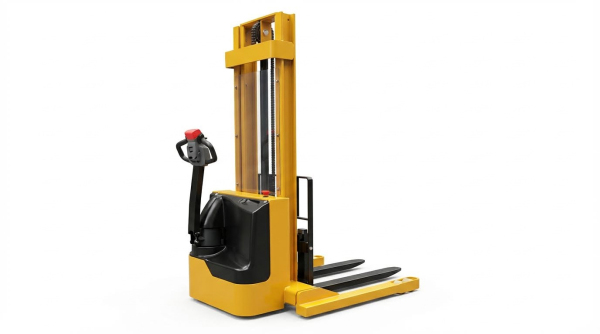
Understanding operator training, site rules, and responsibilities is the first step in learning how to use a walkie stacker safely. This section explains who may operate the equipment, how operators must present themselves, and how they share space with pedestrians. It also links walkie stacker operation to regulatory obligations and documentation requirements on a modern industrial site.
Mandatory Training And Authorization Controls
Only trained and formally authorized personnel may operate a lift stacker. Training must cover equipment controls, load handling, stability limits, and site-specific traffic rules. A competent person should assess the operator’s skills through theory and practical tests before issuing authorization. Employers should maintain a written authorization system, for example license cards or digital profiles tied to each operator and machine type. Supervisors must prohibit self-training and peer-to-peer instruction without management approval, because this bypasses competency checks. Refresher training is necessary after incidents, near misses, or significant process changes. Site rules should state that operating while under the influence of alcohol, drugs, or impairing medication is a dismissible safety violation.
Operator PPE, Fitness For Duty, And Conduct
Operators must arrive fit for duty, rested, and medically capable of safely controlling a walkie stacker. They should wear task-appropriate PPE, including safety footwear with toe protection, high-visibility clothing, and head protection where required. Additional PPE, such as cut-resistant gloves or eye protection, depends on the load type and site risk assessment. Site procedures should forbid operating while distracted by phones, eating, or non-essential conversation. Operators must keep both hands available for the tiller and controls, and maintain stable footing within the designated operator zone. Fatigue management policies should address long shifts and high-temperature environments, because reduced alertness increases reaction time and collision risk. Supervisors should remove from duty any operator who shows signs of impairment, illness, or unsafe behavior.
Pedestrian Management And Aisle Right-Of-Way
Safe use of a battery-powered stacker requires strict separation or control of pedestrian and equipment movements. Facilities should mark pedestrian walkways, crossing points, and exclusion zones around loading areas using floor paint, barriers, and signage. Right-of-way rules must be clear: walkie stackers yield to pedestrians at designated crossings, while pedestrians must not enter marked equipment-only zones without authorization. Operators should drive at walking speed in mixed-traffic areas and reduce speed further at intersections or blind corners, sounding the horn and pausing if visibility is poor. When pedestrians work near the forks, the operator must stop, lower the load, neutralize the controls, and wait until the area is clear. Aisle width, racking layout, and turning radii should be engineered so that the walkie stacker can maneuver without forcing pedestrians into unsafe positions. Near-miss reports involving pedestrian interactions should trigger layout reviews and possible speed or routing changes.
Regulatory Compliance And Documentation
How to use a walkie stacker on a compliant site involves more than operator technique; it also requires robust documentation. Employers must align training, inspection, and operating procedures with applicable regulations, such as machinery safety and work equipment use directives, and local occupational safety laws. Written operating procedures should define pre-use checks, fault reporting, speed limits, load limits, and parking rules, and they must be accessible to all operators. Training records, authorization lists, and incident reports should be retained to demonstrate due diligence during audits or investigations. Sites should use standardized checklists for shift inspections and defect tagging, linking each record to a specific unit ID and date. When risk assessments identify new hazards, safety procedures and training materials must be updated, and changes communicated formally to all affected operators. This structured approach ensures walkie stacker operation remains consistent, traceable, and defensible from both safety and regulatory perspectives.
Pre-Use Inspection And Functional Safety Checks
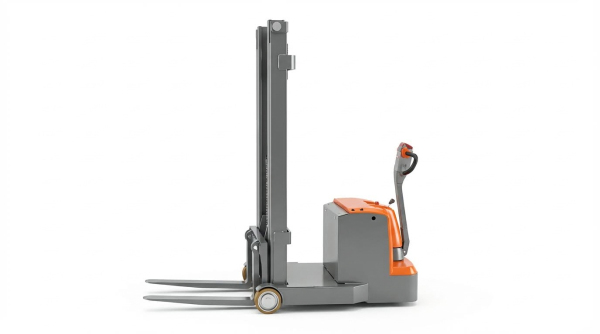
Pre-use checks are a critical part of how to use a walkie stacker safely and efficiently. A structured inspection routine detects structural damage, hydraulic leaks, and control failures before they cause incidents. Operators should complete these checks at the start of every shift, record the results, and remove unsafe equipment from service. Consistent application of these procedures supported compliance with regulations such as PUWER and LOLER.
Structural, Mast, Fork, And Hydraulic Inspection
Start with a 360° walk‑around of the lift stacker before energizing any controls. Inspect the mast channels, cross‑members, and welds for cracks, deformation, corrosion, or missing fasteners. Check lift chains for equal tension, correct lubrication, damaged links, and missing or distorted chain pins. Examine forks for bending, heel wear, cracks at the heel and mounting hooks, and confirm fork tips are level within the manufacturer’s tolerance.
Verify that fork locking pins or latches engage correctly and that backrests are straight and securely fixed. Inspect hydraulic cylinders, hoses, and fittings for wetness, drips, or atomized spray that would indicate leaks. Check under the truck for hydraulic oil pooling, which signals seal or hose failure. Confirm mast rollers and bearings rotate freely without flat spots or excessive play. If any structural or hydraulic defect appears, tag the walkie stacker as unsafe and report it immediately.
Brakes, Steering, Horn, And Emergency Stop Tests
Functional control checks show operators how to use a walkie stacker without losing control in tight spaces. Test the service brake in a clear area by moving slowly, then applying the brake to confirm a smooth, straight stop without pulling to one side. Verify the parking brake holds the truck on a level surface and, where allowed, on the specified test slope angle. Operate the steering tiller through its full range and confirm there is no binding, excessive free play, or unusual noise.
Sound the horn and any audible warning devices to ensure they are loud enough for the ambient noise level. Test the emergency stop or key power‑off device to confirm it immediately cuts traction and lift power. Where fitted, check dead‑man or safety belly switches by gently compressing them and confirming traction cuts out. Never operate if any brake, steering, horn, or emergency stop function fails or behaves inconsistently.
Battery, Charger, And Electrical System Checks
Safe battery checks are a core step in how to use a walkie stacker for a full shift without unplanned downtime. Confirm the battery state‑of‑charge on the discharge indicator before operation; do not start a shift below the site’s minimum threshold, often around 80% for intensive use. Inspect the battery case for cracks, bulging, or electrolyte staining. Check cables for insulation damage, tight terminals, and secure strain relief at connectors.
Verify the charger model, voltage, and connector type match the battery specification. During charging, ensure the area is ventilated and free from ignition sources, and never disconnect under load. Before use, confirm the charger is off, then unplug and stow the cable to avoid trip hazards and connector damage. Check the main disconnect switch, key switch, and control panel for correct operation and absence of error codes or fault lights. If low‑voltage alarms or abnormal smells, smoke, or heat appear, isolate the stacker and report it immediately.
Shift Checklists, Defect Tagging, And Lockout
Formal documentation links daily inspections with regulatory compliance and internal safety standards. Operators should complete a standardized shift checklist covering structure, hydraulics, brakes, steering, controls, and safety devices before using the walkie stacker. Duplicate or carbonless pads allow one copy to stay with the truck as a visual “safe to use” indicator, while the other remains in records for audits and incident investigations. Dimensions and layout of these pads should allow clear, legible entries, typically with one line per day per truck.
When a defect affects safety, the operator must tag the walkie stacker as out of service immediately. Attach a prominent defect tag at the tiller or control area, describing the fault and date. Apply lockout procedures by switching off, removing the key if fitted, and using lockout devices according to company rules. Only authorized maintenance personnel should remove tags and restore the unit after repair and verification tests. This disciplined process ensures that learning how to use a walkie stacker always includes knowing when not to use it.
Safe Operating Techniques And Load Handling
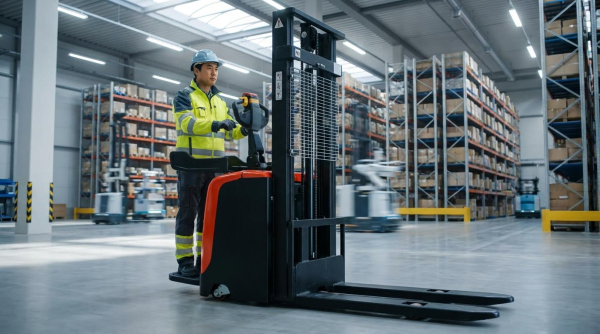
Understanding how to use a walkie stacker safely requires disciplined control of travel functions, precise load positioning, and continuous hazard awareness. This section explains practical techniques for operating controls, managing speed, stabilizing loads, and preventing common incidents in aisles, docks, and transfer zones.
Control Layout, Travel Modes, And Speed Limits
Operators must first identify the key controls before moving the walkie stacker. Typical controls include a directional travel switch, lift and lower rocker switches, horn button, emergency stop, and a key or PIN start. The tiller arm position usually governs travel authorization, with a defined operating zone and a near-vertical “turtle” or creep mode for tight spaces. When learning how to use a walkie stacker, operators should practice straight-line travel, gentle acceleration, and smooth deceleration in an open area before entering racking aisles.
Travel modes often include normal, creep, and sometimes programmable performance profiles. Supervisors can set reduced acceleration or maximum speed limits for new operators or congested zones. Safe speed depends on aisle width, floor condition, and load mass, not just the factory setting. Operators must always reduce speed at intersections, blind corners, and pedestrian crossings, and must sound the horn in advance.
During operation, the stacker should start, turn, brake, and stop smoothly to avoid load shift and mast sway. Sudden directional changes, high-speed reversing, and sharp turns increase lateral instability and tip risk. On wet or dusty floors, operators must further reduce speed and extend stopping distance. The emergency stop and belly switch (if fitted) must remain unobstructed so the operator can stop travel instantly if a person or obstacle enters the path.
Load Stability, Fork Positioning, And Height Rules
Safe load handling begins with assessing pallet integrity, load center, and stack stability. Operators must never exceed the rated capacity at the specified load center shown on the data plate. Overloading or offset loading reduces residual capacity and can cause forward tipping. When approaching a pallet, forks must be level and spaced to support the widest practical area under the load.
Forks should enter the pallet fully until the heel nearly contacts the pallet deck boards. Partial fork entry concentrates stress and increases the risk of tine bending or pallet failure. The load should sit evenly across both forks, with no significant overhang on one side. Single-fork lifting is prohibited because it introduces torsional loads on the carriage and mast, and severely destabilizes the stacker.
Once the load is secure, the operator should raise the forks only enough for travel, typically about 300–400 mm above the floor on level ground. Long-distance travel with the load higher than 500 mm is unsafe because it raises the center of gravity and amplifies mast sway. The mast should tilt back where the design allows, bringing the load closer to the chassis and improving stability. Lifting or lowering while the truck is moving must be avoided; vertical movements should occur only when the stacker is stationary with the brake applied.
Ramps, Slopes, And Floor Condition Management
When learning how to use a walkie stacker on slopes, operators must follow strict orientation rules. On gradients greater than about 7°, the stacker should travel forward uphill with the load on the uphill side, and reverse downhill with the load still uphill. Turning or side-travel on a slope significantly increases rollover risk and must be avoided. Parking on slopes is generally prohibited; if unavoidable, operators must chock wheels, apply the brake, and isolate power.
Floor condition strongly influences safe operating speed and stopping distance. Wet, oily, or dusty surfaces reduce tire friction and can cause uncontrolled sliding during braking. Operators should inspect travel paths for potholes, loose debris, dock plates with gaps, and damaged floor joints before moving loads. Any defect that could cause sudden jolts or mast oscillation should trigger a route change or maintenance request.
Transition zones, such as dock boards, lifts, and thresholds, require extra caution. The operator should reduce speed, keep the load low, and cross transitions at a right angle to minimize side loading on wheels and mast. On mezzanines or elevated platforms, adherence to posted floor load ratings is critical. The stacker and load combined mass must remain below the structural limit to prevent floor damage or collapse.
Common Hazards, Near-Miss Trends, And Prevention
Common incident patterns with walkie stackers include foot crush injuries, pallet collapse, and collisions at blind intersections. Foot injuries often occurred when operators walked too close to the drive wheel or allowed pedestrians inside the turning radius. Strict pedestrian exclusion around the truck, clear floor markings, and consistent use of the horn at aisle entries reduce this risk. Operators must maintain a stable stance behind the tiller, never alongside the chassis.
Load-related events typically involved over-height stacking, damaged pallets, or loosely wrapped goods. Operators should refuse unstable loads, request re-palletizing, or secure small items in containers before lifting. No person may stand under raised forks or within approximately 1 m of the load during lifting or lowering. If visibility is blocked by a tall load, the operator should travel in reverse at low speed or use a trained spotter with clear line-of-sight communication.
Near-miss reports frequently highlighted excessive speed, distraction, and poor cornering technique. Facilities that analyzed these trends and enforced speed zoning, one-way aisle systems, and mandatory stop-and-sound points at crossings saw measurable collision reductions. Operators must stop the stacker immediately if abnormal noise, vibration, or control response appears, and report the defect rather than attempting unauthorized adjustments. Integrating these preventive behaviors into daily practice is central to safe, efficient walkie stacker use.
Summary Of Best Practices And Risk Reduction
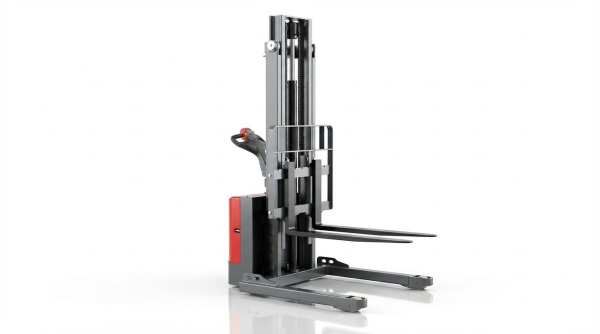
Knowing how to use a walkie stacker safely required a structured approach that combined training, inspection, and disciplined operation. The most effective risk reduction strategies integrated human factors, engineering controls, and procedural safeguards into daily practice. Organizations that codified these elements in site rules, checklists, and supervision achieved lower incident rates and higher equipment availability.
From an operator standpoint, mandatory training, formal authorization, and strict fitness-for-duty controls formed the foundation of safe lift stacker use. Trained operators followed defined speed limits, maintained clear sight lines, and kept forks low during travel, which significantly reduced collision and tip-over events. Enforced exclusion zones around the forks and clear pedestrian right-of-way rules further minimized struck-by risks in congested aisles.
Technically, consistent pre-use inspections and shift checklists addressed structural, hydraulic, and electrical failures before they escalated. Systematic checks of brakes, steering, horn, emergency stop, battery condition, and hydraulic integrity aligned with regulations such as PUWER and LOLER. Tagging defective units, locking them out of service, and documenting findings created traceable evidence that equipment remained safe for intended use and that unplanned downtime stayed limited.
In operation, best practices focused on load stability, controlled travel, and surface management. Operators kept loads within rated capacity, centered weight across both forks, and limited travel height to approximately 300–400 mm. They reduced speed on wet floors, avoided turning or braking on slopes above about 7°, and used spotters when loads obstructed the view. These practices directly addressed common accident patterns such as tipping, falling loads, and loss of control on gradients.
Looking ahead, risk reduction for battery-powered stacker increasingly relied on programmable performance limits, impact monitoring, and integrated pre-shift check systems. However, technology alone did not replace disciplined procedures. The most resilient operations combined modern safety features with robust training, regular refresher courses, and a culture that encouraged near-miss reporting and prompt maintenance. By treating “how to use a walkie stacker” as an engineered system of people, equipment, and process, facilities could maintain productivity while continuously driving incident rates downward.