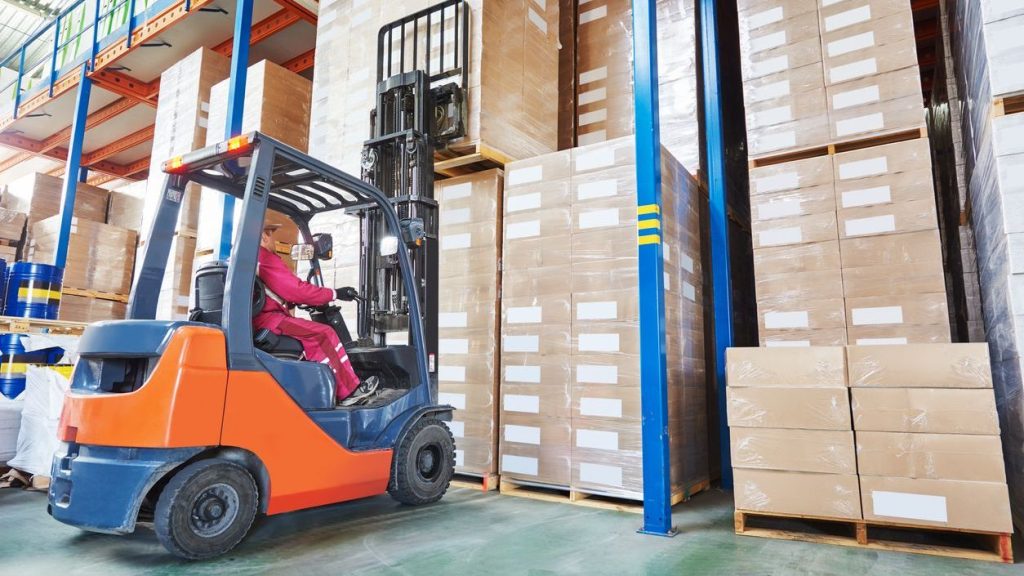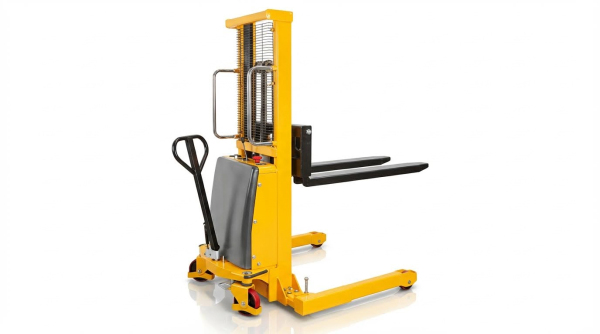
Straddle stacker performance depended heavily on the design and condition of the operating surface. This article examined engineering criteria for floor flatness, traction, and material selection, along with environmental and operational limits. It also addressed layout, clearances, and maintenance practices that supported safe, efficient integration with other warehouse systems. Together, these sections provided a structured framework for specifying, auditing, and upgrading stacker-compatible floors in industrial facilities.
Defining Surface Requirements For Straddle Stackers
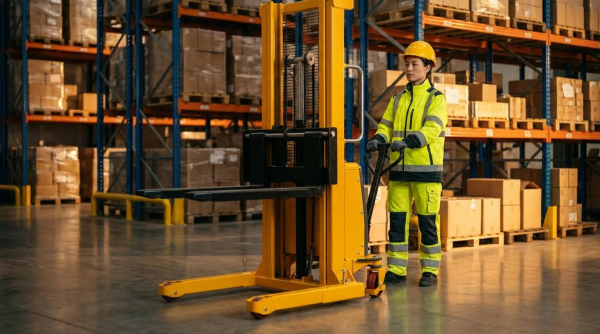
Engineers needed to define surface conditions precisely to operate straddle stackers safely and efficiently. Surface specifications controlled stability, tire wear, and structural fatigue. This section described the geometric and cleanliness requirements that underpinned reliable performance.
Flatness, Levelness, And Slope Limits
Straddle stackers required tight flatness and levelness tolerances to maintain lateral stability under load. Industry practice kept floor flatness within approximately ±3–5 mm per 1 m, verified using laser leveling or straightedge measurements. Local undulations created dynamic rocking, which increased mast sway and reduced residual capacity. Indoor slopes typically remained within 2–3% to preserve traction and prevent load shift. Manufacturers also specified maximum allowable gradients that operators could not exceed, particularly for fully electric units with higher lift heights. Engineers designed transitions between level areas and ramps with smooth vertical curves to avoid impact loading on wheels and structure.
Joint Quality, Cracks, And Local Surface Defects
Floor joint design and execution significantly influenced stacker vibration and wheel life. Height differences at construction or expansion joints usually stayed below 2 mm to limit impact loads and steering shocks. Wide or spalled joints concentrated stresses into small tire contact patches, accelerating polyurethane or rubber wheel damage. Surface defects such as cracks, potholes, and local depressions posed tipping and load instability risks, especially for narrow-aisle straddle configurations. Engineering practice required repair or isolation of damaged zones before routine operation. For elevated platforms or mezzanines, composite panels and metal decking had to be checked against dynamic wheel loads and deflection limits, not only static pallet loads.
Surface Cleanliness And Contaminant Control
Surface cleanliness directly affected traction, braking distance, and steering control. Oil, water, and loose dust reduced the effective coefficient of friction well below recommended values of approximately 0.4–0.6, measured by tribometer where possible. Clean, dry, and slightly textured surfaces offered predictable grip for both drive and caster wheels. Operating instructions therefore prohibited use on visibly wet, oily, or heavily contaminated floors. Engineering controls included defined cleaning frequencies, spill response procedures, and dedicated walkways to separate pedestrian dirt from equipment lanes. Daily visual inspections allowed operators to identify contamination, foreign objects, and localized debris before they compromised stability or caused wheel damage.
Traction, Slip Resistance, And Floor Materials
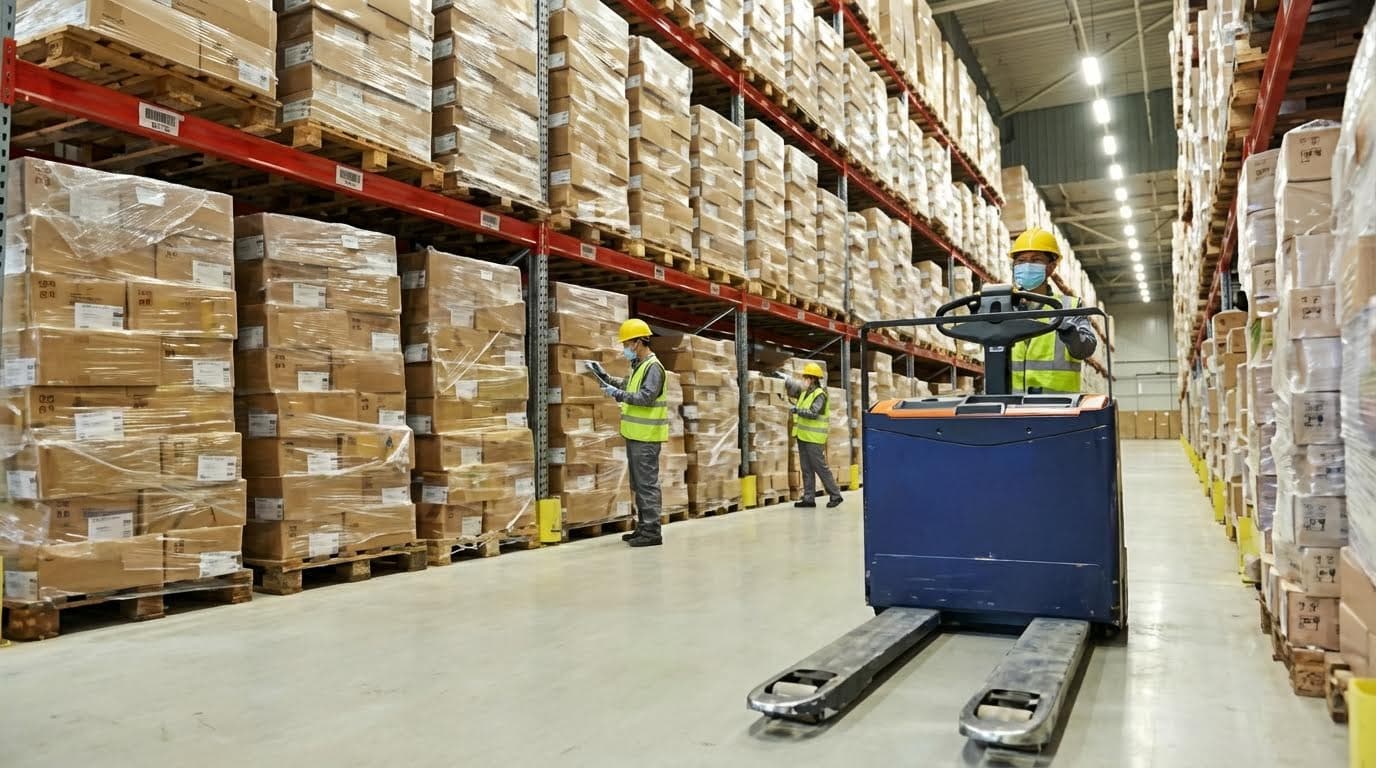
Traction between stacker wheels and the floor governed safe acceleration, braking, and steering. Engineers defined slip resistance through measurable friction values and validated these using standardized tests. Floor construction, surface finish, and housekeeping practices jointly determined available traction under real warehouse conditions. Correct pairing of wheel materials with engineered floors reduced wear, noise, and energy consumption while improving safety margins.
Required Coefficient Of Friction And Testing
Straddle stacker applications typically required a static coefficient of friction between 0.4 and 0.6 for safe operation. Values in this range limited wheel slip during controlled braking and directional changes under rated loads. Tribometer measurements, carried out according to relevant test standards, quantified friction on dry, wet, and contaminated surfaces. Engineers used these results to compare floor finishes and to verify compliance with internal safety factors. Regular friction audits, combined with visual and tactile checks, detected degradation due to polishing, contamination, or coating wear. When measured friction dropped below target, operators had to adjust cleaning regimes, restore surface texture, or restrict traffic until remediation.
Wheel Materials Versus Floor Types
Wheel material selection needed to match floor stiffness, hardness, and texture to balance traction and durability. Polyurethane wheels offered good grip and noise reduction on sealed concrete, resin coatings, and engineered composite panels. Rubber wheels provided higher damping and traction on harder, smoother substrates but could increase rolling resistance and wear at high loads. Harder wheel compounds reduced deformation and energy loss but transferred higher contact stresses into brittle coatings or tiles. Engineers evaluated wheel-floor pairs using contact pressure calculations, expected dynamic loads, and manufacturer test data. They also considered electrostatic behavior where floors used ESD or conductive finishes, ensuring wheel materials maintained the required dissipation path.
Resin, Tile, And Composite Floors Under Wheel Loads
Resin systems such as epoxy, polyurethane, and MMA provided seamless, non-porous surfaces with controllable slip resistance. Properly specified, these coatings withstood concentrated wheel loads from stackers and pallet jack loads without cracking or delamination. Engineered composite panels, such as high-density wood-based boards on steel B-deck, supported dynamic pallet jack loads from roughly 9 kN to over 35 kN depending on grade. Designers verified panel thickness, support spacing, and sub-deck gauge to limit deflection under wheel paths. Interlocking industrial tiles created a floating surface that bridged cracked or uneven concrete while maintaining slip resistance. For each system, engineers checked manufacturer wheel-load ratings, impact resistance, and compatibility with polyurethane or rubber wheels to avoid indentation or surface embossing.
Managing Wet, Oily, Or Dusty Conditions
Liquids and fine particulates drastically reduced effective friction, even on nominally slip-resistant floors. Wet films, oil contamination, or compacted dust layers created boundary lubrication that allowed wheels to slide during braking or turning. Engineering controls therefore prioritized prevention through spill containment, localized bunding, and dedicated transfer zones for high-risk materials. Cleaning regimes used compatible detergents and mechanical scrubbing to restore surface microtexture without damaging coatings or tile edges. Operators received procedures to isolate heavily contaminated areas and to reroute traffic until cleaning restored acceptable friction levels. In environments with frequent moisture, designers favored patterned or textured finishes and drainage strategies that limited standing water in wheel tracks.
Environmental And Operational Constraints
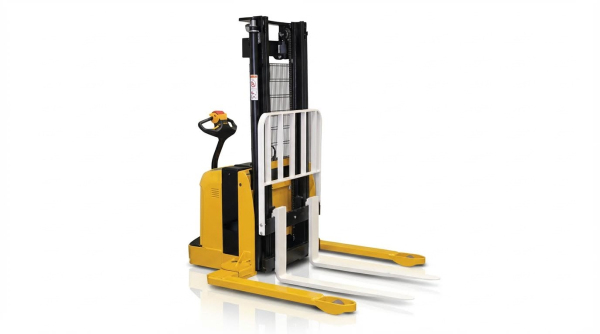
Environmental and operational constraints defined the safe working envelope for straddle stackers. Engineers needed to control humidity, temperature, and surface conditions to protect electronics and maintain traction. At the same time, ramp geometry, layout, and traffic management determined whether theoretical performance translated into real throughput. Robust inspection and monitoring routines closed the loop by verifying that surfaces stayed within design limits over time.
Humidity, Condensation, And Electrical Integrity
Relative humidity between 40% and 70% provided a suitable range for electric straddle stackers. Within this band, insulation resistance stayed high and corrosion rates remained manageable. Temperatures had to stay above the local dew point to avoid condensation on control boards, connectors, and battery terminals. Engineers used hygrometers and temperature sensors to track these parameters and specified ventilation or dehumidification where necessary. Low static accumulation, verified by electrostatic testing, protected sensitive electronics and prevented nuisance faults in control logic.
Ramps, Inclines, And Transition Zones
Manufacturers specified maximum allowable gradients for straddle stackers, and operators had to treat these as absolute limits. Indoor slopes ideally stayed below 2–3% to maintain stability, with steeper ramps only where certified by design. Surfaces on ramps required the same flatness control as floors, with no potholes, cracks, or abrupt level changes that could induce tipping or loss of traction. Operators moved slowly and steadily, avoided diagonal travel, and never raised or lowered loads while on an incline. When traveling uphill with a load, the forks led uphill to maximize drive-wheel traction, while downhill movements with a load used reverse travel to control speed and prevent forward tipping.
Layout, Clearances, And Traffic Integration
Efficient operation depended on clear, dedicated travel paths sized to the counterbalanced stacker’s overall width plus side clearance. Aisles had to accommodate turning radii, load overhang, and safety buffers at intersections. Good visibility along routes, particularly on ramps and at crossings, reduced collision and tipping risks. Electric straddle stackers integrated well with warehouse management systems, so layouts could include designated staging, charging, and transfer zones that aligned with digital workflows. Coordination with forklifts, conveyors, and autonomous vehicles required marked lanes, directional signage, and right-of-way rules to avoid conflicts and bottlenecks.
Inspection, Monitoring, And Predictive Maintenance
Structured inspection programs ensured that surface and environmental conditions remained within engineering criteria. Floor flatness and ramp gradients were checked at least quarterly using laser leveling or straightedge measurements. Anti-slip performance required monthly verification through visual inspection and friction testing, with a target coefficient of friction between 0.4 and 0.6. Hygrometers or integrated sensors monitored humidity and temperature daily or continuously, triggering alarms when conditions approached condensation risk. Daily cleaning and visual checks removed contaminants such as oil, water, and dust and identified emerging defects like cracks or joint spalling. Over time, collected data supported predictive maintenance, allowing planned resurfacing or repair before conditions degraded to unsafe levels.
Summary: Engineering A Safe, Efficient Stacker Surface
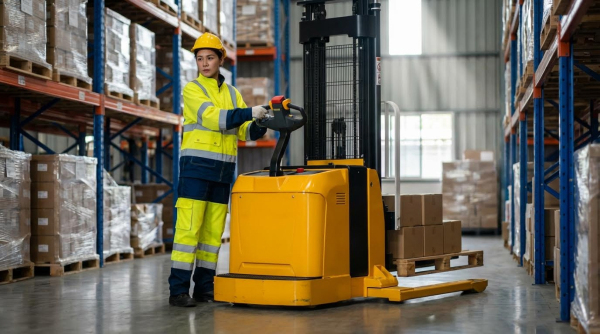
Engineering a suitable surface for straddle stackers required a systems view that linked floor mechanics, traction, and environment to equipment limits. Flatness tolerances in the range of ±3–5 mm per metre, joint steps below 2 mm, and indoor slopes generally below 2–3% formed the baseline for stability. Anti-slip performance with a coefficient of friction of at least 0.4–0.6, verified by tribometer testing, ensured adequate traction for both braking and controlled acceleration. These criteria had to remain valid under real contamination scenarios, including water, oil, and dust, not just in clean test conditions.
Industry practice showed that modern resin systems, engineered wood composites, and interlocking tiles could all meet stacker demands when designers respected load ratings, substrate stiffness, and wheel contact pressures. Matching wheel compounds to floor materials, and accounting for dynamic wheel loads from ramps and joints, reduced vibration, wear, and tipping risk. Environmental control, especially maintaining relative humidity between 40–70% and avoiding condensation, protected electrical systems and preserved predictable friction at the wheel–floor interface.
Future developments pointed toward tighter integration between lift stacker, sensors, and facility management systems. Automated condition monitoring of flatness, friction, and humidity, combined with predictive maintenance, would likely replace periodic manual checks. Designers and operators would still need to balance higher automation with robust passive safety: conservative slope design, controlled speeds, low transport lift heights, and clear traffic layouts. Facilities that treated the floor as a critical engineered component, rather than a background asset, achieved higher throughput, lower damage rates, and more reliable deployment of advanced electric and automated battery-powered stacker from suppliers such as Atomoving.