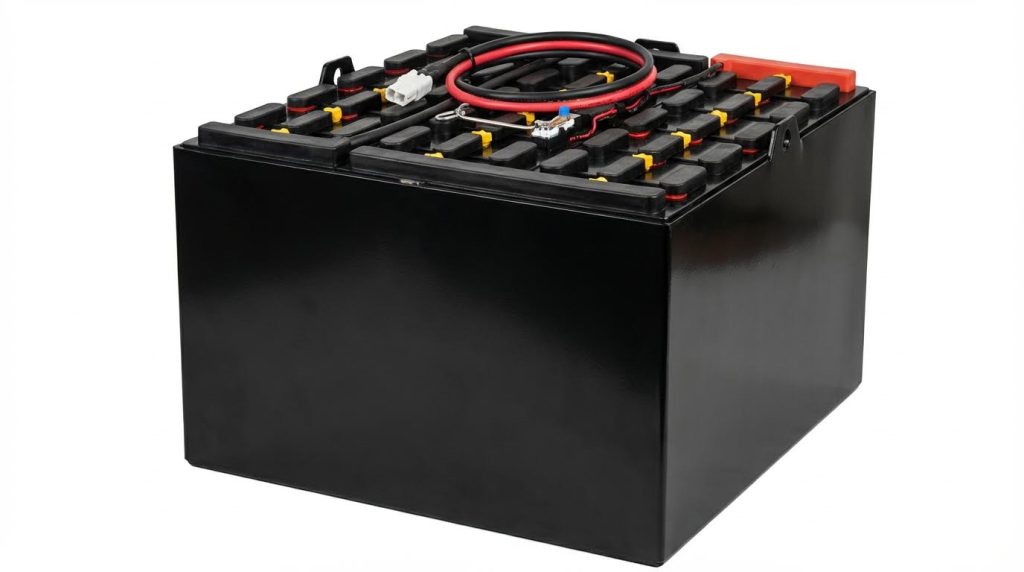
Walkie stacker uptime depends heavily on a healthy traction battery, so early fault detection is critical. This article explains how to tell if a walkie stacker battery is bad, how to test it correctly, and when to repair or replace it. You will see key operational, visual, electrical, and safety symptoms, followed by practical diagnostic methods aligned with standards such as EN 60254-1. The later sections cover replacement decisions, safe installation and handling, and data-driven lifecycle management to keep battery-powered stacker powered reliably and safely.
Key Symptoms Of A Failing Walkie Stacker Battery
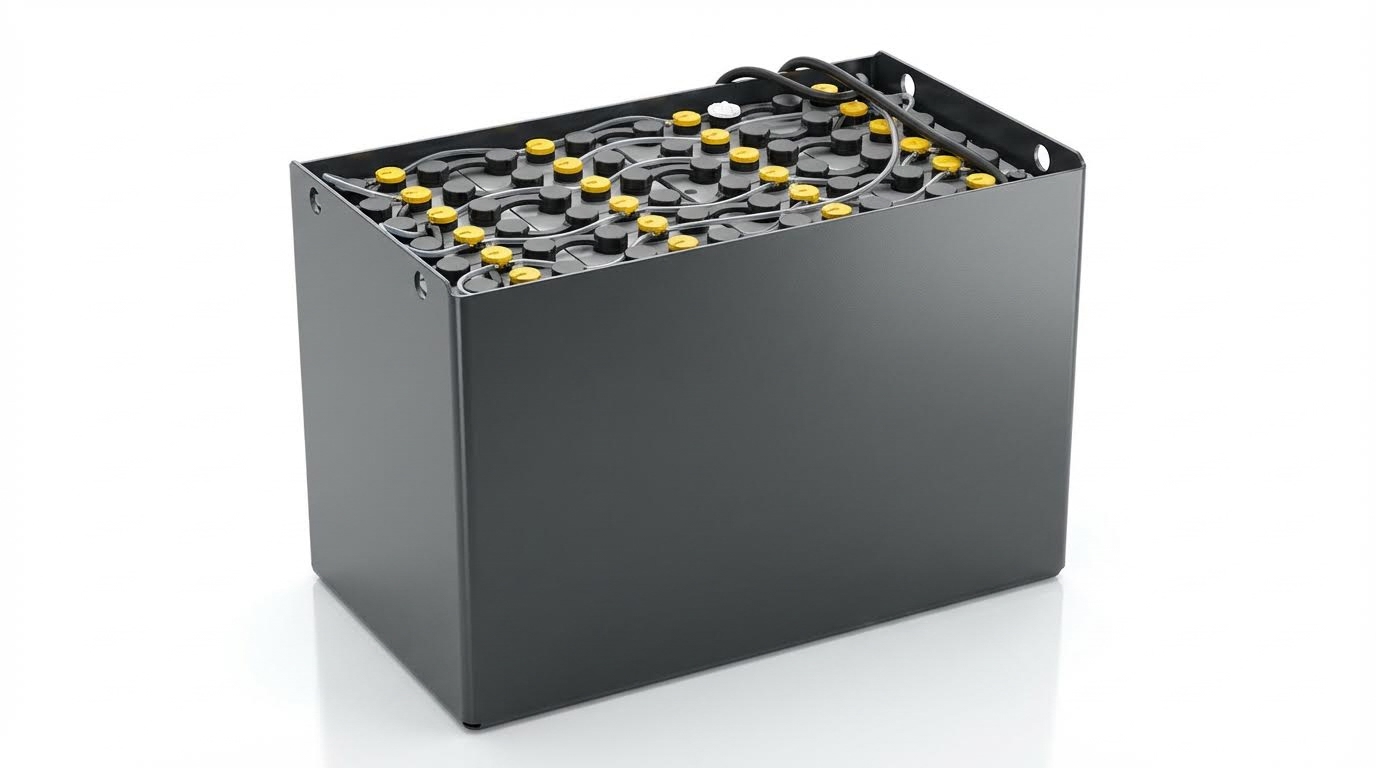
Operators who search for how to tell if a walkie stacker battery is bad usually deal with reduced runtime, shutdowns, or charging issues. A failing traction battery affects lifting speed, travel speed, and braking performance, which directly impacts safety and productivity. The following subsections describe operational, visual, electrical, and safety-related symptoms that indicate a walkie stacker battery is nearing end of life or already unsafe to use.
Operational Signs: Runtime, Power, And Shutdowns
One of the clearest ways to tell if a lift stacker battery is bad is the change in daily runtime. A healthy traction battery typically delivered close to its rated ampere-hour capacity under a normal duty cycle. When effective runtime dropped by roughly 30% compared with historical performance, the battery usually approached replacement threshold. Operators often noticed slower travel and lift speeds, especially under load or on ramps. The truck might accelerate normally for a short distance, then feel weak or sluggish as voltage sagged under current draw. Unexpected truck shutdowns after a recent full charge strongly indicated severe capacity loss, internal faults, or a failed cell. In some cases, the stacker refused to start or only powered the display, while hydraulic lift functions stalled early in the shift. If opportunity charging restored only a small fraction of runtime, the battery typically had irreversible degradation rather than simple undercharging.
Visual And Thermal Warning Indicators
Visual inspection provided fast clues when checking how to tell if a walkie stacker battery is bad. Technicians looked for cracked cases, warped lids, electrolyte leaks, or salt-like deposits around vents and terminals. White or green corrosion on terminals and connectors indicated venting, acid mist, or poor maintenance, which increased resistance and heat generation. Swollen battery cases suggested internal gas buildup, plate deformation, or thermal stress, all of which signaled unsafe operation. Discoloration or melted plastic near intercell connectors or cables pointed to localized overheating and possible loose connections. For flooded lead-acid batteries, low electrolyte level exposing the plates indicated chronic overcharging or missed watering. During or just after charging, excessive surface bubbling, strong sulfur-like odor, or vent caps too hot to touch suggested overcharge, high internal resistance, or cell failure. Infrared thermometers or thermal cameras helped identify hot cells or connectors that operated significantly above neighboring temperatures, a strong indicator of internal damage or high contact resistance.
Electrical Symptoms: Voltage Sag And Imbalance
Electrical measurements allowed a more quantitative answer to how to tell if a walkie stacker battery is bad. At rest after full charge, the total pack voltage that measured noticeably below the manufacturer’s nominal float value indicated capacity loss or undercharge. Under load, technicians watched for rapid voltage sag. When voltage dropped quickly below the truck’s low-voltage cutout during moderate current draw, internal resistance was usually high. Individual battery or cell measurements were critical in multi-block systems. For example, in a 24 V pack using two 12 V monoblocs, a voltage difference greater than about 0.7 V between blocks at rest indicated a faulty unit. In severe cases, one block measured below roughly 7 V, which signaled a deeply discharged or damaged battery that required immediate removal from service. In lead-acid systems, significant spread in cell voltages or specific gravity values after equalization pointed to sulfated or shorted cells. For lithium-based packs, any cell outside the specified window, such as below 2.5 V or above the upper limit, indicated a failed or imbalanced cell that the battery management system might not be able to correct safely.
Safety Risks From Ignoring Early Battery Signs
Ignoring symptoms of a bad walkie stacker battery created both operational and safety risks. Progressive capacity loss forced deeper daily discharges, which accelerated plate sulfation in lead-acid batteries and shortened remaining life. Severe voltage sag under load could cause mid-lift shutdowns while handling elevated pallets, increasing the risk of dropped loads or unstable stacking. Overheated cells, melted insulation, or hot connectors presented burn and fire hazards, especially near combustible packaging or charging areas with poor ventilation. In flooded lead-acid batteries, low electrolyte levels exposed plates, raising the chance of internal arcing and explosive gas mixtures. In lithium systems, damaged cells or persistent imbalance increased the probability of thermal runaway if protective circuits failed. From a regulatory perspective, operating equipment with clearly defective traction batteries conflicted with general duty obligations in occupational safety frameworks, because braking and lifting performance might no longer match the rated specifications. Timely identification and removal of bad batteries therefore protected personnel, reduced unplanned downtime, and preserved the integrity of the walkie stacker’s electrical and hydraulic systems.
Practical Diagnostic And Testing Methods
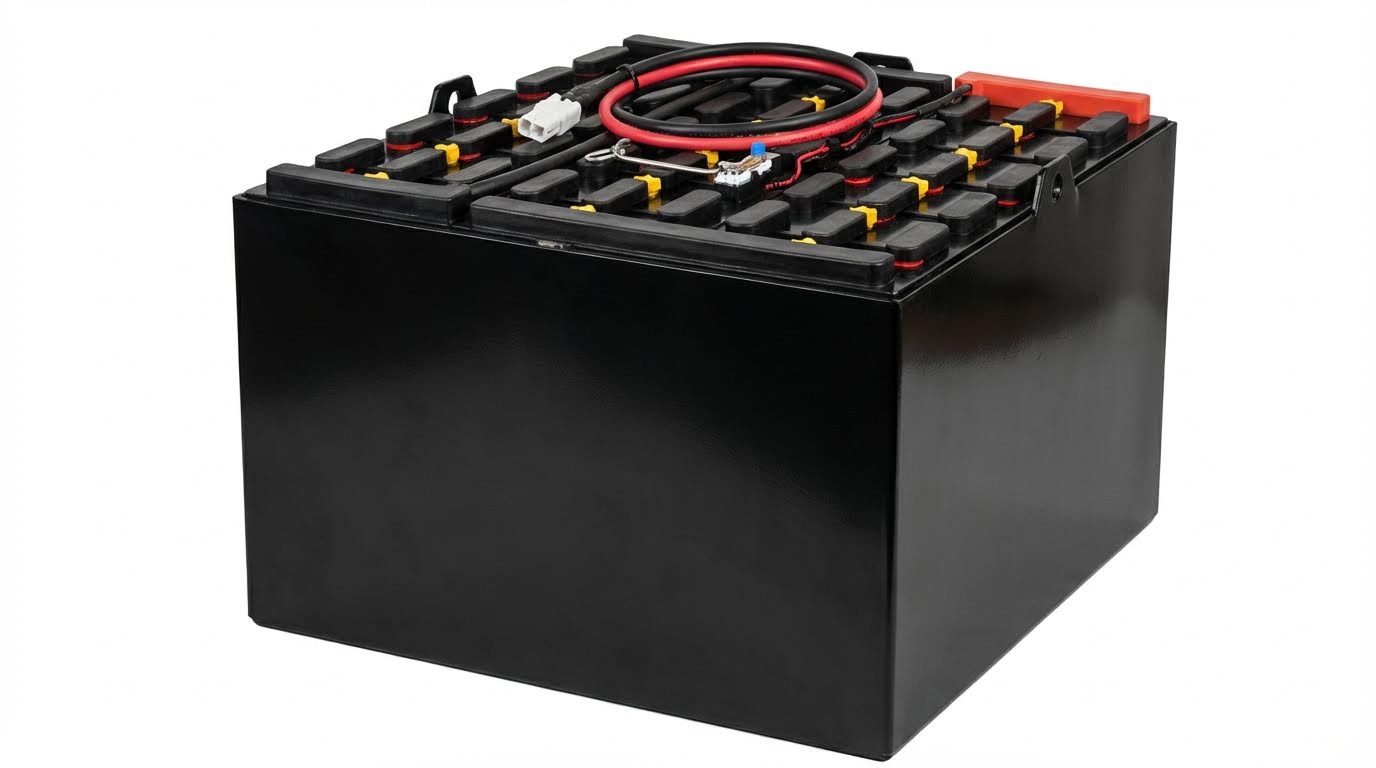
Knowing how to tell if a walkie stacker battery is bad required structured diagnostic methods, not guesswork. Practical testing combined visual checks, electrical measurements, and standard-based procedures to separate normal aging from critical failure. This section explained step-by-step methods that maintenance teams used to identify bad traction batteries before they caused downtime or safety incidents. It focused on repeatable tests that fit typical warehouse maintenance workflows.
Basic Checks: Visual Inspection And Connections
The first step in deciding how to tell if a walkie stacker battery is bad was always a detailed visual inspection. Technicians checked the case for cracks, bulges, leaks, or melted areas, which indicated internal short circuits or gas pressure buildup. Electrolyte leaks, white or green crystalline deposits, and a sweet or acrid odor pointed to venting or seal failure and required immediate removal from service. Corroded terminals, loose lugs, or damaged inter-cell connectors increased resistance, caused voltage drop under load, and often mimicked battery failure. Cleaning terminals with appropriate tools, tightening connections to specified torque, and confirming that cables were not overheated, discolored, or stiff helped distinguish a bad battery from a bad connection. Inspectors also verified electrolyte levels in flooded lead-acid cells, ensuring plates remained covered but not overfilled, because exposed plates or chronic low level strongly correlated with permanent capacity loss.
Multimeter Voltage, Load, And Self-Discharge Tests
After basic checks, technicians used a multimeter to quantify whether a walkie stacker battery was bad. First, they measured open-circuit voltage after the battery rested, typically at least one hour after charging or use, to avoid surface charge effects. For a 24 V lead-acid traction pack, a significantly low overall voltage or any single block more than about 0.7 V below its mate signaled a defective unit. Under load, a controlled discharge test revealed internal weakness: a healthy battery held voltage close to expected values, while a bad battery showed rapid voltage sag and early low-voltage cutout of the truck. Self-discharge tests involved fully charging the pack, recording cell or block voltages, then letting it rest at stable temperature for days or weeks. Cells that lost more than roughly 0.1 V over the period, compared with neighbors, indicated internal leakage or advanced aging. These simple voltage, load, and self-discharge checks gave a fast, low-cost way to confirm whether runtime problems came from a bad battery or from the truck’s electronics.
Cell-Level Checks: Internal Resistance And SG
When technicians needed a deeper answer to how to tell if a walkie stacker battery is bad, they moved to cell-level diagnostics. Internal resistance measurements used dedicated testers or calculated resistance from voltage drop under a known load; high resistance cells produced more heat, larger voltage sag, and reduced available power. A few cells with significantly higher resistance than the rest indicated localized sulfation, plate damage, or loss of active material, even if pack voltage still seemed acceptable. For flooded lead-acid batteries, specific gravity measurements with a hydrometer or digital density sensor provided an additional health indicator. Uniform SG values near the nominal curve across cells indicated balanced charge, while one or several cells with persistently low SG, even after equalization charging, typically marked irreversible sulfation or stratification. Combining internal resistance and SG data allowed maintenance teams to decide whether targeted cell replacement, regeneration, or full pack replacement made technical and economic sense.
Applying EN 60254-1 And Other Test Standards
For critical fleets, standardized tests under EN 60254-1 and related traction battery standards offered the most objective way to judge if a walkie stacker battery was bad. The capacity test procedure required fully charging the battery under controlled conditions, then discharging at a defined current, typically 0.2 C, until the cut-off voltage of about 1.70 V per cell at 30 °C. Measured ampere-hours were compared with the rated C5 or C20 capacity; values below typical threshold levels, often 80% of nominal, indicated end-of-life for demanding industrial use. Additional standard tests, such as charge retention over 28 days, high-current discharge performance, and cycle endurance, helped reveal batteries that still passed simple voltage checks but no longer met traction duty requirements. Applying these standards ensured consistent decisions across sites and vendors, supported warranty discussions, and aligned with regulatory expectations for traction batteries. When integrated with routine shop tests, EN 60254-1 based methods turned subjective complaints about “weak batteries” into quantifiable evidence for repair, regeneration, or replacement planning.
Replacement Decisions, Options, And Safety
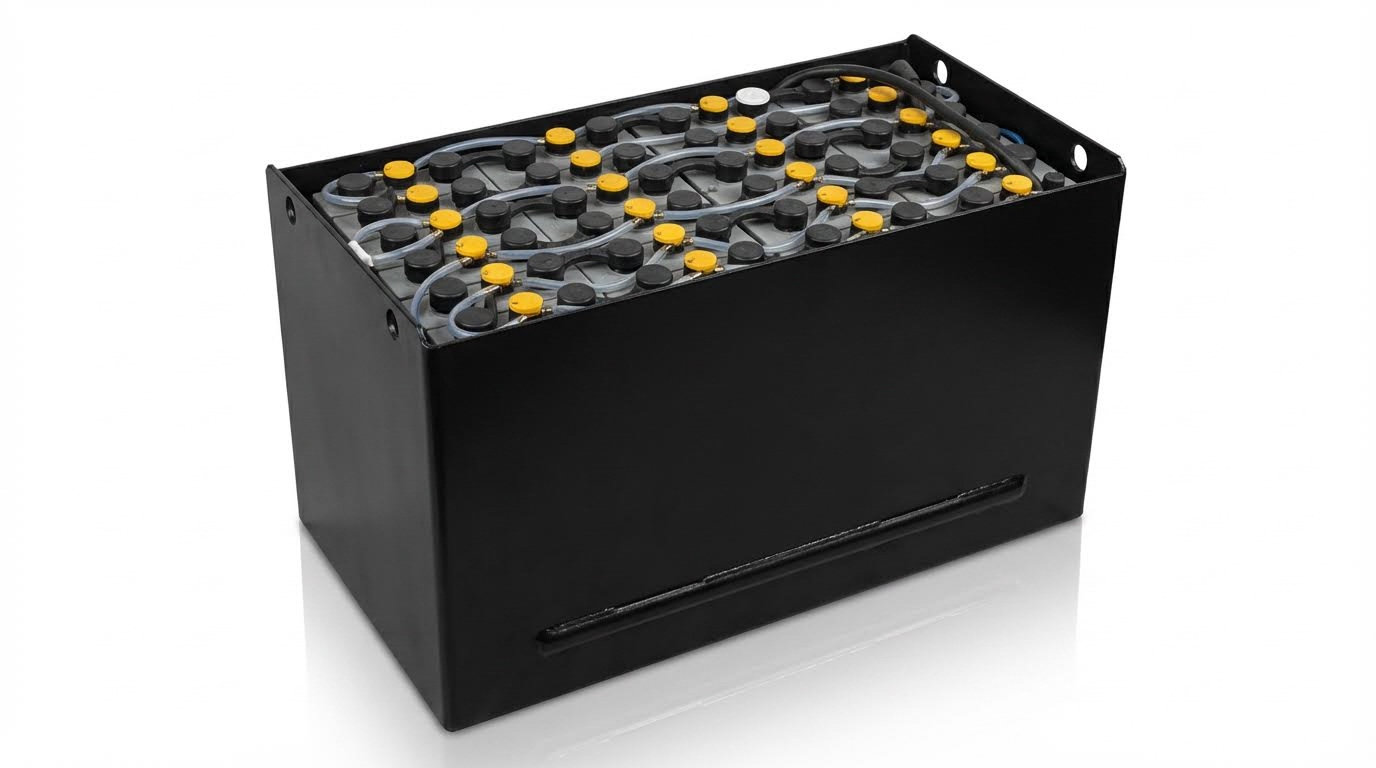
Replacement planning for traction batteries in walkie stackers required a structured, data-driven approach. Maintenance teams evaluated symptoms, test results, safety constraints, and lifecycle cost before deciding how to tell if a walkie stacker battery is bad and what to do next. Decisions balanced technical feasibility, regulatory compliance, and operational uptime. The following sections outlined how professionals assessed repair, regeneration, complete replacement, and safe implementation.
When To Repair, Regenerate, Or Fully Replace
Engineers first confirmed that performance loss truly came from the battery, not from wiring, contactors, or the emergency stop circuit. Consistent runtime reduction of around 30% after a full charge usually indicated end-of-life capacity loss. If tests showed only a few weak cells, targeted repair or cell replacement remained viable. Regeneration made sense when sulfation or elevated internal resistance dominated, but mechanical damage, leakage, or severe imbalance justified full replacement.
Capacity testing according to EN 60254-1, with discharge at approximately 0.2 C to 1.70 V per cell, provided objective evidence. If measured capacity fell below roughly 80% of nominal and continued to decline, long-term regeneration value dropped. Regeneration processes typically included desulfation, cleaning, connector refurbishment, and replacement of defective cells. Fleet operators compared regeneration cost and expected extra cycles with the cost of a new or certified used pack.
Full replacement became mandatory when the case cracked, electrolyte leaked, or cells overheated during charge. Swelling, strong odors, or persistent voltage sag under normal traction load also indicated internal damage. In such cases, attempting repair increased safety risks and potential downtime. Environmentally compliant disposal and recycling closed the loop and reduced liability.
Selecting Correct Capacity, Chemistry, And Weight
When specifying a replacement, engineers matched nominal voltage, capacity, and minimum battery weight defined on the stacker nameplate. Undersized capacity led to rapid discharge, deeper cycles, and accelerated aging. A replacement with much lower ampere-hour rating, for example substituting 88 Ah for an original 255 Ah pack, drastically shortened runtime and increased stress. Technicians also checked that peak current capability met traction and lift demands.
Chemistry choice influenced charging infrastructure, maintenance, and safety. Flooded lead-acid batteries required watering and equalization charges but offered high recyclability. AGM and gel variants reduced maintenance but demanded controlled charge profiles. Lithium-ion systems provided higher energy density and partial-charge tolerance, yet required integrated battery management systems and stricter thermal control. Operators evaluated duty cycle, ambient temperature, and shift patterns before changing chemistry.
Battery mass functioned as a counterweight in walkie stackers, so minimum weight limits were critical. Replacing a 600 kg-equivalent traction battery with a much lighter assembly compromised stability and braking. Engineers verified compartment dimensions, cable reach, and connector type to avoid mechanical interference. They documented all specifications to support future replacements and audits.
Installation, Charging, And Handling Safety
Safe installation started with isolating the truck, setting all controls to neutral, and applying parking brakes. Technicians used appropriate lifting equipment or roller stands that matched the compartment roller height and battery length. They avoided placing tools or metal objects across cell tops to prevent short circuits. Battery retainers and stops were reinstalled to prevent movement during operation or impacts.
Correct polarity and connector orientation were verified before energizing the system. After installation, operators performed a functional check at low speed, monitoring for abnormal voltage sag or error codes. For flooded batteries, technicians confirmed electrolyte levels after the first full charge and adjusted with deionized water. Charging practices followed manufacturer limits for current, voltage, and temperature, typically around 10–30°C for best life.
Personnel wore appropriate PPE, including eye protection, acid-resistant gloves, and non-conductive tools. Work areas required ventilation to disperse hydrogen from lead-acid charging. Technicians avoided charging or swapping batteries in hazardous atmospheres. Training emphasized how to tell if a walkie stacker battery is bad in the field and how to respond safely to leaks, overheating, or strange odors.
Data-Driven Maintenance And Lifecycle Cost Control
Data logging transformed subjective impressions into measurable trends. Operators recorded daily runtime, charge duration, and any shutdown events. Maintenance teams tracked periodic voltage, specific gravity, and internal resistance measurements for each battery. Deviation from baseline values indicated developing faults long before catastrophic failure. This approach reduced unplanned downtime and clarified replacement timing.
Integrating test data with work-order systems enabled lifecycle cost analysis. Engineers calculated cost per operating hour by combining purchase, regeneration, maintenance, and disposal expenses. Batteries that frequently triggered alarms, overheated, or failed retention tests showed higher indirect costs from lost productivity. Standardized procedures, such as EN 60254-1 capacity tests and scheduled self-discharge checks, supported consistent decision-making across fleets.
Predictive maintenance models used historical data to forecast when capacity would drop below acceptable thresholds. This allowed planned procurement and minimized emergency purchases. By coupling technical diagnostics with financial metrics, managers optimized chemistry selection, replacement intervals, and charging strategies. As a result, they improved safety, clarified how to tell if a walkie stacker battery is bad early, and extended overall asset life.
Summary: Reliable, Safe Power For Walkie Stackers
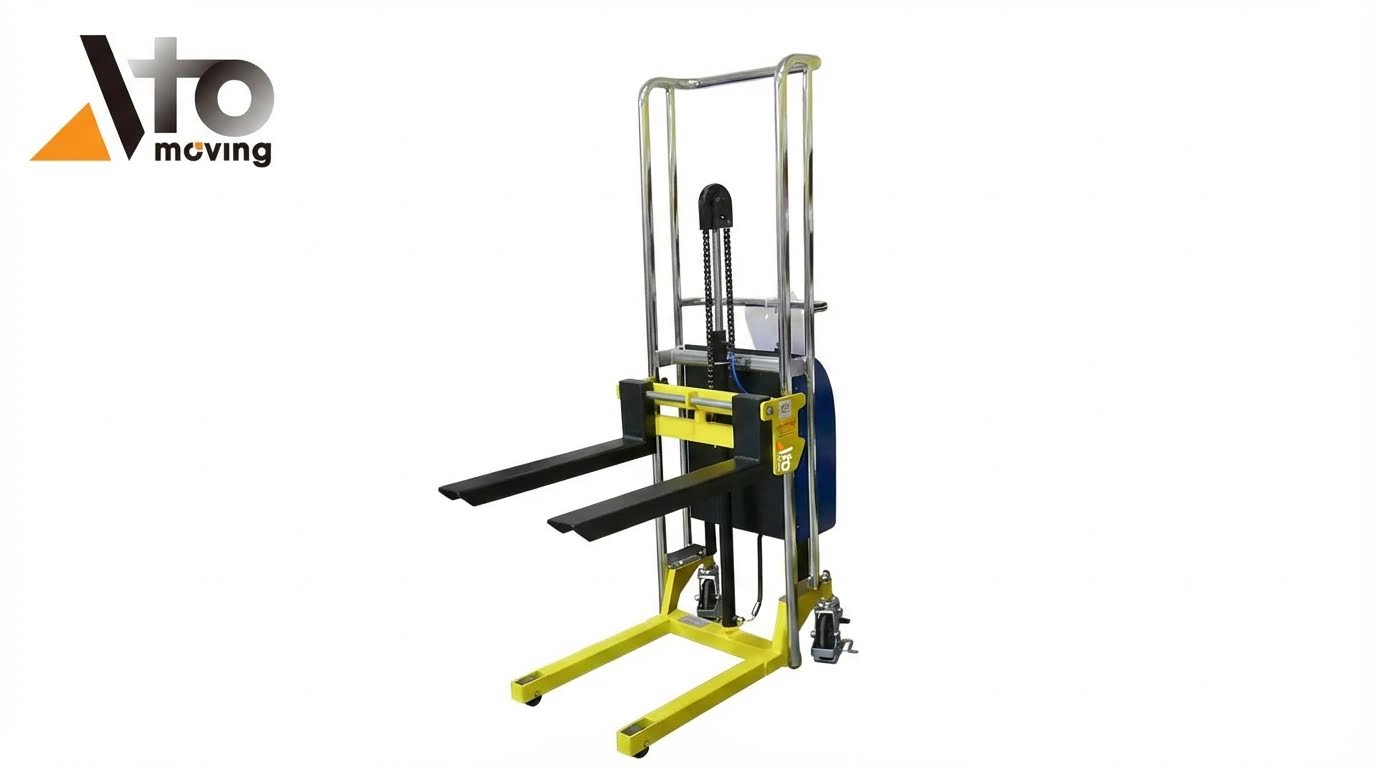
Knowing how to tell if a walkie stacker battery is bad relied on linking symptoms, tests, and decisions. Operators identified early signs such as reduced runtime, voltage sag under load, overheating during charge, and visible defects like swelling or leaks. Systematic diagnostics used visual checks, multimeter measurements, load and capacity tests, and cell-level inspections aligned with EN 60254-1 to quantify actual degradation. This structured approach reduced guesswork and supported clear decisions on repair, regeneration, or full replacement.
For industry practice, the key implication was that lift stacker batteries had to be treated as engineered traction systems, not consumables. Deep discharges below roughly 20% state of charge, opportunistic fast top-up charging, and operation outside 10–30°C accelerated sulfation, internal resistance growth, and capacity loss, increasing safety risks. Data logging of voltage, charge cycles, electrolyte levels, and test results enabled predictive maintenance and lifecycle cost optimization rather than reactive change-outs. Correct replacement also required matching chemistry, voltage, capacity, and minimum counterweight mass to maintain truck stability and braking performance.
Implementation in real fleets meant embedding regular inspection and test routines into daily and weekly workflows. Technicians combined quick in-shift checks for power loss or abnormal heat with scheduled capacity and self-discharge tests at controlled temperature. Results guided targeted actions such as cleaning and tightening connections, topping up electrolyte after charging, or isolating and replacing weak cells. Looking ahead, higher adoption of advanced lead-acid and lithium chemistries, together with better onboard monitoring, supported more accurate health estimation and safer operation. However, the fundamentals stayed constant: disciplined charging, temperature control, and standards-based testing remained the most effective way to ensure reliable, safe power for battery-powered stacker over their full economic life.