
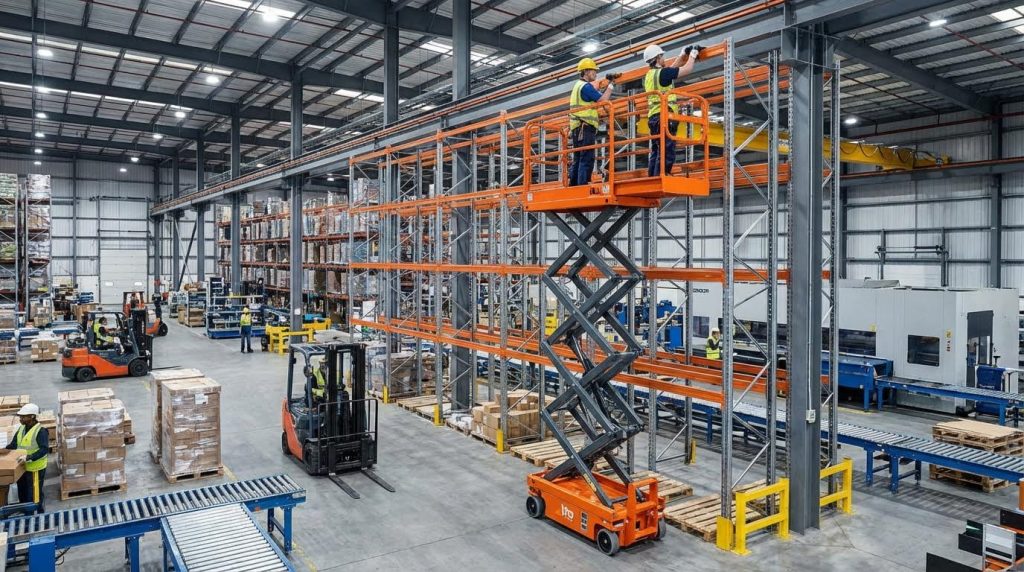
Choosing between electric and engine scissor lifts comes down to where you work, how long you run, and what you need to lift. This guide explains how each power source works, compares noise, emissions, capacity, and cost, and shows which option fits typical indoor, outdoor, and mixed-fleet applications. Along the way, you’ll also get a clear answer to “are scissor platform lifts electric” and when that matters for safety, compliance, and total cost of ownership.
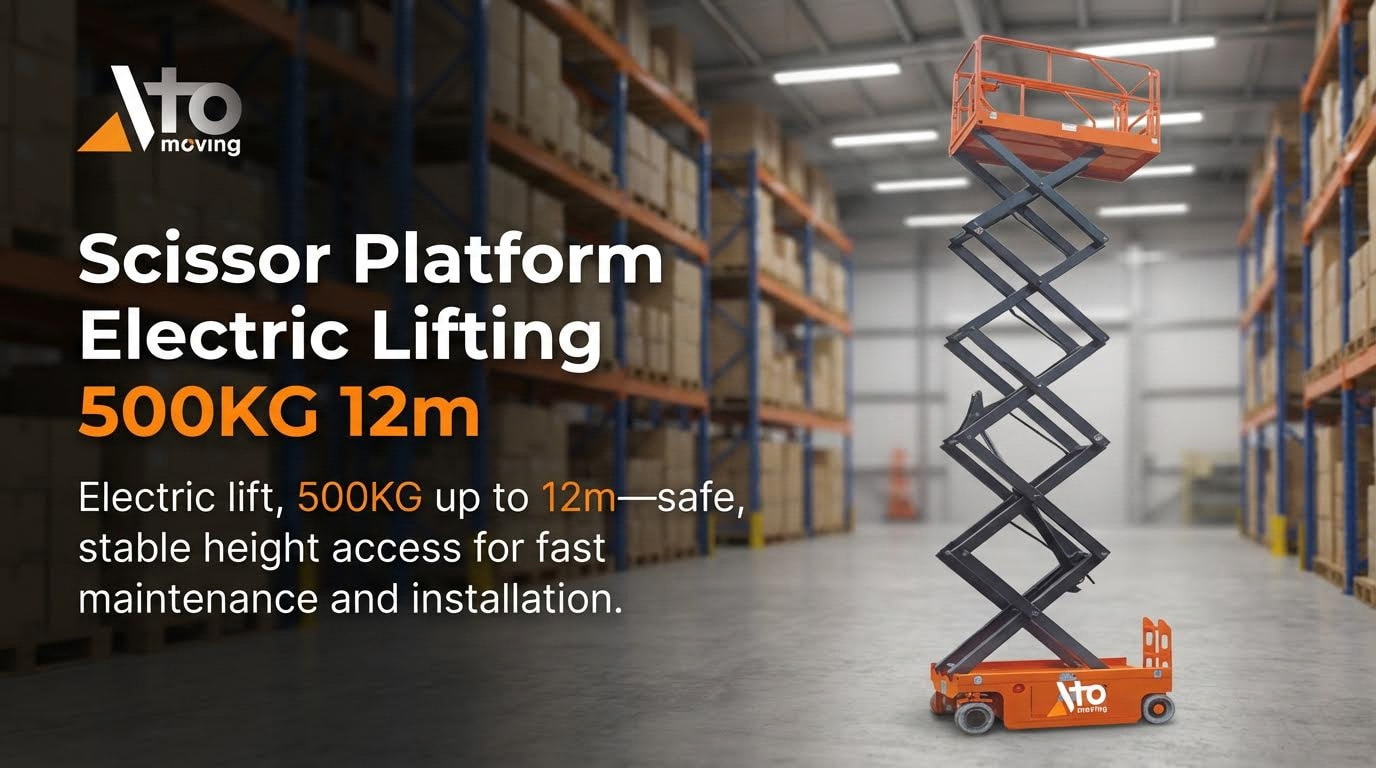
Power Sources For Scissor Lifts Explained
Scissor lifts use either electric, gas, or diesel engines to power a hydraulic or electric driveline, and the “right” power source depends on where and how long you run the machine. This section explains how the power gets from batteries or engines to the platform and clears up questions like “are scissor lifts electric or engine-driven?” so you can match the technology to your site, duty cycle, and safety rules.
How Electric And Engine-Driven Lifts Work
Electric and engine-driven scissor lifts both raise the platform by driving a mechanical scissor linkage, but they differ in where the power comes from and how cleanly and quietly they run. Understanding this split is the first step in answering “are scissor lifts electric, engine, or both?” and choosing the safest option for indoor or outdoor work.
- Power Source Basics: Electric lifts use onboard batteries and electric motors, while engine units burn gas or diesel – this directly affects emissions, noise, and operating cost.
- Electric Scissor Lifts: Battery packs feed electric motors that drive hydraulic pumps or all‑electric mechanisms – they use significantly less energy than diesel models, cutting utility and fuel costs. Energy use comparison
- Quiet, Zero-Emission Operation: Electric units run much quieter and produce zero point‑of‑use emissions – they protect indoor air quality and allow work in noise‑sensitive areas like hospitals or schools. Noise and emissions
- Indoor Maneuverability: Electric models are compact and often use non‑marking tires – they navigate tight aisles and protect polished floors in malls, warehouses, and factories. Indoor applications
- Engine-Driven (Gas/Diesel) Lifts: Combustion engines drive hydraulic pumps directly – they deliver higher torque for heavy loads and long outdoor duty cycles. Power and load capacity
- Rugged Outdoor Work: Engine lifts are built for rough terrain and adverse weather – they maintain performance on uneven ground where electric units may struggle. Durability outdoors
- Indoor vs Outdoor Split: Electric scissor lifts dominate indoor, clean, smooth-floor work; engine lifts dominate large outdoor and rough‑terrain projects – choosing wrong creates safety, compliance, and cost problems.
- Operating Cost Difference: Electric units avoid fuel purchases and have fewer moving parts – they typically carry lower ongoing operating and maintenance costs than diesel models. Cost and maintenance
Are scissor lifts electric, hydraulic, or both?
Many scissor lifts are “electric + hydraulic”: batteries power an electric motor, which drives a hydraulic pump and cylinders. Others are fully electric, using screw or linkage systems with no hydraulic oil. Engine-driven units almost always use hydraulics for lifting.
💡 Field Engineer’s Note: When someone asks “are scissor lifts electric or engine-driven?” I start with where the machine will sleep at night. If it lives indoors on smooth floors, default to electric; if it lives in mud and rain, start with an engine and work backward from your emissions rules.
Hydraulic, Electric And Hybrid Drivelines
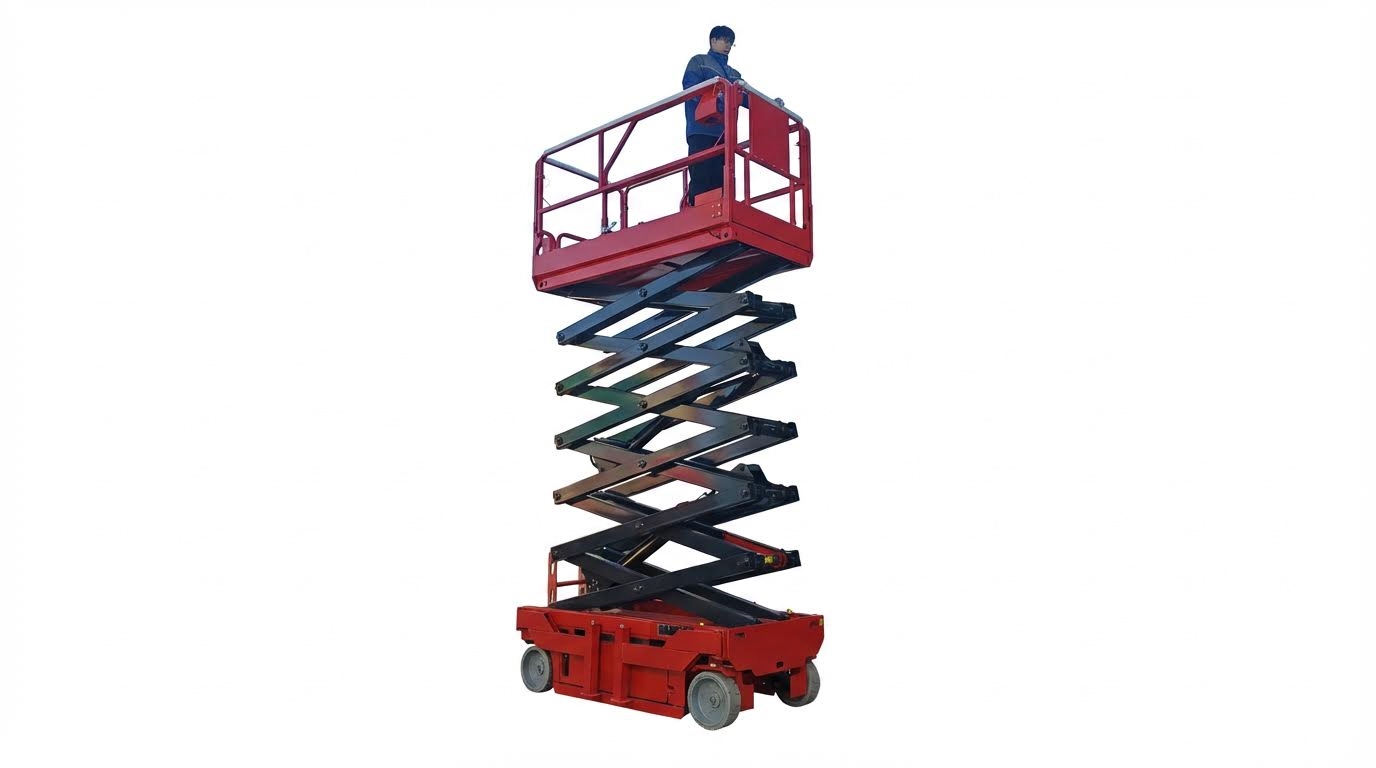
Hydraulic, electric, and hybrid drivelines describe how scissor lifts convert power into vertical motion, and each architecture has trade‑offs in precision, leaks, maintenance, and energy efficiency. Choosing the right driveline matters as much as choosing between electric or engine power, especially for uptime and cleanliness in your plant.
| Driveline Type | How It Lifts | Key Strengths | Typical Limitations | Best For… |
|---|---|---|---|---|
| Hydraulic (Engine or Electric-Driven Pump) | Engine or electric motor drives a pump; pressurized fluid extends cylinders to open the scissor stack. Hydraulic behavior | High force density, proven design, fine control with positioning accuracy around ±5 mm. | Risk of leaks, fluid compressibility gives slight “sponginess” under changing loads; more maintenance on hoses and seals. | General-purpose lifts where minor oil drips are manageable and you need robust, forgiving hardware. |
| All-Electric Driveline | Electric motors drive screw, rack, or linkage mechanisms; no hydraulic oil in the lifting circuit. Electric driveline advantages | No hydraulic leaks, very precise motion, cleaner and often quieter operation, reduced hydraulic maintenance tasks. | More sensitive to contamination and alignment issues; may have higher initial cost and requires disciplined lubrication and inspections. | Cleanrooms, food, pharma, and high-spec warehouses where oil on the floor is unacceptable. |
| Hybrid (Engine + Battery / Mixed Driveline) | Combines engine and battery power; can run engine to charge batteries or switch to electric-only modes for quiet/clean operation. | Flexibility to work indoors and outdoors, reduced fuel use, better compliance with tightening emissions rules. Emissions and regulations | More complex system, higher purchase price, and more components to maintain (engine plus batteries and electronics). | Mixed-use fleets that move between indoor areas and outdoor construction or infrastructure sites. |
- Hydraulic Dominance: Traditional industrial scissor lifts rely on hydraulic cylinders for lift – they offer robust force and simple control, which is why they still dominate heavy-duty work. Hydraulic drivelines
- All-Electric Shift: Newer “oil‑free” designs use electric drive and mechanical linkages – they eliminate hydraulic leaks and cut some maintenance work, which is attractive in sensitive facilities. Electric driveline design
- Battery System Care: Battery-powered lifts need correct charging practices – poorly maintained lead‑acid packs may last ~1 year, while well‑maintained batteries can reach around 3 years, heavily impacting lifecycle cost. Battery maintenance
- Environmental Compliance: Electric and hybrid drivelines with zero on-site emissions align better with strict air-quality rules – engine-only hydraulic systems may need exhaust after‑treatment to stay compliant. Regulatory impact
How driveline choice affects safety and feel
Hydraulic lifts can “settle” a few millimeters when loads change because of fluid compressibility, which operators feel as slight movement. All‑electric systems feel more rigid but transfer more shock if you hit a floor joint. Both can be safe when maintained and used within rated load and edge‑load limits.
💡 Field Engineer’s Note: When you evaluate “are scissor lifts electric enough for my job,” look beyond the battery sticker. Ask whether the lift is hydraulic or all‑electric, how leaks would affect your process, and who will actually maintain the batteries week after week.
Matching Power Type To Applications
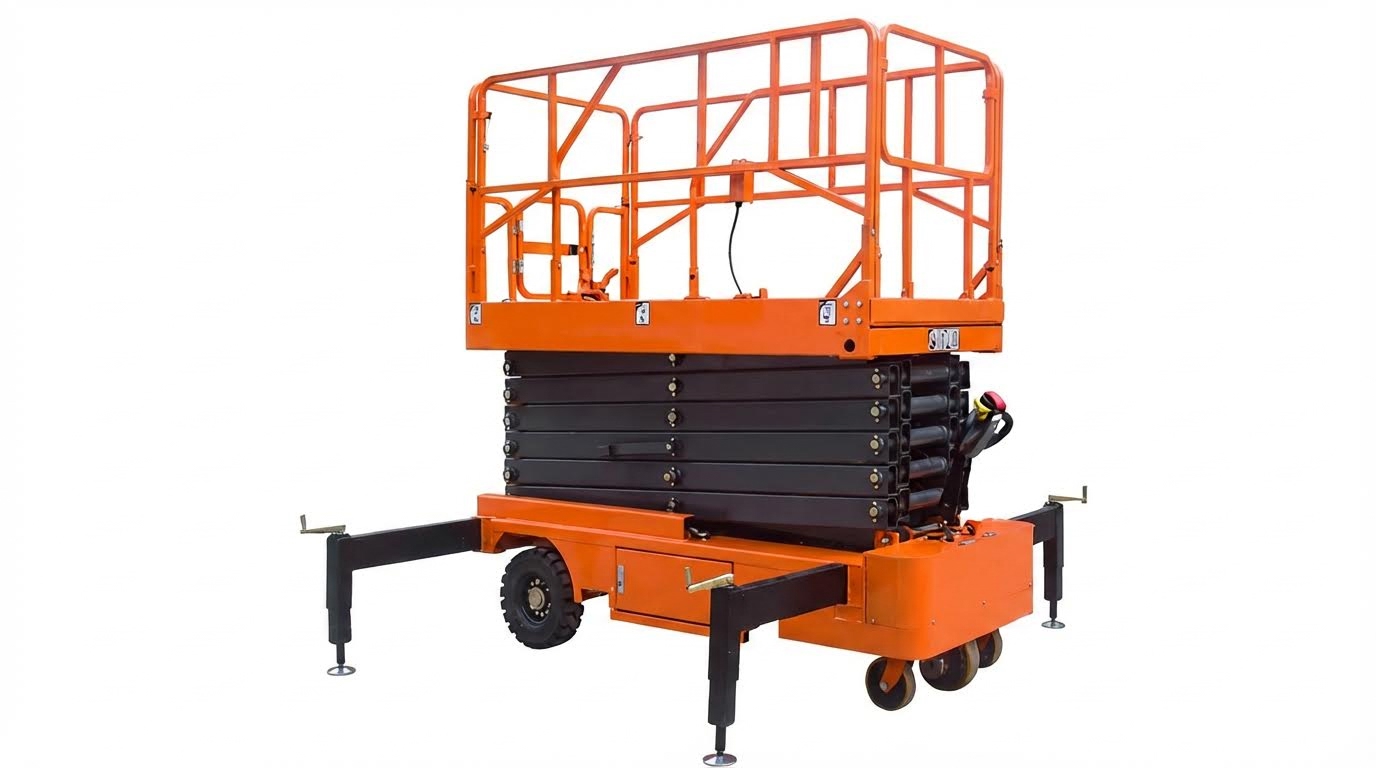
Matching scissor lift power type to applications means mapping where and how you work to the right drive system so you avoid emissions issues indoors, bogging down outdoors, and unnecessary fuel or battery costs over the life of the machine.
When people ask “are scissor lifts electric,” the real answer is that electric, diesel, and hybrid units each fit very different environments. The goal is to pick the power source that meets safety, productivity, and compliance needs with the lowest total cost.
Indoor, Cleanroom And Tight-Aisle Operations
For indoor, cleanroom, and tight-aisle work, scissor platform are usually the first choice because they are quiet, produce zero on-site emissions, and have compact, non‑marking designs that protect sensitive floors and air quality. If you are wondering “are scissor lifts electric for indoor use,” the practical rule is: most indoor fleets should be predominantly electric, with engine units kept outside.
- Zero-emission operation: Electric drives do not burn fuel – this avoids exhaust in warehouses, malls, and factories and supports air-quality and emission rules. Electric scissor lifts produce zero emissions at point of use.
- Low noise for occupied buildings: Electric motors run quietly – this keeps operations acceptable in hospitals, schools, offices, and retail during business hours. Quiet operation is a key advantage indoors.
- Energy efficiency: Electric units use significantly less energy than diesel – this reduces utility and operating costs for facilities that run lifts daily or on multiple shifts. Electric scissor lifts consume less energy than diesel models.
- Compact chassis and tight turning: Many electric models have a small footprint – this lets them navigate aisles, production cells, and racking rows without constant repositioning. Compact build supports narrower spaces.
- Non-marking tires: Indoor-focused lifts often use non-marking wheels – this prevents tire scuffs on polished concrete, epoxy, or tile, which is critical in malls and clean facilities. Non-marking tires protect finished floors.
- Factory-ready capacities: Typical industrial scissor lifts carry about 230–500 kg – enough for two workers plus tools and parts in assembly, maintenance, and inventory work. Factory scissor lifts often support 230–500 kg loads.
- Height coverage indoors: Indoor electric units commonly work between roughly 4–14 m – this covers racking, lighting, ducting, and ceiling-level maintenance in most buildings. Typical industrial scissor lifts reach about 4–14 m.
- Lower indoor operating costs: Electric units have fewer moving parts and no fuel system – this cuts routine maintenance and eliminates fuel deliveries or storage indoors. Electric lifts generally require less maintenance.
| Indoor Scenario | Recommended Power Type | Key Reason | Operational Impact |
|---|---|---|---|
| Warehouse picking between racking | semi electric order picker | Compact, low noise, zero emissions | Operators can work near staff and product without fumes; fits narrow aisles and avoids floor damage. |
| Cleanroom or food-grade production | Electric | No exhaust, controlled leaks | Supports hygiene and air-quality requirements; easier to justify in audits and inspections. |
| Shopping mall or retail fit-out | Electric | Quiet and non-marking tires | Night or daytime work without disturbing customers; no cleanup of tire marks afterward. |
| Factory equipment maintenance | Electric | 230–500 kg capacity range | Safely lifts technicians plus spares and tools to 4–14 m work heights. |
| Office atrium lighting work | Electric | Low noise and emissions | Work can proceed while offices remain occupied, avoiding shutdowns. |
How to decide if an indoor job can use an engine lift
Use an engine-powered scissor lift indoors only if you can guarantee strong mechanical ventilation, no sensitive occupants, and compliance with local emission rules. In most modern facilities, it is simpler and safer to specify electric-only units for interior work zones.
💡 Field Engineer’s Note: When you plan indoor fleets, design charging into the layout. Put charging bays near main travel routes but away from doors and emergency exits, and standardize connectors so any electric scissor lift can plug into any bay without adapters.
Construction, Rough Terrain And Mixed Fleets
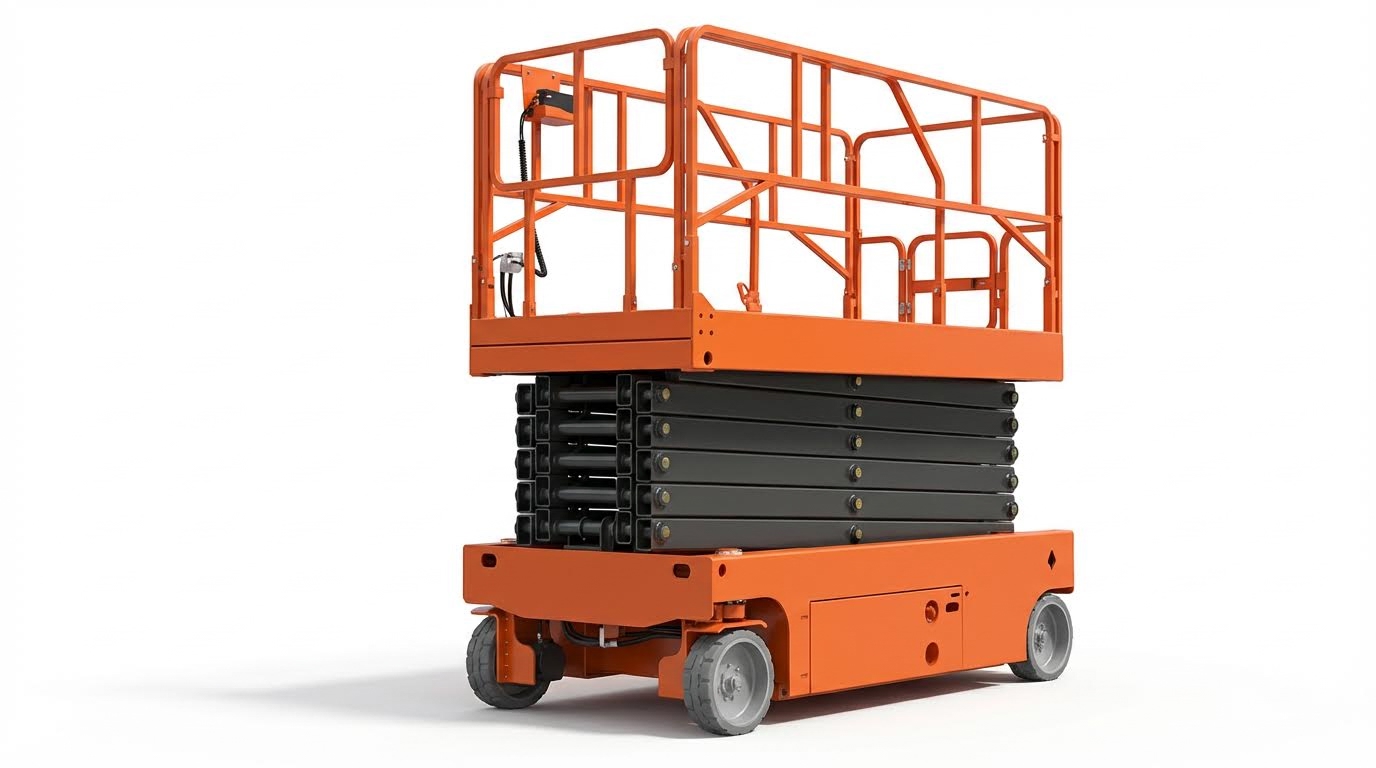
For construction, rough terrain, and mixed indoor–outdoor fleets, engine-powered scissor lifts usually handle heavy loads and bad ground better, while electric units cover finished surfaces and enclosed spaces, so the best solution is often a blended fleet with clear rules on where each machine can go. In other words, “are scissor lifts electric” is only half the question; for big sites you typically need both electric and engine units assigned to specific zones.
- High power and torque outdoors: Diesel scissor lifts deliver strong torque – this keeps platforms moving on grades, mud, and uneven ground where electric units may stall or spin. Diesel models are designed for high power output.
- Heavy load capability: Engine-driven units are built for higher loads – this supports steel erection, cladding, and large mechanical assemblies at height. Diesel lifts perform well with heavy equipment or materials.
- Rough terrain drivetrains: Many outdoor scissor lifts use four-wheel drive and rugged frames – this allows safe travel over ruts, gravel, and unfinished slabs on job sites. Rough terrain scissor lifts are built for demanding conditions.
- Weather and durability: Engine units are designed for harsh outdoor conditions – they maintain reliability in rain, temperature swings, and dusty environments that would be hard on exposed electric components. Diesel scissor lifts withstand harsh outdoor conditions.
- Outdoor construction and infrastructure: Engine lifts are well suited to large construction and infrastructure projects – they can work across big sites without needing frequent charging infrastructure. Diesel units are widely used on outdoor job sites.
- Emission compliance outdoors: Even outside, diesel fleets may require exhaust treatment – you must plan for aftertreatment systems and local emission rules on larger projects. Diesel models can need extra emission devices.
- Operating cost balance: Diesel units can run long shifts with fast refueling but have higher fuel and maintenance costs – electric lifts cost less to run but need charging windows and battery care. Fuel and maintenance drive up diesel operating costs.
- Mixed-fleet zoning: On large sites, using electric indoors and diesel outdoors – reduces risk of fumes inside while still giving you the power and endurance you need outside.
| Application Type | Typical Ground / Environment | Preferred Power Type | Best For… |
|---|---|---|---|
| Building shell construction | Uneven soil, gravel, unfinished slabs | Diesel / rough terrain | Carrying heavy materials and crews over long distances on open job sites. |
| Facade and cladding work | Perimeter of buildings, changing weather | Diesel / rough terrain | High reach with strong wind and load margins for panels and glazing. |
| Industrial plant shutdowns | Mix of indoor process areas and outdoor yards | Mixed fleet (electric + diesel) | Electric units inside process halls; diesel outside in yards and structures. |
| Stadiums and large venues | Concrete tiers, ramps, partial cover | Mixed fleet | Electric on finished concourses; diesel on construction zones and external works. |
| Urban infill projects | Tight streets, neighbors, noise limits | warehouse order picker | Minimizing noise and emissions to satisfy local restrictions and residents. |
Planning a mixed electric and engine scissor lift fleet
Start by drawing a simple site map and shading “electric only” zones (enclosed or occupied areas). Then mark rough terrain or long-travel areas where diesel is justified. Size your charging area and fuel storage to match peak daily usage rather than nameplate fleet size.
💡 Field Engineer’s Note: On big construction sites, color-code your lifts by power type and zone them in the site rules. That way a diesel unit never “drifts” into an indoor area just because someone needed a platform in a hurry.
Final Thoughts On Choosing Scissor Lift Power Options
Electric, engine, and hybrid scissor lifts each solve a different problem, so the safest choice starts with your environment, then your duty cycle, then your load. Indoor and clean operations should default to electric or all-electric drivelines, because they remove exhaust risk, cut noise, and reduce slip hazards from oil leaks. Outdoor and rough-terrain work still leans on engine-powered hydraulics, which deliver higher torque, long shifts, and better performance on grades and mud.
Across all power types, engineering limits do not change. You must respect rated capacity, edge-load rules, and ground conditions, and you must keep hydraulic and electrical systems maintained. Poor battery care or ignored leaks can turn even the “right” lift into a safety risk and a cost drain.
For most fleets, the best practice is a planned mix: electric units for enclosed, finished areas and engine or hybrid units for heavy, long-range outdoor work. Map zones, design charging and refueling into the site layout, and train crews so each lift stays in its intended area. When in doubt, operations teams should choose the cleanest power option that still meets load, reach, and terrain demands, and work with partners like Atomoving to match models to real-world use.
Frequently Asked Questions
Are scissor lifts powered by electricity?
Yes, many scissor lifts are powered by electricity, which makes them ideal for indoor use due to their quiet operation and zero emissions. However, some models also run on gas or diesel, particularly for outdoor applications where electricity may be limited. Scissor Lift Power Sources.
What are the advantages of electric scissor lifts?
Electric scissor lifts offer several benefits, including:
- Quiet operation, suitable for noise-sensitive environments like offices or hospitals.
- No emissions, making them safe for indoor use without additional ventilation.
- Lower operating costs compared to fuel-powered models.
Can scissor lifts operate on rough terrain?
While electric scissor lifts are typically used indoors, gas or diesel-powered models are better suited for rough terrain and heavy-duty tasks. These lifts provide more power and flexibility in challenging outdoor conditions. Rough Terrain Scissor Lifts.