
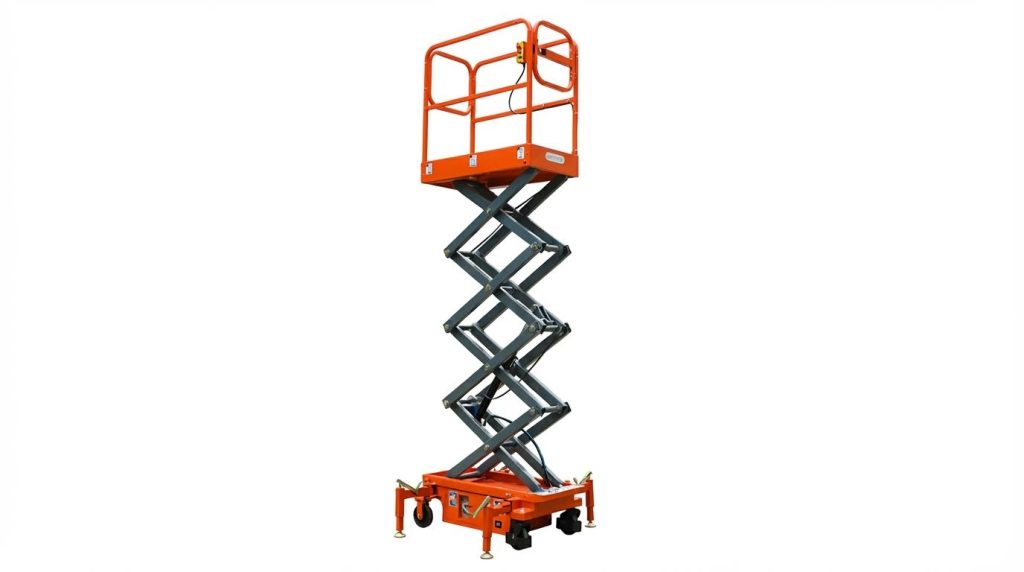
Electric and engine scissor lifts solve the same problem—safe vertical access—but their power sources change everything: where you can use them, what they cost to run, and how they impact safety and emissions. This guide explains how each type works, compares performance and lifecycle costs, and shows how to match lift power to real-world jobs. If you have ever asked “are scissor platform lifts electric or engine-powered, and which is right for my site?”, this article gives you a clear, engineer-level answer in practical, metric-first terms.
How Electric And Engine Scissor Lifts Work
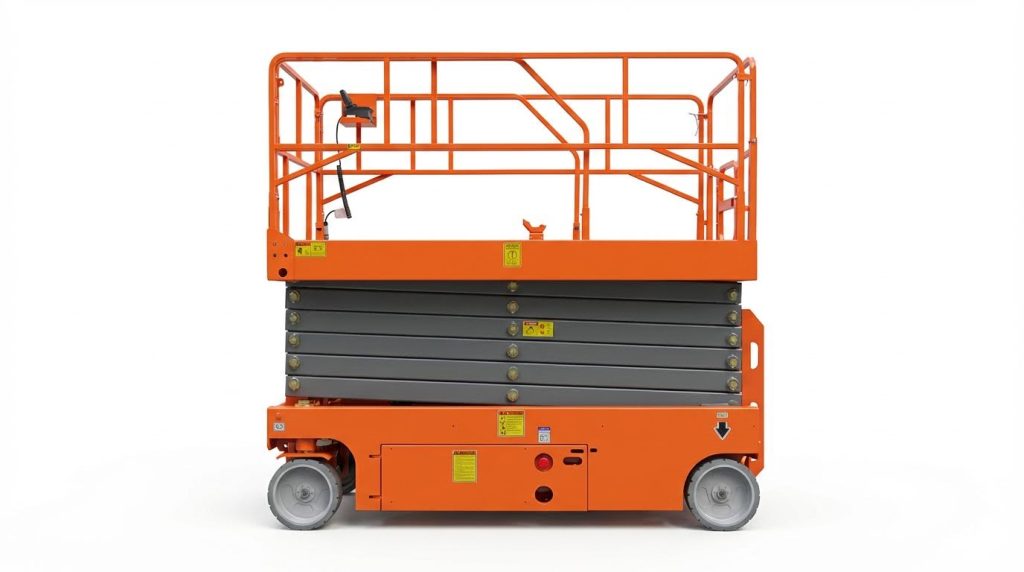
Electric and engine scissor lifts use the same scissor mechanism but very different powertrains, which changes noise, emissions, running cost, and where you can safely use them. Understanding this is key when asking “are scissor lifts electric or engine-driven” for your site.
Powertrain architectures and drive systems
Electric scissor lifts use battery-powered electric motors and hydraulic pumps, while engine scissor lifts use internal combustion engines driving hydraulics through fuel systems and exhaust components. This power choice dictates indoor suitability, maintenance, and fuel or charging logistics.
| Powertrain Type | Main Energy Source | Drive & Lift Mechanism | Typical Use Environment | Operational Impact |
|---|---|---|---|---|
| Electric scissor lift | Battery pack (DC power) | Electric motor drives hydraulic pump for lift and drive | Indoor / mixed-use, flat floors | Zero on-site exhaust and low noise, ideal for warehouses, malls, hospitals, and offices (environmental performance) |
| Engine (diesel / gas) scissor lift | Diesel or gasoline fuel | Internal combustion engine drives hydraulic pump for lift and drive | Outdoor, rough or sloped ground | High power and load capacity for heavy materials and rugged sites, but with exhaust and higher noise levels (load capacity & durability) |
| Hybrid / hydraulic focus | Engine or electric + hydraulic oil | Hydraulic cylinders actuate the scissor structure | Indoor/outdoor depending on power source | Hydraulic system gives smooth, powerful lift; environmental impact depends on fluid selection and leak control (hydraulic versatility) |
In all cases, the scissor mechanism itself is a set of linked steel arms that extend vertically when hydraulic cylinders push them apart. What changes between electric and engine units is how you power the hydraulic pump and traction motors.
- Electric powertrain: Battery pack feeds an electric motor – simpler drivetrain, fewer moving parts, and smoother low-speed control, which reduces wear and operator error indoors (power source & maintenance).
- Engine powertrain: Diesel/gas engine with fuel, exhaust, and cooling systems – handles higher duty cycles and heavier loads outdoors but adds vibration, heat, and more components to maintain (engine-driven lifts).
- Hydraulic core: Cylinders and valves control lift speed and holding – stable platform if maintained, but leaks and wrong fluid choice can create slip hazards and environmental issues (hydraulic impact).
💡 Field Engineer’s Note: For indoor fleets, standardize on electric scissor lifts with the same battery voltage and connector type. This simplifies chargers, reduces plug-mismatch downtime, and makes it easier to rotate machines between bays.
Energy use, noise, and emissions fundamentals
Electric scissor lifts use less energy, run much quieter, and produce zero on-site exhaust emissions, while engine lifts burn fuel, are louder, and emit gases that often restrict them to outdoor work. These fundamentals decide where each type is safe and legal to operate.
| Factor | Electric Scissor Lifts | Engine (Diesel / Gas) Scissor Lifts | Operational Impact |
|---|---|---|---|
| Energy consumption | High efficiency, significantly lower energy use than diesel models (energy consumption) | Higher fuel consumption due to engine and idling losses | Electric reduces utility and fuel spend over the life of the machine, especially on multi-shift indoor work |
| Runtime per refuel/charge | About 4–6 hours of continuous operation per full charge, with 6–8 hours standard recharge time; quick-charge can cut this to 3–4 hours at the cost of battery life (runtime & charging) | Longer effective runtime with fast refueling from fuel tanks | Engines suit remote sites with no power; electrics suit predictable shifts where overnight charging is easy |
| Noise level | Around 70 dB, quiet enough for most indoor work and noise-sensitive sites (noise levels) | Can reach about 85 dB, often requiring hearing protection (noise comparison) | Electric helps you meet site noise limits and reduces operator fatigue on long shifts |
| Exhaust emissions | Zero emissions at point of use (environmental impact) | CO₂ and NOx emissions from combustion engines (environmental performance) | Engines are often banned or tightly restricted indoors; electric models comply with most indoor air-quality rules |
| Typical environments | Retail, production plants, warehouses, offices, hospitals, schools, and malls (indoor suitability) | Construction sites, infrastructure projects, and rugged outdoor terrain (outdoor applications) | Choosing the wrong type can breach noise/emission rules or leave you underpowered on rough ground |
- Energy & cost: Electric units draw less total energy and avoid fuel logistics – this cuts operating cost and simplifies site planning over long projects (operational costs).
- Noise & fatigue: Lower noise and smoother operation on electric lifts – operators stay more alert, which directly improves safety performance (safety performance).
- Compliance & access: Electric lifts align with strict indoor emission and noise regulations – often the only legal option inside occupied buildings (environmental regulations).
Are scissor lifts electric, engine-driven, or both?
Many buyers ask “are scissor lifts electric?” The accurate answer is: both exist. Electric scissor lifts use batteries and are optimized for indoor, low-noise, zero-emission work, while diesel and gas scissor lifts use engines for high-power outdoor jobs. Your environment, runtime, and emission rules decide which power source makes engineering and financial sense.
💡 Field Engineer’s Note: When you calculate energy use, look at idle time. Engine lifts often idle between tasks and still burn fuel, while electric lifts draw almost nothing at standstill, which is why their real-world energy savings are larger than many spec sheets suggest.
Matching Scissor Lift Power To Your Application
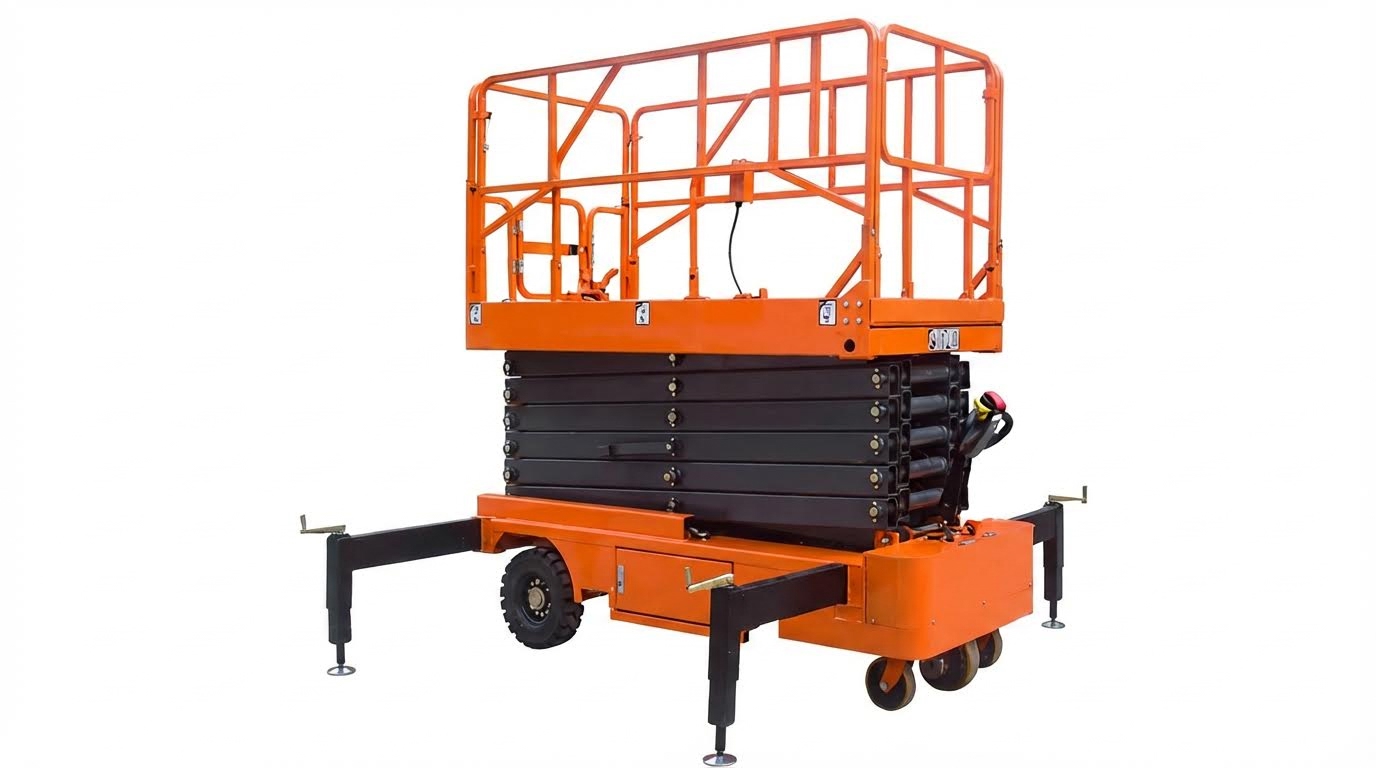
Matching scissor lift power to your application means balancing environment, duty cycle, and cost so the lift can work a full shift safely with minimal downtime and compliance risk. This is where many fleets win or lose money.
Indoor, outdoor, and mixed-environment use cases
Indoor, outdoor, and mixed-environment use cases determine whether electric or engine scissor lifts are safer, cheaper, and compliant over the life of the machine. Start with air quality, noise limits, floor conditions, and required load capacity.
Many buyers ask “are scissor lifts electric or engine-driven?” The reality is both exist, and power choice should follow the environment, not preference.
| Environment / Job Type | Recommended Power Source | Key Reason | Typical Constraints | Operational Impact |
|---|---|---|---|---|
| Indoor – warehouses, production, logistics | Electric | Zero exhaust and low noise protect indoor air and hearing | Need charging time and battery management | Can work near people, food, and packaging without fume issues (zero emissions, low noise) |
| Indoor – hospitals, schools, offices | Electric | Very low noise (~70 dB) and no emissions | Strict working-hour windows and noise caps | Work during office hours without disturbing staff or triggering alarms (noise around 70 dB) |
| Indoor – malls, polished floors | Electric | Compact chassis and non‑marking tyres protect floors | Narrow aisles, public traffic | Navigate tight 1.5–2.0 m aisles without floor damage or fumes (compact, non‑marking) |
| Outdoor – construction, infrastructure | Engine (diesel/gas) | Higher power and load capacity | Emissions and noise not acceptable indoors | Lifts heavier gear and crews on uneven ground all day (rugged, high capacity) |
| Outdoor – long shifts, remote sites | Engine (diesel/gas) | Fast refuelling supports long duty cycles | Fuel logistics, higher running cost | Minimal downtime; refuel in minutes instead of hours of charging (longer operation via refuelling) |
| Mixed – indoor daytime, outdoor yard work | Mostly Electric, plus a few Engine units | Electric for compliance indoors, engine for heavy outdoor tasks | Need clear allocation rules and charging/fuel plans | Balanced fleet: zero-emission indoor work plus high‑power outdoor coverage |
| Short‑term rental for outdoor project | Engine | Lower upfront cost for short duration | Higher fuel and noise; usually acceptable short term | Economic for 1–8 week projects where fuel cost is minor share (short-term economics) |
- Indoor priority: Choose electric – avoids emissions and noise restrictions and protects indoor air quality.
- Heavy outdoor lifting: Choose engine – handles higher loads and rough terrain all day.
- Mixed use: Split fleet – dedicate electric units to indoor zones and engines to harsh outdoor areas.
- Noise‑sensitive sites: Prioritise electric – keeps sound around 70 dB, often below hearing protection thresholds.
- Regulated sites: Electric helps compliance – zero exhaust simplifies meeting indoor and urban emission rules.
Are scissor lifts electric, engine, or hydraulic?
Scissor lifts can be battery‑electric, engine‑driven (diesel/gas), or hydraulic powered by either source. Electric units dominate indoor work because they produce zero exhaust and low noise, while engine units dominate heavy outdoor and rough‑terrain work. Hydraulic systems are common on both, but they describe the lifting mechanism, not the power source.
💡 Field Engineer’s Note: When a job “sometimes goes inside,” treat it as an indoor job. One engine unit driven indoors for “just 10 minutes” can trigger complaints, alarms, or fines, especially in food, pharma, or healthcare facilities.
Selection criteria, TCO, and fleet standardization
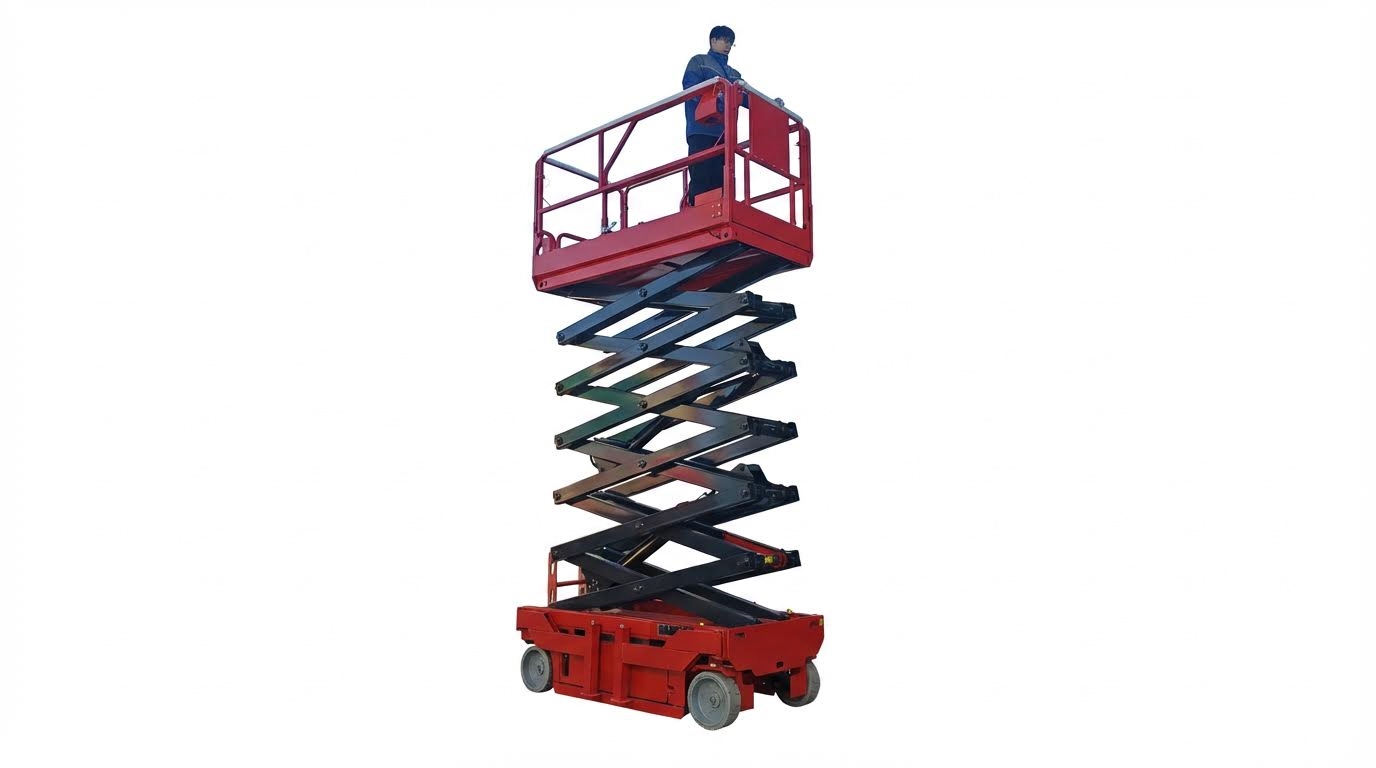
Selection criteria, total cost of ownership (TCO), and fleet standardisation decide whether electric or engine scissor lifts will be cheaper and safer over 5–10 years. Look past purchase price to energy, maintenance, uptime, and compliance costs.
| Selection Factor | Electric Scissor Lifts | Engine Scissor Lifts (Diesel/Gas) | Operational Impact / Best For… |
|---|---|---|---|
| Energy consumption & fuel | Much lower energy use and utility cost over life of machine (high efficiency) | Higher fuel use and cost; requires fuel storage and logistics (higher operational costs) | Electric lowers €/hour run cost; engine better when refuelling speed beats fuel price penalty. |
| Maintenance | Fewer moving parts; focus on batteries and electrical checks; lower failure rate (reduced daily maintenance) | Regular oil, filters, tuning; more components; higher maintenance cost (higher maintenance) | Electric suits large fleets wanting predictable workshop load; engines suit sites with strong in‑house mechanics. |
| Purchase price vs lifecycle cost | Often higher upfront but lower operating cost over time (better long‑term economics) | Lower upfront price, but fuel and maintenance drive higher TCO in long‑term use (higher ongoing expenses) | Electric wins for 5–10 year ownership; engine can win on short projects or low annual hours. |
| Duty cycle & runtime | Typically 4–6 hours continuous work per full charge; 6–8 hours charge, 3–4 hours with fast chargers (runtime and charging) | Longer operation possible with quick refuelling; limited mainly by operator shifts (quick refuelling) | Electric suits predictable shifts and overnight charging; engine suits 24/7 or remote jobs. |
| Lifting capacity | Typical capacities around 225–1,100 kg (500–2,500 lbs) (capacity range) | Often 680–1,800 kg (1,500–4,000 lbs) and above (higher capacity) | Electric covers most maintenance and light install tasks; engine needed for heavy steel, ducting, or multi‑person platforms. |
| Noise | ~70 dB; comfortable for indoor work without hearing protection (low noise) | Up to ~85 dB; may require ear protection and disturb neighbours (higher noise) | Electric improves worker comfort and communication; engine acceptable on open, noisy sites. |
| Environmental and safety compliance | Zero exhaust emissions and low noise support strict indoor and urban rules (zero emissions) | May need exhaust after‑treatment and are often banned indoors (indoor restrictions) | Electric reduces paperwork and risk of non‑compliance penalties. |
| IoT and fleet management | Well suited to IoT for battery health, usage, and maintenance monitoring (IoT trends) | Also IoT‑capable, but benefits strongest where fuel and service are big cost drivers | Standardising on connected units improves scheduling, reduces breakdowns, and supports right‑sizing the fleet. |
- Standardise where possible: Choose one dominant power type per site (usually electric indoors, engine outdoors) to simplify training, spares, and procedures.
- Calculate cost per operating hour: Include energy, maintenance, and expected life, not just purchase price.
- Define minimum capacity and height: Then pick the lowest‑cost power type that safely meets those numbers.
- Plan infrastructure: Electric needs charging points and battery care; engine units need safe fuel storage and ventilation.
- Use IoT where utilisation is high: Telematics on busy lifts quickly pays back in reduced breakdowns and better scheduling.
Simple TCO checklist for scissor lift selection
For each model you compare, estimate over 5–10 years: (1) Purchase price; (2) Energy or fuel per operating hour; (3) Planned annual hours; (4) Maintenance cost per year; (5) Expected battery or major component replacements; (6) Any emission‑control or
Final Thoughts On Choosing A Scissor Lift Power Source
Electric and engine scissor lifts share the same steel scissor structure and hydraulic core, but their power sources drive very different risk, cost, and compliance profiles. Electric units cut energy use, noise, and on-site emissions, which protects indoor air quality and improves operator focus. Engine units deliver higher capacity and longer runtime on rough ground, but add fuel handling, noise, and more complex maintenance.
For most indoor and urban work, operations teams should treat electric scissor lifts as the default and design charging, battery care, and fleet rotation around that choice. For heavy outdoor and remote projects, keep engine lifts where fast refuelling and high load capacity justify the higher running cost.
The safest and most economical fleets standardize by site: electric indoors, engine outdoors, with clear rules that prevent engine machines from “just popping inside.” Always size platform height and capacity first, then select the lowest-impact power source that meets those numbers with margin. When in doubt, model cost per operating hour over 5–10 years and include downtime, noise, and compliance risk. This structured approach lets you choose the right mix of Atomoving scissor lifts and keep people, projects, and budgets under control.
Frequently Asked Questions
Are scissor lifts electric?
Yes, many scissor lifts are powered by electricity. Electric scissor lifts are commonly used for indoor tasks due to their quiet operation and zero emissions. They are ideal for environments like warehouses or retail spaces. For more details, check out this electric lift guide.
What are the benefits of using an electric scissor lift?
Electric scissor lifts offer several advantages:
- Quiet operation, making them suitable for noise-sensitive environments.
- No fumes, allowing safe use indoors.
- Lower maintenance compared to hydraulic systems.
- Energy-efficient performance.
These features make them a popular choice for indoor applications. Learn more about their uses in this electric scissor lift overview.
Can scissor lifts be used outdoors?
While electric scissor lifts can be used outdoors, they are best suited for firm, level surfaces. Outdoor use may expose the equipment to rain, which can cause electrical issues or corrosion. For rough terrain, diesel-powered models are often preferred. More safety tips can be found in this scissor lift outdoor guide.