Electric forklifts reshaped material handling by trading combustion engines for high-capacity traction batteries and efficient electric drives. This article examines their core performance envelope, including load capacity, duty cycle behavior, and indoor versus outdoor operating constraints.
It then analyzes lifecycle economics, from capital expenditure and operating cost to energy efficiency, emissions, and required charging infrastructure. Safety, maintenance, and emerging technologies such as telematics, AI-based assistance, and predictive maintenance complete the engineering picture.
Finally, the article synthesizes these factors into a practical framework for selecting between electric, internal combustion, and emerging alternatives like hydrogen, aligned with specific facility, load, and regulatory requirements.
Core Performance: Power, Capacity, And Duty Cycle
Core performance defined whether an electric forklift matched or replaced an internal combustion (IC) unit in a given application. Engineers evaluated load capacity, power delivery, runtime, and terrain capability as an integrated system, not as isolated parameters.
Load Capacity Versus IC Forklifts
Electric forklifts operated with rated capacities up to roughly 18 000 kg, although warehouse-class trucks typically stayed at or below 5 500 kg. By contrast, heavy IC forklifts reached capacities near 57 000 kg and above, which positioned them as the default choice for steel, ports, and bulk materials. For loads within the 1 500–5 000 kg range, electric trucks delivered comparable lift performance and acceleration, provided the battery and controller were correctly sized. Engineers compared not only nameplate capacity but also residual capacity at height, checking derating curves for mast extension, attachment use, and dynamic stability. In practice, electric models excelled in repetitive pallet handling and medium-duty lifting, while IC units retained an advantage for extreme-capacity, high-drawbar applications such as large coil handling or container terminals.
Runtime, Charging, And Battery Management
Typical counterbalance electric forklifts achieved 6–8 hours of operation per full charge under standard duty, assuming proper battery sizing and moderate lift cycles. High-intensity, multi-shift operations required either fast charging, battery swapping, or oversizing of the battery pack to avoid productivity loss. Battery management focused on avoiding deep discharge below roughly 20 % state of charge, which accelerated degradation and reduced available ampere-hours. Engineers specified chargers with appropriate power levels and charge curves, and they validated that site electrical capacity supported concurrent charging of the full fleet. Smart or opportunity charging strategies, often combined with telematics, optimized charge windows during breaks and shift changes, flattening demand peaks and reducing downtime. Duty-cycle analysis using actual drive, lift, and idle profiles remained essential before committing to an all-electric fleet.
Indoor Versus Outdoor And Terrain Limits
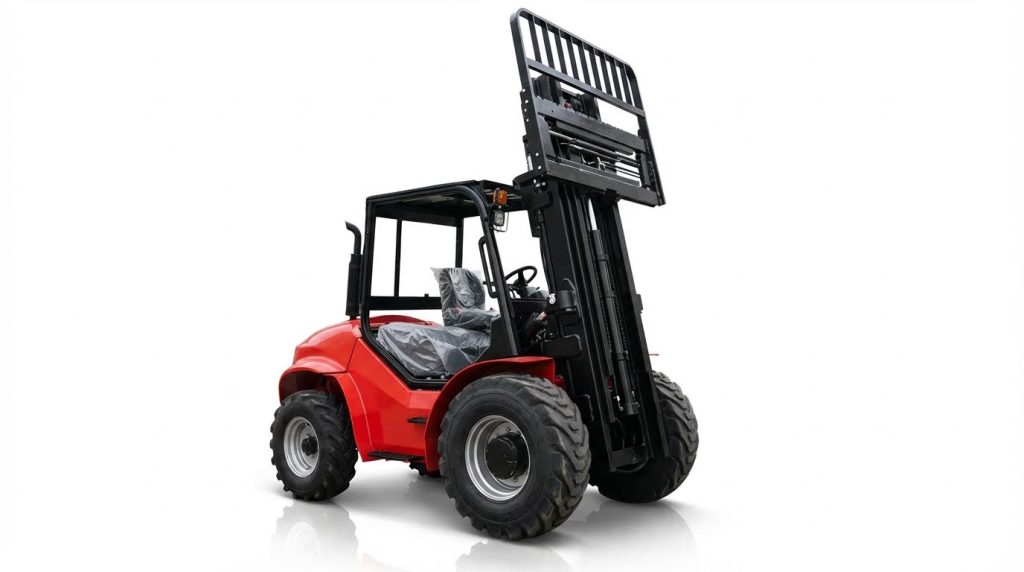
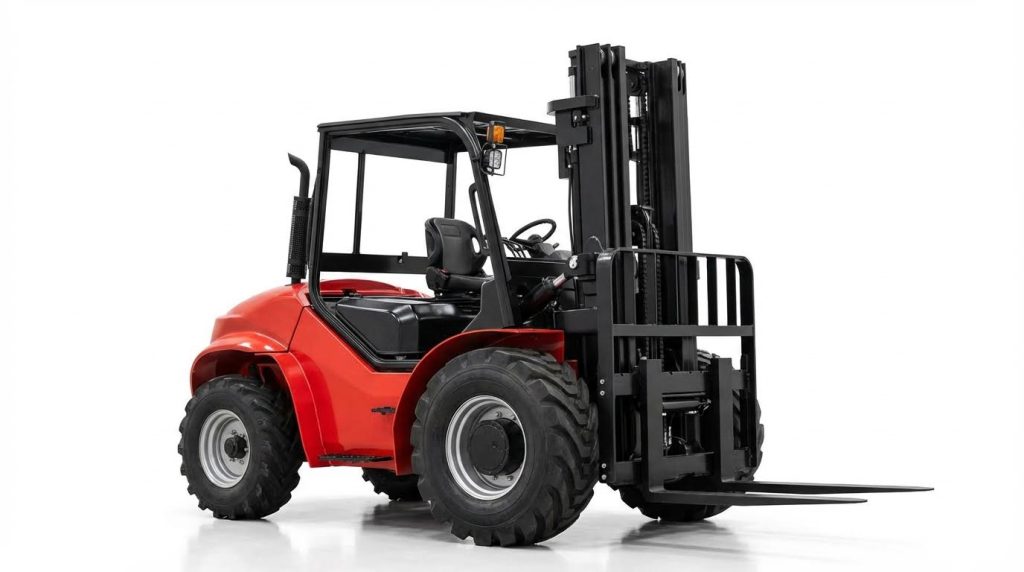
Electric forklifts performed best on flat, dry, and relatively smooth surfaces, which matched typical warehouse and manufacturing floors. Their zero tailpipe emissions and low noise made them the preferred option for enclosed spaces, cold storage, and food or pharmaceutical facilities with strict air-quality limits. Outdoor suitability depended on ingress protection, ground clearance, tire selection, and battery enclosure design. Pneumatic-tire electric models operated effectively on paved yards and light outdoor applications, but rough unpaved terrain, steep gradients, and standing water still favored robust IC rough-terrain machines. Low ambient temperatures reduced available battery capacity and increased internal resistance, so engineers often specified heated battery compartments or lithium-ion chemistries for freezer or winter outdoor use. Careful assessment of gradients, surface conditions, and weather exposure ensured that the chosen electric configuration remained within safe traction and stability margins over the full duty cycle.
Lifecycle Cost, Energy Use, And Sustainability
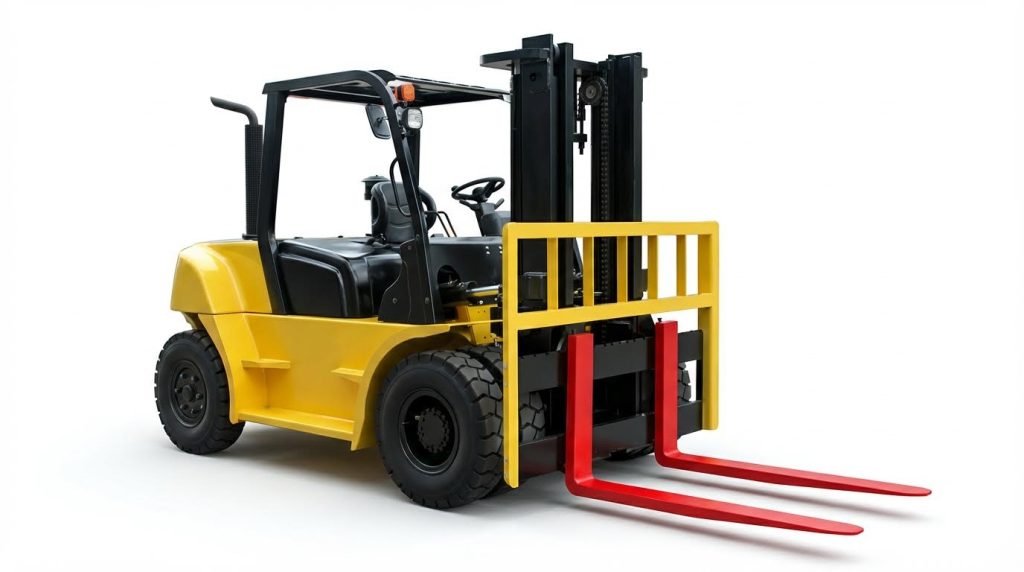
Lifecycle performance of electric forklifts depended on capital cost, energy consumption, maintenance, and infrastructure. Engineers evaluated these factors over a 5–10 year horizon rather than at purchase only. Regulatory pressure on emissions and noise also influenced selection. This section examined the economic and environmental trade-offs that separated electric fleets from internal combustion (IC) fleets.
Capex, Opex, And Total Cost Of Ownership
Electric forklifts historically had higher acquisition cost than comparable IC units, mainly due to traction batteries and power electronics. However, operating expenses were usually lower because electricity cost per kilowatt-hour of useful work undercut gasoline, LPG, or diesel on a per-shift basis. Electric trucks also had fewer moving parts, no engine oil, and no coolant, which reduced scheduled maintenance labor and consumables. Longer maintenance intervals and reduced unplanned downtime lowered indirect costs by improving asset availability.
Total cost of ownership (TCO) calculations considered purchase price, battery replacements, energy, maintenance, and residual value. In typical warehouse duty cycles, studies showed electric forklifts could offset higher capex within several years through reduced fuel and service costs. High-utilization, multi-shift operations accelerated this payback, especially when facilities optimized charging strategies and used smart chargers. Conversely, low-hour or intermittent applications sometimes favored IC units because the energy savings did not fully amortize the higher initial investment.
Financial analysis also included infrastructure capex for chargers, electrical upgrades, and ventilation changes if IC units were replaced. Depreciation schedules and incentives for low-emission equipment affected net present cost. When carbon pricing or internal carbon accounting applied, the TCO advantage of electric fleets generally increased. Engineers therefore modeled multiple scenarios, including battery replacement at mid-life and potential changes in electricity tariffs.
Energy Efficiency And Emissions Profile
Electric forklifts converted electrical energy to traction with high efficiency, typically exceeding IC engine efficiency at part load. They delivered full torque at low speed, which improved handling of start–stop duty cycles common in warehousing. The absence of idling losses during pauses further reduced energy use per pallet moved. With appropriate tire selection and hydraulic tuning, energy per tonne-metre of lifted load remained competitive even in intensive applications.
During operation, electric forklifts produced zero tailpipe emissions, which benefited indoor air quality and worker health. Facilities avoided exhaust treatment equipment and reduced requirements for mechanical ventilation compared with IC fleets. Lifecycle emissions depended on the electricity mix; grids with higher renewable penetration yielded lower upstream CO₂ per kilowatt-hour. Even in fossil-dominated grids, well-to-wheel analyses often showed lower or comparable emissions to IC trucks, especially when IC engines operated at suboptimal load.
Noise emissions from electric units were low, limited mainly to tire–floor interaction, hydraulic pumps, and alarms. This characteristic improved communication and reduced noise-induced fatigue in dense warehouse environments. From a sustainability perspective, reduced noise and elimination of exhaust gases aligned with occupational health objectives and environmental certifications. End-of-life considerations focused on battery recycling, where established lead-acid streams and emerging lithium-ion recycling technologies supported circularity targets.
Infrastructure: Power, Charging, And Space
Deploying electric forklifts required suitable electrical infrastructure sized for peak charging demand. Facilities often installed centralized charging rooms or distributed charging points near work areas. Engineers calculated load diversity and coordinated with utilities to avoid excessive demand charges. Older buildings sometimes needed panel upgrades, new feeders, or transformers to support charger clusters and comply with electrical codes.
Charging strategies influenced both runtime and infrastructure scale. Single-shift operations often used overnight charging with standard chargers, while multi-shift fleets adopted fast charging or battery exchange systems. Battery change stations required dedicated space, lifting equipment, and engineered ventilation where hydrogen evolution from lead-acid batteries occurred. Safety layouts incorporated clear access aisles, spill containment, and emergency eyewash or shower provisions.
Space planning compared fuel storage areas for IC fleets against charging and battery storage zones for electric fleets. Charging eliminated the need for LPG cages or diesel tanks but introduced requirements for cable management and impact protection for chargers. Compliance with electrical safety and battery-handling standards governed enclosure design and signage. Future-proofing considerations included conduit provisions and scalable switchgear to accommodate fleet growth or transitions to alternative powertrains such as hydrogen fuel cells.
Safety, Maintenance, And Technology Trends
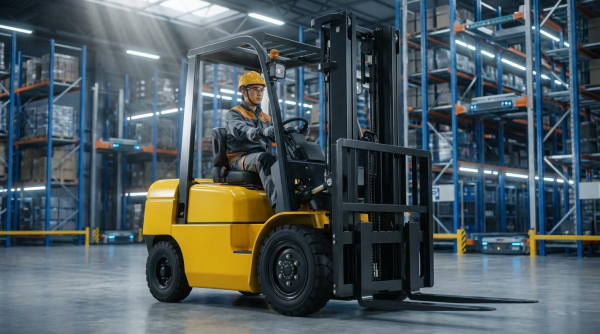
Safety, maintenance, and technology trends defined the practical viability of electric forklifts in modern fleets. Engineers and fleet managers evaluated not only accident statistics but also maintenance regimes and data systems. Regulatory expectations on battery safety and workplace exposure drove design choices and operating procedures. At the same time, telematics and AI-enabled monitoring shifted forklift management from reactive repair toward predictive, data-driven control.
Maintenance Demands And Failure Modes
Electric forklifts required fewer scheduled maintenance tasks than internal combustion (IC) trucks because they eliminated engine oil, fuel systems, and exhaust aftertreatment. Typical service items included traction and pump motors, hydraulic components, steering systems, brakes, and the high-current electrical path. Common failure modes involved contactor wear, sensor faults, encoder failures, and controller overheating rather than mechanical engine breakdowns. Battery-related degradation, such as capacity fade and increased internal resistance, also affected runtime and peak power. Longer service intervals and fewer moving parts reduced downtime, but failures in power electronics could be costly and often required specialized diagnostics.
Preventive maintenance programs focused on keeping electrical connections tight, clean, and cool, while monitoring insulation resistance and connector integrity. Fleet operators scheduled periodic checks of mast chains, forks, and tilt cylinders to comply with ISO and national safety standards. Tire wear remained a critical factor for stability and stopping distance, especially for cushion-tire indoor trucks. Compared with IC forklifts, electric units showed lower lubrication and consumable use, but they demanded disciplined inspection of chargers, cables, and cooling arrangements for controllers and motors. Well-structured service intervals, combined with condition-based checks, maximized availability and extended component life.
Battery Safety, Handling, And Compliance
Battery safety governed both daily operation and facility design for electric forklifts. Lead-acid batteries required controlled charging areas with ventilation, spill containment, and eyewash facilities to meet occupational safety regulations. Operators needed training in electrolyte handling, personal protective equipment, and procedures for neutralizing acid spills. Hydrogen evolution during charging created explosion risks if ventilation and gas detection were inadequate. Standards and guidance from agencies such as OSHA and HSE specified clear rules for signage, separation distances, and emergency response.
Lithium-ion batteries reduced electrolyte handling and gas evolution but introduced different hazards, including thermal runaway and high fault currents. Safe handling practices included using rated lifting fixtures for heavy battery packs, enforcing lockout/tagout during battery replacement, and protecting terminals from short circuits. Facilities documented charging procedures, state-of-charge limits, and temperature ranges to preserve battery life and safety margins. Compliance programs integrated periodic inspections of chargers, cables, and battery cases, along with record-keeping for maintenance and incident reporting. Emergency planning covered battery fires and electrical faults, coordinating with local fire services and using appropriate extinguishing agents and isolation methods.
Telematics, AI, And Predictive Maintenance
Telematics systems on electric forklifts collected data on utilization, impacts, speed, and fault codes through onboard controllers and sensors. Fleet managers used this information to enforce speed limits, optimize shift coverage, and analyze near-miss events. Impact sensors and zone-based speed control helped reduce collisions in congested warehouse aisles. Integration with access control ensured that only trained and authorized operators could start and drive specific trucks. These capabilities aligned with corporate safety programs and reduced incident rates and insurance exposure.
AI and predictive maintenance used historical and real-time data to forecast failures before they caused downtime. Algorithms evaluated trends in battery voltage sag, charge acceptance, motor current, and temperature to flag early signs of degradation. Predictive models scheduled service for contactors, bearings, and hydraulic components based on actual duty cycles instead of fixed time intervals. Connectivity to cloud platforms allowed centralized monitoring of multi-site fleets and benchmarking of performance. As sensors, connectivity, and analytics matured, electric forklifts evolved into networked assets that supported continuous improvement in safety, energy use, and lifecycle cost control.
Summary: Selecting The Right Forklift Technology
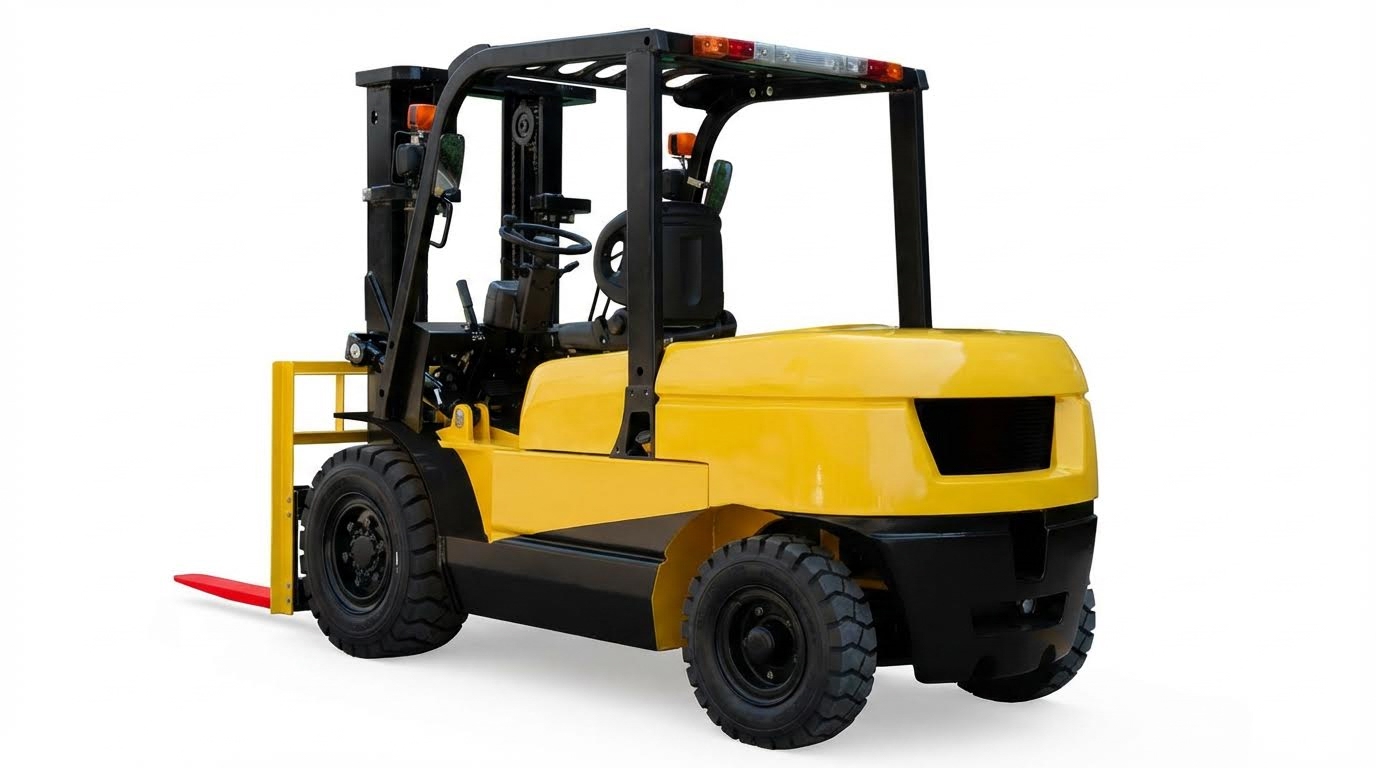
Engineering teams needed to evaluate electric versus internal combustion forklifts on quantified performance, lifecycle cost, and safety criteria. Electric units delivered zero point-of-use emissions, low noise, and lower operating costs, but they required higher capital expenditure and robust charging infrastructure. Their practical load capacity typically stayed at or below about 5.5 tonnes, with duty cycles constrained by battery runtime, charge rates, and change-out logistics. IC forklifts covered heavier loads and continuous multi-shift outdoor work, at the expense of higher fuel use, emissions, and maintenance.
Across the industry, regulations on air quality, decarbonization targets, and indoor noise limits pushed warehouses and factories toward electric fleets. Advances in lithium-ion batteries, fast charging, and hydrogen fuel cells, together with telematics and AI-based collision avoidance, improved availability and safety while enabling predictive maintenance strategies. These trends reduced unplanned downtime and supported data-driven fleet right-sizing.
For practical implementation, decision-makers had to map load spectra, peak throughput, aisle geometry, and shift structure, then compare scenarios on total cost of ownership over at least a five- to ten-year horizon. Power availability, floor loading for battery rooms, ventilation, and compliance with battery and electrical safety standards remained critical design inputs. A balanced technology roadmap often combined electric forklifts for indoor and medium-duty tasks with IC or alternative-fuel units for heavy outdoor applications. This portfolio approach allowed operations to capture the efficiency and sustainability benefits of electrification while preserving capability for extreme duty cycles and high-capacity lifts.