Forklift operations sat at the center of material handling risk, regulatory exposure, and productivity in industrial facilities. This article mapped the full framework from legal certification requirements to practical training design and technology integration. It covered OSHA rules, licensing differences, operator eligibility, and global contrasts with Australia’s High Risk Work Licence regime. The later sections examined how to structure compliant programs, embed site-specific safety culture, leverage VR and telematics, and convert regulations into practical, auditable procedures for plants, warehouses, and logistics hubs.
Core Legal Requirements For Forklift Certification
Core legal requirements for forklift certification defined the minimum baseline for safe powered industrial truck operation. Regulations specified who could operate, what training they needed, and how employers documented compliance. Understanding these rules helped facilities reduce liability, pass audits, and cut incident rates. This section focused on OSHA rules, licensing concepts, equipment classes, and international contrasts.
OSHA Vs. Licensing: What The Law Actually Requires
OSHA mandated operator certification rather than a state-issued “license” for powered industrial trucks. Employers had to develop and implement a training program that matched truck types, workplace hazards, and safe operating principles. Certification required formal instruction, practical training, and performance evaluation on the actual or equivalent equipment. OSHA required employers to certify that each operator was trained and evaluated, and to keep records of this certification. Operating a forklift without OSHA-compliant certification exposed employers to penalties and increased liability in the event of accidents.
Age, Eligibility, And Operator Qualification Criteria
OSHA required forklift operators to be at least 18 years old. Operators had to be trained, evaluated, and found competent on the specific truck type before operating independently. Typical eligibility criteria included basic physical and cognitive capability to perform maneuvers, read safety information, and respond to hazards. In practice, employers often required a valid driver’s license and adequate English proficiency to understand instructions and signage. Until full certification, operators could only drive under direct supervision of a qualified trainer or evaluator.
Forklift Classes, Attachments, And Endorsements
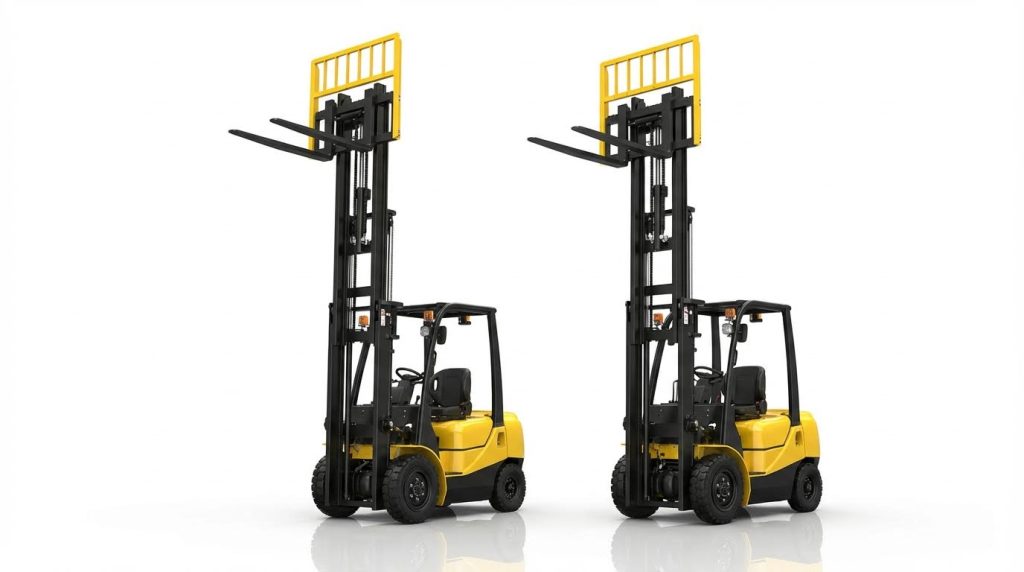
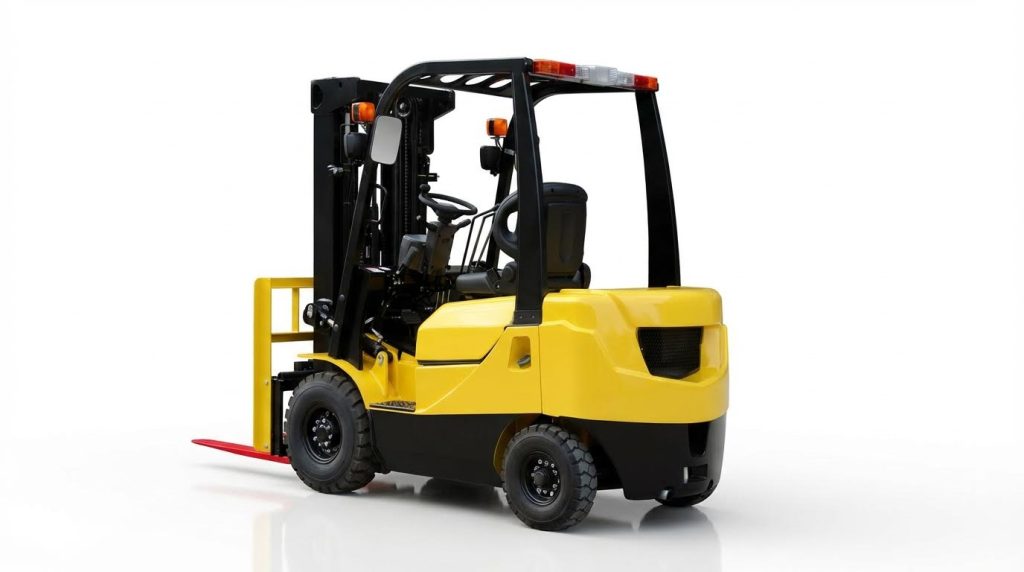
Forklift certification had to match the exact truck class and configuration used. Industrial trucks fell into defined classes, such as electric rider trucks for indoor use, narrow-aisle equipment, pallet trucks, and internal-combustion counterbalance trucks for rougher surfaces. Each class had distinct stability characteristics, control layouts, and typical load ranges, which affected training content. Attachments such as clamps, booms, or personnel platforms changed load centers and rated capacities, so OSHA required additional, attachment-specific training. Some training providers treated these as “endorsements,” but legally the key requirement was equipment- and task-specific instruction and evaluation.
Global Comparison: U.S. OSHA Vs. Australia HRWL
In the United States, OSHA required employer-based certification but did not issue a government forklift license. Employers remained responsible for training, evaluation, and three-year recertification cycles, plus refresher training when incidents or changes occurred. In Australia, regulators treated forklift operation as high-risk work that required a High Risk Work Licence. Individuals completed accredited training and assessment, then held a nationally recognized license typically valid for five years before renewal. The U.S. model focused on site-specific employer programs, while the Australian HRWL system used a formal external licensing framework. Multinational companies had to align internal standards with the stricter elements of each regime to ensure consistent safety performance.
Structuring A Compliant Forklift Training Program
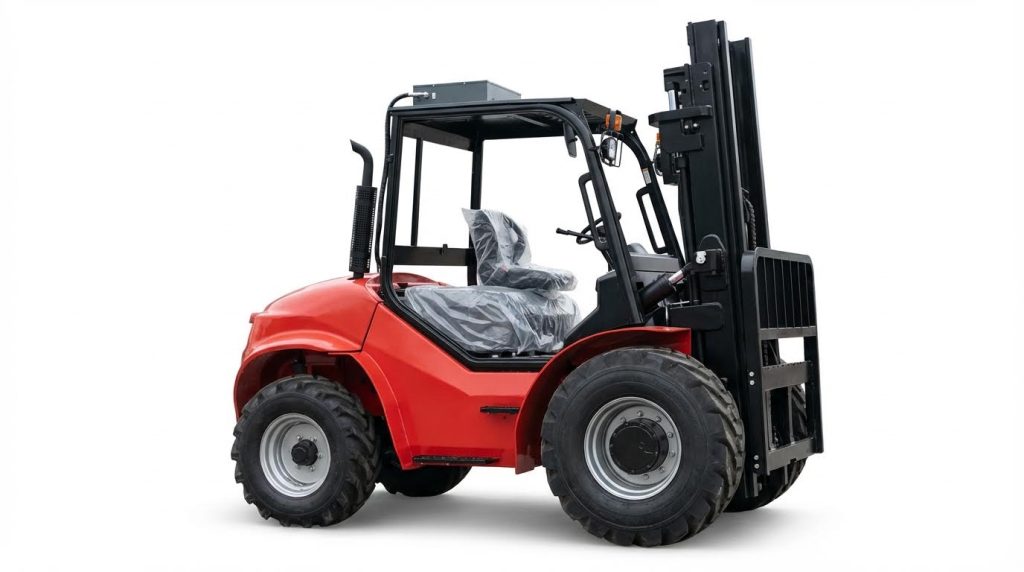
A compliant forklift training program aligned with OSHA requirements used a structured, modular approach. It combined formal instruction, practical exercises, and workplace evaluations tailored to specific truck types and site hazards. Facilities that treated training as an ongoing system, not a one-time event, achieved better safety performance and audit outcomes.
Mandatory Training Components Under OSHA
OSHA required three core components: formal instruction, practical training, and performance evaluation. Formal instruction included classroom or online theory covering operating principles, controls, limitations, and regulatory requirements. Practical training used the actual or equivalent trucks to develop operational skills under direct supervision. The final performance evaluation confirmed that the operator could apply knowledge and skills safely in real workplace conditions. Programs also had to address both truck-related topics, such as capacity and stability, and workplace-related topics, such as surface conditions and pedestrian traffic.
Site-Specific And Equipment-Specific Instruction
OSHA standards required that training match the exact truck types and workplace conditions. Operators trained on one class of truck could not automatically operate another class without additional instruction and evaluation. Equipment-specific content covered controls, instrumentation, attachments, refueling or charging procedures, and inspection points for each model. Site-specific training addressed ramps, loading docks, ventilation, hazardous locations, aisle layouts, and typical load types. Employers often supplemented generic third-party courses with internal modules, walkthroughs, and supervised practice in their own facility to close these gaps.
Evaluation, Documentation, And Recordkeeping Rules
OSHA mandated that employers certify each operator through documented evaluations. Records had to include the operator’s name, training date, evaluation date, and the trainer or evaluator’s name. Evaluators needed sufficient knowledge, training, and experience to judge competence, not just operating experience. Employers had to evaluate each operator at least once every three years, and sooner if deficiencies appeared. Incomplete, missing, or inaccurate records exposed companies to fines during inspections and weakened their legal position after incidents. Many facilities used standardized checklists and digital learning management systems to maintain traceable, auditable records.
Recertification Triggers And Three-Year Cycles
OSHA required refresher training and re-evaluation at least every three years for all operators. However, the standard also defined earlier triggers. Employers had to provide refresher training after accidents, near misses, or observed unsafe operation. Changes in truck type, attachments, or workplace conditions, such as new layouts or materials, also triggered retraining. The three-year cycle worked best as a maximum interval, with risk-based programs adding shorter internal refreshers. Facilities that tied recertification to incident reviews, safety audits, and technology upgrades maintained higher competence and adapted faster to operational changes.
Integrating Technology And Safety Culture In Training

Integrating technology with a strong safety culture created a step-change in forklift training effectiveness. Facilities that combined advanced tools with clear expectations and consistent oversight reduced incidents and improved compliance metrics. Technology provided objective data and realistic practice environments, while culture anchored daily behaviors and decision-making. The following sections described how to align modern tools, human factors, and regulatory expectations into one coherent training strategy.
VR, Simulators, And Digital Training Platforms
Virtual reality and simulator-based training allowed operators to practice high-risk scenarios without exposing people or assets to danger. These systems reproduced site layouts, racking, docks, and traffic patterns, which helped bridge the gap between classroom theory and live operation. Digital platforms tracked completion of OSHA-aligned modules, quiz scores, and scenario performance, creating auditable training records. Facilities used simulators to rehearse rare but critical events such as mast failures, pedestrian conflicts, and ramp instability. However, OSHA still required hands-on, equipment-specific evaluations, so VR and simulators supplemented rather than replaced live practical assessments.
Telematics, Proximity Sensors, And Data-Driven Safety
Telematics systems on forklifts recorded impacts, speed, travel paths, and pre-shift inspection status. Safety teams analyzed this data to identify high-risk operators, congested zones, and recurring behaviors such as cornering too fast or bypassing seat belts. Proximity sensors and pedestrian detection systems provided real-time alerts when trucks approached people, dock edges, or structural obstacles, reducing collision risk. Some fleets linked access control to certification status, blocking truck start-up if an operator’s OSHA-required evaluation had expired. Aggregated data supported targeted refresher training, redesign of traffic routes, and justification of engineering controls in management reviews.
Behavioral Safety And Human-Factors Considerations
Technology reduced exposure, but human factors still dominated incident causation. Effective programs addressed attention, fatigue, risk perception, and peer pressure through behavioral safety training. Instructors used real incident case studies, near-miss reports, and video replays from telematics to discuss decision-making errors, not just rule violations. Facilities formed safety committees or teams that involved operators in hazard identification, route redesign, and testing of new controls. Recognition programs rewarded consistent pre-trip inspections, zero-impact periods, and positive interventions, reinforcing desired behaviors. Supervisors received coaching on consistent enforcement, since tolerating minor violations quickly eroded safety culture.
Cost Of Non-Compliance, Incidents, And Downtime
Non-compliance with OSHA forklift requirements exposed employers to fines that historically ranged from roughly USD 5 000 to 70 000 per violation. Direct costs from incidents included medical treatment, equipment repair, damaged racking, and product loss. Indirect costs such as investigation time, production delays, and temporary shutdowns often exceeded the visible expenses. Legal claims and increased insurance premiums escalated the long-term financial impact of a single serious accident. By contrast, investment in compliant training, digital tools, and safety leadership reduced incident frequency, stabilized throughput, and protected audit readiness. Data from telematics and training records also demonstrated due diligence when regulators or insurers reviewed an operation.
Summary And Practical Takeaways For Facilities
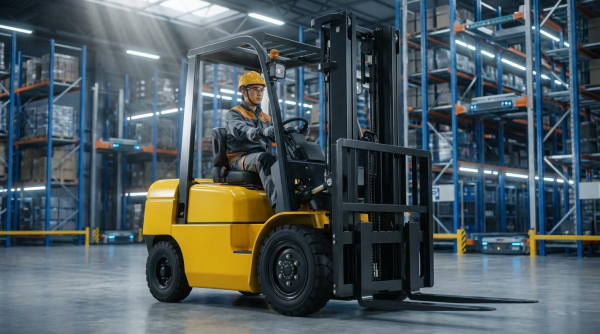
Facilities needed a structured, regulation-aligned approach to forklift training and certification. OSHA in the United States mandated operator certification, not a traditional government-issued license, while jurisdictions such as Australia required a High Risk Work Licence. Across regions, regulators required formal instruction, hands-on training, and documented evaluation for each operator and each truck type. Compliance reduced accidents, limited liability, and helped facilities avoid substantial fines and operational disruptions.
Technically robust programs covered truck-specific topics such as capacity, stability, attachments, and maintenance, as well as workplace hazards including ramps, ventilation, and pedestrian traffic. Facilities benefited when they layered site-specific training, supervised operation, and periodic refresher courses on a three-year cycle or sooner after incidents or major changes. Accurate records of training dates, evaluations, and trainer qualifications were critical during inspections. Verifying previous certifications and performing on-site evaluations before allowing new hires to operate lift stacker supported both safety and compliance.
Industry practice increasingly integrated VR simulators, telematics, and proximity sensors to enhance training realism and monitor behavior. Safety teams used data from these systems to target coaching, update procedures, and redesign layouts for clearer travel paths. Looking forward, facilities could expect tighter integration between digital training platforms, equipment diagnostics, and regulatory documentation. Operators would likely face higher expectations around behavioral safety, situational awareness, and adherence to standardized procedures.
Implementing these requirements in practice meant designating accountable safety leadership, budgeting for train-the-trainer programs, and routinely updating course content to reflect the latest OSHA interpretations and technology. Facilities that treated forklift training as an ongoing risk management process rather than a one-time event positioned themselves to reduce incidents, protect workers, and maintain uninterrupted operations. This balanced approach recognized evolving technology while keeping core principles of competent operators, suitable equipment, and controlled environments at the center of forklift safety.