Forklift service life depended on a complex interaction of powertrain type, duty cycle, environment, and maintenance quality. Electric and internal-combustion trucks showed distinct lifespan patterns, with batteries, motors, hydraulics, and structures aging at different rates. Engineering teams evaluated useful life using operating hours, failure modes, residual value, and safety margins rather than calendar age alone. This article examined how powertrain selection, battery chemistry, loading spectrum, maintenance strategy, and modern tools such as predictive monitoring and digital twins shaped real-world forklift longevity and lifecycle cost.
Defining Forklift Useful Life In Engineering Terms
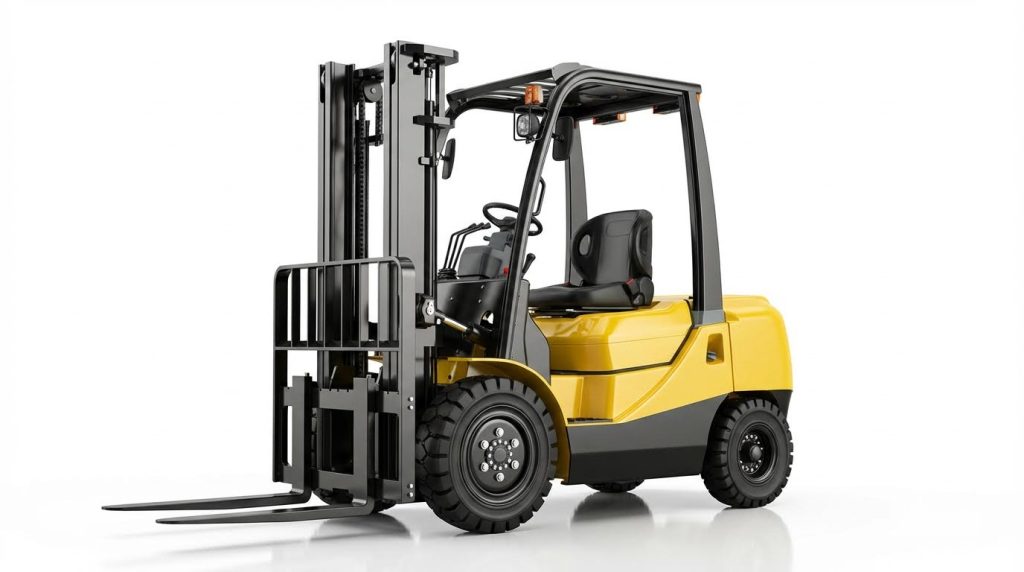
Engineers defined forklift useful life as the period during which the truck operated safely, met rated performance, and delivered economically acceptable total cost of ownership. This period ended when structural integrity, functional reliability, or operating cost crossed predefined thresholds. Useful life differed from physical life; trucks often continued to run after they became uneconomic or marginal for safety-critical tasks. Formal life definitions combined operating hours, age in years, failure statistics, and cost per operating hour.
Typical Lifespan By Powertrain And Duty Cycle
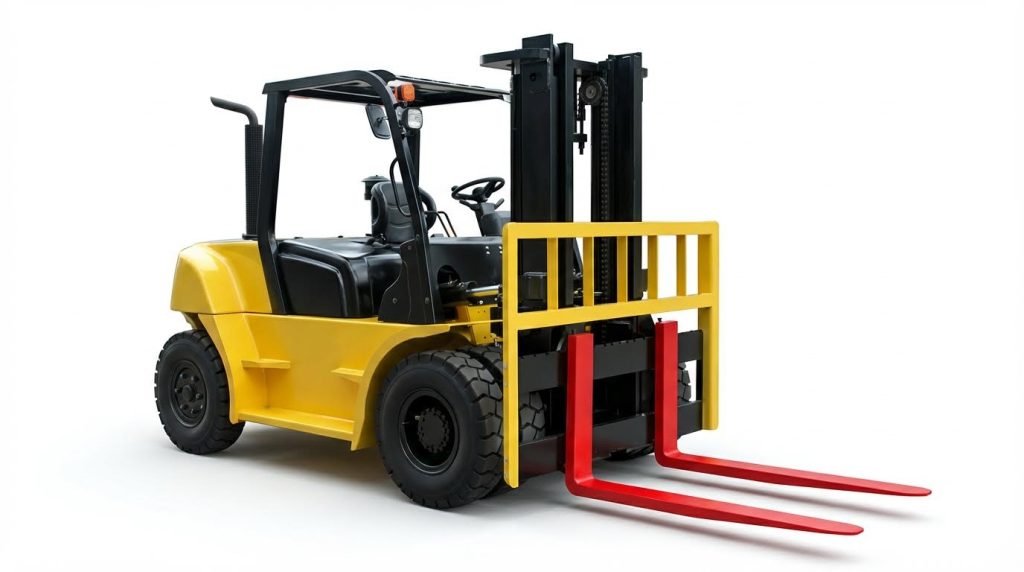
Electric forklifts typically achieved 10,000 to 20,000 operating hours, which corresponded to about 7 to 10 years in normal single-shift use. Well-maintained electric units in moderate environments sometimes exceeded 15,000 to 16,000 hours, especially with disciplined maintenance and trained operators. Internal combustion (IC) forklifts using diesel or LPG usually reached 10,000 to 12,000 hours under comparable conditions, with higher thermal and mechanical loads driving earlier overhaul or replacement. Heavy-duty multi-shift, outdoor, or corrosive service reduced these hour ranges, while light, intermittent indoor use extended them.
Engineering teams mapped duty cycle severity using metrics such as average load factor, lift cycles per hour, travel distance, and ambient temperature. High-intensity logistics operations with frequent lifting near rated capacity and continuous travel accelerated wear of masts, chains, powertrains, and brakes. Conversely, low-intensity applications with partial loads and long idle periods imposed far fewer fatigue cycles, so structural components often outlived economic requirements. Life planning therefore tied expected hours not only to powertrain type but also to a quantified duty profile.
Operating Hours, Shifts, And Annual Usage Profiles
Useful life calculations typically started with expected annual hours based on shift patterns. A single-shift warehouse operating 5 days per week with 6 productive hours per shift accumulated roughly 1,500 hours per year. The same truck in two-shift operation could reach 3,000 hours per year, compressing a 15,000-hour design life into about 5 calendar years. Three-shift or continuous operations pushed annual hours even higher and demanded more aggressive maintenance planning.
Engineers differentiated key-on time from productive operating hours, since idling and travel without load still contributed to wear on engines, motors, and drivetrains. They also considered peak versus average use; trucks assigned to high-traffic loading docks typically reached life limits earlier than identical units in buffer storage. Fleet managers often grouped forklifts into usage classes and applied different replacement ages and maintenance intensities. This structured approach aligned technical life expectations with real operating profiles rather than nominal calendar age.
Battery Life Versus Truck Chassis Life
For electric forklifts, battery life rarely matched chassis life, so engineers treated it as a separate, shorter-lived subsystem. Lead-acid traction batteries usually delivered about 1,200 to 1,500 full charge cycles, which corresponded to roughly 3 to 5 years in single-shift operation before capacity loss became operationally limiting. Lithium-ion packs typically achieved 2,000 to 3,000 cycles, extending their life to about 5 to 10 years depending on depth of discharge and opportunity charging patterns. As a result, an electric truck often required at least one lead-acid battery replacement, or a midlife lithium-ion assessment, within its structural life.
Battery management strongly influenced overall forklift availability and economics. Deep discharges beyond roughly 80% state-of-charge, high temperatures, and improper charging shortened lead-acid life significantly. Lithium-ion systems, supported by integrated Battery Management Systems, tolerated partial and opportunity charging better and handled thermal extremes with fewer penalties. When engineers performed lifecycle cost analyses, they modeled batteries as replaceable assets with separate depreciation curves, while treating the chassis, mast, and counterweight as the long-life backbone of the truck.
Residual Value And Replacement Thresholds
Residual value defined the expected market price of a used forklift at a given age and hour count, assuming documented maintenance and no major structural defects. Electric forklifts generally retained higher residual value than IC units due to lower operating costs, fewer emissions restrictions, and longer potential service life. Engineers and fleet managers used residual value curves together with repair cost trends to determine economic replacement thresholds. When cumulative repairs and downtime risk pushed cost per operating hour above that of a newer unit, replacement became justified.
Typical replacement triggers included frequent Technical Factors That Drive Forklift Wear
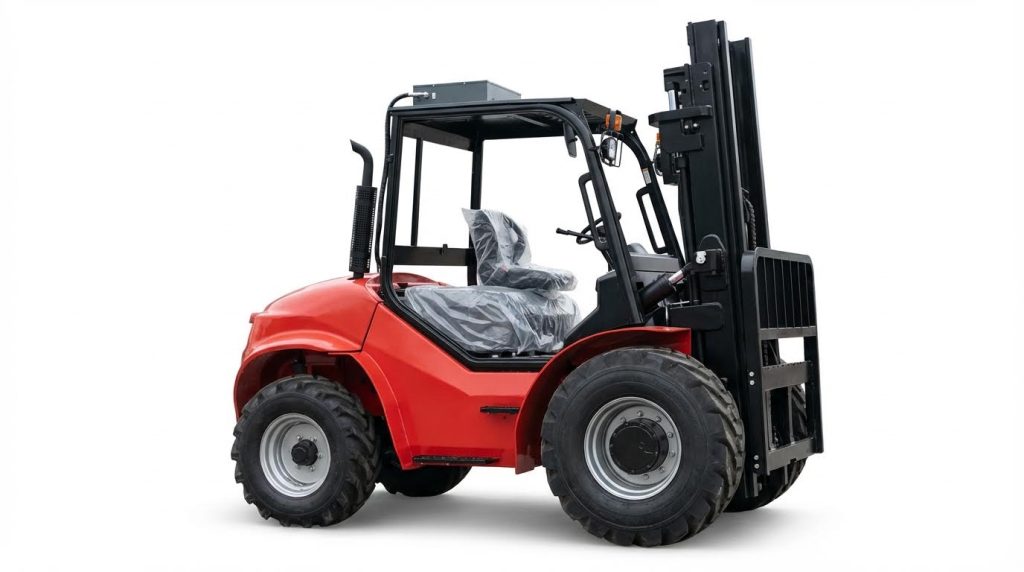
Forklift wear resulted from cumulative mechanical loading, environmental exposure, and energy storage degradation. Engineers evaluated these factors using duty cycles, load spectra, and maintenance histories to predict remaining useful life. Understanding each wear mechanism allowed operators to align maintenance strategies with actual risk rather than calendar time. This section examined structural, powertrain, environmental, and battery-related drivers of degradation.
Structural Fatigue, Mast, And Chassis Degradation
Structural fatigue in forklifts primarily originated from repeated lifting cycles and travel over uneven surfaces. The mast experienced high-cycle fatigue at welds, carriage rails, and roller tracks, especially when operators drove with elevated loads or tilted masts aggressively. Chassis rails and drive axle mounts accumulated stress concentrations from impacts with dock plates, speed bumps, and potholes, which could initiate cracks. Engineers typically monitored wear through visual inspections, non-destructive testing of critical welds, and periodic measurement of mast deflection under rated load.
Overloading beyond the rated capacity accelerated mast rail deformation and bearing wear, which reduced roller alignment and increased friction. Corrosion from moisture or corrosive chemicals reduced section thickness in forks, carriages, and frames, lowering fatigue strength. Fork heel wear was a critical indicator; standards recommended fork replacement when heel thickness reduced by approximately 10% from nominal. Proper load placement against the backrest and maintaining low travel height reduced bending moments on the mast and frame, slowing structural degradation.
Powertrain, Motors, Hydraulics, And Controls Aging
Electric forklifts used AC drive motors that had fewer wear components than internal combustion engines, which reduced mechanical aging. AC motors had no brushes and rarely required internal service if operators avoided sustained overloading or overheating. In contrast, DC motors needed periodic brush inspection and commutator maintenance to prevent arcing and efficiency loss. Internal combustion powertrains suffered wear in engines, transmissions, and differentials due to thermal cycling, lubrication breakdown, and particulate contamination.
Hydraulic systems aged through seal hardening, hose cracking, and internal leakage in cylinders and valves. High operating temperatures and contaminated hydraulic oil accelerated wear of pump gears or pistons and eroded valve surfaces. Control electronics for traction, lift, and steering were sensitive to voltage spikes, vibration, and environmental contaminants such as dust and moisture. Failures in these systems often appeared as intermittent faults before complete shutdown, so engineers favored proactive replacement in harsh-duty fleets.
Regular oil and filter changes, as recommended in industry guidance, reduced sludge formation and protected engine and hydraulic components. Scheduled inspection of chains, forks, and seals prevented secondary damage from minor leaks or misalignments. Modern controllers benefited from clean, dry enclosures and stable power quality, which extended board and sensor life. When breakdown frequency and repair costs increased significantly, powertrain and control aging typically signaled economic end-of-life.
Environment, Load Spectrum, And Operator Behavior
Environmental conditions strongly influenced forklift wear rates and required adjusted maintenance intervals. High ambient temperatures elevated battery, motor, and hydraulic oil temperatures, accelerating chemical and mechanical degradation. Cold environments reduced lubricant viscosity and battery performance, increasing stress on drivetrains during startup. Corrosive atmospheres or wet, dirty floors promoted rust on frames, masts, and chains, and allowed abrasive particles to enter bearings and hydraulic systems.
The applied load spectrum, not only peak load, determined structural and powertrain fatigue life. Frequent operation near rated capacity, high lift heights, and long travel distances with elevated loads increased stress cycles. Unevenly distributed or offset loads produced higher bending moments and torsion in masts and chassis. Operator behavior acted as a major multiplier: aggressive acceleration, high cornering speeds, and sudden stops raised impact loads and thermal stress.
Speed management and adherence to recommended indoor limits, typically 3–5 mph, reduced braking and tire wear. Safe navigation practices, such as slowing before turns and maintaining forks close to the floor, lowered tip-over risk and mast fatigue. Clean facilities with marked travel paths minimized collision events and debris ingestion. Comprehensive operator training and periodic refreshers significantly reduced misuse-related wear, extending service life and improving safety.
Lead-Acid Versus Lithium-Ion Battery Degradation
Lead-acid batteries in forklifts historically provided 1,200 to 1,500 charge cycles, or roughly 3 to 5 years in single-shift service. Their degradation depended strongly on depth of discharge, charging discipline, temperature, and watering practices. Deep discharges beyond roughly 80% state-of-charge accelerated sulfation and plate shedding, permanently reducing capacity. Inadequate watering caused exposed plates and thermal stress, while overwatering led to electrolyte overflow
Engineering Practices To Extend Useful Life
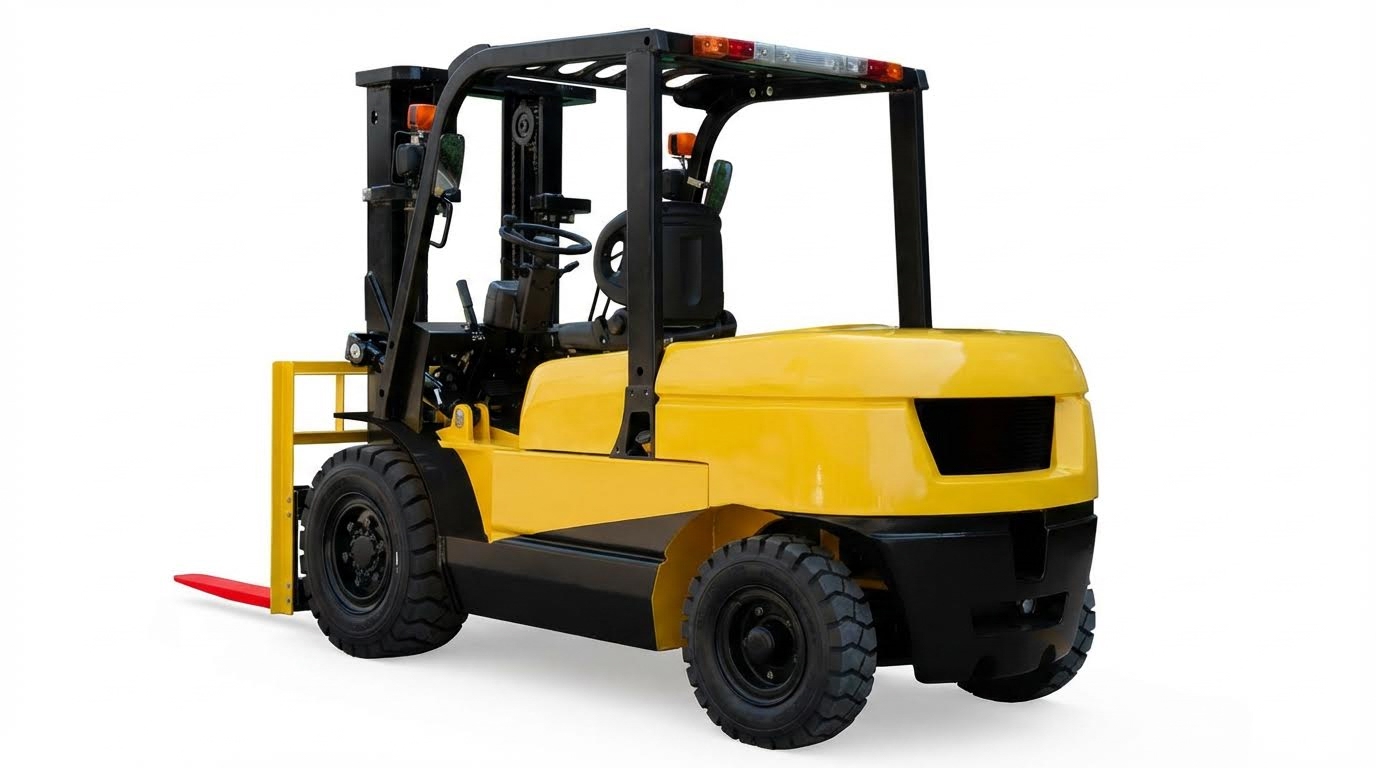
Engineering practices that extend forklift life focused on controlling wear mechanisms rather than reacting to failures. Maintenance engineering, data-driven monitoring, and operator discipline worked together to keep components within their design envelopes. Structured inspection regimes, safe-speed policies, and targeted retrofits all influenced total cost of ownership. The following subsections outlined practical methods to increase usable life without compromising safety or regulatory compliance.
Maintenance Intervals, Inspection Levels, And Checklists
Engineers defined maintenance intervals using operating hours, shifts, and environmental severity. Daily pre-shift inspections by operators typically checked forks, chains, tires, brakes, steering, hydraulic leaks, and safety devices. First-level maintenance around 50–100 hours focused on cleaning, lubrication, fastener torque checks, and basic adjustments. Second-level service around 200–500 hours usually included filter replacement, fluid changes, brake and steering overhauls, and hydraulic performance checks.
Higher-level maintenance around 600–2,500 hours addressed engine or motor condition, transmission, drive axle, and structural inspections for cracks or deformation. Checklists standardized these tasks so technicians did not miss critical items such as mast rollers, tilt cylinders, and battery terminals. Engineers aligned intervals with warranty limits, typical failure modes, and local regulations. Facilities with harsh environments or multi-shift operation reduced intervals to control accelerated wear and corrosion.
AI-Driven Condition Monitoring And Predictive Service
AI-driven condition monitoring used sensor data to predict failures before they caused unplanned downtime. Engineers instrumented forklifts with telemetry for motor currents, hydraulic pressures, vibration levels, temperatures, and battery parameters. Machine-learning models learned normal signatures for components such as AC drive motors, hydraulic pumps, and mast bearings. Deviations from baseline patterns indicated early-stage faults like misalignment, cavitation, or insulation breakdown.
Predictive service systems generated work orders when health indicators crossed defined thresholds rather than waiting for fixed calendar intervals. This approach reduced unnecessary part replacement while preventing in-service failures that could damage structures or cargo. Integration with fleet management software allowed comparison of units across sites and duty cycles. Over time, data analytics refined design assumptions about service life, enabling better specification of future fleets.
Safe Speed, Load Handling, And OSHA-Compliant Operation
Safe speed control directly affected structural fatigue, brake wear, and tire life. Facilities typically limited indoor speeds to 3–5 mph and capped maximum speeds near 10 mph, depending on layout and traffic density. Operators reduced speed before turns, on ramps, and in pedestrian zones to maintain stability margins. Stopping distance calculations considered truck mass, load mass, surface friction, and grade to ensure compliance with OSHA 29 CFR 1910.178 requirements for controlled stops.
Correct load handling practices reduced mast, fork, and axle stresses. Operators kept forks about 150 mm above the floor, tilted the mast back during travel, and stacked heavy loads at lower tiers. They avoided overloading beyond rated capacity and prevented off-center loading that increased tipping risk. Training and periodic refresher courses aligned behavior with OSHA standards and site-specific rules, which in turn reduced incident-driven damage and extended service life.
Retrofit Options And Digital Twins For Life Optimization
Retrofit programs extended forklift life by upgrading high-impact subsystems instead of replacing entire trucks. Common retrofits included replacing lead-acid batteries with lithium-ion packs, adding modern electronic controllers, or installing improved lighting and safety sensors. Battery upgrades reduced maintenance, improved charge efficiency, and stabilized voltage, which lowered stress on motors and control electronics. Engineers validated that retrofit components matched original design limits for mass, center of gravity, and electrical ratings.
Digital twins provided virtual models of forklifts that mirrored real operating conditions using field data. These models simulated structural fatigue, thermal loading, and battery degradation under different duty cycles. Planners used simulation results to adjust routes, loading patterns, and maintenance strategies to maximize remaining useful life. Combining retrofits with digital-twin insights allowed fleets to defer capital replacement while maintaining safety and regulatory compliance.
Summary: Balancing Life, Safety, And Lifecycle Cost
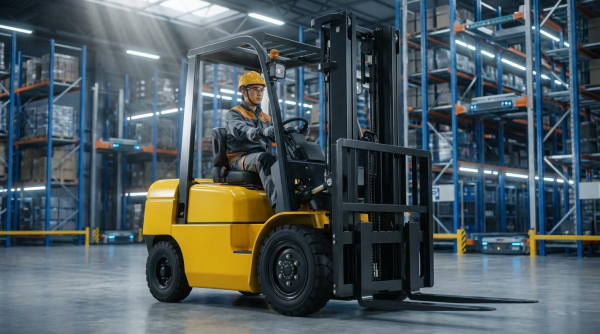
Forklift engineering practice treated service life as a multi-variable outcome, not a fixed number of years. Powertrain type, battery chemistry, structural fatigue, environment, and operator behavior jointly determined whether a truck reached 10,000 hours or exceeded 16,000 hours. Electric forklifts typically achieved 10,000–20,000 operating hours with disciplined maintenance, while diesel and LPG units often required replacement closer to 10,000–12,000 hours. Battery life remained a distinct constraint, with lead-acid units lasting 3–5 years and lithium-ion packs extending effective service to 5–10 years or more.
Industry trends moved toward electrification, lithium-ion adoption, and advanced electronic controls for speed, stability, and diagnostics. These technologies reduced moving parts, enabled precise speed management within OSHA-aligned limits, and supported predictive maintenance through logged faults and sensor data. At the same time, higher energy density, complex control electronics, and faster duty cycles demanded stricter adherence to inspection intervals and training standards. Facilities increasingly evaluated total cost of ownership, integrating purchase price, maintenance, battery replacements, energy cost, and residual value into renewal strategies.
Practical implementation required a structured maintenance ladder, combining daily operator checks with periodic technician inspections at defined hour milestones. Safe-speed policies, layout-specific limits, and operator certification programs directly protected structural components and reduced unplanned downtime. When trucks approached rising failure rates, escalating repair costs, or critical structural or hydraulic defects, replacement or major overhaul became the rational choice. A balanced approach treated the forklift, battery system, and operator ecosystem as a single engineered system, targeting maximum safe life without compromising stability margins or regulatory compliance.