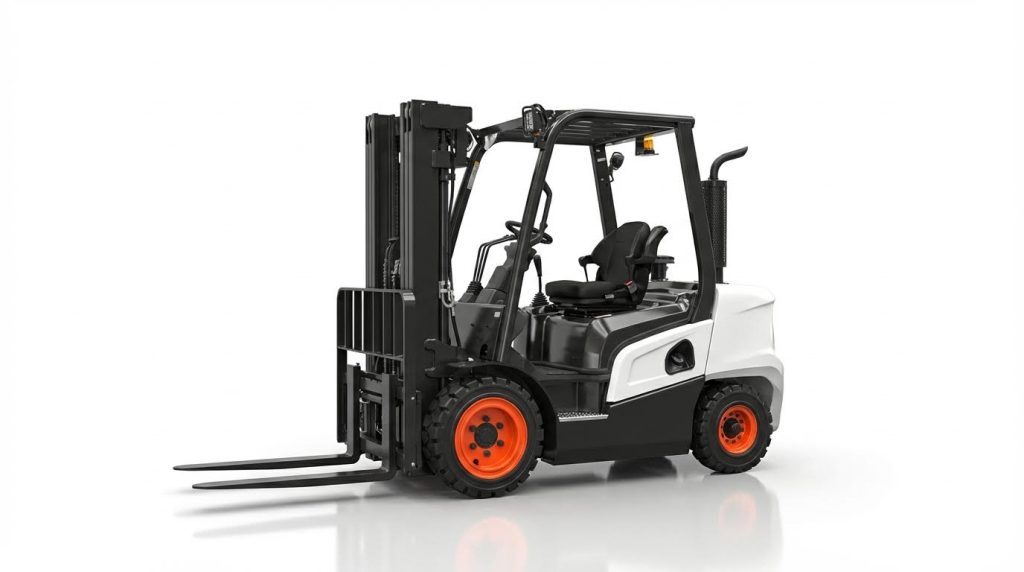
Indoor diesel forklift operation required tight control by 2025 due to stricter emission and safety regulations worldwide. This article examined regulatory limits and emission compliance, health and ventilation engineering, and the technical and economic evaluation of cleaner alternatives. It connected standards such as OSHA, EPA, EU 2016/1628, and TRGS 554 with practical design choices for ventilation, monitoring, and fleet selection. Engineers, HSE managers, and operations leaders could use this framework to design safer indoor logistics strategies and plan a progressive transition toward low‑emission solutions, including walkie pallet truck and manual pallet jack options.
Regulatory Limits And Emission Compliance
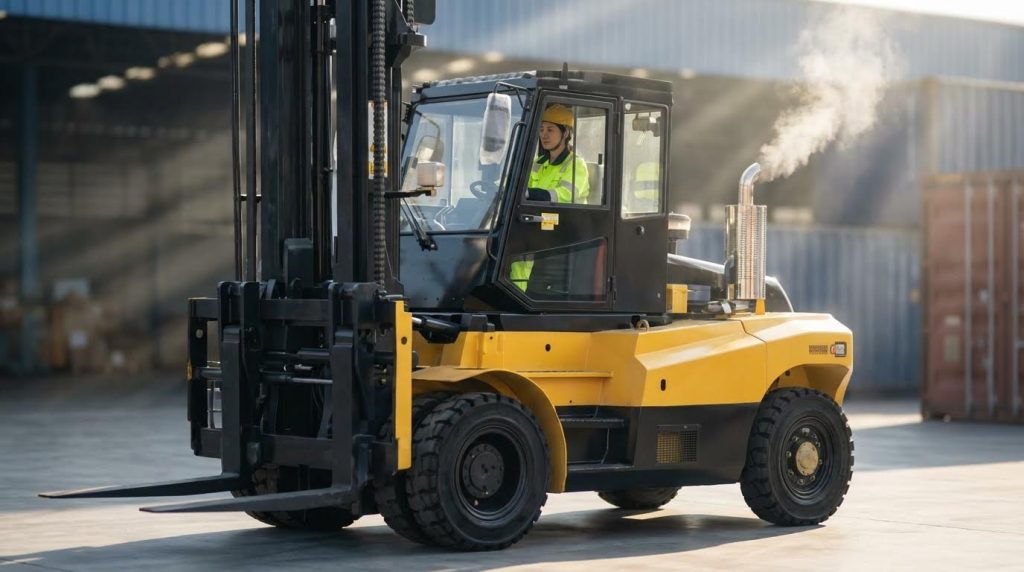
Indoor diesel forklift operation required strict alignment with occupational safety, environmental, and product standards. Engineers had to integrate these regulatory constraints into equipment selection, ventilation design, and fleet strategy. Non-compliance increased risks of acute poisoning, long-term disease, and regulatory sanctions. This section outlined the main frameworks and the technical levers available to meet them.
Key Global Standards: OSHA, EPA, EU 2016/1628, TRGS 554
OSHA regulations in the United States governed powered industrial truck use and indoor air quality in workplaces. Employers had to keep carbon monoxide below 50 ppm as an 8-hour time-weighted average, with short-term peaks remaining well under immediately dangerous levels. OSHA truck designations defined which internal combustion forklifts could operate in specific hazardous locations, and required posting of hazard-area signage. The US EPA off-road diesel engine standards, including Tier 4 requirements, limited NOx, PM, HC, and CO, forcing manufacturers to adopt advanced emission controls. In Europe, Regulation (EU) 2016/1628 set Stage V emission limits for engines above 19 kW, sharply reducing allowable NOx, HC, CO, and particulate mass and number for industrial trucks. German TRGS 554 added workplace-focused rules: only diesel trucks with particulate filters achieving over 90% separation could operate in enclosed areas, and exhaust had to be monitored with exposure metrics such as blackening number and mass concentration.
Engine Categories, Truck Designations, And Zone Ratings
Regulators classified engines and trucks to match emission and ignition risks with workplace conditions. EPA and EU engine categories used rated power and application type to assign emission limit stages, which determined allowable engine families on new forklifts. OSHA truck designations, such as diesel-powered units with or without explosion protection, specified where trucks could operate relative to flammable vapors or combustible dusts. Only appropriately designated trucks were permissible in classified hazardous locations, and employers had to understand both the truck marking and the area classification. In Europe and other regions using IEC-based systems, equipment for explosive atmospheres required conformity with zone ratings and potentially ATEX-type certification. For indoor diesel use in non-explosive environments, the practical focus shifted to ensuring that the engine category delivered sufficiently low exhaust emissions to meet occupational exposure limits with available ventilation.
Emission-Control Hardware: DPF, SCR, AdBlue, Catalysts
Modern diesel forklifts relied on integrated aftertreatment systems to comply with Stage V, Tier 4, and TRGS 554 requirements. Diesel particulate filters trapped fine soot, often achieving over 90% mass removal, which aligned with TRGS 554 demands for enclosed workplaces. Two-way oxidation catalysts reduced CO and unburned hydrocarbons, lowering acute toxicity risks in indoor air. For higher power classes, selective catalytic reduction systems injected a urea solution, commonly referred to as AdBlue, upstream of the SCR catalyst to convert NOx into nitrogen and water. These systems required correct exhaust temperature windows, low-sulfur fuel, and disciplined maintenance to maintain performance. Operators and maintenance teams had to manage regeneration cycles, urea quality, and periodic filter replacement, which increased capital cost by roughly several thousand euros and added recurring operating expenses.
Compliance Documentation, Testing, And Audit Readiness
Demonstrating compliance for indoor diesel forklift use required structured documentation and periodic verification. Facilities needed equipment records showing engine emission stage, rated power, and installed aftertreatment, supported by manufacturer declarations and conformity documents. Workplace exposure assessments had to document air monitoring results for CO, NOx, and diesel particulate, comparing values against statutory occupational exposure limits and internal targets. Under TRGS 554, inspections such as blackening number measurements and engine condition checks after defined operating hours had to be performed by authorized technicians and recorded in inspection certificates. Maintenance logs for DPF, catalysts, and SCR systems, including regeneration events and component replacements, supported both safety management and regulator audits. During inspections or incident investigations, authorities typically reviewed risk assessments, ventilation calculations, monitoring data, training records, and corrective actions, so audit readiness depended on disciplined record keeping and periodic internal reviews.
Health, Safety, And Ventilation Engineering
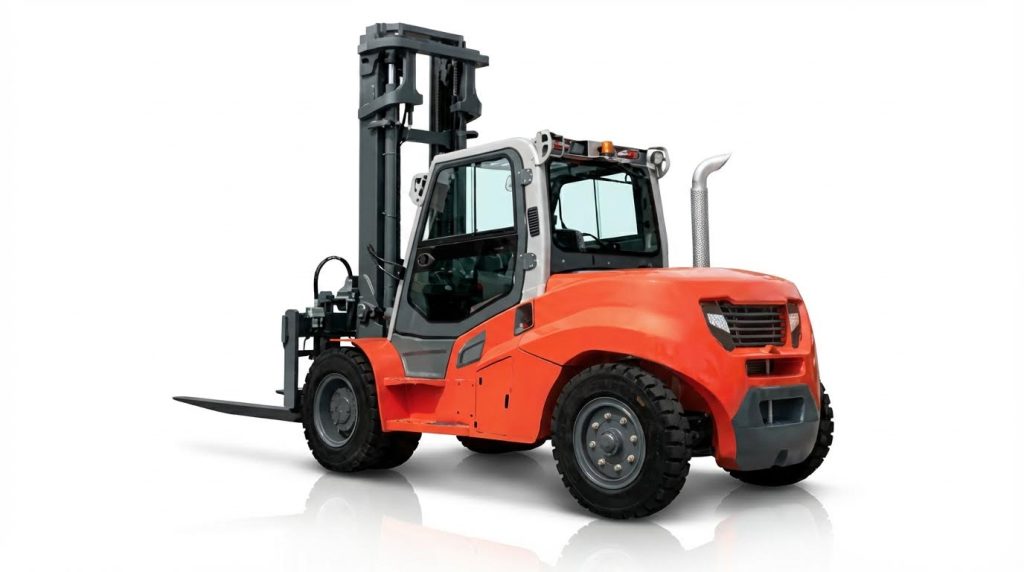
Indoor diesel forklift operation required a rigorous health and safety engineering approach. Engineers needed to quantify toxic exposure, design robust ventilation, and implement real-time monitoring to keep conditions within regulatory limits. Effective programs integrated technical controls with operator training, PPE, and documented procedures to reduce both acute and chronic risk.
Toxic Exhaust Components And Exposure Limits
Diesel exhaust contained carbon monoxide, nitrogen oxides, hydrocarbons, sulfur compounds, and particulate matter. CO presented the most immediate acute hazard because it was colorless, odorless, and accumulated rapidly in confined spaces. OSHA required keeping CO below 50 ppm as an 8-hour time-weighted average, with short-term peaks below 200 ppm. Diesel particulate matter, classified as carcinogenic, drove long-term limits such as TRGS 554 targets of ≤0.16 µg/m³ over eight hours. NOx, SO2, and unburned hydrocarbons caused respiratory irritation and contributed to chronic cardiovascular and pulmonary disease, so designs had to maintain concentrations below national occupational exposure limits.
Ventilation Design: Air Changes, Layout, And Sizing
Ventilation systems for indoor diesel forklift use had to dilute and remove exhaust before pollutants reached hazardous levels. Industrial guidance typically recommended 4–6 air changes per hour as a minimum baseline where diesel equipment operated, with higher rates for low-ceiling or high-traffic zones. Engineers sized supply and exhaust airflow based on engine power, duty cycle, room volume, and worst-case simultaneous truck operation. Layout mattered as much as capacity: extraction points near exhaust sources, cross-ventilation to avoid dead zones, and make-up air intakes positioned to prevent short-circuiting. High-bay buildings with 12–16 m ceilings and well-designed mechanical ventilation handled heat and contaminants more effectively than low, compartmentalized spaces.
Air Quality Monitoring, Alarms, And CO Emergency Plans
Fixed air quality monitoring was essential wherever diesel forklifts operated indoors for extended periods. CO, NO2, and particulate sensors provided continuous readings and triggered staged alarms as concentrations approached regulatory thresholds. Systems typically integrated visual beacons, audible alarms, and automatic responses such as increasing fan speed or locking out additional trucks. Personal gas monitors for operators and nearby workers added a second safety layer in higher-risk areas like docks and enclosed bays. CO emergency plans defined evacuation criteria, response roles, ventilation boost procedures, medical evaluation steps, and incident documentation, aligning with OSHA requirements on recognizing overexposure symptoms and responding before loss of consciousness occurred.
Training, PPE, And Safe Operating Procedures Indoors
Safe indoor diesel forklift use depended on operator competence as much as engineering controls. Training extended beyond standard driving skills to emission hazards, recognition of CO and NO2 symptoms, ventilation system basics, and local alarm meanings. Procedures prohibited operation in enclosed or unventilated rooms and limited run time in semi-confined spaces such as trailers or ship holds without verified ventilation. Employers issued appropriate PPE where risk assessments indicated residual exposure, including hearing protection in high-noise areas and respiratory protection when engineering controls alone could not guarantee compliance. Traffic management, speed limits, visibility aids, and strict maintenance schedules were embedded in written procedures to address collision, fire, and leak risks alongside exhaust exposure.
Technical And Economic Evaluation Of Alternatives
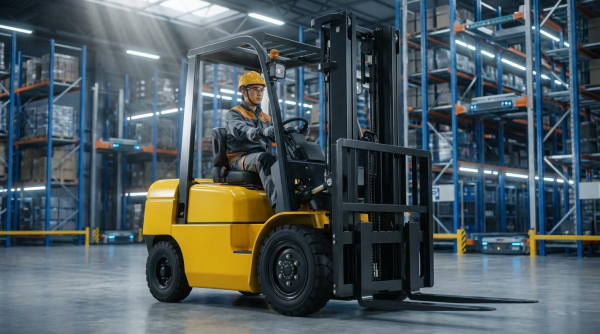
Engineers evaluated alternatives to indoor diesel forklifts by balancing technical feasibility, regulatory constraints, and total cost of ownership. Decisions depended on emission limits, ventilation capability, duty cycles, and required lifting performance. Comparing diesel, electric, LPG, and hybrid solutions required quantified analysis of exposure limits, infrastructure costs, and productivity impacts. Robust fleet strategies integrated safety, compliance, and long-term economic optimization.
When Diesel Indoors Is (And Is Not) Technically Defensible
Indoor diesel use was technically defensible only in large, well-ventilated industrial spaces with engineered air exchange. Typical design practice targeted at least 4–6 air changes per hour, supported by documented air quality measurements for CO, NOx, and particulate matter. Diesel became hard to justify when ceiling heights were low, aisles narrow, or ventilation performance uncertain, because pollutant concentrations could approach or exceed occupational limits. Stricter standards such as EU 2016/1628 and TRGS 554 further restricted diesel indoors by requiring high-efficiency particulate filtration and regular emission checks. In practice, diesel indoors remained justifiable mainly for intermittent dock work or temporary construction activities, with continuous monitoring and clearly defined exposure controls.
Electric, LPG, And Hybrid Forklifts: Capability Trade-Offs
Electric forklifts offered zero tailpipe emissions and low noise, which made them preferred for enclosed warehouses, cold storage, and food or pharmaceutical facilities. Modern lithium-ion batteries increased autonomy and allowed opportunity charging, reducing downtime compared with older lead-acid systems. However, electric fleets required dedicated charging infrastructure, electrical capacity upgrades, and thermal management for batteries in harsh environments. LPG forklifts provided longer runtime, fast refueling, and better cold-weather performance than diesel, while producing lower CO, NOx, and PM emissions, but still required ventilation and catalytic converters for safe indoor use. Hybrid concepts, combining battery-electric operation indoors with combustion outdoors, addressed range and refueling constraints but introduced higher system complexity, dual maintenance regimes, and more demanding operator training.
Lifecycle Cost, Ventilation CAPEX, And OPEX Modeling
Lifecycle evaluations compared not only purchase price but also fuel or electricity consumption, maintenance, ventilation costs, and health-related risk mitigation. New emission-compliant diesel trucks carried additional upfront costs for DPF, SCR, AdBlue dosing, and associated maintenance, including periodic filter replacement and NOx system servicing. When diesel operated indoors, facilities often needed substantial capital investment in mechanical ventilation, ducting, and real-time gas monitoring, plus ongoing energy costs to run fans. Electric fleets shifted expenditure toward chargers, battery replacement cycles, and grid connection upgrades, yet typically reduced routine maintenance and eliminated exhaust-related ventilation energy. Accurate models allocated costs over 5–10 years, included downtime from inspections and training, and monetized regulatory non-compliance risks, which often tipped the economic balance toward electric or LPG solutions for predominantly indoor duty cycles.
Fleet Transition Planning, Incentives, And Digital Tools
Transitioning away from indoor diesel started with a structured audit of the existing fleet, operating hours, emission performance, and zone classifications. Operators identified high-risk applications, such as confined production areas, and prioritized these for early replacement with walkie pallet truck or LPG units that met applicable standards. Digital fleet management systems tracked utilization, energy consumption, and maintenance data, supporting right-sizing decisions and validating business cases for new technologies. Air quality sensors and connected monitoring platforms provided continuous evidence of compliance and helped tune ventilation setpoints. Companies also leveraged available subsidies and tax incentives for low-emission equipment and charging infrastructure, integrating these into multi-year capital plans. A phased roadmap, aligned with regulatory deadlines and equipment end-of-life, minimized disruption while improving safety and environmental performance.
Summary: Engineering Safer Indoor Forklift Strategies
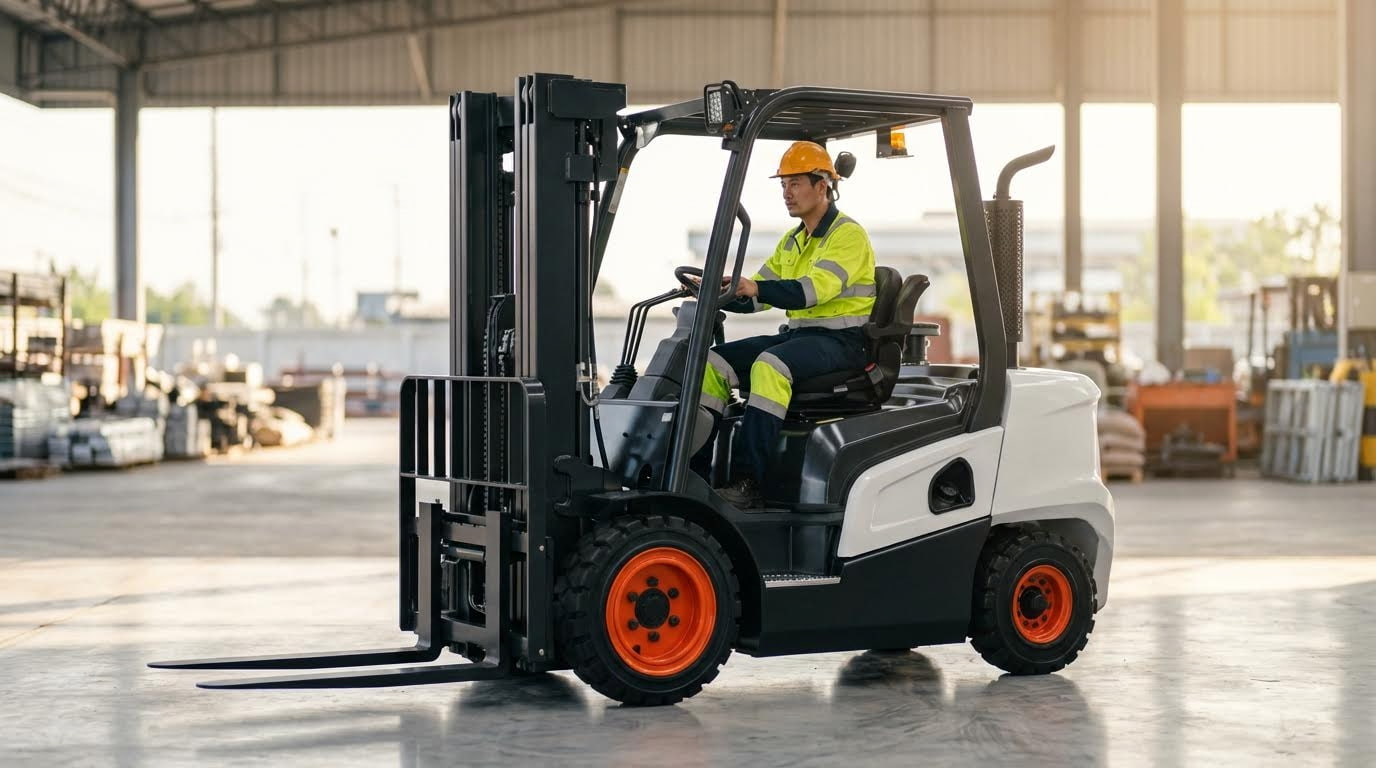
Indoor operation of diesel forklifts required engineers and safety managers to balance productivity with stringent emission, health, and regulatory constraints. Global frameworks such as OSHA, EPA Tier standards, EU 2016/1628, and TRGS 554 progressively tightened allowable limits for CO, NOx, HC, PM, and SO2, forcing upgrades in engine technology and emission-control hardware. Compliance demanded certified truck designations, appropriate zone ratings, and documented test evidence including particulate filtration performance, CO concentration measurements, and periodic engine condition checks. Facilities that continued to run diesel indoors had to justify the choice with robust risk assessments, engineered ventilation, and continuous air quality monitoring.
From a health and safety perspective, diesel exhaust toxicity, heat, and noise fundamentally constrained safe duty cycles indoors. Engineering controls focused on achieving adequate air changes per hour, controlling flow paths in aisles and docks, and integrating fixed and personal gas detection with alarm logic and CO emergency plans. Operator training, task-specific procedures, PPE policies, and maintenance regimes formed the administrative backbone that supported these technical measures. However, as exposure science and carcinogenic classifications evolved, the defensible envelope for indoor diesel use narrowed, especially for vulnerable worker groups.
Economically, lifecycle analyses increasingly showed that capital invested in heavy ventilation, filtration, and compliance overhead could instead fund lower-emission fleets. Electric trucks, supported by advances in lithium-ion batteries and charging infrastructure, became technically viable for heavier and longer-shift applications that previously favored diesel. LPG and hybrid concepts provided transitional options where outdoor–indoor mixed use remained critical. Forward-looking fleet strategies therefore combined phased diesel retirement, targeted use of internal combustion only in highly ventilated zones, and deployment of digital tools for telematics, air quality analytics, and predictive maintenance. The overall technology trajectory pointed toward indoor environments where direct combustion sources were exceptional rather than routine, with safety engineered by design instead of managed at the margin.