Knowing how to change fuel filter on diesel forklift equipment is critical for safe, reliable operation and engine life. This guide walks through why fuel filters matter, a safe, step-by-step replacement procedure, and practical maintenance intervals and troubleshooting tips. You will see how to control hazards, use the right tools, and apply correct torque and priming techniques for clean restarts. Use it as a structured reference for technicians and fleet managers who need consistent, repeatable fuel system maintenance.
Why Diesel Forklift Fuel Filters Matter
Role of the fuel filter in diesel engines
The fuel filter in a diesel forklift protects the high‑pressure injection system from dirt, rust, and water in the fuel. Diesel injectors and pumps have very fine clearances, so even small particles can cause wear, sticking, or leakage. A clean filter maintains correct fuel pressure and flow, which helps the engine start reliably, produce full rated power, and burn fuel efficiently. When you plan how to change fuel filter on diesel forklift, it helps to remember that this small component is the first line of defense for the entire fuel system.
- Removes solid contaminants that would otherwise erode injectors and pumps.
- Helps separate water that could cause corrosion and poor combustion.
- Stabilizes fuel supply so the engine runs smoothly under load.
- Supports longer engine life and more predictable maintenance planning.
Most diesel forklifts needed fuel filter replacement about every 500–1,000 operating hours, with shorter intervals in dusty sites or with poor fuel quality depending on operating conditions and fuel quality. Understanding this role makes it clear why fuel filter changes are a core part of any preventive maintenance schedule.
Risks of clogged or neglected fuel filters
A clogged or overdue fuel filter restricts flow from the tank to the engine, which directly affects performance and safety. The engine may starve for fuel at higher loads, leading to power loss during lifting or travel. Operators often first notice symptoms such as hard starting, rough idle, or sluggish acceleration, all of which can be early warning signs of restriction between scheduled replacements. Left uncorrected, a blocked filter forces the lift truck to run lean on fuel, which can overheat components and stress the injection pump.
- Operational risks: loss of power on ramps, stalling with loads elevated, and inconsistent travel speed.
- Mechanical risks: accelerated wear of injectors and pumps if contamination bypasses or damages the filter media.
- Economic risks: unplanned downtime, emergency service calls, and higher fuel consumption from poor combustion.
From a safety standpoint, a forklift that hesitates or stalls in tight aisles or during lifting creates collision and load‑drop hazards. That is why any program built around how to change fuel filter on diesel forklift should also include monitoring for symptoms like reduced power, rough idle, difficult starting, or increased fuel use, and responding quickly when they appear manual pallet jack to prevent more severe engine issues. Regular, scheduled replacements at the recommended hour intervals sharply reduce these risks and keep fleets available and predictable.
Safe, Step-By-Step Fuel Filter Change Procedure
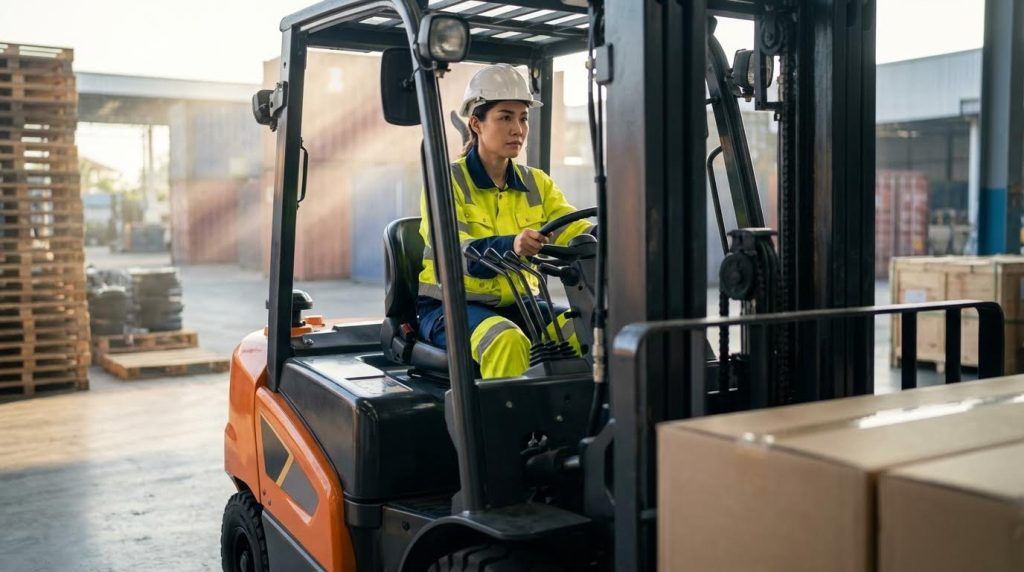
Lockout, cooling, and work area safety
If you want to understand how to change fuel filter on diesel forklift safely, start with isolating the machine. Park the forklift on level ground with the parking brake fully applied and the forks lowered to the floor. Turn the key off, remove it, and apply any lockout/tagout devices required by your site procedures. Allow the engine and fuel system components to cool completely, because diesel fuel and metal lines can stay hot after shutdown. Work in a well‑ventilated area that is free from ignition sources such as open flames, smoking, or sparking electrical tools. Keep an appropriate fire extinguisher nearby and prepare absorbent pads or a drain pan to control spills and slip hazards. These basic controls reduce the risk of fire, burns, and unintended movement while you work.
Before opening the fuel system, verify that all personnel in the area understand that the truck is out of service. Never work under a raised mast or attachment without approved supports. Treat diesel fuel as both a flammable liquid and a skin irritant; avoid skin contact and clean any spills immediately. Following these steps every time standardizes how to change fuel filter on diesel forklift across your fleet and improves safety performance. Safety precautions for diesel forklift maintenance
Tools, PPE, and identifying the filter type
Before you start, gather all tools and PPE so the job runs without interruption. At minimum you need: a fuel line removal tool or needle‑nose pliers, appropriate wrenches or a socket set, fuel line clamps or pinch‑off pliers, and a drain pan for catching fuel. Clean rags, a small funnel, fresh diesel for priming, and new O‑rings or thread sealant (if specified) help ensure leak‑free reassembly. Wear safety glasses, nitrile or other fuel‑resistant gloves, and safety footwear; add respiratory or hearing protection if your site risk assessment requires it. Typical tools and PPE for diesel fuel filter work
Next, identify the fuel filter type and location so you know exactly how to change fuel filter on diesel forklift for that model. Most trucks use either a spin‑on canister, a cartridge inside a housing, or an inline filter in the fuel hose. Common locations are along the frame rail, near the fuel tank, under the operator floor plate, or in the engine compartment between the lift pump and injection system. Some forklifts have both a primary (near the tank) and a secondary (near the engine) filter; confirm in the operator or service manual which component you are replacing. Correct identification ensures you order the right replacement element and follow the correct removal method. Fuel filter locations and types on diesel forklifts
Removing the old filter and inspecting lines
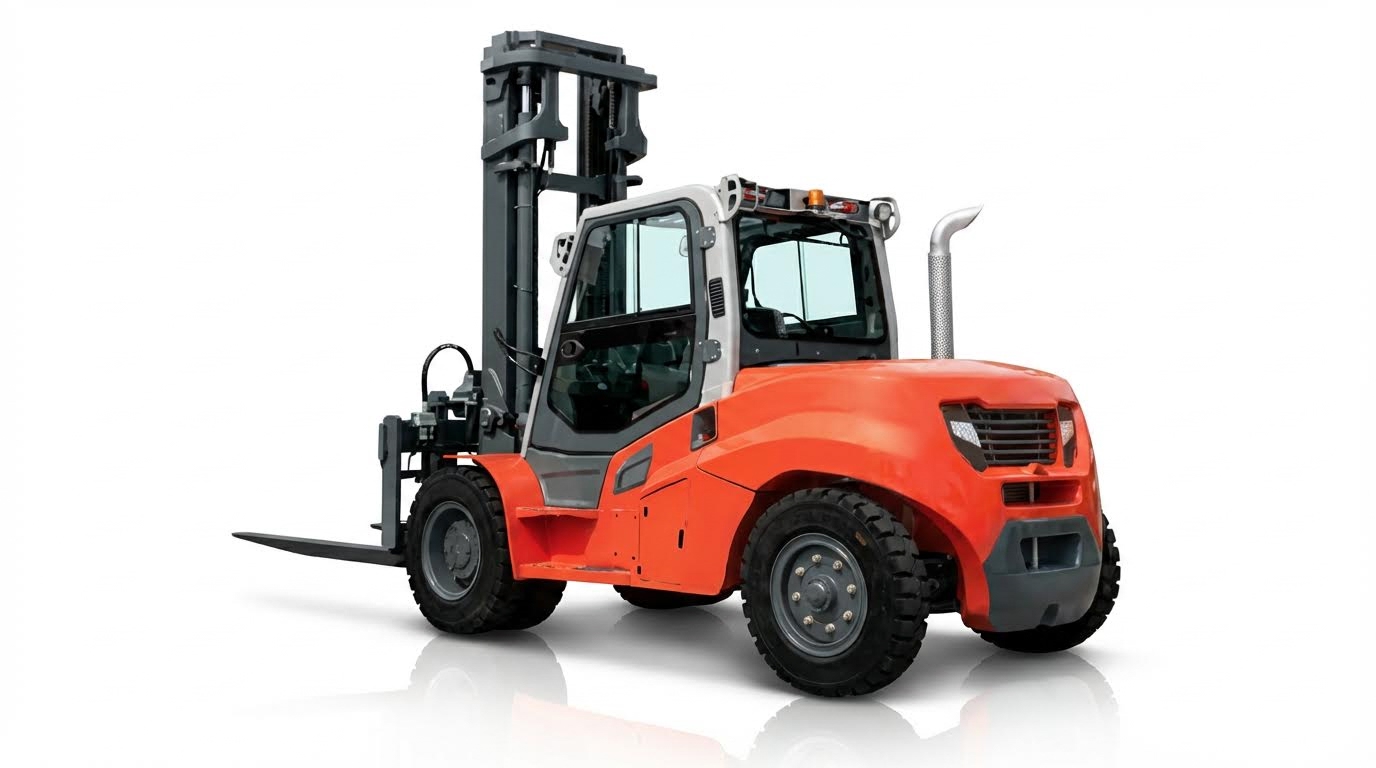
Once the area is safe and you have the correct part, you can remove the old filter. First relieve any residual pressure in the fuel system, following the manual; this may involve using a manual primer or carefully loosening a fitting. Position a drain pan under the filter or sediment bowl to catch fuel. Install fuel line clamps or pinch‑off pliers on the supply line from the tank to limit fuel loss and reduce spills. Then disconnect the fuel lines from the filter, marking or photographing their orientation and noting the flow‑direction arrow on inline filters. Step‑by‑step fuel filter removal guidance
Remove the filter from its bracket or housing, keeping it upright to minimize spillage. If a sediment bowl is fitted, remove it and check for water or heavy deposits; clean the bowl thoroughly and replace the internal filter element as required. While the system is open, inspect all visible fuel hoses and fittings for cracks, swelling, abrasion, or corrosion and replace any suspect components. Wipe sealing surfaces clean so no dirt is pushed into the system when you install the new filter. This inspection step is a key part of how to change fuel filter on diesel forklift in a way that improves reliability, not just swaps parts. Sediment bowl removal and inspection procedure
Installing, tightening, and torque best practices
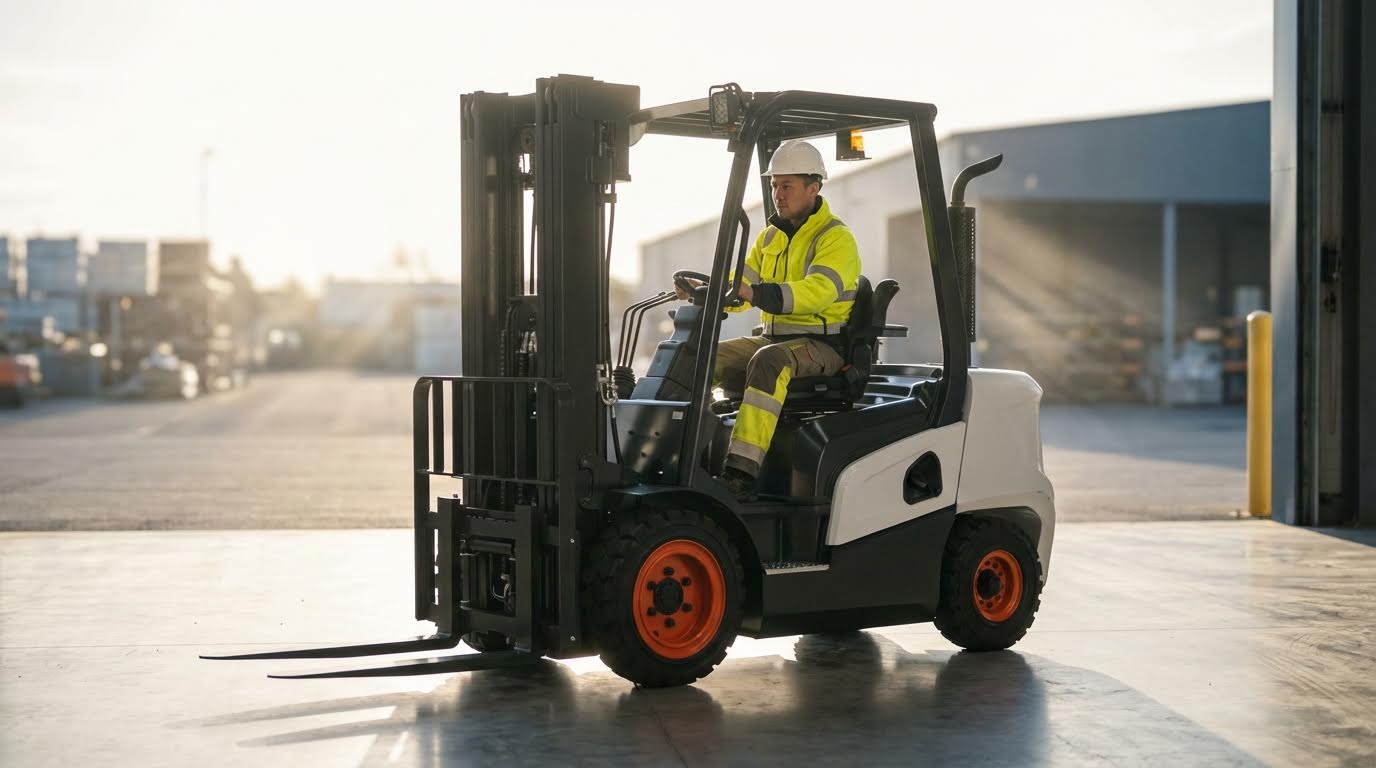
Prepare the new filter by comparing it to the old one for diameter, length, thread type, and port layout. Lightly lubricate any rubber seals or O‑rings with clean diesel or approved lubricant so they seat without tearing. For spin‑on filters, fill the filter with clean diesel if the manufacturer allows pre‑filling; this can shorten priming time. Install the filter in the same orientation as the original, ensuring any flow arrow points from the tank toward the engine. For cartridge‑type filters, seat the element squarely in the housing and ensure the lid gasket is correctly positioned. Filter installation and orientation recommendations
Tightening is critical to leak‑free operation and avoiding damage. As a general guideline, many diesel fuel filters are first turned by hand until the gasket contacts the base, then tightened to a specified torque or an additional fraction of a turn. For some diesel engines, typical torque for a spin‑on fuel filter is in the range of about 14–17 ft·lb (roughly 20–24 N·m). Over‑tightening can crush gaskets or strip threads, while under‑tightening can cause air ingress and fuel leaks. Reconnect the fuel lines, remove any line clamps, and ensure clamps or fittings are seated on the proper hose barb or flare. Following these torque and alignment practices is a key technical detail in how to change fuel filter on diesel forklift correctly. Example fuel filter torque specification
Priming the fuel system and first start checks
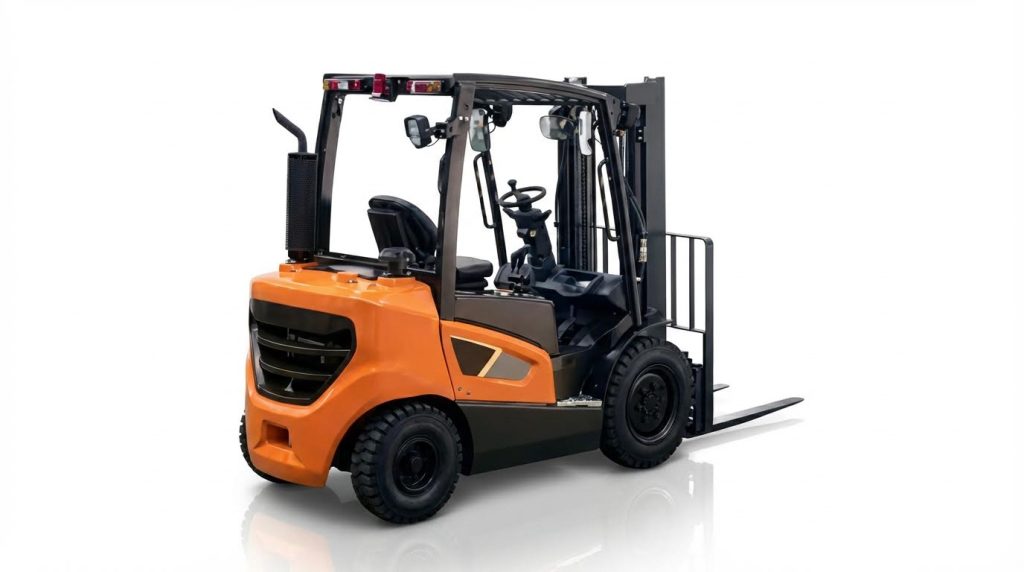
After the new filter is installed, you must remove air from the fuel system so the engine can start and run smoothly. Most diesel forklifts use a manual priming pump located on or near the filter housing; operate this pump until you feel firm resistance and, if there is a bleed screw, until fuel flows without air bubbles. If no manual primer is fitted, use the electric lift pump if equipped, or crank the engine in short intervals while allowing time between cranks to prevent starter overheating. Keep the drain pan and rags in place during priming in case small leaks appear. Fuel system priming after filter replacement
Once primed, perform a careful visual inspection of all connections, clamps, and the filter seal before starting the engine. Start the forklift and allow it to idle, watching for leaks and listening for abnormal running; some roughness during the first minute or two can be normal as residual air clears the system. Check that fuel lines are routed away from sharp edges, hot exhaust components, and moving parts. Finally, conduct a short, light‑load test drive while monitoring for smooth acceleration, stable idle, and normal power. Document the work order with the date, hour‑meter reading, and parts used so the next technician knows exactly when and how to change fuel filter on diesel forklift in your fleet history. Post‑replacement testing and inspection steps
Maintenance Intervals, Troubleshooting, And Best Practices
Recommended replacement hours and duty profiles
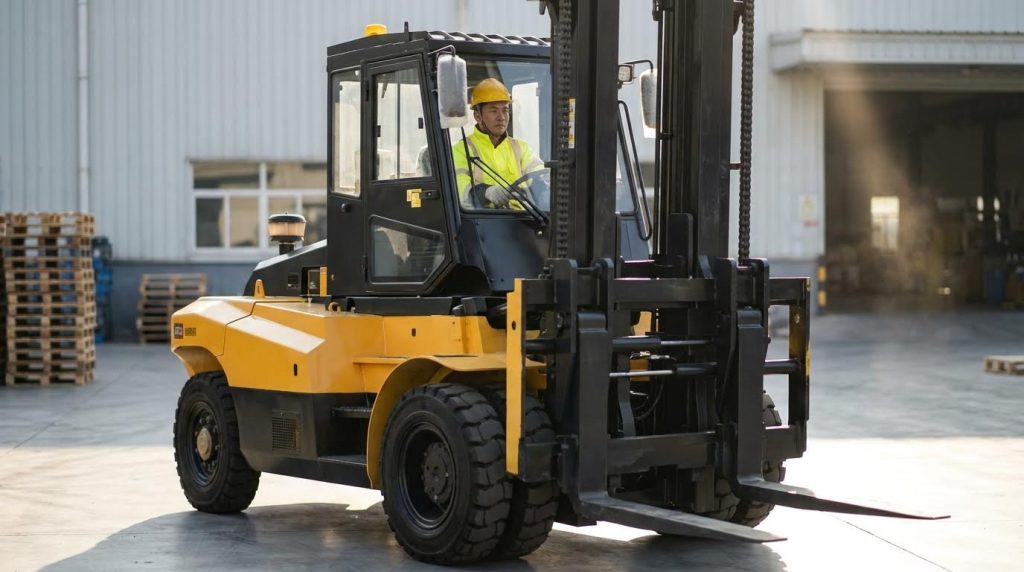
Most diesel forklift fuel filters should be replaced every 500–1,000 operating hours, depending on fuel quality and environment. Manufacturers typically specify this 500–1,000‑hour range. In dusty yards, recycling plants, or sites using bulk fuel with uncertain cleanliness, shorten the interval toward the lower end. When planning how to change fuel filter on diesel forklift fleets, match intervals to duty profile and contamination risk, not just calendar time.
- Light duty (indoor, clean fuel, 1 shift): aim near the upper end of the range.
- Medium duty (mixed indoor/outdoor, moderate dust): mid‑range change intervals.
- Heavy duty (outdoor, high dust, rough yards, bulk tanks): change closer to 500 hours or sooner if symptoms appear.
Always follow the most conservative guidance between the manufacturer’s recommendation and your site’s experience. If filters show heavy debris or water at removal, tighten the interval on the next cycle.
Symptoms of restriction and how to diagnose
A partially clogged fuel filter restricts flow and starves the engine, especially under load. Typical early symptoms include reduced lifting power, sluggish acceleration, and difficulty reaching travel speed. Operators may also report hard starting, rough idle for the first minutes, or intermittent stalling when lifting or climbing ramps. Increased fuel consumption and darker exhaust under load can also indicate restriction.
- Quick checks: compare performance between cold and fully warm operation; restriction often worsens as demand increases.
- Visual inspection: check clear bowls or sediment bowls for dirt, rust, or water; drain and inspect if contamination is visible. Sediment bowls should be cleaned and the filter replaced if water or deposits are present.
- Process-of-elimination: if tune‑up items (air filter, injectors, etc.) are in good order, install a new fuel filter and re‑test.
When teaching technicians how to change fuel filter on diesel forklift equipment, link the physical signs on the removed filter (dark fuel, sludge, water) back to the symptoms the operator reported. This builds better diagnostic instincts and helps set realistic change intervals.
Recordkeeping, fuel quality, and contamination control
Good records turn fuel filter changes from guesswork into a controlled maintenance process. Log operating hours, date, and any performance complaints each time you replace a filter. Tracking hours and conditions supports an effective schedule. Over time, you can adjust intervals for each site or truck type based on real data.
- Fuel quality: use clean, reputable diesel suppliers and keep storage tanks sealed; avoid fuel with visible water, rust, or sludge. High‑quality fuel and proper storage reduce filter loading.
- Contamination control: use funnels and caps when refueling, keep fill points clean, and provide drip pans during service to manage spills and dirt.
- Water and microbial growth: periodically check for water in tanks and bowls; consider approved additives where microbial growth or long idle periods are common.
Integrate how to change fuel filter on diesel forklift units into a written PM checklist that also covers sediment bowl cleaning, inline filter checks, and fuel storage inspections. Consistent procedures, combined with accurate records, reduce unplanned downtime and protect high‑value engine components.
Final Checks And Key Takeaways For Fleet Safety
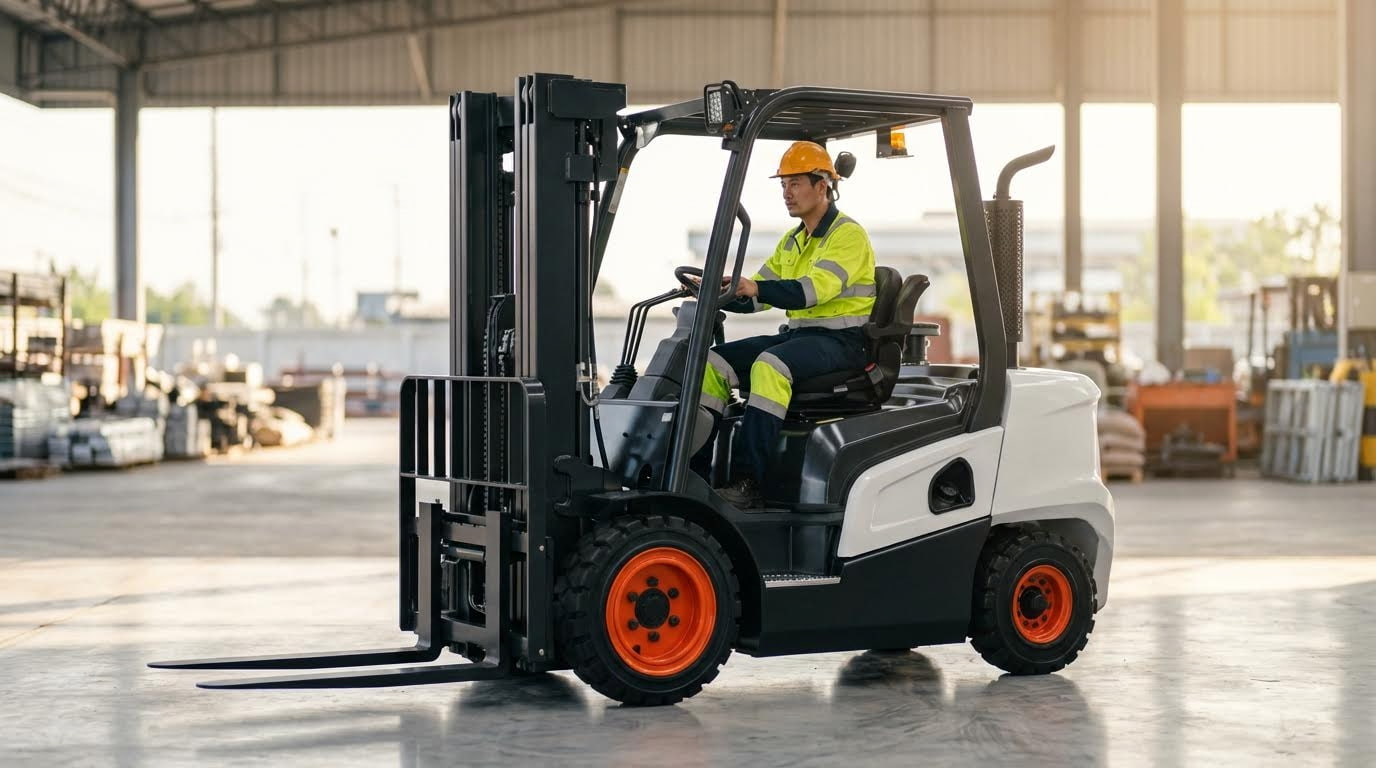
After you learn how to change fuel filter on diesel forklift safely, final checks and consistent habits keep the fleet reliable and compliant. Use the following quick checklist and best practices at the end of every fuel filter job and across your maintenance program.
| Stage | Key safety and reliability checks |
|---|---|
| Before restart | Confirm all fittings are tight, clamps are in place, and there is no visible fuel leakage around the filter, sediment bowl, or lines. Wipe joints dry, then re-check after a few minutes to spot weeping connections. Make sure the work area is clear of tools, rags, and drip pans, and that all guards, covers, and floor plates are reinstalled. |
| First start | Start the engine and let it idle while you watch the filter, hoses, and connections for leaks. Expect slightly rough idling during the first 1–2 minutes as remaining air clears the system during post‑replacement checks. Listen for abnormal knocking or hunting and stop the engine immediately if fuel pressure appears low or the engine struggles to run. |
| Light test drive | Operate the forklift under light load and at low speed first. Confirm smooth acceleration, stable idle, and normal power output as recommended for final testing. Watch the mast response and travel behavior; any hesitation, surging, or stalling suggests remaining air, restriction, or an installation issue that needs correction before returning the truck to service. |
Key safety reminders after every fuel filter change
- Verify the truck is still parked on level ground with the parking brake applied and the area free of ignition sources before cranking the engine as safety guidance notes.
- Remove and correctly dispose of any fuel‑soaked absorbents or rags to avoid slip hazards and fire risk in the work area.
- Store the drained diesel in an approved container or dispose of it according to your environmental procedures.
- Confirm all tools, temporary clamps, and lockout/tagout devices are removed before the unit re-enters service.
From a fleet perspective, the most important takeaway is to treat fuel filter work as a controlled, repeatable process rather than a one‑off repair. Most diesel forklifts needed fuel filter replacement every 500–1,000 operating hours, with shorter intervals in dusty environments or when fuel quality was uncertain according to typical maintenance guidance. Tie these intervals directly into your hour‑meter readings and work orders so that technicians always know when each truck is due.
Good recordkeeping and contamination control are the final pillars of safe operation. Log every fuel filter change with date, hour‑meter reading, technician, and any findings such as water in the sediment bowl or damaged hoses as part of fuel system maintenance. Use clean, sealed storage for diesel, avoid visibly contaminated fuel, and consider additives where microbial growth or long idle periods are an issue. Train operators to report early signs of restriction—hard starting, loss of power, rough idle, or rising fuel use—so you can intervene before a clogged filter causes an unplanned outage or engine damage.
When you combine a disciplined procedure for how to change fuel filter on diesel forklift with thorough final checks, documented intervals, and strict fuel hygiene, you reduce fire risk, protect engines, and keep your material handling fleet productive and safe. Consider integrating equipment like manual pallet jack, hydraulic pallet truck, and drum dolly to enhance operational efficiency.
Final Checks And Key Takeaways For Fleet Safety
Safe diesel forklift fuel filter replacement depends on three linked elements: controlled procedures, clean installation, and disciplined follow‑up. Lockout, cooling time, and a tidy work area prevent fire, crush, and burn injuries before any line is opened. Correct tools, PPE, and positive identification of filter type and location cut the risk of damage and rework.
Careful removal, inspection of hoses and bowls, and clean handling of the new element protect the injection system from dirt and air. Correct torque, line routing, and methodical priming then decide whether the engine restarts cleanly or suffers leaks and stalling. These are not small details; they directly affect uptime, fuel use, and engine life.
On the program level, hour‑based intervals, symptom‑driven troubleshooting, and strong fuel hygiene turn filter changes into a predictable maintenance control, not an emergency fix. Records link operating hours, site conditions, and findings on removed filters, so you can adjust intervals with data, not guesswork.
For engineering and operations teams, the best practice is clear. Standardize one written process for how to change fuel filter on diesel forklift units, train to it, enforce it, and pair it with strict contamination control and accurate logs. This approach keeps fleets safe, available, and cost‑effective.
Frequently Asked Questions
How do you change the fuel filter on a diesel forklift?
Changing the fuel filter on a diesel forklift is a straightforward process, but it requires attention to detail. Start by turning off the engine and letting it cool down. Locate the fuel filter housing, which is typically found near the engine or fuel tank. Use the appropriate tools to remove the housing cap and take out the old filter.
- Ensure the new filter matches the specifications of the old one.
- Before installing the new filter, apply a small amount of clean diesel fuel to the gasket to ensure a proper seal.
- Install the new filter and tighten the housing cap securely, but avoid over-tightening.
- Prime the fuel system according to the manufacturer’s instructions to remove air bubbles.
After completing these steps, start the engine and check for leaks. If you’re unsure about any step, consult the forklift’s manual or seek professional assistance. For more detailed guidance, refer to Forklift Maintenance Tips.
What are the signs that a fuel filter needs replacement?
There are several signs indicating that the fuel filter on your diesel forklift may need replacement. Poor engine performance, such as rough idling or stalling, can be a sign of a clogged fuel filter. You might also notice reduced fuel efficiency or difficulty starting the engine.
- Listen for unusual engine noises, which could indicate improper fuel flow.
- Check for warning lights on the dashboard related to fuel systems.
- Inspect the fuel filter for visible dirt or damage during routine maintenance.
If you experience any of these symptoms, it’s a good idea to inspect and potentially replace the fuel filter. Regular maintenance can prevent these issues. For additional insights, visit Diesel Forklift Care.