Safe loaded travel starts long before you move the truck. It depends on the right truck capacity, sound pallets, correct load handling, and a clear, well‑designed traffic layout. This guide explains how should a lift operator travel with a full pallet, tying together OSHA/ANSI rules, engineering limits, and practical driving techniques. Use it to reduce tipping risks, protect pedestrians, and extend the life of your equipment and storage systems.
Fundamentals Of Traveling With A Full Pallet
Stability, load center, and tipping risks
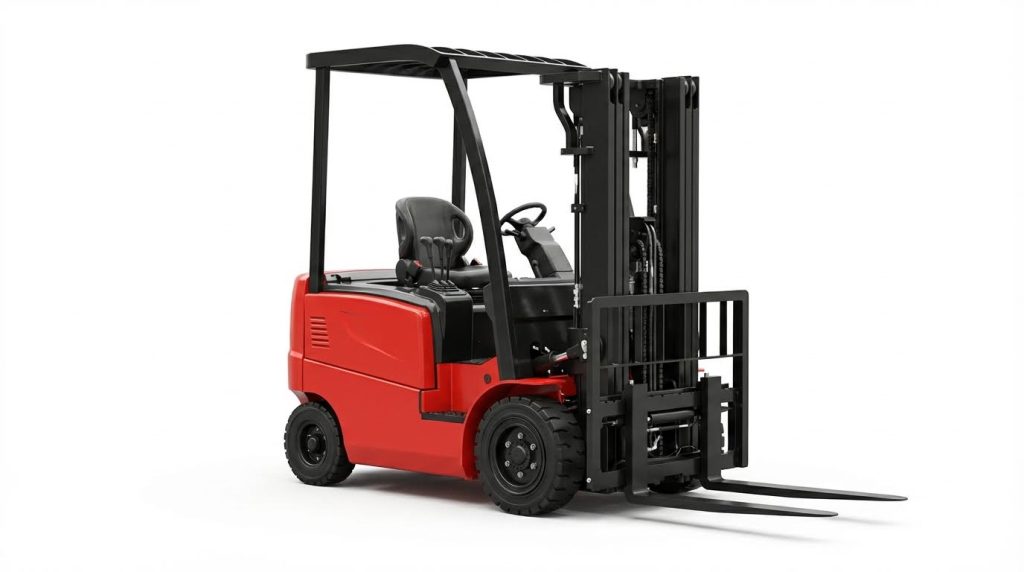
When asking how should a lift operator travel with a full pallet, the starting point is truck stability. A forklift behaves like a lever with a triangle‑shaped “stability pyramid” between the front drive wheels and the steer axle. The combined center of gravity of truck plus load must stay inside this triangle during all maneuvers. As the pallet gets heavier, higher, or further forward on the forks, the combined center of gravity moves toward the front axle and increases tip‑over risk.
Operators must always keep the load centered and balanced on the forks, never hanging off one side. Slight back tilt during travel helps pull the load’s center of gravity closer to the truck, improving stability and reducing the chance of forward tip. Loads must stay within the rated capacity shown on the data plate, which assumes a specific load center distance; longer loads effectively increase the load center and reduce safe capacity. Good practice is to avoid sudden acceleration, harsh braking, or sharp turns with a raised pallet, because dynamic forces can push the combined center of gravity outside the stability triangle and cause a lateral or longitudinal tip.
- Center and balance the load on the forks, avoiding overloading and off‑center stacking. Best practice guidance recommends always centering and balancing the load on the forks.
- Use slight back tilt when traveling to keep the pallet against the backrest and lower the risk of forward tip. Industry safety recommendations call for tilting the mast slightly backward during transit.
- Keep forks low during travel (typically just enough to clear the floor) to keep the center of gravity as low as possible and improve lateral stability. Guidance for operators recommends forks not exceed about 150 mm off the ground during travel.
- Inspect forks, mast, and load backrest for cracks, deformation, or uneven fork height before handling full pallets, because structural defects reduce the true safety margin. Checklists emphasize fork condition, fork heel integrity, and secure load backrests.
Why dynamic maneuvers increase tipping risk
Braking, cornering, and driving on slopes shift the effective center of gravity. With a full pallet, these shifts are larger, so even a truck that is stable when stationary can tip during a fast turn or sudden stop. Smooth, planned movements are therefore a core part of any answer to how should a lift operator travel with a full pallet.
OSHA/ANSI rules that govern loaded travel
OSHA and ANSI standards define how a lift operator should travel with a full pallet to protect both people and equipment. They require that only trained and evaluated operators drive forklifts, with refresher training on safe load handling, speed control, and navigation in tight spaces. Structured programs cover topics such as even lifting, avoiding sudden movements, and respecting rated capacity, which directly reduce tip‑overs and dropped loads. Formal training and periodic refreshers have been shown to significantly cut accident rates. Pallet‑handling safety guidance stresses forklift training on safe load handling and minimizing manual handling through mechanical aids and OSHA‑referenced training data indicates regular refresher training can reduce workplace accidents by up to 70%.
Standards also require pre‑shift inspections and clear travel paths before moving loaded pallets. Operators must verify brakes, steering, mast, forks, hydraulics, lights, horn, and safety devices before use so that a full pallet can be controlled safely in all conditions. Maintenance checklists call for visual examinations, fluid checks, brake tests, steering checks, and confirmation that the load capacity plate is legible and matches the truck configuration. Aisles and travel lanes must be kept free of obstructions, with designated equipment and pedestrian routes to minimize collision risk. Pallet safety guidance calls for clear pathways for safe pallet movement and warehouse safety practices emphasize marked walkways, traffic rules, and clean floors.
- Travel at safe speeds that match conditions, especially in aisles and near pedestrians. Safety guidance recommends defined speed limits by zone, and typical recommendations keep travel below about 12–14 km/h under most load conditions.
- Keep the load low and tilted slightly back, with forks just clearing the floor, and slow down for corners and ramps. Guidance stresses low fork height and slowing when navigating corners.
- Use the horn and lights at intersections and blind spots, and ensure all warning devices function before moving a full pallet. Inspection procedures include testing lights and horn.
- Inspect pallets for structural damage before loading to avoid sudden collapse in transit. Pallet‑handling safety guidance calls for checking pallets for cracks, splinters, or structural damage before use.
Key OSHA/ANSI concepts behind “safe loaded travel”
Core themes include: only trained and evaluated operators, operating within rated capacity, traveling with the load low and tilted back, maintaining clear visibility, yielding to pedestrians, and performing pre‑shift inspections. These requirements shape every best‑practice answer to how should a lift operator travel with a full pallet in real‑world warehouses and plants.
Step‑By‑Step Best Practices For Loaded Travel
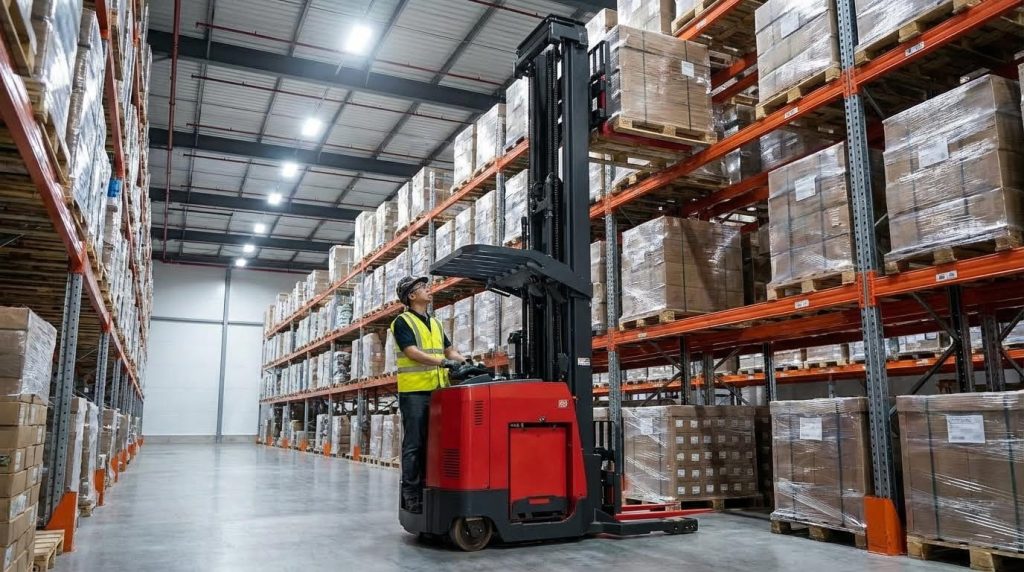
Pre‑shift checks and pallet/load inspection
Before asking how should a lift operator travel with a full pallet, start with a disciplined pre‑shift inspection. Check the truck for visible damage, leaks, loose components, mast misalignment, and tire wear or low pressure to confirm the forklift is mechanically sound. Visual examination, fluid levels, brakes, steering, lights, horn, forks, chains, and hydraulic system should all be verified before each shift. Confirm the load capacity plate is legible and matches the truck configuration so you can compare it to the pallet weight.
- Inspect forks for cracks, bent heels, missing sections, and secure locking pins. Check the load backrest, finger guards, seatbelt, and overhead guard for damage.
- Verify warning devices (horn, lights) and gauges work properly so you can communicate and monitor the truck during travel. Test the emergency stop if fitted.
- Inspect the pallet for cracks, broken deck boards, exposed nails, or missing blocks that could cause the load to shift or collapse. Use a daily pallet inspection checklist before stacking or transport.
- Check that cartons, drums, or bags are wrapped, banded, or otherwise secured and that nothing overhangs excessively where it could snag racking or pedestrians.
Finally, walk the intended route and confirm aisles, ramps, and intersections are clear of obstructions, spills, and loose debris to avoid evasive maneuvers once the pallet is lifted. Clean, obstruction‑free floors and clearly defined traffic lanes are a core part of safe pallet movement.
Picking up, tilting, and securing a full pallet
Safe loaded travel starts with how you pick up and secure the pallet. Approach square to the pallet with the mast vertical, forks at the correct height, and spaced to take as much of the pallet width as possible. Training in correct approach and even lifting significantly reduces pallet handling incidents. Drive in slowly until the heels of the forks are fully under the pallet; partial fork entry increases the risk of broken boards and dropped loads.
- Lift the pallet just clear of the floor, then pause to check that the load is stable, centered on the forks, and not contacting the mast or load backrest awkwardly. Loads should always be centered and balanced on the forks, never exceeding rated capacity.
- Tilt the mast slightly back to bring the load against the backrest; this creates a compressive “clamp” effect that resists forward tipping during braking or on minor floor irregularities.
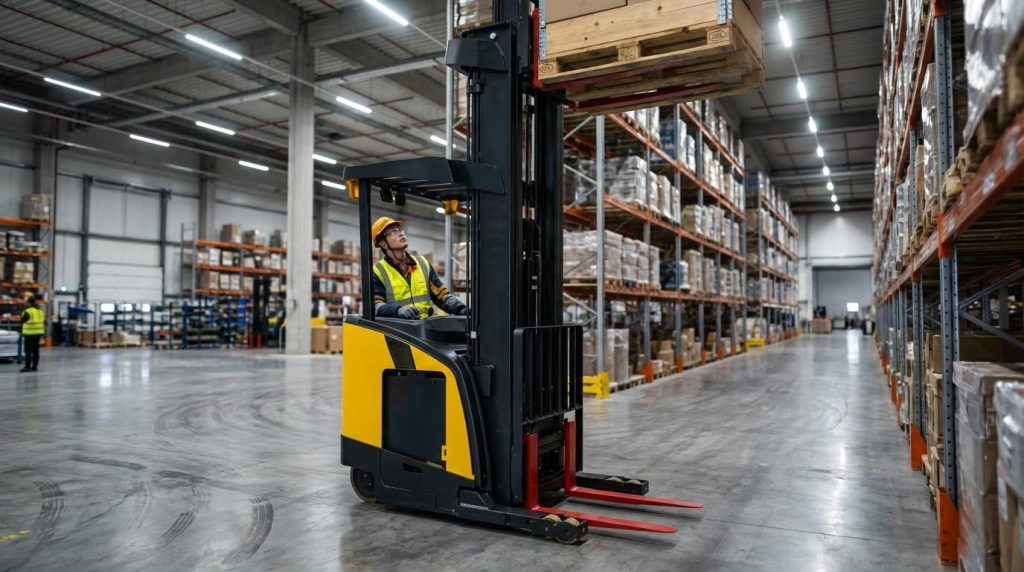
- Raise the load only to the minimum travel height, typically around 100–150 mm (4–6 in) from the floor, to keep the combined center of gravity low. Guidance commonly limits fork height during travel to about 150 mm.
- For drive‑in or rail‑type storage, never push or drag the pallet along the rails. Lift the pallet 3–4 inches above the rails, center it, then lower it vertically into position.
If the load leans, deforms, or shifts when you test‑lift, lower it, re‑stack or re‑secure, and reassess rather than trying to “catch” or support it with the truck. Proper securing at this stage directly answers how should a lift operator travel with a full pallet: with a low, centered, slightly back‑tilted load that cannot move independently of the forks.
Traveling, cornering, and stopping with a load
Once moving, the goal is to keep the truck–load system stable by controlling speed, steering angle, and braking. Travel with forks low, mast slightly tilted back, and the heaviest side of the pallet toward the mast to keep the center of gravity inside the stability triangle. Maintain a speed that allows you to stop smoothly within the visible, clear distance ahead; many facilities cap loaded travel at roughly walking to light jogging speed depending on conditions. Keeping speeds below about 12–14 km/h is suitable for most load conditions.
- Approach corners, intersections, and rack ends slowly, sound the horn, and be prepared to stop for pedestrians or other trucks. Enforced speed limits and clear warehouse traffic rules greatly reduce collision risk.
- Avoid sharp steering inputs with a raised or heavy load; turn in a smooth, wide arc and never turn on a slope or ramp while loaded.
- Use gradual acceleration and progressive braking so inertia does not cause the pallet to slide forward or the truck to pitch. Smooth acceleration and deceleration also reduce wear on tires and brakes.
- On ramps, travel with the load upgrade (load facing uphill) and keep the truck straight; never turn or park on the incline with a raised pallet.
To stop and set down, brake smoothly to a full stop with the load still low and back‑tilted, then level the mast before lowering. Position square to the drop‑off point, lower until the pallet is fully supported, then back out straight and clear before turning. Combined, these behaviors define in practice how should a lift operator travel with a full pallet: with a low, stable, centered load; controlled speed; smooth inputs; and constant awareness of route, pedestrians, and stopping distance.
Engineering Considerations And Technology Enablers
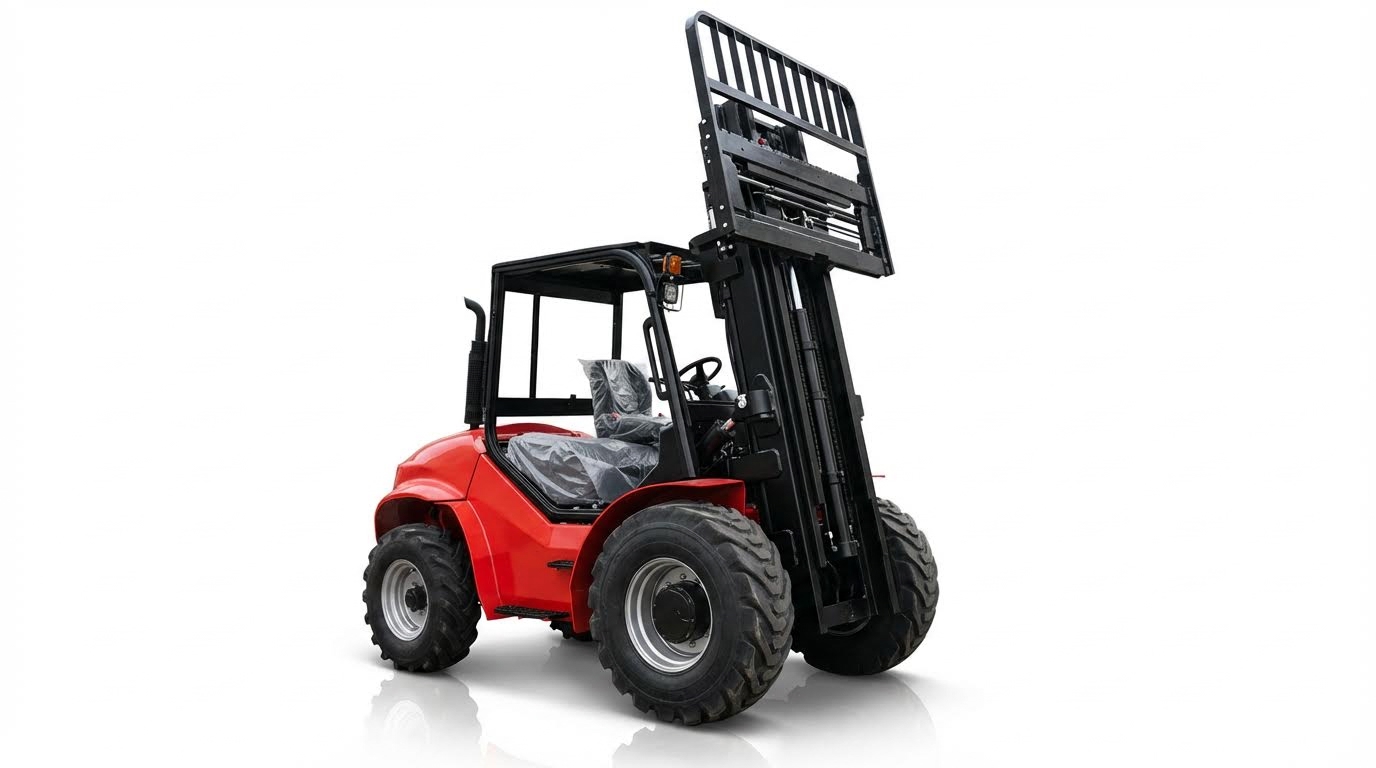
Matching truck type and capacity to pallet loads
Safe engineering starts with matching the forklift to the heaviest pallet and the route it must travel. The capacity plate must be present, legible, and reflect the actual configuration, including attachments and mast height, so operators know the true rated capacity at a given load center. Confirm that the load capacity plate is securely attached and matches the forklift configuration. Truck type selection should consider load weight, indoor vs outdoor use, and maneuvering space. This engineering match directly affects how should a lift operator travel with a full pallet, because an undersized or unsuitable truck forces unsafe habits like mast over-tilt or high fork travel.
| Engineering factor | Key considerations |
|---|---|
| Capacity & load center | Rated capacity must exceed the heaviest pallet at the actual load center and lift height. |
| Truck type | Electric for indoor, low‑emission work; engine-powered for rough or outdoor surfaces. Smaller chassis improve maneuverability in tight aisles. |
| Attachments | Side‑shifters, clamps, or extensions reduce effective capacity and must be reflected on the plate. |
Why this matters for loaded travel
If the truck is correctly sized, the operator can keep forks low, mast slightly back, and speed controlled without fighting stability limits, which is central to safe full‑pallet travel.
Aisle design, traffic rules, and speed management
Engineering the travel path is as important as engineering the truck. Aisles must be wide enough for the truck’s turning radius plus clearance for the pallet, with extra allowance at intersections and rack faces. Clearly marked equipment lanes, pedestrian walkways, and crossing points reduce conflict between people and forklifts. Designated lanes for equipment and pedestrians keep traffic separated. Optimized warehouse layouts with clear traffic lanes and turning space cut congestion and travel time.
- Set speed limits by zone, especially in aisles and loading docks, and enforce lower speeds where visibility is poor or pedestrians are present.
- Typical safe travel speeds are below 12–14 km/h, with further reduction at corners.
- Clean, obstruction‑free floors and well‑maintained ramps and docks prevent sudden shocks to the loaded truck.
These design and rule sets answer how should a lift operator travel with a full pallet: at controlled speed, in defined lanes, with good sightlines and stable surfaces that do not force sudden braking or swerving.
Telematics, cameras, and maintenance for safety
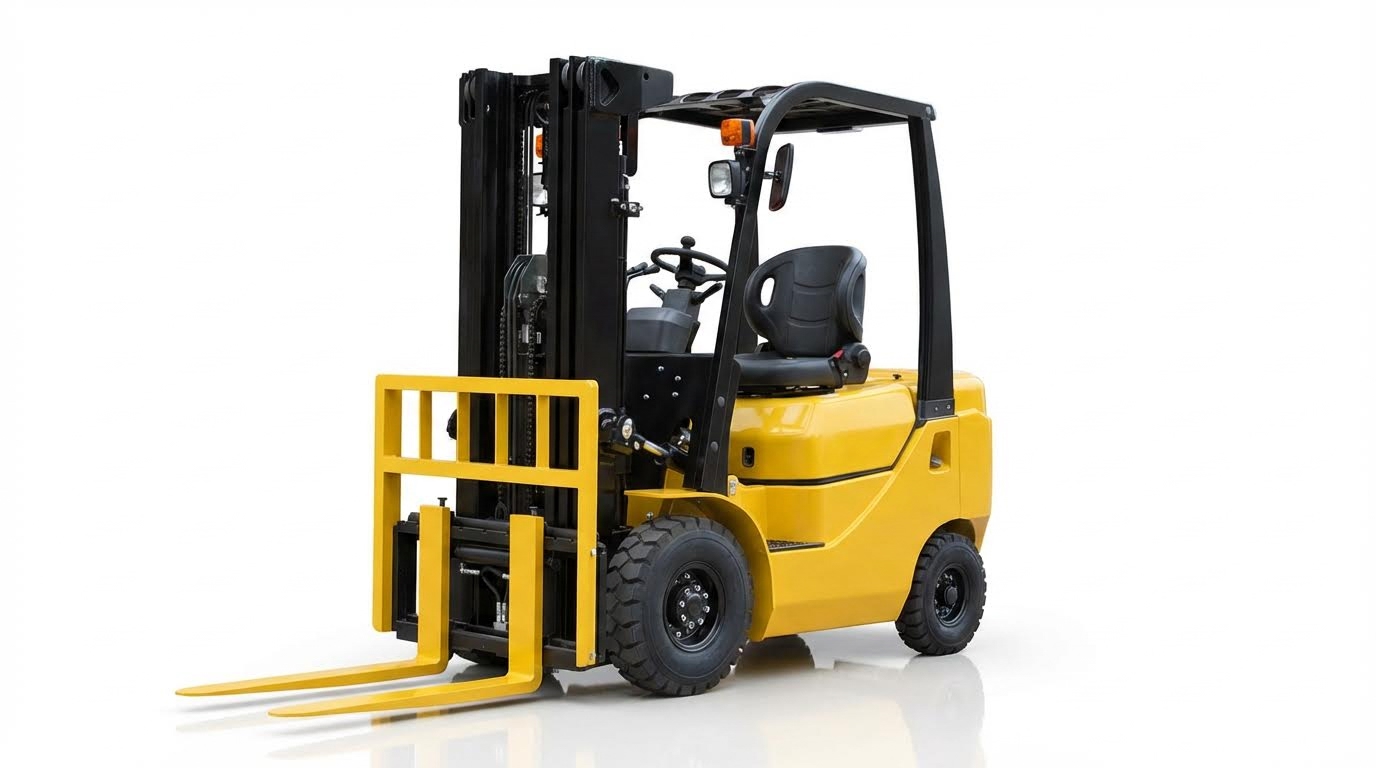
Technology and maintenance programs provide the backbone for consistent safe travel with full pallets. Telematics and fleet management systems monitor usage, support preventive maintenance, and track impacts or speeding events. Cameras, alarms, and lights increase the operator’s field of view and help compensate for blocked forward visibility when carrying a high or bulky pallet. Seat belts, warning lights, cameras, and sensors are key safety accessories.
- Structured maintenance checklists cover visual inspection, fluids, brakes, hydraulics, forks, chains, and safety devices, ensuring the truck behaves predictably under load.
- CMMS integration centralizes work orders, reminders, and inspection records, reducing missed services and unplanned failures.
- Daily, weekly, monthly, and annual inspection frequencies, with proper record keeping, detect issues early.
With reliable braking, steering, hydraulics, and visibility aids, the operator can focus on proper technique rather than compensating for defects, which is fundamental to how should a lift operator travel with a full pallet safely and repeatably.
“”
Final Thoughts On Safe Loaded Forklift Operation
Safe loaded travel is not one action. It is a complete system that links engineering limits, workplace design, and operator behavior. Stability physics define what is possible. Training, procedures, and layout decide what actually happens in the aisle. When operators respect load center, capacity plates, and low fork height, they keep the center of gravity inside the stability triangle and prevent tip‑overs.
OSHA/ANSI rules, pre‑shift checks, and pallet inspection give a repeatable safety baseline. Aisle width, marked traffic routes, and strict speed limits then reduce the need for sudden steering or hard braking, which are the main triggers for loss of control with full pallets. Telematics, cameras, and disciplined maintenance close the loop by detecting unsafe driving patterns and mechanical faults early.
The best practice for operations teams is clear. Choose the right truck for the heaviest pallet and route. Keep floors, aisles, and racks engineered for smooth, predictable travel. Enforce low, back‑tilted loads, controlled speeds, and continuous operator training. Use tools from Atomoving and supporting technologies to standardize inspections and handling methods. When all these elements work together, loaded forklift travel becomes stable, efficient, and repeatable across every shift.
Frequently Asked Questions
How should a lift operator travel with a full pallet on the forks?
To safely travel with a full pallet, approach the load squarely and insert the forks fully under the pallet. Lift the load slightly and tilt the forks back to secure it against the carriage. For unbalanced loads, keep the heavier side closer to you. Before moving, ensure the load is stable and tilted slightly backward for better control. Travel at a safe speed and watch for obstacles or pedestrians in your path. Forklift Safety Guide.
What safety precautions should operators follow when moving a loaded pallet?
Operators should always separate forklift traffic from pedestrians and yield the right of way to people on foot. When traveling with a loaded pallet, maintain a safe speed and keep the load tilted slightly backward to prevent it from falling. Always check for obstructions, other workers, or hazards in the area before proceeding. Stopping for pedestrians crossing your route is mandatory for safety. OSHA Pedestrian Safety Tips.