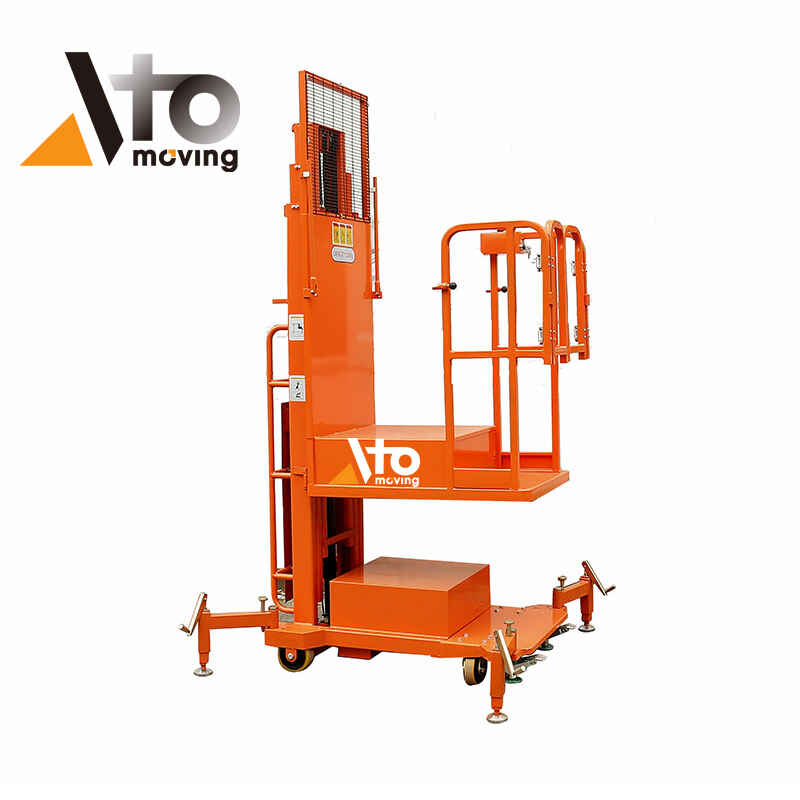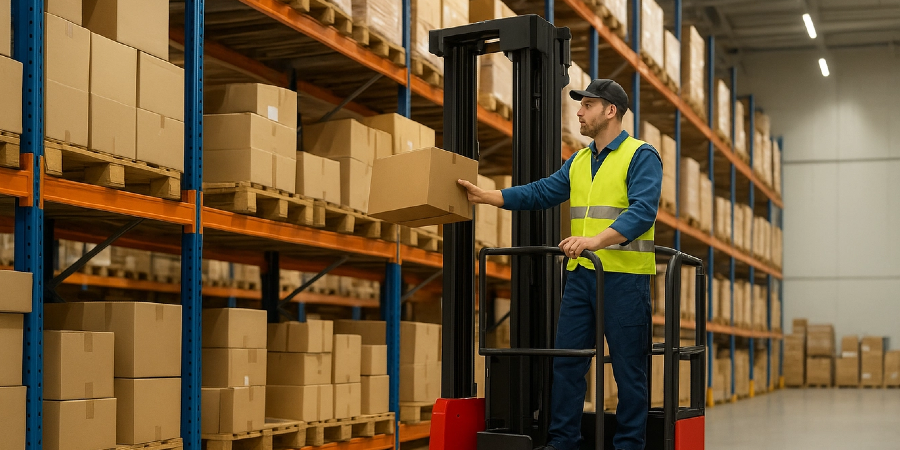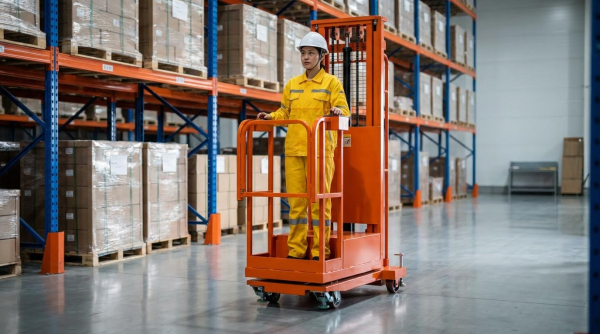
Designing the right mix of warehouse order picker equipment is a strategic engineering decision, not just a purchasing exercise. This article walks through how to align equipment choices with picking strategy, layout, WMS, and safety standards to maximize throughput and minimize total cost of ownership. You will see how to balance manual, lift, and robotic solutions while protecting operators and meeting regulatory requirements. Use it as a practical framework to build a safe, scalable picking fleet that can adapt as volumes, SKUs, and service levels change.
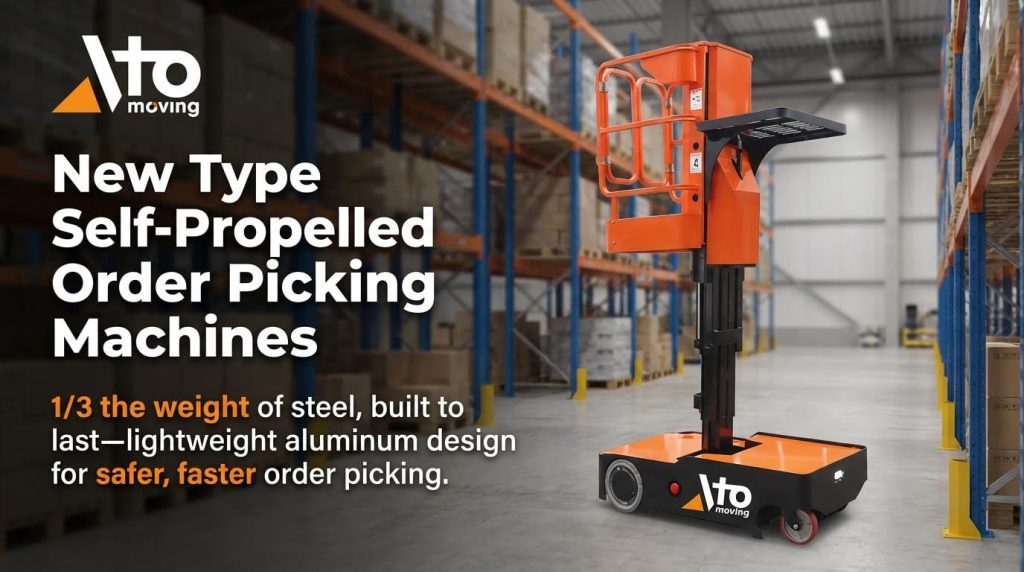
Foundations Of Order Picking Fleet Design
Map picking strategies to equipment types
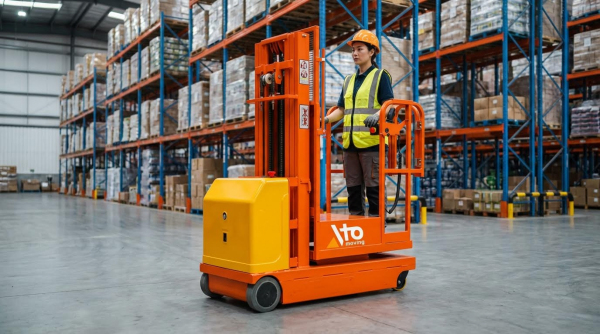
Start by defining how orders will flow before selecting any warehouse order picker. Common strategies include discrete, batch, zone, and wave picking, plus goods-to-person and robotic concepts. Batch and zone methods reduce walking and increase picks per hour by grouping orders or assigning operators to fixed areas, which is most effective when paired with suitable carts, hydraulic pallet truck, or conveyors for reducing operator walking time and using batch or zone picking. Goods-to-person, AS/RS, and shuttle systems shift travel from people to machines and align naturally with static pick stations, ergonomic worktables, and scan-verification tools where ASRS reduces travel and supports direct-to-carton picking.
- Discrete and two-stage picking (pick and sort later) typically use manual carts, manual pallet jack, and low-level order pickers in dense pick faces.
- Batch and zone strategies benefit from tow tractors with multiple carts, pick-to-cart solutions, or AMRs that shuttle totes between zones where movement streamlining and pick-path optimization are key.
- High-density, high-bay storage often justifies high-level order pickers or goods-to-person systems, especially when travel distance is the main constraint where GTP systems eliminate walking by bringing shelves to operators.
Ergonomics must shape equipment choice. Waist-height, fast movers suit low-level pickers and carts; heavy or high picks suit lift-assist, high-level machines, or goods-to-person where ergonomic improvements and waist-height storage reduce injury risk. For automation-ready operations, AGVs and AMRs can handle repetitive pallet or tote moves while humans focus on exception handling and value-added work with AMRs providing flexible navigation and GTP systems boosting throughput.
Define throughput, safety, and TCO targets
Before locking in a fleet, quantify required throughput, safety performance, and total cost of ownership (TCO) over the equipment life. Manual pickers typically achieve on the order of 100–200 picks per hour, while automated bin-picking or goods-to-person cells can reach 400–800+ picks per hour depending on item mix with associated reductions in error rate from 1–3% down to below 0.5%. These ranges help size how many units of each equipment type you need and where automation has payback.
Safety targets should reference applicable standards and typical risk scenarios. For elevated order pickers, platform speed, travel limits, guardrails, and fall protection are critical: maximum horizontal speed must drop when platforms exceed about 36 inches, and travel is usually restricted when platforms are above roughly 152 inches unless guided or rail-mounted which also requires guardrails or personal fall arrest systems with limited free fall. For AGV and AMR deployments, define safe speeds, stopping distances, and obstacle-detection performance in line with ISO-style guidelines and local codes where AGVs are typically limited to around 2 m/s and must meet ISO 3691-4 and UL 583.
TCO targets should cover more than purchase price. Include energy usage, batteries and charging, maintenance labor, spare parts, telematics subscriptions, and the cost of safety incidents or ergonomic injuries, which can reach tens of thousands per claim with average back injury claims reported around $80,000. For automated systems such as robotic picking or AS/RS, weigh the higher initial investment against labor savings, space reduction, and accuracy gains over a multi-year horizon where robotic systems trade higher capex for lower operating error and labor cost. Clear throughput, safety, and TCO targets give you objective criteria to evaluate and right-size your warehouse order picking equipment fleet.
Engineering The Right Mix Of Manual, Lift, And Robotic Gear
Specifying pallet trucks, carts, and low-level pickers
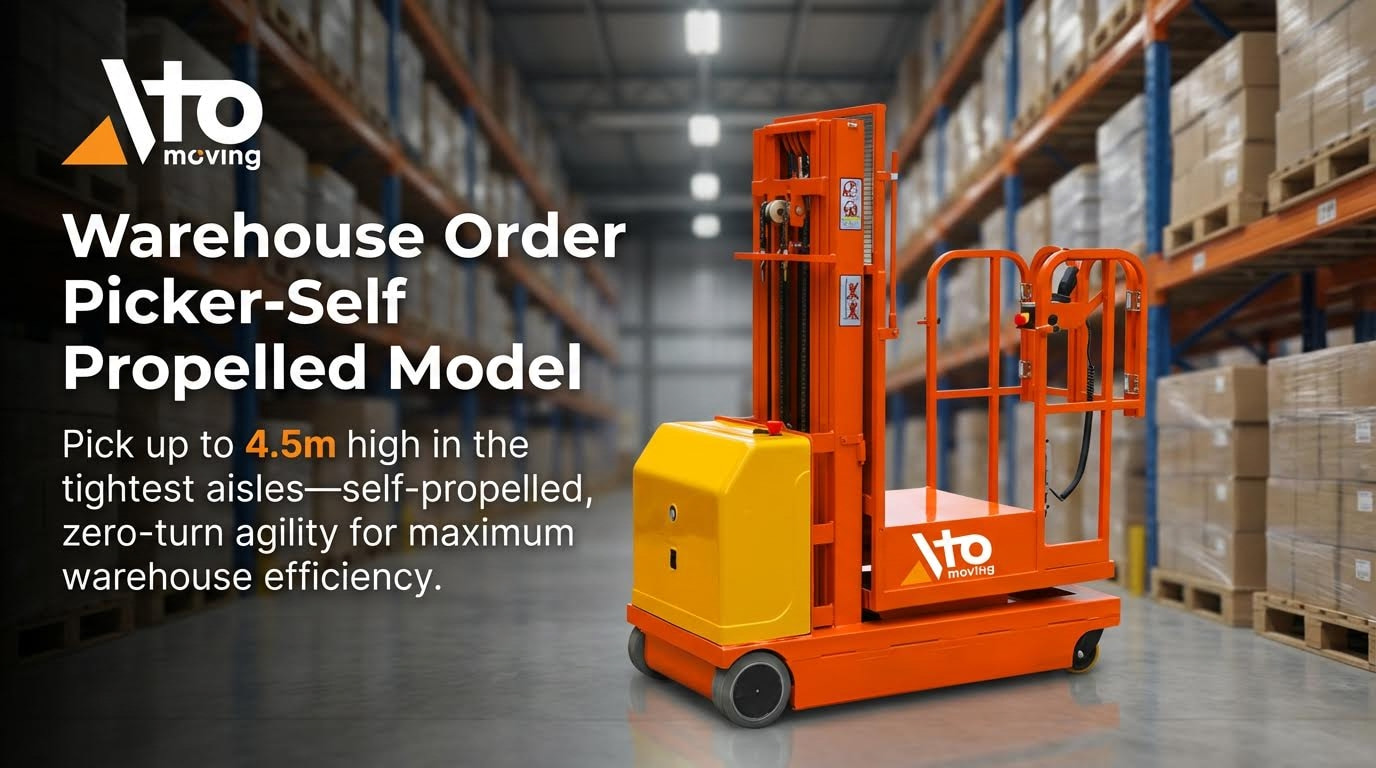
Start with the manual and low-level layer of your warehouse order picking equipment, because this carries the bulk of pick touches. Hand pallet trucks, powered pallet trucks, and picking carts should match your slotting and pick-path strategy so fast movers sit close to shipping and along the shortest walking routes. Strategic slotting of high-velocity SKUs near dispatch points reduces walking time and improves throughput by cutting unnecessary travel. Low-level order pickers, with an effective reach from floor level to about 2.5 m, are ideal for high-frequency picks in this golden zone and support batch, zone, or wave picking strategies that consolidate multiple orders in one trip within their reach envelope.
- Use carts with clear SKU segregation to avoid mixing orders, which increases error rates and rework time when different orders share the same cart space.
- Keep frequently picked SKUs at roughly waist height to reduce bending and back strain, since poor ergonomics drive costly injuries and compensation claims in order picking operations.
- Combine low-level order pickers with pick-to-light or voice systems to guide operators, which cuts search time and supports higher pick accuracy at the manual layer through step-by-step guidance.
Dimension the quantity of pallet trucks and carts from your target picks per hour and maximum walking distance per shift, then size low-level picker count from peak-hour cube and order lines. This ensures the manual and low-level fleet supports your chosen batch, zone, or wave strategy without becoming a bottleneck.
Narrow-aisle trucks, high-level pickers, and AGVs/AMRs
The lift and automated layer of warehouse order picking equipment must align with rack height, aisle width, and required access frequency. High-level order pickers, which can reach up to about 12 m, unlock dense vertical storage for slower or medium-velocity SKUs while keeping fast movers at lower levels in tall racking systems. Narrow-aisle trucks and stock pickers in confined aisles require engineered controls on speed and travel with elevated platforms; for example, maximum horizontal speeds are limited when platforms exceed defined heights and travel may be restricted above certain elevations except for guided systems by safety regulations for elevated platforms.
- Specify guide rails or electronic guidance in aisles used only by stock pickers or side loaders to prevent rack impacts and column damage through physical or electronic collision prevention.
- Ensure platforms provide compliant guardrails or, where not possible, integrate fall-arrest or restraint systems so operators cannot free fall more than defined limits or contact lower levels with properly rigged lanyards and anchor points.
- Train operators to the same standard as narrow-aisle lift trucks, including hazard analysis for load handling, pedestrian interaction, and dock approaches as part of a formal training program.
For automation, use AGVs on fixed, high-volume milk runs where routes are stable, and AMRs where flows or layouts change more often. AGVs typically follow predefined paths using tapes or rails, while AMRs navigate dynamically using onboard sensing and AI, offering flexibility in mixed-traffic aisles in modern warehouse environments. Both must comply with mobile equipment safety standards, including obstacle detection, emergency stops, and speed limits, and should undergo site-specific risk analysis and field testing to tune braking distances and safety zones under real operating conditions.
High-level vs robotic picking roles
Use high-level pickers where operators must visually inspect or customize orders at height. Deploy goods-to-person systems and piece-picking robots where travel time dominates and SKUs are numerous, letting automation bring storage to ergonomic pick stations and handle repetitive fine picking tasks in large, high-mix operations.
Power sources, telematics, and maintenance strategy
The energy and maintenance layer determines uptime and lifecycle cost of your warehouse order picking equipment. Choose between lead-acid, lithium-ion, or other chemistries based on duty cycle, opportunity-charging needs, and ambient temperature. Match battery capacity to peak shift demand and charger count to your maximum simultaneous charge events so trucks do not queue for power. For AGVs and AMRs, integrate automatic charging points into their routes so batteries recharge during natural idle windows without disrupting flow as part of the system design.
Telematics should feed real-time data into your WMS or fleet system so you can monitor utilization, impacts, and battery state. This supports KPIs for throughput, space use, and labor efficiency, and it helps identify bottlenecks or underused assets using structured performance indicators.
- Use telematics to enforce speed zones and access control in mixed-traffic areas, supporting warehouse traffic rules and pedestrian safety where multiple vehicle types share space.
- Schedule maintenance based on hours of use and event data, not only calendar time, to reduce unplanned downtime and extend component life.
- Align preventive maintenance windows with low-order periods and planned replenishment so picking capacity at peak remains unaffected by avoiding clashes with busy picking waves.
Robotic systems require additional software and sensor maintenance, so include firmware updates, camera calibration, and safety validation in your maintenance plan. A unified strategy for power, telematics, and service across manual, lift, and robotic assets keeps the fleet safe, available, and ready to scale with future demand.
Matching Equipment To Layout, WMS, And Safety Standards
Aligning fleet with layout, slotting, and pick paths
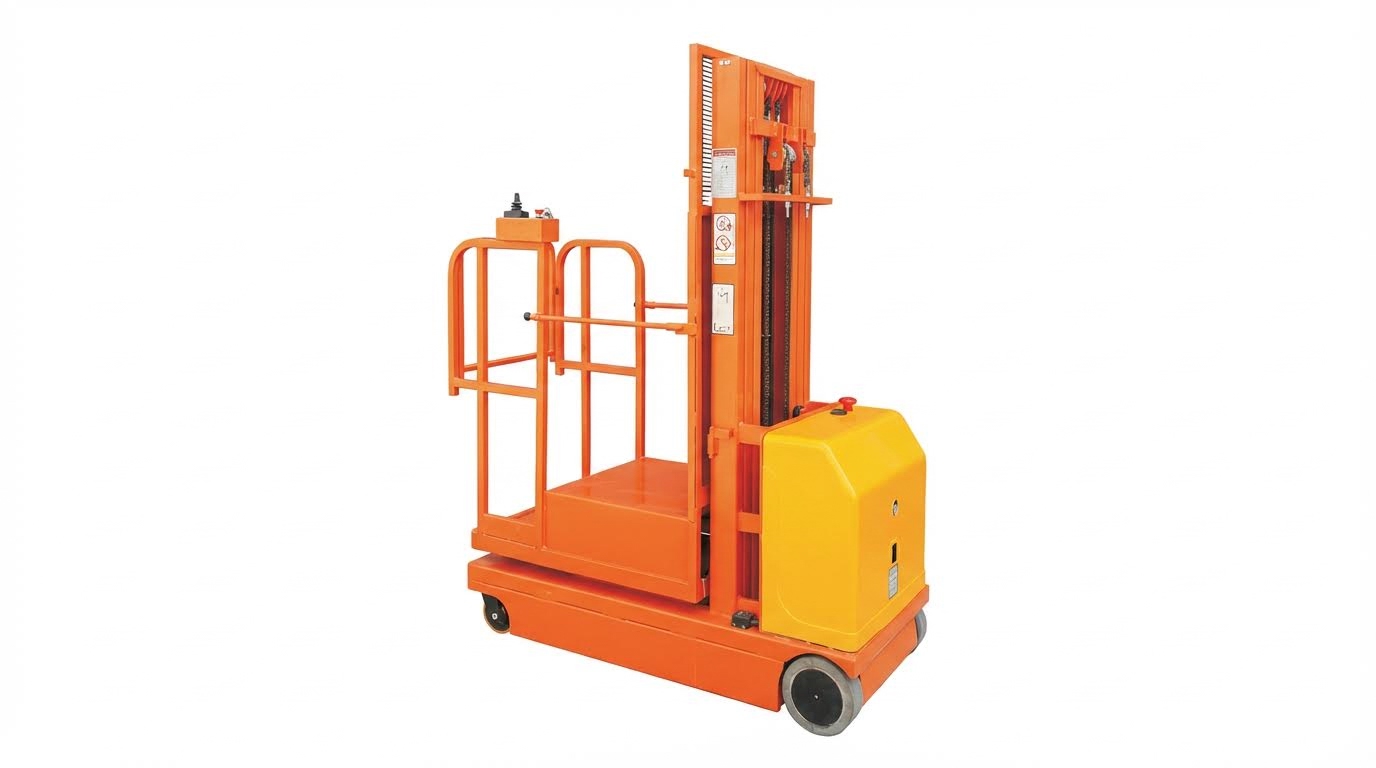
Start by mapping every piece of warehouse order picker to a defined storage and picking zone. The layout should follow the physical flow from receiving to shipping to avoid cross-traffic and congestion in main aisles by organizing functional areas in inventory flow sequence. Fast movers belong close to dispatch and on lower levels where manual pallet jack, low-level pickers, and carts can operate with minimal travel. Slow movers and reserve storage can sit deeper in the layout or in automated systems, served by high-level pickers or goods-to-person solutions.
- Use inventory slotting based on velocity so high-frequency SKUs cluster along the shortest pick paths for low-level equipment with fast-moving items placed closer to shipping.
- Apply pick-path optimization logic in your WMS or routing tools so operators walk or drive fewer meters per line, cutting travel time and labor cost through software-based route optimization.
- Design narrow-aisle zones with guide rails or electronic guidance where only stock pickers or order pickers run, to prevent rack strikes and structural damage using collision-prevention means in storage aisles.
- Reserve wide cross-aisles and intersections for mixed traffic (manual trucks, AMRs, pedestrians), with clear floor markings and speed rules to reduce impact risk supported by defined traffic lanes and right-of-way guidelines.
Ergonomics should drive slotting and equipment reach decisions. Frequently picked SKUs should sit between knee and shoulder height to reduce bending and overreaching, and to limit back injuries that can cost around 80,000 dollars per claim when poor ergonomics cause back injuries. Low-level pickers, which typically work from floor to about 2.5 meters, are best assigned to fast-moving, low-level slots, while high-level pickers handle upper racking up to roughly 12 meters in dense storage areas with low-level and high-level reach ranges. Compact storage solutions such as drive-in or shuttle racking free floor space for pick aisles, allowing more efficient deployment of hydraulic pallet truck, tuggers, and AMRs in high-throughput zones by reducing storage footprint with compact systems.
WMS, pick tech, and real-time fleet coordination
Your WMS is the control layer that connects layout, processes, and warehouse order picking equipment into one coordinated system. It should manage real-time inventory, assign work to zones, and generate optimized pick paths to minimize travel distance and congestion using real-time inventory monitoring and route optimization. Integration with ERP keeps order data synchronized in both directions so changes in demand, priorities, or stock immediately flow to the floor and back to planning systems through WMS–ERP synchronization. The same platform should also orchestrate replenishment tasks during natural travel, so pickers do not wait on stock and lift trucks avoid empty runs by scheduling replenishments throughout the day and combining them with other movements.
- Use pick-to-light, put-to-light, and voice-directed systems to cut search time and errors, especially in dense pick modules and carton-flow areas with light- and voice-directed picking.
- Equip operators with RF scanners or camera-based imagers so each pick is verified against barcodes, reducing mis-picks and returns through scan verification.
- Let the WMS or a fleet-management layer dispatch tasks to AGVs and AMRs, which follow fixed or dynamic paths and must comply with safety standards for obstacle detection, emergency stops, and speed limits as defined in AGV safety standards.
- Use labor and fleet KPIs on space use, throughput, accuracy, and cost to spot bottlenecks and rebalance work across zones and equipment types with KPI-based performance monitoring.
Real-time coordination also has a strong safety dimension. Speed limits for elevated platforms and AGVs, along with automatic warning lights at defined platform heights, must be enforced through both equipment settings and procedural rules by restricting horizontal speed and requiring warning lights at elevation. Traffic rules, pedestrian zones, and clearly marked aisles should be reflected in the WMS tasking logic so that routing avoids conflict points at peak times in warehouses with mixed equipment and pedestrian traffic. When layout, WMS, and safety standards are aligned this way, the picking fleet can run at high utilization without sacrificing control of risk or total cost of ownership.
Final Recommendations For A Safe, Scalable Picking Fleet
A high-performance picking fleet does not start with picking a truck model. It starts with clear targets for throughput, safety, and lifecycle cost. When you size manual, lift, and robotic equipment from these numbers, you avoid both bottlenecks and idle assets. Geometry and ergonomics then shape where each tool works. Low-level pickers and pallet trucks handle fast movers in the golden zone. High-level machines and goods-to-person systems serve upper racking and slow movers without overloading operators or aisles.
Safety engineering must sit inside every design choice. Speed limits tied to platform height, guardrails or fall arrest, guided narrow aisles, and defined AGV/AMR stopping distances all cap risk before incidents happen. WMS, telematics, and pick tech connect this fleet into one controlled system. They cut travel, verify each pick, and enforce traffic and speed rules in real time.
The best practice is simple: design the fleet as an integrated system, not as isolated trucks. Use Atomoving equipment and automation where it clearly improves picks per hour, ergonomics, or risk control, and keep the mix flexible. Review KPIs often, then adjust layout, slotting, and fleet composition so your operation stays safe, scalable, and ready for the next demand step.
Frequently Asked Questions
What is Warehouse Order Picking Equipment?
Warehouse order picking equipment refers to specialized machinery designed to help workers retrieve and move items from shelving or pallet racks to fulfill orders in warehouses or distribution centers. This equipment provides a safer and more efficient alternative to ladders and scissor lifts when accessing stock manually Order Picker Safety Guide.
How Does an Order Picker Work in a Warehouse?
An order picker works by allowing operators to stand on a platform that can be lifted to reach shelves at various heights. The platform can reach up to 6 meters or higher, enabling pickers to access items efficiently. These machines can move forward, backward, and side-to-side, making them versatile for warehouse navigation Order Picker Equipment Guide.
What Are the Benefits of Using Order Picker Machines?
- Improves safety by reducing the need for ladders.
- Increases efficiency by allowing access to multiple shelf levels.
- Reduces physical strain on workers by minimizing climbing.
- Enhances accuracy in picking items from high shelves.
What Skills Do Warehouse Order Pickers Need?
Warehouse order pickers should have good communication skills, the ability to handle stress, problem-solving capabilities, basic literacy to read pick tickets, and physical stamina to lift items and stand for long periods. Training on operating material handling equipment safely is also essential Order Picker Career Advice.