High-performance warehouses relied on engineered pick and pack systems to achieve fast, accurate, and profitable order fulfillment. This article examined how layout design, picking methods, ergonomics, and lean principles shaped efficient warehouse flows. It then reviewed enabling digital technologies, including WMS, picking aids, verification, and analytics, that supported high-accuracy operations. Finally, it analyzed automation strategies such as goods-to-person robotics, AMRs, ASRS, and integrated packing solutions, concluding with engineering implications for future-ready warehouse design.
Designing Efficient Warehouse Pick And Pack Flows
Engineering efficient pick and pack flows started with a deliberate layout that minimized travel distance and handling steps. High-performance warehouses relied on accurate inventory data, synchronized material flows, and standardized work methods to stabilize operations. Engineers combined process design, technology selection, and ergonomics to raise throughput, accuracy, and worker safety simultaneously. The following subsections detailed the core design levers used to optimize manual and semi-automated operations.
Layout, Slotting, And Travel Distance Reduction
Engineers designed layouts to reduce non-value-adding walking, since travel time dominated picking labor. They placed high-velocity SKUs near shipping and packing areas, using ABC analysis and continuous inventory profiling to keep fast movers in forward pick zones. Facilities arranged frequently picked items close together and applied serpentine or S-shaped pick paths to avoid crisscrossing. Dynamic or carton-flow racks supported gravity-fed replenishment and short reach distances, while consolidation areas and zoned layouts reduced congestion. Automated storage and retrieval systems and goods-to-person solutions further cut travel, sometimes reducing walk time by 50% and saving up to 85% of floor space.
Choosing Picking Methods: Piece, Batch, Wave, Zone
Selection of picking methodology depended on order profiles, SKU counts, and service levels. Piece picking suited low-volume or highly variable orders, but generated high travel per line. Batch picking grouped multiple orders in a single route, increasing lines per trip and enabling voice-directed or cart-based solutions to raise pick rates by 20–30% over RF-only methods. Wave picking released orders in time-phased waves aligned with carrier cutoffs or production schedules, smoothing workload and pack station utilization. Zone picking divided the warehouse into zones with dedicated pickers, reducing travel and exploiting local familiarity; consolidation areas and order buffering then merged partial orders from multiple zones efficiently.
Ergonomics, Safety, And Manual Handling Risks
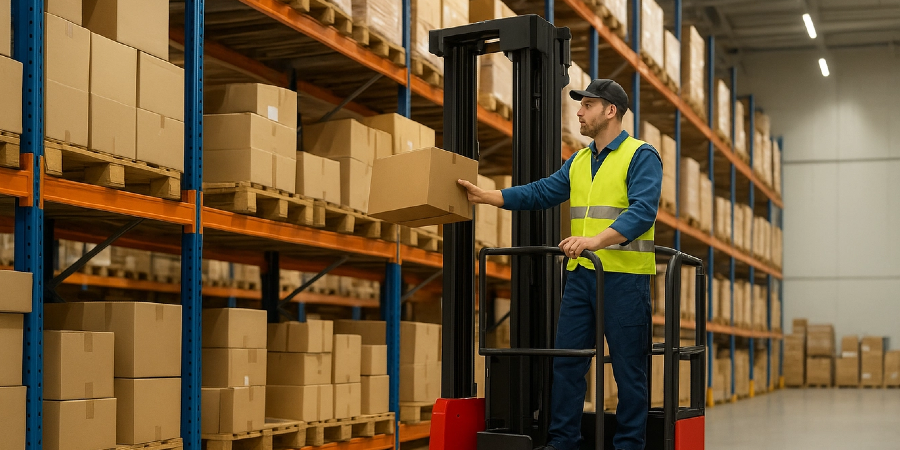
Manual picking exposed workers to musculoskeletal injuries, overexertion, and impact risks, especially at high pick rates. Engineering controls prioritized the “Golden Zone” or optimal work zone between knee and shoulder height to reduce bending and reaching. Dynamic racks, tilt trays, height-adjustable tables, and mechanical aids such as hydraulic arms and lift tables reduced load handling forces. Conveyor systems shifted horizontal transport away from operators, while voice and pick-to-light systems cut unnecessary motions and visual strain. Risk assessments addressed repetitive motions, awkward postures, and contact with hazardous substances, and warehouses supplemented them with training, floor mats, and safe lifting policies to lower injury incidence.
Lean Principles And Waste Reduction In Picking
Lean engineering framed picking as a flow process where only movement that advanced an order toward shipment added value. Teams mapped value streams to identify wastes: excess walking, waiting for replenishment, overprocessing through redundant checks, unnecessary motion, and defects causing rework. Standardized work, 5S at pick and pack stations, and visual management stabilized cycle times and reduced search time. Timely replenishment of forward pick zones, often integrated with other travel activities, prevented picker idle time and disruptions. Continuous improvement loops, supported by KPIs such as order cycle time, picking accuracy, and labor cost per line, guided iterative layout changes, slotting updates, and method refinements.
Enabling Technologies For High-Accuracy Order Picking
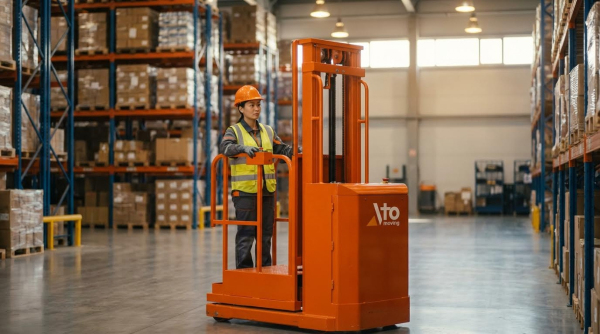
Enabling technologies for high-accuracy order picking combined software, hardware, and process design. Engineers used these tools to cut walk time, raise pick rates, and reduce errors below 0.1%. The focus extended from inventory control to human–machine interfaces, quality assurance, and advanced analytics. Proper integration of these elements turned manual warehouses into data-driven, high-performance fulfillment systems.
WMS, WES, And Real-Time Inventory Control
Warehouse Management Systems (WMS) and Warehouse Execution Systems (WES) provided the control layer for modern picking operations. A WMS maintained real-time inventory records using barcode or RFID events, eliminating manual counts and reducing stock discrepancies. Studies reported that WMS-guided picking cut unnecessary travel by up to 30% and balanced workloads across operators. WES and WCS modules then synchronized picking with automation such as AMRs, shuttles, and sorters, sequencing work to avoid bottlenecks. When integrated with demand forecasting, these systems supported timely replenishment of forward pick zones and prevented stockouts that delayed orders.
Picking Aids: Voice, Pick-To-Light, Mobile Scanning
Picking aids enhanced human performance by simplifying instructions and reducing cognitive load. Voice-directed picking delivered tasks through headsets, leaving operators’ hands and eyes free and improving pick rates by 20–30% versus RF terminals. Pick-to-light systems used indicator lights and numeric displays at storage locations, guiding operators visually and raising speed and accuracy in high-density zones. Mobile barcode scanners, often mounted on wearable or vehicle-based devices, captured item, lot, and location data in real time, cutting transcription errors. In combination, these aids shortened training time, standardized work, and supported safe, ergonomic movement along optimized routes.
Scan Verification, QA, And Returns Management
Scan verification embedded quality control directly into the picking and packing workflow. Handheld RF scanners or camera-based imagers checked item, quantity, and location against system data at the point of pick, which reduced downstream QA effort. Engineers also used scan checks at pack-out to verify carton contents before labeling and manifesting, driving picking accuracy toward 99.9% and above. Structured QA processes flagged exceptions, routed suspect orders to inspection or hold areas, and captured defect causes for continuous improvement. Returns management relied on the same technologies to identify items, assess condition, and route them to restock, rework, or disposal, which was critical as e-commerce return rates approached one-third of shipped volume.
Data Analytics, KPIs, And Digital Twin Modeling
Data analytics turned raw operational data into engineering insight. Warehouses tracked KPIs such as line picks per hour, order cycle time, picking accuracy, space utilization, and labor cost per order. Analysis of travel paths, dwell times, and error hotspots guided layout changes, slotting rules, and staffing models. Advanced operations used digital twin models of the warehouse to simulate new picking strategies, automation scenarios, and growth over five-year horizons before committing capital. These virtual experiments quantified expected throughput, congestion, and service levels, enabling evidence-based decisions and de-risking investments in new technologies or process changes.
Automation Strategies For Scalable Pick And Pack
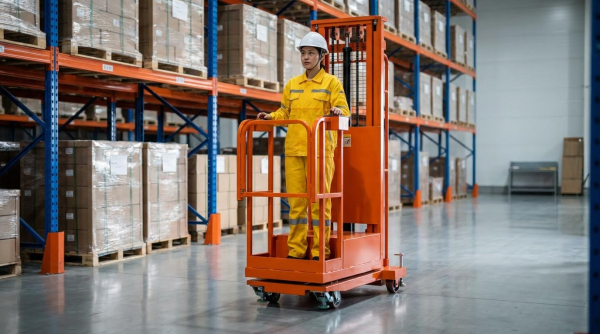
Engineers designed automation strategies for scalability by combining flow optimization, advanced control, and modular equipment selection. The goal was to increase throughput, improve accuracy, and compress order cycle time while maintaining flexibility for SKU growth and demand variability.
Goods-To-Person, AMRs, ASRS, And Shuttle Systems
Goods-to-person (GTP) systems reversed the traditional picker-to-goods paradigm and minimized walking. Robotic GTP workstations achieved over 300 line picks per hour when batching up to 32 orders concurrently, while some shelf-to-person AMR systems exceeded 350 picks per hour with 99.99% accuracy. Automated storage and retrieval systems (ASRS) and shuttle systems saved up to 85% of floor space and typically paid back in about 18 months by reducing travel and search time. Engineers used continuous inventory profiling and velocity-based slotting so fast movers resided in forward pick modules or shuttles near receiving and shipping, while slower movers stayed in dense ASRS or shuttle storage. Autonomous mobile robots (AMRs) provided shelf-to-person or cart-following functions, cutting walk time by about 50% and increasing operator pick rates by 50–100% in well-tuned deployments.
Cobot And Robotic Picking Cell Implementation
Robotic picking cells handled repetitive or ergonomic high-risk tasks such as single-item picking, bin-to-bin transfers, and cartonization. Item-level robotic solutions, including vision-equipped arms, supported fast and reliable single-SKU picking for small parts, with performance dependent on SKU geometry and packaging consistency. Collaborative robots (cobots) operated safely near humans at reduced speeds, making them suitable for assisted picking, pack-out, and value-added services such as rework or kitting. Engineers integrated robotic cells with WMS or WES so that order buffers, induction stations, and outbound lanes synchronized with robot cycle times, avoiding starvation or blocking. Design studies evaluated gripper technology, camera coverage, lighting, and exception handling flows, ensuring that robots handled a high percentage of the SKU mix while clear procedures covered no-pick or low-confidence cases.
Integrating Conveyors, Sorters, And Pack Stations
Conveyors and sorters formed the backbone that linked picking, consolidation, and packing into a continuous flow. Automated transport reduced manual carrying and walking, while zoned picking with conveyor take-away limited each picker’s travel distance. High-speed sorters and consolidation areas, equipped with static and automated equipment, buffered and merged picks from multiple zones before pack-out. Engineers designed pack stations with label printers, barcode scanners, postal scales, and dimensioning systems to support scan verification and accurate freight calculation. Order buffering, QA inspection points, and exception holding areas were sized using throughput models so that peak flows did not create bottlenecks at the sorter or pack line.
Lifecycle Cost, Energy Use, And ROI Assessment
Engineering teams evaluated automation options using full lifecycle cost models, not only initial capital expenditure. Analyses included maintenance labor, spare parts, software licenses, energy consumption, and facility modifications over a 10–15 year horizon. Dense systems such as shuttle-based storage or pallet shuttle solutions increased storage density by up to 60%, which reduced building footprint and associated HVAC loads but added electrical and control complexity. ROI calculations used measurable gains such as up to 10× more orders per day, 20% space efficiency improvements, 50–100% higher pick rates, and reduced error-related costs from 99.99% accuracy systems. Scenario modeling and digital design studies compared phased implementations, ensuring that the chosen automation platform scaled with SKU growth, seasonal peaks, and future integration of additional AMRs or robotic cells while maintaining acceptable energy intensity per order shipped.
Summary And Engineering Implications For Warehouses
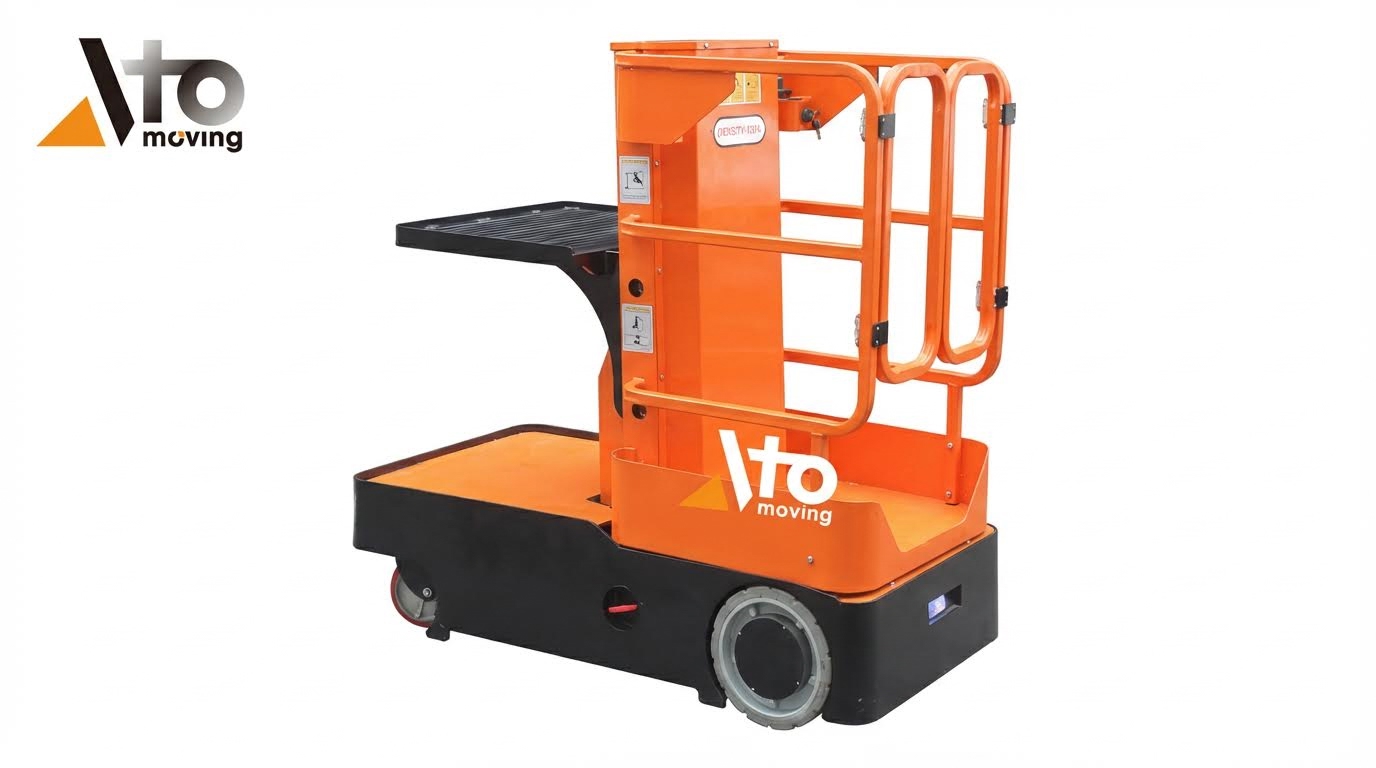
Engineering high-performance pick and pack systems required an integrated view of layout, processes, technology, and people. Earlier sections showed how travel distance, slotting, and method selection governed baseline productivity, while ergonomics and lean principles constrained sustainable throughput. Enabling systems such as WMS, WES, and real-time inventory control provided the data backbone for accurate, low-error operations. Layering automation with AMRs, goods-to-person, ASRS, shuttles, and robotic cells then scaled capacity and stabilized performance.
Industry data indicated that optimized layouts and ABC-based slotting reduced travel significantly and improved order cycle times. Real-time tracking with barcodes or RFID increased inventory accuracy and reduced manual counts. Advanced automation achieved over 300–350 line picks per hour and cut walk time by roughly 50%, while dense storage solutions such as shuttle or cube-based systems increased space efficiency by 20–60%. However, these gains depended on robust software orchestration, disciplined process design, and continuous profiling of inventory velocity.
From an implementation standpoint, engineers needed to start with demand profiling, SKU analysis, and five-year growth projections. They then matched picking methods, storage media, and automation levels to quantified service-level and ROI targets, typically seeking payback periods near 18–36 months. Ergonomic design, safety risk assessment, and regulatory compliance formed non-negotiable constraints on workstation and equipment design. Lifecycle cost models had to include maintenance, software upgrades, energy consumption, and obsolescence risk, not only initial capital expenditure.
Looking ahead, warehouses trended toward higher integration between WMS, WES, and field devices, with digital twins and advanced analytics supporting continuous optimization. Automation would not eliminate manual work but shift it toward exception handling, supervision, and maintenance. A balanced engineering approach combined modular automation, strong data governance, and lean process discipline. This combination allowed warehouses to adapt to demand volatility, maintain high accuracy, and achieve competitive cost per order while preserving worker safety and system resilience.