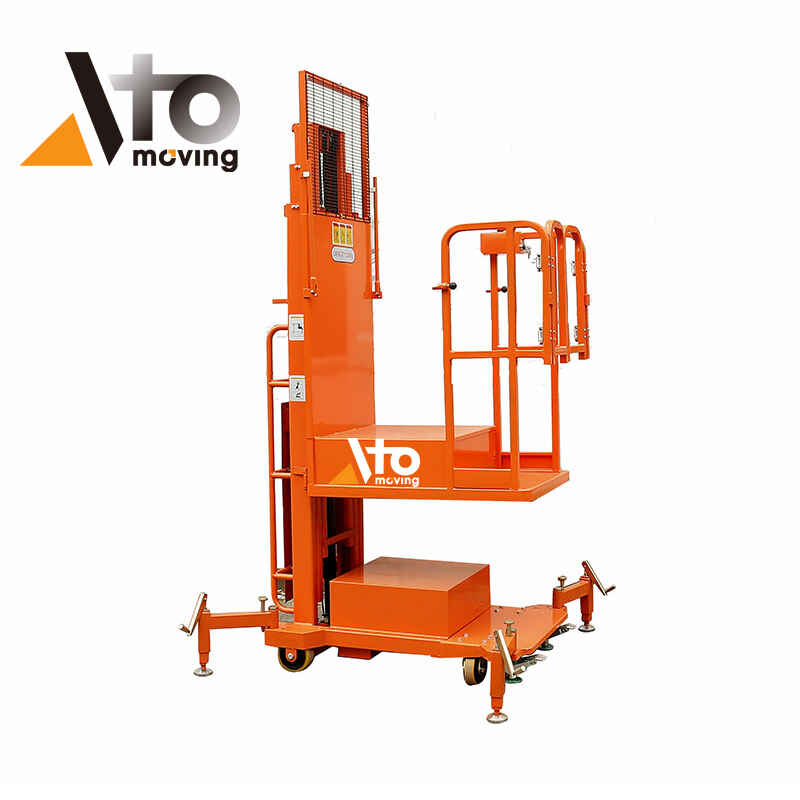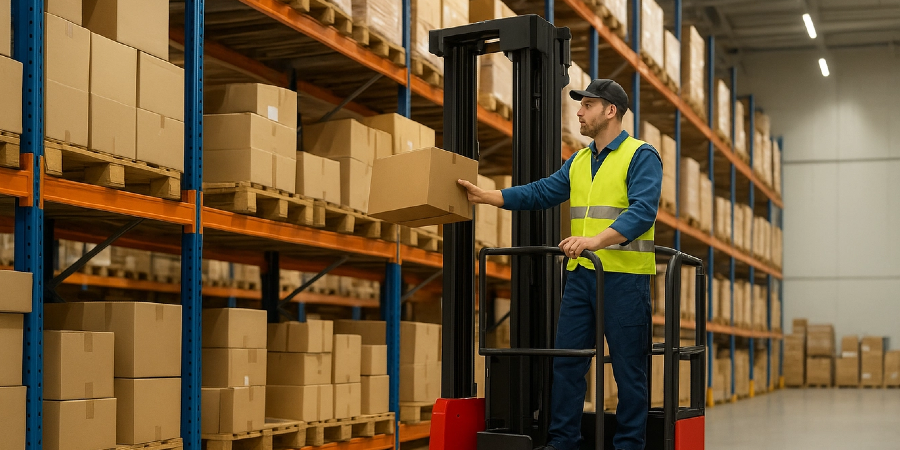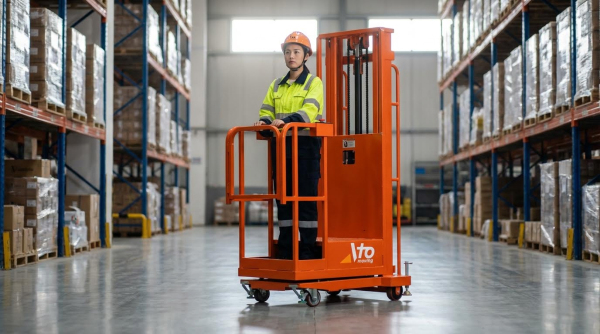
Warehouse picking performance depended on the interaction of layout, processes, and technology. This article examined how engineered layout and slotting design reduced travel distance and handling effort while supporting safe, ergonomic work. It then analyzed process design, picking methods, and lean techniques that minimized non-value-adding motion and stabilized cycle times. Finally, it explored how warehouse management systems, automation, and advanced technologies integrated into a cohesive architecture to deliver high-throughput, accurate, and scalable warehouse order picker operations.
Layout And Slotting Design For Faster Picking
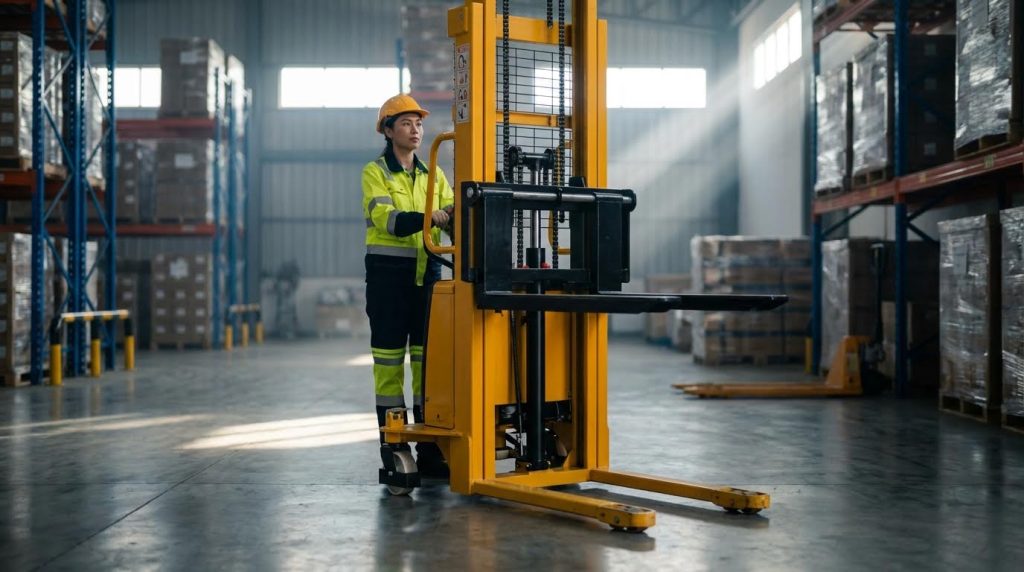
Layout and slotting engineering directly determined walking distance, congestion, and error rates in order picking. High‑performance facilities combined logical zoning, demand‑driven slotting, and clearly segregated support areas. They also embedded ergonomics, lighting, and traffic control into the physical design to protect operators and sustain throughput. The following subsections outlined the key design levers that industrial engineers used to accelerate picking while maintaining safety and control.
Zoning, Travel Distance, And Aisle Configuration
Engineers first segmented the warehouse into functional zones for receipt, storage, picking, consolidation, and shipping. This zoning minimized cross-traffic and prevented pickers from entering areas dedicated to bulk storage or returns. Within the picking zone, high-turnover SKUs were placed close to packing and shipping to reduce average travel distance. Facilities often used narrow, one-way aisles with clearly defined pedestrian and equipment lanes to control flow and avoid head-on conflicts.
Warehouse management systems supported optimal pick path generation by sequencing locations to minimize backtracking. Engineers validated proposed layouts with travel-time simulations or historical pick-path data before implementation. They also tuned aisle length and cross-aisle spacing so that operators could change aisles without excessive detours. Periodic reviews of heat maps for congestion and travel patterns helped refine zoning and aisle configuration as order profiles evolved.
Slotting Logic: Velocity, ABC Analysis, And Re-Slotting
Effective slotting relied on accurate demand data and systematic classification of SKUs by movement velocity. Engineers typically applied ABC analysis, assigning fast movers (A-items) to the most accessible golden zone between knee and shoulder height. Medium movers (B-items) occupied secondary positions, while slow movers (C-items) shifted to more remote or higher-density locations. This structure reduced pick time for the majority of order lines and limited bending, stretching, and ladder use.
Slotting logic also considered cube utilization, unit of measure, and compatibility with storage media such as carton flow racks. Warehouse Slotting Software and WMS modules analyzed historical and forecast demand to recommend optimal locations. Regular re-slotting cycles were necessary because product mixes and order patterns changed over time. Engineers scheduled re-slotting during low-activity periods and measured its impact using KPIs such as lines picked per hour and travel distance per line.
Separating Returns, Kitting, And Value-Add Areas
Returns processing, kitting, and value-added services introduced variability and rework that could disrupt core picking flows. To prevent this, facilities physically separated these activities from primary pick faces and main travel corridors. Dedicated returns areas allowed controlled inspection, disposition, and reintroduction of stock, reducing the risk of uncontrolled inventory and mis-slotted items. Clear procedures and WMS workflows ensured that returned goods re-entered the system with full traceability.
Kitting and light assembly cells were located near storage for components but outside fast-pick lanes. This minimized interference between longer-duration tasks and high-frequency picking operations. Engineers sized these areas based on takt times and peak workloads, providing sufficient staging space for in-process material. By isolating non-standard activities, warehouses preserved predictable flow in the main picking zone and lowered error risk.
Ergonomics, Lighting, Signage, And Safe Traffic Flow
Ergonomic layout design reduced fatigue, musculoskeletal risk, and associated productivity losses. Frequently picked SKUs were placed at comfortable reach heights, and heavy items were assigned to lower levels to avoid overhead lifting. Workstations for packing or kitting incorporated adjustable benches, anti-fatigue mats, and correctly positioned scanners and monitors. Engineers evaluated reach envelopes and motion patterns to eliminate unnecessary bending, twisting, and long carries.
Adequate, uniform lighting in aisles and pick faces improved label readability and reduced mis-picks. Clear signage identified zones, aisles, and locations, while floor markings delineated pedestrian routes, equipment lanes, and no-go areas. Traffic management plans used posted speed limits, right-of-way rules, and barriers to segregate pedestrians from industrial trucks and mobile robots. Compliance with relevant safety standards and periodic audits helped maintain safe traffic flow as layouts evolved.
Process Engineering And Picking Method Optimization
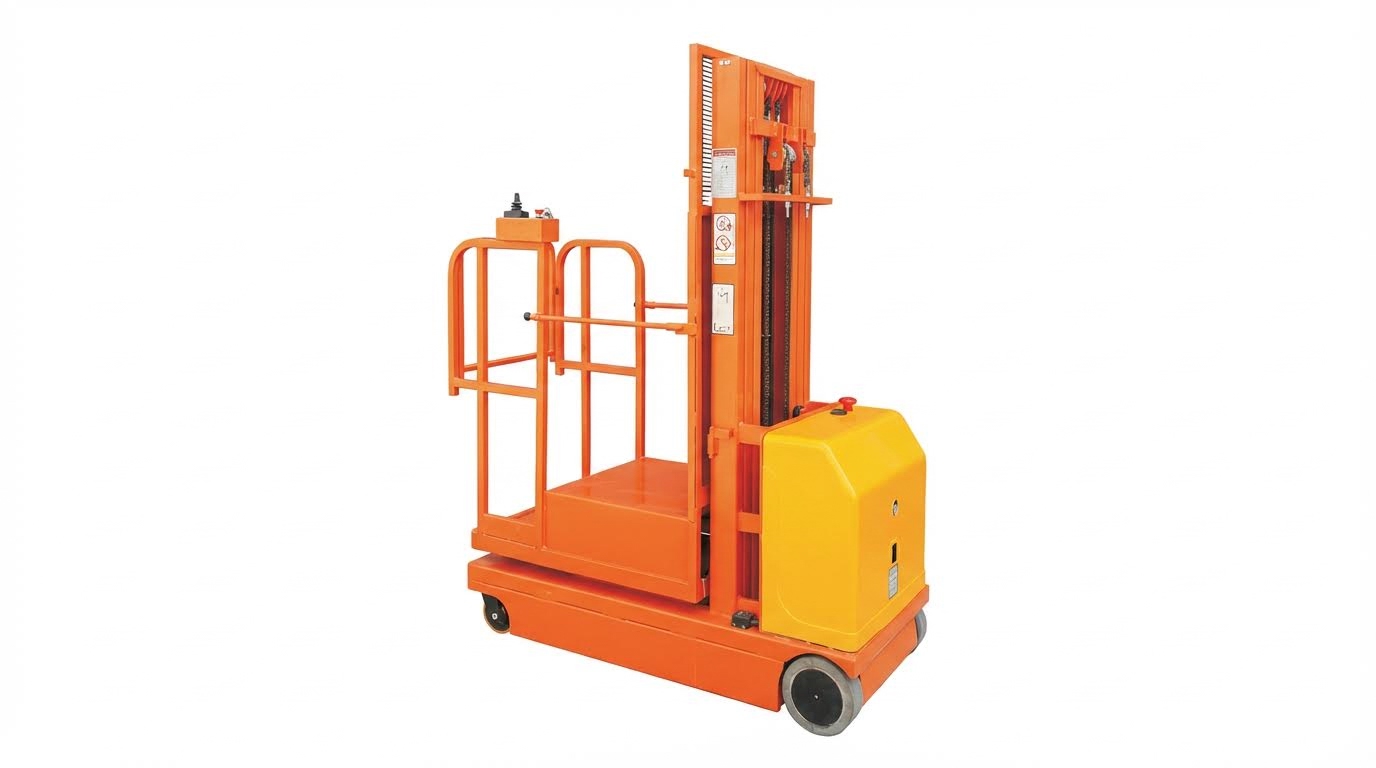
Process engineering structured warehouse picking into standard, repeatable operations. Engineers optimized methods, information flows, and resource allocation to raise throughput and reduce errors. This section focused on selecting the right picking strategy, eliminating waste, engineering pick paths and equipment, and governing performance with KPIs and continuous improvement loops.
Choosing Between Discrete, Batch, Wave, And Zone Picking
Engineers selected picking methods based on order profile, SKU count, and service-level targets. Discrete picking processed one order at a time and suited low-volume, high-mix operations requiring high traceability. Batch picking grouped orders with overlapping SKUs, reducing travel distance where order lines shared common items. Wave picking released groups of orders in time-based waves aligned with carrier cutoffs or production schedules. Zone picking fixed operators in defined warehouse zones, handing off containers between zones to cut cross-traffic and congestion. Hybrid models, such as zone-batch or wave-batch, often delivered the best balance of travel reduction, complexity, and system control when supported by a WMS.
Lean Principles To Eliminate Non-Value-Added Motion
Lean engineering targeted waste in picking processes, especially unnecessary walking, searching, and waiting. Teams mapped value streams from order release to shipment, then quantified non-value-added time using time studies and WMS data. They removed waste by consolidating touches, reducing changeovers, and standardizing work sequences. Re-slotting high-velocity SKUs closer to dispatch, minimizing double handling, and ensuring timely replenishment reduced walking and idle time. Visual management, clear standard operating procedures, and 5S practices supported consistent execution and rapid problem detection. Lean also encouraged employee involvement through kaizen events, where operators proposed practical changes to layouts, tools, and methods.
Pick Path Design And Cart / Trolley Configuration
Pick path engineering minimized distance while respecting aisle direction, congestion, and safety constraints. WMS tools optimized pick sequences algorithmically, using serpentine or U-shaped paths to avoid backtracking and deadheading. Engineers validated digital paths with on-floor trials and adjusted for choke points, cross-aisle usage, and interactions with semi electric order picker or AGVs. Cart and trolley design aligned with order structure, carton dimensions, and weight limits to prevent overloading and ergonomic strain. Configurable carts with segregated positions per order reduced mis-picks by avoiding mixed-SKU bins for different orders. For high-line-count routes, carts integrated scanners, tablets, and sometimes scales to support real-time verification during the walk.
KPIs, Cycle Time, And Continuous Improvement Loops
Performance management relied on a defined KPI set tied to customer and cost objectives. Core metrics included lines picked per labor hour, picking accuracy, internal order cycle time, and on-time shipment rate. WMS and analytics tools captured timestamped events to calculate travel time, pick time, and dwell time, exposing bottlenecks and variability. Engineers used this data in PDCA or DMAIC cycles, testing layout changes, method adjustments, or training interventions, then validating impact statistically. Labor management modules measured individual and team throughput against engineered labor standards while ensuring compliance with safety and ergonomic limits. Continuous review of KPIs, combined with periodic process audits, kept picking methods aligned with changing order profiles, SKU assortments, and automation levels.
Automation, WMS, And Advanced Picking Technologies
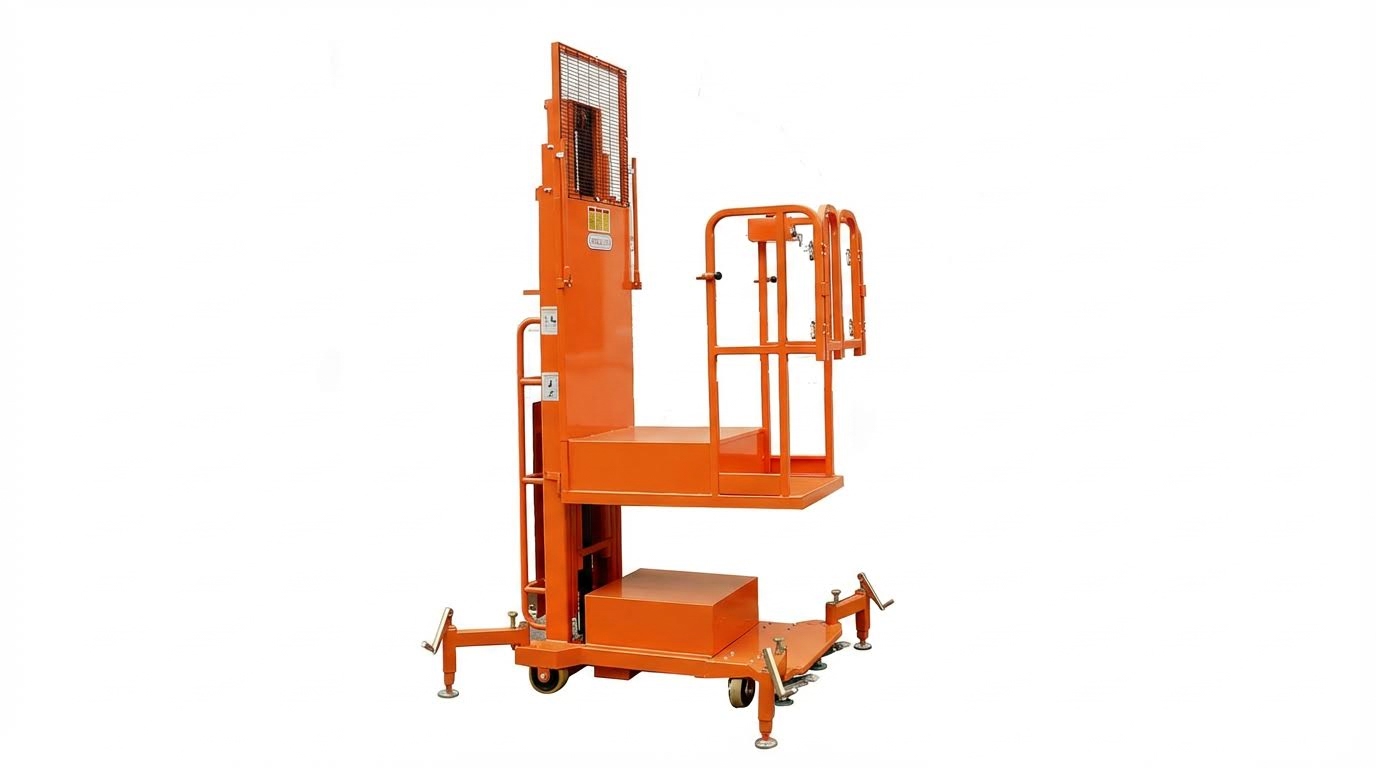
Automation, software, and advanced picking technologies transformed warehouse operations by increasing speed, accuracy, and labor productivity. Engineering teams used these tools to redesign processes, shorten travel, and stabilize performance under peak demand. The following subsections describe how integrated WMS, goods-to-person systems, storage technologies, and human–robot collaboration created a scalable picking architecture.
WMS, Mobile Devices, And Real-Time Inventory Control
A warehouse management system (WMS) acted as the control layer for modern picking operations. It allocated SKUs to locations using configurable slotting rules based on demand history, dimensions, and handling constraints, which reduced search time and mis-picks. Real-time inventory updates from RF scanners, mobile terminals, and voice devices ensured that on-hand quantities matched physical stock, minimizing backorders and emergency replenishments.
Engineers configured WMS pick strategies such as discrete, batch, wave, and zone picking to match order profiles and service levels. The WMS optimized pick paths by sequencing tasks to minimize travel distance and deadheading, often using shortest-path or heuristic routing algorithms. Labor Management and analytics modules measured individual and team throughput, pick accuracy, and order cycle time, enabling data-driven continuous improvement.
Mobile devices and wearables extended WMS instructions to the shop floor with step-by-step guidance. Barcode or RFID validation at each pick location reduced error rates and returns. Voice-directed picking further increased productivity by freeing operators’ hands and eyes, while time-stamped task logs created a detailed digital trace for audits and root-cause analysis.
Goods-To-Person, Conveyors, AGVs, And AMRs
Goods-to-person (GTP) architectures inverted the traditional model by bringing items to stationary pickers. Automated shuttles, carousels, or mobile robots fed totes or cartons to ergonomic workstations, which cut walking distance and improved lines picked per labor hour. This approach was particularly effective for high-SKU-count e-commerce operations with short promised lead times.
Conveyor and sortation systems created continuous, predictable material flow between storage, picking, consolidation, and packing zones. Engineers sized conveyor speeds, accumulation capacity, and divert rates to match peak hourly order lines and avoid blocking. Integrated controls and WMS logic balanced loads between workstations, reduced manual handling, and stabilized takt times across shifts.
Automated guided vehicles (AGVs) and autonomous mobile robots (AMRs) replaced non-value-added pallet and tote transport. AGVs followed fixed paths using guides or markers, which suited stable, repeatable flows. AMRs used onboard navigation and sensors to adapt to changing layouts and dynamic obstacles, making them suitable for brownfield sites and variable demand. Both technologies reduced forklift travel, improved safety in mixed-traffic aisles, and enabled flexible scaling by adding units rather than reworking infrastructure.
AS/RS, Carton Flow, And High-Density Storage Systems
Automated storage and retrieval systems (AS/RS) increased storage density and reduced access time for both palletized and small-lot inventory. Stacker cranes, shuttles, or vertical lift modules handled storage and retrieval in narrow aisles at controlled speeds, which improved inventory security and cycle-time predictability. Integration with WMS allowed automatic selection of optimal storage locations based on turnover class and physical constraints.
Carton flow racks, with gravity-fed inclined rollers, supported high-frequency piece picking in forward pick areas. Replenishment occurred from the rear, while pickers accessed product from the front, decoupling the two processes and reducing interference. Engineers typically reserved carton flow for A and B items, while slower movers stayed in static shelving or higher bays, balancing investment against throughput gains.
High-density pallet systems such as drive-in, push-back, or pallet shuttle racking maximized cubic utilization where SKU variety was moderate and batch sizes were large. These systems reduced aisle count and travel distance per pallet moved, at the cost of selectivity. Careful slotting and FIFO or LIFO policy selection were necessary to avoid obsolescence or excessive reshuffling, especially in food, beverage, and seasonal product environments.
Cobots, Pick-To-Light, Voice, And Digital Twins
Collaborative robots, or cobots, worked alongside human pickers to handle repetitive lifting, tote transfer, or short shuttling tasks. Their integrated safety sensors allowed operation without full physical guarding, which simplified deployment in existing aisles. Cobots stabilized output by maintaining consistent cycle times and reduced fatigue-related errors in high-volume operations.
Pick-to-light and put-to-light systems used LED indicators and confirmation buttons at storage or consolidation locations. The WMS illuminated the correct position and quantity, allowing operators to work rapidly with minimal cognitive load. These systems achieved high pick rates in dense pick modules and reduced training time for temporary or seasonal staff.
Voice systems complemented or replaced handheld terminals by delivering instructions through headsets and capturing confirmations via speech recognition. This hands-free, eyes-up mode improved safety in congested zones and supported multitasking such as scanning or case handling. Digital twins of warehouses, built from layout, demand, and equipment data, enabled engineers to simulate picking strategies, automation levels, and traffic patterns before implementation, reducing commissioning risk and supporting ongoing optimization of throughput and resource utilization.
Summary: Integrated Design For High-Performance Picking
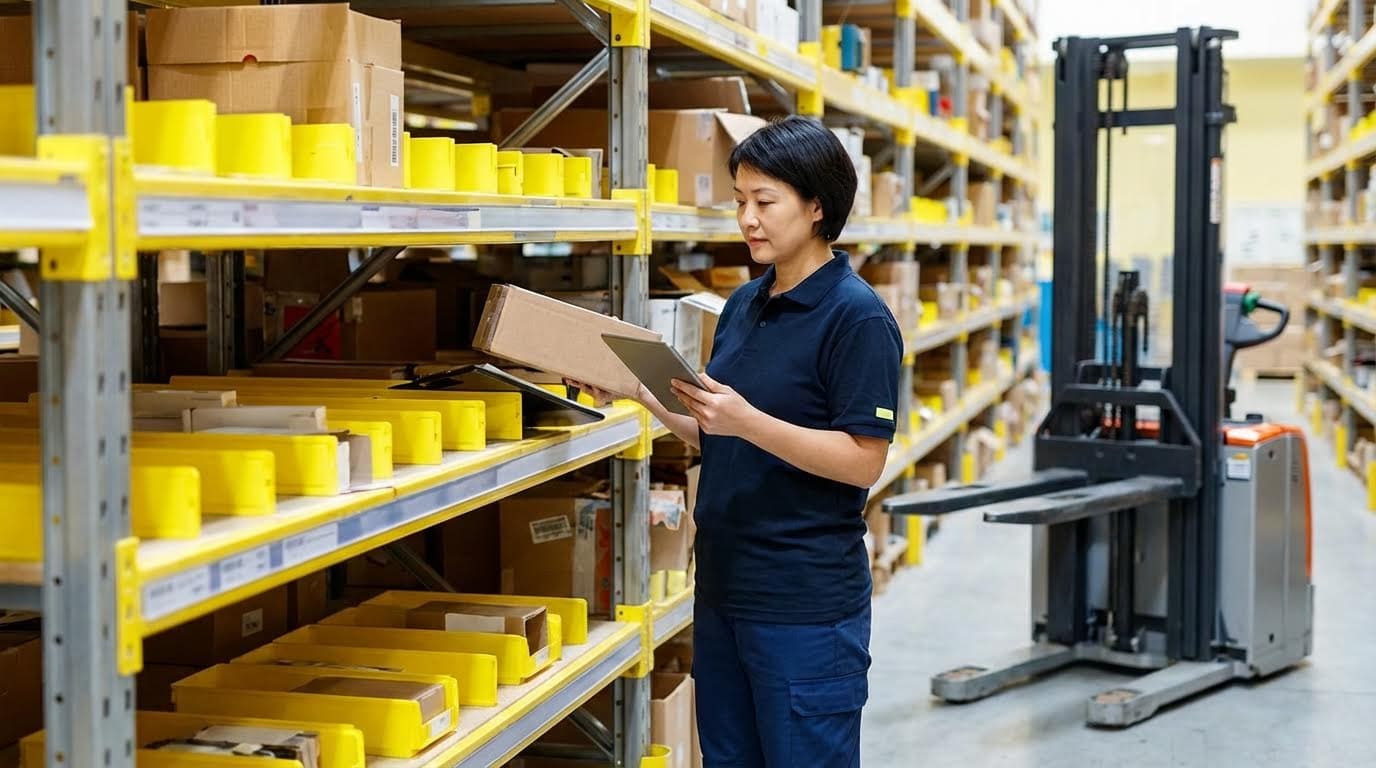
Engineering high-performance picking required an integrated approach that combined layout, process, automation, and control. Facilities that treated picking as a system, rather than isolated decisions on racking or robots, achieved the largest and most sustainable gains. The most effective designs aligned warehouse zoning, slotting, and travel paths with the selected picking methods, WMS logic, and automation level.
Key findings from recent practice showed that rational layout and slotting, supported by WMS-based slotting rules and periodic re-slotting, reduced travel and congestion significantly. Structured picking methods such as batch, wave, and zone picking, combined with Lean waste reduction, lowered internal order cycle time and picking error rates. Automation technologies—goods-to-person systems, conveyors, AGVs, AMRs, AS/RS, carton flow, and pick assistance solutions—further increased throughput when sized and sequenced correctly. Real-time KPIs and analytics allowed engineers to detect bottlenecks early and close continuous improvement loops.
Industry trends pointed toward progressive digitization: deeper WMS–ERP integration, labor management, predictive analytics, and increasing use of robotics and goods-to-person solutions. However, successful implementations still depended on fundamentals: clear traffic management, ergonomic workstations, adequate lighting and signage, and rigorous operator training and safety compliance. Practitioners should phase investments, starting with data-driven layout and process improvements, then layering WMS optimization, followed by targeted automation where travel, labor cost, or error impact was highest. This balanced roadmap helped warehouses adapt to demand variability while controlling risk and capital intensity, positioning operations for future technology evolution without locking into rigid, single-purpose designs.