Layer picking transformed how high-throughput warehouses built mixed-SKU pallets and configured inventory for rapid order fulfillment. This article examines fundamental layer picking concepts, engineering design of pallet flow and reverse flow systems, and their integration with digital control platforms. It then explores automation technologies, including robotic layer pickers, goods-to-person systems, and data-driven optimization using AI and digital twins. Finally, it distills these topics into practical engineering guidelines for designing, implementing, and scaling efficient, safe, and cost-effective layer picking operations.
Fundamentals Of Layer Picking In Warehouses
Layer picking in warehouses handled unit loads at the layer level instead of full pallets or individual cases. Operations used this method to build mixed-SKU pallets, rebalance inventory, and support high-frequency store replenishment. Engineering teams evaluated layer picking when order profiles required repeated access to partial pallets, especially in food, beverage, and fast-moving consumer goods. Correct application reduced manual handling, improved ergonomics, and supported just-in-time distribution.
What Layer Picking Is And When To Use It
A layer picker handled one or more complete layers of cases from a pallet in a single cycle. The machine used clamping arms or vacuum heads to grip a stable layer, then transferred it to a target pallet or buffer position. This approach was ideal when orders frequently required full layers of a SKU rather than full pallets or individual cases. It suited high-SKU-count operations with repetitive layer quantities, such as retail distribution centers building store-ready pallets. Engineers selected layer picking when manual case picking created bottlenecks, ergonomic risk, or excessive travel distances. Typical triggers included rising labor costs, higher order complexity, and demand for mixed-SKU pallets with tight service windows.
Rainbow Pallet Building And SKU Mix Strategies
Rainbow pallet building created mixed-SKU pallets, usually by stacking distinct SKUs by layer. Layer pick systems supported this by pulling one layer per SKU from multiple source pallets and combining them on a destination pallet. Engineers designed SKU mix strategies around case dimensions, weight, crush resistance, and stability to maintain pallet integrity during transport. Heavier or high-consumption SKUs typically occupied lower layers, with lighter or promotional SKUs on upper layers. Pallet flow racks or carton flow racks supplied ready stock so the picker could cycle through SKUs without idle time. In reverse or exhaust lane configurations, newly built rainbow pallets flowed away from the pick face, reducing cross-traffic and congestion in high-volume zones.
Manual Forklift Attachments Vs. Automated Systems
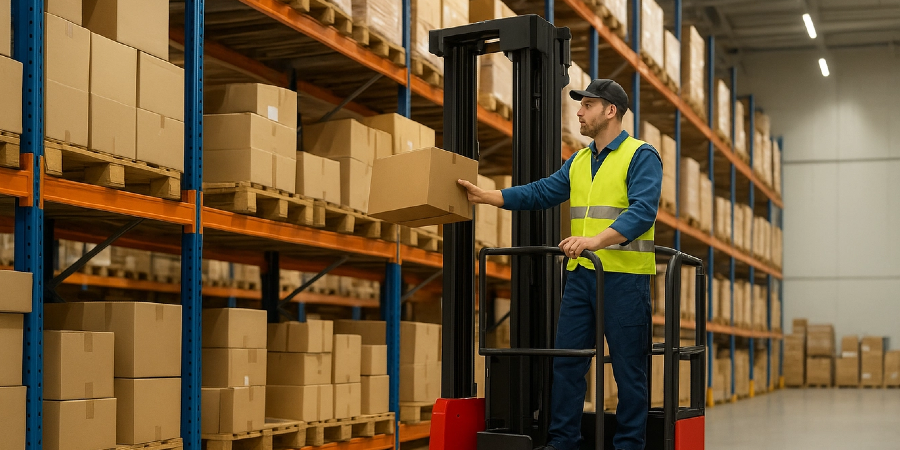
Manual layer picking used forklift drum attachments that clamped or lifted layers under direct operator control. This configuration required lower capital investment and offered flexibility for variable demand or lower throughput sites. However, it depended heavily on operator skill, increased exposure to ergonomic strain, and typically delivered lower, less predictable pick rates. Automated layer picking systems used stationary or gantry-based machines with integrated controls, sensors, and programmable recipes for pallet patterns. These systems achieved higher throughput, consistent accuracy, and reduced product damage, and they supported operation in challenging environments such as freezers down to approximately −28 °C. Engineers compared solutions based on required pick rates, SKU counts, labor availability, and integration with WMS or ASRS. In large distribution centers with continuous mixed-pallet demand, fully automated or semi-automated layer pickers often provided the lowest lifecycle cost despite higher initial investment.
Engineering Design Of Layer Pick And Flow Rack Systems
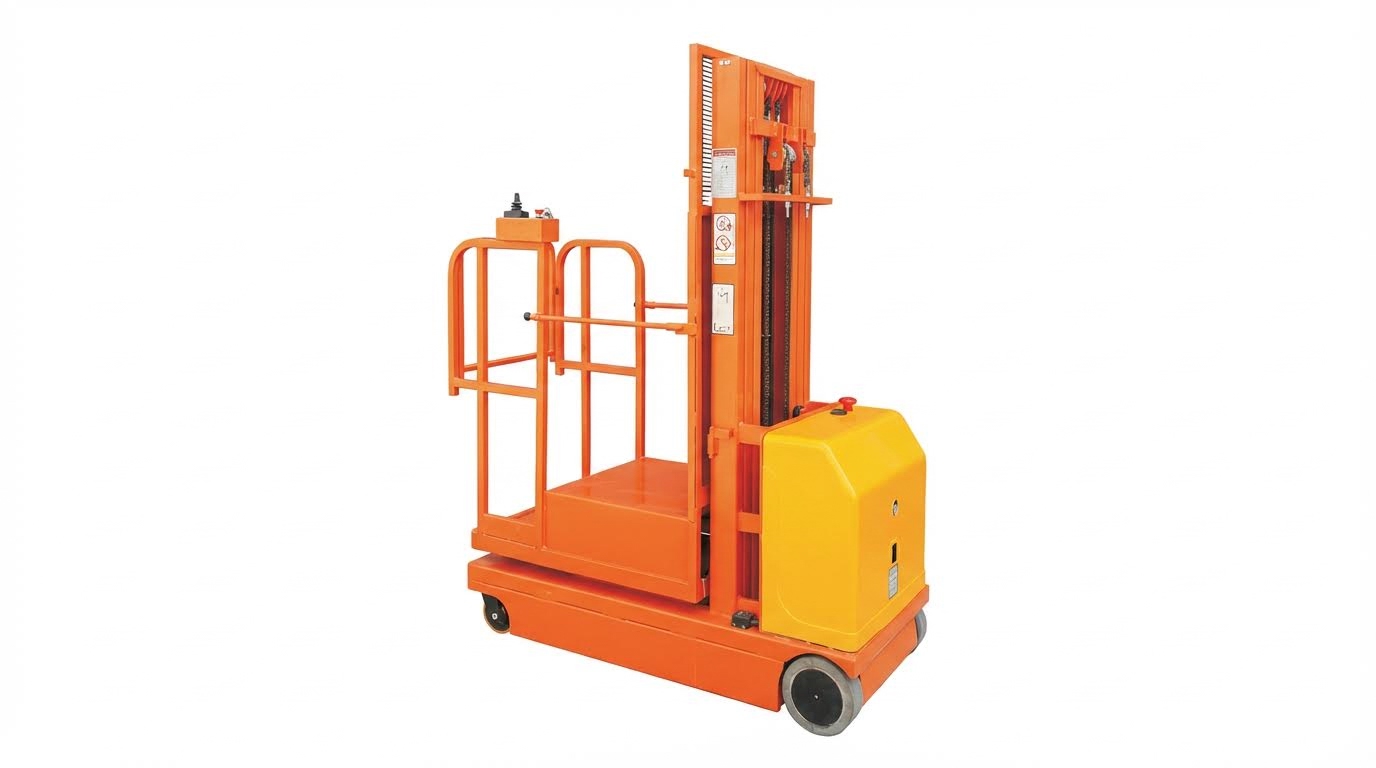
Engineering layer pick and flow rack systems required a holistic approach that linked storage media, picker technology, and warehouse software. Designers balanced throughput, SKU range, labor availability, and building constraints to achieve stable, safe, and scalable operations. The following subsections described the core mechanical concepts, control logic, and layout engineering that shaped high‑performance layer picking installations.
Pallet Flow, Reverse Flow, And Exhaust Lane Concepts
Pallet flow racks used gravity to move pallets from a rear loading aisle to a front picking aisle on inclined roller or wheel tracks. In a layer picking context, engineers located reserve stock in multiple flow lanes so that the pick face always presented a full pallet to the layer picker. Reverse flow, or exhaust lanes, inverted this logic: operators or automated systems loaded an empty pallet at one end, built a rainbow pallet layer by layer, and then released it to roll to the opposite aisle for removal. This separation of replenishment and extraction traffic reduced aisle conflicts, supported higher pick rates, and improved safety in high‑throughput facilities. Proper slope selection, track type, and lane length were critical to maintain controlled speeds and avoid impact loads on pallet stops.
Separator Devices, Back Pressure, And Safety Design
All pallet flow lanes generated back pressure from queued pallets bearing on the lead pallet at the pick face. Separator devices mechanically isolated the first pallet so that clamping or vacuum layer pickers could operate without interference from upstream loads. In forward flow lanes, the separator held rear pallets until the front pallet was emptied and removed; then it released the queue in a controlled manner to re-establish the pick face. In reverse flow or exhaust lanes, hold-back devices kept the newly built rainbow pallet stationary until it reached its target configuration, then allowed it to flow to the discharge aisle. Designers specified flex separators or similar devices in long, high-density lanes to limit pallet-to-pallet forces, protect product packaging, and reduce ergonomic risks. Safety design also included guarding around moving pallets, speed controllers on rollers, and clear signage and procedures for manual release mechanisms.
Integrating Layer Pickers With WMS, WCS, And ERP
Layer picking systems relied on tight integration with Warehouse Management Systems (WMS) and Warehouse Control Systems (WCS) to translate orders into executable pick sequences. The WMS decomposed customer orders into layer-level tasks, determined SKU mix strategies, and assigned pallets in flow lanes as sources. The WCS or embedded controller coordinated picker motions, separator releases, and conveyor or exhaust lane movements, ensuring that the correct pallet and layer arrived at the pick face at the right time. Interfaces with Enterprise Resource Planning (ERP) systems synchronized demand forecasts, inventory balances, and production or purchasing plans, enabling just-in-time replenishment to layer pick lanes. Engineers defined data models for pallet IDs, layer configurations, and traceability, and validated message timing so that automation did not starve or overload pick stations. Robust integration reduced manual data entry, minimized picking errors, and supported real-time performance monitoring.
Layout Planning, Slotting, And Pick Path Engineering
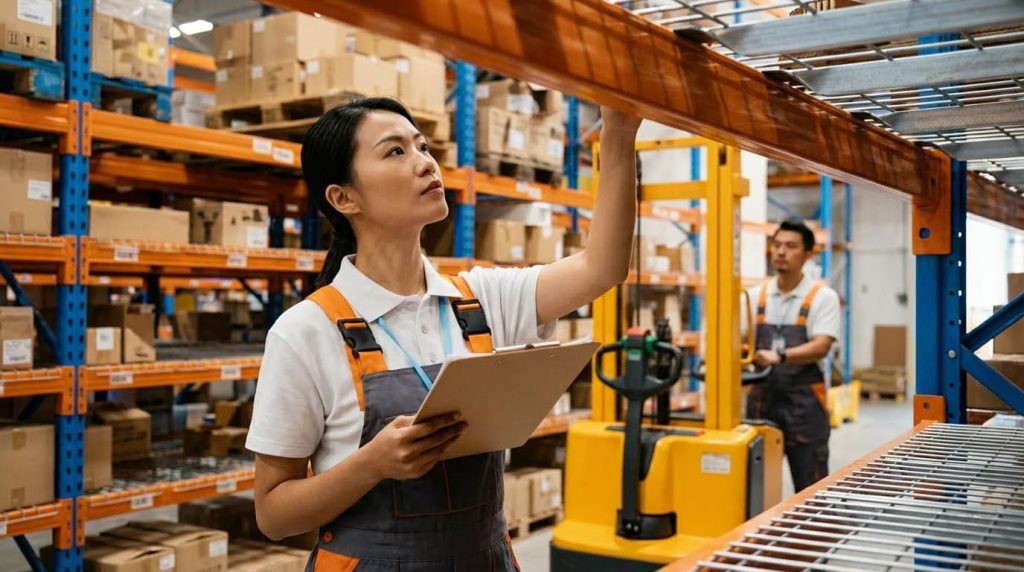
Layout planning for layer picking combined classical warehouse zoning with the specific needs of pallet flow and exhaust lanes. Designers positioned high-demand SKUs in the shortest, most accessible lanes near the main pickers to reduce travel and cycle time. Slotting strategies used historical order data and turnover rates to assign SKUs to lanes and elevations, typically placing the fastest movers at lower levels to minimize lift heights and improve ergonomics. Pick path engineering focused on separating forklift replenishment aisles from picker or conveyor aisles, which reduced cross-traffic and collision risk. Where manual case or tote picking coexisted with layer picking, engineers used live storage systems and compact racking to free floor space and create clear, one-way pick routes. A WMS optimized these paths by sequencing picks and coordinating replenishment so that operators rarely encountered empty pick faces. Periodic re-slotting and simulation-based layout reviews helped maintain performance as SKU profiles and order patterns evolved.
Automation, Robotics, And Emerging Layer Pick Technologies
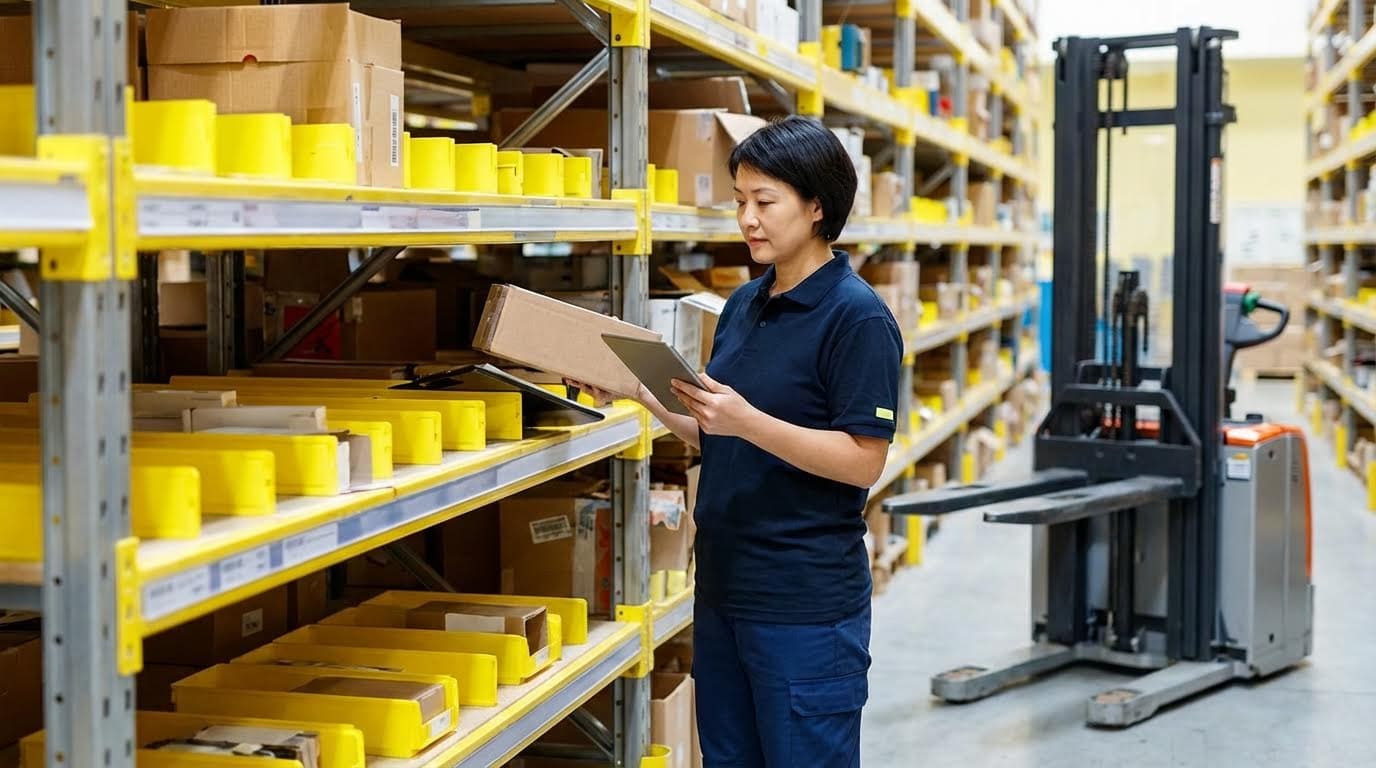
Automation in layer picking transformed warehouse design by shifting labor from manual case handling to engineered, software-driven systems. Modern solutions combined robotic layer pickers, flow racks, and integrated controls to support high SKU counts and mixed-pallet demand. Engineering teams evaluated technologies not only on peak pick rate but also on accuracy, safety, maintainability, and fit with existing intralogistics. This section examined core technologies and design trade-offs for automated layer picking.
Automated Layer Pickers: Clamping, Vacuum, And Control
Automated layer pickers handled one or more layers per cycle using clamping frames, vacuum heads, or hybrid tools. Clamping systems relied on side pressure and top stabilization, which suited rigid packaging such as shrink-wrapped beverages or corrugated trays. Vacuum systems used large-area suction plates or configurable cups, which covered a wider SKU range and tolerated minor packaging variation. Control software defined layer maps, grip parameters, acceleration limits, and approach paths so the machine extracted a target layer without disturbing adjacent product. Advanced systems supported mixed-SKU “rainbow” pallet building by sequencing layers from multiple supply pallets with minimal idle time.
Goods-To-Person, Replenishment, And ASRS Integration
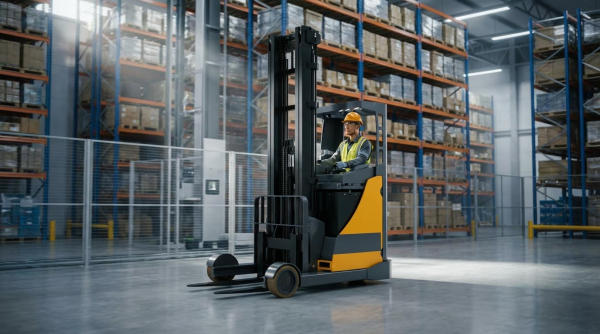
Layer pickers operated most efficiently when coupled to automated replenishment and goods-to-person concepts. Pallet flow racks, ASRS shuttles, or counterbalanced stacker cranes delivered source pallets to the layer picker, while reverse or exhaust lanes evacuated completed rainbow pallets to staging. Automated replenishment minimized pick-face outages by feeding pallets from reserve storage based on WMS-driven demand forecasts. Integration with WMS and WCS synchronized order release, pallet sequencing, and transport resources so the picker rarely waited for material. In person-to-goods environments, automated replenishment still ensured that manual pick zones remained stocked, while layer pickers handled high-volume SKUs feeding downstream case or each-pick processes.
AI, Digital Twins, And Predictive Maintenance For Pickers
Engineers increasingly used AI and digital twins to optimize layer picking assets over their lifecycle. A digital twin mirrored conveyors, flow lanes, layer pickers, and labor resources, allowing simulation of SKU mixes, order profiles, and shift patterns before physical changes occurred. Machine learning models analyzed sensor data from drives, vacuum pumps, clamps, and separators to predict failures such as seal degradation or actuator wear. Predictive maintenance schedules then replaced fixed-interval servicing, reducing unplanned downtime and spare-part costs. AI-based orchestration also improved slotting and order release, dynamically assigning SKUs and pick sequences to balance back pressure in flow lanes and maintain stable throughput.
Energy Efficiency, Footprint, And Lifecycle Cost Analysis
Automation projects for layer picking increasingly relied on quantified lifecycle cost analysis instead of simple labor payback calculations. Engineers evaluated drive efficiency, vacuum pump duty cycles, and compressed air consumption, then compared alternative gripping technologies and motion profiles. Compact layer picking cells with integrated flow racks and reverse lanes reduced building footprint, which lowered long-term facility and HVAC costs, especially in freezer applications down to approximately −28 °C. High-density automated storage feeding the picker further reduced travel distances for pallets and operators. A complete cost model included capital expenditure, maintenance, energy, software licensing, and productivity gains, giving decision-makers a balanced view of long-term return on investment.
Summary And Practical Guidelines For Layer Picking Design
Layer picking methods increased throughput, reduced manual handling, and supported mixed-SKU “rainbow” pallet creation in high-volume warehouses. Engineering design focused on matching technology choice to SKU profile, temperature class, and required service level. Automated layer pickers with clamping or vacuum heads operated effectively between −28 °C and +40 °C, integrated with WMS, WCS, and often ASRS, and achieved high pick accuracy with reduced labor exposure in cold and ambient environments. Flow rack concepts such as forward flow, reverse flow, and exhaust lanes controlled pallet presentation, isolated the pick face, and limited back pressure for safe extraction.
From an industry perspective, the trend moved toward goods-to-person automation, integrated replenishment, and advanced software coordination. WMS, WCS, and ERP links enabled real-time slotting optimization, pick-path planning, and KPI tracking for order cycle time and labor utilization. Emerging capabilities like digital twins and AI-based demand forecasting supported scenario testing, layout refinement, and predictive maintenance of layer pickers and flow components. These trends pointed to higher flexibility for mixed-SKU distribution, especially in food, beverage, and retail sectors facing volatile demand and tight delivery windows.
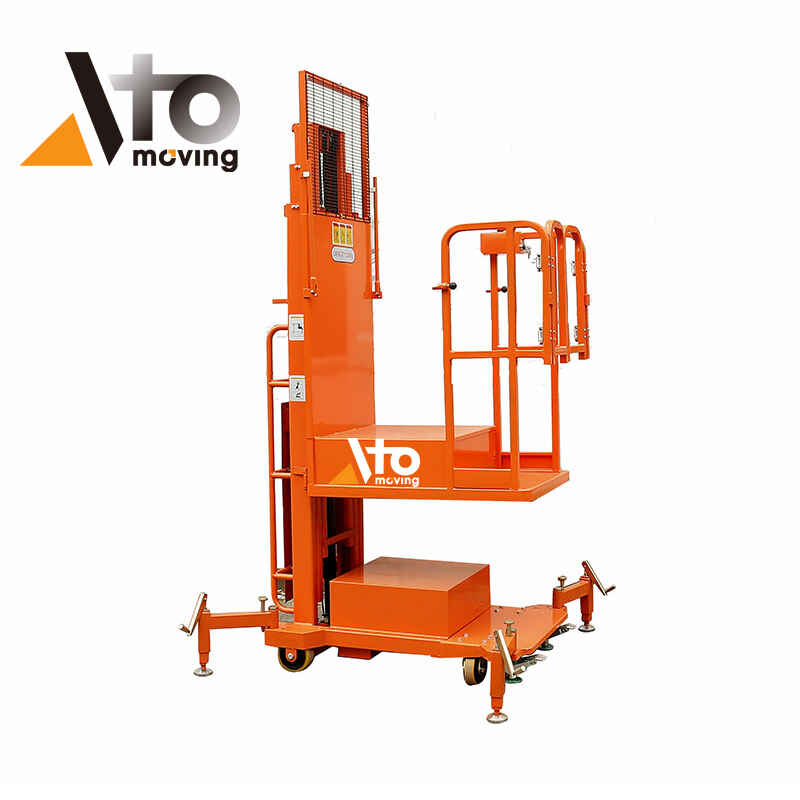
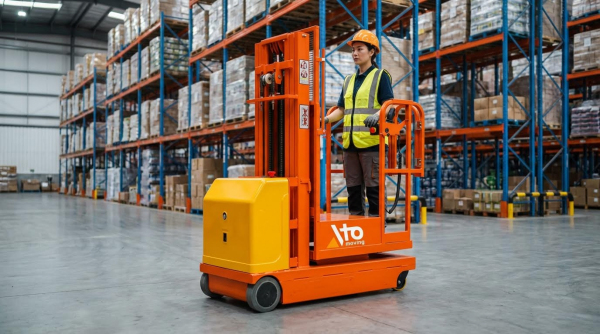
For practical implementation, engineers should begin with a quantitative analysis of SKU velocity, layer formats, and order profiles, then size pallet flow and exhaust lanes for peak flows with controlled back pressure. They should specify separator devices and release mechanisms, choosing manual or pneumatic actuation based on volume, ergonomics, and safety requirements. Controls design must include clear interlocks, emergency stops, and safe access procedures around moving equipment. A balanced perspective recognized that fully automated layer picking delivered the best performance in large, repetitive operations, while semi electric order picker or semi-automated forklift-based layer picking remained viable for smaller or highly variable sites. Successful projects combined phased deployment, rigorous operator training, and continuous monitoring of KPIs to refine slotting, layout, and automation levels over the system lifecycle.