Modern industrial warehouses relied on highly engineered pick and pack systems to balance speed, accuracy, and safety. This article examined the end-to-end workflow from order release through shipment, the physical engineering of layouts, equipment, and ergonomics, and the integration of automation, software, and safety controls. It also connected these elements to current standards, data-driven performance management, and regulatory expectations for safe material handling. The final section translated these insights into practical design implications for building or upgrading industrial pick and pack operations.
Core Pick And Pack Workflow In Industrial Warehouses
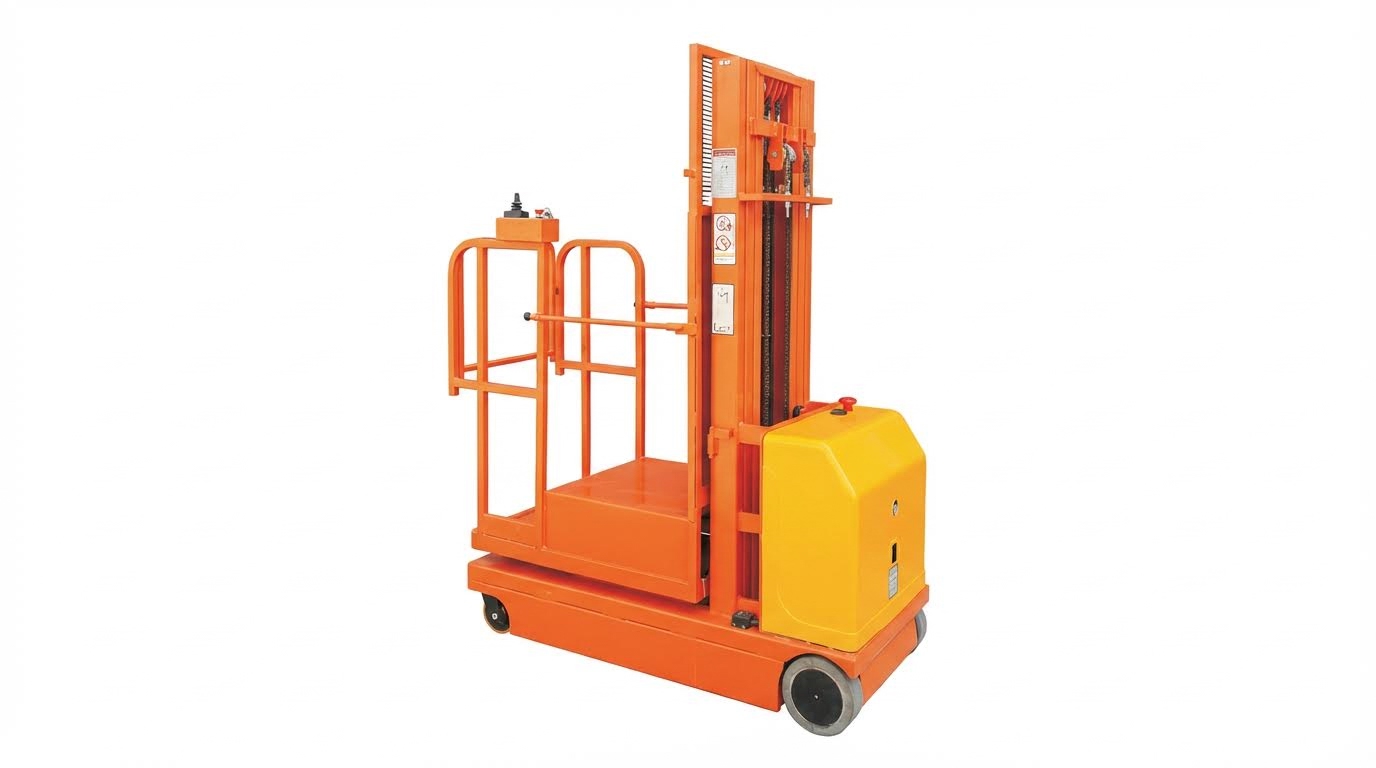
Industrial pick and pack workflows linked physical handling with digital control. Operations teams structured processes to maximize accuracy, throughput, and safety across order lifecycles.
Standard Steps From Order Release To Shipment
The workflow started when the Order Management System released a wave or batch of orders to the warehouse. The WMS generated pick lists or digital tasks with SKU, quantity, and storage locations. Operators performed pre-shift area checks, confirmed equipment condition, and ensured pick faces were replenished. They then followed planned routes, picked items, and staged them in designated consolidation or packing zones. Packing teams verified contents, selected packaging, added void fill, sealed cartons, and applied carrier-compliant labels. Finally, shipments moved to outbound staging, where staff sorted by carrier and service level before trailer loading and manifest closure.
Role Of WMS, OMS, And Directed Putaway
The OMS captured customer demand, applied business rules, and determined release timing to the warehouse. After order release, the WMS controlled inventory locations, task assignment, and picking strategies. Directed putaway algorithms in the WMS assigned storage locations based on velocity, cube, weight, and compatibility constraints. These rules supported fixed and dynamic locations and maintained clear separation for hazardous or fragile items. The WMS synchronized inventory updates in real time during receiving, picking, and packing to avoid stockouts and overselling. Integration between OMS and WMS ensured that shipment status, tracking numbers, and exceptions flowed back to customer-facing systems.
Verification, Exception Handling, And Returns
Verification occurred at multiple points to protect accuracy and customer satisfaction. Pickers scanned locations and items, then packers rescanned each SKU against the packing slip or digital order. Any mismatch, damage, or short pick triggered exception workflows that included documentation, inventory adjustment, and customer notification. Returns followed standardized steps: receipt, identification, component check, quality inspection, and disposition decision. Staff either returned items to stock, quarantined them, sent them for refurbishment, or scrapped them according to instructions. All actions were recorded in the WMS to maintain traceability and regulatory compliance where applicable.
SOPs, Documentation, And Shift Preparation
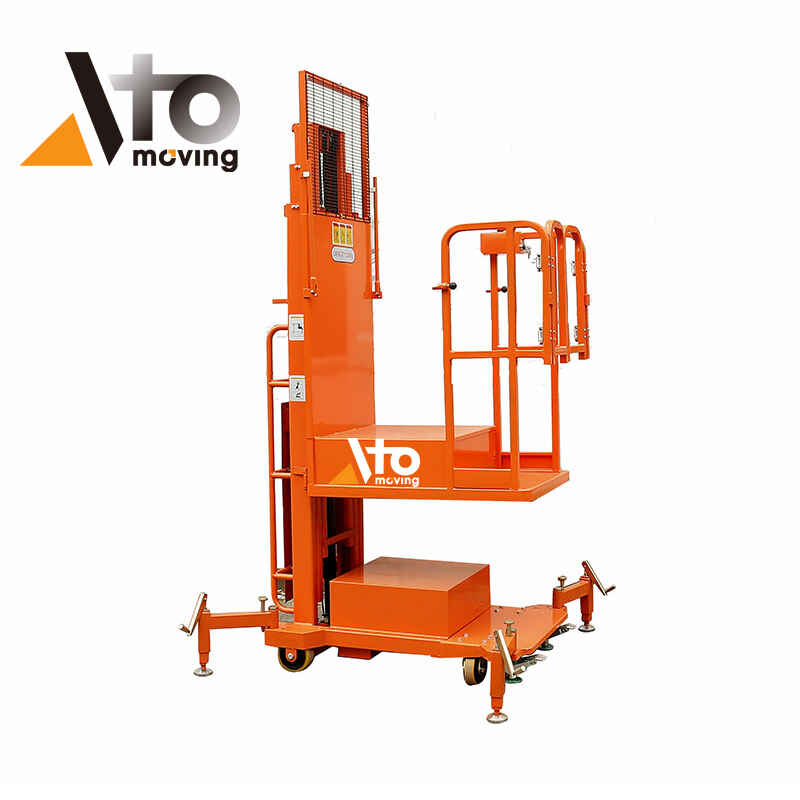
Standard Operating Procedures defined each task from truck receiving to outbound loading. SOPs specified manual handling techniques, use of mechanical aids, barcode scanning rules, labeling standards, and escalation paths. Documentation included pick lists, packing slips, Bills of Lading, incident reports, and digital logs within WMS and OMS. Before each shift, supervisors conducted toolbox talks, reviewed safety topics, and communicated volume forecasts and special handling requirements. Teams performed pre-shift inspections of racking, walkways, lighting, and equipment, and corrected hazards before work started. Clear SOPs and structured shift preparation reduced variability, supported training of new staff, and improved both safety and performance metrics such as semi electric order picker picking rate and order accuracy.
Engineering The Physical System: Layout, Equipment, Ergonomics
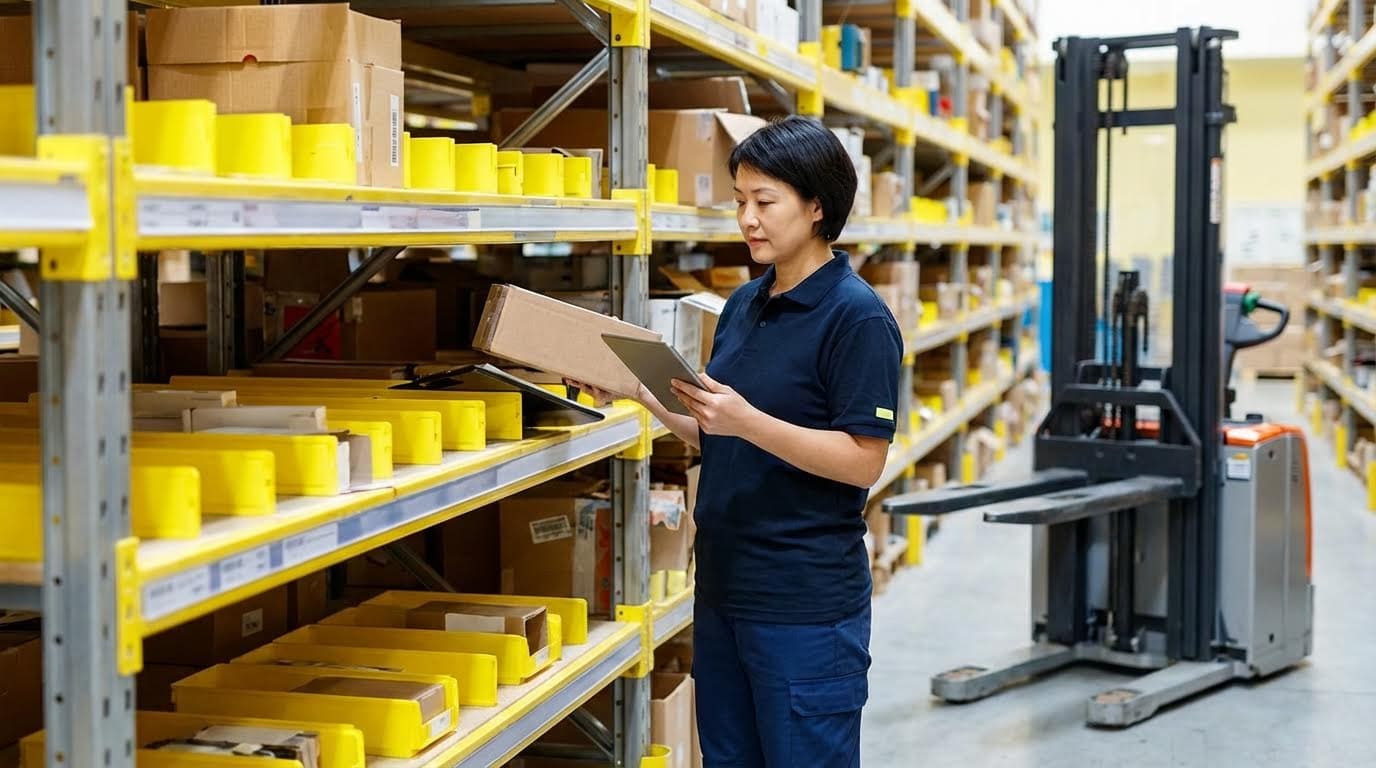
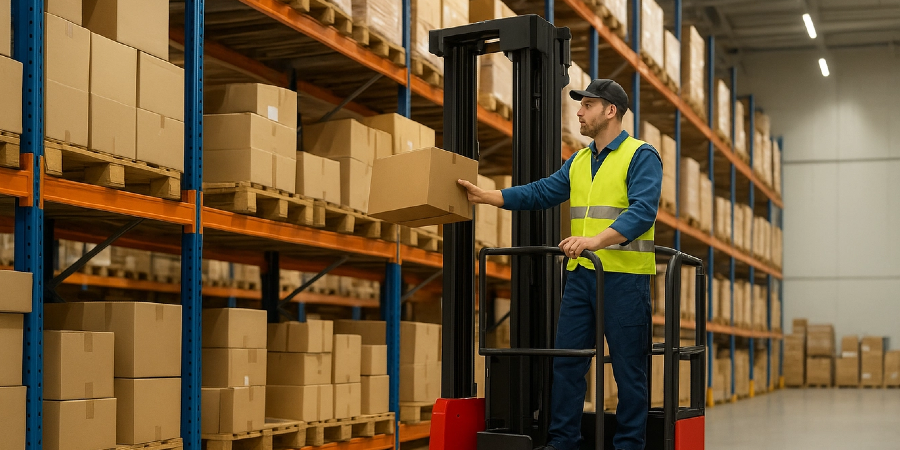
Engineering the physical pick and pack system required a tight link between layout, equipment, and ergonomics. Industrial warehouses that treated layout, picking methods, packing stations, and manual handling aids as one integrated system achieved higher throughput and lower injury rates. This section examined how slotting, zoning, picking strategies, station design, and ergonomic tools interacted to support accurate, fast, and safe order fulfillment.
Slotting, Zones, And Walking Path Optimization
Engineers structured slotting to align SKU velocity, cube, and handling characteristics with storage locations. Fast‑moving SKUs stayed in golden zones near main travel corridors and at ergonomic heights between knee and shoulder level. Slow movers shifted to higher or deeper storage, freeing prime space for high‑frequency picks. Zoning divided the warehouse into logical areas by product family, temperature class, hazard class, or order profile to reduce cross‑traffic.
Walking path optimization used WMS logic and routing algorithms to minimize distance and backtracking. Order‑picking software evaluated alternative paths to bins and racks, then generated sequences that reduced travel time by up to 30%. Engineers laid out aisles to support one‑way traffic where feasible and separated pedestrian and equipment flows with marked lanes and barriers. They validated routes using time‑and‑motion studies and adjusted slotting when congestion or dead zones appeared in heat maps.
Picking Methods: Single, Batch, Cluster, Split
Picking methods were selected based on order profile, SKU count, and required service level. Single‑order picking suited low‑volume or highly customized orders where picker focus on one order minimized configuration errors. Batch picking grouped orders that shared SKUs, allowing pickers to collect larger quantities in one pass and then sort downstream. Cluster picking used multi‑compartment carts or totes so operators could build several discrete orders simultaneously, cutting travel and handling time.
Split picking divided large or complex orders across zones or functional teams to balance workload. High‑line‑count B2B orders often used zone picking with consolidation at a downstream sortation or put‑to‑wall area. Engineers modeled each method with historical order data to quantify pick lines per hour, travel per line, and error rates. They frequently implemented hybrid strategies, for example batch or cluster picking for e‑commerce small orders and zone‑based split picking for pallet‑heavy industrial shipments.
Packing Station Design And Material Flow
Packing station design focused on continuous, unidirectional material flow from inbound picked totes to outbound shipping lanes. Adjustable workbenches, modular shelving, and mobile carts allowed rapid reconfiguration for peak seasons or changing product mixes. Stations integrated scales, dimensioners, printers, and scanners within easy reach to avoid unnecessary motion and micro‑delays. Engineers located consumables such as cartons, dunnage, tape, and labels in standardized positions to reduce search time.
Upstream, conveyors, gravity lanes, or cart routes fed completed picks into the packing area by priority and carrier cut‑off time. Downstream, clearly segregated lanes handled different carriers, service levels, or staging buffers. Packing software supported fast label generation and automatic documentation, reducing manual data entry. Layouts minimized cross‑traffic between packers and material handling equipment, and they maintained clear egress paths to comply with safety regulations. Regular review of station cycle times and error patterns drove incremental layout refinements.
Ergonomic Design And Manual Handling Aids
Ergonomic design targeted reduction of repetitive strain, awkward postures, and excessive manual lifting. Height‑adjustable workstations allowed operators to set optimal working levels, whether seated or standing. Engineers specified lift tables, tilt tables, and gravity‑assisted rollers to keep loads within safe reach zones. They positioned frequently used items close to the operator and limited twisting by aligning work surfaces with conveyor flow.
Manual handling aids such as walkie pallet truck, cart systems, vacuum lifters, and articulated arms reduced the need for high‑force lifts. For small items, lightweight totes with ergonomic grips lowered hand strain and improved control. Walkway surfaces, anti‑fatigue mats, and footwear policies supported joint health during long shifts. Safety procedures and training reinforced correct lifting techniques and encouraged early reporting of discomfort. Continuous monitoring of incident reports, near misses, and ergonomic assessments allowed engineers to refine tools and workflows to protect workers while maintaining high pick and pack performance.
Automation, Software, And Safety Integration
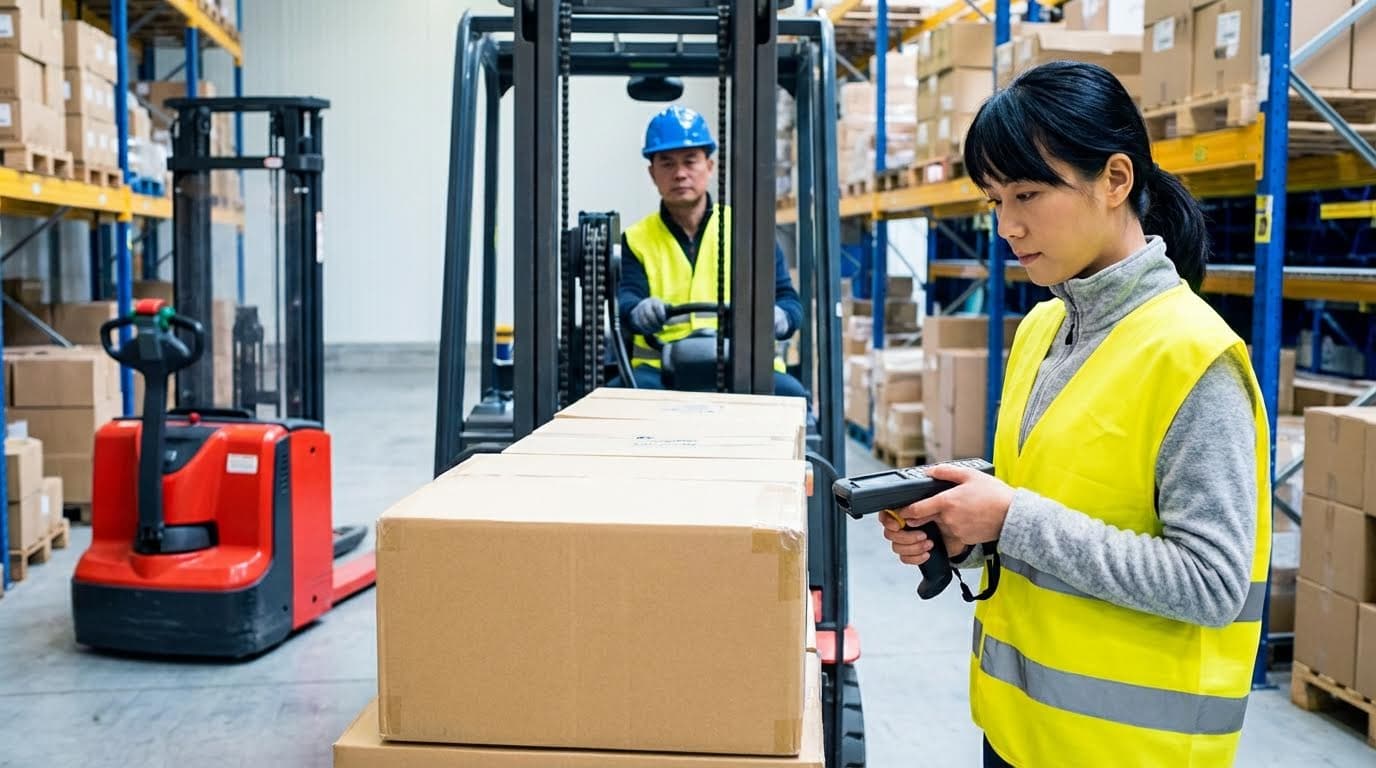
Automation, software, and safety integration transformed pick and pack from a labor‑intensive activity into a data‑driven, cyber‑physical system. Modern warehouses combined identification technologies, mobile applications, robotics, and orchestration software to increase throughput while controlling risk. Engineering teams treated safety constraints as first‑class design inputs rather than afterthoughts. The result was higher labor productivity, better traceability, and more predictable service levels.
Barcode, Wearables, And Mobile Pick Apps
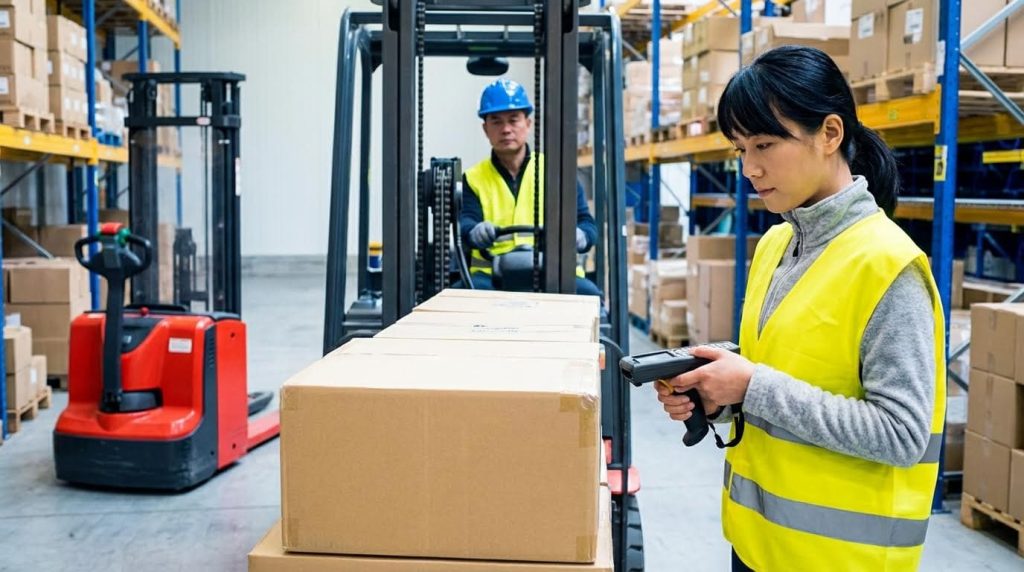
Barcode systems formed the backbone of accurate identification in pick and pack workflows. Operators scanned bin locations, items, and shipping labels to enforce real‑time validation against WMS or OMS data. This closed the loop between physical moves and inventory records and reduced manual data entry errors. Integrated barcode scanning on mobile devices also enabled directed picking, where the system sequenced tasks and confirmed each step.
Wearable devices further reduced handling time and cognitive load. Wrist‑mounted terminals, ring scanners, and smart glasses displayed pick instructions, quantities, and locations directly in the operator’s field of view. Visual or haptic cues guided workers through optimal routes while keeping hands free for handling loads. These devices shortened training time because operators followed on‑screen prompts instead of memorizing layouts.
Native mobile pick apps running on rugged Android devices combined barcoding, routing, and exception handling in a single interface. They supported multi‑order or cluster picking, where workers collected several orders simultaneously using color‑coded totes or virtual containers. Order‑picking software optimized walking paths and could reduce travel time by up to 30% compared with manual routing. The same apps captured timestamps, error codes, and productivity data for downstream performance analysis.
AMRs, AGVs, Robotics, And Put-To-Wall Systems
Autonomous Mobile Robots and Automated Guided Vehicles transported totes, pallets, or carts between storage, picking, and packing areas. These systems reduced manual pushing and pulling, which had been a major source of musculoskeletal injuries. Fleet management software coordinated traffic, prioritized urgent orders, and enforced safe speeds in mixed‑mode environments with pedestrians. Layout engineers defined robot aisles, buffer zones, and transfer points to avoid congestion.
Robotic picking solutions handled repetitive or high‑volume SKU profiles, especially for small, regularly shaped items. Vision systems and gripping tools enabled robots to pick from bins and place items into order containers or put‑to‑wall bays. Put‑to‑wall systems, whether manual or robot‑fed, consolidated items from batch picks into individual orders at a wall or rack of cubbies. Light or display indicators on each slot signaled where to place items, increasing accuracy for multi‑SKU orders.
These technologies enabled hybrid strategies that combined human flexibility with robotic consistency. For example, humans performed exception handling, fragile item picking, or value‑added services, while robots executed long‑distance transport and repetitive picks. Engineering teams evaluated throughput, SKU characteristics, and demand variability to decide where AMRs, AGVs, or robotics delivered the highest return. Integration with WMS and pick apps ensured that robots and humans shared a single task queue.
WES, AI Optimization, And Digital Performance KPIs
Warehouse Execution Systems orchestrated work across picking, packing, and shipping in real time. WES software sat between planning systems and control systems, translating order waves into executable jobs and assigning them to workers, robots, or stations. It sequenced tasks based on carrier cut‑offs, service levels, and equipment availability. This orchestration reduced idle time and balanced load across zones and resources.
AI‑driven optimization enhanced traditional rule‑based approaches. Algorithms analyzed historical orders, travel paths, and congestion patterns to generate smarter waves and task clusters. They also tuned slotting strategies, such as placing high‑velocity SKUs closer to main aisles or grouping items frequently ordered together. Some deployments reported up to 40% labor efficiency gains and threefold increases in shipped orders after several months of continuous tuning.
Digital KPIs turned the pick and pack area into a measurable production system. Dashboards tracked pick rates, error rates, dwell time at packing, and on‑time shipment percentages. Systems calculated walking distance per line, scan compliance, and station utilization. Engineers used this data for root‑cause analysis, continuous improvement, and to validate the impact of layout or software changes. Standardized KPIs also supported benchmarking across multiple warehouses or clients.
Safety Engineering, Audits, And Preventive Maintenance
Safety engineering in automated pick and pack operations integrated procedural, technical, and organizational controls. Safe Operating Procedures defined correct use of manual handling techniques and mechanical aids, including manual pallet jack, conveyors, and lifting devices. Facilities separated pedestrian and equipment routes using barriers, markings, and access controls to minimize collision risk. Adequate lighting and clear signage improved visibility around racks, intersections, and transfer points.
Safety audits and risk assessments focused on high‑traffic pick zones, packing stations, and robot interaction areas. Teams reviewed incident reports, near misses, and maintenance logs to identify systemic hazards. They evaluated ergonomic factors such as reach distances, lifting heights, and repetitive motions at packing benches. Findings drove design changes like height‑adjustable stations, roller supports, or reconfigured storage to reduce bending and overreaching.
Preventive maintenance underpinned both safety and uptime. Operators performed daily inspections of conveyors, scanners, mobile devices, and lifting equipment before shifts. Certified technicians executed scheduled servicing based on run hours and manufacturer specifications. Software systems tracked maintenance KPIs, such as mean time between failures and overdue work orders. Combined with regular safety training on new technologies and emergency procedures, this approach supported a durable safety‑first culture in automated pick and pack operations. Additionally, tools like the walkie pallet truck and lift stacker were integral to maintaining operational efficiency.
Summary And Design Implications For Pick And Pack
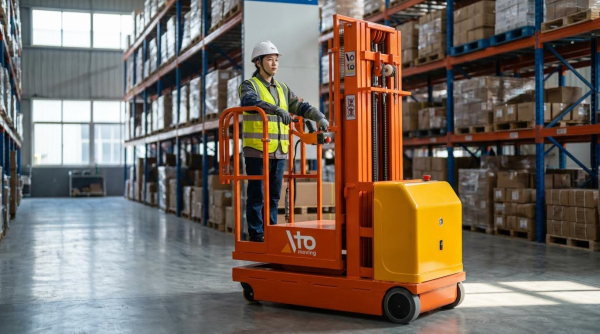
Optimized pick and pack operations relied on tightly integrated processes, engineered layouts, and disciplined execution. Modern warehouses used WMS and OMS to orchestrate standardized workflows from order release through verification, packing, and shipment, while directed putaway and replenishment logic kept pick faces stable and accurate. Engineering of the physical system focused on slotting, zoned layouts, and walking-path optimization, which reduced travel time by up to 30% and supported higher throughput without additional headcount. Ergonomic workstations, mechanical handling aids, and clear separation of pedestrian and equipment zones reduced musculoskeletal strain and collision risk.
Automation and software reshaped design decisions. Barcode scanning, wearable devices, and mobile pick apps on industrial Android hardware shortened training time, increased accuracy, and enabled flexible labor deployment. AMRs, AGVs, and put-to-wall systems shifted human effort from travel to value-adding tasks, while WES and AI-driven wave planning balanced dock, picking, and packing capacities. Operations that implemented advanced optimization and automation reported labor efficiency gains of around 40%, tripled shipped order counts within months, and reduced shipping costs through rule-based carrier selection.
From a design perspective, engineers needed to treat pick and pack as a coupled system spanning layout, software, equipment, and safety. Practical implementation required robust SOPs, shift preparation routines, error-handling and returns workflows, and KPI-driven continuous improvement covering picking rates, accuracy, and throughput. Safety engineering, preventive maintenance programs, ergonomic assessments, and periodic risk-based audits ensured that higher speeds did not compromise worker wellbeing or regulatory compliance. Future developments would likely deepen AI use for real-time optimization, expand robotics integration, and increase data-driven reconfiguration of zones and stations. A balanced approach combined scalable automation with resilient manual processes, allowing warehouses to adapt to changing order profiles and service-level expectations while maintaining cost, safety, and reliability targets. For instance, warehouse order picker systems and scissor platform lift solutions are increasingly integral to modern material handling. Additionally, tools like the manual pallet jack remain essential for specific tasks.