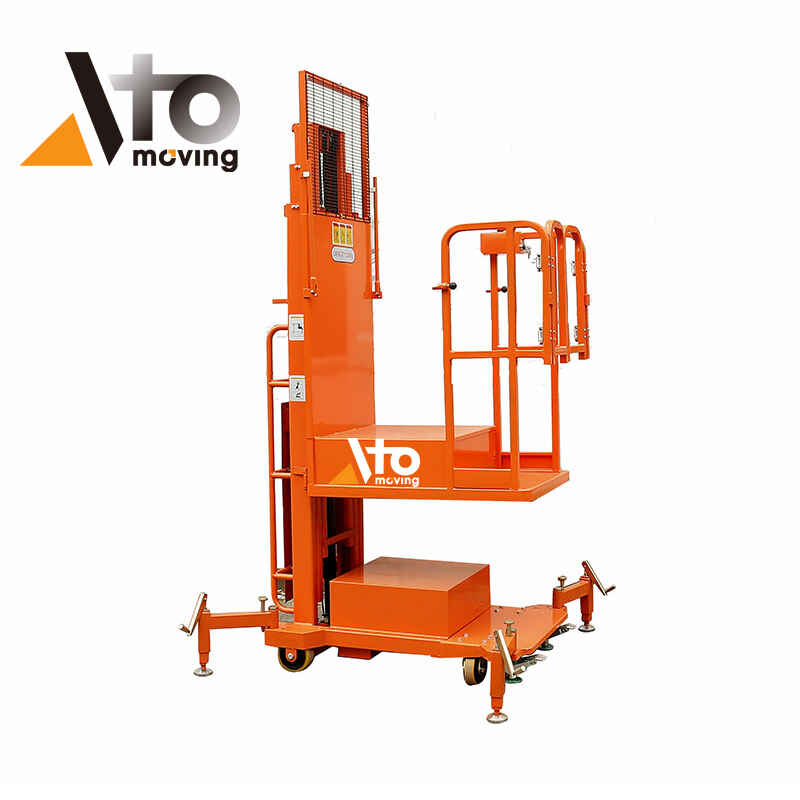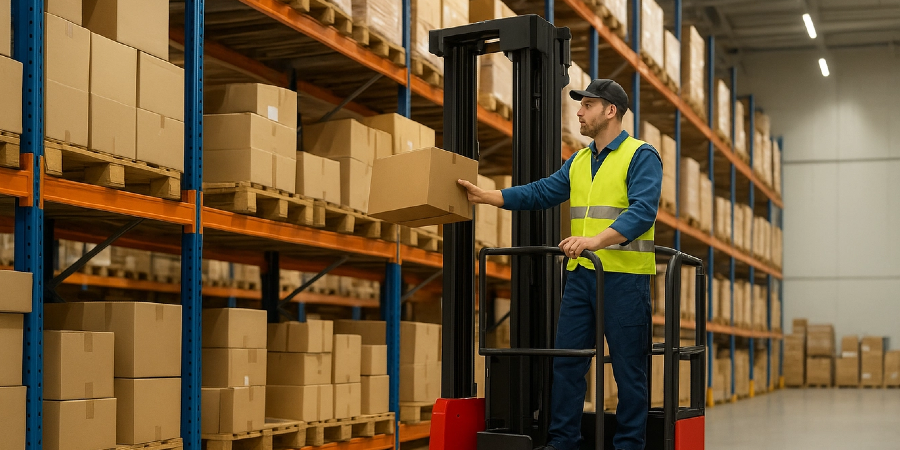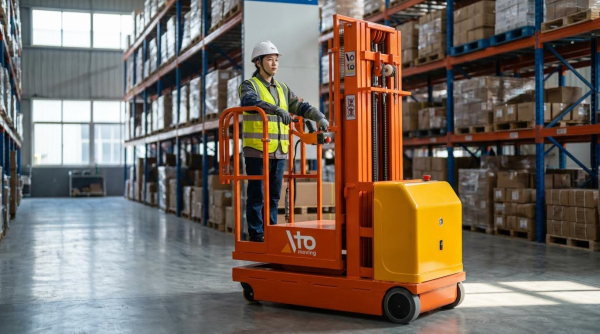
Warehouses that understood how to pick a warehouse order picker solution effectively evaluated requirements, technology options, integration paths, and lifecycle economics before investing. This article outlined a structured approach, starting with defining operational constraints, mapping flows, and quantifying true pain points. It then compared core automation technologies, including mobile robots, dense storage systems, robotic picking, and conveyor-based flows, with a focus on matching them to order profiles and facility layouts. Subsequent sections addressed integration with WMS and ERP platforms, modular deployment, performance metrics, maintenance, and predictive analytics to ensure scalable, low-risk implementations. The final guidelines tied these elements together into practical selection steps that helped convert warehouses from cost centers into resilient, data-driven assets.
Define Operational Requirements And Constraints
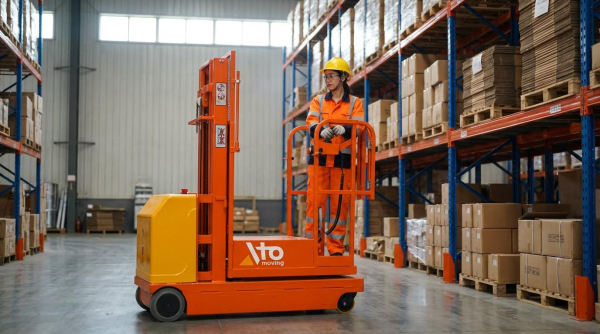
Defining operational requirements is the first step in how to pick a warehouse automation solution that fits reality, not just a business case. Engineers should quantify flows, constraints, and workforce capabilities before comparing AMRs, AS/RS, robotics, or conveyors. This section focuses on mapping current operations, exposing true bottlenecks, and assessing layout and people readiness so that automation designs remain feasible, scalable, and low risk.
Map Current Flows, Volumes, And SKUs
Start by mapping every material flow from receiving to shipping at a process-step level. Document inbound receipts per day, order lines per day, and peak-hour throughput, using at least 12 months of historical data where available. Classify SKUs by velocity (A/B/C), cube, handling unit, and storage temperature or hazard class. This mapping showed where high-SKU e‑commerce operations benefited from AMRs for travel reduction and where high-density AS/RS grids matched slow-moving or small-part inventories. Engineers should convert these findings into design inputs such as required picks per hour per zone, pallet and tote counts, and buffer capacities. A clear baseline of flows and volumes allowed realistic sizing of automation and avoided overspecifying equipment for rare peak scenarios.
Identify Bottlenecks And True Pain Points
To understand how to pick a warehouse automation system with fast payback, teams needed to isolate true constraints rather than visible symptoms. Time-and-motion studies, queue length observations, and WMS log analysis revealed whether delays came from picker travel, search time, congestion, or manual data entry. In several facilities, slow order turnaround traced back to long walking distances, which justified walkie pallet truck deployment, not additional labor. Inventory inaccuracy often correlated with excessive manual touches and paper-based processes, suggesting targeted scanning, vision, or rule-based workflow automation. Ranking bottlenecks by impact on service level, labor hours, and error cost helped prioritize which processes to automate first in a phased roadmap.
Assess Facility Layout And Infrastructure Limits
Warehouse layout and building infrastructure strongly constrained feasible automation options. Engineers evaluated clear heights, column grids, floor flatness, fire-code egress, and dock configurations before shortlisting technologies. High-bay AS/RS or shuttle systems required sufficient vertical clearance, slab load capacity, and often sprinkler modifications, which brownfield sites could not always support economically. AMRs and conveyor lines demanded defined travel lanes, turning radii, and safe interaction zones with pedestrians. Power availability, network coverage, and Wi‑Fi or private 5G reliability also influenced design, especially for IoT-connected devices and real-time control. By overlaying process flows on CAD drawings, teams identified where fixed infrastructure like pits, mezzanines, or narrow aisles limited large-scale retrofits and where modular or mobile automation fit better.
Evaluate Workforce Skills And Change Readiness
Workforce capability and culture determined how to pick a warehouse automation approach that the organization could operate and sustain. Skill assessments covered IT literacy, mechanical aptitude, and experience with WMS, RF scanners, or basic robotics. Sites with limited in-house engineering support favored simpler, modular systems with strong vendor service agreements and intuitive user interfaces. Change-readiness surveys and workshops highlighted concerns about job security, safety, and new workflows, which informed communication and training plans. Pilot projects of 2–4 weeks allowed staff to practice exception handling, troubleshooting, and basic maintenance without risking full-site disruption. Treating operators as stakeholders rather than passive users improved adoption rates and reduced commissioning time once larger-scale automation went live.
Compare Core Warehouse Automation Technologies

When learning how to pick a warehouse automation strategy, you must compare core technologies against your real constraints. Each option fits distinct order profiles, layouts, and labor models. The goal is to reduce travel, touches, and errors while preserving flexibility for future changes.
AMRs For Travel Reduction And Zone Replenishment
Autonomous Mobile Robots (AMRs) reduced non‑value‑added walking in high‑SKU operations. They transported totes, cartons, or pallets between storage, picking, and packing zones. When deciding how to pick a warehouse automation solution, AMRs suited brownfield sites with limited ability to change racking. They navigated existing aisles using maps, sensors, and fleet management software. Operations deployed AMRs for goods‑to‑person picking, zone replenishment, and inter‑process transport. This cut picker travel time and stabilized pick rates across shifts. AMRs scaled by adding units, which matched operations with seasonal peaks or uncertain growth. However, they still required clear travel paths, defined charging areas, and robust wireless coverage. Engineers evaluated AMR use cases by quantifying current walking distance per order, congestion hot spots, and labor availability across shifts.
AS/RS And High-Density Storage Solutions
Automated Storage and Retrieval Systems (AS/RS) delivered high‑density storage with controlled, repeatable access. Shuttle, crane, or mini‑load systems handled totes, trays, or pallets inside engineered racks. These systems fit facilities with high land costs, strict inventory accuracy targets, or temperature‑controlled storage. When assessing how to pick a warehouse automation design, teams compared AS/RS to AMRs by looking at SKU velocity and order profiles. AS/RS favored stable SKU dimensions and relatively predictable demand because reconfiguration required engineering work. They offered strong throughput in repetitive, high‑volume retrieval tasks, such as manufacturing support or spare parts fulfillment. Engineers checked clear heights, floor loading, seismic requirements, and fire protection rules before selection. Capital intensity was higher than for mobile systems, so decision makers modeled payback using storage density gains, labor reduction, and accuracy improvements over a 10–15 year horizon.
Robotic Picking, Kitting, And Vision Systems
Robotic picking cells combined articulated arms, vision systems, and end‑of‑arm tooling to handle discrete items. They addressed labor‑intensive tasks like piece picking, kitting, and small‑parts sortation. Vision software identified items in totes or on conveyors, then guided the arm to grip with appropriate force. In how to pick a warehouse automation decisions, robotic picking fit operations with high order volumes and tight service levels where manual picking became a constraint. These cells worked well in apparel, electronics, cosmetics, and pharmaceuticals with defined packaging types. However, extreme SKU variability, deformable packaging, or reflective surfaces required advanced vision tuning and gripper design. Engineers evaluated pick rate per arm, success rate, and recoverable errors versus manual benchmarks. They also considered ergonomics, because robots removed repetitive reach and twist motions that caused injuries. Integration with WMS directed which SKU each cell picked next and where to place it, enabling closed‑loop tracking.
Conveyors, Sortation, And Hybrid Material Flow
Conveyor and sortation systems created fixed, high‑throughput arteries for cartons, totes, or parcels. They linked receiving, storage, picking, packing, and shipping with continuous flow. When determining how to pick a warehouse automation architecture, engineers used conveyors in facilities with stable, repeatable flows and high daily order volumes. Sorters, such as sliding‑shoe or cross‑belt units, routed items to destination lanes based on barcode or RFID scans. These systems excelled in distribution centers that processed thousands of orders per day with predictable product dimensions. However, fixed conveyors reduced layout flexibility and required careful planning around maintenance access and safety guarding. Hybrid designs combined conveyors for trunk routes with AMRs feeding side processes or exception handling. This limited the footprint of fixed equipment while preserving scalable capacity. Controls engineers ensured that WMS, scanners, and programmable logic controllers shared synchronized data, minimizing mis‑sorts and recirculation.
Integration, Scalability, And Lifecycle Economics
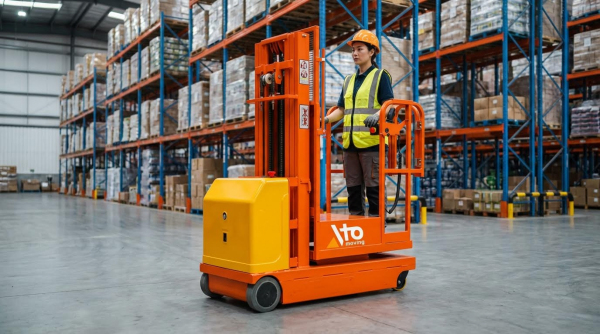
Integration, scalability, and lifecycle economics determine whether a warehouse automation project stays viable beyond the pilot. When you study how to pick a warehouse automation solution, you must validate how it connects to digital systems, scales with demand, and performs over its full service life. This section links architecture choices with phased deployment, performance metrics, and long-term maintenance and safety strategies.
WMS, ERP, And IoT Integration Architecture
Integration architecture defined how automation exchanged data with WMS, ERP, OMS, and IoT platforms. For brownfield warehouses, engineers usually kept the existing WMS and added APIs or middleware instead of full system replacement. Standard REST or message-queue interfaces minimized manual data entry and reduced inventory mismatches. IoT sensors on conveyors, AMRs, and AS/RS exposed status, location, and fault codes in real time, which supported rule-based workflows and alerts. When you plan how to pick a warehouse automation stack, evaluate whether each component exposes open interfaces, supports event-driven updates, and handles multi-warehouse environments without custom point-to-point patches.
Modular, Phased Deployment And Pilot Zones
Modular deployment reduced disruption, especially in facilities that could not shut down operations. Engineers typically started with a pilot zone, for example one pick module, a single AMR fleet, or a limited AS/RS aisle. Pilot durations of 2–4 weeks allowed teams to measure travel-time reduction, pick rate changes, and error deltas under realistic loads. A phased roadmap then extended automation to adjacent zones, spreading capital expenditure and allowing redesign after each learning cycle. When deciding how to pick a warehouse automation roadmap, prioritize technologies that scale in small increments, such as zone-by-zone conveyors or robot fleets, instead of monolithic systems that require full building reconfiguration.
Throughput, Accuracy, Uptime, And ROI Metrics
Lifecycle economics relied on quantifiable metrics, not anecdotal improvements. Baseline measurements typically included pick rate in order-lines per hour, order-to-ship cycle time, error rate in parts per million, labor hours per shipped unit, and inventory accuracy percentage. After automation, teams compared these values against target thresholds, for example 30–50% travel reduction with AMRs or double-digit throughput gains from AS/RS. Uptime, expressed as percentage of scheduled operating hours, fed directly into ROI because unplanned downtime forced manual workarounds and overtime. A robust ROI model included hardware, software, integration, training, and maintenance, then offset these costs with labor reallocation, error reduction, and avoided expansions. Using this metric set clarified how to pick a warehouse automation design that met payback-period expectations, often between two and five years.
Maintenance, Safety, And Predictive Analytics
Maintenance strategy strongly influenced total cost of ownership and safety performance. Structured preventive maintenance schedules, aligned with manufacturer guidance, covered inspections, lubrication, sensor cleaning, and firmware updates for robots, conveyors, and storage systems. Training internal technicians to handle first-line diagnostics reduced mean time to repair, while clear lockout-tagout procedures kept interventions compliant with safety regulations. Predictive analytics, fed by IoT data on vibration, temperature, current draw, and cycle counts, enabled condition-based interventions before failures stopped throughput. Dashboards that combined alarms, maintenance backlogs, and safety incidents helped managers see whether automation truly reduced risk versus shifting it. When you evaluate how to pick a warehouse automation platform, verify availability of diagnostic data, remote monitoring, and safety-rated controls, because these features determine long-term reliability and worker protection.
Summary And Practical Selection Guidelines
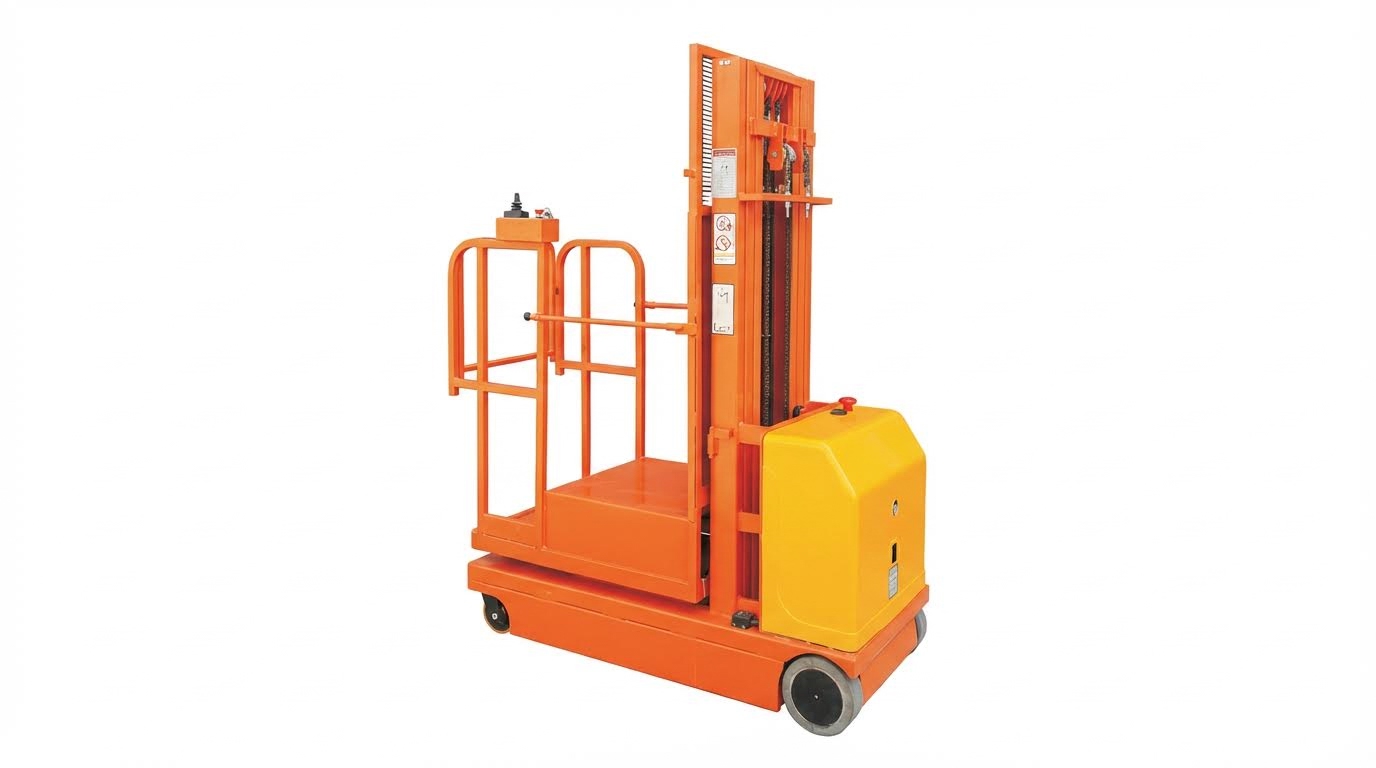
Choosing how to pick a warehouse automation strategy required a structured, data-driven process rather than a technology-first mindset. Operations teams first translated flows, SKUs, and constraints into clear requirements, then matched these to AMRs, AS/RS, robotics, and conveyor-based options. Integration architecture, lifecycle economics, and workforce readiness determined whether concepts worked in real brownfield facilities, not just in vendor simulations. The following guidelines distilled these aspects into practical steps for selecting and scaling the optimal automation mix.
Operations leaders started by quantifying their baseline. They measured order lines per day, SKUs, peak-hour throughput, error rates, and labor hours by task. This made it possible to rank pain points such as travel-heavy picking, congestion at pack-out, or inventory inaccuracy. They then mapped each high-impact issue to a fitting technology: AMRs for travel reduction, AS/RS for dense storage and fast retrieval, robotic cells for repetitive kitting, and conveyors or sorters for predictable high-volume lanes.
When deciding how to pick a warehouse automation path, teams evaluated facility layout and infrastructure before hardware shortlists. Clear aisle widths, floor flatness, available height, and power distribution determined whether grids, shuttles, or mobile robots were feasible. Brownfield sites favored modular systems that installed in phases with minimal shutdowns. Pilot zones, often 2–4 weeks, validated integration with WMS or ERP, confirmed real pick rates, and exposed edge cases such as exception handling and returns.
Financially, engineers built total cost of ownership models over 7–10 years. They included capital expenditure, software licenses, maintenance, spare parts, and internal support labor. Benefits covered labor reallocation, higher throughput, fewer mis-picks, and better space utilization. Payback periods varied: travel-reduction AMRs often achieved 18–36 months, while large AS/RS projects required longer horizons but delivered superior density and labor savings. Teams used scenario analysis to test demand growth, seasonality, and labor cost changes.
Workforce and safety planning sat at the core of successful programs. Companies defined new roles such as robot supervisors, maintenance technicians, and data analysts. They paired technical training with clear communication about redeployment, which reduced resistance and improved adoption. Safety reviews checked guarding, emergency stops, pedestrian segregation, and compliance with relevant machine and electrical standards. Predictive maintenance, using sensor data and performance dashboards, reduced unplanned downtime and protected throughput.
From a long-term perspective, the most resilient strategies avoided single-purpose, rigid systems. Flexible automation that supported new carton sizes, SKU mixes, and order profiles kept value as the business evolved. Open integration via APIs and IoT connectivity simplified adding new subsystems or additional sites. Instead of buying isolated point solutions, leading operators converged towards interoperable platforms that unified inventory, order, and equipment data. This platform mindset turned warehouses from fixed cost centers into adaptive, data-rich assets that supported faster lead times and more volatile demand.
In summary, how to pick a warehouse order picker solution depended on aligning four elements: quantified operational pain points, realistic facility and workforce constraints, modular technologies with proven ROI, and an integration roadmap that scaled. Organizations that started small, measured rigorously, and iterated in phases reached sustainable automation faster than those that pursued one-time, all-or-nothing projects. Over the coming years, the trend moved towards hybrid systems that combined AMRs, shuttles, robotics, and conveyors under a unified control and data layer, enabling continuous optimization rather than one-off redesigns. Additionally, tools like scissor platform lift and walkie pallet truck became integral components of modern material handling workflows.