Warehouse picking strategies defined the practical ceiling on throughput, labor cost, and service levels in distribution operations. This article examined core methods such as batch, wave, zone, case, and layer picking, and linked them to measurable engineering metrics like travel distance, touches, and order cycle time. It then explored how to design zone, batch, and wave systems in detail, including layout, WMS logic, labor modeling, and handling SKU diversity and peak demand. Finally, it focused on pallet-level optimization with case and layer picking, and concluded with structured guidelines to select and combine strategies for high-performance, technology-ready fulfillment networks.
Core Picking Methods: Batch, Wave, Zone, Case, Layer
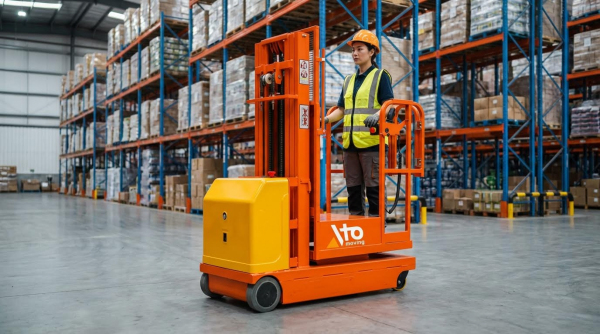
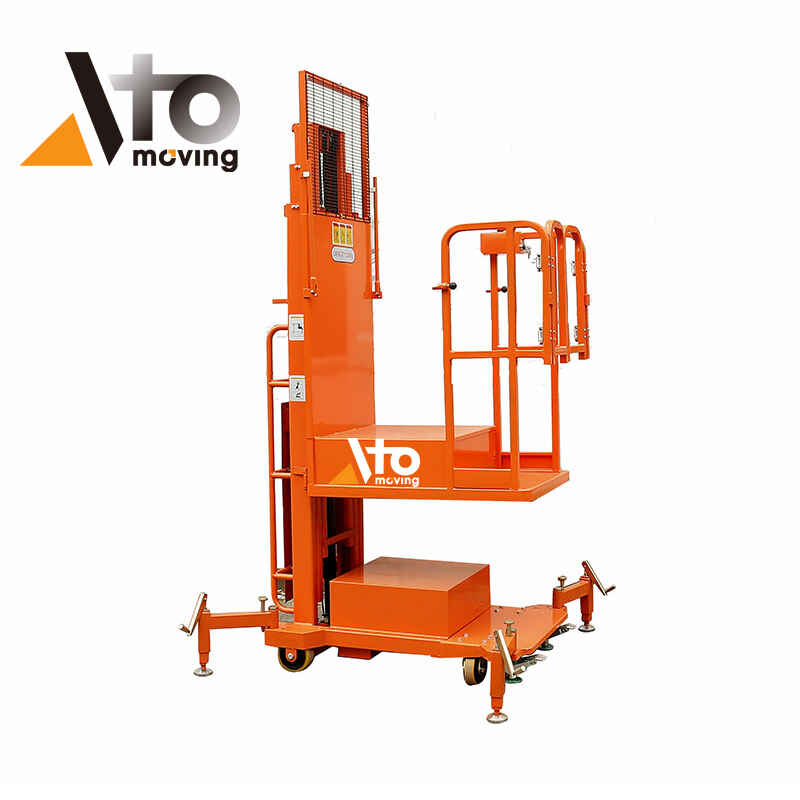
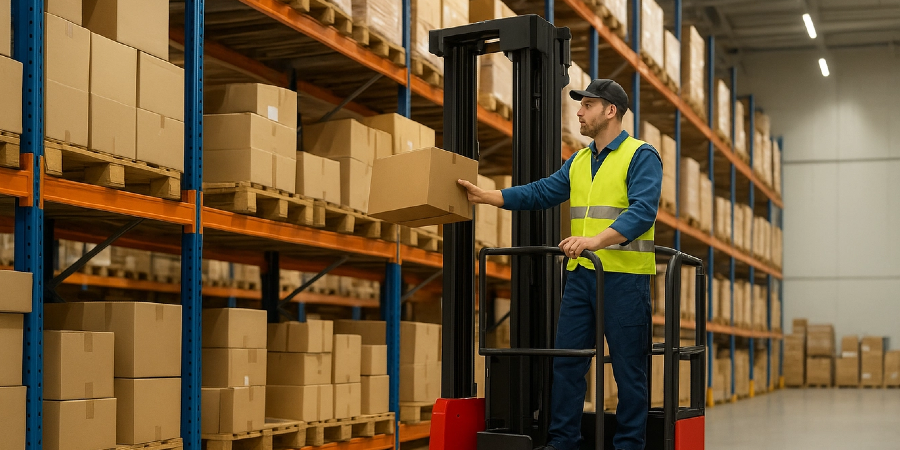
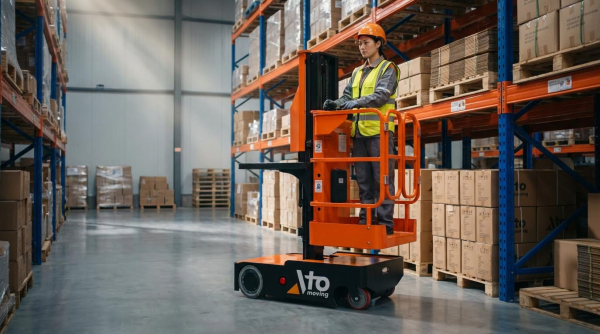
Core picking methods defined the achievable throughput, labor intensity, and accuracy of a warehouse. Engineers selected and combined batch, wave, zone, case, and layer strategies based on order profiles, SKU mix, and automation level. Each method imposed specific requirements on layout, WMS logic, and semi electric order picker. Understanding their operational logic allowed systematic design rather than ad‑hoc process evolution.
Operational Logic of Batch, Wave, and Zone Picking
Batch picking grouped multiple orders into a single picking tour. The WMS generated consolidated pick lists by SKU and location, then post-processed the batch into discrete orders at a sortation or packing stage. This reduced walking distance per order and lowered labor cost, especially for small, fast-moving items. Zone picking divided the warehouse into fixed areas, with pickers confined to their zones and orders flowing across zones physically or virtually. This cut travel distance, increased familiarity with local SKUs, and improved accuracy and training speed. Wave picking scheduled groups of orders into time-based waves aligned with carrier cutoffs, dock availability, and packing capacity. A capable WMS calculated wave composition, routes, and release timing, balancing throughput with dock and packing constraints.
Case and Layer Picking for High-Volume Pallet Flow
Case picking operated at the carton level, typically from pallet flow lanes, static racking, or pick modules. It suited medium to high-volume SKUs where full cases shipped frequently but not always as full pallets. Engineers dimensioned slots to minimize replenishment touches while keeping pick faces ergonomic. Layer picking worked at the layer-of-cases level on a pallet, using clamp or suction attachments or robotic gantries. In grocery and beverage distribution centers, layer picking increased pick rates from roughly 250 to about 1 250 cases per hour per resource, a 400% gain over manual case selection. Automated storage and retrieval systems could feed full pallets into a layer-pick cell and extract mixed-SKU pallets, enabling just-in-time pallet building for store-ready loads.
Travel Distance, Touches, and Throughput Metrics
Engineering analysis focused on three primary metrics: travel distance, touches per unit, and lines or cases per labor hour. Batch and wave picking reduced travel distance by consolidating picks, while zone picking shortened individual paths by shrinking the working area. Case and layer picking minimized touches by moving larger handling units per pick event. Engineers modeled picker paths using layout data and WMS routing logic to estimate meters walked per order and per line. Throughput analysis combined pick rate (lines per hour or cases per hour), equipment cycle times, and congestion effects. For high-volume operations, wave and layer picking enabled synchronized flow from storage to dock, raising dock-door throughput while keeping picker utilization high.
Safety, Ergonomics, and Compliance Constraints
Safety and ergonomics constrained picking method selection as strongly as throughput targets. Batch and zone picking reduced fatigue by shortening walking distances, but large batches or poorly designed carts could increase push–pull forces beyond ergonomic limits. Case and layer picking introduced higher loads and more equipment interaction, requiring controlled aisle designs, clear right-of-way rules, and compliant guarding. Clamp and suction devices needed verification against applicable machinery directives and national safety standards, especially for suspended loads. Wave picking had to respect working time regulations, avoiding peaks that drove excessive overtime or unsafe work pace. Across all methods, designs had to keep pick heights within ergonomic ranges, limit manual lifts of heavy cases, and support compliance with occupational health and safety legislation and food or pharma handling regulations where applicable.
Engineering Design of Zone, Batch, and Wave Systems
Engineering zone, batch, and wave systems requires integrating layout, logic, labor, and SKU analysis into a coherent design. Each method changes picker paths, equipment utilization, and system control requirements. Robust Warehouse Management Systems and rules engines coordinate these strategies and maintain inventory integrity.
Layout Design and Slotting for Zone Picking
Zone picking layout design starts with segmenting the building into logical, capacity-balanced zones. Engineers group SKUs by velocity, cube, and handling characteristics to minimize internal travel within each zone. Fast movers sit near consolidation or shipping points, while slow movers occupy deeper storage. Slotting rules must consider weight, fragility, and ergonomics, placing heavy items between knee and shoulder height. Clear physical boundaries, signage, and distinct location codes reduce mispicks and training time. Parallel processing is maximized when zone lengths, pick density, and replenishment access are balanced so no zone becomes a systemic bottleneck.
Batch and Wave Logic in WMS and Control Systems
Batch and wave picking rely on WMS logic that groups orders using configurable rules. Batch picking logic consolidates orders sharing common SKUs or locations to reduce travel distance per line, often using walking-path optimization. Wave logic schedules groups of orders against time windows, carrier cutoffs, and dock capacity, aligning picking with packing and shipping. Modern rules engines model constraints such as FIFO or FEFO rotation, hazardous material segregation, and lot non-commingling. They also assign task types, equipment, and label formats, and can apply location-based and zone-based rules. Effective implementations use a limited number of well-defined rules and strategies to avoid performance degradation and excessive complexity.
Labor Modeling, Staffing, and Equipment Sizing
Labor models for zone, batch, and wave systems start from engineered standards for pick, travel, and handling times. Planners convert order volume, line counts, and cube into required labor-hours by function and by shift. Zone picking often supports narrower labor skill bands, because workers specialize in smaller areas and product sets. Batch and wave operations may require cross-trained staff who can move between picking, consolidation, and packing as waves progress. Equipment sizing covers pallet jacks, forklifts, carts, and mobile scanners, matched to aisle widths and load characteristics. Simulation or spreadsheet models test scenarios such as peak days and promotional spikes to ensure staffing and equipment can meet service-level targets without excessive overtime.
Handling SKU Diversity, Peaks, and Order Profiles
High SKU diversity pushes designers toward zone structures that cluster similar handling requirements while limiting picker cognitive load. Small, fast-moving items often fit batch picking well, whereas bulky or hazardous SKUs may use dedicated zones or single-order picking. Wave picking handles volatile order profiles and peaks by sequencing waves around carrier cutoffs, product families, and priority orders. WMS rules can route oversized, fragile, or temperature-controlled items through specialized flows while standard items follow high-throughput paths. Hybrid designs might apply zone picking for large or complex areas, batch picking inside each zone, and wave scheduling across the building. Continuous monitoring of order mix, line-per-order distributions, and seasonality supports periodic re-slotting and strategy adjustment to maintain throughput and cost performance.
Case and Layer Picking: Pallet-Level Optimization

Case and layer picking operated at the pallet level and targeted high-throughput distribution. Engineers used these methods to align material flow with downstream transport, storage, and store-replenishment patterns. Properly engineered systems minimized touches, reduced travel, and synchronized replenishment with shipping windows.
When to Use Case vs. Layer Picking
Case picking suited order profiles where customers required full cartons but not full pallets. It worked well in consumer goods, e‑commerce replenishment, and mixed-SKU pallet building for retail stores. Layer picking fit high-volume, standardized SKUs where demand justified moving full pallet layers at once. Grocery and beverage distribution centers adopted layer picking heavily because they shipped repeated layer quantities per store. Engineers typically selected layer picking when they could justify specialized attachments or automation and when average pick density per stop exceeded manual case-pick productivity.
Forklift Attachments, ASRS, and Layer-Pick Cells
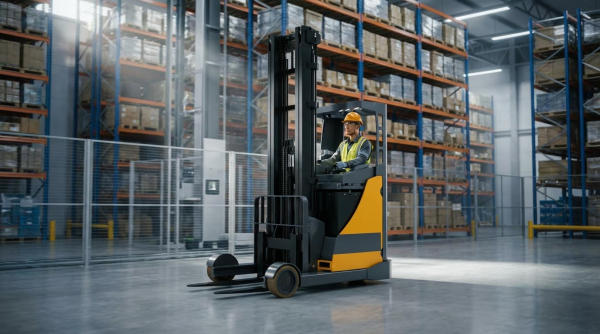
Layer picking cells combined storage, replenishment, and mechanized extraction of one or more layers at a time. Forklifts with clamp or suction attachments lifted complete layers and achieved pick rates near 1 250 cases per hour, versus roughly 250 cases per hour with manual case selection. Highly automated cells integrated automated storage and retrieval systems that fed full pallets into the pick zone and extracted completed mixed pallets. Overhead gantries with robotic clamps or suction tools interfaced with warehouse control systems to sequence layers, enforce stack patterns, and track inventory in real time. Engineers balanced capital cost, maintenance complexity, and throughput requirements when specifying attachment type, ASRS capacity, and control logic.
Aisle Design, Pick Faces, and Replenishment Flows
Aisle geometry directly affected travel distance, congestion, and safety for case and layer picking. Engineers sized aisle width based on forklift envelope, turning radius, and clearance for clamp or suction devices while maintaining regulatory safety margins. Pick faces for case picking typically used pallet flow or carton flow lanes, with fast movers placed at ergonomic heights to reduce strain. Layer-pick zones often positioned pallets centrally in short aisles or at aisle ends so operators could build mixed pallets with minimal repositioning. Replenishment design used pallet flow lanes, push-back storage, or bulk stacking above or behind pick faces to allow gravity or short shuttle moves to refresh the pick face without disrupting picking.
Hybrid Strategies Combining Zone, Batch, and Layer
Hybrid designs combined zone, batch, and layer picking to match heterogeneous order profiles. A common pattern assigned a dedicated layer-pick zone to high-volume SKUs while lower-volume items stayed in case-pick or each-pick zones. Orders for large retail stores could receive a base pallet structure from the layer-pick cell, then move to a case-pick zone for slower movers, often under batch or wave control. The warehouse management system or control layer orchestrated which lines flowed to which zone, grouped orders into efficient batches or waves, and synchronized replenishment so layer and case activities did not starve each other. This approach improved overall throughput and labor utilization while preserving flexibility for seasonal peaks and promotional mixes.
Summary and Strategy Selection Guidelines

Efficient warehouse picking relied on matching process design, technology, and labor to the order mix. Zone, batch, wave, case, and layer picking each offered distinct trade-offs in travel distance, touches, and control complexity. Modern Warehouse Management Systems orchestrated these methods through rules for routing, allocation, and task assignment, while mechanical design determined aisle geometry, pick faces, and pallet flow.
Engineers evaluated strategies primarily against order volume, SKU diversity, line density, and service-level constraints. Zone picking fit large facilities with broad SKU assortments and benefited from clear zoning, slotting, and parallel picking. Batch picking excelled where orders contained small, fast-moving items and supported aggressive labor-cost reduction by consolidating trips. Wave picking suited high-throughput operations with tight shipping windows, leveraging WMS logic for wave criteria, routing, and congestion control. Case and layer picking optimized pallet-level flow, particularly in grocery and beverage networks, where specialized attachments and ASRS integration lifted pick rates by factors of four compared with manual case selection.
Practical implementation required phased deployment, starting with data-driven layout and slotting, then adding rules-based WMS control and, finally, mechanization or automation. Designers considered safety clearances, ergonomic reach zones, and regulatory requirements for hazardous or perishable goods at each step. The industry trend moved toward hybrid strategies that combined zone, batch, wave, and layer techniques, coordinated by configurable rules engines and real-time analytics. A balanced roadmap typically prioritized quick wins in travel reduction and accuracy, then progressed to advanced automation once stable processes and reliable data were in place.