Wave picking in warehouses groups orders into time-based “waves” to increase throughput and reduce picker travel. This article explains what wave picking is in warehouse operations, how it differs from batch and zone picking, and how static and dynamic waves work inside a modern WMS. You will see how layout, slotting, scanning technology, automation, and even digital twins influence wave performance and reliability. Finally, the guide outlines when wave picking makes sense, when it does not, and how to choose and optimize a warehouse order picker system for your specific operation.
Core Concepts And Mechanics Of Wave Picking
Wave picking in warehouses organized order release and picking into tightly scheduled time windows. It grouped orders into waves based on shipping deadlines, carrier schedules, product families, or customer priorities. Understanding what is wave picking in warehouse operations required comparing it against batch and zone picking, defining static and dynamic waves, and examining wave cycles and KPIs. This section described how a warehouse management system (WMS) orchestrated waves to balance throughput, accuracy, and labor utilization.
How Wave Picking Differs From Batch And Zone Picking
Wave picking in warehouse environments answered a broader planning question than simple batch or zone picking. In batch picking, operators picked groups of similar orders, usually driven by common SKUs or locations, with limited consideration of carrier cut-offs or dock capacity. Zone picking assigned workers or automation to fixed warehouse zones, and each zone processed its portion of an order, often in parallel. Wave picking sat above these methods as a scheduling and orchestration layer that released work in time-phased, constraint-aware waves. A wave could still use batch or zone execution inside it, but the WMS grouped and timed orders to minimize travel, congestion, and downstream bottlenecks at packing and shipping. As a result, wave picking better aligned picking activity with outbound shipping promises and labor availability.
Static Vs. Dynamic Waves In Modern WMS
Static waves used predefined time windows and rule sets. Planners configured waves, for example, at 08:00, 11:00, 14:00, and 17:00, each tied to specific carrier departures or service levels. Once released, the content and sequence of a static wave rarely changed, which simplified execution but reduced flexibility for late-arriving or urgent orders. Dynamic waves relied on real-time data from the WMS, labor management, and sometimes automation controllers. The system continuously evaluated open orders, inventory, and resource status, then created or adjusted waves on the fly. It could split, merge, or resequence waves when demand patterns shifted or a constraint appeared, such as a short-term labor shortage. Dynamic waves required reliable inventory accuracy, stable networked devices, and robust optimization logic but delivered higher utilization and responsiveness.
Typical Wave Cycles, Cut-Offs, And Release Logic
A typical wave cycle started with order accumulation during a defined horizon, often 30–120 minutes. At the cut-off time, the WMS evaluated all eligible orders against rules such as shipping service, carrier schedule, order priority, cube and weight limits, and pick area capacity. The system then built waves that met those constraints while minimizing travel distance and leveling workload across pickers and zones. Release logic also considered upstream and downstream processes. For example, waves for value-added services or kitting might release earlier to preserve total cycle time, while full-case pallet waves could release closer to truck loading. In advanced setups, the WMS coordinated wave release with packing and sortation capacity to avoid dock or chute congestion, and it could trigger incremental “top-up” waves when real-time monitoring showed idle capacity.
Wave Picking KPIs: Throughput, Accuracy, And Utilization
Key performance indicators for what is wave picking in warehouse analysis focused on flow, quality, and resource use. Throughput metrics included order lines picked per hour, units per labor-hour, and on-time wave completion versus planned end time. Accuracy metrics tracked pick error rate, short picks, and mispicks detected at packing or shipping, often expressed as defects per thousand order lines. Utilization metrics covered picker travel versus pick time, equipment utilization for conveyors or sorters, and staging area occupancy during each wave. High-performing wave operations showed stable order cycle times, high pick accuracy above 99.5%, and balanced workload across shifts and zones. Continuous monitoring of these KPIs allowed engineers to tune wave size, composition rules, and release frequency, ensuring the wave strategy remained aligned with changing order profiles and service-level commitments.
System Design, Layout, And Technology Requirements
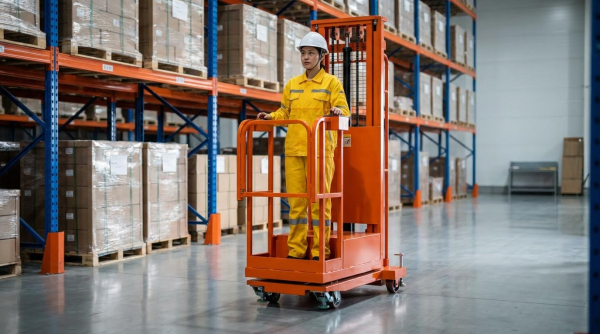
System design for wave picking determines how well a warehouse converts order demand into efficient picker movement. Engineers must align layout, WMS logic, and device integration so waves flow smoothly from release to pack and ship. The question “what is wave picking in warehouse operations” becomes practical only when these design elements work as a single, synchronized system.
Warehouse Layout And Slotting For Wave Efficiency
Warehouse layout for wave picking must minimize cross-traffic and dead travel during each wave. High-velocity SKUs should sit in a golden zone close to induction and consolidation points, based on historical pick frequency per hour. Engineers typically design clear main aisles for fast movement and shorter branch aisles to limit backtracking. Slotting rules should group SKUs often ordered together while still respecting weight, ergonomics, and fire-safety constraints. For wave picking, staging areas near packing must handle temporary accumulation from each wave without blocking aisles or emergency exits. Clear physical zoning, with unique location IDs, lets the WMS build routes that reduce revisits to the same bay within a wave.
WMS Logic, Data Quality, And Real-Time Inventory
Wave picking depends on WMS logic that can cluster orders by carrier cut-off, shipping service, or zone while balancing picker workload. The system should calculate capacity per wave using order lines, cube, and travel distance, not only order count. High-quality master data is essential; incorrect dimensions or locations produce inefficient waves and misrouted picks. Real-time inventory accuracy, typically above 99%, allows the WMS to avoid stockouts mid-wave and reduces rework. Engineers should configure dynamic wave release rules that react to live backlog, labor availability, and dock schedules. When defining “what is wave picking in warehouse software terms,” it is essentially an optimization algorithm constrained by inventory, labor, and time windows.
Integrating Scanners, Pick-To-Light, And Mobile Devices
Barcode scanners and mobile terminals close the loop between the WMS plan and physical execution. Each scan confirms location, SKU, and quantity, which improves pick accuracy and updates inventory in real time. Pick-to-light or put-to-light systems accelerate dense picking zones by replacing screen navigation with location-mounted indicators. Engineers must design RF and Wi-Fi coverage so handhelds and wearables maintain uninterrupted connectivity along all pick paths. Device workflows should present wave tasks in route order, minimizing cognitive load and walking distance. Standardized screen layouts and scan sequences reduce training time and error rates, especially in high-volume waves. All devices should support time-stamped event logging to feed KPI analysis for throughput and utilization.
Automation, AGVs, Cobots, And Digital Twins In Waves
Automation enhances wave picking by decoupling human pickers from long transport legs and repetitive handling. AGVs or autonomous mobile robots can shuttle totes between zones, so workers stay within compact pick areas during each wave. Cobots at packing or induction stations can handle repetitive sealing, labeling, or item presentation tasks, stabilizing cycle times. A digital twin of the warehouse allows engineers to simulate different wave sizes, release times, and routing strategies before deployment. This model can test how “what is wave picking in warehouse peak scenarios” translates into queue lengths, congestion, and dock utilization. Control logic must coordinate robots and humans with clear right-of-way rules and safety functions compliant with relevant ISO and IEC standards. Continuous telemetry from automation assets then feeds back into the WMS to refine future wave design and labor planning.
When Wave Picking Makes Sense (And When It Does Not)
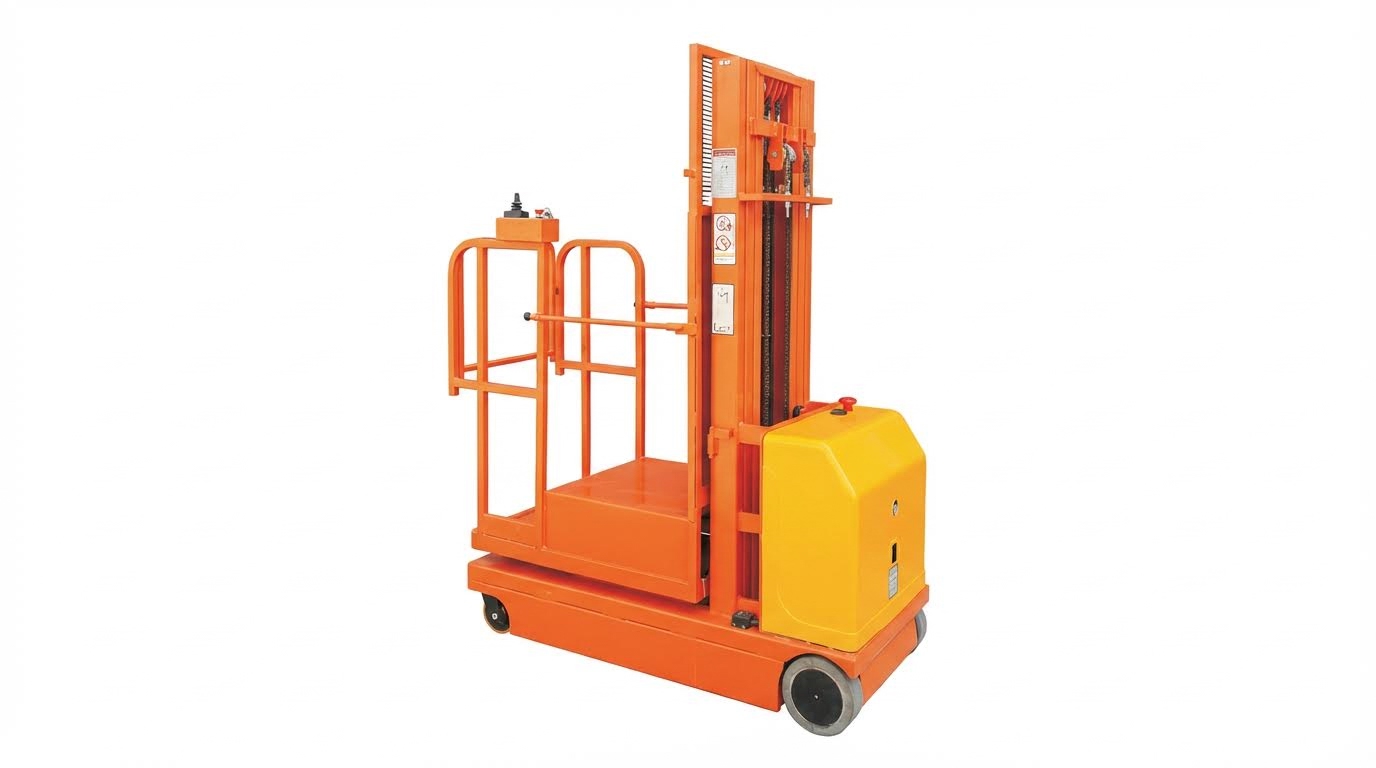
Understanding what is wave picking in warehouse operations requires matching the method to the right profile, constraints, and risk tolerance. This section explains where wave picking delivers strong performance and where other strategies such as batch, zone, or on-demand picking fit better.
Operational Profiles Suited To Wave Picking
Wave picking worked best in warehouses with high order volumes and repeatable shipping patterns. Facilities that shipped in carrier-based waves, such as parcel cut-offs or linehaul departures, aligned naturally with time-based wave releases. Operations with stable SKUs, moderate to high order lines per order, and consistent daily demand benefited from grouping orders into waves to minimize travel time. Large e‑commerce and retail distribution centers used waves to synchronize picking with packing, value-added services, and dock schedules. In these environments, a WMS could optimize waves by carrier, route, zone, or product family, improving labor utilization and throughput. Conversely, very low-volume sites or operations with highly unique, one-off orders often gained little from wave complexity and performed better with simple discrete or batch picking.
Handling Urgent Orders, Peaks, And Omnichannel Loads
Wave picking in warehouse environments supported predictable peaks, such as daily cut-offs or promotional events, by pre-planning labor and equipment around wave times. However, rigid waves struggled when urgent “hot” orders arrived after a wave release. Modern WMS platforms mitigated this by using dynamic waves, where the system inserted rush orders into upcoming waves or triggered micro-waves or short on-demand batches. Omnichannel operations, serving store replenishment, e‑commerce, and wholesale from one site, often combined wave picking for predictable flows with real-time picking for same-day or express orders. Engineers needed to define clear rules: which channels ran in waves, which bypassed waves, and how often the system re-optimized. Without this governance, urgent orders risked frequent wave interruptions, reducing efficiency and increasing picker confusion.
Space, Staging, And Safety Considerations
Wave picking concentrated work and inventory in time and space. Each released wave generated a burst of totes, pallets, or cartons that required staging between pick, sort, and pack. Warehouses with limited consolidation or dock space often faced congestion when large waves closed together. Engineers had to model staging area capacity, material flow, and buffer requirements before scaling wave sizes. Poorly planned waves led to blocked aisles, double handling, and unsafe pedestrian–equipment interactions. Clear travel paths, visual management, and defined buffer zones around sortation and packing areas reduced collision risks. Safety procedures needed to account for peak traffic during wave transitions, including speed limits for trucks, AGVs, and walkie pallet trucks. If the building footprint or fire egress constraints could not support dense staging, smaller, more frequent waves or continuous-flow picking usually provided a safer alternative.
Cost, Complexity, And Change Management Risks
Implementing what is wave picking in warehouse practice required investment in WMS capabilities, data quality, and process redesign. The WMS needed robust wave-planning logic, real-time inventory visibility, and reliable interfaces to scanning or automation. Configuration, testing, and integration increased project cost and timeline compared with simple discrete picking. Operational complexity also rose: supervisors had to manage wave calendars, cut-off rules, exception handling, and performance monitoring. If master data, inventory accuracy, or discipline in process execution were weak, wave plans quickly became unreliable, causing missed departures and rework. Change management posed a significant risk because pickers, packers, and planners had to adapt to time-boxed work and stricter schedules. Sites with immature processes or high turnover often adopted hybrid strategies, starting with small waves or limited SKUs to reduce disruption. In environments with extremely volatile demand, frequent priority changes, or minimal IT support, the total cost and risk of full wave picking could outweigh its efficiency benefits, making flexible batch or real-time picking more appropriate.
Summary: Choosing And Optimizing Wave Picking Systems
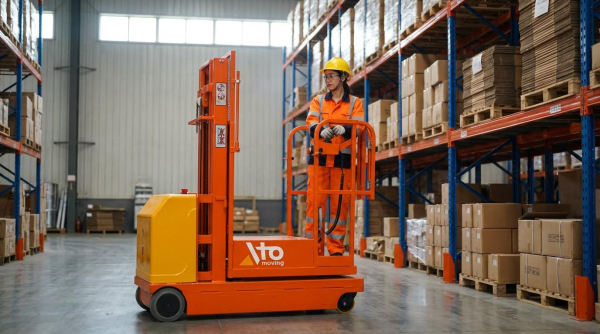
Wave picking in warehouse operations offered a powerful way to group orders into time-bound waves and synchronize picking with shipping, labor, and automation. For operations asking “what is wave picking in warehouse logistics terms,” it was best understood as a WMS-driven scheduling and routing layer that sat on top of batch and zone picking, orchestrating when and how work released to the floor. Well-designed systems aligned wave cut-offs with carrier departures, production cycles, and labor availability, while monitoring KPIs such as throughput, pick accuracy, and picker and equipment utilization.
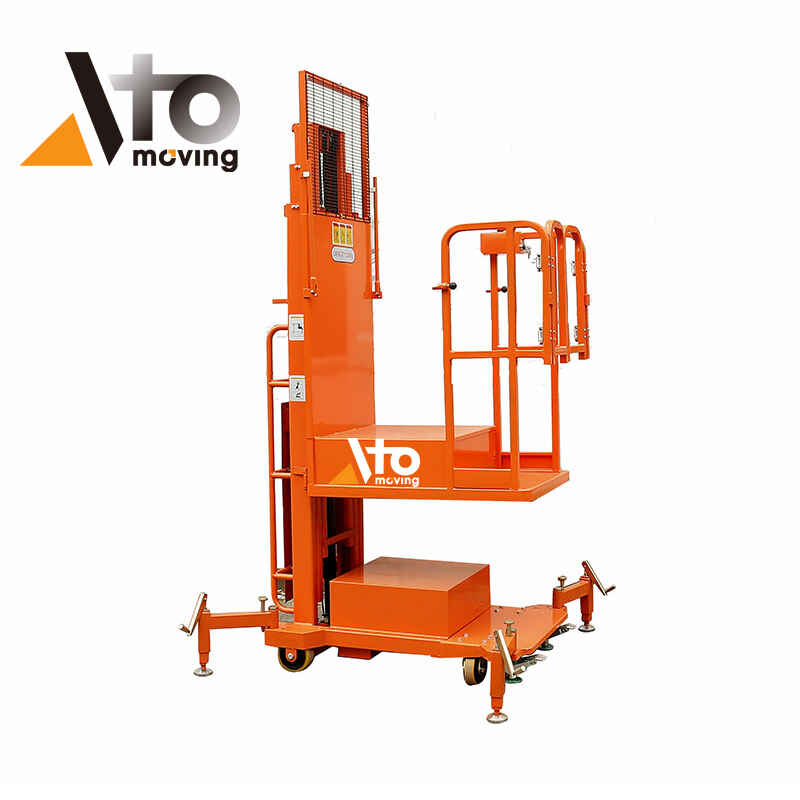
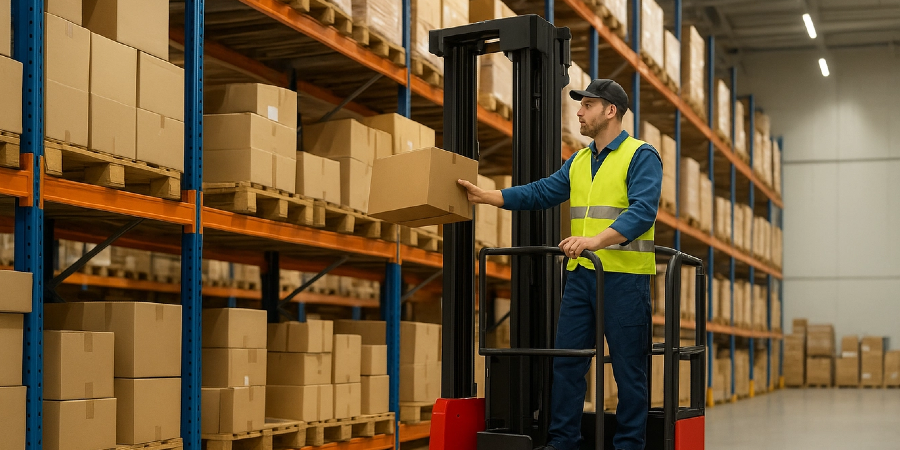
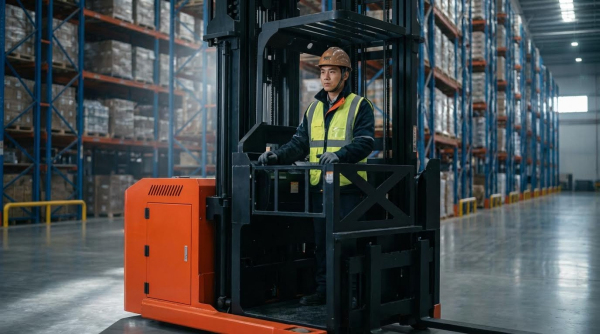
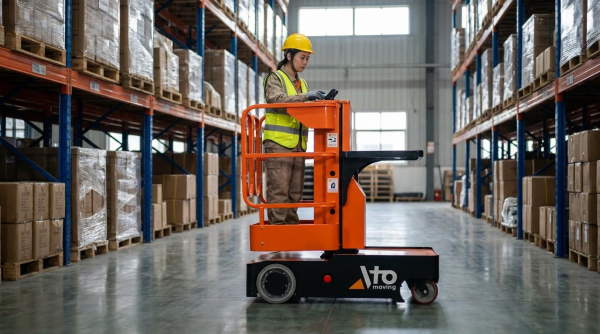
From a technical perspective, successful wave picking required accurate real-time inventory, clean master data, and WMS logic capable of static and dynamic wave building. Facilities that invested in scanners, pick-to-light, and mobile terminals reduced search time and mispicks, while warehouse order picker, conveyors, and cobots helped stabilize flow between picking, consolidation, and packing. Digital twins and simulation tools allowed engineers to test wave sizes, release frequencies, and routing rules before deployment, reducing commissioning risk and helping quantify expected gains in order cycle time and labor productivity.
Industry practice showed that wave picking delivered its highest value in high-volume, SKU-rich warehouses with predictable shipping windows, such as retail, FMCG, and e-commerce fulfillment centers. However, it added planning complexity, increased staging space requirements, and could struggle with very high proportions of urgent or same-day orders, where waveless or continuous flow models sometimes performed better. Practitioners therefore evaluated wave picking not as a universal standard but as one option within a broader picking strategy toolkit, often combining waves for trunk shipments with more flexible methods for late-cutoff or premium services.
Going forward, the evolution of wave picking in warehouse environments pointed toward more dynamic, event-driven control. Emerging WMS and execution layers blended fixed waves with real-time reprioritization based on carrier delays, congestion, or equipment faults. Engineers who approached “what is wave picking in warehouse design” as a configurable control strategy rather than a rigid process could phase in capabilities, starting with simple shipping-aligned waves and gradually adding finer segmentation, automation integration, and closed-loop KPI optimization as data quality and organizational maturity improved. For instance, integrating tools like scissor platform or walkie pallet truck solutions could further enhance operational flexibility.