
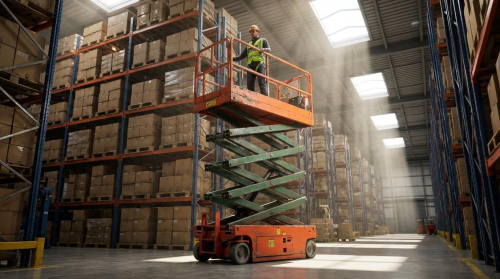
Aerial work platforms sit at the intersection of structural engineering, hydraulics, and strict safety regulation. This guide explains what is the OSHA standard for aerial platform in practical terms, and how it connects with ANSI design and use requirements across boom lifts, scissor lifts, and other AWPs. You will see how to translate the rules into design safety factors, inspection routines, and operating controls that actually work in the field. Use it as a reference when specifying new equipment, modernizing fleets, or tightening your site’s compliance program.
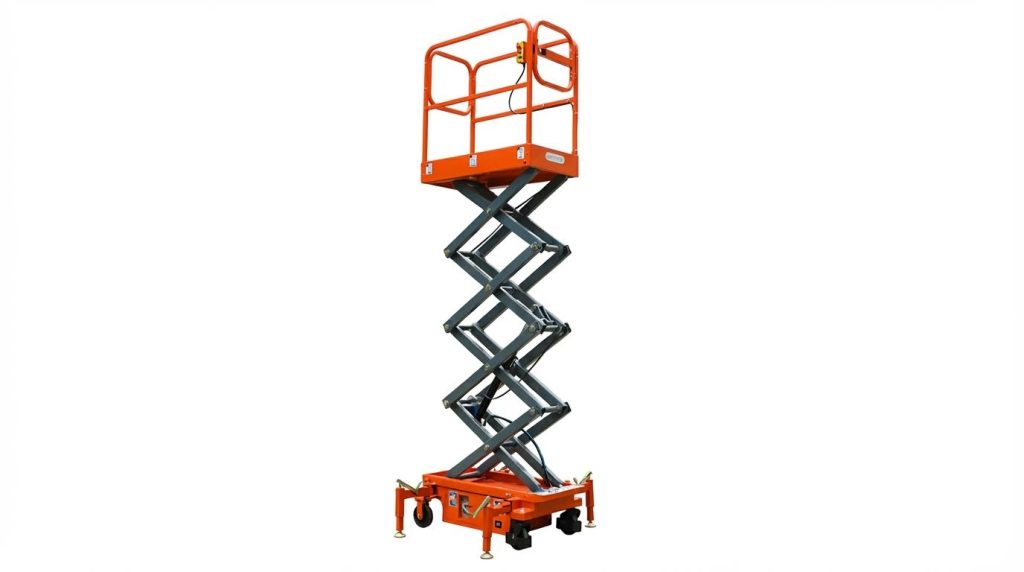
OSHA And ANSI Framework For Aerial Work Platforms
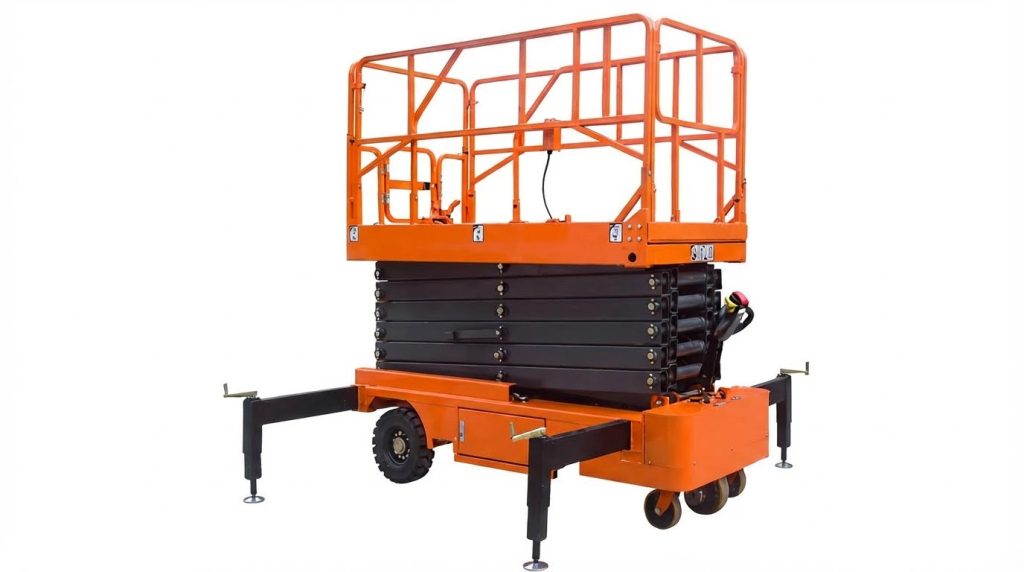
How OSHA Defines Aerial Lifts And AWPs
From OSHA’s perspective, “aerial lifts” are vehicle-mounted devices with telescoping, articulating, or extensible booms used to position personnel at height for construction, maintenance, or inspection work. This definition typically covers bucket trucks, boom lifts, and similar truck-mounted platforms. “Aerial work platforms” (AWPs) is a broader engineering term that includes self-propelled scissor lifts, vertical mast lifts, and boom-type MEWPs. In practice, when someone asks “what is the OSHA standard for aerial work platforms,” they are usually referring to the OSHA aerial lift rules in 29 CFR 1910 and 1926, plus the design and use requirements that OSHA incorporates by reference from ANSI A92.
OSHA focuses on how the equipment is used and maintained rather than on commercial product labels. Any powered platform that elevates workers must meet OSHA requirements for safe design, inspection, and operation, even if it is marketed under a different name. Elevating AWPs must also comply with applicable ANSI/SIA A92.3, A92.5, and A92.6 design standards for scissor, boom, and manually propelled platforms. Together, these OSHA and ANSI documents form the minimum engineering and operational baseline for aerial work platform safety.
Key OSHA And ANSI Standards You Must Know
When engineers and safety managers evaluate what is the OSHA standard for aerial work platforms, they need to consider three layers: OSHA regulations, OSHA guidance, and ANSI A92 design/use standards. OSHA requires that only trained personnel operate aerial lifts and AWPs, with documented training that covers both general principles and equipment-specific familiarization before authorization to use the equipment and with records kept on file. Lift controls must be tested daily, and critical safety components affecting raising, lowering, or rotation must be visually inspected at the start of each shift to verify safe working condition.
OSHA also sets clear operating rules that directly affect engineering choices and procedures:
- The manufacturer’s load and capacity limits for the boom and platform must never be exceeded for workers, tools, and materials combined.
- Brakes must be set, and outriggers used on pads or solid surfaces when provided; wheel chocks are required on inclines to maintain stability.
- Aerial lift trucks may not be moved with the boom elevated and personnel in the basket unless the equipment is specifically designed for that mode of operation and the manufacturer allows it.
- Both platform and lower controls are required, clearly marked, with lower controls able to override upper controls and used without the operator’s consent only in emergencies to enable safe rescue and shutdown.
On the design side, OSHA incorporates ANSI A92.2 requirements for vehicle-mounted lifts, including bursting safety factors for critical hydraulic and pneumatic components where failure could cause free fall or free rotation and mandates periodic electrical testing of insulated booms per ANSI A92.2-1969. Elevating AWPs such as scissor and boom lifts must meet ANSI/SIA A92.3, A92.5, and A92.6 design standards which define structural integrity, platform guarding, controls, and safety devices. For any facility or project, aligning equipment selection, inspection programs, and operator training with these OSHA and ANSI requirements is the practical route to an OSHA-compliant aerial work platform fleet.
Engineering Requirements, Inspections, And Safe Operation
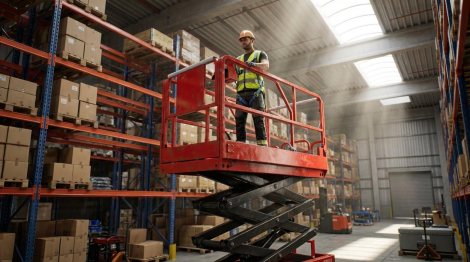
Structural And Hydraulic Design Safety Factors
From an engineering standpoint, OSHA and ANSI require aerial work platforms to be designed with conservative structural and hydraulic safety factors rather than “near-yield” sizing. Critical hydraulic and pneumatic components that could cause free fall or free rotation must comply with the bursting safety factor provisions of ANSI A92.2 Section 4.9, with noncritical components designed to at least a 2:1 bursting safety factor for noncritical components. Structural welds on booms, masts, and platforms must follow recognized welding codes to ensure fatigue resistance and long-term integrity under repeated loading by conforming to AWS welding standards. Design standards for elevating aerial work platforms reference ANSI/SIA A92.3, A92.5, and A92.6, which define minimum stability margins, guardrail geometry, control layouts, and braking performance for typical construction and maintenance applications for AWPs. For users asking what is the osha standard for aerial platforms, these engineering requirements are embedded in OSHA’s incorporation of ANSI A92-series design criteria and the specific subpart F provisions covering bursting safety factors, welding quality, and electrical tests.
Insulated portions of aerial lifts must not be modified in any way that reduces insulating value, because even small changes such as drilling holes in buckets can compromise dielectric performance and defeat electrical protection for insulated sections. Suspension systems for building-maintenance type platforms must use wire ropes with a minimum design factor of 10, calculated from rope strength, number of ropes, and rated working load, so that rope failure remains highly unlikely under normal service using the specified design-factor formula. Equipment must also withstand wind-induced forces, with design loads set for at least 100 mph winds when out of service and 50 mph when operating, to prevent overturning or structural failure in typical storm conditions for wind-load design. Together, these structural, hydraulic, and environmental design criteria create the baseline engineering envelope that any OSHA-compliant scissor platform must satisfy.
Daily, Shift, And Periodic Inspection Protocols
OSHA expects a layered inspection system: pre-start checks, shift-based inspections, and periodic detailed examinations. Before each work shift, a pre-start inspection must confirm that vehicle and lift components such as fluid levels, leaks, wheels, tires, batteries, controls, lights, alarms, steering, brakes, emergency controls, safety devices, hydraulic systems, placards, fasteners, wiring, outriggers, stabilizers, and guardrails are in safe operating condition as part of pre-start inspection. Lift controls must be function-tested daily so that any failure in raising, lowering, or rotation systems is detected before personnel are elevated for daily control testing. Critical safety components that affect raising, lowering, or rotating the lift must be visually inspected at the start of each shift for cracks, leaks, or other defect indicators that could lead to uncontrolled movement as part of shift inspections. Any defective aerial lift identified during these checks must be removed from service, clearly tagged, and not returned to operation until a qualified person completes repairs and verifies safe condition under the defective-equipment protocol.
Beyond shift-level checks, OSHA and good practice require formal periodic inspections with documented records, scaled to usage intensity and environmental severity, to catch wear mechanisms that develop over weeks or months for inspection frequency and recordkeeping. Suspension wire ropes on building-maintenance platforms must be inspected for visible defects before every use, with more thorough inspections monthly and after 30 days of inactivity, and replaced when broken wires, distortion, corrosion, or heat damage exceed defined thresholds per rope inspection and replacement criteria. Hydraulic systems need regular checks for hose wear, leaks, and pressure-related degradation because continuous pressure cycling accelerates hose fatigue and can lead to sudden performance loss or fluid injection injuries if not managed proactively for hydraulic hose maintenance. When safety managers address what is the osha standard for order picking machines in inspection terms, the answer centers on this combination of daily control testing, shift-based component checks, and scheduled, documented maintenance inspections aligned with manufacturer instructions and ANSI A92 guidance.
Operating Rules, Fall Protection, And Electrical Hazards
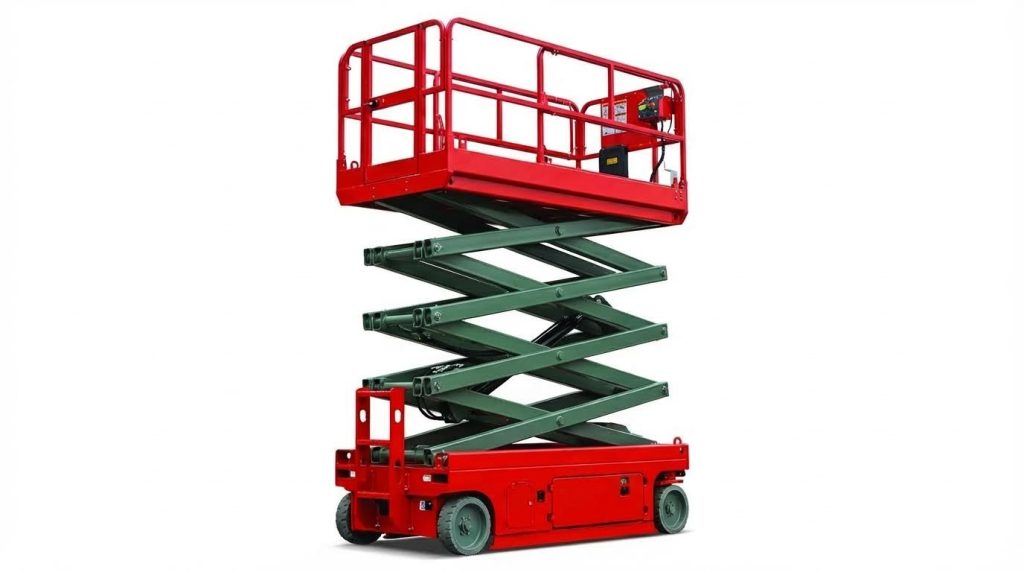
OSHA’s operating rules focus on preventing tip-overs, ejections, and electrical contact during aerial work platform use. Only trained and authorized personnel may operate aerial lifts, with training covering general principles, model-specific controls, safety decals, and emergency procedures for operator training and documented AWP training. Brakes must be set, outriggers deployed on pads or solid surfaces when provided, and wheel chocks used on inclines, so the base remains stable under dynamic platform loads for brake and outrigger rules. The combined weight of workers, tools, and materials must never exceed manufacturer-specified boom and basket load limits, and aerial lifts must not be used as cranes or to carry objects larger than the platform footprint for load capacity and prohibited uses. Unless the equipment is specifically designed for it, trucks may not be moved with the boom elevated and personnel in the basket, because even small shocks or slopes can rapidly destabilize the system for movement restrictions.
Fall protection is mandatory: operators must remain within the basket, stand on the platform floor, keep access gates closed, and never climb or lean over guardrails or use planks or ladders to gain extra height for fall protection during operation. A personal fall arrest or travel restraint system meeting OSHA requirements must be worn and anchored to the boom or basket, with body belts used only for positioning and full-body harnesses preferred for actual fall arrest for fall arrest requirements for body belt and harness use. Electrical hazards require strict minimum approach distances to energized power lines, treating all overhead lines as energized and maintaining at least 10 ft (3 m) of clearance unless additional insulating measures and qualified personnel are used for overhead clearance and power-line distance. Where contact risk exists, controls can include insulating covers on lines, using insulated lifts with non-insulated portions kept outside the minimum approach distance, and grounding or bonding strategies combined with insulating PPE and barricades for protection against energized lines. In practice, when safety teams evaluate what is the osha standard for semi electric order picker, they should translate these operating, fall protection, and electrical rules into site-specific procedures, checklists, and training modules that control the main accident mechanisms for elevated work.
Specifying, Selecting, And Modernizing Aerial Work Platforms
Matching Platform Type To Task And Environment
When you ask what is the OSHA standard for aerial work platforms, you are really asking how to match equipment design and use to a defined task and hazard profile. Start by classifying the work: indoor maintenance, facade work, process access, construction, or utility work near energized systems. For each use case, select between vertical mast lifts, scissor lifts, articulating booms, telescopic booms, or vehicle-mounted platforms based on required working height, horizontal reach, and access constraints. Narrow aisles, sensitive floors, and low ceiling heights point toward compact electric scissor or mast lifts, while outdoor construction with obstacles usually needs rough‑terrain booms with higher ground clearance and outreach.
Environment drives many OSHA- and ANSI-related decisions. Work over water requires personal flotation devices and fall protection systems sized and anchored for the lift type and task when working over water, personal flotation devices (PFD) should be utilized. Indoor work in occupied facilities usually favors electric drives (zero exhaust) and non‑marking tires; outdoor use on uneven or soft ground often requires outriggers or rough‑terrain chassis with clear instructions on when and how to deploy stabilizers if a vehicle has outriggers, they must be used unless the work area or terrain prevents their use. For work near overhead power lines, specify insulated booms where appropriate and ensure the platform geometry still allows maintaining minimum approach distances and clear sightlines for a designated spotter a spotter may be required to maintain minimum approach distances to energized lines.
From an engineering and procurement perspective, build a simple decision matrix that scores each platform type against key criteria: required working envelope, floor loading, access route constraints, noise and emissions limits, and typical duty cycle. Include OSHA-driven functional requirements such as clearly marked upper and lower controls, emergency descent systems, and compatibility with personal fall arrest or travel restraint systems that meet OSHA requirements a personal fall arrest or travel restraint system that meets OSHA requirements must be worn and attached to the boom or basket when working from an aerial lift. This approach keeps selection objective, repeatable, and defensible during audits or incident investigations.
Typical selection criteria by application
- Indoor maintenance: compact electric scissor or mast lift, low floor load, low noise.
- Facade and glazing: boom lift with adequate outreach and fine positioning control.
- Industrial process access: vertical mast or small scissor lifts with tight turning radius.
- Utility and line work: insulated articulating or telescopic boom with robust fall restraint anchorage.
Stability, Load, And Wind Criteria In Equipment Selection
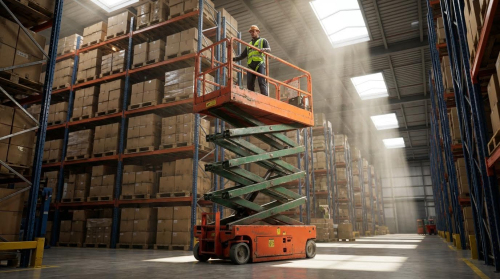
Stability and loading are central to what is the OSHA standard for aerial work platforms, because most serious incidents involve overturning or ejection from the platform. During specification, require clear rated load charts that separate personnel, tools, and materials and ensure the combined weight never exceeds the manufacturer’s limits the combined weight of workers, tools, and materials must not exceed the load-capacity limits. For booms and truck-mounted lifts, include controls logic or procedures that prevent traveling with the boom elevated unless the unit is specifically engineered and rated for that mode an aerial lift truck may not be moved when the boom is elevated in a working position with personnel in the basket, except for equipment specifically designed for this operation.
Wind and ground conditions must be engineered into the selection process, not left to operator judgment alone. Specify that lifts include manufacturer wind ratings and that site procedures prohibit operation above those limits operation in high winds exceeding manufacturer recommendations is prohibited. For building maintenance platforms and similar systems, design requirements may call for resistance to wind forces of at least 50 mph in service and 100 mph out of service, which should feed directly into your structural checks and anchorage design equipment must be designed to withstand forces generated by winds of at least 100 miles per hour when not in service and at least 50 miles per hour when in service. In open or high‑wind sites, favor platforms with higher stability margins, robust outrigger systems, and clear visual indicators of outrigger deployment.
Ground interface and setup features are also critical. Require brakes that can be positively set, with outriggers designed to bear on pads or solid surfaces and wheel chocks specified for operation on slopes the brakes must be set, and outriggers used if so equipped, positioned on pads or a solid surface; wheel chocks must be installed before using an aerial lift on an incline. For boom-supported AWPs, consider specifying tilt alarms that trigger if the chassis exceeds a defined angle, improving the margin against tip‑over on uneven ground boom-supported AWPs must have an operational alarm that activates automatically when the machine base exceeds a 5° tilt in any direction. These engineered controls, combined with pre‑operation surveys of the work area for unstable surfaces, slopes, holes, and overhead hazards employers must inspect work areas for hazards such as drop-offs, holes, unstable surfaces, slopes, debris, overhead obstructions, and high winds, create a stable operating envelope that aligns with OSHA and ANSI expectations.
| Selection Factor | Engineering Consideration | Typical Control or Spec |
|---|---|---|
| Load capacity | Prevent structural overload and tipping | Rated platform load, load chart, interlocks or procedures to prevent overload |
| Wind exposure | Limit overturning moments | Published wind rating, operational cut‑off speed, structural design for in‑service and out‑of‑service winds |
| Ground conditions | Maintain stability and level | Outriggers with pads, wheel chocks, tilt alarm, firm and level surface requirement |
| Proximity to power | Prevent electrical contact and arcing | Insulated boom where appropriate, minimum approach distance rules, spotter requirement |
Putting It All Together: Compliance, Risk, And TCO
OSHA- and ANSI-compliant aerial work platforms do more than satisfy checklists. They turn structural margins, hydraulic safety factors, and stability rules into a controlled working envelope where predictable physics replaces guesswork. Conservative design of booms, welds, ropes, and hydraulics buys time when loads shift, wind gusts hit, or operators make small mistakes. Robust guarding, controls, and fall protection then catch the remaining errors before they become fatal falls or tip-overs.
Inspections link engineering intent to real-world use. Daily function tests and shift checks verify that critical components still behave as designed. Periodic, documented inspections expose fatigue, corrosion, and hose damage that slowly erode safety margins. When teams lock out defective units until repair, they protect both workers and capital assets.
Platform selection and operating rules close the loop. Matching lift type, load rating, and wind limits to each task keeps the system inside its design envelope. Clear procedures for brakes, outriggers, power-line clearance, and harness use turn OSHA language into simple field actions.
For operations and engineering teams, the best practice is direct: buy to ANSI, operate to OSHA, and enforce inspections and training as non‑negotiable. That approach delivers lower incident rates, fewer outages, and a safer, more productive Atomoving aerial work platform fleet over its full life cycle.
Frequently Asked Questions
What is the OSHA standard for aerial work platforms?
Aerial work platforms, including boom lifts and scissor lifts, are governed by OSHA standards to ensure safety. The key regulation is OSHA 29 CFR 1926.453, which outlines requirements for lift design, operation, and maintenance. These include proper load limits, fall protection, and equipment inspections before use.
- Ensure the platform has a load capacity label visible to operators.
- Operators must complete OSHA-approved training programs. OSHA Safety Guidelines.
- Guardrails or personal fall arrest systems are mandatory when working at height.