
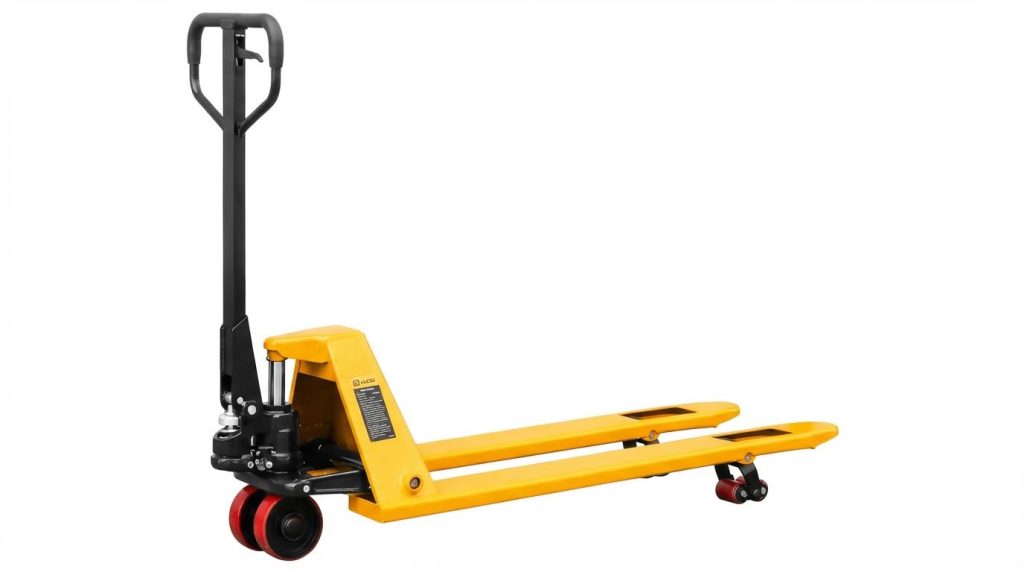
Pallet jacks are critical tools in material handling, designed to lift and transport palletized loads efficiently. Understanding their lifting height and load capacity is essential for selecting the right equipment for specific industrial applications. This article explores the engineering principles, design considerations, and operational factors that influence pallet jack performance, focusing on load capacities, hydraulic mechanisms, maintenance, and safety protocols.
We will examine standard capacity ranges, fork height specifications, and specialized pallet jack types. Additionally, the article covers hydraulic and mechanical design elements, as well as maintenance practices that optimize performance and ensure safety compliance. By the end, readers will gain a comprehensive understanding of how to evaluate and select pallet jacks based on technical and practical criteria.
Understanding Pallet Jack Load Capacities and Lift Heights
Standard Hand Pallet Jack Capacity Ranges and Limits
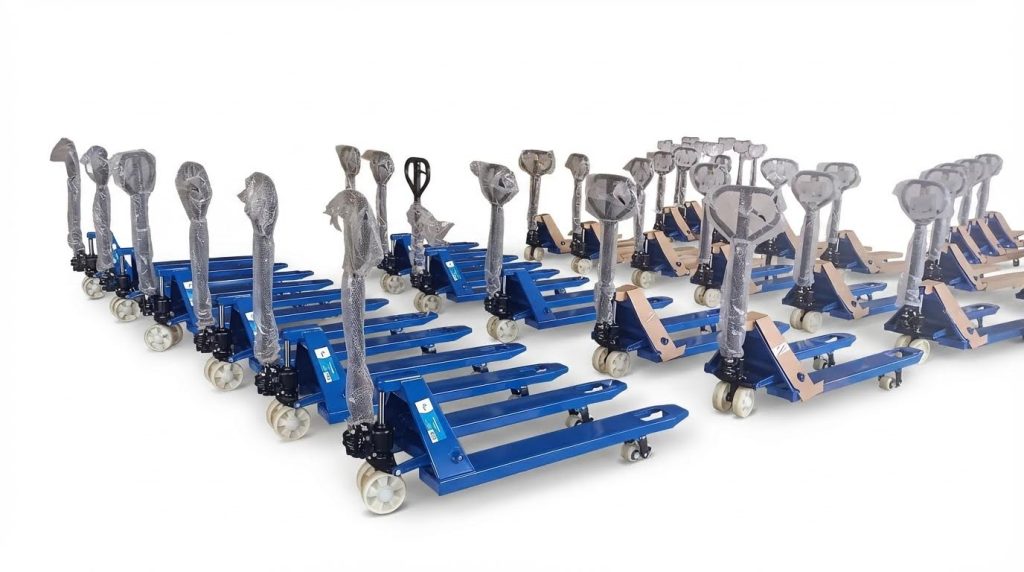
Standard hand pallet jacks typically have load capacities ranging from 2,000 to 5,500 kilograms. The most common models support around 2,500 kilograms, suitable for general warehouse operations. Exceeding these limits risks hydraulic failure and structural damage, so adherence to manufacturer specifications is critical. Load capacity also depends on the quality of hydraulic components and the design of the lifting mechanism.
Fork Height Specifications for Different Pallet Jack Types
Fork height varies by pallet jack type, influencing load clearance and stacking capabilities. Standard hand pallet jacks usually offer a minimum fork height of 85 millimeters and a maximum lift height of approximately 200 millimeters. Electric and center rider pallet jacks can achieve higher lift heights, often exceeding 250 millimeters, to accommodate diverse pallet sizes and stacking requirements. Precise fork height specifications ensure compatibility with various pallet designs and improve operational efficiency.
Center Rider and Specialized Pallet Jack Capabilities
Center rider pallet jacks provide enhanced stability and higher load capacities, often up to 6,000 kilograms. Their design includes a central operator platform, improving maneuverability in tight spaces. Specialized pallet jacks, such as low-profile or high-lift models, cater to unique industrial needs by offering customized fork dimensions and increased lift heights. These variants support heavier or irregular loads, expanding the application range beyond standard pallet handling.
Material and Structural Factors Affecting Load Capacity
Load capacity is significantly influenced by the materials used in fork and frame construction. High-strength steel alloys improve durability and resistance to deformation under heavy loads. Structural reinforcements, such as cross braces and thicker fork plates, prevent twisting and bending during operation. Additionally, the quality of welds and the precision of manufacturing processes contribute to overall load-bearing performance and safety compliance.
Hydraulic and Mechanical Design Principles in Pallet Jacks
Manual Hydraulic Systems: Operation and Maintenance
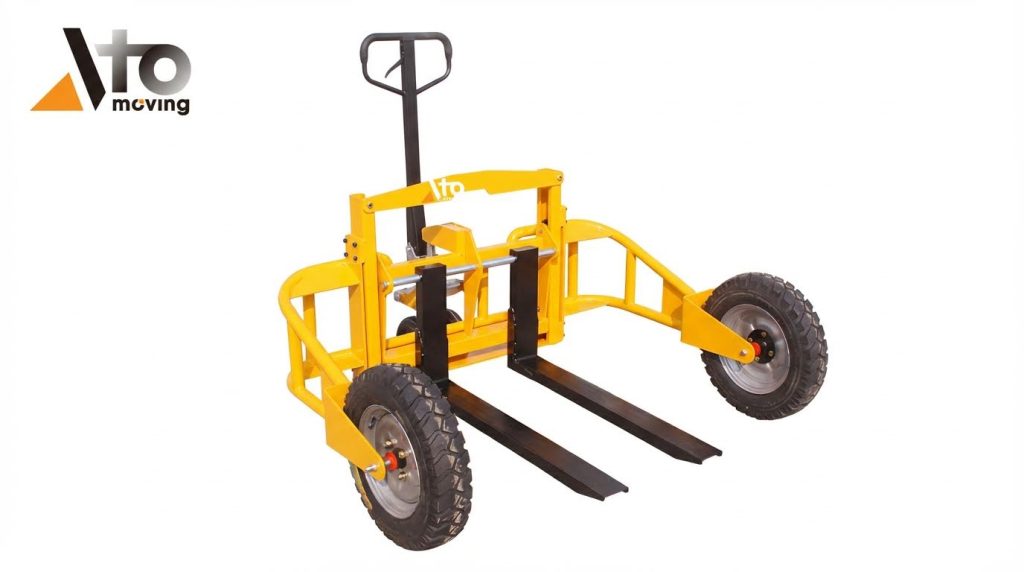
Manual hydraulic systems in pallet jacks use a hand-operated pump to generate pressure that raises the forks. The pump mechanism typically consists of a piston and cylinder arrangement that converts manual force into hydraulic pressure. Regular maintenance includes checking hydraulic fluid levels and inspecting seals for leaks to ensure consistent lifting performance. Failure to maintain the system can lead to reduced lifting capacity and increased operator effort.
Impact of Fork and Wheel Design on Stability and Load Support
Fork and wheel design directly influence the stability and load-bearing capability of pallet jacks. Forks are usually constructed from high-strength steel with reinforced cross-sections to resist bending under heavy loads. Wheel materials, such as polyurethane or nylon, affect load distribution and maneuverability; larger wheels improve movement over uneven surfaces. Proper alignment and wheel bearing condition are critical to maintaining stability during lifting and transport.
Advanced Pump Controls for Lift Speed and Safety
Advanced pump controls regulate the speed and smoothness of fork lifting to enhance operational safety. These controls often incorporate pressure relief valves and flow restrictors to prevent sudden drops or jerky movements. Some designs include multi-stage pumps that allow variable lift heights with controlled force application. Integrating ergonomic handle designs with pump controls reduces operator fatigue and improves precision in load handling.
Structural Reinforcements to Prevent Fork Twisting and Deformation
Structural reinforcements in pallet jack forks are essential to prevent twisting and deformation under heavy or uneven loads. Manufacturers employ techniques such as gusset plates, thicker steel sections, and welded reinforcements along the fork length. These measures increase torsional rigidity and extend the service life of the equipment. Ensuring proper fork geometry also contributes to uniform load distribution and reduces stress concentrations.
Maintenance, Safety, and Performance Optimization
Routine Inspection and Preventive Maintenance Practices
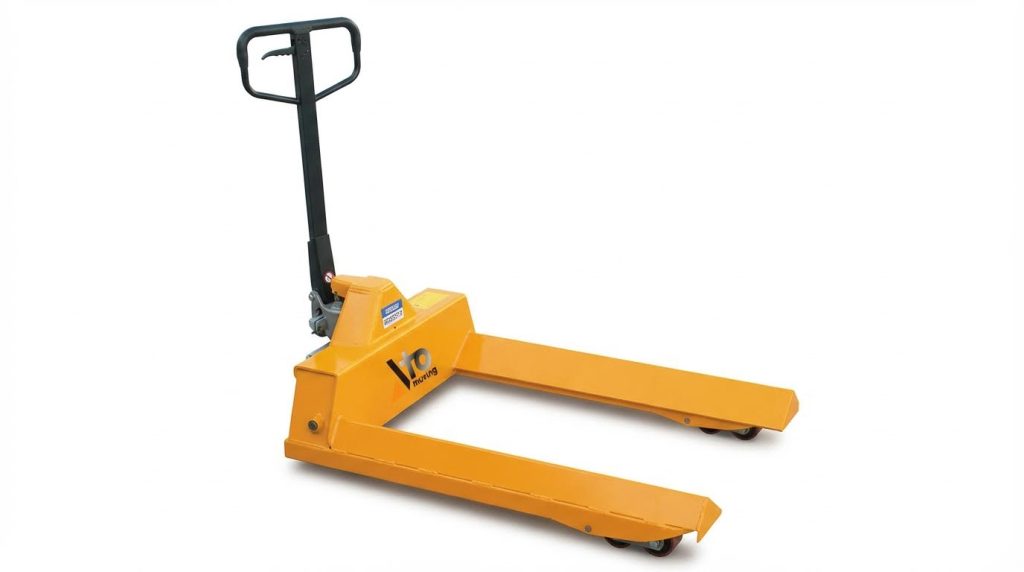
Regular inspections are essential to ensure pallet jack reliability and safety. Key components such as hydraulic fluid levels, forks, wheels, and bearings must be checked frequently. Preventive maintenance includes lubricating moving parts, tightening loose bolts, and replacing worn components before failure occurs. This approach minimizes unexpected downtime and extends equipment lifespan.
Identifying and Addressing Hydraulic System Failures
Hydraulic system issues often manifest as slow or uneven lifting and lowering. Common causes include fluid leaks, air in the system, or worn seals. Timely detection through pressure tests and visual inspections helps prevent complete hydraulic failure. Repair typically involves replacing seals, bleeding the system, or replenishing hydraulic fluid to maintain optimal performance.
Wheel and Bearing Condition Impact on Lifting Performance
Wheel and bearing integrity directly affects load stability and maneuverability. Damaged or worn wheels increase rolling resistance and reduce lifting efficiency. Bearings must be inspected for wear and lubricated regularly to ensure smooth rotation. Properly maintained wheels and bearings reduce operator fatigue and improve load control during transport.
Operator Training and Safety Compliance for Load Handling
Effective operator training reduces accident risks and improves equipment handling. Training should cover load capacity limits, safe lifting techniques, and emergency procedures. Compliance with safety standards, such as OSHA regulations, ensures a safer working environment. Well-trained operators contribute to prolonged pallet jack service life and enhanced workplace productivity.
Summary of Pallet Jack Lifting Performance and Industry Trends
Pallet jacks typically offer lifting capacities ranging from 2,000 to 5,000 kilograms, depending on design and application. Standard fork heights usually max out near 200 millimeters, while specialized models can achieve higher lifts for unique operational needs. Advances in hydraulic systems and structural reinforcements have significantly improved load stability and safety during lifting operations.
Industry trends indicate a growing emphasis on ergonomic designs and enhanced operator safety features. Integration of advanced pump controls allows for smoother lift speed regulation and reduces mechanical wear. Maintenance practices focusing on hydraulic integrity and wheel condition have proven essential in optimizing performance and extending equipment lifespan.
Practical implementation requires balancing load capacity with maneuverability, especially in confined warehouse environments. Emerging technologies, including electric and automated pallet jacks, are poised to further enhance efficiency while maintaining compliance with safety standards. However, traditional manual systems remain prevalent due to their simplicity and reliability.
Overall, the evolution of pallet jack technology reflects a measured progression toward improved durability, operator comfort, and operational safety. Industry professionals should consider these factors when selecting equipment to ensure alignment with specific load handling requirements and workplace conditions.