If you are asking what is the machine that lifts pallets in a warehouse or plant, the answer can be several different machines, each suited to a specific job. This guide walks through how pallet jacks, stackers, and forklifts differ, and how to choose between them based on load, lift height, and safety. You will see how power source, maneuverability, and duty cycle affect total cost of ownership, and how to match each machine to your layout and throughput targets. Use it as a practical engineering checklist to pick the safest, most efficient pallet‑lifting solution for your facility.
Core Types Of Pallet-Lifting Equipment
Pallet jacks and pallet trucks explained
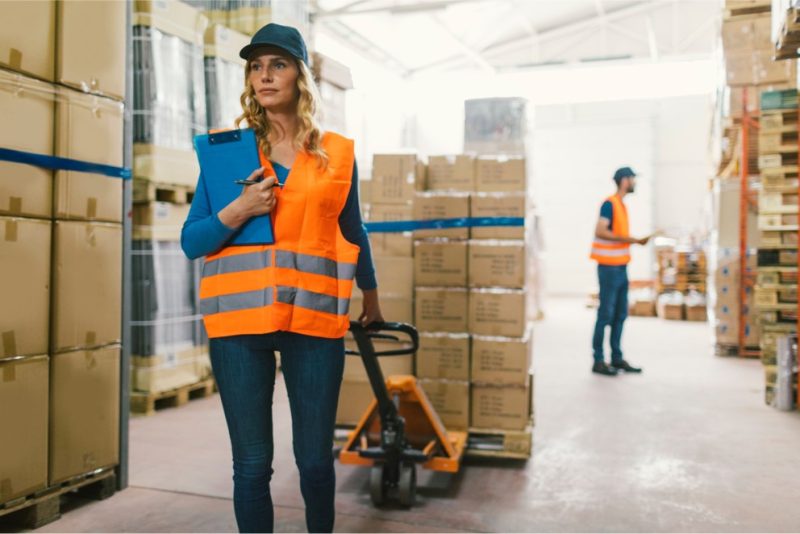
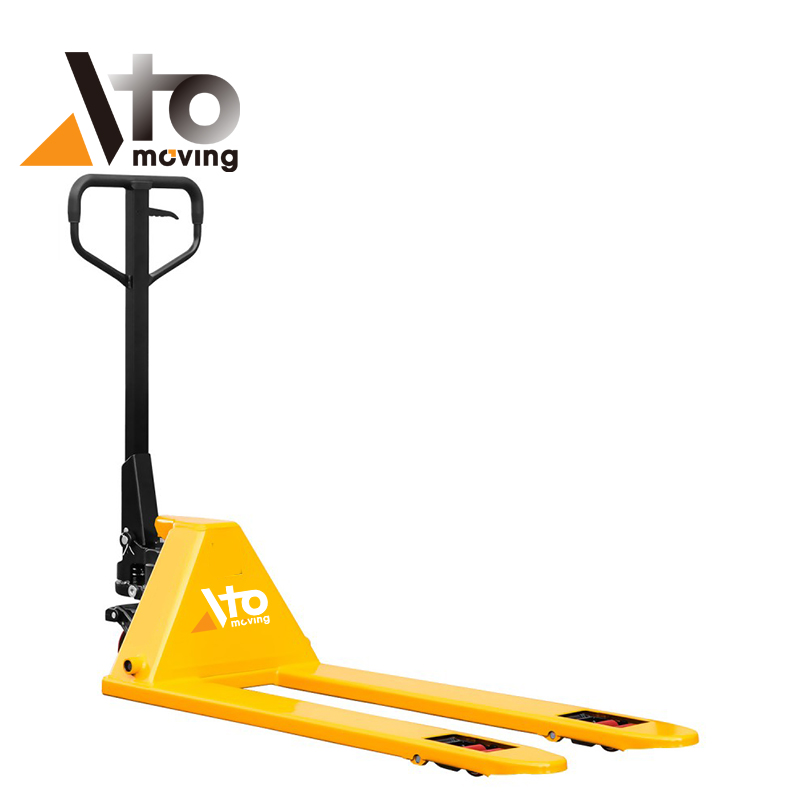
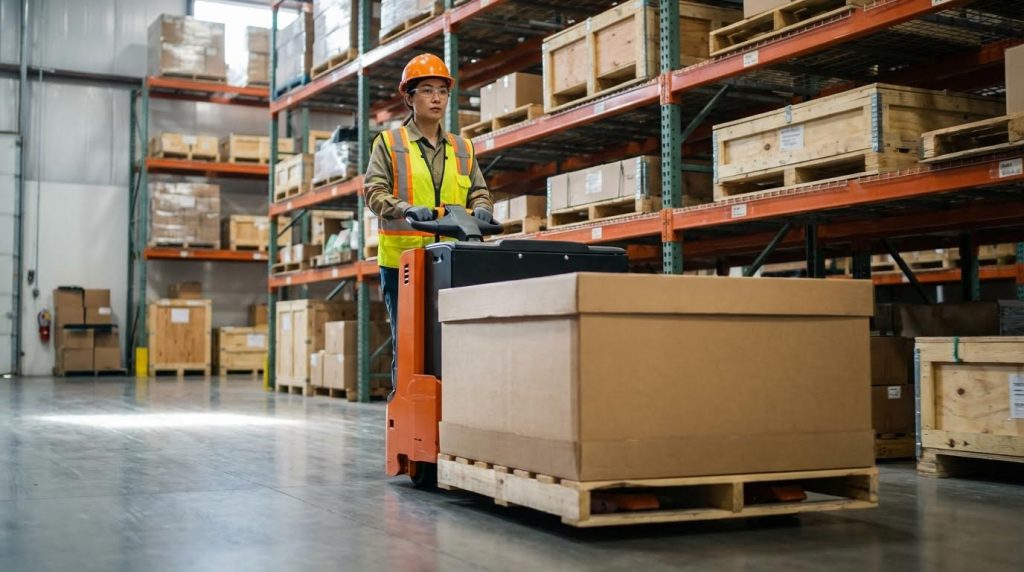
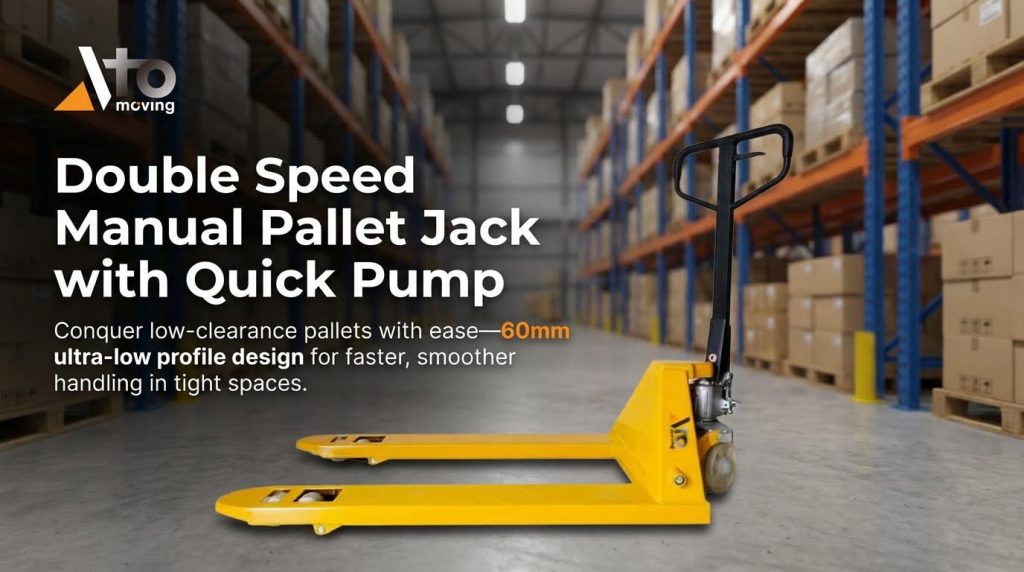
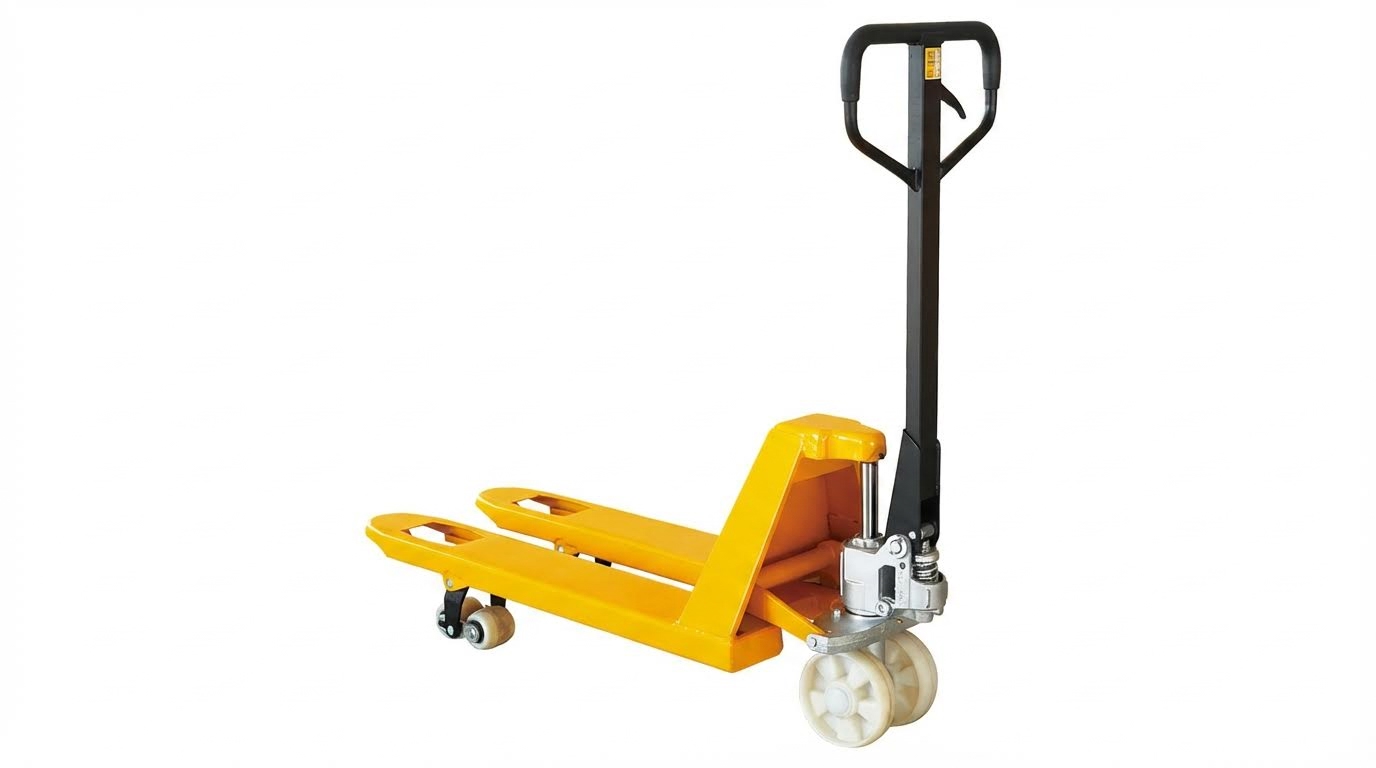
When people ask “what is the machine that lifts pallets” at ground level, they usually mean a manual pallet jack or pallet truck. These machines use short vertical lift (typically up to about 120–210 mm) to raise a loaded pallet just clear of the floor for horizontal transport standard pallet trucks typically have a lift height of 120-200mm maximum lifting height is limited to 210 mm. Manual versions use a hydraulic pump operated by a tiller handle, while electric pallet trucks add powered lift and drive to reduce operator effort. Typical load capacities range from about 2,000 lb to well over 10,000 lb, so capacity selection must follow your heaviest pallet plus a safety margin of roughly 15–20% to prevent overloading and structural failure recommended to choose a truck with a load capacity exceeding the maximum anticipated load by 15-20% pallet jacks range in weight capacities from 2,000 to 12,000 pounds.
- Function and use cases: Pallet jacks answer “what is the machine that lifts pallets” in loading docks, trailers, and short shuttle runs. They are ideal where you only need to move pallets at floor level, not store them in high racking. Manual units work best in tight aisles and short runs, while electric pallet trucks are better for long distances, frequent moves, and ramps to limit fatigue and strain manual pallet trucks are preferred for tight spaces; powered models suit wide-open aisles and long-distance travel.
- Key engineering choices: Fork length and width must match pallet geometry to keep the load stable and avoid damage or heel overhang during turning maneuvers fork length and width should match the pallet dimensions. Wheel material and size must match floor conditions: hard nylon for smooth floors and heavy loads, polyurethane as a good all‑rounder, and softer rubber where floors are uneven or you need to protect delicate surfaces polyurethane, nylon, and rubber wheel guidance larger wheels provide better traction and durability on concrete floors or rough terrain.
- Manual vs electric performance: Manual pallet jacks are low‑cost and simple but rely on operator muscle, which raises fatigue and injury risk over long shifts. Electric pallet trucks increase throughput by allowing operators to move more pallets per hour with less exertion, often boosting handling efficiency by 30–45% and cutting fatigue‑related injuries and downtime productivity gains and fatigue/injury data for electric vs manual electric pallet trucks reduce labor needs and add regenerative braking and ergonomic controls.
When a pallet jack is the right choice
Pallet jacks are usually the right answer to “what is the machine that lifts pallets” when you have ground‑level storage, short travel distances, relatively flat floors, and operators who already manage mixed tasks. In these scenarios, the lower purchase cost and simple maintenance often outweigh the slower speed versus larger powered equipment.
Stackers vs forklifts: functional differences
When you need to lift pallets above floor level into racking, the question “what is the machine that lifts pallets” usually narrows to pallet stackers or forklifts. Both can raise loads vertically, but they differ significantly in capacity, lift height, maneuverability, cost, and training requirements. Stackers bridge the gap between pallet trucks and forklifts, while forklifts are full‑scale industrial trucks for heavier, higher, and more intensive work. Choosing between them depends on your load envelope, aisle geometry, and duty cycle.
| Parameter | Typical pallet stacker | Typical forklift |
|---|---|---|
| Lifting capacity | ≈ 1,000–2,500 kg pallet stackers typically handle loads between 1,000 and 2,500 kg | ≈ 1,000–20,000+ kg forklifts can manage loads ranging from 1,000 to over 20,000 kg |
| Lift height | Up to ≈ 3–4 m pallet stackers generally lift goods up to 3-4 meters | Often 6–10 m+, some higher forklifts can reach heights exceeding 10 meters |
| Maneuverability | Very good in tight aisles pallet stackers offer excellent maneuverability in tight spaces | Needs more aisle width and turning space forklifts require more space for operation |
Manual pallet stackers are often the most economical answer to “what is the machine that lifts pallets” to 3–4 m in light to medium‑duty warehouses. Manual and semi‑electric versions use a portal frame and hydraulic system to lift loads, with double‑mast designs above about 1.6–2 m to maintain stability and stiffness under load manual pallet stackers feature a portal frame; double-door frame above 1.6–2 m. Electric stackers improve lift speed, reduce operator effort, and can handle roughly three times as many pallets per day as manual units in typical racking operations, which shortens payback despite higher purchase price electric stackers handle 180 pallets daily versus 60 for manual stackers.
Forklifts become the right “machine that lifts pallets” when you need higher racking, heavier loads, or faster cycle times across longer distances. They use a counterweight and robust mast design to maintain stability with elevated loads, outperforming stackers at height from a stability and safety standpoint forklifts generally perform better when handling loads at elevated heights due to robust structural designs and counterweight systems. Power options include electric for indoor/clean environments and combustion engines for outdoor yards, with more complex ergonomics, safety systems, and operator stations that require certified training but support intensive, multi‑shift use forklifts may be powered by electric, diesel, LPG, or gasoline and require certified operator training forklifts often include ergonomic workstation designs and anti-tip safety mechanisms.
When to choose a stacker vs a forklift
Choose a stacker when your pallets are within roughly 1–2.5 t, racking is below about 4 m, aisles are tight, and you want a lower‑cost, low‑energy solution. Move to forklifts when you need to lift heavier pallets, reach higher racks, work outdoors, or run high‑throughput, multi‑shift operations where speed and stability at height are critical.
Key Engineering Criteria For Comparing Machines
Load, lift height, and stability envelopes
When you ask what is the machine that lifts pallets for a given task, start with the basic envelope: load, lift height, and stability. Always rate equipment above your heaviest pallet; many practitioners specify roughly 15–20% headroom to avoid overloading and premature failure for example, a 3,000 lb pallet would call for at least 3,450 lb capacity. Lift-height needs drive the choice between low-lift pallet trucks (around 120–210 mm) and stackers or forklifts that reach several meters; manual pallet jack are limited to roughly 210 mm, while portal-frame stackers commonly reach up to 4 m and forklifts can exceed 10 m for high-bay storage for manual equipment for stackers and forklifts. Fork length and width must match pallet geometry to keep the load’s center of gravity inside the stability triangle; mismatched forks reduce stability and can damage product or racking during handling by limiting maneuverability and proper engagement. At height, forklifts usually outperform stackers on stability thanks to counterweights and more robust masts, while stackers and pallet trucks are optimized for low-level horizontal moves where a compact wheelbase and portal frame keep the load stable near the floor through structural design and anti-tip features.
Quick comparison: lift envelopes
| Machine type | Typical lift height range | Typical role |
|---|---|---|
| Pallet jack / pallet truck | ≈120–210 mm | Ground-level transport |
| Pallet stacker | ≈1–4 m | Low–medium stacking |
| Forklift | ≈3–10+ m | High stacking / racking |
Power source, batteries, and duty cycle
The right power source depends on duty cycle, run time, and environment. Manual pallet trucks and stackers have zero energy cost but rely on operator effort, which limits throughput and increases fatigue over long shifts; electric units add upfront and energy cost but support higher cycle counts and longer runs with less strain as shown by cost and performance comparisons. Electric pallet trucks and stackers can move loads 30–45% faster than manual versions, often handling 18–27 pallets per hour versus roughly 12–15, which is critical in multi-shift operations where small gains per cycle compound into major productivity improvements according to throughput studies. For heavier stacking or long horizontal runs, fully electric stackers and forklifts with traction and lift motors maintain consistent speeds across shifts; with a spare battery, some stackers can work continuously for 24 hours, while manual stacker efficiency can drop significantly after several hours of use due to operator fatigue. Forklifts may be electric or internal-combustion (diesel, LPG, gasoline), so indoor air quality, ventilation, and noise limits often push facilities toward electric power for inside use, with IC units reserved for outdoor yards or very heavy, continuous-duty applications where fuel density and refuel speed are critical.
Duty cycle and power selection checklist
- Light, intermittent use and short distances → manual pallet jacks / stackers.
- Regular multi-shift pallet moves → electric pallet trucks and powered stackers.
- High lifts, heavy loads, or outdoor work → electric or IC forklifts.
Maneuverability, ergonomics, and safety systems
In tight aisles and congested zones, maneuverability and ergonomics often decide what is the machine that lifts pallets most safely and efficiently. Compact pallet jacks and walk-behind stackers need as little as about 1.8–2.2 m of aisle width, making them suitable for dense storage where a ride-on forklift would struggle to turn based on aisle compatibility data. Wheel and tire materials should match the floor: hard wheels such as nylon roll easily on smooth concrete but can mark or damage delicate surfaces, while softer rubber or polyurethane better absorb shocks on uneven or outdoor areas and reduce noise and vibration for the operator where wheel choice is tied to floor type and load. Ergonomic tillers, low steering effort, and intuitive controls reduce fatigue and musculoskeletal risk; studies on pallet equipment showed higher fatigue and injury rates with purely manual hydraulic jacks, while powered units with better ergonomics significantly cut strain and related downtime resulting in fewer compensation claims and lost hours. Modern stackers and forklifts also integrate safety systems such as braking and parking locks, anti-tip or anti-fall mechanisms, warning lights, and audible alarms, which together help control risk when moving pallets at height or in mixed-traffic areas with pedestrians and other vehicles by adding layers of active and passive protection.
Key maneuverability and safety factors
- Aisle width and turning radius limits.
- Floor type and wheel material compatibility.
- Ergonomic design of controls and steering effort.
- Presence of brakes, anti-tip systems, and visual / audible warnings.
- Operator training and visibility around the load.
Matching Equipment To Application And ROI
Aligning machine type with load, layout, and environment
When you ask what is the machine that lifts pallets, the right answer depends on your load, layout, and environment. Start with load characteristics. Define maximum pallet weight, required lift height, and pallet size. For pallet trucks, it is good practice to select a capacity that exceeds your maximum anticipated load by about 15–20% to avoid overstress and failures (for example, a 3,000 lb load would call for at least 3,450 lb capacity). Match fork length and width to your pallet dimensions to maintain stability and prevent product damage during handling by avoiding mismatched forks.
Next, align the machine to your building layout. In very tight aisles and short runs, manual pallet jacks and compact stackers work well because they offer high maneuverability in confined spaces thanks to their smaller footprint. Where aisles are wider and travel distances are longer, powered pallet trucks or forklifts reduce travel time and operator fatigue. For vertical storage, note that pallet stackers typically lift to about 3–4 m, while forklifts can exceed 10 m, so high-bay racking usually requires a forklift rather than a stacker due to their greater lift height range.
Finally, consider the operating environment. Floor type drives wheel and truck selection: hard wheels such as nylon roll easily on smooth concrete but can damage delicate surfaces, while softer polyurethane or rubber wheels are better for uneven or outdoor areas and protect the floor finish by distributing contact pressure. Cold rooms, wet areas, and corrosive washdown zones may need stainless or specially protected equipment for reliability and hygiene because standard finishes deteriorate faster in harsh environments. On ramps or steep grades, electric pallet trucks and powered stackers are safer choices than manual units, since they reduce strain and provide controlled traction and braking especially when moving heavier loads uphill or downhill.
Quick matching guide: load, layout, environment
- Light to medium loads, low lift, tight aisles, short runs: manual pallet jack or light stacker.
- Medium loads, frequent moves, standard aisles, moderate lift: electric pallet truck or powered stacker.
- Heavy loads, high racking, long runs: forklift with suitable capacity and mast height.
- Cold, wet, or corrosive areas: corrosion-resistant or stainless designs with appropriate wheels.
TCO, maintenance, and productivity trade-offs
Once you know what is the machine that lifts pallets in your process, you need to test the business case. Look beyond purchase price and evaluate total cost of ownership (TCO), including energy, maintenance, downtime, labor, and safety. Manual pallet trucks and stackers have low upfront cost and no energy use, but they rely on operator effort and typically move fewer pallets per hour. Electric pallet trucks can handle about 27 pallets per hour compared with around 15 for manual models, giving a significant throughput advantage in busy operations and reducing the number of operators needed per shift.
Maintenance and energy costs are usually predictable and can be budgeted. Manual pallet jacks may incur annual maintenance in the range of typical service visits and parts, while electric pallet jacks tend to have somewhat higher yearly maintenance plus periodic battery replacement with maintenance forming a substantial share of long-term TCO. Electric stackers consume modest electrical energy per year, so their power cost is usually small compared with labor savings even though they require charging infrastructure and basic battery care. Regular inspections, lubrication of moving parts, and correct battery management extend service life and keep lifecycle cost under control by preventing premature wear and failures.
Productivity and safety often dominate the ROI discussion. Electric stackers and pallet trucks reduce operator fatigue, cut musculoskeletal injury risk, and keep performance stable across shifts, while manual equipment is associated with higher fatigue, more injuries, and additional downtime hours per unit per year which translates directly into lost output and compensation costs. In multi-shift, high-volume facilities, the labor and productivity gains from powered equipment can repay the higher purchase price in a short period, sometimes within months, especially when you factor in reduced injuries and less unplanned downtime thanks to higher cycle speeds and better uptime. For low-volume, occasional pallet handling, the simpler manual options may still offer the best TCO because their utilization is too low to justify the extra capital cost.
| Machine type | Capex | Opex & maintenance | Typical productivity | Best fit |
|---|---|---|---|---|
| Manual pallet jack | Low | Low–medium | Lower pallets/hour | Light duty, short shifts, tight spaces |
| Electric pallet truck | Medium | Medium (energy + battery) | Higher pallets/hour | High traffic, long runs, multi-shift |
| Manual / semi-electric stacker | Low–medium | Low–medium | Moderate | Moderate lift heights, medium volume |
| Electric stacker / forklift | High | Medium–high | High | High racking, heavy loads, intensive use |
“”
Final Recommendations For Selecting Pallet-Lifting Machines
Choosing the right machine to lift pallets is an engineering decision, not just a purchasing one. Load, lift height, and stability define your safe working envelope. When you size capacity with at least 15–20% headroom and match fork geometry to pallet size, you keep the center of gravity inside the stability triangle and cut the risk of tip‑overs and product damage.
Power source and duty cycle then decide whether manual, electric pallet trucks, stackers, or forklifts make sense. Manual units suit light, short, occasional work. Electric pallet trucks and stackers support higher cycle counts, longer runs, and multi‑shift work with lower fatigue and fewer injuries. Forklifts add higher lift and capacity but require wider aisles, stronger floors, and trained operators.
Layout, floor type, and environment refine the choice. Tight aisles favor compact pallet jacks and walk‑behind stackers. Long runs, ramps, and high racking push you toward powered solutions. Correct wheel materials and corrosion‑resistant designs protect both floors and equipment.
For best results, treat this as a structured checklist: define loads and heights, map aisles and travel paths, set duty cycle and shift patterns, then compare TCO, safety, and productivity. Use Atomoving’s range to prototype options on paper before you buy, and standardize on the simplest machine that safely meets your worst‑case task.
Frequently Asked Questions
What is a pallet machine called?
A pallet machine is commonly referred to as a forklift or lift truck. These machines are designed to lift, stack, and transport heavy loads on pallets with precision and efficiency. Forklift Types Guide.
What do you call a machine that lifts pallets?
A machine that lifts pallets is typically called a forklift or pallet jack, depending on its size and functionality. Forklifts are used for heavier loads and higher stacking, while pallet jacks are ideal for moving lighter loads at ground level. Warehouse Equipment Overview.
What types of machines lift pallets?
Several types of machines are used to lift pallets, including counterbalanced forklifts, reach trucks, and stackers. Each type serves specific purposes:
- Counterbalanced forklifts: Ideal for heavy loads and outdoor use.
- Reach trucks: Designed for high-level stacking in narrow aisles.
- Stackers: Perfect for light to medium loads in compact spaces.