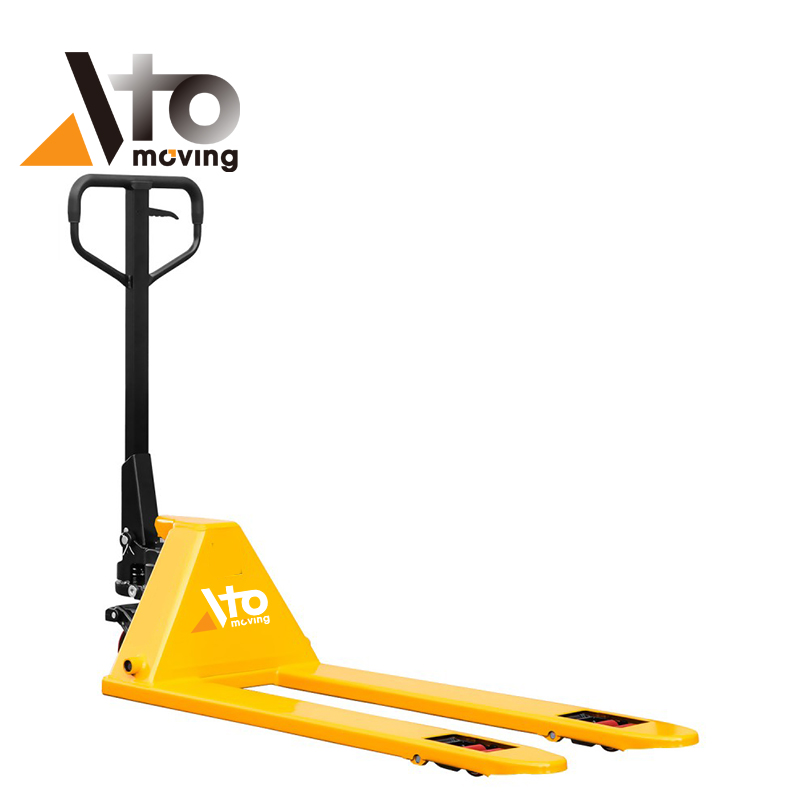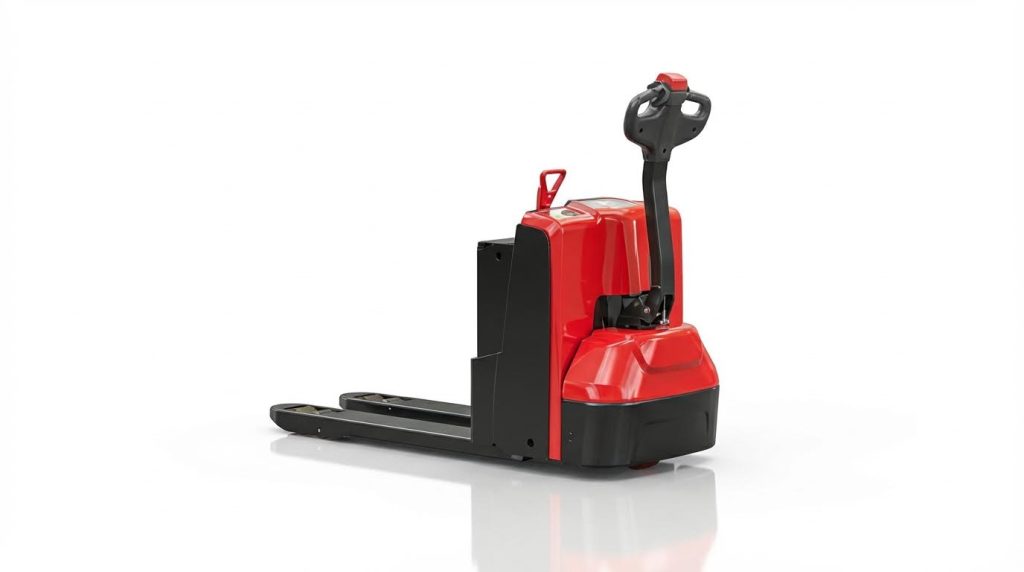
If you are asking “how do you fix a pallet jack that won’t lift,” this guide walks you through safe, practical DIY steps. You will learn how the hydraulic system works, the most common failure modes, and simple checks you can do before calling a technician. We will cover fluid, leaks, air in the system, basic valve and seal fixes, and the routine maintenance that prevents most lift failures. Use this as a structured checklist to improve safety, reduce downtime, and extend the life of your pallet jacks.
Understanding Why A Pallet Jack Won’t Lift
How a pallet jack hydraulic circuit works
A manual pallet jack lifts purely by hydraulic pressure. Each pump of the handle drives a small piston in the pump body, which forces hydraulic oil into the lift cylinder. As oil flows into the cylinder, the piston rod extends and pushes the linkage that raises the forks. When you lower the handle, a valve opens and lets oil flow back to the reservoir, so the forks come down under the load’s weight.
For anyone asking how do you fix a pallet jack that won’t lift, it helps to know the weak points in this circuit. The system depends on three things working together: enough clean hydraulic fluid, a pump that can build pressure, and valves and seals that hold that pressure. If any of these leak, stick, or wear out, the pump strokes will feel “empty” and the forks will not rise, or they will rise and then slowly sink. Air entering the circuit has a similar effect, because air compresses while oil does not, so the handle may feel spongy and the lift height will be reduced. Air removal is usually done by bleeding the system or pumping the handle repeatedly with no load until trapped air escapes back to the reservoir. Diagnosing hydraulic lift issues typically starts with verifying fluid level and quality, then checking lines and fittings for leaks or damage.
Typical failure modes that stop lifting
Most “won’t lift” complaints come back to a small set of common faults in the hydraulic group. Understanding these makes it much easier to decide how do you fix a pallet jack that won’t lift in a safe, DIY way.
- Low or contaminated hydraulic fluid – If the reservoir is low, the pump draws air instead of oil, so pressure never builds. Dirty or discolored oil can also damage seals and valves over time. A basic check is to park the jack level, remove the fill plug, and confirm that the fluid is at the recommended level and looks clean. If fluid is low, you top up with the correct hydraulic oil; if it is dark or milky, a full change is recommended.
- External hydraulic leaks – Oil on the floor under the pump, around fittings, or at the lift cylinder is a strong indicator of failed seals or damaged hoses. Any visible wet area is a loss of pressure when you pump. Typical DIY repairs include cleaning the area, tightening connections, and replacing damaged hoses or seals, then refilling and testing the system.
- Worn internal components and seals – Inside the pump and valve block are small pistons, check valves, and O-rings that keep pressure from leaking back to the tank. Over time they wear, crack, or harden. When that happens, the handle may move freely but the forks either do not rise or quickly drift down. Regular inspection of seals, lift cylinders, and pump pistons helps catch this wear before complete failure.
- Air trapped in the system – Air enters through low fluid, loose fittings, or after a component change. Symptoms include a spongy handle, whining or grinding sounds, reduced lift height, or forks that only lift when pumped very fast. Bleeding usually involves opening a bleed point and cycling the handle until a steady, bubble-free oil stream appears, then rechecking fluid level. A simpler method on many jacks is to remove the load and pump the handle 15–20 times to move air back to the reservoir. This often restores normal lifting.
- Faulty control or bypass valve – If the lowering lever or internal bypass valve sticks slightly open, the pump sends oil straight back to the tank instead of to the cylinder. The usual symptom is that the handle pumps, but the forks either do not move or rise a little and then sink. In many designs, a single small O-ring in the valve cartridge is enough to seal this path. Replacing a worn O-ring in the valve, refilling with hydraulic oil, and testing the lift is a standard DIY repair.
Most DIY fixes focus on these areas: restoring proper fluid level and quality, eliminating leaks, removing air, and renewing worn seals. Once you understand which failure mode you are seeing, the later step‑by‑step sections on how do you fix a pallet jack that won’t lift will be much easier and safer to apply.
Step‑By‑Step DIY Troubleshooting And Repairs
Safety prep, tools, and using the service manual
Before you decide how do you fix a pallet jack that won’t lift, set up a safe work area. Park the jack on flat concrete, chock the wheels, drop the forks fully, and remove any load. Wear safety glasses and gloves, and keep absorbent pads or a drain pan ready in case you open the hydraulic circuit. Never work under raised forks supported only by the jack; use blocks if you must get under the frame.
Gather basic hand tools and supplies so you can work without interruptions. Typical items include:
- Metric and imperial wrenches and ratchet set, flat and Phillips screwdrivers, needle‑nose and adjustable pliers, and a torque wrench recommended for hydraulic repairs.
- Hydraulic jack oil of the correct type and viscosity, plus an oil drain pan and clean rags for topping up or changing fluid.
- Picks or a small screwdriver for O‑rings, and a gasket scraper for old seal material removal during seal replacement.
Download or print the correct service manual before opening anything. Use the exploded diagrams and schematics to identify the pump body, valve cartridge, reservoir plug, and bleed points, and follow the specified procedures and torque values step‑by‑step as manuals are designed for guided troubleshooting. Keep the troubleshooting chart handy; it usually lists “won’t lift” symptoms with likely causes and factory‑approved fixes.
Checking fluid level, leaks, and trapped air
The first step in how do you fix a pallet jack that won’t lift is to confirm the hydraulic system has enough clean fluid and no major leaks. Wipe down the pump area and under the frame, then look for fresh oil on the floor, around fittings, or on the cylinder rod; visible hydraulic fluid around the pump usually indicates a worn seal, cracked hose, or loose connection that needs repair or replacement because leaks are a primary cause of lift loss. If you find a leak, clean the area, tighten fittings, and plan to replace any damaged hoses or seals before further testing as part of standard leak repair steps.
Next, locate the reservoir plug and check the hydraulic fluid level with the forks lowered. The oil should reach the level indicated in the manual and appear clear, without heavy discoloration or visible contaminants; if it is low, top up with the specified hydraulic oil, and if it is dark or milky, plan a full change and flush to remove contamination since poor fluid quality reduces pressure. After correcting level and leaks, address trapped air, which often causes a spongy handle feel, noisy operation, or reduced lift height in hydraulic systems.
To bleed air on many manual pallet jacks, keep the forks unloaded and fully lowered, then slowly pump the handle 15–20 times to circulate oil and purge bubbles back to the reservoir which often restores lifting ability. Some models also have a bleed screw on the cylinder or valve block; if so, follow the manual to crack the screw slightly, cycle the handle until you see a steady, bubble‑free oil stream, then close it and recheck the fluid level before a light load test as part of standard bleeding procedure.
Adjusting and resealing the pump and valve block
If the jack still will not lift after fluid and air checks, focus on the pump and valve block, which control pressure build‑up and release. Wear, internal leakage past O‑rings, or a misadjusted control valve can let oil bypass instead of driving the lift cylinder, so the handle moves but the forks stay down a common failure mode in small pumps. Follow the manual to access the lower control lever and valve cartridge, then mark current linkage positions so you can return to baseline if needed.
On many designs, a small adjustment screw sets the neutral and lift positions of the valve. With the jack unloaded, make very small adjustments (typically a fraction of a turn) while testing handle operation so that “lift” fully closes the return path and “lower” opens it; over‑adjustment can cause constant bypass or prevent safe lowering, so always stay within the manual’s guidelines. If adjustment does not restore lift, plan a reseal: drain the hydraulic fluid into a pan by loosening the reservoir cover, then remove the valve cartridge and pump components as shown in the exploded view which may require lifting the drive wheels and disassembling the lever.
Replace all accessible O‑rings and seals, checking each groove and sealing surface for debris, scoring, or corrosion before installing new parts to avoid repeat leaks because worn O‑rings are a frequent cause of internal bypass. Reassemble the pump and valve block to the specified torque, refill with clean hydraulic oil, and bleed the system again. Finally, test the pallet jack in a clear area: confirm smooth fork motion without abnormal noises, inspect the pump and valve area for any new seepage, and then verify it can lift and hold a moderate load without sinking over time which indicates that pressure is being maintained.
Preventive Maintenance To Avoid Future Lift Failures
Daily and weekly inspection routines
Consistent daily and weekly checks are the cheapest way to avoid the question “how do you fix a pallet jack that won’t lift” in the first place. A quick daily walk‑around should focus on obvious damage, leaks, and changes in how the jack feels under load.
- Daily (5–7 minutes): Do a 30‑second visual scan of wheels, forks, and handle for debris, cracks, or bends, then wipe down forks and frame and clean any spilled oil to spot fresh leaks more easily (daily inspection routine).
- Daily hydraulic check: Pump the handle several strokes with no load; if lift is slow or spongy, note it and check fluid level and for signs of air in the system at the next service window (diagnosing hydraulic lift issues).
- Weekly lubrication (≈4 minutes): Lightly lubricate wheel axles, pivot joints, and the center pivot to cut friction and slow wear, which helps the jack roll and lift smoothly (weekly lubrication routine).
- Weekly tightening and safety check: Verify fork bolts and handle base fasteners are tight, spin wheels to detect grinding, and perform a moderate load test; sinking under load often points to seal wear or internal leakage that will eventually stop lifting altogether (weekly tightening & safety check).
Structured daily and weekly routines keep seals, wheels, and linkages in good condition, so hydraulic components are less likely to leak or lose pressure and cause lift failures later.
Monthly checks, lubrication, and corrosion control
Monthly maintenance goes deeper and directly targets the common reasons a pallet jack will not lift: internal leaks, wear in moving parts, and corrosion. These tasks are still DIY‑friendly but require a bit more time and attention to detail.
- Monthly deep cleaning: Scrub under the forks and around wheel axles, then dry thoroughly to prevent rust that can seize pivots and increase pump effort (monthly deep cleaning).
- Forks, wheels, and structure: Check forks for bends or cracks and wheels for flat spots or damage; replace any compromised components to maintain stability and prevent uneven loading that stresses the hydraulic system (monthly inspection) (wheel and fork examination).
- Hydraulic system and seals: Inspect around the pump, cylinder, and hose connections for any oil film or drips, and schedule seal or hose replacement at the first sign of leakage to avoid sudden loss of lifting pressure later on (hydraulic fluid leaks and worn components).
- Planned lubrication and corrosion control: Re‑lubricate all moving and connecting parts and apply a corrosion inhibitor or protective coating on exposed steel surfaces to slow rust that can damage rods, pins, and linkages over time (cleaning and protection) (rust protection).
By treating these monthly tasks as part of your standard maintenance program, you greatly reduce the chance of sudden hydraulic failure and cut down on emergency situations where you need to figure out how do you fix a pallet jack that won’t lift under time pressure.
“”
When DIY Stops: Knowing When To Call A Professional
DIY checks and repairs can restore lift on many pallet jacks, but they have limits. Once you understand fluid behavior, sealing, and valve control, you can judge risk better. If the jack shows cracked forks, bent structure, or severe rust on the frame or cylinder rod, stop using it. Structural failure under load can cause dropped pallets and crush injuries.
Persistent hydraulic problems after fluid, bleeding, and reseal work also signal the need for a technician. Internal cylinder damage, worn pump bores, or distorted valve blocks require precision tools and test equipment. Guesswork here can leave a “fixed” jack that still drifts or fails under peak load.
Operations teams should set a clear rule: attempt only the documented DIY steps, with the correct oil, seals, and torque values. If the jack still will not lift, or if any safety‑critical part looks suspect, tag it out and call a professional or replace the unit. This approach keeps operators safe, reduces surprise breakdowns, and protects the rest of your Atomoving fleet from overload as work shifts to fewer jacks.
Frequently Asked Questions
Why won’t my pallet jack lift?
If your pallet jack isn’t lifting, it could be due to low hydraulic fluid levels, air trapped in the system, or worn seals and valves. Check the hydraulic fluid and refill if necessary. Bleed the system to remove trapped air. Hydraulic Jack Troubleshooting.
How do you fix a pallet jack that won’t lift on one side?
If only one side of the pallet jack is not lifting, it may indicate uneven wear or damage to the hydraulic components on that side. Inspect both sides for visible damage or leaks. Replace any worn seals or valves. If unsure, consult a professional technician for a detailed inspection.
What are common maintenance tips for pallet jacks?
- Never overload the pallet jack beyond its load capacity.
- Always push the pallet jack; never pull it to avoid strain and potential injury.
- Start the pallet jack slowly to prevent sudden movements that can damage the equipment.
Following these tips ensures safe operation and extends the lifespan of your pallet jack. Pallet Jack Safety Tips.