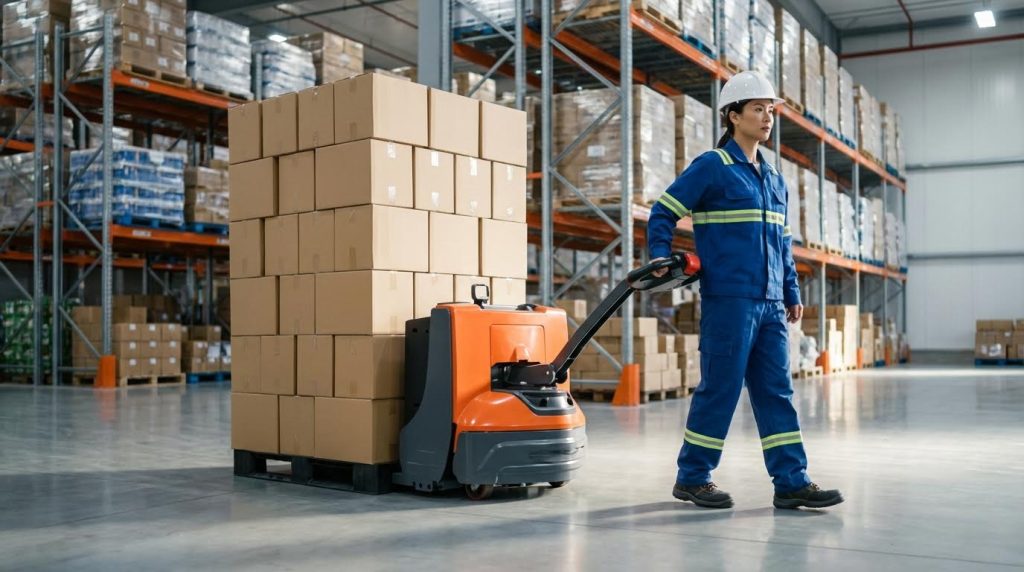
If you manage Class III trucks, knowing exactly how to get electric pallet jack certification is critical for OSHA compliance, safety, and uptime. This guide walks you through OSHA’s requirements, the engineering principles behind safe operation, and how to structure training that actually improves throughput. You will see how to align formal instruction, hands-on evaluation, and documentation so every operator is legal, competent, and productive. Use it as a practical roadmap to design or audit your current pallet truck certification program.
Understanding Electric Pallet Jack Certification
What OSHA Means By “Certification” For Class III
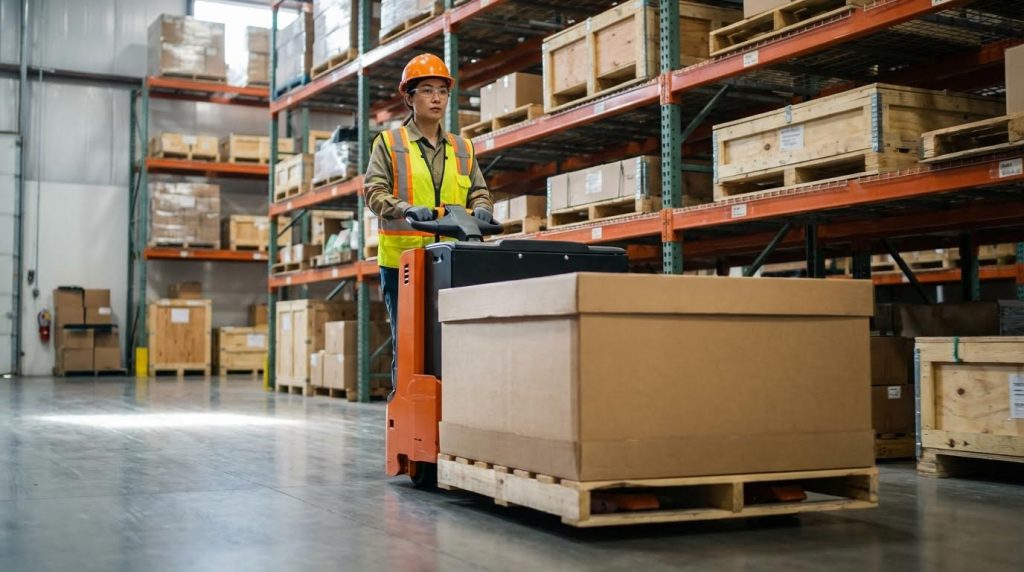
For OSHA, “certification” for an electric pallet jack (a Class III powered industrial truck) is not just a card or an online quiz. It is proof that the employer has trained and evaluated a specific operator in line with 29 CFR 1910.178(l). Electric pallet jacks fall under OSHA’s powered industrial truck rules, so operators must complete both formal instruction and a practical, workplace-specific evaluation before they are considered certified under 1910.178(l). This is the core regulatory framework behind any program that teaches how to get electric pallet jack certification.
OSHA defines three key training elements: formal instruction, practical training, and an evaluation of the operator’s performance in the workplace. Formal instruction can be classroom or online and typically covers regulations, truck types, main components, safe operation, and battery/charging practices as outlined in truck-related topics. Many online courses break this into modules with quizzes and a final exam; for example, one program requires passing six module quizzes at 80% and a 20‑question final exam at 70%, with unlimited retakes allowed in a typical online PIT course structure. This written component alone does not complete certification; it only satisfies the “formal instruction” piece.
Practical training must happen on the actual or similar truck type and in the real work environment. OSHA requires demonstrations by a qualified person and supervised practice where the trainee can operate only if it does not endanger people or property per 1910.178(l)(2). After that, the employer must perform and document a performance evaluation, typically using a checklist while the operator runs loads, navigates aisles, and demonstrates parking and shutdown. From an OSHA standpoint, certification exists only when the employer records that the operator was trained and evaluated, including operator name, training date, evaluation date, and the identity of the evaluator on a written certificate kept on file.
OSHA also expects ongoing control of competency, not a one‑time event. Evaluations must occur at least every three years, and refresher training is required if the operator is involved in an accident or near‑miss, is observed operating unsafely, receives a poor evaluation, is assigned to a different truck type, or if workplace conditions change in ways that affect safety per 1910.178(l)(4). Many training providers design their electric pallet jack programs around this three‑year cycle, with certifications typically recognized for three years before re‑evaluation is needed across U.S. facilities. For safety managers, “OSHA certification” therefore means a structured, documented system that combines theory, truck engineering basics, site hazards, and observed performance—not just an online card.
Who Needs Certification And In Which Environments
Any employee who operates a powered electric pallet jack in the workplace needs training and certification that meet OSHA’s powered industrial truck standard. OSHA classifies electric pallet jacks as Class III trucks, so they fall squarely under 29 CFR 1910.178 training and evaluation rules for Class III equipment. Manual pallet jacks are not powered industrial trucks, so OSHA does not require formal certification to use them, although basic safety training is still recommended. Operators of powered units must also be at least 18 years old, while younger workers may use manual jacks under appropriate supervision manual pallet jack to stay within youth employment rules.
Certification applies wherever powered pallet jacks are used as part of work, not just in large warehouses. Typical environments include:
- Distribution centers and 3PL warehouses moving high pallet volumes and running multi‑shift operations.
- Retail backrooms, grocery, and big‑box stores using walkie pallet jacks for dock and sales‑floor replenishment.
- Manufacturing plants feeding lines with components or finished goods on pallets.
- Cold storage and food logistics where electric units with appropriate designations are used in chilled or frozen areas under location‑specific truck approvals.
In each of these settings, the employer must ensure that training covers both truck‑related topics (controls, capacity, stability, braking, battery charging) and workplace‑related topics such as surfaces, ramps, pedestrian traffic, narrow aisles, and hazardous locations as listed in 1910.178(l)(3). That is why how to get electric pallet jack certification will look slightly different in a tight retail stockroom versus a high‑throughput cross‑dock: the core OSHA requirements are the same, but the hazard set and evaluation checklist change with the environment. Refresher training is triggered whenever there is a significant change in equipment or conditions, such as switching from standard electric units to models approved for flammable or classified locations, or reconfiguring racking and traffic patterns in the facility per OSHA refresher criteria.
Engineering-Focused Training Content And Evaluation
Core truck design, limits, and stability concepts
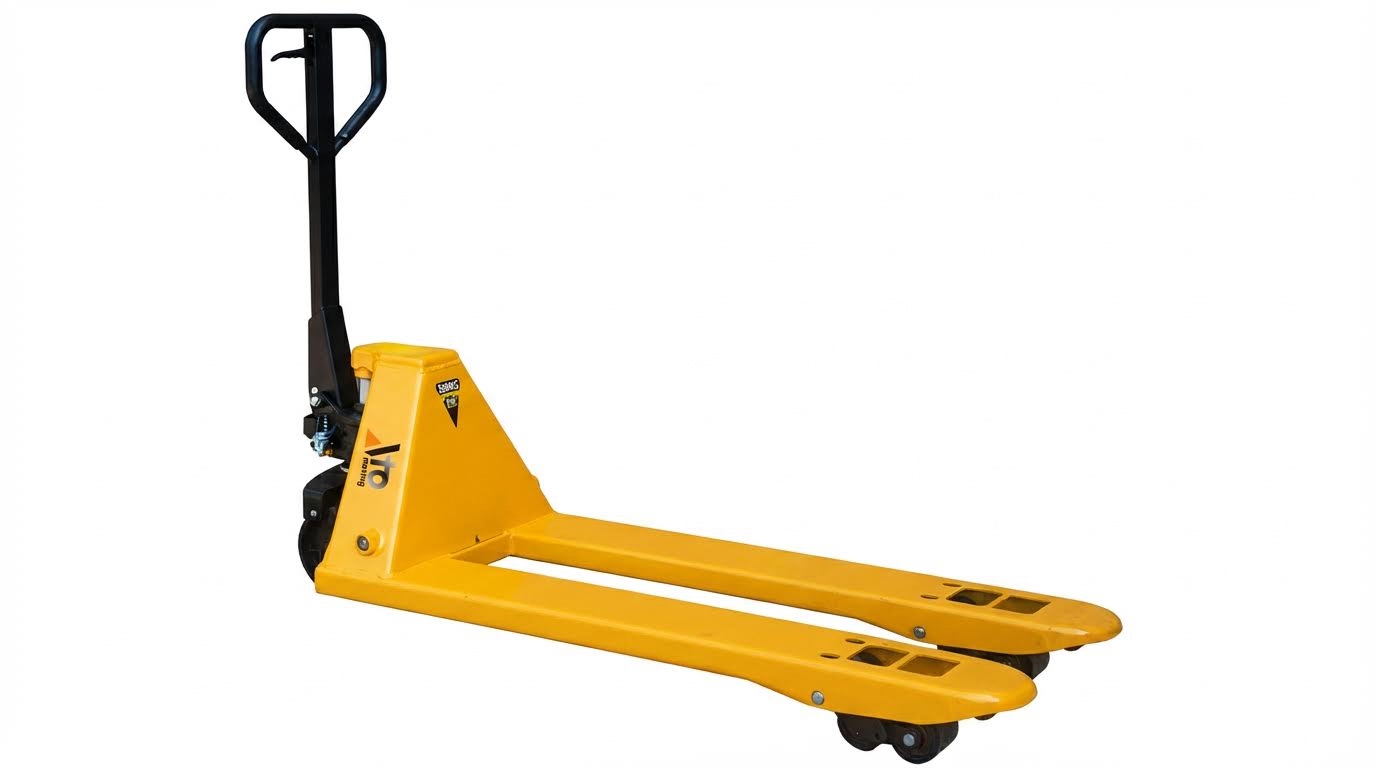
To teach operators how to get electric pallet jack certification in a way that actually reduces incidents, start with the machine’s engineering limits. Cover that Class III electric pallet jacks are powered industrial trucks under OSHA 29 CFR 1910.178 and must stay within their rated capacity and lift range, typically up to about 5,000 lb and under 10 in of lift height for most units. Typical electric pallet jack capacity and lift range Use simple force and stability explanations: center of gravity, load center, and how pushing, pulling, and turning affect the combined truck–load stability triangle.
- Walk through controls, braking, and steering response at different speeds, emphasizing that stability margin shrinks with heavier or off-center loads. OSHA truck-related training topics
- Explain design differences between manual and electric jacks so operators do not transfer unsafe “manual jack habits” to powered units.
- Include capacity plate reading, effect of fork length on load center, and why operators must never exceed rated capacity or use the jack as a personnel lift.
Link these engineering concepts directly to real incident scenarios from your facility so operators see how small overloads, ramps, or tight turns can quickly erase the safety factor.
Workplace-specific hazards, aisles, and traffic patterns
OSHA requires that training for powered industrial trucks include workplace-related topics such as surface conditions, load composition, pedestrian traffic, narrow aisles, ramps, and hazardous locations. Required workplace-related training topics To align engineering with real-world operation, map your facility and build a hazard matrix into the course. Show how turning radius and minimum aisle width for electric pallet jacks (often around 7.5–8 ft aisles with 72–84 in turning radius) drive your racking layout and traffic rules. Typical aisle width and turning radius for electric pallet jacks
- Walk operators through specific zones: dock edges, staging lanes, blind intersections, freezer doors, and high-pedestrian areas.
- Define right-of-way rules, speed expectations, and horn use based on your actual traffic patterns, not generic examples.
- Address surfaces (ramps, dock plates, wet floors), load stability on uneven ground, and any classified or hazardous locations where only certain truck designations are allowed. Industrial truck designations and hazardous areas
This site-specific focus helps operators understand that knowing how to get electric pallet jack certification is not enough; they must also apply those skills to the exact aisles, grades, and congestion patterns in your building.
Hands-on evaluation, documentation, and renewal cycles
OSHA and most reputable courses define certification as a three-part process: formal instruction, practical training, and a performance evaluation. Three-step pallet jack certification process In practice, that means classroom or online theory, followed by supervised, hands-on operation on your actual trucks and routes, and then an employer-led evaluation. Your hands-on test course should mirror real work: typical pallet weights, tight turns, ramps, staging, and parking.
- Evaluate pre-use inspections, safe start-up, controlled travel, load pickup and placement, and proper shutdown/parking, including chocking or designated parking rules. Common theory and practical training elements
- Use a scored checklist tied to OSHA truck- and workplace-related topics, and document pass/fail with corrective coaching where needed. Training and evaluation requirements
- Maintain a simple certification record with operator name, training date, evaluation date, and evaluator identity, and flag operators for re-evaluation at least every three years or sooner after incidents or unsafe operation. Certification record requirements and 3-year cycle
When you explain this closed-loop process clearly, operators understand that how to get electric pallet jack certification is not a one-time event but an ongoing cycle of training, observation, and periodic renewal that protects both people and throughput.
Building A Compliant, High-ROI Certification Program
Structuring in-house vs. online + on-site training
When you plan how to get electric pallet jack certification for your team, the fastest win is to separate “knowledge” from “practice.” Use online or classroom formal instruction to cover OSHA theory and then run in-house, site-specific evaluations. OSHA allowed formal instruction to be delivered through online modules, quizzes, and a final exam, which can fully satisfy the classroom portion of training for Class III trucks (formal instruction, quizzes, and final exam requirements). Your supervisors then provide the hands-on component and performance evaluation on your own equipment and floor layout, as required under OSHA 29 CFR 1910.178(l) (formal instruction, practical training, and evaluation).
- Online + on-site “hybrid” model: Operators complete a 1–2 hour online course with quizzes and a final exam that must be passed before they are allowed to operate equipment (module quizzes and 20‑question final exam). Your in-house trainer then runs practical exercises on your actual pallet jacks and documents a performance evaluation (online theory plus employer-led hands-on evaluation).
- Fully in-house model: Larger sites often build their own slide decks and tests aligned with OSHA’s required truck-related and workplace-related topics (operating instructions, controls, capacity, surface conditions, pedestrian traffic, etc.). This gives maximum control but requires more internal expertise and documentation discipline.
- Third-party on-site class: Some facilities prefer a one-day, 8‑hour on-site program that bundles theory, practical drills, and a written test with a defined passing score (8‑hour course, written test, and 2‑year certificate). This is useful for new sites or when building your first standard.
From an ROI standpoint, the hybrid model usually offers the best balance. You standardize the theory at low cost per operator, then focus your internal time on high-value, risk-reducing tasks: route design, congestion points, and how to manage your specific loads. Whatever structure you choose, make sure your certification record for each operator includes name, training date, evaluation date, and the trainer/evaluator identity, as OSHA required for powered industrial trucks (employer certification content and 3‑year validity).
Cost and time levers in your training structure
Online certification modules for pallet jack operators typically took about 2 hours and cost around $59 per trainee, and access did not expire, allowing self-paced completion (course duration and pricing). A one-day on-site course, by contrast, blocked a full shift but bundled multiple operators into a single session (8‑hour on-site program). When you calculate how to get electric pallet jack certification for 20–50 operators, hybrid models usually minimize both downtime and cash cost per head.
Integrating batteries, maintenance, and uptime into training

To build a high-ROI program, fold batteries, maintenance, and uptime directly into your electric pallet jack training plan rather than treating them as separate topics. OSHA already required that powered industrial truck training address inspection, maintenance, refueling/charging, and operating limitations (truck-related training content). You can turn those requirements into uptime levers by teaching operators how their daily habits affect battery life, breakdown rates, and throughput.
- Battery management in operator training: Include when and how to charge, equalize, and swap batteries, as well as cold-storage practices for lithium-ion packs (heated batteries for -25 °C environments). Reinforce that correct charging schedules and avoiding deep discharges reduce mid-shift failures and extend battery replacement intervals, which otherwise occur around year three at a cost of roughly a few hundred dollars per pack (battery replacement around year three).
- Pre-use inspections and maintenance triggers: Train operators to treat pre-shift checks as uptime protection, not paperwork. Their inspection should cover forks, wheels, controls, brakes, horn, and battery connectors, as required by OSHA’s emphasis on inspection and maintenance procedures (inspection/maintenance in training content). Clear pass/fail criteria and a simple defect reporting workflow prevent minor issues from becoming multi-day outages.
- Linking training to throughput and labor savings: Well-trained electric pallet jack operators can move significantly more pallets per hour than manual handling, cutting cycle times and labor hours (productivity gains and injury reduction). Use your certification sessions to show how correct cornering, staging, and charging patterns help sustain higher pallets-per-hour performance across the shift and reduce fatigue-related errors.
- Uptime and shift coverage: Electric pallet jacks can maintain consistent performance across extended operations when supported by spare batteries and proper charging routines (consistent performance with spare batteries). Build this into your operator rotation and certification refreshers so that everyone understands who swaps packs, who performs mid-shift inspections, and how to avoid unplanned downtime at peak hours.
Turning OSHA refresher rules into uptime safeguards
OSHA required refresher training if an operator had an accident, a near-miss, an unsafe evaluation, or if equipment or workplace conditions changed (refresher training conditions). You can use those same triggers to re-emphasize proper charging, pre-use checks, and route discipline whenever an incident occurs. That way, the process for how to get electric pallet jack certification—and keep it current—also becomes your framework for protecting equipment life and throughput.
“”
Key Takeaways For Facility And Safety Managers
Electric pallet jack certification is not an HR formality. It is an engineered control that protects people, product, and throughput. OSHA’s three-part structure—formal instruction, practical training, and on-site evaluation—works only when you tie it to real truck limits and your exact floor conditions. Capacity plates, load centers, turning radius, and battery limits set the hard boundaries. Aisle width, grades, congestion, and dock geometry then decide how close operators run to those boundaries in daily work.
The most effective programs treat this as a closed loop. You standardize theory with a repeatable curriculum, run hands-on tests on your own routes, and document results with a simple, auditable record. You then use incidents, near-misses, and layout or equipment changes as triggers for targeted refreshers.
For operations and safety teams, the best practice is clear. Build a hybrid program that blends online theory with in-house, engineering-focused evaluations. Embed battery care, inspections, and uptime into every course. Use Atomoving and similar equipment data to anchor training in real numbers, not slogans. Done this way, “how to get electric pallet jack certification” becomes the backbone of a safer, faster, and more reliable material handling system.
Frequently Asked Questions
How to Get Certified to Use an Electric Pallet Jack?
To become certified, you need to complete formal instruction, practical training, and a performance evaluation. You can finish the formal instruction requirement online at your own pace using courses like those offered by safety training providers. Practical training involves hands-on practice with the equipment under supervision. Finally, a performance evaluation ensures you can operate the pallet jack safely and efficiently. Pallet Jack Certification Course.
Do You Need a Driver’s License to Operate an Electric Pallet Jack?
No, you do not need a standard driver’s license to operate an electric pallet jack. However, you must have proper certification that includes formal instruction, practical training, and a performance evaluation. This ensures safe operation within warehouse environments. Always check local regulations for any additional requirements.