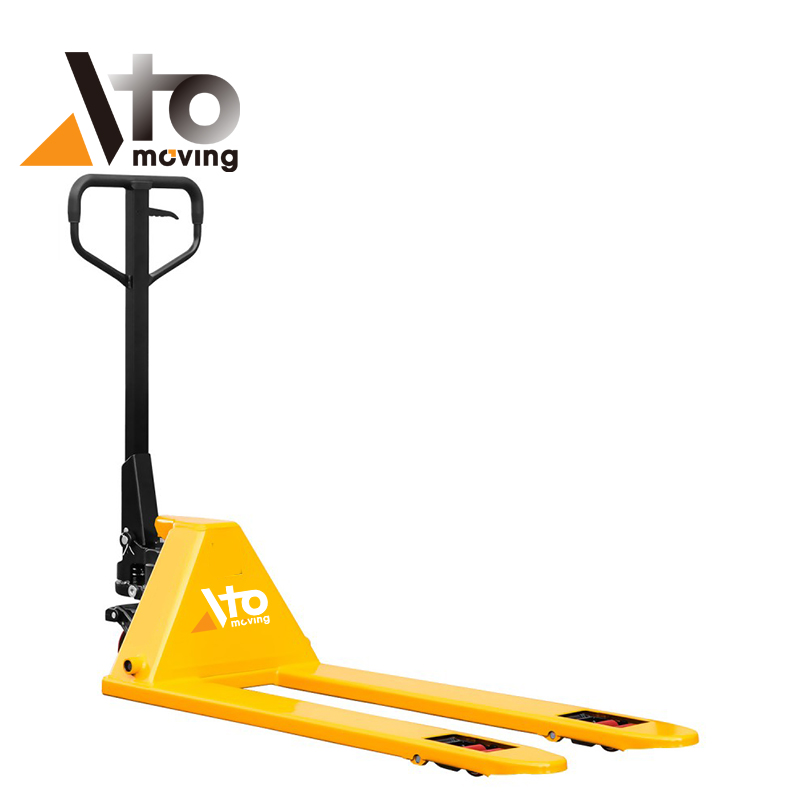
Electric pallet jacks turned battery power into a compact way to move palletized loads with less strain and higher throughput. This article explains how to operate a battery pallet lift safely and efficiently, from the structure and controls to daily workflows.
You will see how core components and control functions affect stability, stopping distance, and maneuvering space in real warehouses. The next sections walk through OSHA Class 3 requirements, step‑by‑step pre‑use checks, and functional tests that keep the truck in service and within regulation.
Later, you will follow detailed operating sequences for load pickup, travel, turning, ramps, and tight spaces that match modern training guides and inspection checklists. The final summary section consolidates these practices into a simple daily routine that supports safe, efficient operation and longer equipment life for every electric pallet jack in the fleet.
Core Components And Control Functions
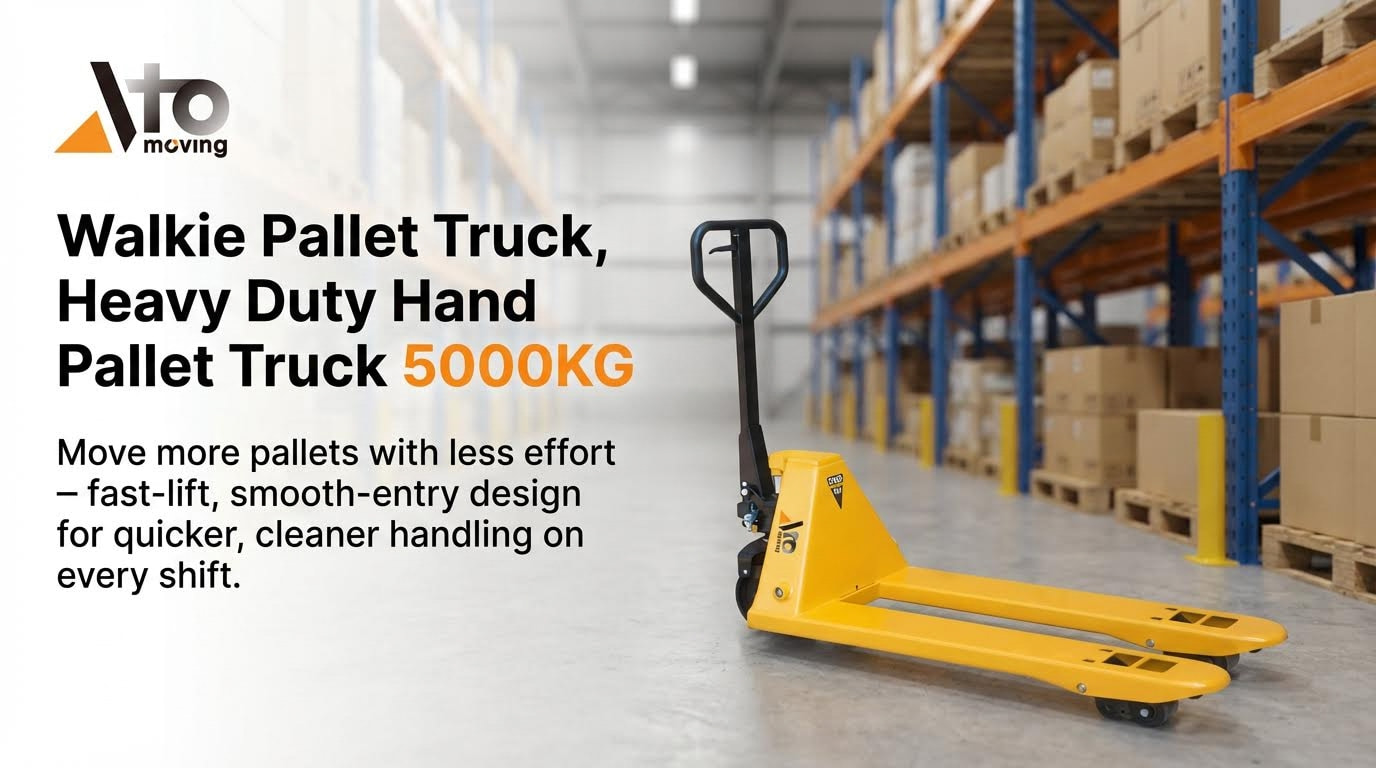
Knowing the core components of an electric pallet jack is the first step in learning how to operate a battery pallet lift safely. Each structural part, control, and indicator affects load stability, stopping distance, and operator protection. This section links hardware features to real operating tasks such as picking up loads, traveling, and parking. It helps operators and supervisors match OSHA Class 3 rules with practical control use in daily work.
Key Structural Elements And Load Path
The main structure carries load from the pallet into the floor through a defined path. Key elements include forks, fork heels, frame, tiller arm, drive unit, and load wheels. The load path starts at the pallet deck boards, passes into the fork blades, through the fork heels into the frame, then down into drive and load wheels.
Safe use depends on keeping this path straight and within rated capacity. Operators should:
- Center the pallet on both forks to avoid torsion on the frame.
- Keep forks fully under the pallet to prevent tip loading at the fork tips.
- Avoid impacts that can bend fork heels or twist the frame.
When planning how to operate a battery pallet lift for heavy product, engineers often check fork section size, heel radius, and wheel spacing. These factors control deflection, ground clearance under load, and the risk of pallet contact with the floor on uneven slabs.
Drive, Lift, And Steering Controls
Electric pallet jacks use a powered drive wheel and electric lift pump. The operator controls these with a tiller handle that combines steering, travel, and lift functions. Typical controls include a direction rocker, variable speed trigger, lift and lower buttons, and sometimes a creep or turtle speed mode.
For safe operation, operators should follow a repeatable sequence:
- Set the key or power switch to ON and check the display.
- Select direction with the rocker, then apply the travel trigger smoothly.
- Use small steering inputs at higher speed to avoid abrupt lateral shifts.
- Lift only enough to clear the floor, usually a few centimetres.
Low‑speed or creep modes help in tight aisles and docks. They reduce travel speed while keeping full steering control. This is critical when people walk nearby or when turning in trailers.
Braking, Deadman, And Emergency Features
Braking on a battery pallet lift usually combines service braking, regenerative braking, and automatic parking functions. Releasing the travel trigger typically causes controlled deceleration. Many units increase braking when the operator moves the direction rocker to neutral or opposite direction.
Deadman features stop motion when the operator loses control of the tiller. Common designs include:
- Tiller-up or tiller-down automatic brake zones.
- A belly or emergency reverse button that drives the unit away from the operator.
- An emergency stop (E‑stop) that cuts traction and lift power.
When teaching how to operate a battery pallet lift, trainers should demonstrate stopping distances at different speeds and with different loads. Operators must learn to keep escape space behind them and never trap their body between the truck and a fixed object. On slopes, they should rely on the parking or holding brake, not only on motor torque.
Display Panel, Alarms, And Indicators
The display panel gives real‑time feedback on truck status. Typical indicators include battery state of charge, hour meter, travel or fault codes, and sometimes load or overload icons. Audible alarms may warn about low battery, travel in reverse, or fault conditions.
For daily use, operators should:
- Confirm enough battery charge for the planned task before moving.
- Stop operation and report any fault code or repeated alarm.
- Use horn buttons at intersections and blind corners to warn pedestrians.
Some trucks reduce travel speed automatically at low battery levels to protect cells and maintain braking performance. This affects how to operate a battery pallet lift during long shifts, because operators must plan charging and swap cycles. Visual and audible alarms also support OSHA expectations that operators recognize unsafe conditions and take the truck out of service when required.
Pre-Use Inspection And Safety Compliance
Pre-use checks are the first control step when learning how to operate a battery pallet lift safely. A structured inspection routine reduces breakdowns, near-misses, and OSHA citations. Electric pallet jacks sat in OSHA Class 3, so employers had legal duties for training, inspection, and record keeping. A consistent checklist also helped standardize behavior across shifts and sites.
OSHA Class 3 And Training Requirements
OSHA classified electric pallet jacks as Class 3 powered industrial trucks under 29 CFR 1910.178. That rule required formal training, evaluation, and written authorization before an operator used a battery pallet lift. Training covered controls, load limits, route hazards, and emergency actions. Refresher training was required after incidents, unsafe behavior, or major condition changes.
From a safety and SEO view, users who searched how to operate a battery pallet lift usually needed compliance basics. Key OSHA-aligned points included:
- Operators had to be at least 18 years old and authorized.
- Training had to include both theory and hands-on practice.
- Employers had to document training and performance evaluation.
- Only trained staff could perform pre-use inspections and tag out units.
These rules tied operation directly to inspection. If a check failed, the truck had to be removed from service until repaired.
Motor-Off Mechanical And Structural Checks
Motor-off checks started before key-on. The operator walked around the truck and looked under it. The aim was to catch obvious defects that could cause loss of control or dropped loads. This step also supported higher search intent around how to operate a battery pallet lift safely, not just how to move it.
Typical motor-off items included:
| Area | What to check |
|---|---|
| Ground under truck | Fluid leaks from hydraulics or battery |
| Forks | Bends, cracks, damaged tips, locked in place |
| Wheels | Cracks, flat spots, debris jammed in treads |
| Chassis and handle | Dents, loose guards, damaged control head |
| Labels and plates | Capacity plate readable and fixed, safety decals present |
| Battery area | Cover secure, no corrosion, cable strain relief intact |
If the operator found damage, they removed the key, tagged the truck, and reported it. No one should try to operate a battery pallet lift that failed a structural check.
Motor-On Functional And Brake Tests
Motor-on checks verified that the battery pallet lift would respond correctly under power. These tests took place in a clear area with no pedestrians. The operator stood in the normal walk-behind position with an escape path.
Common functional tests were:
- Drive: smooth start in forward and reverse, no surging or delays.
- Steering: full range of motion, no binding, predictable tracking.
- Service brake: truck stopped quickly and straight from low speed.
- Deadman control: travel stopped when handle moved to the brake zone.
- Emergency reverse (belly button): truck reversed away from the operator instantly.
- Lift and lower: forks raised and lowered smoothly without jerks or drift.
- Horn, alarms, and lights: loud enough and clearly visible in ambient noise and light.
If any control stuck, lagged, or produced unusual noise, the unit had to be removed from service. This step was essential to safe daily operation, especially in tight aisles and docks.
Daily, Weekly, And Monthly Maintenance Routines
Routine care supported every search journey on how to operate a battery pallet lift for long life and low downtime. Maintenance intervals usually followed three layers: quick daily actions by operators, simple weekly tasks, and deeper monthly checks by maintenance staff.
Typical daily routines included a short visual scan, wheel debris removal, and a wipe-down of forks and frame. Operators also checked the battery charge level and confirmed the charger lead was not damaged. They reported jerky lift action or visible leaks for follow-up.
Weekly care focused on lubrication, fastener checks, and simple performance tests. Staff applied suitable lubricants to axles and pivots, tightened fork and handle bolts, and performed a moderate load test to spot sinking forks or noisy wheels. These tasks took only a few minutes but prevented larger failures.
Monthly routines were more detailed. Technicians cleaned hidden areas, checked fork straightness with a straightedge, inspected pump rods and seals, and examined wheels for cracks or flats. They also cleaned and protected battery terminals and steel surfaces. Consistent schedules like this kept electric pallet jacks safe, efficient, and ready for daily use.
Step-By-Step Operating Procedures

This section explains how to operate a battery pallet lift in real workplaces. It focuses on safe control of load pickup, travel, ramp work, and end-of-shift parking. The goal is repeatable, low-risk routines that match OSHA Class 3 expectations and site rules.
Positioning, Fork Insertion, And Load Pickup
Start with the truck stopped, forks fully lowered, and the drive unit straight. Stand to the side of the tiller, not in front of the forks. Confirm the pallet is sound, wrapped, and within the rated capacity of the truck.
Align fork spacing with the pallet openings. Approach square to the pallet to avoid side loading. Roll forward slowly until the fork heels almost touch the pallet. Keep the drive wheel clear of broken boards or debris.
Insert the forks fully under the pallet before lifting. Partial insertion creates a short lever arm and high tip risk. Lift only until the pallet clears the floor by about 50–80 millimetres. Higher lift increases instability and impact forces if the load drops.
Before you move, check that load weight is even left to right and stable front to back. Shrink wrap, banding, or corner boards should hold stacked items. If the centre of gravity looks high or offset, correct it or refuse the load.
Traveling, Turning, And Pedestrian Safety
When planning how to operate a battery pallet lift, travel discipline matters more than speed. Keep the tiller in the recommended “comfort” angle where the brake is released but steering is easy. Use the low-speed or creep mode in tight areas or near pedestrians.
Travel with forks low but still clear of the floor. This lowers the centre of gravity and reduces tip risk. Avoid sudden acceleration, hard braking, and sharp steering inputs. These actions shift the load and can overload wheels or forks.
At intersections, rack ends, and doorways, slow down and sound the horn. Make eye contact with pedestrians when possible. Give people the right of way and keep a buffer distance equal to at least the stopping distance of the truck.
In narrow aisles, plan turns early. Do not “hook” turns with the operator’s body between the truck and a fixed object. Keep your body outside the arc of the drive unit and forks to avoid crush injuries.
Ramps, Docks, And Confined Space Maneuvers
Ramps and docks create extra hazards for any battery pallet lift. Always follow site slope limits and posted traffic rules. On slopes, keep the load upgrade so the truck, not gravity, controls the pallet. Do not turn across a slope with a raised load.
Before entering a trailer or dock board, verify that restraints, chocks, and dock levelers are in place. Check floor plates and deck boards for damage. Enter slowly and avoid sudden steering changes that could cause trailer movement or jack knife effects.
In confined spaces such as elevators, coolers, or dense racking, reduce speed and use inching controls if fitted. Watch overhead clearance for low beams or sprinklers. Plan an escape path before you start a tight maneuver.
If traction is poor or the ramp is wet, stop and reassess. Do not try to “power through” wheel spin. Back down under control and request surface cleaning, extra restraint, or alternative equipment.
Parking, Shutdown, And Secure Storage
End every job with a controlled stop on level ground. Lower the forks fully to the floor so nobody trips on raised tips. Centre the tiller in the park position defined in the manual.
Turn off drive power using the key or main switch. Apply any parking brake if provided. Remove the key to prevent unauthorised use. Never park in front of exits, fire gear, electrical panels, or on ramps.
For longer stops, follow site rules for charging the battery pallet lift. Connect to the correct charger and check cables for damage. Ventilation must suit the battery type and charging method.
Return the truck to its marked storage zone at the end of the shift. Perform a quick walk-around to spot leaks, damage, or missing guards. Report defects and tag out unsafe units so the next operator does not inherit hidden risk.
Summary Of Safe, Efficient Daily Operation

Operators who search for how to operate a battery pallet lift need a clear daily framework. Safe and efficient work comes from consistent habits, not one-time training. A simple cycle of inspect, operate, and maintain keeps electric pallet jacks productive and compliant.
Before every shift, trained operators complete a quick motor-off and motor-on check. They look for leaks, bent forks, loose hardware, damaged wiring, and worn wheels. Then they confirm steering, lift, travel, horn, and brakes work as expected. If anything fails, they tag the truck out and report it instead of trying to use it.
During use, operators control risk through load discipline and speed control. They keep forks low while traveling, stay within rated capacity, and align forks fully under each pallet. They give pedestrians priority and use the horn at blind spots, ramps, and dock doors. On slopes, they keep the load uphill and avoid sudden turns or reversals.
After use, they park with forks fully lowered, power isolated, and the truck clear of exits and aisles. Simple cleaning and scheduled lubrication stop dirt and corrosion from shortening component life. Sites that standardize these steps see fewer breakdowns, fewer injuries, and better throughput from the same fleet.