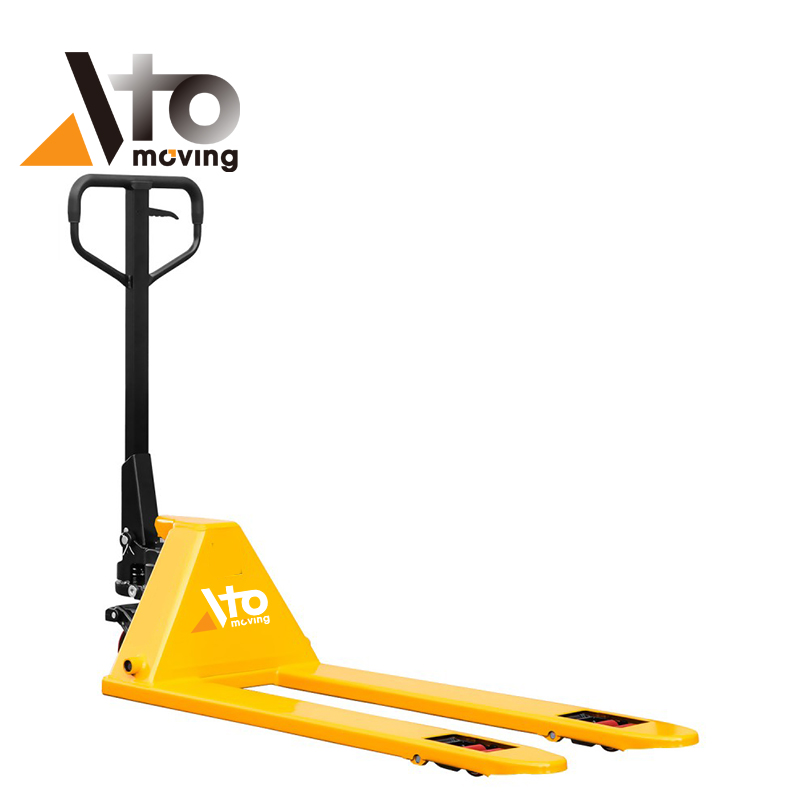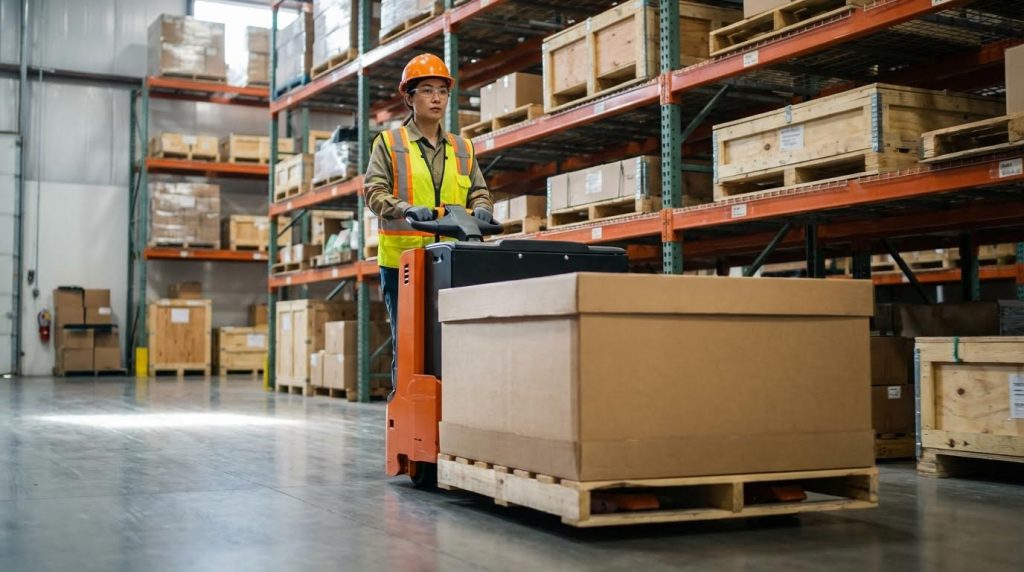
Electric pallet jacks formed the backbone of short-distance materials handling in warehouses, docks, and production plants. This guide explained how core components, control functions, and operating modes affected safety and productivity when learning how to operate a battery pallet lift. It then detailed structured pre-use inspections, daily checklists, and regulatory documentation that supported reliable operation and compliance. Finally, it described safe travel, load handling, and parking practices before summarizing long-term maintenance and legal obligations for safe, efficient fleet use.
Core Components And Control Functions
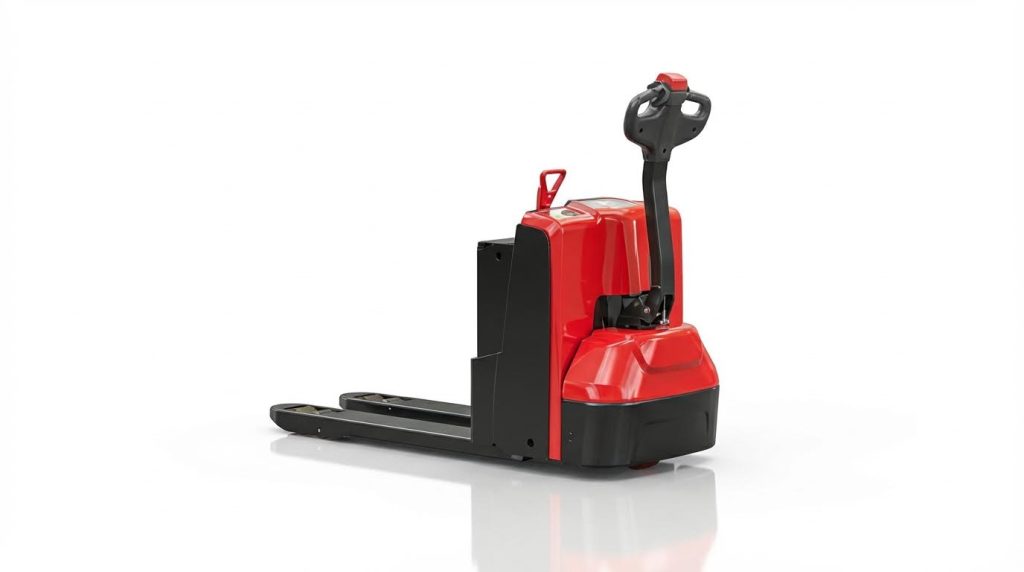
Understanding core components and controls is the first step in learning how to operate a battery pallet lift safely. Electric pallet jacks used as battery pallet lifts shared common mechanical, hydraulic, and electrical subsystems. Each subsystem affected maneuverability, braking behavior, and load stability. Operators who understood these elements could better diagnose issues, apply correct techniques, and comply with site safety rules.
Major Electric Pallet Jack Components
A typical battery pallet lift included a drive unit, control tiller, fork assembly, and chassis. The drive unit housed the traction motor, drive wheel, gearbox, and braking system, which together determined acceleration, stopping distance, and grade performance. The fork assembly consisted of two tapered forks, load wheels, and a compact hydraulic lift cylinder that raised loads roughly 200 mm for transport. The battery compartment contained a traction battery, power cables, and protection fuses that supplied direct current to traction and lift motors. Integrated covers, guards, and handrails protected the operator from moving parts and defined safe contact surfaces during operation.
Primary Travel And Lift Controls
The primary interface for operating a battery pallet lift was the tiller head, which combined steering, travel, and lift functions. A rotary or rocker throttle controlled forward and reverse travel, with proportional response that depended on deflection angle. Separate push buttons or rockers actuated lift and lower valves, allowing precise fork height adjustment while stationary. Many units included a variable speed selector, often symbolized by tortoise and hare icons, to limit maximum speed in congested areas or enable higher throughput on long runs. Horn buttons and function indicators were located within thumb reach so operators could maintain a firm grip while signaling.
Emergency Stop And Safety Interlocks
Battery pallet lifts incorporated multiple safety interlocks to prevent unintended motion and reduce crush hazards. A prominent emergency stop pushbutton cut power to traction and lift circuits, stopping the truck when pressed and requiring manual reset. End-controlled walkie units used a reverse or “belly” button on the tiller head that triggered an automatic reverse or brake when the truck compressed the operator’s torso space. Tiller position sensors enforced a neutral zone; if the tiller moved too high or too low, traction circuits disabled and braking engaged. Additional interlocks monitored key switches, deadman triggers, and brake status so the truck could not travel unless the operator held correct controls and stood in a safe position.
Operating Modes: Walkie, Rider, Creep
Modern battery pallet lifts supported different operating modes that matched task distance and aisle geometry. In walkie mode, the operator walked beside or slightly ahead of the truck, steering via the tiller and maintaining a normal walking speed for short shuttles and tight storage aisles. Rider or platform mode added a fold-down platform and side guards, allowing the operator to stand on the truck for longer horizontal transport while using higher programmed travel speeds. Creep or turtle mode limited speed and often required the tiller in a near-vertical position, enabling precise positioning in trailers, on docks, or near racking with reduced acceleration. Selecting the correct mode for each task improved control, reduced fatigue, and lowered collision risk when learning how to operate a battery pallet lift in varied warehouse environments.
Pre-Use Inspection And Daily Checklists
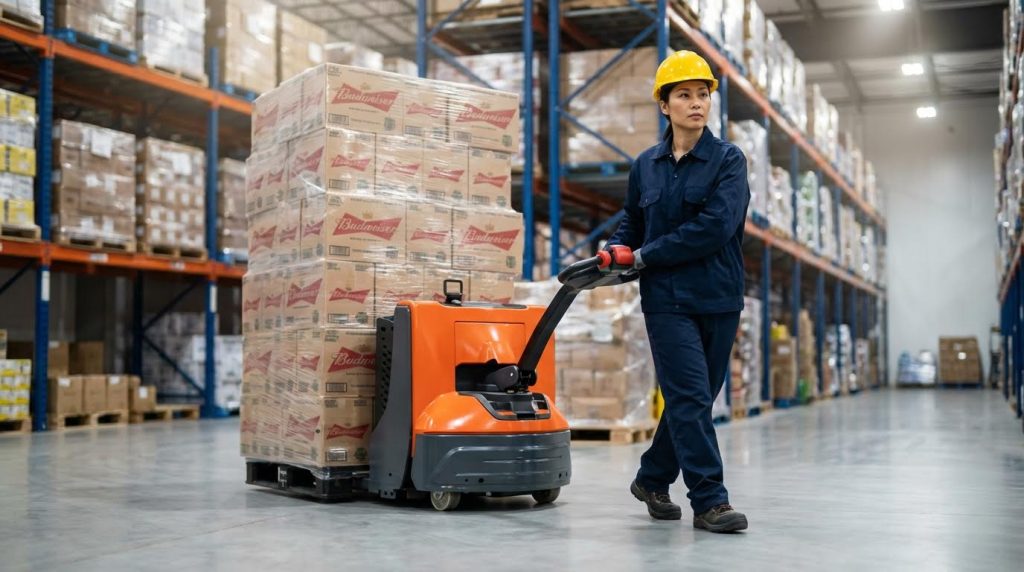
Pre-use inspections formed the backbone of safe practice for anyone learning how to operate a battery pallet lift. Systematic daily checks reduced unexpected failures and minimized incident rates in warehouses and loading docks. A structured sequence that covered motor-off, motor-on, and component-specific checks ensured that defects were detected before the first load moved. Documented inspections also supported regulatory compliance and extended equipment service life.
Motor-Off Visual And Mechanical Checks
Motor-off checks always came first when deciding how to operate a battery pallet lift safely. Operators parked the pallet lift on level ground, lowered the forks, and switched the power off. They inspected the floor beneath the truck for hydraulic oil, battery electrolyte, or other fluid leaks. They checked the drive unit, tiller arm, chassis, and fork structure for cracks, bent sections, or impact damage. Bolts, guards, and hand protection had to be present and tight, with no loose covers that could interfere with moving parts. Wheels and load rollers were inspected for flat spots, cuts, chunking, or loose axles. Operators verified that capacity plates, warning decals, and control labels were intact and readable. The operator manual had to be available in its holder to satisfy internal safety rules and external audit expectations.
Motor-On Functional And Brake Tests
After the static inspection, operators powered the unit and performed functional checks before transporting any load. They verified that the key switch or start sequence worked correctly and that the battery discharge indicator displayed plausibly. They tested forward and reverse travel at low speed, listening for abnormal noises from the drive motor or gearbox. Lift and lower functions had to respond smoothly without jerks or delayed reaction. Service brakes were checked by moving at walking speed and stopping within a predictable distance without pull to either side. Parking or electromagnetic brakes had to hold the truck on level ground when the control handle moved to the neutral or brake position. Audible devices such as horns and any fitted warning buzzers were tested so the operator could signal presence in congested areas. If any defect appeared, the correct action was to remove the key, tag the unit out of service, and report it.
Battery, Hydraulics, Wheels, And Fork Checks
Knowing how to operate a battery pallet lift included understanding its energy and load-path components. Operators checked the battery state of charge and confirmed the charger disconnected correctly, with no damaged cables or exposed conductors. Battery restraints and covers had to be secure to prevent movement during travel. The hydraulic system required a visual check of cylinder bodies, hoses, and fittings for wetness or spray marks indicating leaks. Lift speed and lowering speed during the motor-on test provided additional clues about hydraulic health. Forks were examined for heel wear, cracks near the welds, and symmetry; both forks had to be level to avoid uneven loading. Wheels and rollers were rotated by hand where possible to detect stiffness, misalignment, or debris entrapment. Any unusual vibration or tracking issues during the short travel test pointed to wheel or bearing problems that required maintenance intervention.
Documentation, Tag-Out, And FEM Compliance
Daily inspections were only effective when properly documented and integrated into a formal safety system. Operators completed a checklist at the start of each shift, recording pass or fail for each inspection item and signing with date and time. If a defect affected safe operation, they applied a tag-out or lock-out label, removed the key, and notified a supervisor; only qualified maintenance personnel were allowed to repair the truck. Records supported internal audits and demonstrated due diligence under occupational safety regulations. In Europe, periodic inspections according to FEM guidelines and national legislation were mandatory for powered industrial trucks. Passing these FEM inspections depended heavily on consistent daily checks, timely repairs, and adherence to manufacturer maintenance intervals. Organizations that enforced rigorous documentation and tag-out procedures typically achieved lower incident rates and longer asset life for their battery pallet lifts.
Safe Operating Practices And Load Handling
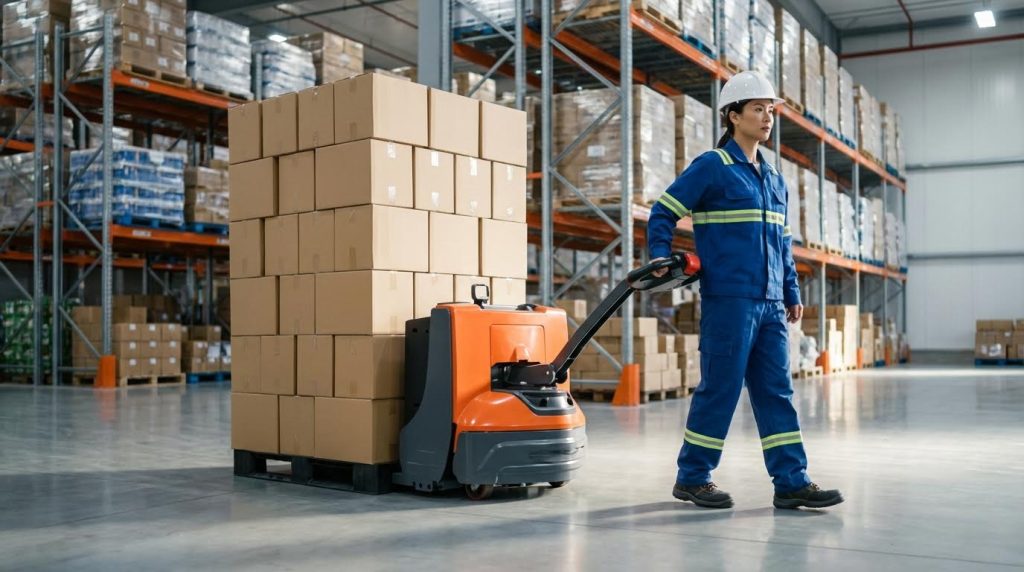
Safe operating practices define how to operate a battery pallet lift without incidents, product loss, or equipment damage. This section links load evaluation, route planning, operator positioning, and end-of-shift procedures into one coherent operating method.
Load Assessment, Fork Position, And Stability
Operators must first confirm that the load mass stays within the rated capacity on the data plate. Check the pallet condition for broken deck boards, missing blocks, or protruding nails that could compromise support. Center the load and place it firmly against the pallet’s backrest face or fork heel line to reduce tipping risk. Insert both forks fully beneath the pallet until they extend past the load center, then raise only 75–100 mm for travel to keep the center of gravity low. Avoid single-fork lifting or partial fork engagement, which increases bending stress and can crack forks or damage pallets. For tall or unstable stacks, use shrink-wrap, straps, or corner boards and reject loads that still wobble after securing.
Travel Paths, Slopes, And Dock Hazards
Plan the travel path before moving to operate a battery pallet lift safely in busy aisles. Verify that the route is free of loose film, discarded pallets, oil, or water that could reduce traction. On slopes, keep the load on the uphill side and travel straight up or down without diagonal movement. Reduce speed before entering ramps and never turn on the incline, which could shift the load laterally. At loading docks, confirm trailer brakes are set, wheels are chocked, and dock boards or bridge plates have adequate capacity and are fully seated on both sides. Inspect trailer floors for rot, corrosion, or broken planks that could collapse under wheel loads. Maintain a safe distance from dock edges to avoid drive-off hazards, especially when visibility is reduced.
Operator Positioning, Speed, And Visibility
Correct body position is critical when deciding how to operate a battery pallet lift in tight spaces. When walking, stand slightly ahead and to the side of the tiller so the truck does not track directly behind your heels. Keep both hands on the controls and maintain a walking pace; high speed shortens reaction time and increases stopping distance. Use reduced-speed or creep mode near pedestrians, intersections, and confined racks. Always look in the travel direction and account for the extra fork length that extends beyond the pallet. When visibility is blocked by the load, travel in reverse and adjust position to keep the load trailing while maintaining a clear line of sight.
Parking, Shutdown, And Charging Procedures
At the end of a move, stop fully before lowering the load to prevent sliding or impact damage. Lower the forks completely to the floor when parking so no one trips over raised tips or drives into them. Choose a designated parking area that does not obstruct aisles, exits, eyewash stations, or fire equipment. Turn off the key or control power and remove the key if the truck remains unattended out of sight. For battery charging, park in the approved charging zone, apply any parking brake, and lower forks. Follow site procedures for connecting chargers, including ventilation, no-smoking rules, and use of eye and hand protection. Record operating issues in the log so maintenance can correct faults before the next shift.
Summary Of Safe Use, Maintenance, And Compliance
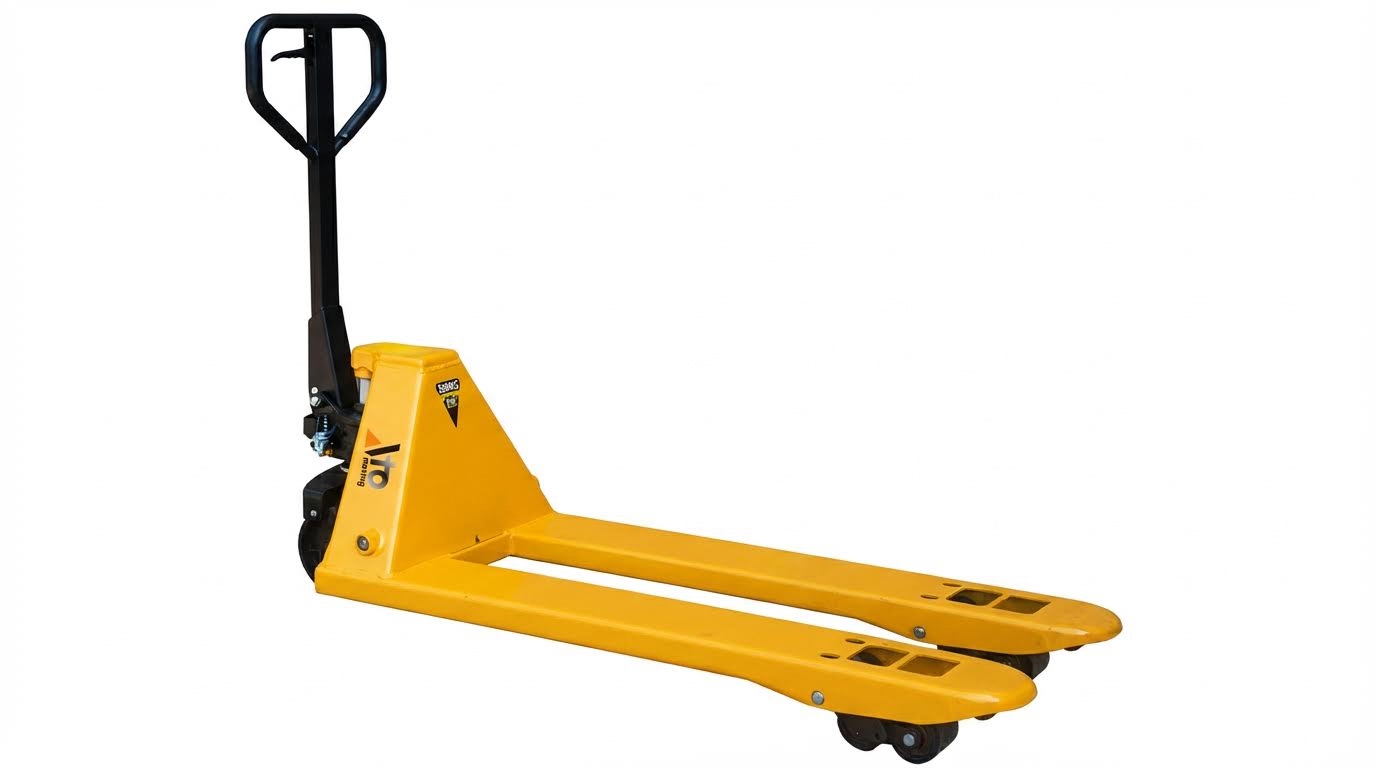
Electric pallet jacks required disciplined operation, structured maintenance, and formal compliance to stay safe and productive. Operators learned how to operate a battery pallet lift by combining correct control use, route planning, and load handling with systematic inspections. Daily motor-off and motor-on checks, plus periodic mechanical service, reduced unplanned failures and incident rates. Regulatory frameworks such as FEM inspection requirements ensured that documented procedures matched real equipment condition.
From a technical standpoint, safe use centered on three pillars. First, trained and authorized operators assessed loads, verified capacity on the data plate, and positioned forks fully under stable pallets before lifting only to minimum travel height, typically around 200 mm. Second, they controlled travel speed, direction, and braking, kept clear visibility, and adapted technique on slopes and docks, for example keeping the load uphill and never standing in the line of travel. Third, they parked with forks fully lowered, removed the key or disconnected power, and avoided blocking exits or emergency equipment.
Maintenance and compliance practices underpinned these behaviors. Structured daily checklists captured battery state of charge, hydraulic leaks, wheel and fork wear, and safety device function, including horn, emergency stop, and reverse “belly” button. Weekly and annual inspections, aligned with FEM and local occupational safety rules, validated structural integrity and functional reliability. Simple hydraulic tasks such as bleeding air or topping up oil were feasible for trained personnel, while structural or electrical repairs required qualified service technicians.
Looking ahead, battery pallet lifts continued to integrate better diagnostics, safer control logic, and more precise speed and creep modes. However, technology did not replace fundamentals: route planning, housekeeping, and adherence to capacity limits remained decisive for risk reduction. Sites that combined robust operator training, enforceable checklists, and documented inspections achieved lower incident rates and longer asset life. A balanced approach treated the pallet jack as part of a wider material-handling system, where human factors, maintenance discipline, and regulatory compliance worked together to keep operations safe and efficient.