Pallet jacks that lift on one side only create unsafe, unstable loads and slow material flow. This article explains how to fix the pallet jack one side won’t lift using a structured engineering approach that covers hydraulic and mechanical causes, safe diagnostics, and robust repair methods.
You will see how to separate pump faults from linkage problems, check forks and wheels for misalignment, and run controlled load tests. The guide then details hydraulic bleeding, seal and rod replacement, and fork straightening, before closing with maintenance schedules and predictive tools that keep lifting performance even and safe over time.
Core Causes Of One-Sided Lifting
Uneven lifting is the core clue when users search how to fix the pallet jack one side won’t lift. The root cause is almost always in the hydraulic circuit, the mechanical linkage, or the rolling gear and frame. This section explains how to split the problem into hydraulic or mechanical faults, where the main wear points sit, and how fork or wheel misalignment creates a false “hydraulic” symptom. Understanding these causes first cuts repair time and prevents unsafe trial‑and‑error adjustments.
Distinguishing Hydraulic Vs Mechanical Faults
First decide whether the fault is hydraulic or mechanical. This decision guides every later step when users ask how to fix the pallet jack one side won’t lift.
A hydraulic fault usually shows as: one fork rises slower, lift feels spongy, or the jack will not hold height under load. Typical checks include:
- Bleed the pump with the lever in the lower position and pump about 10 strokes.
- Confirm oil level sits roughly 25–40 mm below the reservoir top, per most manuals.
- Look for wet areas on the pump, cylinder, and hoses that show leaks.
A mechanical fault shows as: one fork clearly lower at rest, binding movement, or visible twist in the linkage. To separate the two, disconnect the lifting linkage from the control lever. If the pump lifts evenly when you pump by hand, the problem sits in the handle, rods, or bellcranks. If it still lifts unevenly, the issue is inside the pump or cylinder, such as a sticking valve or worn piston seals.
Common Wear Points In Pump And Linkage
Most pallet jacks that lift on one side only have a few repeat wear points. These areas should be the focus when solving how to fix the pallet jack one side won’t lift.
In the hydraulic group, typical failure locations include:
- Pump piston seals that harden or wear and no longer build equal pressure.
- Check valves that leak internally and cause one side to drop under load.
- O-rings around the lowering valve that let oil bypass when you pump.
In the mechanical linkage, problems often appear at joints that share lift force between both forks. Key spots are:
- Bellcrank bushings that walk out or wear oval, shifting stroke to one side.
- Torsion bars that twist after overload and no longer move both forks equally.
- Pull rod eyelets that stretch, changing the effective length on one side.
Once these joints wear, one fork starts to move first and carries more load. That side then wears even faster. Early replacement of bushings, pins, and rods prevents this snowball effect and keeps lift height matched.
Fork, Wheel, And Frame Alignment Issues
Not every one‑sided lift comes from the pump or linkage. Geometry faults in the forks, wheels, or frame can mimic a hydraulic problem and confuse efforts to learn how to fix the pallet jack one side won’t lift.
Fork issues include bent tips, twisted blades, or different fork heights at the heels. A simple straightedge or tape check from floor to fork top near the wheels reveals these errors. If one fork sits higher before lifting, it will pick up the pallet first and appear to be the “strong” side, even when hydraulics are fine.
Wheel and frame alignment problems also drive uneven lifting. Flat‑spotted load rollers, different wheel diameters, or bent axles change the effective fork height. Debris jammed around one roller can hold that fork higher and shift load to the other side. A warped frame or cracked weld near the fork heels can twist the chassis so one fork never reaches full stroke.
Correct diagnosis therefore includes checking fork parallelism, comparing roller diameters, spinning wheels to feel for rough bearings, and sighting along the frame for twist. Fixing these geometric faults often restores even lifting without touching the hydraulic unit.
Step-By-Step Diagnosis And Safe Testing
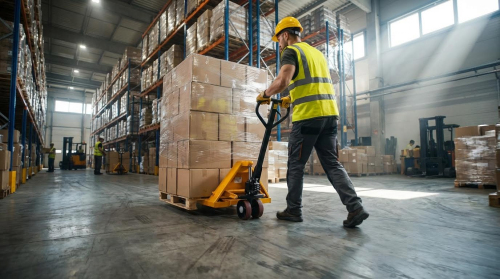
This section explains how to fix the pallet jack one side won’t lift using a structured test sequence. Work from simple checks to targeted hydraulic and mechanical tests. Record every finding before you touch adjustments. This avoids chasing the wrong fault and keeps the jack safe to use.
Initial Safety Lockout And Visual Inspection
Start with basic safety. Park the pallet jack on flat, solid ground. Chock the steer wheels if the floor slopes. Keep the forks fully lowered and remove any load.
Lock out the unit. Tag it as “out of service” so nobody uses it during tests. Wear gloves and safety glasses because you will work near oil and pinch points.
Do a slow visual walk‑around. Look for bent forks, twisted frame, cracked welds, or missing fasteners. Check both fork tips for equal height from the floor using a tape or straightedge. If one fork sits higher with the jack unloaded, note this as a likely mechanical alignment issue.
Inspect wheels and axles. Remove debris from load rollers and steer wheels because jammed wheels can mimic one‑sided lifting. Wipe the pump body and cylinder so new leaks are easy to see during later tests.
Hydraulic Checks: Fluid, Air, And Leaks
Hydraulic faults cause most one‑side lift complaints. Always test hydraulics before you strip mechanical parts. Use the keyword question as a guide: how to fix the pallet jack one side won’t lift usually starts with fluid and air checks.
Check the reservoir level with forks lowered. The oil should sit roughly 25–40 mm below the fill port on typical manual jacks. Top up only with the grade listed in the service manual. Overfilling can cause erratic lift and seal damage.
Bleed trapped air. Set the control lever to the lower position. Pump the handle 10–20 strokes with no load. This cycles oil through the valve block and pushes air back to the tank. If lift becomes smoother and more even, air was the main issue.
Inspect for leaks next. Look around the pump, cylinder, hose joints, and control valve. Oil on the floor, wet fittings, or streaks on the cylinder show a leak. Persistent one‑sided lifting after bleeding often means internal leakage or valve wear that will need repair in the next stage.
Mechanical Checks: Forks, Rods, Bushings, Bars
If hydraulics pass basic checks, focus on linkages and structure. Uneven lift with correct oil level often points to bent or worn parts that move one fork more than the other.
Measure fork straightness. Place a straightedge or string line along the top of each fork. Compare gap sizes. A bent fork usually shows a clear bow or twist. Replace badly bent forks; straightening is risky and can weaken the steel.
Check the lift linkage under the frame. Look at pull rods, equalizer or torsion bars, bellcranks, and bushings. Worn bushings can walk sideways and shorten travel on one side. A stretched pull‑rod eye or twisted bellcrank also shifts motion unevenly.
Gently move the handle and observe each joint. Both forks should start rising together. If one side lags, disconnect the suspect rod or bellcrank and compare free movement side to side. Replace worn rods, pins, and bushings as matched sets so geometry stays balanced.
Load Tests And Pass/Fail Criteria
After basic checks and quick fixes, run controlled load tests. This confirms whether the pallet jack is safe to return to service. Never jump straight to full rated capacity.
Use a simple progression:
- Test 1: No‑load lift to full height, then hold for 60 seconds.
- Test 2: About 25–30% of rated load, hold for 60 seconds.
- Test 3: About 50–60% of rated load, hold for 2 minutes.
Stand to the side during tests. Watch fork tips relative to a fixed reference, such as a pallet deck board or a wall mark. Measure height difference between fork tips with a tape. A practical pass limit is usually less than 5 mm difference under steady load.
Record fail modes clearly. Typical fails include one fork rising slower, tilting under load, or sinking while the other holds. If the jack fails no‑load tests, suspect hydraulic pump or valve issues. If it passes no‑load but fails under load with a visible twist, suspect forks, frame, or linkage. Stop use and plan repair before further testing.
Repair Procedures And Preventive Maintenance
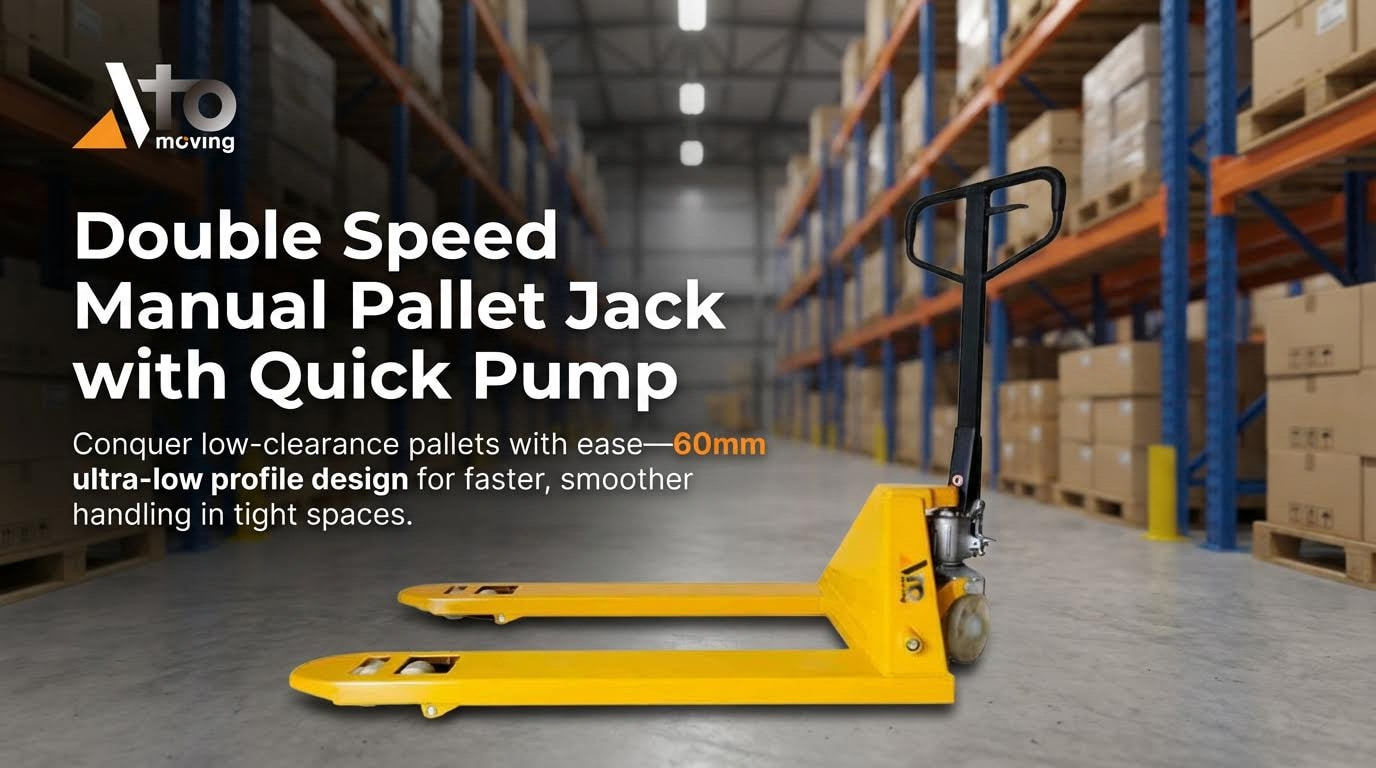
This section focuses on how to fix the pallet jack one side won’t lift by combining targeted repairs with planned maintenance. Technicians should treat uneven lifting as both a hydraulic and mechanical problem. The goal is to restore even fork height under load and keep the pump, linkage, and rolling gear in stable condition. Each subsection explains a practical workshop method that fits into a repeatable maintenance program.
Bleeding, Refilling, And Flushing Hydraulics
Air in the circuit is a primary cause when a pallet jack lifts on one side only. The first step is usually bleeding the pump. Place the jack on a flat floor, set the control lever to the lower or release position, and pump the handle about 10–20 strokes. This cycles air from the valve block back into the reservoir and often restores full, even lift.
If the forks still rise unevenly, check fluid level next. Most manual units run correctly with oil about 25–40 mm below the top of the reservoir; always confirm with the manual. Top up with the specified hydraulic oil, then bleed again until the stroke feels firm and no spongy response appears. Full flushing is advisable when fluid looks dark, milky, or contaminated, because water or dirt can damage valves and seals and recreate one-sided lifting.
| Step | Purpose |
|---|---|
| Bleed pump with lever in lower | Remove trapped air causing spongy or uneven lift |
| Verify reservoir level | Restore correct stroke volume and pressure |
| Inspect for external leaks | Identify failed seals, hoses, or fittings |
| Flush and refill if fluid is dirty | Protect pump, piston, and valve surfaces |
Replacing Seals, Hoses, Bushings, And Rods
When bleeding and refilling do not fix the pallet jack one side won’t lift, internal parts are likely worn. Look for oil on the floor, wet pump housings, or damp cylinder rods. These signs usually indicate failed O-rings, wipers, or hose crimps. Replace seals and hoses as assemblies using the correct kits, and follow torque values from the service manual.
Uneven lifting also comes from mechanical play in the linkage. Worn bellcrank bushings, stretched pull rods, or oval eyelets shift load to one fork first. Technicians often remove the handle, support the frame, and change bushings and spacers as a set to keep geometry correct. When a pull rod is visibly stretched or bent, replacement rather than straightening is the reliable solution.
After reassembly, cycle the jack without load and check that both forks rise together through the full stroke. Any visible time lag between sides signals remaining play or incorrect part length. Correct this before returning the jack to service, because asymmetric motion will quickly damage new seals and pins.
Correcting Bent Forks And Misaligned Wheels
Structural faults can mimic hydraulic problems when a pallet jack lifts on one side only. Inspect fork blades with a straightedge along the top and bottom. A fork that bows or twists will contact the floor differently and appear to lag in height. Industry practice is to replace severely bent forks rather than heat-straighten them, because heat can weaken steel and reduce safety margin.
Wheel and axle alignment also affects apparent fork height. Check that load rollers have equal diameter, rotate freely, and sit square in their brackets. Replace cracked or flat-spotted rollers in pairs so both sides track evenly. For steering wheels, verify that the axle is straight and the bearings turn smoothly without grinding.
Misaligned wheels can cause the frame to rack under load so one fork carries more weight. This condition often produces stiff steering and uneven tire wear. Correct by renewing worn bearings, tightening axle fasteners, and confirming that fork tips measure the same height from the floor with no load. Only then is it valid to judge hydraulic performance.
Maintenance Schedules And Predictive Tools
Once repairs restore even lifting, a simple maintenance schedule keeps the pallet jack from returning to one-sided lift. A daily quick check works well in busy warehouses. Operators can scan for leaks, clear debris from wheels, and pump the handle a few strokes to feel for jerky motion. Weekly tasks usually include lubrication of pivots, light tightening of fasteners, and a short loaded lift test to confirm the forks stay level.
Monthly or quarterly, depending on duty cycle, plan deeper inspections. Check fork straightness, examine pump rods for rust or scoring, and review wheel condition for cracks or flat spots. Replace worn O-rings and bushings before they fail completely. This preventive work costs less than emergency downtime from a jack that suddenly will not lift one side.
Simple predictive tools can support this routine. A basic log sheet that records date, leak findings, and lift test results helps spot trends early. Some facilities track how often operators add hydraulic oil; frequent top-ups suggest hidden leaks. By combining these records with scheduled seal, hose, and bushing replacement, maintenance teams keep lifting performance stable and reduce the risk of sudden uneven lifting in critical handling areas.
Summary: Restoring Safe, Even Lifting Performance
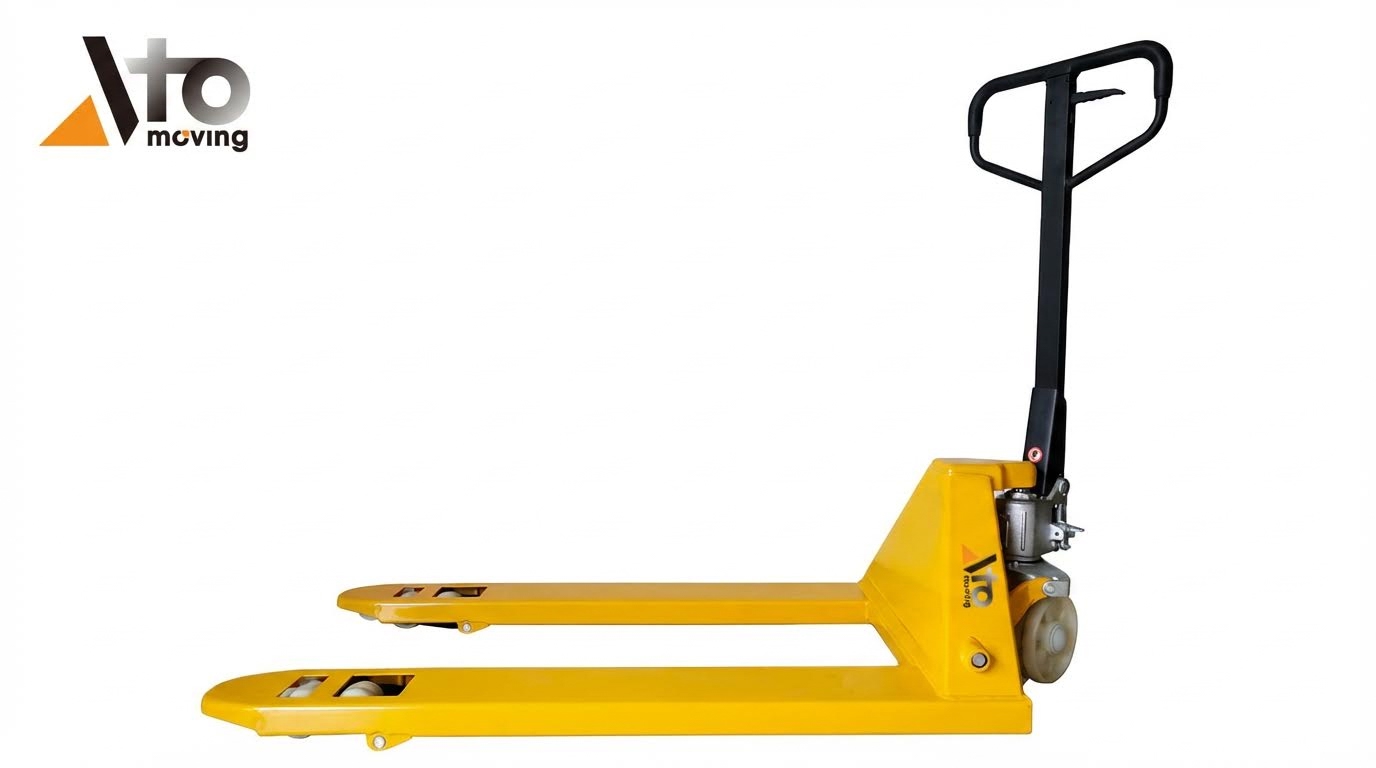
Fixing a pallet jack when one side will not lift starts with a clear plan. The goal is to remove hydraulic air, restore oil level, and correct bent or worn parts. This summary links the earlier diagnosis and repair steps into a simple decision path for technicians.
From an engineering view, most “how to fix the pallet jack one side won’t lift” cases came from three roots. Air or low fluid in the hydraulic unit reduced pressure on one fork. Bent forks, twisted torsion bars, or worn bushings shifted geometry. Misaligned or damaged wheels changed how load reacted at the ground. Technicians should confirm the fault sequence instead of swapping parts at random.
In practice, the best path is: bleed the hydraulics, verify oil level and leaks, then check rods, forks, and linkages. Replace stretched rods, loose bushings, and cracked hoses with parts that match the original specification. Always finish with a controlled load test and a pass or fail height check on both forks.
For long term reliability, sites should add daily visual checks and short monthly deep inspections. Simple habits such as cleaning wheels, keeping oil clean, and catching early rust delay large repairs. Future tools, including low cost sensors and digital checklists, will make it easier to spot one sided lifting before it becomes a safety risk.
,
Frequently Asked Questions
Why is one side of my pallet jack not lifting?
If one side of your pallet jack isn’t lifting, it could be due to hydraulic issues. Common causes include low hydraulic fluid levels, air trapped in the system, or worn seals and valves. Check the fluid level first; if it’s low, refill it with high-grade hydraulic oil. If air is trapped, you may need to bleed the system. Hydraulic Jack Troubleshooting.
How do I reset my pallet jack if it stops working properly?
To reset your pallet jack, turn it off and unplug it from the power source. Press the emergency stop button to release hydraulic pressure and wait 30 seconds. Press the button again to reset, then plug the jack back in and turn it on. This process can often resolve operational issues. Pallet Jack Reset Guide.
What should I check if the pallet jack’s release valve seems stuck?
If the pallet jack’s release valve is stuck, locate it near the base of the handle or hydraulic pump. Try lubricating the valve with penetrating oil or silicone spray. If the valve remains unresponsive or damaged, it will likely need replacement. Proper maintenance prevents such issues. Pallet Jack Maintenance Tips.