When a pallet jack refuses to lift, it stalls material flow and creates safety risks around the dock or warehouse. This guide explains how the hydraulic system works, why common faults stop lifting, and step‑by‑step diagnostics you can do safely on site. You will learn how to repair a pallet jack that won t lift, from bleeding air and topping up oil to inspecting seals, linkages, and structure. Use these procedures to decide what you can fix in‑house and when to schedule a full rebuild or professional service.
Understanding Why A Pallet Jack Fails To Lift
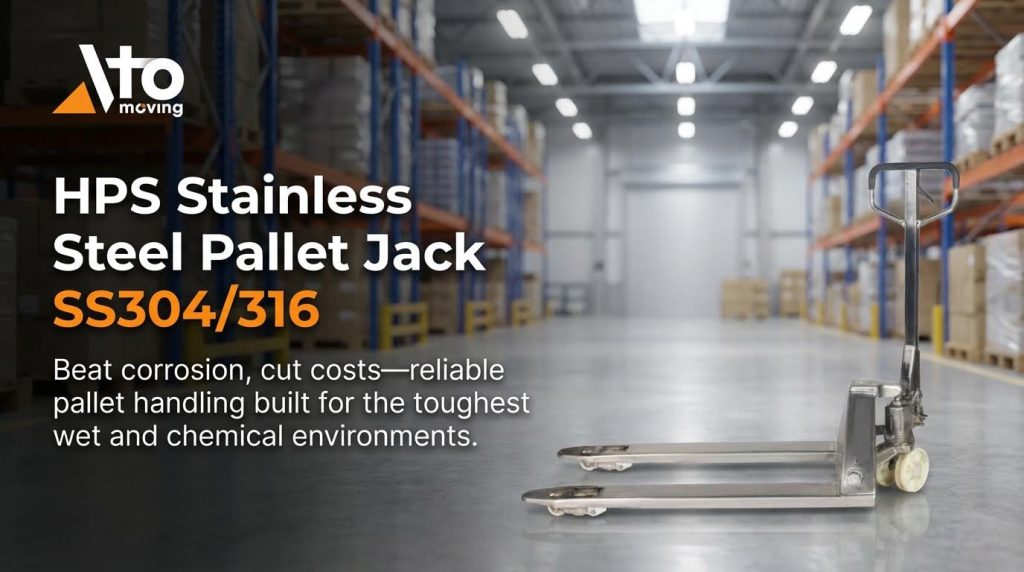
How the hydraulic circuit creates lifting force
In a manual pallet jack, the handle stroke drives a small hydraulic pump. Each pump stroke pushes oil from the reservoir into the main lift cylinder. Because oil is nearly incompressible, pressure rises quickly and forces the piston upward, which in turn raises the fork assembly. A check‑valve holds pressure so the load stays up until the operator opens the lowering valve.
For this circuit to lift reliably, three conditions must be met:
- Enough clean hydraulic oil in the reservoir for the pump to draw in and pressurize. Low fluid level reduces available pressure and can stop lifting entirely. Maintaining the recommended oil level is a basic requirement.
- A sealed circuit with no significant internal leakage past seals or O‑rings. A damaged O‑ring in the valve cartridge or pump allows pressure to bleed off instead of moving the piston. Replacing failed O‑rings restores pressure and lifting capacity.
- No trapped air in the hydraulic lines or cylinder. Air compresses under load, so the handle may move but the forks do not rise. Bleeding air by pumping the handle 10–20 times with the jack fully lowered and unloaded often restores normal lifting. This simple air‑bleed step is a first check when learning how to repair a pallet jack that won t lift.
The lowering valve is the final critical element. When closed, it isolates the high‑pressure side so the load stays up. When opened, it allows oil to flow back to the reservoir and the forks descend in a controlled way. Any fault that leaves this valve partially open will behave like a constant internal leak and prevent lifting.
Common failure modes in manual pallet jacks
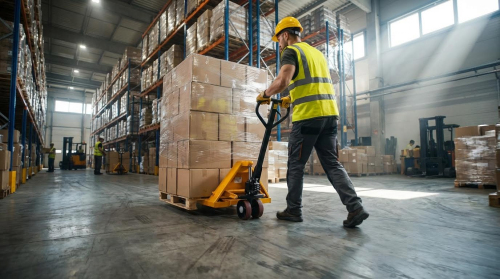
Most non‑lifting problems fall into a few repeatable hydraulic and mechanical failure modes. Understanding these makes it easier to plan how to repair a pallet jack that won t lift without wasting time on random part changes.
- Low or degraded hydraulic oil – If the oil level drops too far, the pump draws air instead of fluid, so pressure never builds. Topping up to the specified level, typically with the forks fully lowered on level ground, is the first corrective step. Regular checks and periodic oil changes are standard maintenance recommendations.
- Trapped air in the system – Air can enter during transport, after seal work, or through minor leaks. The symptom is a “spongy” handle and little or no fork movement. Bleeding by cycling the handle 10–20 times with no load and the jack fully lowered is a widely used fix. Multiple guides describe this air‑purge step as a primary troubleshooting action.
- Worn seals and O‑rings – Internal seals in the pump, cylinder, and valve cartridge harden or wear over time. This creates internal bypass, so the handle moves but the forks either do not lift or drift down quickly. Replacing the O‑ring in the valve cartridge after draining the fluid is a typical repair approach. Many repair procedures focus on this O‑ring as a common failure point.
- Contamination and debris – Dirt around the pump block or valve area can be pulled into the hydraulic circuit during service. This can hold valves slightly open or score sealing surfaces, leading to loss of lift. Thorough cleaning of external surfaces before opening the system helps prevent repeat failures. Good cleaning practice is highlighted as essential during O‑ring and seal replacement.
- Misadjusted or damaged lowering valve linkage – If the control lever or linkage holds the lowering valve slightly open, the jack will not build pressure. Some procedures specify readjusting the lowering valve screw and locknut until the neutral (middle) position is restored and all three handle positions work correctly. Fine adjustment of the lowering valve is a documented step when the unit will not lift or will not hold a load.
- Mechanical issues in linkages and rollers – Even if the hydraulics work, bent links, seized pivot points, or damaged load rollers can restrict fork movement. A quick diagnostic is to disconnect the lifting link and test the pump alone; if the pump builds pressure, the fault is in the mechanical path between the cylinder and forks. This isolation test helps separate hydraulic from structural or linkage problems.
Many shops use a simple maintenance routine to avoid most of these failure modes: weekly visual checks for leaks or damage, regular wheel and roller inspections, and scheduled oil‑level checks. Consistent basic maintenance significantly reduces unexpected non‑lifting events.
Step‑By‑Step Diagnostics For A Non‑Lifting Pallet Jack
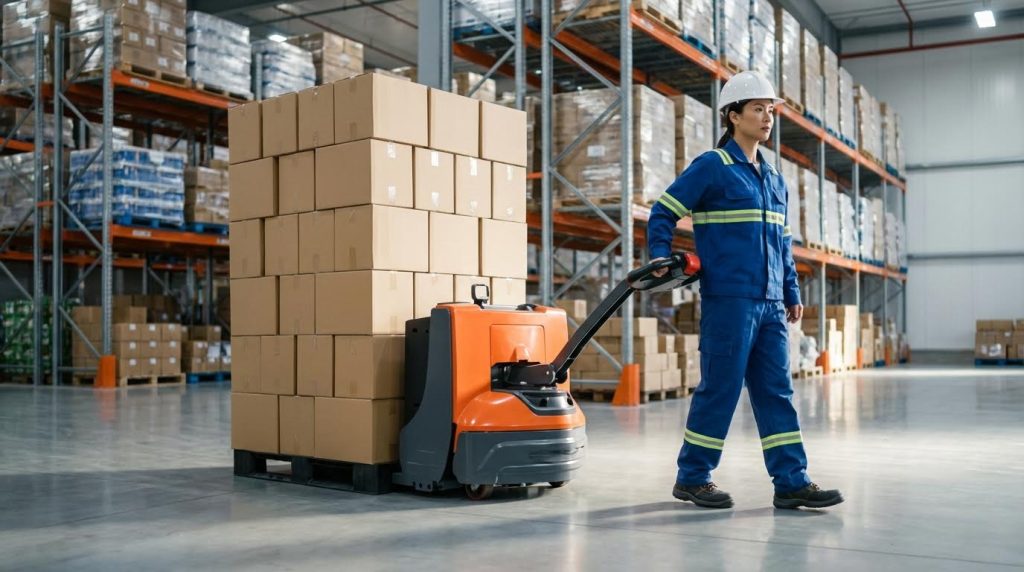
Safety prep, tagging out, and basic visual checks
Before you start any work on how to repair a pallet jack that won t lift, make it safe. Park it on level ground, lower the forks fully, and remove any load. Tag the unit out of service so no one else can use it while you diagnose the fault. Wear safety shoes and gloves, and keep your hands clear of the fork tips and linkage while pumping. Begin with a full walk‑around: look for oil on the floor, wet spots on the pump body, cylinder, or hoses that indicate leaks, and check for bent forks or twisted handle linkages. Inspect wheels and rollers for flat spots or damage that might prevent the jack from rolling under load, and verify that the control lever clearly selects lift, neutral, and lower positions. Regular pre‑operational checks for visible damage, wheel wear, and hydraulic leaks help catch problems early and reduce the risk of sudden lifting failure. Pre-use inspection guidelines also recommend confirming safety labels are readable and controls function as intended.
Bleeding trapped air and checking hydraulic oil level
A common reason a pallet jack will not lift is air trapped in the hydraulic circuit. To bleed the system, ensure there is no load on the forks, set the control to the lift position, and pump the handle 10–20 times on a flat surface to drive air back to the reservoir and restore pressure. Bleeding trapped air by cycling the handle 10 to 15 times with the jack fully lowered is often enough to bring back normal lifting. If the jack still will not lift, inspect the hydraulic oil level: with the jack fully lowered and on level ground, remove the fill plug and verify the oil sits roughly an inch below the top of the reservoir, not overflowing. Checking that the oil level is about one inch below the reservoir opening and avoiding overfilling prevents aeration and erratic lift. Low oil levels reduce available pressure, so top up only with the specified hydraulic oil, reinstall the plug, then bleed the system again by pumping 10–20 strokes to purge remaining air. Standard service procedures recommend topping up oil with the forks fully lowered, then bleeding the hydraulic system by pumping multiple times to confirm smooth lifting.
Inspecting seals, O‑rings, and the lowering valve
If bleeding and oil checks do not restore lift, focus on the internal sealing and control components. Look around the pump, cylinder, and valve block for fresh oil, which often points to worn seals or O‑rings that can no longer hold pressure. A damaged O‑ring in the valve cartridge can cause the pallet jack to refuse to lift or to sink under load; diagnosis usually involves confirming that the handle pump feels weak and that the forks do not rise even with repeated strokes. In many designs, you drain the hydraulic fluid, remove the lower lever, pull out the valve cartridge, and replace the O‑ring before refilling the system. Replacing a worn O-ring after draining the fluid and removing the valve cartridge restores sealing and prevents future leaks. Some troubleshooting guides describe elevating the drive wheels, loosening the reservoir cover screw while pumping to drain, then removing the lower lever and extracting the old O‑ring with pliers before installing a new one and reassembling. This O-ring replacement sequence, followed by refilling with hydraulic fluid and testing lift is a key step in how to repair a pallet jack that won t lift. If the jack lowers unexpectedly or will not hold height, the lowering valve may also need adjustment or internal cleaning; in that case, follow the manufacturer’s procedure for backing off the adjustment screw slightly, then retesting lift and lower functions until the neutral and lowering positions behave correctly.
Repair Procedures And Preventive Maintenance Practices
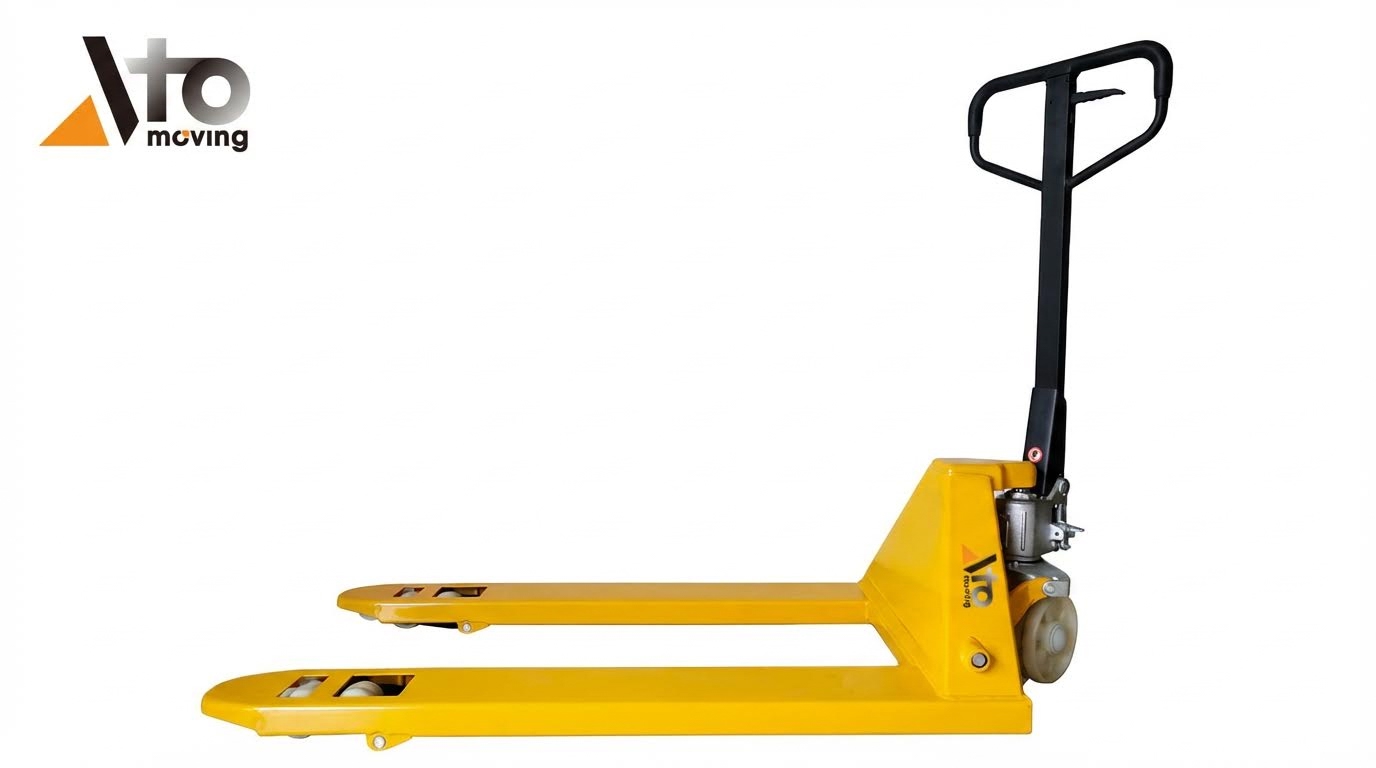
Rebuilding pumps, replacing O‑rings, and refilling oil
When basic bleeding and oil checks do not restore lifting, the next step in how to repair a pallet jack that won t lift is to rebuild the hydraulic section. Isolate the pump unit, then remove it from the frame so you can drain the hydraulic oil and disassemble it on a clean bench. Many designs allow a practical rebuild using a seal kit that includes new O‑rings and wear seals, following a sequence of removing the unit, stripping it down, and then rebuilding it with fresh components. This approach restores internal clearances and sealing surfaces so the pump can again generate pressure under load. A common root cause is a failed O‑ring in the valve cartridge, which lets oil bypass instead of building pressure. Typical procedures involve elevating the drive wheels, loosening the reservoir cover screw while pumping to drain fluid, then driving out the lower lever pin and extracting the valve cartridge to access the damaged O‑ring. Replacing this O‑ring and any other hardened seals before reassembly prevents repeat leaks and restores the valve’s ability to hold pressure. Contamination control is critical throughout; wiping the exterior and keeping dirt away from the open reservoir and valve bores helps avoid new blockages or scoring inside the hydraulic circuit. After reassembly, refill the reservoir with the specified hydraulic oil, generally to a point slightly below the fill opening so there is room for thermal expansion. Some guides recommend an oil volume on the order of a few tenths of a liter and advise checking that the level sits roughly an inch below the top of the reservoir when the jack is fully lowered. Once filled, bleed the system by cycling the handle 10–20 times with no load to purge air and confirm that the forks now lift smoothly and hold a test load without creeping down. If the jack still will not lift or will not stay up after a correct rebuild, the safest course is to remove it from service and have the hydraulic unit evaluated or replaced rather than continuing to operate with marginal pressure.
Verifying linkages, rollers, and structural integrity
Hydraulic repairs only solve part of how to repair a pallet jack that won t lift; you also need to verify that the mechanical structure can safely transmit the load. Start at the handle and control lever, checking that the lowering valve linkage moves freely and returns to its neutral “hold” position, since a misadjusted or bent link can keep the valve slightly open and prevent lifting. Inspect all pivot pins and bolts around the lift yoke and connecting rods, tightening hardware that has worked loose but avoiding over‑tightening, which can crack components or the bolts themselves. Weekly inspections should also look for visible damage such as bent forks, cracked welds, or deformed frames that could compromise capacity or cause uneven lifting. Rollers and steering wheels are high‑wear items; worn tread, flat spots, or seized bearings increase push force and can make a sound hydraulic system appear weak under load. Replacing fork rollers typically involves laying the jack on its side, removing the cotter pin, withdrawing the axle, swapping the wheel, lubricating the axle, and reassembling. Steering wheel replacement follows a similar pattern: remove the protective cap, retaining ring, and washer, change the wheel, and reinstall the hardware before checking straight‑line tracking. As part of preventive maintenance, create a simple checklist that includes hydraulic oil level, external oil traces, smooth lifting and lowering, roller condition, and frame or fork cracks so emerging issues are caught before they become lifting failures. Regular lubrication of axles, monthly greasing of wheels, and quarterly checks of hydraulic fluid help extend service life and reduce the frequency of major repairs. For fleets or high‑duty applications, combining this routine with at least annual formal inspections supports compliance with safety rules and keeps non‑lifting jacks off the warehouse floor.
“”
Key Takeaways For Reliable, Safe Pallet Jack Operation
A pallet jack lifts safely only when hydraulics, mechanics, and procedures work together. Clean oil, sound seals, and a tight lowering valve let the pump build and hold pressure. Straight forks, free‑moving linkages, and healthy rollers then turn that pressure into smooth, predictable lifting.
Teams should treat non‑lifting not as a nuisance but as a clear safety warning. A jack that will not lift, will not stay up, or shows oil leaks can drop a load without warning. Tag it out, diagnose it step by step, and only return it to service after a successful load test.
The best results come from a simple, fixed routine. Operators perform pre‑use checks for leaks, damage, and control function. Maintenance staff handle oil level, bleeding, seal replacement, and linkage repair on a schedule, not after failure. Use correct hydraulic oil, keep dirt out of open components, and follow the manufacturer’s rebuild sequence.
For Atomoving pallet jacks or any similar unit, the standard should be clear: if the jack cannot lift smoothly, hold a rated load, and roll freely, it does not belong on the floor. A disciplined inspection and maintenance program keeps equipment reliable, protects operators, and reduces unplanned downtime.
Frequently Asked Questions
Why is my pallet jack not lifting?
If your pallet jack isn’t lifting, the issue could be related to the hydraulic system. Common causes include low hydraulic fluid levels, air trapped in the system, or worn seals and valves. Check the hydraulic oil level and refill if necessary. If the problem persists, inspect for air in the system or damaged components. For more details, see Hydraulic Jack Troubleshooting.
How do I reset a pallet jack?
To reset an electric pallet jack, start by turning it off and unplugging it from the power source. Press the emergency stop button to release hydraulic pressure, then wait 30 seconds before pressing it again to reset the system. Plug the pallet jack back in and turn it on. This process can resolve issues with unresponsive lifting. Learn more about resetting pallet jacks at Pallet Jack Reset Guide.
What should I do if the hydraulic system is obstructed?
A blocked hydraulic system can prevent your pallet jack from lifting properly. Debris or blockages can restrict the flow of hydraulic fluid, affecting performance. Regularly clean and inspect the hydraulic system to ensure it’s free of obstructions. Maintaining a clear system is key to consistent operation. For additional tips, refer to Hydraulic Lift Maintenance.