Operations that ask how to unload pallets from a truck without a forklift must balance safety, throughput, and cost. This article walks through a full engineering approach, from planning safe unloading operations to selecting manual, low-cost, and powered alternatives that match load, dock, and route conditions.
You will see how simple tools such as pallet jacks, skates, roller crowbars, and drag sheets compare with electric pallet jacks, lift tables, conveyors, AGVs, cobots, and compact depalletizers. The final section explains how to choose a no-forklift solution that controls ergonomic risk, fits site constraints, and supports reliable, scalable warehouse performance.
Planning Safe Pallet Unloading Operations
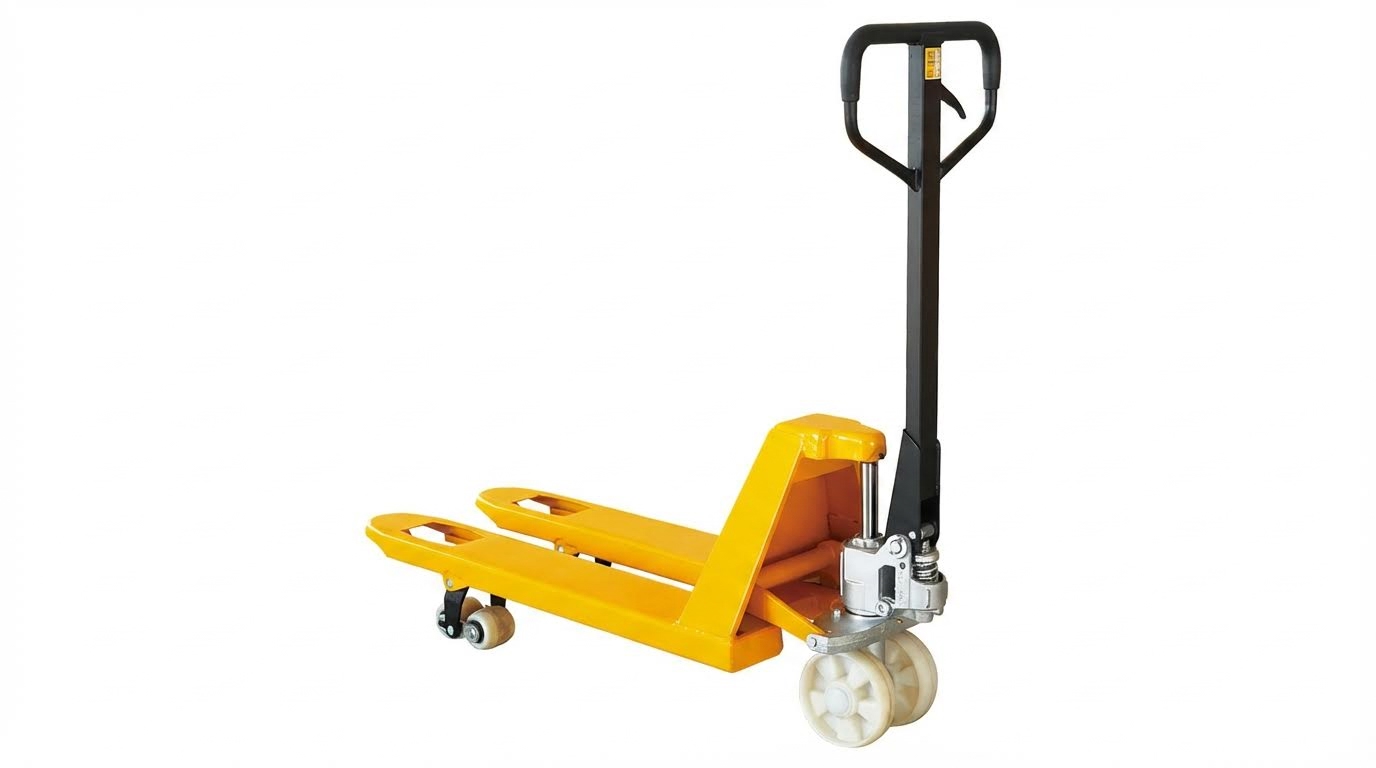
Planning is the first control step when deciding how to unload pallets from a truck without a forklift. Good planning reduces manual handling, shortens unloading time, and prevents damage to goods and trailers. It also creates clear answers for supervisors, safety teams, and drivers about who does what, where, and with which tools. This section focuses on assessing conditions, planning routes, managing ergonomic risk, and locking in safe work methods.
Assessing Load, Trailer, And Dock Conditions
Always assess the load before moving a pallet without a forklift. Check pallet weight, centre of gravity, and packaging stability. Confirm that the chosen method, such as pallet jacks or skates, can handle the rated mass with margin.
Inspect the trailer and dock interface. Look for gaps, step heights, damaged dock plates, and floor defects. Confirm that the dock plate or bridge plate is rated above the heaviest pallet plus equipment weight. Check for spills, broken boards, loose nails, and weak trailer floor sections.
Key checks usually include:
- Load data: weight, dimensions, stack pattern, and overhang
- Trailer type: suspension, floor stiffness, and access height
- Dock: edge protection, wheel chocks, and trailer restraint status
Block or restrain the trailer to prevent movement. Only start unloading when the trailer is secured, lighting is adequate, and the first pallet can move without sudden level changes.
Route Planning, Housekeeping, And Traffic Control
Route planning is central to how to unload pallets from a truck without a forklift safely. Map the full path from inside the trailer to the final storage position. Remove tight turns, steep slopes, and surface transitions where manual or low‑cost devices struggle.
Keep floors clean and dry along the route. Dust, shrink wrap scraps, and oil increase push forces and slip risk. Mark pedestrian walkways and pallet travel lanes with floor lines or barriers.
Traffic control should separate people from moving loads. Typical controls include:
- One‑way travel paths for pallet jacks where possible
- Dedicated staging zones clear of through traffic
- Spotters at blind corners during busy shifts
Review the route whenever trailer types, dock layout, or storage locations change. Adjust methods if gradients, thresholds, or congestion increase handling effort or stopping distance.
Ergonomic And Musculoskeletal Risk Assessment
Unloading pallets without forklifts often shifts risk from machines to muscles. An ergonomic review helps control this risk. Measure push and pull forces for pallet jacks, skates, or dragging methods on real dock surfaces.
Keep initial push forces as low as practical by using smooth floors, quality wheels, and correct tire pressures on handling devices. Avoid long-distance pulling. Pushing at about waist height usually gives better leverage and reduces shoulder strain.
When workers depalletize by hand, watch reach distance, twist angle, and lift height. Limit lifts above shoulder level and below mid‑shin. Rotate tasks to avoid prolonged high‑effort work.
Useful controls include job rotation, micro‑breaks, and clear limits on pallet mass for manual methods. Record discomfort reports and near‑misses. Use these records to refine which tools and methods fit each load type and shift length.
Training, Procedures, And Safety Compliance
Written procedures turn planning into repeatable practice. They should describe step‑by‑step how to unload pallets from a truck without a forklift for each approved method. Include pre‑use checks, load limits, and communication rules with drivers.
Training must cover correct use of pallet jacks, skates, dollies, ramps, and dock plates. Show operators how to position equipment, start and stop loads smoothly, and park devices safely. Emphasize pushing rather than pulling where design allows.
Supervisors should verify that procedures match local regulations on manual handling, dock safety, and traffic control. They also need to enforce PPE rules such as safety shoes and gloves. Short toolbox talks before shifts help reinforce key risks and recent incidents.
Audit unloading jobs regularly. Check that workers follow routes, respect weight limits, and secure trailers. Use findings to update procedures and training so the no‑forklift approach stays safe as volumes, products, and layouts change.
Manual And Low-Cost Pallet Handling Options
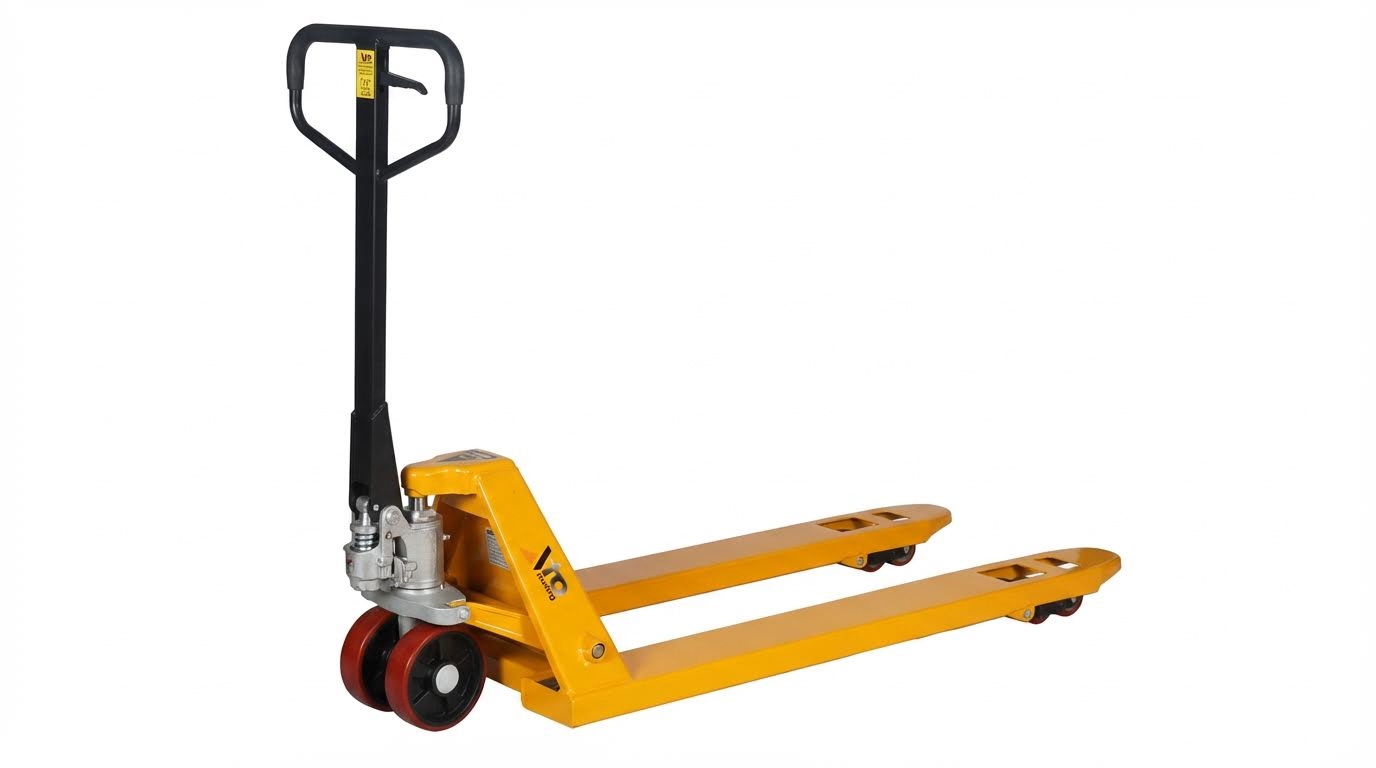
Manual and low-cost tools give practical answers for how to unload pallets from a truck without a forklift. These options suit small warehouses, retail backrooms, and sites with tight access or low budgets. Engineers can combine several tools to manage different pallet weights, floor conditions, and trailer layouts. The goal is safe control of load movement while keeping forces on workers within ergonomic limits.
Manual Pallet Jacks And High-Lift Pallet Trucks
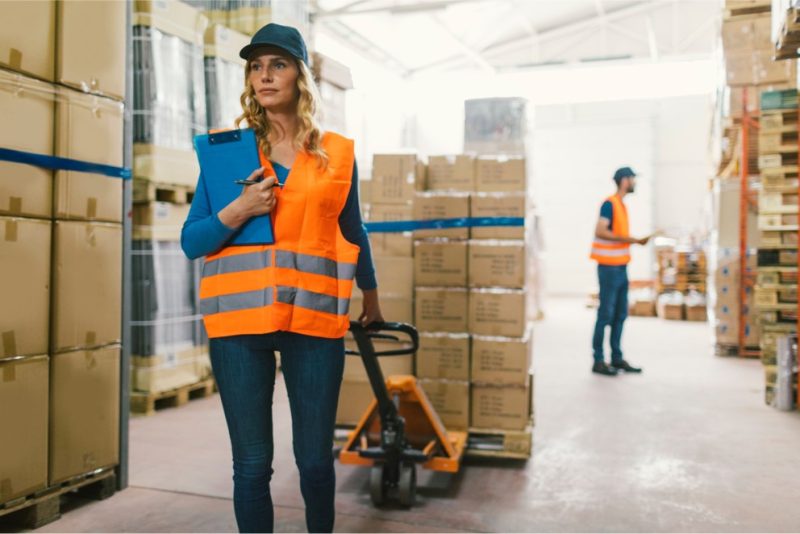
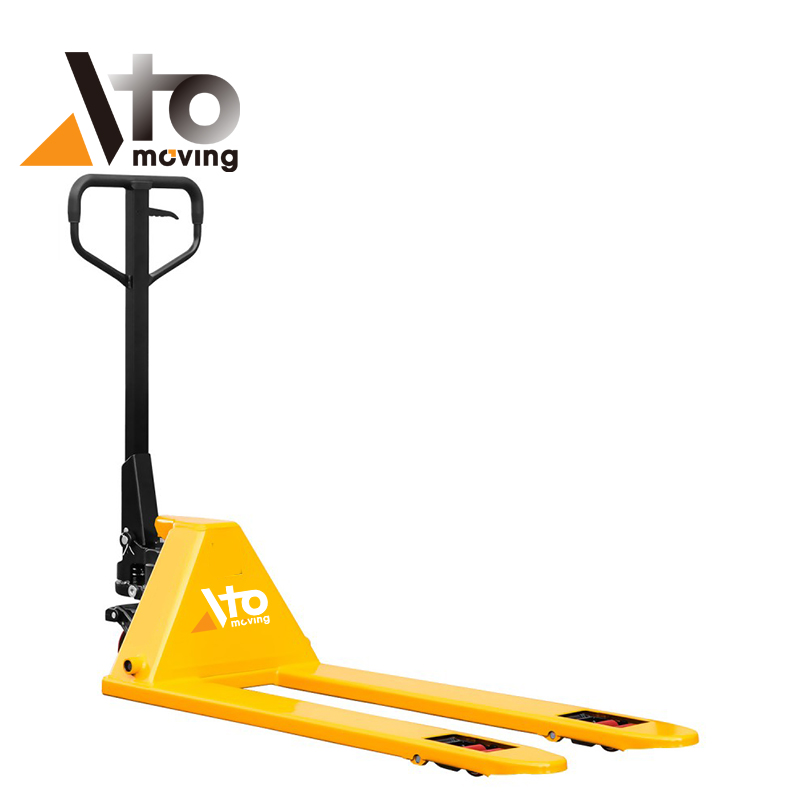
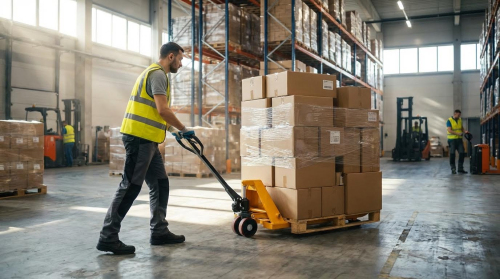
Manual pallet jacks are the primary tool when you plan how to unload pallets from a truck without a forklift. Typical hand pallet trucks carry up to about 2,500 kg on smooth, level floors. They let one operator raise the pallet just enough to roll it to the dock edge or into a staging area. High-lift pallet trucks add vertical lift, often up to about 800 mm, which improves picking height and reduces bending.
When selecting a jack, match rated capacity to the heaviest pallet including packaging. Check fork length against pallet length so the load sits fully supported. In tight trailers, short forks improve maneuvering but increase steering effort. Always push rather than pull when possible to lower back and shoulder loads.
Key engineering checks include:
- Floor evenness and slope inside the trailer and on the dock
- Wheel material versus floor type to control rolling resistance
- Stopping distance on ramps and at dock plates
Operators need training on entry angle at dock plates, speed control on slopes, and keeping feet clear of steering wheels.
Skates, Dollies, Roller Crowbars, And Pipes
Load skates and dollies support pallets on multiple small wheels. They work well when you must move heavy pallets across smooth concrete but lack space for a pallet jack. Rated capacities vary widely, so engineers must compare pallet mass with the lowest-rated skate or dolly in the set. Braked models help hold position during loading and unloading.
Roller crowbars combine a pry bar with a small wheel. One worker can lift a pallet corner, insert a skate, then repeat on other corners. This method reduces initial lifting force compared with pure crowbar use. Pipes or steel rods under the pallet create a simple roller bed for straight-line moves in temporary setups.
These methods suit short moves inside the trailer or from trailer to dock where surfaces are flat. They are not ideal on slopes, gaps, or damaged floors. Typical controls include:
- Limiting travel speed to walking pace
- Assigning spotters at the downhill side
- Keeping the path clear of debris that can stop a wheel suddenly
Always keep hands and feet away from pinch points between pallet and floor.
Ropes, Sheets, And Dragging Methods For Light Loads
Dragging methods support very low-cost approaches to how to unload pallets from a truck without a forklift. Workers place the pallet or stacked cartons on a strong sheet, tarp, or friction-reducing mat. They then pull it short distances using ropes or webbing straps. This suits light pallets or partial loads where wheeled equipment cannot enter the trailer.
Engineering focus here is on friction and human pulling force. Smooth trailer floors reduce drag but can increase slip risk, so footwear and stance matter. Teams should pull together in line with the load, not at angles that twist the spine. For heavier light loads, two or more workers share the pull to keep individual forces within ergonomic guidelines.
Good practice includes:
- Using rated lifting or towing straps instead of improvised ropes
- Checking sheet integrity and anchor points before each pull
- Keeping pull distance short and avoiding slopes
Dragging methods should never replace wheeled tools for full-weight pallets or long travel distances.
Sack Trucks, Carts, And Mixed-Unit Handling
Sack trucks, platform carts, and similar devices handle mixed units that sit on or beside pallets. They are useful when the pallet is too heavy to move as one piece, or when you break down the pallet inside the trailer. Typical sack trucks carry up to about 300 kg and work on both smooth and rougher floors. Large wheels help cross small gaps at dock plates and thresholds.
For mixed-unit unloading, workers transfer cartons or crates from the pallet to a cart at waist height where possible. This reduces reach distance and limits twisting. Engineers should define maximum stack height on the cart to keep the center of gravity low and maintain clear sight lines. Strap systems or side rails stop items from falling during movement.
When planning how to unload pallets from a truck without a forklift using these tools, consider:
- Traffic routes for two-way cart movement at the dock
- Turn radii inside trailers and at doorways
- Ramps or level changes between trailer and storage area
Combining sack trucks or carts with pallet jacks often gives the most flexible low-cost system for small facilities.
Powered And Automated Alternatives To Forklifts
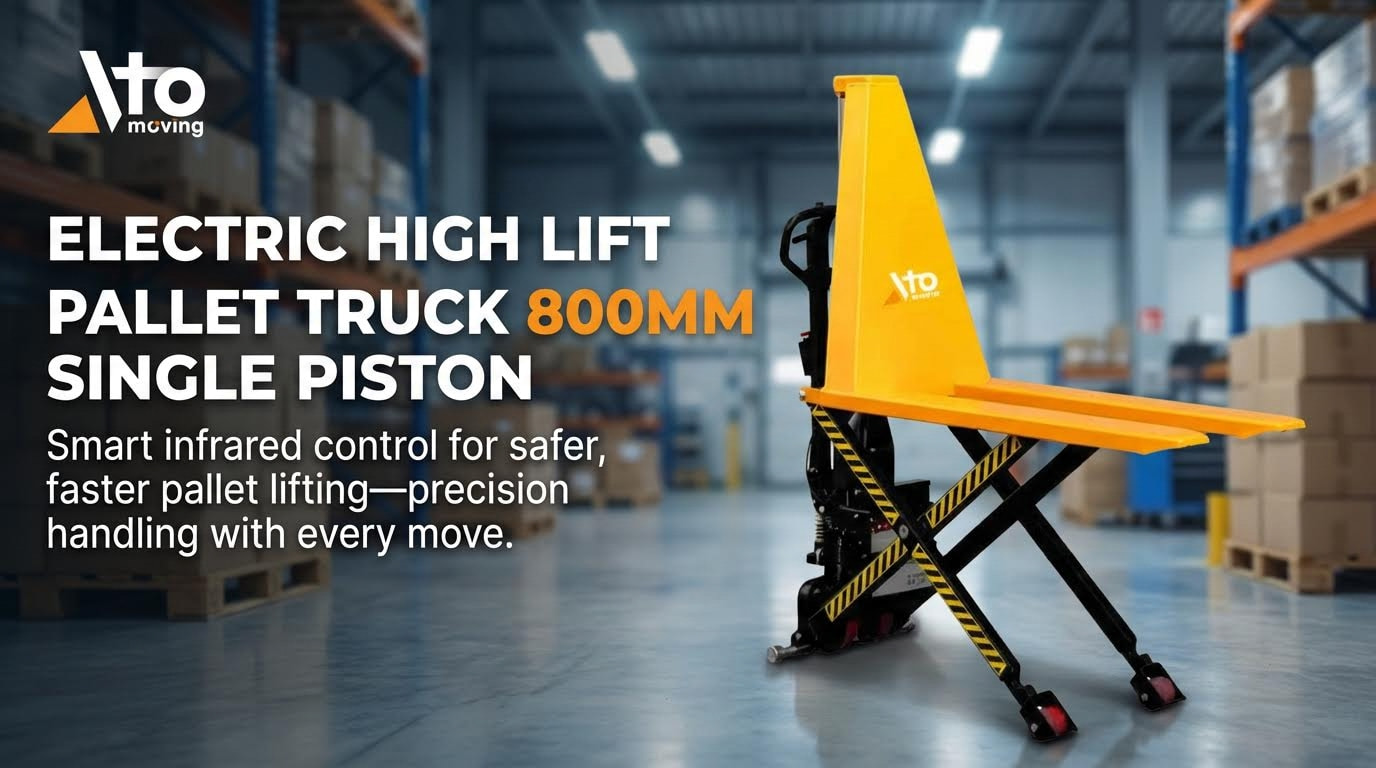
Powered tools give a controlled answer to how to unload pallets from a truck without a forklift. They cut manual strain and improve flow between trailer, dock, and storage. The right mix depends on pallet weight, volume, and dock layout. This section explains core options and how to match them to real loading patterns.
Electric Pallet Jacks And Walkie Stackers
Electric pallet jacks suit docks that move heavy pallets over longer distances. Typical hand pallet trucks handled up to about 2,500 kg, and powered units matched or exceeded this range with less effort. Operators walked behind or beside the truck and used a tiller for steering and lift. These tools worked well in tight trailers because they had short overall length.
Walkie stackers added vertical lift for racking or double‑stack moves. Manual versions used hydraulic pumps, while powered stackers used electric lift and drive. When planning how to unload pallets from a truck without a forklift, teams often combined a dock plate with an electric pallet jack or walkie stacker. Key checks included trailer floor strength, ramp slope, and staying within rated capacity.
Safe practice included speed limits in trailers, horn use at blind spots, and strict no‑ride rules on forks. Sites also planned battery charging zones, clear travel paths, and training on emergency stop functions.
Lift Tables, Scissor Lifts, And Dock Lifts
Lift tables and scissor lifts raised pallets to a good working height. This reduced bending and twisting during depalletizing. Typical high‑lift pallet trucks reached fork heights around 800 mm for loads up to about 1,000 kg. Scissor lift tables often took higher static loads but stayed fixed in one place.
Dock lifts bridged height gaps between ground level and truck beds. They allowed pallet jacks or carts to roll directly into a trailer without a forklift. When deciding how to unload pallets from a truck without a forklift, engineers checked lift stroke, platform size, and edge protection. Guard rails, toe boards, and interlocks helped control fall risks.
Safe use required level positioning, wheel chocks on trucks, and clear signaling between lift operators and dock staff. Maintenance teams inspected hoses, pins, and safety locks on a schedule, because hydraulic failures at full load could be severe.
Gravity And Powered Roller Conveyor Systems
Gravity conveyor lines used a slight slope so pallets or unit loads rolled by gravity. This worked well for repeat lanes from truck to staging when the same dock handled similar loads daily. Powered rollers used motors to move loads on level floors or uphill. Both options reduced pushing and pulling forces on workers.
For how to unload pallets from a truck without a forklift, a common setup used a short in‑truck conveyor section feeding a longer dock conveyor. Pallets entered at the trailer and rolled or drove toward sort or storage zones. Designers set slopes so loads moved but did not accelerate too fast, then added end stops and side guards.
Key design checks included pallet base condition, minimum roller pitch, and transfer gaps. Operations teams enforced lockout rules during maintenance and kept hands and feet away from moving rollers. Regular cleaning prevented debris from jamming bearings and causing sudden stops.
AGVs, Cobots, And Compact Depalletizers
Automated Guided Vehicles (AGVs) moved pallets between dock and storage with minimal human steering. They followed floor markers, magnets, or laser maps. This cut travel labor on long runs. For trailers, AGVs usually stopped at dock positions while manual or semi‑automatic tools handled in‑trailer moves.
Cobots and compact depalletizers focused on case or layer removal from pallets. A mobile compact depalletizer could replace several manual depalletizing stations. It used grippers or vacuum tools to pick boxes and place them on conveyors or carts. This reduced repetitive lifts and made unloading more consistent.
When teams studied how to unload pallets from a truck without a forklift at high volume, they often paired dock conveyors with cobots or compact depalletizers. Planning steps included layout simulation, throughput targets, and safety zoning with scanners or light curtains. A staged rollout with operator training helped sites blend automated cells into existing dock workflows.
Long‑term success depended on spare‑parts planning, software support, and clear rules for manual override during jams or special loads.
Conclusion: Selecting The Right No-Forklift Solution
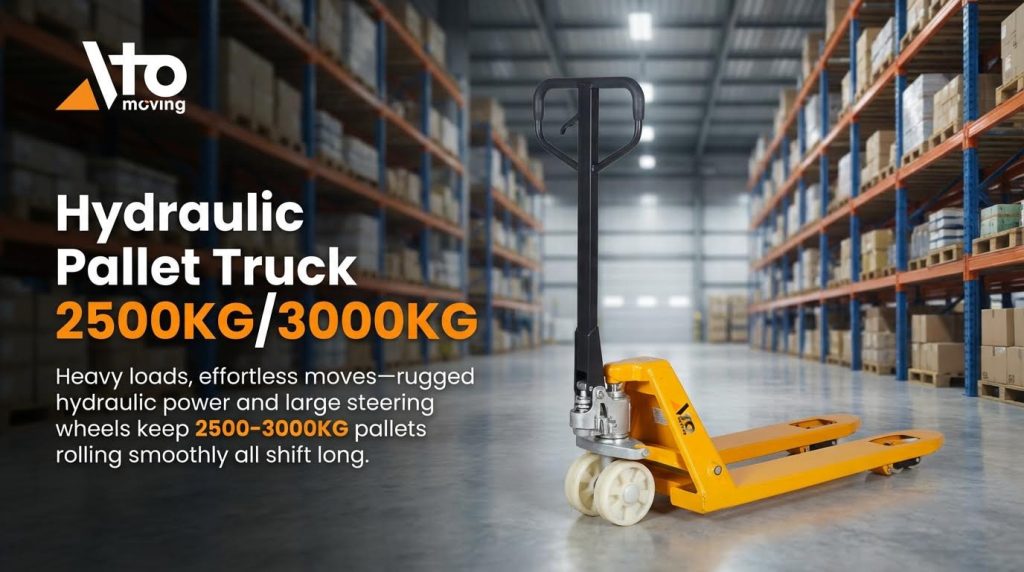
Choosing how to unload pallets from a truck without a forklift starts with risk, not hardware. Teams must match pallet weight, trailer height, floor condition, and throughput to the right mix of manual, semi-powered, and automated tools. Poor matching increases strain, product damage, and dock delays.
Manual pallet jacks, skates, dollies, sack trucks, and dragging aids suit light to moderate volumes with good floors and short moves. Electric pallet jacks, walkie stackers, lift tables, and dock lifts fit heavier pallets or longer routes while cutting musculoskeletal load. Conveyor lines, AGVs, cobots, and compact depalletizers work best where flow is repeatable and volume is stable.
Practical projects should start small. Pilot one or two methods on a high-risk lane. Measure cycle time, near misses, strain reports, and product damage. Then scale the options that give safer handling and predictable throughput with acceptable payback.
Future docks will blend flexible manual tools with compact automation. Expect more mobile depalletizers, smarter walkie stackers, and integrated safety analytics. Still, good planning, clear traffic control, and solid training will matter more than any single device. The best no-forklift setup is usually a layered system, not a single piece of equipment.
,
Frequently Asked Questions
How to unload pallets from a truck without a forklift?
Unloading pallets from a truck without a forklift can be done safely using manual tools like pallet jacks, stackers, or carts. These tools allow you to move heavy pallets with ease. For instance, a manual pallet jack can slide under the pallet and lift it slightly off the ground for transport. Pallet Moving Guide.
- Position the pallet jack forks centered under the pallet.
- Pump the handle to lift the pallet slightly off the ground.
- Move the pallet jack carefully to the desired location.
What are some alternatives to a forklift for moving pallets?
If you don’t have access to a forklift, there are several alternatives you can use to move pallets. Options include manual pallet jacks, electric pallet jacks, pedestrian stackers, and tugger trains. Each of these tools is designed to help move heavy loads efficiently within a warehouse or loading dock. Forklift Alternatives Overview.
- Manual pallet jacks for small-scale operations.
- Electric pallet jacks for larger or heavier pallets.
- Pedestrian stackers for stacking pallets at different heights.