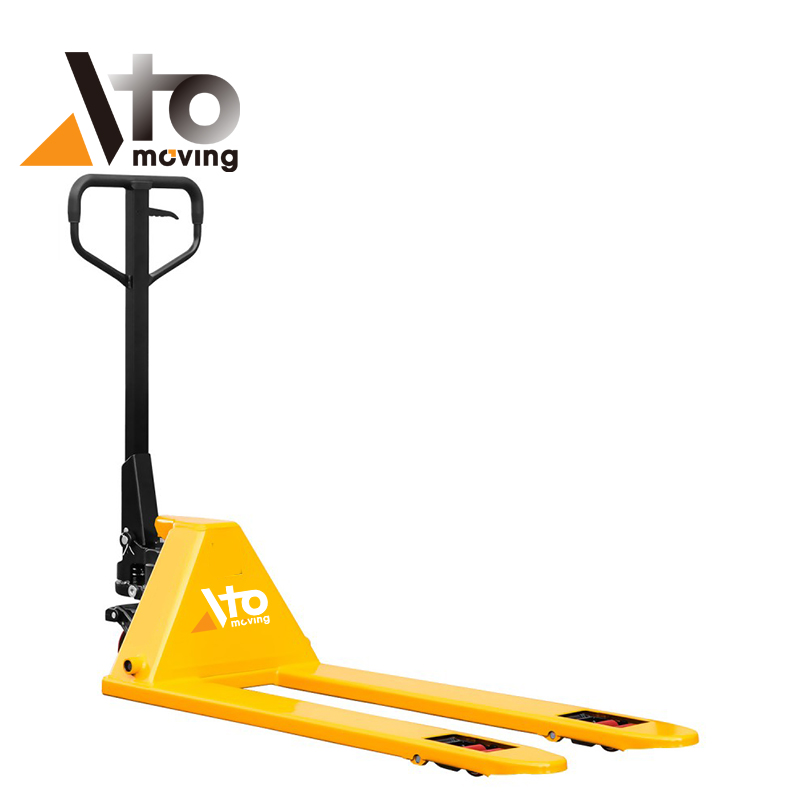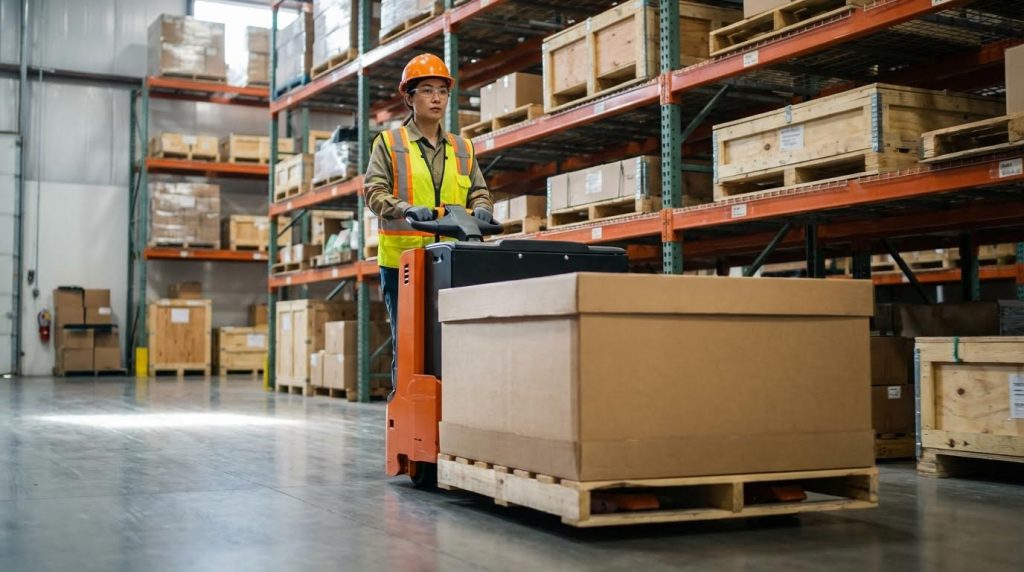
Understanding how much a pallet jack can lift is critical for safe, efficient material handling across warehouses, factories, and logistics hubs. This guide explains capacity differences between standard and heavy-duty pallet jacks, including low profile and ultra-low profile designs, and how geometry and lift range affect real-world limits. It then examines the engineering factors behind rated capacity, from structural design and steel grade to hydraulics, wheel selection, and load center effects. Finally, it shows how to select the right capacity for your facility, integrate safety margins and compliance, evaluate lifecycle cost, and apply best practices for long-term, reliable operation.
Defining Standard Vs Heavy-Duty Pallet Jack Loads
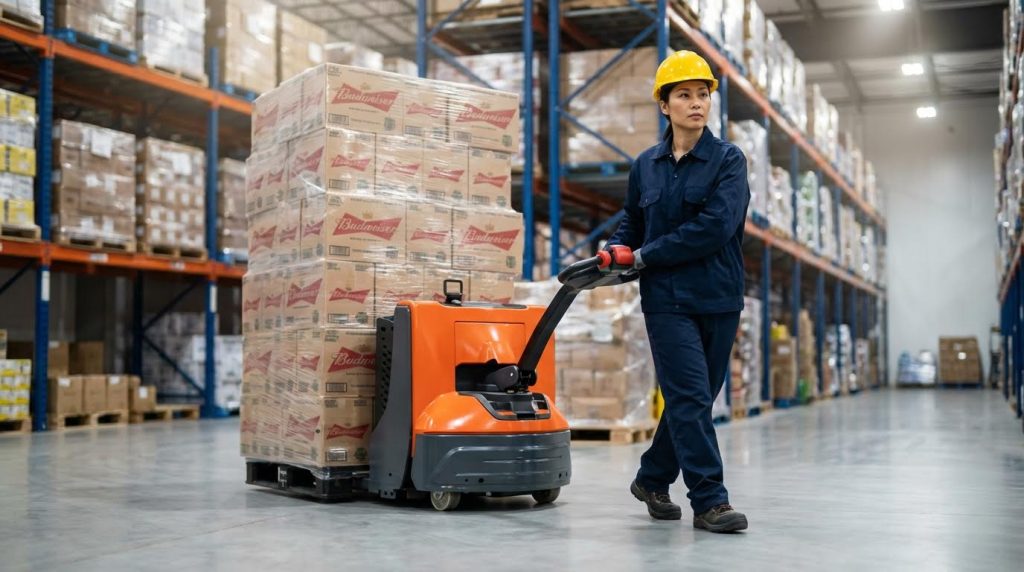
When engineers ask “how much can a pallet jack lift,” they usually compare standard, low profile, and heavy-duty designs. Capacity ratings link directly to fork geometry, hydraulic limits, and intended pallet types. Understanding these distinctions helps prevent overloads, floor damage, and premature component failure. This section defines realistic working envelopes for standard and heavy-duty pallet jack loads, including low and ultra-low profile variants.
Typical Capacity Ranges And Use Cases
Standard manual pallet jacks typically lifted around 2 000 kg to 2 500 kg. Many units carried a nominal rating of 5 000 lb to 5 500 lb for general warehouse use. Heavy-duty models extended this envelope up to about 3 500 kg or roughly 8 000 lb. Engineers selected these higher ratings for dense products, such as metal coils, paper rolls, or fully loaded beverage pallets.
Standard units usually had fork dimensions close to 520 mm by 1 150 mm or 685 mm by 1 220 mm. These jacks handled ISO and GMA-style pallets in distribution centers, retail backrooms, and loading docks. Heavy-duty versions kept similar fork geometry but used thicker steel sections and uprated hydraulics. When planning “how much can a manual pallet jack lift” in a facility, designers treated the nameplate rating as the absolute upper bound, not a target working load.
Ultra-heavy applications sometimes required capacities approaching 5 500 kg. In those cases, engineers often specified specialized heavy-duty or high-capacity low profile equipment. They also verified that floor slabs, dock plates, and truck beds could support the resulting point loads.
Fork Dimensions, Lift Range, And Load Geometry
Fork dimensions strongly influenced how much a pallet jack could lift safely. Typical standard forks measured about 160 mm wide per blade, 20 in to 27 in overall width, and 36 in to 48 in length. Longer forks increased bending moments at the fork heel and at the pump-to-fork connection. As a result, capacity ratings usually assumed a specific load center, often near the fork midpoint.
Standard pallet jacks operated over a modest lift range. Lowered heights sat near 70 mm, with raised heights around 190 mm to 200 mm. Some specifications listed ranges such as 2 7/8 in to 7 3/4 in. This limited stroke minimized cylinder size and kept the center of gravity low during travel. Engineers evaluated “how much can a pallet jack lift” not only by mass, but also by load geometry.
Uneven, tall, or offset loads reduced usable capacity even when the total mass stayed below the rating. Poorly centered pallets increased torsion on the forks and side loading on the steer wheels. For dense, compact loads, the theoretical capacity approached the nameplate value. For high-stacked or overhanging loads, prudent practice applied additional derating to maintain stability.
Low Profile And Ultra-Low Profile Capacity Limits
Low profile and ultra-low profile pallet jacks addressed pallets with reduced entry height. Low profile designs often had a minimum fork height around 55 mm. Ultra-low profile units reached lowered heights near 38 mm or about 1.5 in. Raised heights typically ranged from 115 mm to 170 mm, depending on design. These compact geometries allowed entry into low-clearance skids and special export pallets.
Capacity for low profile pallet jacks commonly reached 2 500 kg or about 5 000 lb. Standard low profile units therefore matched the lower end of standard jack capacities. However, structural sections were thinner in some regions to achieve the reduced fork height. Engineers accounted for this by carefully validating stress levels and deflection under rated load. Ultra-low profile models sometimes carried ratings up to 3 000 kg, while specialized heavy-duty low profile units extended toward 5 500 kg.
Despite similar nameplate values, low profile jacks were more sensitive to impact and localized overloads. Small fork thickness reduced their margin against point loading from damaged pallet boards or concentrated loads. When defining “how much can a low profile pallet jack lift” in operations with low-clearance pallets, engineers matched capacity not only to total mass but also to pallet quality and load footprint. This approach minimized fork tip damage, roller wear, and unexpected hydraulic failures.
Engineering Factors That Determine Jack Capacity
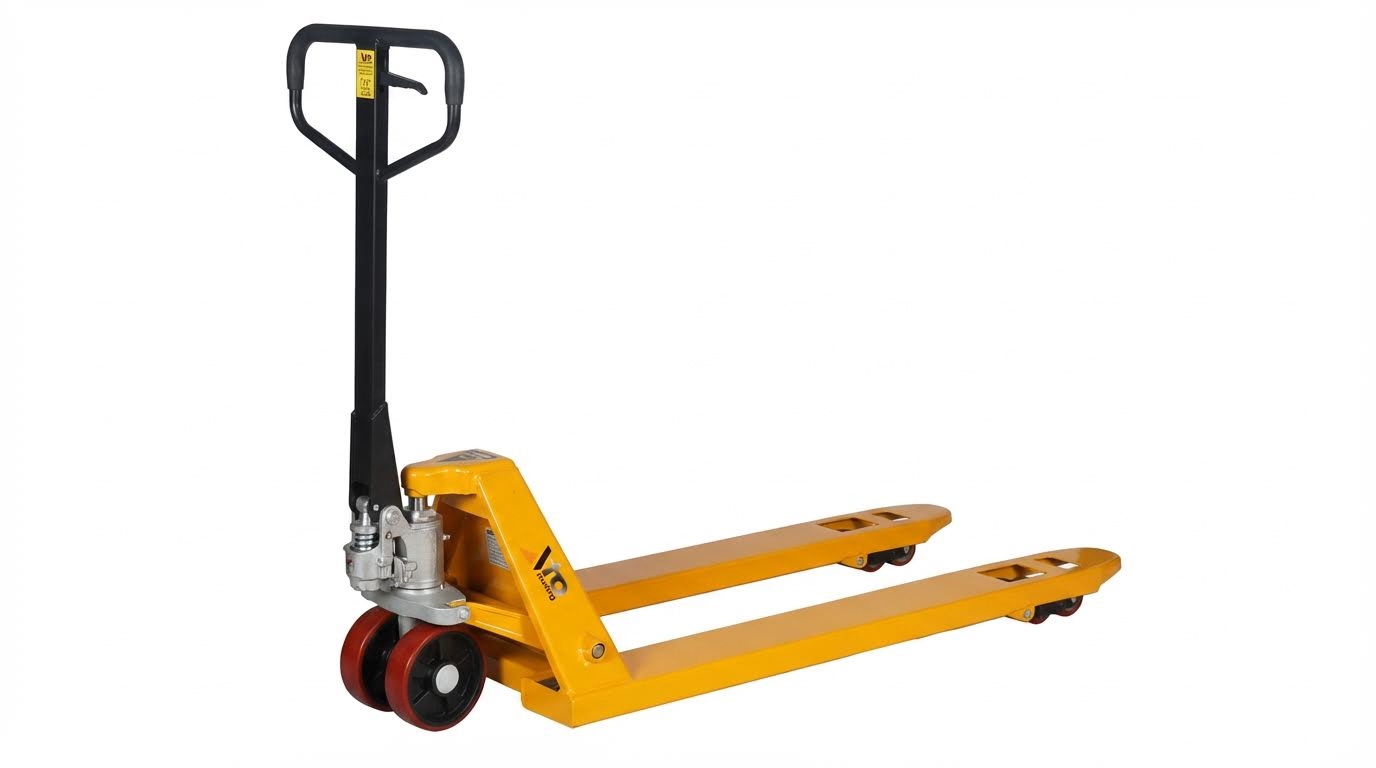
Engineering design answers the core question “how much can a pallet jack lift” by linking rated capacity to structure, hydraulics, and running gear. Capacity ratings between 2 000 kg and 3 500 kg for standard units, and up to about 3 600 kg to 3 800 kg for heavy-duty models, reflected conservative engineering choices. Designers balanced steel strength, hydraulic pressure, wheel loading, and load geometry to keep stresses within elastic limits and meet safety standards. Understanding these factors helps engineers and facility managers avoid overloading and select appropriate equipment for each application.
Structural Design, Steel Grade, And Safety Factors
The frame and forks usually limited how much a pallet jack could lift before yielding. Manufacturers used high-strength, low-alloy steels and thick fork sections to keep bending stress under the material’s yield strength at full rated load. Typical standard pallet jacks with 5 000 lb to 5 500 lb (≈2 300 kg to 2 500 kg) ratings relied on welded box or channel fork sections and reinforced pump brackets to distribute stress. Engineers applied safety factors around 1.3 to 1.5 on yield, and higher on ultimate failure, so the jack structurally withstood occasional shock loads above the nameplate rating.
Finite element analysis and physical load tests verified that deflection stayed within limits when the forks carried the rated load at the specified load center. The heel area near the pump and the fork-to-tow-bar junction experienced the highest bending moments. Heavy-duty designs that answered “how much can a pallet jack lift beyond standard ratings” added thicker top plates, gussets, and larger weld throats to keep fatigue life acceptable in high-cycle environments.
Hydraulic System Limits And Pump Design
The hydraulic circuit converted handle input into lifting force, so pump design directly constrained capacity. A typical manual pallet jack used a cast hydraulic pump with a hard chrome-plated piston, polyurethane seals, and a simple check-valve block. Designers selected cylinder bore and maximum working pressure so that the product of piston area and pressure exceeded the fork load plus friction with a suitable safety margin. For example, a jack rated around 2 500 kg required working pressures in the tens of megapascals, while relief valves prevented over-pressurization.
Slow-release lowering valves and precise metering orifices controlled descent speed under maximum rated load, maintaining stability. In heavy-duty models that lifted up to about 3 600 kg to 3 800 kg, pumps used more robust castings, larger pistons, and upgraded seals to handle higher internal forces and duty cycles. Engineers also considered oil viscosity and operating temperature, because excessive viscosity increased handle effort and reduced effective capacity in cold environments.
Wheel Materials, Floor Conditions, And Rolling Resistance
Even if the frame and hydraulics allowed higher loads, wheel capacity and floor interaction often limited how much a pallet jack could lift and move safely. Standard designs used polyurethane steer wheels with diameters around 150 mm to 175 mm and steel or polyurethane fork rollers around 70 mm. Each wheel had a rated static and dynamic load; designers ensured the sum of wheel capacities exceeded the rated jack capacity with an adequate safety factor. On smooth, sealed concrete, polyurethane provided low rolling resistance and noise, so operators could move a fully loaded 2 500 kg to 3 500 kg jack with about 330 N of pull force.
On rough or wet floors, nylon or rubberized treads changed the friction coefficient and rolling resistance. Higher resistance increased required pull force and effectively reduced practical capacity, even if the nameplate rating stayed the same. Engineers also checked bearing loads and contact stresses to avoid flat spotting under static loads near the rated capacity. Floor flatness and joint design mattered; concentrated loads at expansion joints could exceed local concrete bearing capacity, influencing the realistic answer to “how much can a pallet jack lift here without floor damage.”
Effect Of Fork Length, Width, And Load Center
Fork geometry and load center assumptions were central to capacity calculations. Standard pallet jacks with forks about 1 150 mm long and 520 mm to 685 mm wide used a rated load center typically at half fork length. The bending moment at the fork heel equaled load times load center distance; if the actual center shifted forward, the moment increased and effective capacity dropped. Long-fork variants up to 2 000 mm allowed handling of oversized pallets but required thicker or deeper fork sections to keep stress within limits at the same nominal capacity.
Fork width influenced lateral stability rather than pure vertical capacity. Wider frames with around 685 mm between outer forks reduced tipping risk for tall or offset loads, which in practice allowed users to utilize the full rated capacity more safely. Ultra-low-profile designs with minimum heights near 40 mm to 55 mm traded fork section depth for clearance, so engineers compensated with higher-strength steels and optimized cross-sections. When users asked “how much can a pallet jack lift in low-profile form,” the answer often reflected this compromise: capacities around 2 500 kg to 3 500 kg were achievable, but required stricter adherence to specified load centers and pallet compatibility.
Selecting The Right Capacity For Your Facility
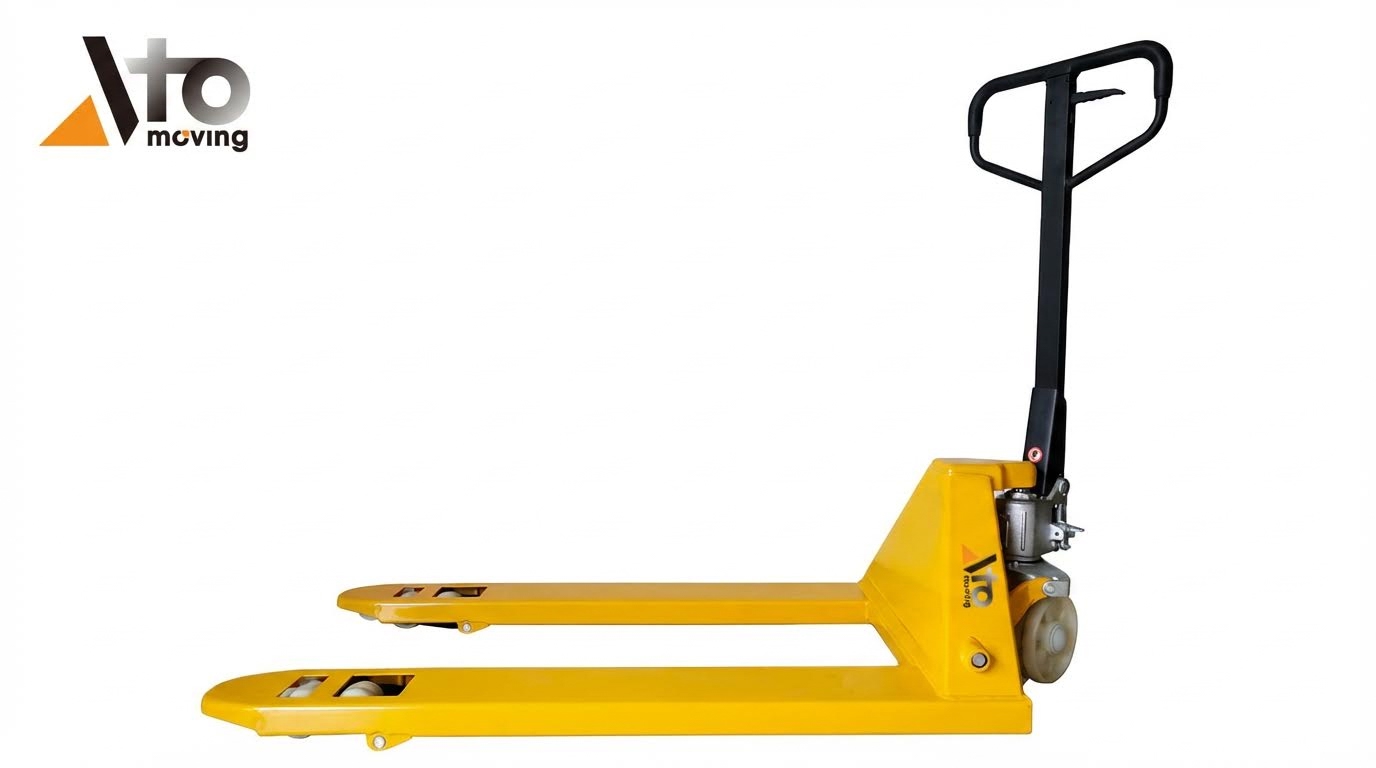
Capacity selection starts with a clear understanding of how much a pallet jack can lift in real operations. Engineers and facility managers should match rated load, fork geometry, and floor conditions to actual pallet types and product densities. This section links published capacity values, such as 2 500 kg low profile units and 8 000 lb heavy-duty models, to day‑to‑day material flows. It also shows how safety margins, ergonomics, and lifecycle costs influence the final specification, including when to consider Atomoving solutions.
Matching Capacity To Pallet Type And Product Density
The starting point for deciding how much a pallet jack can lift is pallet format and product density. Standard 1 000 mm × 1 200 mm or 40 in × 48 in pallets with mixed consumer goods usually stay within 2 000 kg, so a 2 500 kg to 3 000 kg jack typically sufficed. Dense loads, such as metal components, liquids, or bagged minerals, can reach 3 000 kg or more on the same footprint, which required heavy‑duty models rated up to 3 500 kg or 8 000 lb. Facilities handling low‑profile skids or four‑way entry pallets also needed low or ultra‑low profile jacks, where capacities often ranged from 2 500 kg to about 5 500 kg depending on fork height and structure. Always calculate expected maximum pallet mass from product density and stacking pattern, then add a conservative engineering margin before selecting the nominal capacity.
Standard, Low Profile, And Heavy-Duty Selection Criteria
Standard manual pallet jacks usually carried ratings around 2 500 kg or 5 500 lb with fork sizes near 520 mm × 1 150 mm or 20 in × 48 in. They worked well for general warehouse, retail, and distribution loads that stayed below roughly 80% of the rating. Low profile models, with lowered fork heights near 38 mm to 55 mm, handled low‑clearance pallets but often kept similar capacity, typically up to 2 500 kg, although some ultra‑low variants reached 5 500 kg. Heavy‑duty designs pushed capacity to about 3 500 kg or 8 000 lb, using reinforced frames and higher‑grade steel, and suited high‑density goods, freezer operations, or demanding industrial environments. Selection should compare rated load, minimum fork height, lift range, fork length, and width against the heaviest pallet, entry openings, and aisle geometry in the facility.
Safety Margins, Compliance, And Operator Ergonomics
From a safety perspective, the answer to how much a pallet jack can lift should always stay below the nameplate rating by a defined margin. Many facilities capped routine loads at 70% to 85% of rated capacity to account for dynamic forces, uneven floors, and shifting centers of gravity. Compliance with relevant standards, such as EN or ISO requirements for industrial trucks, required clear labeling of capacity, load center, and maintenance intervals. Ergonomics also limited practical capacity, because higher loads increased required drawbar force, particularly on ramps or rough floors. Specifications that kept pulling forces near 330 N or lower and combined this with ergonomic handles and low rolling resistance wheels reduced strain and injury risk for operators.
Lifecycle Cost, Maintenance, And Atomoving Innovations
Lifecycle cost analysis looked beyond the purchase price to maintenance, downtime, and energy or labor efficiency. Heavier capacities and low‑profile designs increased structural and hydraulic stresses, so facilities needed stricter inspection routines, regular lubrication, and hydraulic oil changes to preserve the rated lifting capability. Under‑specifying capacity accelerated wear on wheels, forks, and pumps, while slightly over‑specifying often reduced failures and total cost over five to ten years. Innovations from suppliers such as Atomoving focused on durable hydraulic pumps, optimized steel sections, and wheel materials that reduced rolling resistance while maintaining load ratings. When facilities evaluated how much a pallet jack can lift over its service life, they considered not only static capacity but also how design and maintenance practices preserved that capacity under real‑world duty cycles.
Summary Of Pallet Jack Capacity And Best Practices

Understanding how much can a pallet jack lift required a distinction between standard, low profile, and heavy-duty designs. Standard manual units typically lifted around 2 500 kg to 2 700 kg, with common ratings near 5 500 lb. Heavy-duty hand pallet jacks extended usable capacity up to approximately 3 500 kg to 3 600 kg, and some specialized models reached about 3 600 kg to 3 800 kg. Ultra-low and low profile variants usually stayed in the 2 500 kg to 3 000 kg range because of reduced fork section height and geometry limits.
Capacity in practice depended on fork section strength, steel grade, hydraulic pump rating, and wheel load distribution. Fork length and load center also affected how much a pallet jack could lift safely, especially with long or uneven pallets. Facilities needed to match rated capacity to pallet type, product density, and actual mass per pallet, while keeping a clear safety margin below the nameplate rating. Correct wheel material selection and suitable floor conditions reduced rolling resistance and helped operators maintain control at high loads.
Best practice combined conservative capacity selection with disciplined maintenance and operator training. Operators should never exceed the rated capacity, should center the load over the forks, and should keep the forks as low as practical while traveling. Routine inspection of wheels, bearings, and hydraulic components preserved full lifting capability over the equipment life. Facilities that aligned capacity, ergonomics, and lifecycle cost, and adopted incremental innovations such as improved hydraulics and low-rolling-resistance wheel sets, achieved higher throughput with fewer failures and incidents.