This guide explains how to repair pallet jack hydraulic pump assemblies safely, efficiently, and with minimal downtime. You will learn how the hydraulic circuit works, how to recognize failure symptoms, and how to diagnose leaks, air ingress, and worn components. Step-by-step procedures show you how to restore lifting pressure, choose between repair and replacement, and apply best-practice maintenance. Use it as a practical field reference whenever a pallet jack will not lift, will not hold, or operates erratically.
Understanding Pallet Jack Hydraulic Pump Failures
How a pallet jack hydraulic circuit works
A pallet jack uses a simple closed hydraulic circuit to convert manual handle strokes into lifting force at the forks. When you pump the handle, a small piston in the hydraulic pump draws oil from the reservoir and pushes it into the lift cylinder through check valves. These check valves allow flow toward the cylinder but block reverse flow, so pressure builds and the ram extends, raising the forks. When you pull the release lever, a control valve opens a return path so pressurized oil flows back to the reservoir, letting the forks lower in a controlled way. Any guide on how to repair pallet jack hydraulic pump issues starts with understanding this flow path, because every failure mode traces back to problems with fluid level, leakage, trapped air, or valve sealing.
In normal operation, the system stays completely filled with oil, with no air pockets. The reservoir must hold the correct volume of hydraulic fluid, typically kept about 1 to 1.5 inches below the top of the tank to allow for expansion without drawing in air recommended oil level about 1–1.5 inches below the top. If the level drops too low, the pump inlet can suck air, causing foaming and a “spongy” lift. Trapped air reduces effective bulk modulus of the fluid, so the handle may move with little load movement and the forks may drift or fail to reach full height. Keeping the circuit sealed, full, and bled of air is therefore central to reliable operation and to any systematic approach to how to repair pallet jack hydraulic pump faults.
Common failure modes and visible symptoms
Most hydraulic pallet truck failures show up as a few repeatable symptoms: no lift, weak lift, jerky motion, or forks that slowly sink under load. One major cause is hydraulic fluid loss through external leaks. Visible oil on the floor, on the pump body, or around hoses and fittings usually indicates a damaged seal, cracked hose, or loose connection that needs replacement or tightening visible fluid around the pump or lines indicates leakage. As fluid level drops, the jack may stop lifting entirely or lift only when unloaded. Checking and restoring the correct fluid level, then inspecting for fresh leaks, is always an early step when deciding how to repair hydraulic pallet truck problems.
Another frequent failure mode is air ingress into the hydraulic circuit. Air pockets can cause slow or incomplete lifting, forks that rise then drop, and abnormal noises such as grinding or whining from the pump symptoms of air in the hydraulic system. Bleeding procedures—such as holding the release in the lower position and pumping the handle about 10 times—force air back into the reservoir and often restore normal lift performance pump the handle ~10 times with the release open to bleed air. If bleeding and fluid correction do not solve the issue, internal wear becomes more likely. Worn seals, eroded pump pistons, or damaged lift cylinders reduce volumetric efficiency and cause weak lifting or rapid settling under load worn cylinders, seals, or pump pistons as common wear items. Systematically matching these visible symptoms to likely root causes is the foundation of efficient, low-cost decisions on how to repair hydraulic pallet truck assemblies versus replacing them outright.
Step-By-Step Diagnosis And Pump Repair Procedure
Safety preparation and required tools
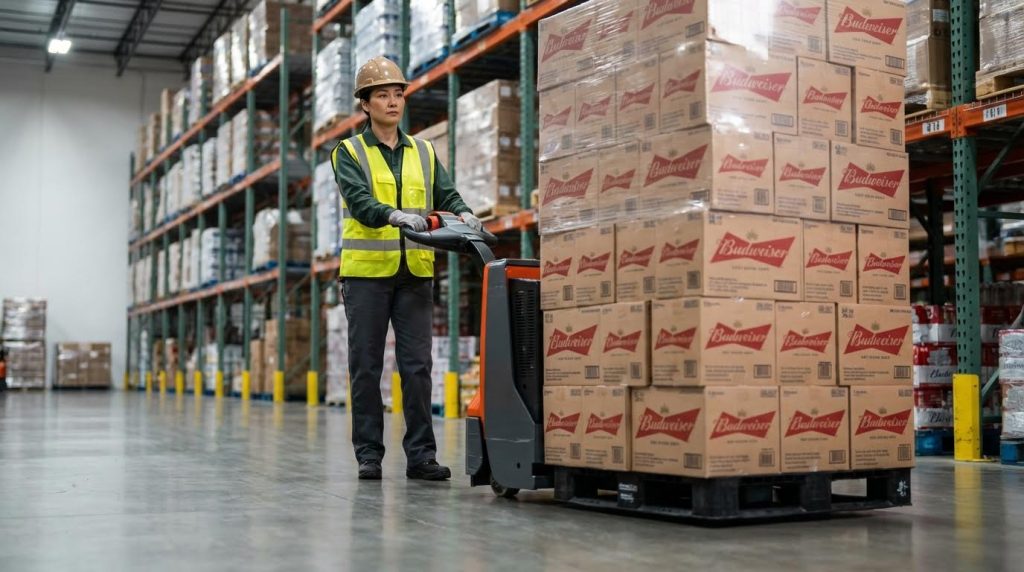
Before working on any pallet jack hydraulic pump, park it on a flat, stable floor and chock the wheels so it cannot roll. Lower the forks fully to release stored energy in the lift cylinder, then remove the load and keep the handle in the neutral position. Wear safety glasses and gloves because hydraulic oil under pressure can inject into skin, and use absorbent pads to control spills. Disconnect any nearby power sources such as battery chargers or dock equipment so you can focus on the jack without secondary hazards.
Prepare your tools and materials in one place so you can move through the diagnosis efficiently. A typical kit for how to repair hydraulic pallet truck issues includes:
- Combination wrenches, ratchet and socket set, screwdrivers, and pliers for linkages and covers recommended for hydraulic repairs
- Oil drain pan, clean rags, and absorbent material for fluid handling
- Correct-grade hydraulic oil, small funnel, and a flashlight for reservoir inspection based on common service procedures
- Torque wrench and gasket scraper if you plan to remove covers or replace seals listed as typical tools
Keep the pallet jack’s service manual available to confirm torque values, oil type, and any pump-specific steps. This preparation reduces rework and helps you complete the repair safely and in one pass.
Checking fluid level, leaks, and contamination
The first practical step in how to repair pallet jack hydraulic pump problems is a quick fluid and leak inspection. Start by wiping dirt from around the reservoir plug so contamination does not drop inside when you open it. Remove the plug or dipstick and verify that the oil level sits roughly 1 to 1.5 inches below the top of the reservoir, topping up with the specified hydraulic fluid if it is low as many pallet jack manuals specify. Low oil alone can cause weak or no lift even when the mechanical parts look fine.
With the area clean, look closely at the oil itself for signs of contamination. Milky fluid suggests water ingress, while dark or burnt-smelling oil indicates oxidation and possible overheating. Solid particles in the oil point to internal wear of seals, pistons, or cylinder surfaces, and justify a full fluid change and closer component inspection where worn components are a known failure cause. Contaminated fluid reduces volumetric efficiency and accelerates wear, so do not ignore discoloration.
Next, inspect for external leaks along the pump body, cylinder, hoses, and fittings. Any visible oil on the floor or wet areas around seals and connections usually indicates a leak that must be corrected before you chase more complex faults where hydraulic fluid leaks are described as a primary cause of lifting failure. Tighten loose fittings, replace cracked hoses, and plan seal replacement if you find oil weeping from around the pump shaft or cylinder rod.
Bleeding air and restoring hydraulic pressure
Air trapped in the hydraulic circuit is a common reason a pallet jack will not lift or feels “spongy” during operation. Typical symptoms include slow or inconsistent fork rise, unsteady holding height, and abnormal noises such as grinding or whining from the pump area noted as classic air-in-system indicators. Before disassembling the pump, always perform a proper bleed procedure because it solves many lifting complaints with minimal downtime.
Most pallet jacks can be bled without tools by using the handle and release lever. With the forks unloaded and fully lowered, hold the control lever in the lowering or release position and pump the handle about 10 times; this pushes air from the valve section back into the reservoir and often restores normal lift as a standard bleeding method. Some designs include a dedicated bleed screw; in that case, slightly loosen the screw, pump the handle until a solid, bubble‑free stream of oil flows, then tighten the screw again while still pumping gently following common bleeder valve practices.
After bleeding, recheck the reservoir level because expelled air is replaced by oil volume. Top up if needed to keep the level within the recommended band, since low fluid can reintroduce air and repeat the failure. Finally, test the jack with a moderate load in a controlled area, confirming that the forks lift smoothly to full height and hold without drifting or noise a standard step after hydraulic repair work. If performance is still poor after correct bleeding and fluid checks, the issue likely lies in internal pump valves, seals, or pistons and will require deeper disassembly guided by the service manual.
Engineering Best Practices To Reduce Downtime And Cost
Repair vs. replace decisions for hydraulic pumps
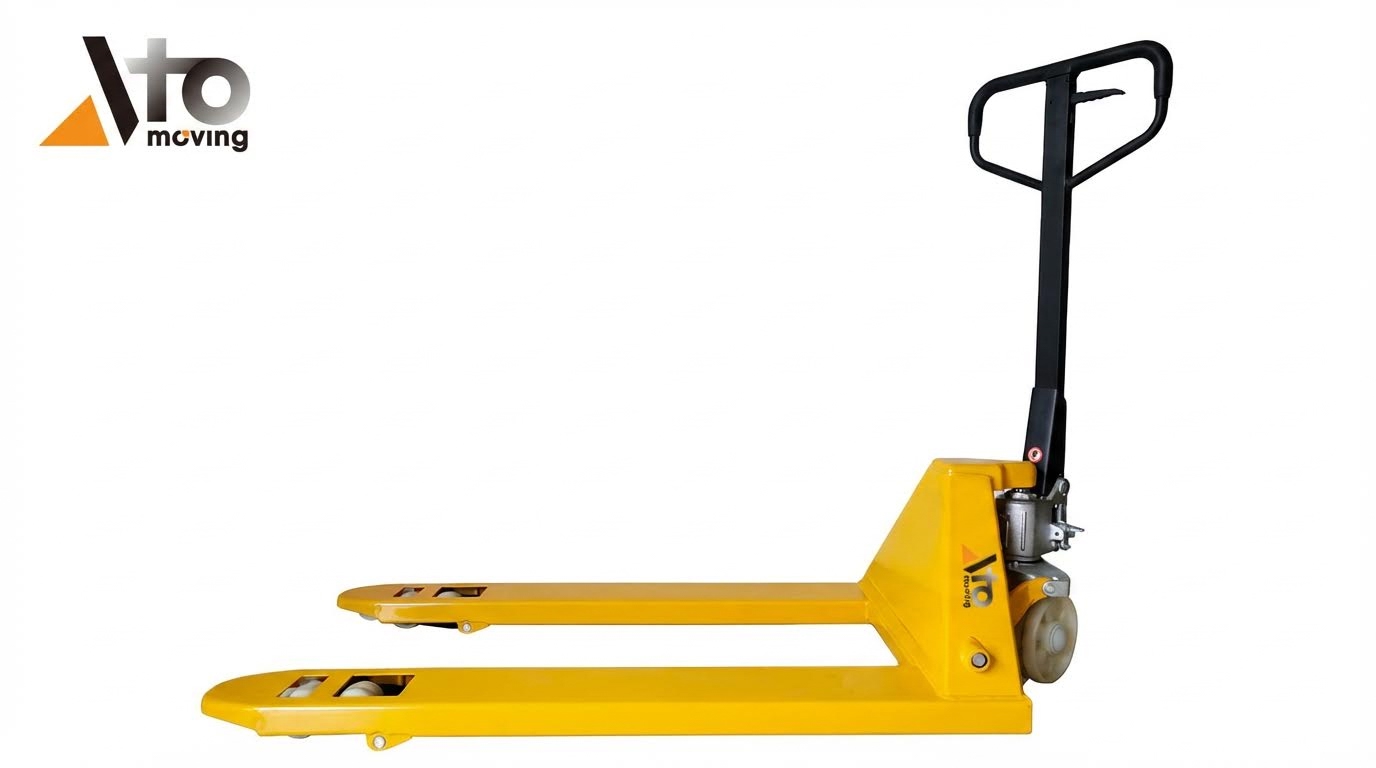
For anyone learning how to repair pallet jack hydraulic pump assemblies efficiently, the first engineering decision is whether a pump is worth repairing at all. A practical rule is to compare the full repair quote (parts, labor, oil, and testing) to the cost of a new or remanufactured unit. Many industrial users considered replacement when repair costs approached 70–80% of a new pump price because the residual life and risk no longer justified the spend. Repair vs. Replacement Decision Factors In contrast, minor issues such as seal or valve wear, light scoring, or contamination were usually repaired, then followed by a system flush to protect the refurbished unit. When to Replace vs. Repair
- Choose repair when: damage is limited to seals, O-rings, springs, or valves; the housing and piston bores are not deeply scored; and contamination can be removed with flushing.
- Choose replacement when: the body is cracked, the shaft is bent, or internal wear creates excessive internal leakage that would require extensive machining or major component replacement.
- Factor in downtime: if a new or remanufactured pump has long lead times, a fast repair can still be the lowest total cost solution.
Cost and downtime considerations
Engineering decisions should include labor rates, which could range widely depending on region and skill level, plus the cost of parts such as seals, pistons, valves, and bearings that can quickly dominate the repair bill. Replacement Parts and Additional Costs Long OEM lead times of many weeks for some hydraulic components made repair or remanufactured options attractive when uptime was critical. Lead Time Considerations
Seal, O-ring, and valve service guidelines
Most pallet jack pump failures that still justify repair come down to fluid leaks and internal bypassing across worn seals, O-rings, and check valves. Hydraulic fluid on the floor or around the pump body is a strong indicator that external seals, hoses, or fittings need replacement. Hydraulic Fluid Leaks When planning how to repair pallet jack hydraulic pump components, always treat soft parts (seals and O-rings) as consumables and replace them as a set once the pump is open.
- Inspect O-rings and seals for cuts, flattening, cracking, hardening, or deformation, and discard any suspect parts. Inspecting and Replacing O-rings
- Clean grooves and mating surfaces carefully so no debris sits under new seals, which would create point loads and early leakage.
- Use the correct material and hardness (for example, oil-resistant elastomers) specified in the service data to handle hydraulic oil, temperature, and pressure.
- During reassembly, lubricate seals lightly with clean hydraulic oil to avoid twisting or tearing as components slide into position.
For valves, focus on cleanliness and geometry. Check that check-valve balls or poppets move freely, springs are not broken or collapsed, and seats are not pitted or badly worn. Any visible metal particles or sludge in valve cavities justify a full fluid change and filter cleaning to prevent repeat failures. Worn or Broken Components
Typical soft-part service intervals
In light- to medium-duty warehouse use, many operators scheduled seal and O-ring inspections annually and replacement every few years or at the first sign of weeping, spongy lift, or unexplained oil loss. High-cycle applications often needed more frequent checks, especially on the main lift cylinder rod seal and pump plunger seals where motion and side loading were highest.
Preventive maintenance and predictive monitoring
From an engineering reliability standpoint, the cheapest way to manage how to repair pallet jack hydraulic pump assemblies is to avoid major failures through simple preventive tasks. Regular checks of oil level, oil condition, and leak points significantly reduced the risk of sudden loss of lift. Diagnosing Hydraulic Lift Issues Keeping hydraulic fluid clean and within the correct level band also helped maintain stable pressure and extended component life. Hydraulic Fluid Maintenance Benefits
- Inspect hydraulic oil level on a set schedule and keep it roughly 1–1.5 inches below the reservoir top, or as specified for the jack model. Hydraulic Fluid Level Inspection
- Look for discoloration, milky appearance, or sludge, which signal contamination and justify a full oil change and system flush.
- Walk around the jack to check for external leaks at hoses, fittings, cylinder rod seals, and the pump body, and repair any leak before it worsens. Hydraulic System Leak Detection
- Lubricate pivot points and linkages to reduce side loads on the pump and cylinder, which can otherwise accelerate seal wear. Routine Maintenance Practices
Simple predictive cues also help catch problems early: unusual noises when pumping, slower lift speed, or the need for more handle strokes all indicate internal leakage or air ingestion. Periodic bleeding of the pump, especially after any repair or fluid change, removed trapped air that caused spongy or inconsistent lifting. Hydraulic Pump Bleeding Procedure Over time, recording simple observations such as number of strokes to full lift, frequency of top-ups, and locations of recurring leaks allowed maintenance teams to predict when a pump would need service before it failed in operation.
Example minimal PM checklist
A practical weekly or monthly checklist for pallet jacks can include: checking oil level and condition; wiping and inspecting all visible hydraulic joints; verifying smooth, quiet lifting under a test load; confirming that the jack holds a load without drift; and logging any anomalies for follow-up. These low-cost checks greatly reduce unplanned downtime and extend the service life of pumps, cylinders, and seals.
“”
Key Takeaways For Reliable Pallet Jack Operation
Reliable pallet jack operation depends on a closed, clean, and air-free hydraulic circuit. Correct oil level, tight sealing, and smooth valve function work together to create stable pressure and predictable lifting. When any link in this chain fails, the jack shows clear symptoms such as no lift, weak lift, jerky motion, or drifting under load. Treat these symptoms as engineering signals, not just annoyances.
A structured workflow gives the best results. Start with safety, then check fluid level, leaks, and contamination before you open the pump. Bleed air thoroughly and test with a known load. Only then decide whether targeted seal and valve service will restore performance or whether a full pump replacement is more economical. This approach cuts guesswork, parts waste, and downtime.
For operations teams, the best practice is to keep pallet jacks on a simple preventive schedule. Inspect oil level and condition, walk leak points, and listen for noise trends. Record strokes to full lift and frequency of top-ups. These quick checks let you plan repairs before failure and keep Atomoving pallet jacks ready for daily work with minimal disruption and total lifecycle cost.
Frequently Asked Questions
How to repair a pallet jack hydraulic pump?
Repairing a pallet jack hydraulic pump involves several steps. First, identify the specific issue, such as pressure loss, unusual noise, or fluid leakage. Shut off the system before inspecting for leaks and cleaning the system. Check the filters and address any cavitation issues. Monitoring the temperature can also help diagnose problems. If the issue persists, seek professional assistance. Hydraulic Pump Repair Guide.
Why is my hydraulic jack not lifting up?
If your hydraulic jack is not lifting, it could be due to low oil levels in the hydraulic unit. Hydraulic systems require oil to extend the cylinders and raise the platform. Refill the hydraulic oil through the tank’s filler neck to resolve this issue. Additionally, check for obstructions within the system that might hinder the flow of hydraulic fluid. Hydraulic Fault Solutions.
What are common issues with hydraulic lifts?
Common issues with hydraulic lifts include slow or inconsistent operation caused by debris and blockages within the system. Regular cleaning and clearing of obstructions can maintain optimal lift performance. Ensure the hydraulic fluid is at the correct level and free from contaminants. Monitoring these factors can prevent many common problems. Hydraulic Lift Troubleshooting.