Warehouse and factory teams often ask what is the lifting capacity of the pallet jack for a given task. The answer depends on rated capacity, load center, truck type, and how the load sits on the forks. This article explains those key concepts, then shows step by step how to find the real capacity of any pallet jack from plates, labels, and load charts.
You will see how fork size, pallet geometry, load distribution, and floor conditions change the actual safe working load. The article also links these factors to standards, testing, and certification, so engineers and supervisors can define clear internal limits. The final section turns this into simple practical rules for safe pallet jack loading that operators can apply on every shift.
Key Concepts In Pallet Jack Load Ratings
Every operator who asks what is the lifting capacity of the pallet jack needs a clear view of three things. First is the rated capacity and how it changes with load position. Second is the difference between manual, electric, and high-lift units. Third is the typical capacity bands that match real warehouse tasks. This section builds those ideas so later sizing rules and calculations make sense.
Rated Capacity, Load Center, And Stability
The rated capacity is the maximum load the pallet jack can handle under defined conditions. These conditions always include a specified load center and lift height. For pallet jacks, the load center is usually the distance from the fork heel to the load’s center of gravity, often around 600 mm on standard pallets.
When the load center increases, the effective capacity drops. The same thing happens when lift height increases on high-lift and stacker types. A higher or more offset load shifts the combined center of gravity forward. That reduces the stability margin and raises tipping and overload risk.
| Parameter | Effect on capacity |
|---|---|
| Load center increases | Reduces safe lifting capacity |
| Lift height increases | Reduces capacity on high-lift and stackers |
| Uneven load | Shifts center of gravity and cuts stability |
| Worn wheels or rough floor | Raises rolling resistance and stress |
Operators should treat the nameplate rating as valid only when the load center and height match the stated conditions. Any deviation means the real safe working load is lower than the printed value.
Manual vs. Electric vs. High-Lift Pallet Jacks
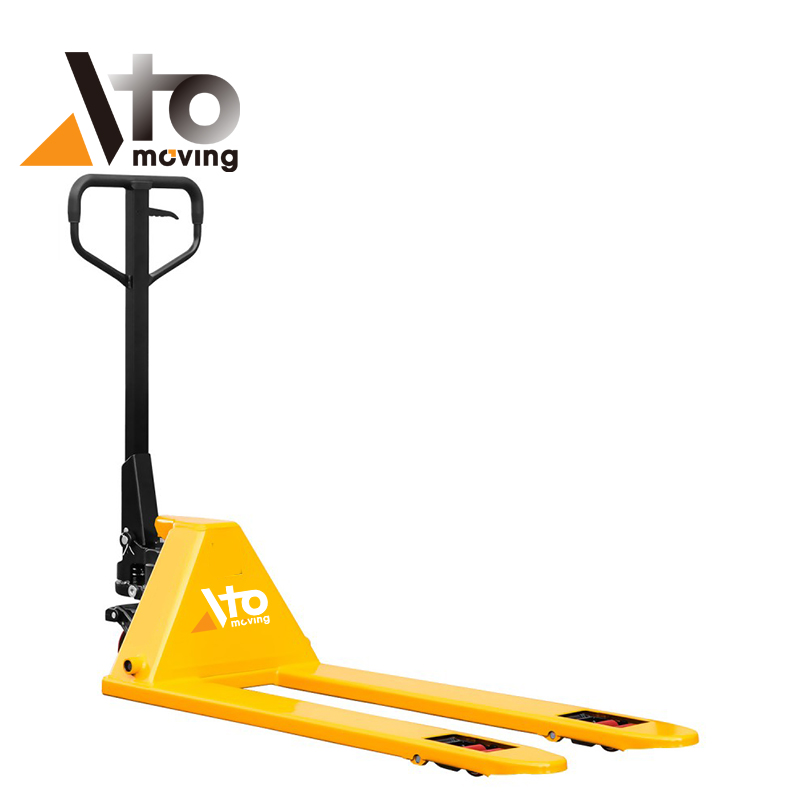
Manual pallet jacks use a hand pump and human push force. Typical rated capacities range from about 1 000 kg to 2 500 kg. Heavy-duty manual units can reach about 3 000 kg. These tools suit short moves on flat floors with standard pallets.
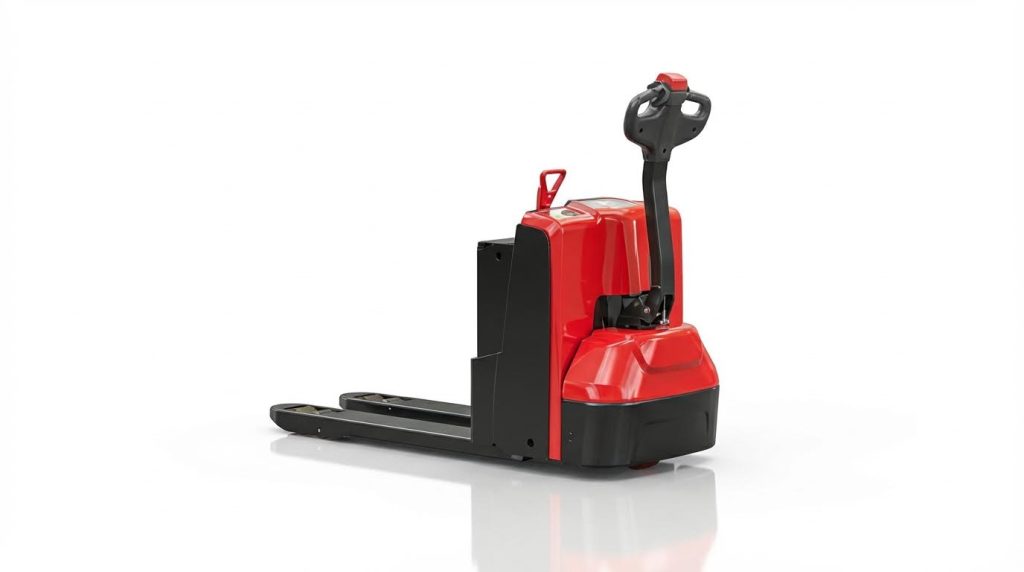
Electric pallet jacks add a traction motor and powered lift. Common ratings fall between roughly 2 000 kg and 3 600 kg. Some heavy-duty ride-on units exceed that band. Electric units keep capacity high while cutting operator effort and strain.
High-lift pallet jacks and pallet stackers raise loads much higher than standard units. As lift height increases, the allowed capacity usually drops. Load charts or derating tables show this change. High-lift units often have lower nominal ratings than low-lift trucks with similar fork sizes because stability limits control the design.
When choosing between these types, engineers compare required load weight, travel distance, slope, and lift height. The safest option is the unit that meets these needs with a healthy capacity margin.
Typical Capacity Ranges And Use Cases
When people search what is the lifting capacity of the pallet jack, they usually want real numbers. Common manual pallet jacks in warehouses often rate between 2 000 kg and 2 500 kg. Some lighter-duty models start near 1 000 kg. Heavy-duty versions can approach 4 500 kg to 5 000 kg.
Electric pallet jacks usually serve heavier or more frequent moves. Many models cover roughly 2 000 kg to 3 600 kg. Certain designs, especially ride-on units, go higher. These jacks fit dock work, cross-docking, and long travel in large facilities.
High-lift pallet trucks and scissor-lift pallet jacks often carry lower ratings than low-lift types. This reflects higher overturn risk at height. They usually support ergonomic work at waist level rather than maximum tonnage moves.
For quick selection, engineers can use a simple rule: choose a pallet jack with a rated capacity at least 20% above the heaviest planned pallet. Then confirm that the pallet size, load center, and target lift height match the rating conditions on the data plate or load chart.
How To Find The Capacity Of Any Pallet Jack
Operators often ask what is the lifting capacity of the pallet jack they use every day. The correct answer always starts with the markings and documents on that specific truck. This section explains how to read nameplates and load charts, how to interpret load center diagrams and height limits, and what to do when labels are missing or unclear. The goal is to link the rated values to real loads on the warehouse floor.
Reading Nameplates, Labels, And Load Charts
The fastest way to know what is the lifting capacity of the pallet jack is the nameplate. The plate or label usually sits on the chassis near the drawbar or power unit. It shows the rated capacity, the reference load center, and sometimes the maximum lift height.
Typical values are:
- Manual pallet jacks: about 1,000–2,500 kilograms
- Heavy duty manual units: up to about 3,000 kilograms
- Electric pallet jacks: about 2,000–3,600 kilograms
Electric and high lift models often use a load chart instead of a single number. The chart links capacity to lift height and load center. Capacity usually stays constant over a low height range, then drops as height increases. When labels from different sources disagree, treat the lowest stated value as the limit.
| Field | Purpose |
|---|---|
| Rated capacity (kg) | Maximum allowed load under test conditions |
| Load center (mm) | Distance from fork heel to load COG reference |
| Max lift height (mm) | Height at which rating applies or starts to reduce |
| Truck type and model | Links unit to its manual and parts list |
Understanding Load Center Diagrams And Height Limits
Rated capacity always assumes a defined load center. This is the horizontal distance from the fork heel to the load’s center of gravity. A common value for pallet jacks and stackers is 600 mm. If the real load center is longer than the diagram value, the safe capacity drops.
High lift and stacker types often show a graph or grid. One axis is lift height. The other axis is capacity at a fixed load center. For example, a truck may hold 1,200 kg up to 3,000 mm, then only 1,000 kg at 3,300 mm, and about 800 kg at 3,600 mm. The pattern is clear: higher lift means lower allowable mass.
When you plan a lift, match three things to the chart:
- Actual load weight from paperwork or scale
- Estimated load center based on pallet length
- Target lift height for storage or transfer
The combination must sit inside the safe region on the diagram. If it does not, reduce load weight, reduce lift height, or use a higher rated truck.
Dealing With Missing, Damaged, Or Conflicting Labels
In real fleets, labels fade, peel, or get painted over. At that point, no one can prove what is the lifting capacity of the pallet jack. Operating without a readable rating is a safety risk and usually breaks site rules. The first step is to remove the truck from service and tag it as out of use.
Maintenance teams should then:
- Record the serial number and model from any remaining marks.
- Compare the unit with its manual or technical file.
- Request replacement plates or decals from the supplier when possible.
If documents are missing or the model is unclear, use a conservative approach. Base any temporary internal rating on the lowest capacity for that class and fork size, and keep it well below typical values. Never guess above common ranges such as 2,500 kg for standard manual units.
Conflicting labels can appear on refurbished or imported machines. In that case, treat the smallest stated SWL as the limit until a competent engineer reviews the truck. After formal inspection and, if needed, load testing with calibrated equipment, the engineer can assign a verified Safe Working Load and fit a new clear label.
Engineering Factors That Change Lifting Capacity
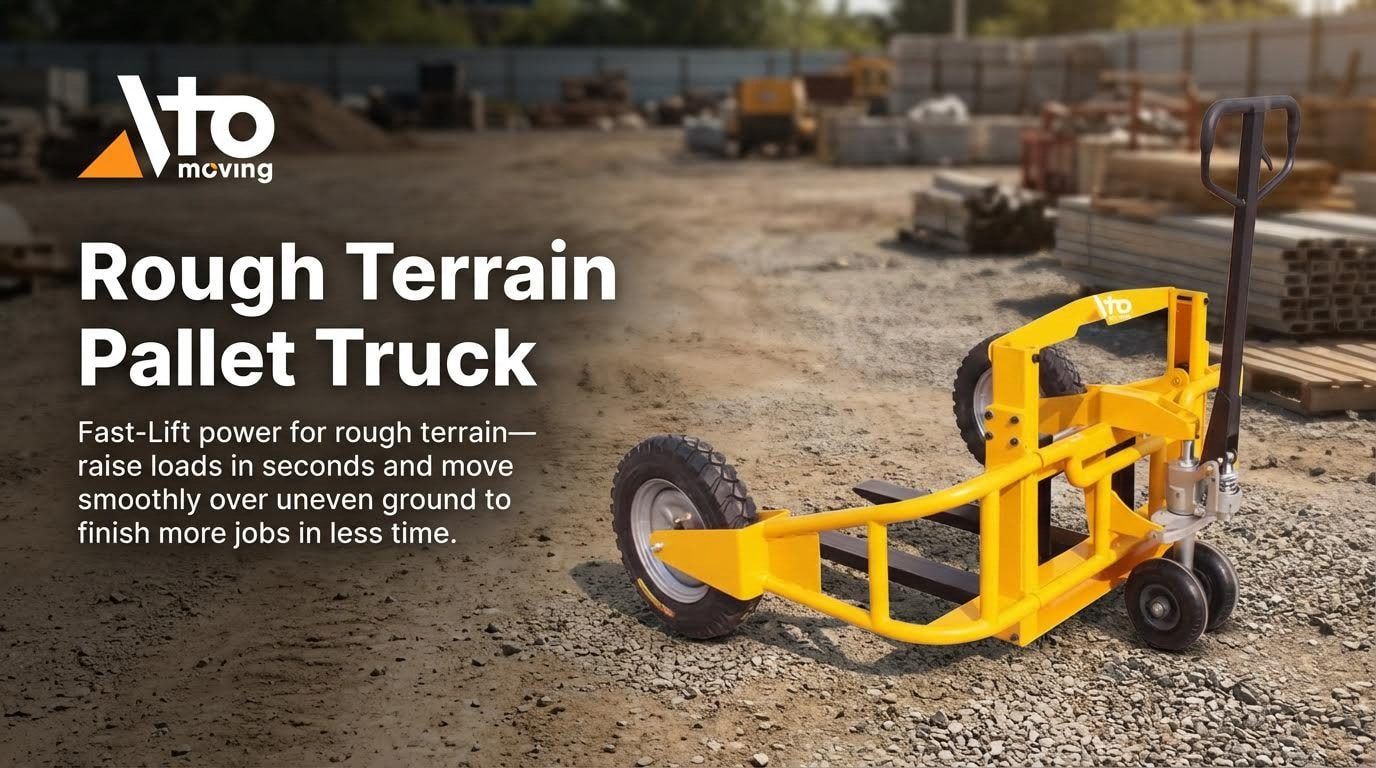
When teams ask what is the lifting capacity of the pallet jack, they often only read the nameplate. Actual safe capacity depends on fork geometry, pallet design, load distribution, floor conditions, and any attachments or changes to the truck. This section explains how these engineering factors change the real Safe Working Load and why rated capacity on paper can differ from what is safe in the aisle.
Fork Length, Width, And Pallet Geometry
Fork dimensions directly affect how close the load sits to the steering wheels. Short forks keep the load center close and usually support the full rated capacity. Long forks shift the average load center forward, which can reduce stability and usable capacity, even if the nameplate rating stays the same.
Typical pallet jack forks are about 1 150 mm to 1 220 mm long and 520 mm to 685 mm wide. These sizes match standard pallets so the load spreads across both forks and both front wheels. Problems start when the pallet is shorter or longer than the forks, or when the pallet deck boards are weak or broken.
Engineers should check three points before deciding what is the lifting capacity of the pallet jack in a real job:
- Do both forks sit fully under solid pallet deck boards?
- Does any part of the load overhang more than one third of fork length?
- Is the pallet rated for at least the same mass as the jack?
If the pallet is undersized, damaged, or supports a point load, the safe limit is often below the jack rating. In that case, the weaker part in the system governs the allowable mass.
Load Distribution, Center Of Gravity, And Floor Conditions
Even when the nameplate shows 2 500 kg or more, the real limit depends on how the load mass spreads across the forks. A centered, wrapped, cube-shaped load keeps the center of gravity low and between the forks. This allows the jack to work close to its rated value. A tall, uneven, or one-sided load shifts the center of gravity and cuts the safe margin long before the rated mass is reached.
Key effects of poor distribution include:
- Higher wheel loads on one side, which can overload bearings and axles.
- Side tipping risk when turning with tall or offset loads.
- Extra push and pull force for the operator, especially with manual units.
Floor conditions also change what is the lifting capacity of the pallet jack in practice. Smooth, level, dry concrete supports near-rated operation. Rough, cracked, or sloped floors increase rolling resistance and shock loads into the frame and hydraulic unit. On ramps, gravity adds a component of load along the slope, so the operator force and stopping distance increase.
As a rule, operators should derate loads on slopes or damaged floors, keep the load as low as possible, and reduce speed. Engineering teams can support this by defining site-specific derating rules based on slope angle and surface condition.
Attachments, Modifications, And Actual Safe Working Load
Any attachment or field modification changes the relationship between the truck, the load, and the ground. Examples include fork extensions, drum cradles, load platforms, or added scales. These devices add dead weight and often move the load center further away from the steering wheels. That shift reduces the overturning margin and can lower the real Safe Working Load well below the catalog rating.
When teams ask what is the lifting capacity of the pallet jack after adding an attachment, they should treat the original rating as an upper bound only. The actual SWL becomes the lower of:
- The original rated capacity minus any derating from the attachment maker.
- The structural capacity of the attachment itself.
- The capacity of the pallet or container under the load.
Unauthorized welds, drilled holes, or non-original wheels can also weaken frames and axles. In such cases, only a competent engineer or certified inspector should assign a new SWL after testing. If no test data exist, conservative practice is to assume a significant reduction and mark the unit clearly.
Standards, Testing, And Certification Of SWL
Rated lifting capacity is not a guess. It comes from structured tests and standards. For pallet jacks and related trucks, makers used pallet and truck standards such as ISO 8611 for load testing and national lifting regulations for safety rules. These frameworks defined how to test static loads, moving loads, and impact loads before assigning a Safe Working Load.
Typical test programs included:
- Static load tests at or above rated capacity for a set time.
- Dynamic tests while raising, lowering, and steering under load.
- Inspections for cracks, bent forks, leaks, or permanent deformation.
Calibrated load cells and pressure gauges verified that the jack held the test mass without excess deflection or hydraulic creep. After passing, the unit received a label with its SWL, load center, and sometimes height limits. Over its life, periodic re-testing and inspection could confirm that repairs, corrosion, or wear had not reduced capacity.
For operators searching what is the lifting capacity of the pallet jack in front of them, the safest value is the certified SWL on the current, legible label. If the label is missing, damaged, or conflicts with documentation, best practice is to remove the unit from service until a qualified test and recertification set a clear, defensible SWL.
Summary: Practical Rules For Safe Pallet Jack Loading
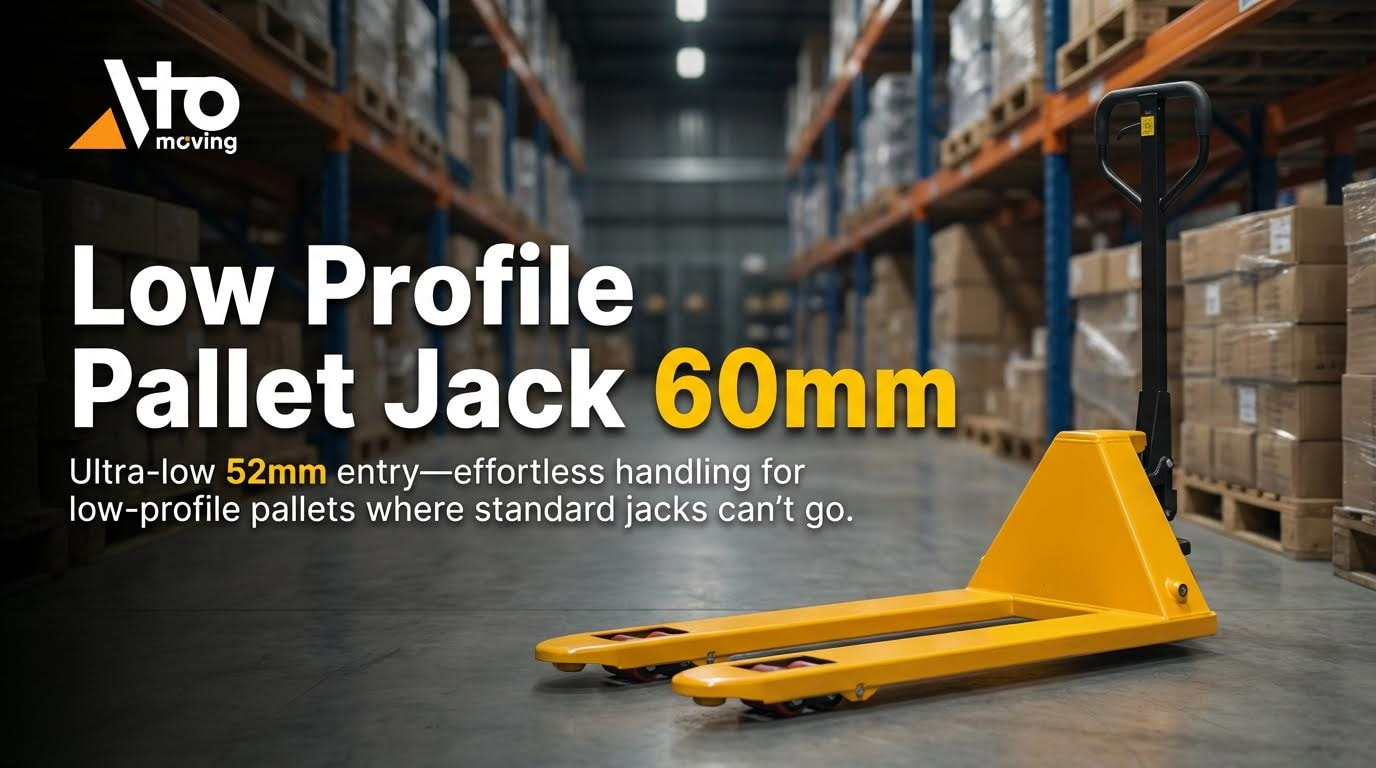
Operators often ask what is the lifting capacity of the pallet jack they use every day. The safe answer always starts with the nameplate rating, the load center, and the actual floor conditions. Manual pallet jacks typically carry about 1,000–2,500 kilograms, while heavy-duty units reach about 4,500–5,000 kilograms. Electric pallet jacks often sit in the 2,000–3,600 kilogram range, but the load chart and height limits control the real value.
For daily work, treat the lowest number you see on any label, chart, or manual as the Safe Working Load. Keep the load centered over the forks, fully support the pallet, and avoid point loads on one fork tip. Reduce the working limit on rough floors, slopes, or when the load is tall, unstable, or shrink-wrap is loose. Never exceed the rated capacity at the stated load center or lift height.
As designs evolve, higher capacities and compact electric drives will keep entering warehouses. The physics do not change. Higher weight, longer forks, and higher lift always demand stricter discipline. The most robust rule set stays simple: read the plate, respect the chart, keep loads low and centered, maintain the truck, and train operators to stop and reassess whenever the actual load looks close to the limit.
,
Frequently Asked Questions
What is the maximum weight a pallet jack can lift?
A pallet jack’s lifting capacity depends on its type. Manual pallet jacks typically lift between 2,000 to 5,500 pounds (907 to 2,495 kg). Heavy-duty models can handle up to 10,000 pounds (4,536 kg). Always check the manufacturer’s specifications before use. Pallet Jack Weight Guide.
Can a pallet jack lift objects other than pallets?
Pallet jacks are designed for lifting pallets, but they can sometimes move other objects like sheds or dumpsters if the weight is within their capacity. However, this is not recommended due to safety risks and potential equipment damage. For example, moving dumpsters often requires lifting all wheels, which can lead to accidents. Dumpster Moving Risks.