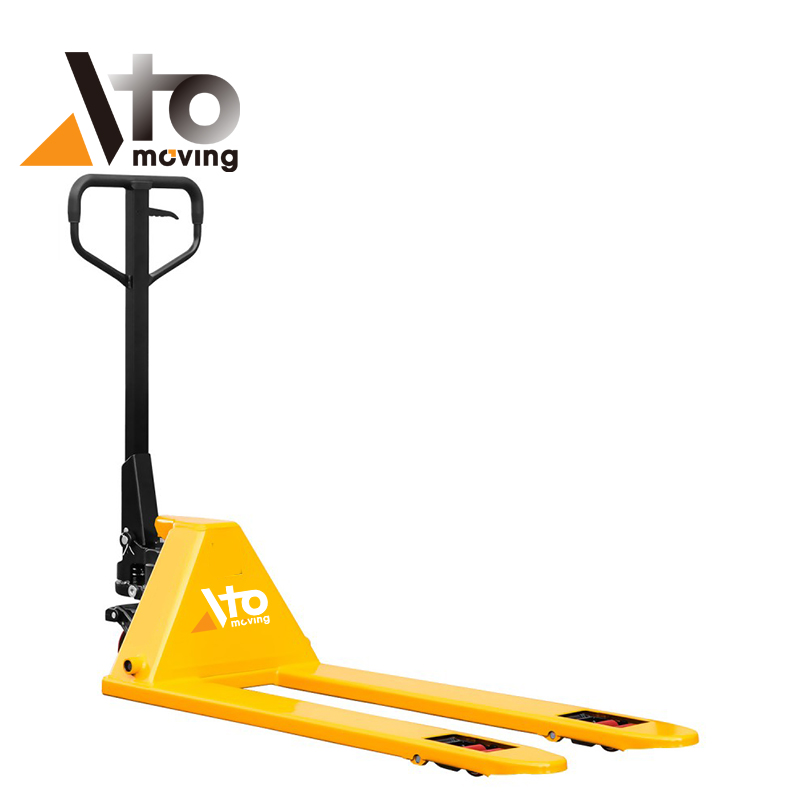
Pallet jack operation intersected directly with OSHA’s powered industrial truck rules and warehouse safety standards. This article outlined how OSHA classified manual and electric pallet jacks, when certification applied, and which operators needed it. It then examined the certification pathway for powered pallet jacks, including formal instruction, employer evaluations, and renewal requirements. Finally, it detailed training content, inspections, and safe operating practices, and concluded with the compliance, safety, and lifecycle benefits of a structured pallet jack safety program.
OSHA Rules For Manual Vs. Electric Pallet Jacks

OSHA distinguished clearly between manual pallet jacks and powered (electric) pallet jacks in its powered industrial truck rules. This distinction affected training, age limits, and certification obligations for employers. Understanding these differences helped facilities design compliant, risk-based training programs and assign equipment appropriately.
How OSHA Classifies Electric Pallet Jacks (Class III)
OSHA classified electric pallet jacks as Class III powered industrial trucks under 29 CFR 1910.178. This class included electric pallet trucks and walkie-riders that moved loads horizontally with low-lift forks. As Class III forklifts, they fell under the same core training, evaluation, and documentation requirements as other powered industrial trucks. Employers had to treat electric pallet jack operators as PIT operators, not as users of simple manual handling tools. This classification reflected the potential for high kinetic energy, crush hazards, and pedestrian impacts in congested warehouse aisles.
When Certification Is Required And When It Is Not
OSHA required formal training and employer certification only for powered pallet jacks, not for manual units. Electric pallet jack operators had to complete formal instruction, hands-on practice, and an employer-led performance evaluation before operating independently. Online courses satisfied only the formal instruction requirement; employers still had to verify competence on the actual equipment and document the evaluation. Manual pallet jack operators did not need OSHA certification, but regulators expected employers to train them on safe procedures and hazards. Facilities that documented manual-jack training reduced liability and improved injury prevention, even though the rule did not mandate certification.
Age Limits For Powered Pallet Jack Operators
OSHA and related child labor rules required powered pallet jack operators to be at least 18 years old. This age restriction applied to all powered industrial trucks, including Class III walkie and rider pallet jacks. Employers could not assign minors to operate electric pallet jacks, even under close supervision. In contrast, workers under 18 could use manual pallet jacks, provided they received appropriate safety training. Companies often implemented internal policies that mirrored OSHA rules and clarified which job classifications could use which equipment types.
Key Differences In Risk And Use Cases
Electric pallet jacks introduced higher kinetic energy, longer stopping distances, and greater crush and strike hazards than manual units. They typically handled higher loads, up to approximately 2 300 kg, and operated continuously in larger facilities. These factors increased the potential severity of incidents, which justified OSHA’s PIT classification and certification requirements. Manual pallet jacks relied on human force, moved slower, and suited short-distance moves and tight spaces, but still posed musculoskeletal and foot injury risks. Facilities often reserved powered jacks for longer travel routes, heavier pallets, and high-throughput docks, while using manual jacks for short, precise positioning work where maneuverability dominated over speed.
Certification Process For Electric Pallet Jacks
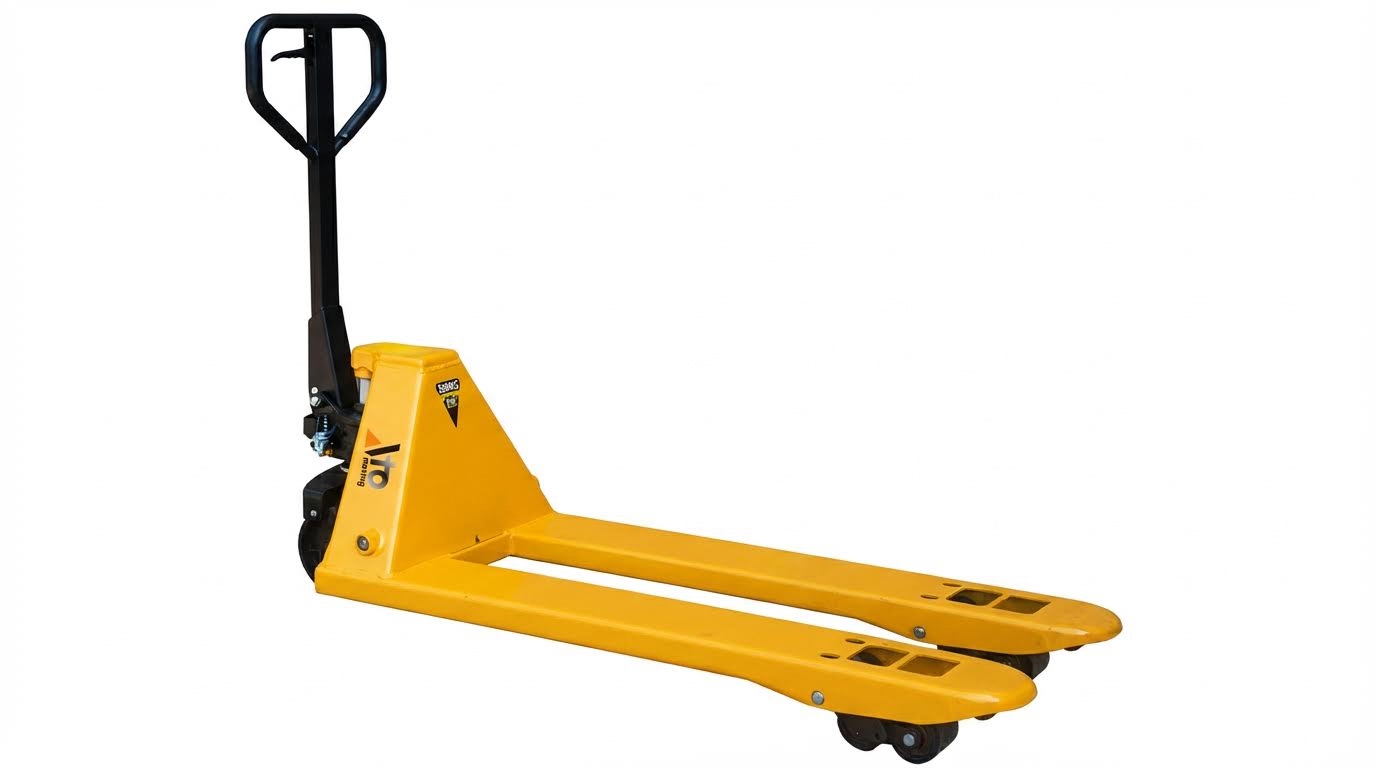
Electric pallet jacks fell under OSHA’s powered industrial truck rules in 29 CFR 1910.178 as Class III equipment. Operators therefore needed a structured certification process that combined standardized theory, supervised practice, and documented evaluation. This section described how formal instruction, employer-led training, and site-specific adaptation fit together into a compliant program. It also explained how validity periods, renewals, and refresher triggers affected an operator’s certification lifecycle.
Required Formal Instruction And Course Options
OSHA required formal instruction as the first step for powered pallet jack certification. Trainees could complete this requirement through in-person classes, employer-delivered classroom sessions, or accredited online courses. Typical online programs lasted about two hours and covered regulations, equipment types, hazard recognition, and safe operating procedures for both manual pallet jacks and electric pallet jacks. Courses usually used modular structures with quizzes after each module, often requiring minimum scores around 80% and at least 70% on a final exam, with retakes allowed until the trainee passed. These programs generated a certificate of completion and a wallet card, but OSHA still required employers to add practical training and evaluation before authorizing operation. Employers selected course formats based on workforce size, shift patterns, language needs, and budget, while ensuring content aligned with 29 CFR 1910.178 requirements.
Employer’s Role In Hands-On Training And Evaluation
After formal instruction, OSHA placed responsibility on employers to deliver hands-on training and performance evaluations. Employers had to ensure a qualified trainer demonstrated controls, pre-use inspections, maneuvering, load handling, and shutdown on the specific pallet jack models used on site. Trainees then practiced under supervision in realistic conditions, including tight aisles, ramps, loading docks, and congested traffic areas. The final step was an employer-led evaluation, often documented with a Powered Industrial Truck Operator Evaluation Form, where the operator demonstrated safe operation against predefined criteria. Employers retained these records as proof of compliance and only authorized operators who met performance standards to use powered pallet jacks independently. This structure allowed employers to integrate company rules, local hazards, and workflow patterns into the practical component.
Certification Validity, Renewal, And Refresher Triggers
Certification for electric pallet jack operators typically remained valid for three years, consistent with OSHA’s requirement for reevaluation at least every three years. Before expiration, employers had to re-evaluate operators’ performance and document continued competence; repeating the formal course at the same time was considered good practice but not explicitly mandated. OSHA also required refresher training and a new evaluation whenever specific triggers occurred. These triggers included unsafe driving, involvement in an accident or near-miss, failing an evaluation, introduction of a new pallet jack type, or significant changes to workplace conditions that affected safe operation. Some third-party programs issued two-year or three-year cards, but OSHA treated the employer’s ongoing evaluations and refresher training as the controlling compliance elements. Facilities often aligned refresher cycles with broader safety programs to streamline scheduling and recordkeeping.
Site-Specific Training For Different Facilities
OSHA emphasized that training had to be site-specific, not just equipment-generic. Operators therefore needed instruction on the exact pallet jack models in use, including control layouts, braking characteristics, battery or charging systems, and rated capacities. Employers also had to cover facility-specific hazards such as narrow aisles, mixed traffic with pedestrians and forklifts, slopes, dock plates, cold rooms, or mezzanine edges. Procedures for speed limits, right-of-way rules, parking zones, and emergency protocols varied between warehouses, distribution centers, and manufacturing plants, so training incorporated these local rules. When operators transferred between sites or when layouts changed significantly, employers updated training and repeated evaluations focused on the new environment. This approach reduced incident risk by ensuring that certification reflected real operating conditions instead of generic classroom scenarios.
Training Content, Safety Practices, And Inspections
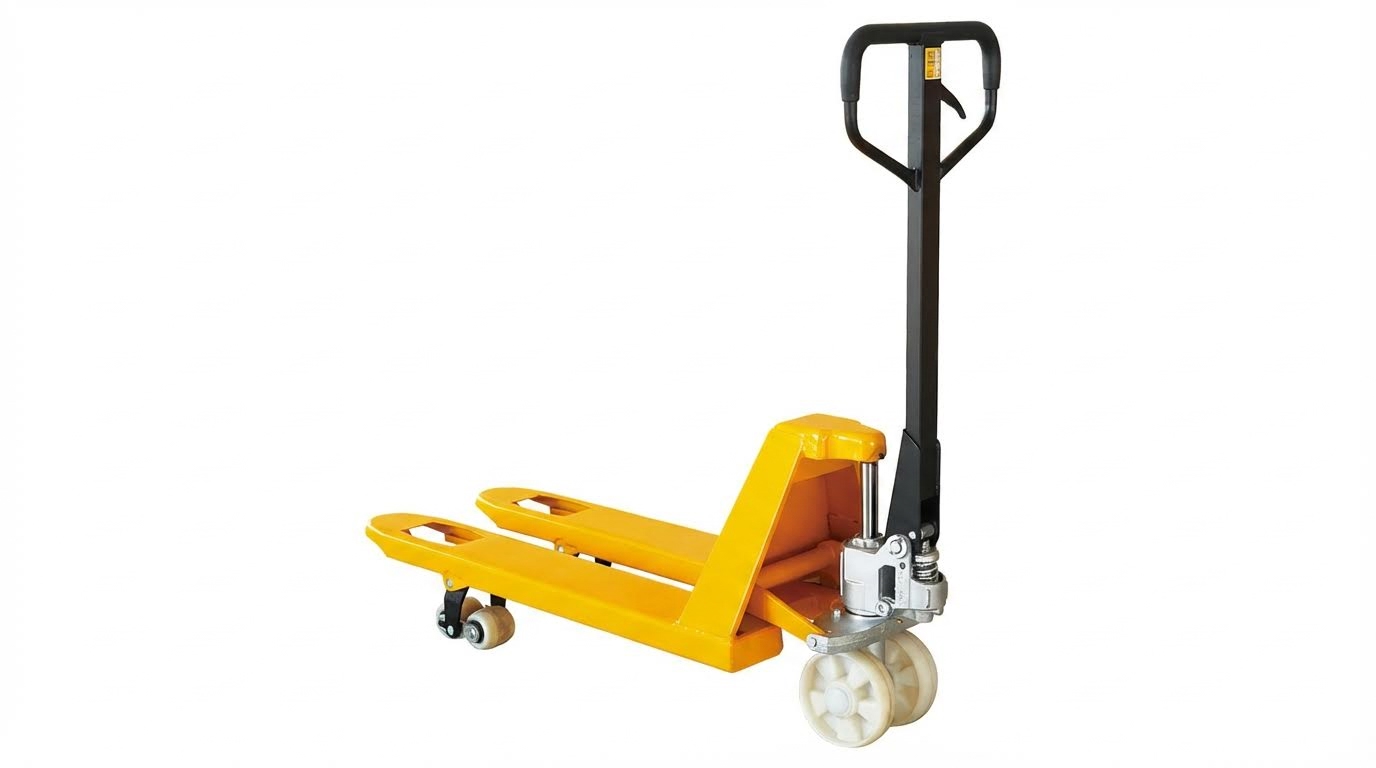
Core Topics In Pallet Jack Safety Training Programs
Pallet jack safety programs covered both manual and electric units, with emphasis on powered Class III equipment. Courses addressed applicable regulations, primarily OSHA 29 CFR 1910.178 for powered industrial trucks. Typical curricula included equipment types, main components, and control functions so operators understood system behavior under load. Training also explained rated capacity, load centers, and stability triangles, linking theory to tip-over and crush hazards. Programs covered safe driving techniques, pedestrian interaction, and operating in congested aisles or on ramps. Most courses integrated hazard recognition, including pinch points, battery or charger risks, and poor floor conditions. Formal programs ended with written tests and practical evaluations to verify knowledge transfer and operational competence.
Pre-Operation Inspections And Checklists
Training stressed mandatory pre-use inspections before every shift or operator change. For electric pallet jacks, operators checked forks for cracks, deformation, or misalignment, and examined wheels and rollers for flat spots or damage. They inspected hydraulic components for leaks and verified that the lift, lower, and travel controls functioned correctly. Courses required checking horns, emergency stops, and braking systems to ensure safe stopping distances. Battery condition, electrolyte levels where applicable, connectors, and charger cables also required inspection. For manual jacks, operators examined the pump unit, handle return, and steering function. Structured checklists helped standardize inspections and created documentation for maintenance and regulatory review. Instructors emphasized removing defective equipment from service and tagging it until qualified maintenance personnel completed repairs.
Safe Operating Procedures And Load Handling
Safety training defined correct operating posture, travel paths, and speed control for both manual and electric pallet jacks. Programs taught operators to keep forks 2–5 cm off the floor during travel to maintain clearance without compromising stability. Trainees learned to verify load weight against the nameplate capacity and consider load center distance, not just total mass. Instructors emphasized building stable loads with even weight distribution, secure stacking, and no overhanging or loose items. Courses required operators to push manual jacks rather than pull them, reducing back strain and improving control. For slopes, training specified descending backward with manual trucks and following manufacturer instructions for powered models, never turning on ramps. Operators practiced approaching pallets squarely, inserting forks fully, and avoiding side-loading that could bend forks or destabilize loads. Parking procedures included fully lowering forks, neutralizing controls, and preventing obstruction of aisles, exits, or emergency equipment.
Maintenance, Ergonomics, And Injury Prevention
Programs highlighted that operators did not perform major repairs but played a key role in basic maintenance reporting. Training promoted scheduled maintenance for lubrication, hydraulic inspection, wheel replacement, and battery care to extend equipment life and reduce failure-induced incidents. Ergonomic content addressed correct body mechanics when starting movement, steering, and repositioning loads. Instructors showed how to avoid twisting the torso under load, instead moving feet and body together. Guidance included using both hands on the handle, maintaining a safe distance from the forks, and keeping feet clear of pinch and crush zones. Courses linked poor ergonomics to musculoskeletal disorders, especially in repetitive warehouse tasks. Injury prevention modules combined PPE selection, such as safety footwear and gloves, with behavioral controls like avoiding riding on the forks or chassis. Programs also encouraged reporting near-misses to refine procedures and update training content over time.
Summary: Compliance, Safety, And Lifecycle Benefits
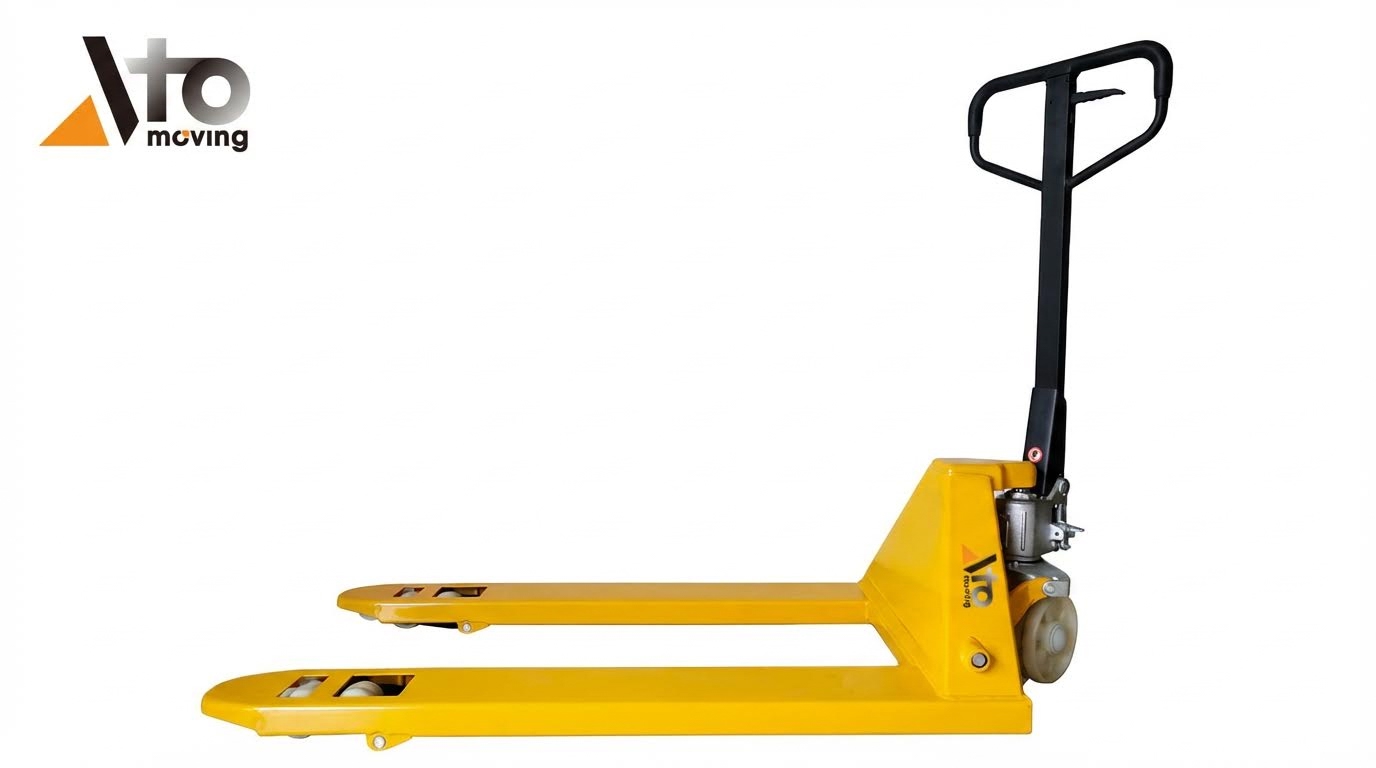
OSHA classified electric pallet jacks as Class III powered industrial trucks under 29 CFR 1910.178, so operators needed formal training, evaluation, and employer-issued certification. Manual pallet jacks did not require certification, but regulators and safety bodies strongly recommended structured training on hazards, ergonomics, and site rules. A compliant program combined three elements: formal instruction, supervised practical training on the actual equipment, and a documented performance evaluation repeated at least every three years or after incidents, new equipment, or major process changes. Facilities that aligned with these requirements typically saw lower incident rates, better equipment uptime, and fewer regulatory findings during audits.
From an industry perspective, pallet jack programs evolved from basic “tool familiarization” to integrated safety systems linked with warehouse design, traffic management, and materials-handling strategy. Training providers expanded content to cover both OSHA rules and local standards, plus topics such as pre-use inspections, load stability, ramp operation, and battery or hydraulic hazards. Data from warehouses indicated that improper equipment operation contributed to a significant share of injuries, so companies increasingly used checklists, visual cues, and refresher training to close behavioral gaps. Future trends pointed toward blended learning, simulation-based exercises, and digital tracking of operator credentials to support multi-site compliance.
For practical implementation, operators needed clear written procedures, standardized checklists, and documented evidence of training and evaluations for each powered pallet jack type. Management had to enforce age restrictions, ensure that only certified staff operated electric units, and schedule regular maintenance for hydraulics, wheels, brakes, and batteries. A balanced approach recognized that technology alone did not eliminate risk; safe outcomes depended on matching equipment to the task, keeping loads within rated capacity, and reinforcing correct techniques over the full lifecycle of the pallet jack. Organizations that treated pallet jack certification as an ongoing risk-management process, rather than a one-time class, achieved more durable safety and productivity gains.