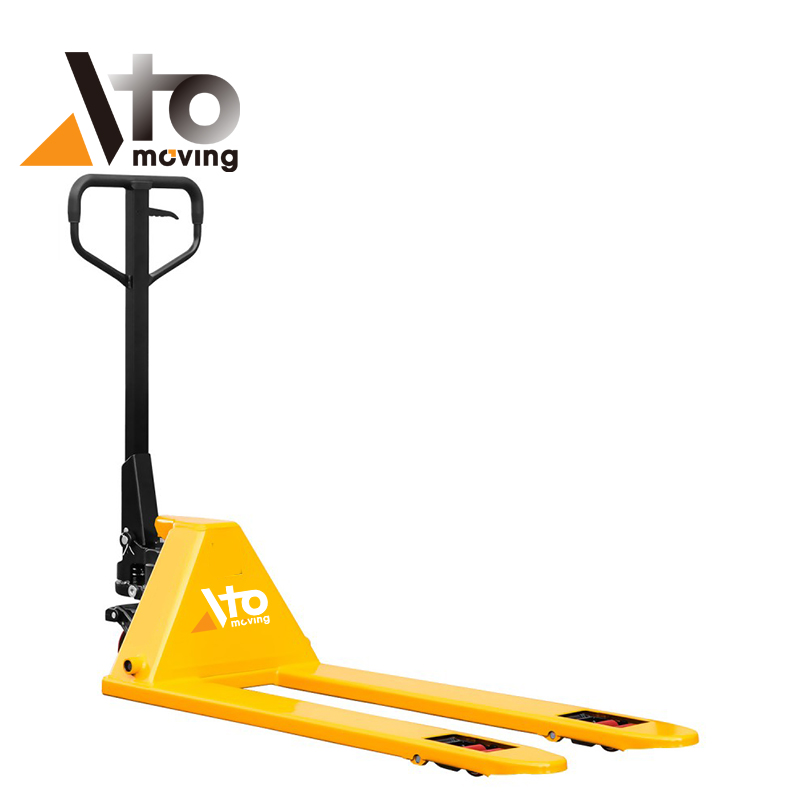
Pallet jacks underpinned material handling in industrial operations and warehouses, but their reliability depended on disciplined maintenance and timely repair. This article outlined core mechanical and electrical architectures, typical hydraulic and structural failure modes, and how these affected uptime and safety. It then detailed practical preventive maintenance schedules, including inspections, lubrication standards, hydraulic care, and corrosion control tuned to industrial duty cycles. Finally, it examined structured troubleshooting, repair-versus-replacement economics, and how safety compliance and operator training shaped both current best practices and future trends in pallet jack technology.
Core Components And Failure Modes

Industrial pallet jacks relied on a small number of core assemblies: the chassis and forks, the hydraulic power unit, the running gear, and the control interface. Each assembly had characteristic wear patterns and failure modes that engineers could anticipate and manage through structured inspection. Distinguishing manual from electric architectures, and understanding how hydraulic circuits and structural members failed, allowed maintenance teams to intervene before unsafe conditions developed. This section outlined those subsystems and linked them to practical diagnostics for shop-floor technicians.
Manual Vs. Electric Pallet Jack Architectures
Manual pallet jacks used a compact hydraulic pump, mechanical linkages, and operator muscle power for both traction and lift. The handle actuated a small pump that raised the forks via a cylinder, while the drive wheel under the tiller provided steering. Electric pallet jacks added an electric traction motor, an electrohydraulic pump, a battery pack, and control electronics. These elements increased mass to roughly 450 kg and introduced battery, contactor, and controller failure modes, such as voltage drop, corroded terminals, and sensor faults. Manual units typically failed through hydraulic seal wear, bent forks, or worn wheels, whereas electric units additionally suffered from battery degradation, wiring insulation damage, and motor overheating if operators overloaded or ran them continuously.
Hydraulic Circuit: Pumps, Seals, And O-Rings
The hydraulic circuit in a pallet jack consisted of a pump piston, reservoir, check valves, seals, and O-rings feeding a single-acting lift cylinder. Trapped air in this closed system caused the most frequent “no-lift” condition; technicians restored function by bleeding the system with repeated handle strokes under no load. Persistent lift loss usually indicated worn O-rings or rod seals, which allowed internal bypass and external leaks. Correct repair involved safely supporting the jack, draining the hydraulic fluid, removing the valve cartridge, replacing the O-ring with a size matched to the jack model, and refilling with compatible hydraulic oil. Improper fluids or contamination accelerated seal degradation, so shops standardized on ISO-grade hydraulic oils and enforced clean filling practices.
Forks, Wheels, And Frame Structural Issues
Forks and frames carried concentrated loads up to 2 500–3 000 kg, so fatigue and impact damage accumulated over time. Technicians inspected forks weekly for bends, cracks at weld toes, and tip deformation using straightedges and visual checks. Excessive fork camber or twisted blades changed load distribution and increased tipping risk, often justifying removal from service rather than repair. Wheels and axles experienced abrasion, flat-spotting, and bearing wear, especially on rough floors or under shock loading. Upgrading to polyurethane wheels reduced rolling resistance and extended life, but required verifying axle fit and bearing compatibility. Frame cracks around the pump housing or steer-wheel yoke signaled overload histories and often preceded catastrophic failure if left uncorrected.
Control Handles, Linkages, And Brake Systems
The control handle integrated steering, lifting, and lowering functions through mechanical linkages to the pump and release valve. Wear at pivot pins, bushings, and the lower lever produced excessive free play, imprecise lowering control, or failure to engage the pump stroke. Technicians checked for looseness, missing retaining pins, and worn slots, then restored function by replacing pins, tightening fasteners, and lubricating joints with suitable oils or greases. Some pallet trucks incorporated mechanical or friction brakes on the steer wheel, actuated from the handle to hold position on slight slopes. Brake systems failed through cable stretch, worn pads, or corroded mechanisms, which reduced holding force. Maintenance routines therefore included periodic brake engagement tests under load and adjustment or parts replacement when the truck drifted or operators reported poor control on inclines.
Preventive Maintenance Schedules And Methods

Preventive maintenance for pallet jacks reduced unplanned failures and extended service life in industrial operations. Structured daily, weekly, and monthly routines allowed technicians to catch wear, leaks, and misalignment before they became safety incidents. Effective programs combined short visual checks, targeted lubrication, and periodic hydraulic and structural inspections. Plants that enforced written schedules and checklists typically reduced repair costs and downtime compared with reactive maintenance.
Daily And Weekly Inspection Checklists
Daily inspections focused on fast visual and functional checks that operators could complete in under 7 minutes. A 30-second walk-around verified fork straightness, wheel condition, and handle integrity, while a short cleanup removed debris that could jam wheels or linkages. Operators then performed a quick hydraulic test by lifting and holding a moderate load to detect sinking or erratic lowering. Weekly checks, usually 10 minutes, added wheel spin tests, bolt and nut tightening, and basic load tests to validate structural and hydraulic integrity.
Daily lists typically included verifying the rated capacity label, checking for visible oil on the floor, and confirming free handle movement. Weekly lists extended to checking fork tips for bending, frame welds for cracks, and wheels for flat spots or embedded debris. Technicians also verified that the lowering control returned to neutral and that electric models responded correctly to travel and brake commands. Documenting findings in a logbook or digital CMMS supported traceability and regulatory audits.
Lubrication Standards And Approved Products
Lubrication standards specified product type, location, and interval to avoid contamination and premature wear. Plants used silicone spray on wheel axles for low rolling resistance, multi-purpose mineral oil on pivot joints, and white lithium grease on center pivots for longer-lasting films. Using non-industrial lubricants, such as cooking oils, previously caused pump clogging and seal degradation, so procedures explicitly prohibited them. Weekly lubrication of wheels and pivots, combined with monthly relubrication of high-load joints, maintained smooth steering and reduced bearing failures.
Technicians followed manufacturer recommendations for grease grade and viscosity, particularly on electric pallet jacks where excess grease could migrate to braking or sensor components. Grease ports and sealed bearings, where installed, reduced contamination risk but still required periodic inspection for leakage. Wiping old grease and dirt before reapplication prevented abrasive paste formation that accelerated wear. Plants often color-coded lubricants and labeled points to minimize cross-contamination and ensure consistent application.
Hydraulic Fluid Checks, Bleeding, And Top-Off
Hydraulic systems required periodic level checks, fluid replacement, and air bleeding to maintain rated lifting performance. Quarterly inspections typically involved lowering forks fully, cleaning around the reservoir, and verifying fluid level against the manufacturer’s mark. If operators reported no-lift or reduced stroke, technicians first bled trapped air by cycling the handle 15–20 times with no load and the valve in the lower position. This simple procedure restored normal operation in a large share of no-lift complaints.
When bleeding did not resolve issues, technicians inspected for external leaks and checked seal and O-ring condition before topping off or replacing fluid. Plants used hydraulic oils with appropriate viscosity index for the ambient temperature range, ensuring consistent response between 0 °C and 40 °C. During fluid change, they fully drained the circuit, cycled the pump to expel residual oil, and then refilled with clean fluid through a filtered funnel. Electric pallet jacks followed similar principles but required additional care around electrical harnesses and sensors to avoid contamination.
Corrosion Control And Environmental Protection
Corrosion control programs focused on cleaning, moisture management, and protective coatings, especially in humid or chemical-laden environments. Monthly deep cleaning involved scrubbing under forks, around wheel axles, and along pump housings with hot water and mild detergent, followed by thorough drying. Technicians then applied heavy-duty corrosion inhibitors to exposed steel surfaces, concentrating on welds, fork heels, and axle mounts where rust initiated. In coastal or food-processing facilities, these steps significantly slowed pitting and flaking that compromised structural capacity.
Environmental protection also covered correct waste handling and spill control. Used hydraulic oil and oily rags were collected in labeled containers and disposed of
Troubleshooting, Repair, And Replacement Decisions
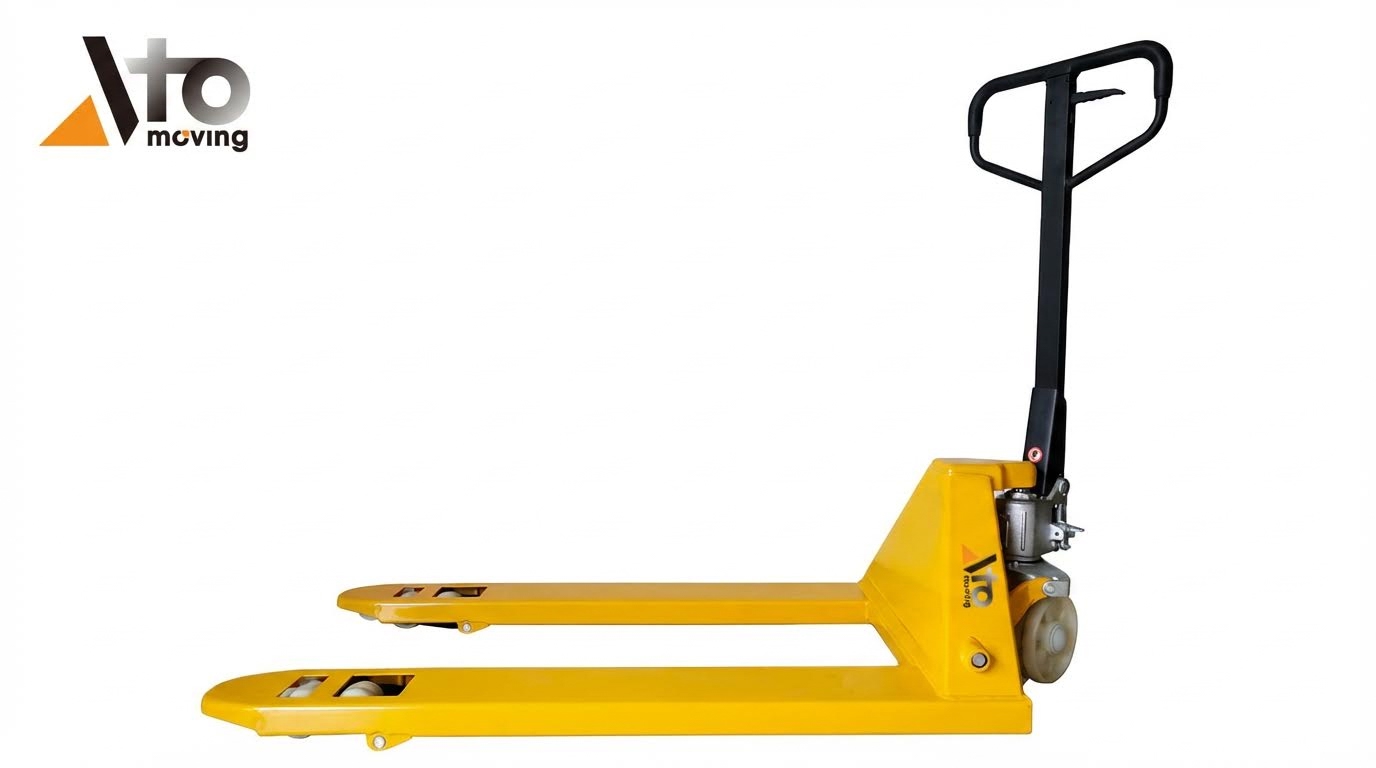
Troubleshooting pallet jacks in industrial operations required a structured approach that linked symptoms to specific subsystems. Maintenance teams reduced downtime when they separated hydraulic faults from structural and control issues before disassembly. Repair decisions depended on accurate diagnosis, realistic labour estimates, and a clear view of replacement costs and safety risk. A documented decision tree helped standardize choices across shifts and facilities.
Diagnosing No-Lift, Sinking, And Oil Leak Issues
No-lift conditions in manual pallet jacks typically indicated air in the hydraulic circuit, low fluid level, or failed seals. Technicians first verified that the jack carried no load, then cycled the handle 15–20 strokes to bleed trapped air and confirm pump response. If the unit still failed to lift or the forks sank under a static load, inspection focused on leaking O-rings, worn check valves, and scored pump pistons. Visible oil on the floor, wet pump housings, or fluid around the ram pointed to external leaks, while slow sinking without external oil suggested internal bypass through damaged seals. Systematic checks—handle function, lift height under a known test load, and hold time at rated capacity—allowed quick separation of minor bleed issues from major hydraulic failures.
O-Ring, Seal, And Wheel Replacement Procedures
Seal and O-ring replacement required stable support of the pallet jack, usually with jack stands or solid timber under the axle to unload the drive wheels. After securing the unit, technicians drained hydraulic fluid by loosening the reservoir cover screw, then pumping the handle until no fluid exited, preventing contamination during disassembly. They removed the lower control lever and valve cartridge, extracted worn O-rings with pliers, cleaned the grooves, and installed new seals that matched the make and model to maintain correct compression and chemical compatibility. Reassembly included torquing fasteners, refilling with the specified hydraulic oil, and bleeding air until lift performance stabilized. Wheel replacement followed a similar discipline: chocking the jack, pulling axles, inspecting bearings and fork tips for damage, then installing new polyurethane or specified wheels and verifying free spin and alignment under load.
Cost-Benefit Analysis: Repair Vs. New Equipment
Economic decisions balanced direct repair costs against the purchase price of a new pallet jack and the impact of downtime. Typical field service visits combined travel charges of at least USD 50 with labour and parts, pushing total repair bills for hydraulic overhauls toward USD 200–300, which approached the cost of a new manual unit. Maintenance managers therefore set thresholds: minor work such as O-ring, wheel, or handle hardware replacement remained economical, while persistent oil leaks, bent forks, or frame distortion usually justified replacement. Lifecycle records—age, cumulative repair spend, and failure frequency—helped quantify remaining service life and safety margin. Where units operated in multi‑shift warehouses, the opportunity cost of unplanned outages often tipped the analysis toward proactive replacement rather than repeated partial repairs.
Safety Compliance And Operator Training Impact
Safety compliance and operator training strongly influenced both failure rates and repair frequency. OSHA guidance emphasized training rather than formal certification for manual pallet jacks, but facilities that implemented structured instruction saw fewer overload events and impact damage. Trained operators verified capacity labels, pushed rather than pulled where feasible, and kept forks low during travel, which reduced stress on hydraulics and wheels. Regular inspections, mandated by internal procedures, identified leaks, cracked forks, and worn wheels before catastrophic failure, supporting compliance with general duty requirements and reducing injury risk. Documented training on pre‑use checks, emergency lowering, and out‑of‑service tagging ensured that technicians dealt with defects early, lowering long‑term maintenance costs and supporting consistent regulatory audit performance.
Summary Of Best Practices And Future Trends
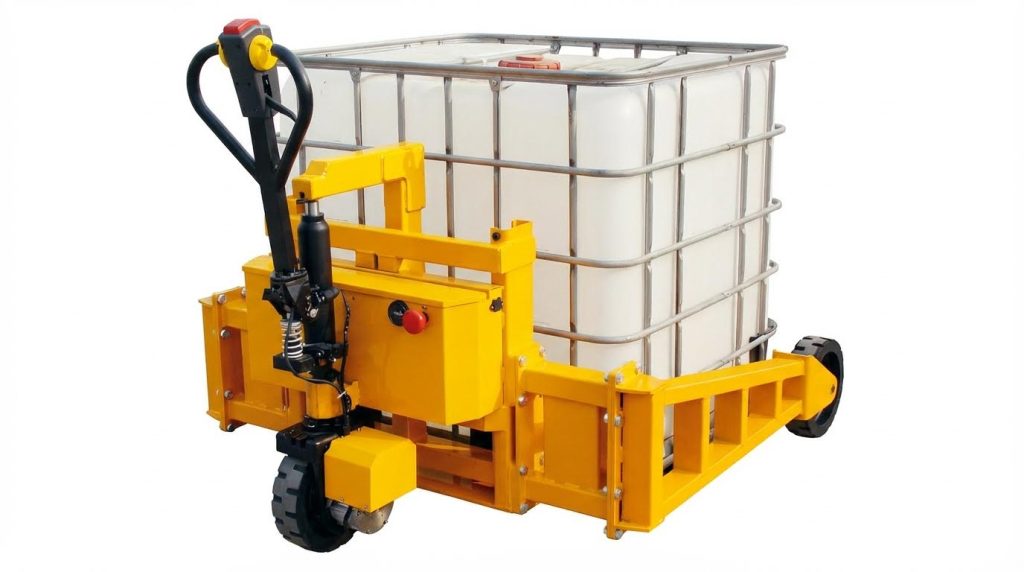
Industrial users extended pallet jack life and reduced failures when they treated these trucks as critical assets, not consumables. Structured daily, weekly, and monthly inspections caught over 90% of developing issues, especially wheel wear, bent forks, and early hydraulic leaks. Operators checked capacity labels, verified straight forks, and performed short hydraulic lift tests before loading, which reduced incident rates and unplanned downtime. Plants that standardized on correct lubricants, scheduled hydraulic fluid checks, and avoided pressure-washing preserved seals and pumps far longer than ad‑hoc approaches.
From a cost perspective, maintenance teams used clear decision thresholds. They typically repaired units with localized issues such as worn wheels, single leaking seals, or trapped air in the pump, because these repairs required low-cost parts and short labor. They replaced trucks that showed recurring hydraulic failures, persistent sinking after seal changes, or structurally bent forks, because repair costs approached the price of new equipment. Safety programs aligned with OSHA guidance emphasized pushing rather than pulling, controlled speeds, low fork travel height, and strict prohibition on riding the truck.
Looking ahead, manufacturers increasingly integrated sealed bearings, grease ports, and corrosion-resistant coatings to cut service time and extend service intervals. Electric pallet jacks adopted higher-efficiency batteries with easier swap systems, while digital checklists and QR-coded inspection logs supported traceable maintenance histories and audits. Facilities planning for the next decade should combine robust preventive maintenance, conservative replacement thresholds, and formal operator training to keep incident rates low. A balanced strategy that pairs durable designs with disciplined care will remain the most economical way to keep pallet trucks safe, compliant, and available in high-throughput industrial operations.