If you are trying to move a load and the pallet jack will not lower, you are dealing with a mix of hydraulic, mechanical, or control issues rather than “bad luck.” This guide explains how the hydraulic circuit, linkages, and structural parts work together, then walks through systematic checks so you know exactly how to fix a pallet truck that won’t go down. You will learn the most common failure modes, how to separate simple adjustment problems from internal hydraulic faults, and what to do differently on powered or high‑duty units. The goal is to restore safe, predictable lowering performance while reducing repeat failures and unplanned downtime.
Understanding Why a Pallet Jack Won’t Lower
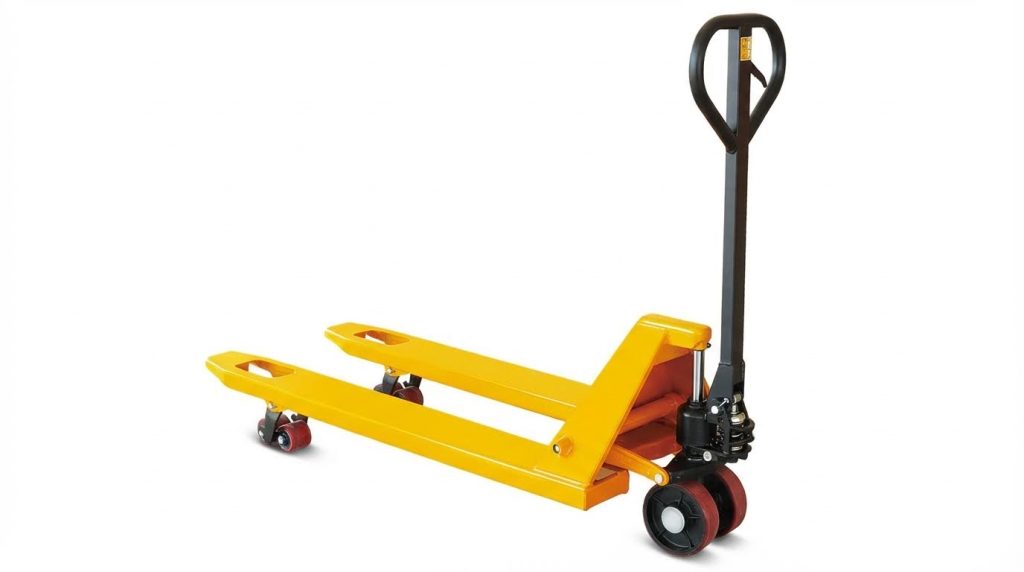
How the pallet jack hydraulic circuit works
A pallet jack lowers by releasing pressurized oil from the lift cylinder back into the reservoir through a small lowering valve. When you move the control handle to the “lower” position, a linkage opens this valve and lets hydraulic pressure drop in a controlled way. If the oil level is too low or contaminated, the circuit can stop responding and the forks may not come down as expected. Low fluid, dirty oil, or air pockets in the circuit all change how pressure flows and are key factors when learning how to fix a pallet jack that won’t go down. Low hydraulic fluid level or impurities in the oil can impair the pallet jack’s ability to lower properly. Adding or changing the approved hydraulic fluid to the correct level restores normal flow in the circuit. Low hydraulic fluid levels or impurities in the oil can impair the pallet jack’s ability to lower properly Air trapped in the hydraulic system also affects how the valve and cylinder behave. Bleeding the system by cycling the handle with the bleed point open until a steady stream of oil appears helps remove this air and restore consistent lowering. Air trapped in the hydraulic system can cause spongy or unresponsive lifting and lowering actions
Common failure modes that prevent lowering
Several repeatable failure modes explain why a pallet jack will not go down when you pull the handle. One major group of problems comes from incorrect handle linkage or valve adjustment. If the operating handle is out of adjustment, it may not move the lowering valve far enough to open, so the forks stay up even though you are in the “lower” position. Correcting the operating handle setting using the procedure in the service manual usually restores the connection between the handle and the valve. Misalignment of the control handle may cause failure in lowering the forks Mechanical interference is another common cause. Debris under the forks, stuck load wheels in closed pallets, rusted wheel frames, or bent parts around the push rod and rocker arm can all lock the mechanism and stop the jack from coming down. Clearing obstructions and removing rust from moving parts often fixes a jack that seems “hydraulic locked” but is actually mechanically jammed. The forks may fail to lower due to obstructions such as stuck load wheels, rust on the load wheel frame, or interference at the push rod, connecting frame, or rocker arm Hydraulic component condition is the third major category. Rust or damage on the exposed piston rod, especially if the jack stayed stored with forks raised, can make the seals drag and prevent smooth retraction. Worn or cracked seals and internal components can also change how the valve seats and how oil returns to tank, causing the truck to stay up or to move only in small jerks. Extended periods with the fork in a raised position can cause rust on the exposed piston rod, and cracked or worn seals can prevent the forks from lowering properly Understanding which of these groups your symptoms fit into is the first step in how to fix a pallet jack that won’t go down in a structured, engineering-based way.
Step-By-Step Diagnostics For A Jack That Won’t Go Down
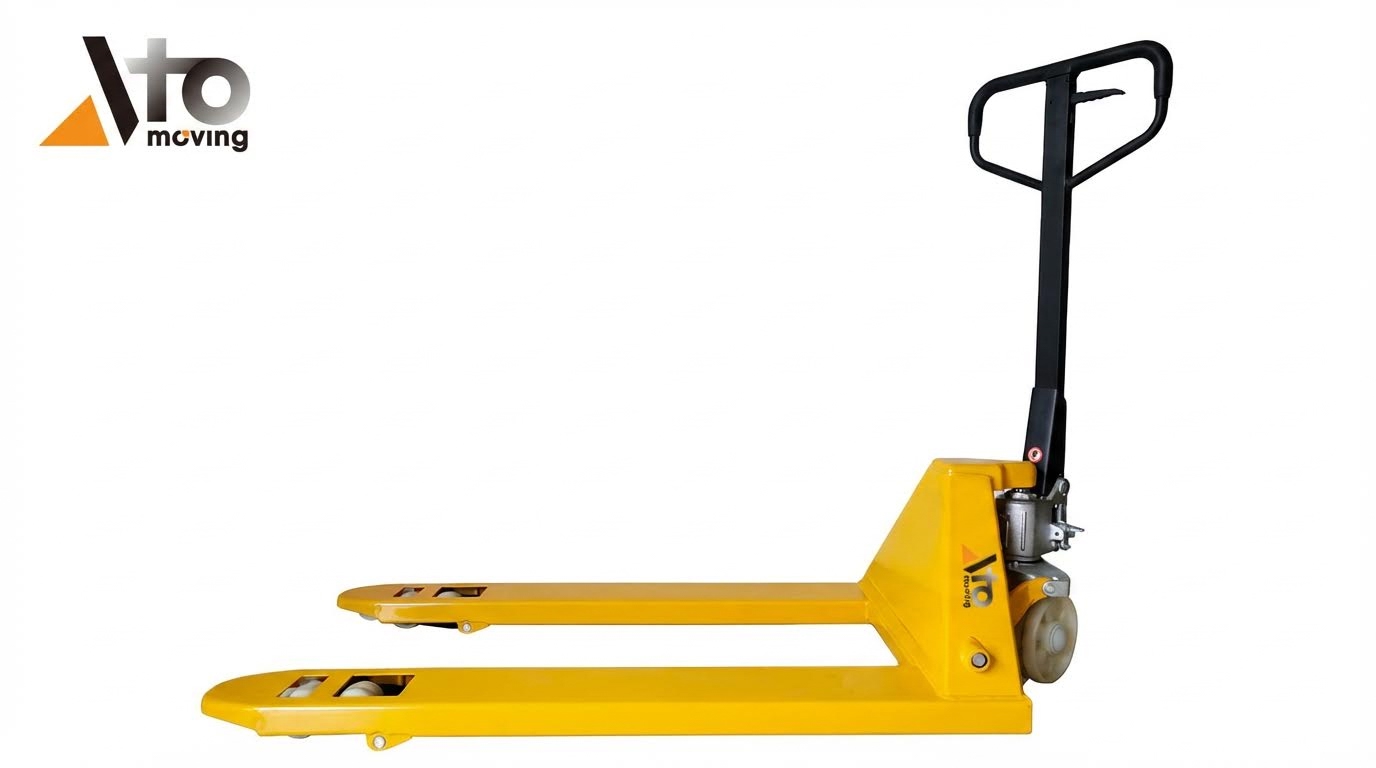
Safety lockout and stability checks
Before working out how to fix a pallet jack that won’t go down, secure the work area and the load. Chock the wheels, set the handle to neutral, and keep all body parts out from under the forks. If the forks are stuck in the air with a load, use a secondary support (cribbing, stands, or another lift) so the pallet cannot drop unexpectedly. Only start detailed checks once the truck is immobilized and the load is stable.
Inspecting handle linkage and lowering valve adjustment
Start diagnostics at the control handle, because an out-of-adjustment linkage is a common reason a pallet jack will not lower. If the operating handle does not fully pull the lowering cam or rod, the release valve never opens and the forks stay up. Many service manuals specify an operating lever or control handle adjustment procedure that restores the correct stroke and timing of the valve actuation by resetting the linkage length and clearances. When planning how to fix a pallet jack that won’t go down, confirm that the handle has three distinct positions (lift, neutral, lower) and that in lower mode the valve arm clearly moves through its full travel.
Checking for mechanical obstructions and binding
If the handle linkage works, look for mechanical interference stopping the forks from descending. Objects wedged under the pallet jack or caught in the fork mechanism can physically block downward travel; these must be removed carefully to avoid sudden movement according to typical service instructions. Binding in load wheels, push rods, connecting frames, or rocker arms can also lock the geometry and keep the jack up; rust on the wheel frame or tight clearances around the push rod and rocker arm are known causes that should be cleaned, lubricated, or deburred. For units with chains and rollers, inspect for kinks, misrouted chain, or damaged rollers that can jam the mast or fork carrier and prevent lowering until the binding is corrected.
Hydraulic oil level, contamination, and air in the system
If there is no mechanical blockage, move on to the hydraulic circuit. Low hydraulic fluid level or contaminated oil can cause abnormal valve behavior and poor lowering control; typical maintenance guidance is to top up with an approved fluid and replace dirty oil to restore normal operation when the level is low or impurities are present. Air trapped in the hydraulic system can make the jack spongy or unresponsive in both lifting and lowering, so bleeding the system by cycling the handle and opening the bleed point until a steady fluid stream appears is recommended to purge air pockets and restore consistent motion. When you explain how to fix a pallet jack that won’t go down to technicians, stress that oil level, cleanliness, and de-aeration are basic checks before replacing hardware.
Piston rod, seals, and internal hydraulic damage
If the fluid and external components are in good condition, suspect internal hydraulic damage. Leaving the forks raised for long periods can expose the piston rod to corrosion; rust buildup on this surface can damage seals and create friction that prevents smooth retraction, so regular lubrication and parking the jack with forks lowered are standard preventive practices, and a badly corroded rod or pump may need replacement to restore reliable lowering. Cracked or worn seals and internal components can also disrupt pressure balance and valve function, sometimes blocking flow back to the reservoir; inspection and replacement of these parts are typically required when there are leaks or persistent lowering faults to recover full performance. For powered units with solenoid-controlled lowering valves, internal valve damage or contamination can keep the valve from opening, so combining hydraulic inspection with the electrical checks described later in the article gives the most complete diagnosis of a jack that refuses to go down.
Advanced Issues On Powered And High-Use Pallet Jacks

Solenoid valves, limit switches, and electrical faults
On powered pallet jacks, electrical problems often sit behind a jack that will not lower, even when the hydraulics are healthy. Start with the control circuit: when you press the lower button, the lowering solenoid should energize and its indicator should light. If the indicator does not come on, the fault is usually in the switch, wiring, or the solenoid coil itself. Pressing the lowering button and checking whether the solenoid indicator illuminates is a quick way to separate control problems from hydraulic ones. If the indicator does not light, the solenoid valve may be faulty.
Limit switches can also stop lowering when they misread fork position. A failed or misadjusted lifting limit switch at maximum height can hold the system in a “blocked” state, so the control logic never allows the lower command. In some cases, operators noticed that standing on the forks temporarily allowed them to lower, which pointed to an over‑sensitive or stuck limit mechanism. A malfunctioning lifting limit switch at maximum height can create mechanical interference that prevents lowering.
From a hydraulic standpoint, a solenoid that does energize but does not pass oil can still leave you wondering how to fix a pallet jack that won’t go down. Internal sticking, contamination, or a damaged armature can hold the spool closed even with power applied. In those cases, technicians should verify coil voltage, then remove and clean or replace the valve. On some designs, a faulty lowering solenoid reduces system pressure or blocks the return path entirely, which keeps the piston locked and the forks in the air. A faulty solenoid valve can lead to low hydraulic pressure and prevent the forks from lowering.
Chain, roller, and mast guidance problems
High‑use electric and semi‑electric pallet jacks add chains, rollers, and mast guides that can all mechanically block lowering. If the forks or platform will not come down even with the hydraulic circuit open, look for binding in the lift chains, sheaves, and carriage rollers. Any corrosion, lack of lubrication, or bent components increases friction and can wedge the moving structure in place. Powered units that see frequent outdoor use are especially prone to rust at chain links and roller races. Forks that do not lower can indicate binding in the chains or rollers.
To decide how to fix a pallet jack that won’t go down in these cases, isolate the mechanical path from the hydraulic cylinder. With the system safely supported and depressurized, check whether the mast or scissor structure can move freely by hand or with a small pry bar. Inspect chains for tight spots, kinks, or uneven tension between sides, and verify that rollers turn smoothly on their bearings. Any spot where the structure “hangs up” on the way down is a likely interference point.
Technicians should also inspect the mast channels and guide surfaces for dents or side impacts from trucks and pallets. Even a small inward dent can pinch a roller and hold the carriage up under light load, then suddenly release as load increases, which is a safety hazard. Corrective actions include cleaning debris from the channels, re‑aligning or replacing bent guides, and replacing worn rollers or chain sections. Once the guidance system is smooth, the hydraulic cylinder can lower the load in a controlled, predictable way.
Environmental factors, duty cycle, and preventive maintenance
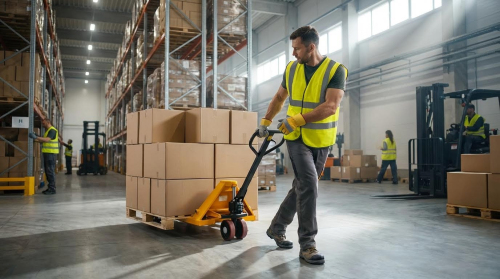
On powered and high‑duty pallet jacks, the environment and duty cycle strongly influence how often lowering problems appear. Cold storage and winter loading docks thicken hydraulic oil, which slows response and can make a marginal valve or seal stick closed. Moving the truck to a warmer area or switching to an oil grade matched to the ambient temperature improves flow and reduces sticking. Cold temperatures can thicken hydraulic oil and hinder pallet jack operation.
Heavy, continuous use accelerates wear of seals, piston rods, and valve components, which in turn increases the chance that the jack will not lower when commanded. Rust on an exposed piston rod after long periods stored in the raised position can make the rod drag through the seals or even seize. Keeping forks lowered when parked and lubricating exposed rod surfaces reduces this risk. Extended periods with the forks raised can cause rust on the exposed piston rod and lead to failure in lowering.
Preventive maintenance is the most reliable way to avoid complex “no‑lower” faults that are difficult to diagnose in production. A robust program for fleets should include:
- Regular inspection of chains, rollers, and mast guides for wear and binding.
- Scheduled checks of hydraulic fluid level and cleanliness, with changes at defined intervals. Low fluid and impurities can impair the pallet jack’s ability to lower properly.
- Functional tests of limit switches, lowering buttons, and solenoid indicators.
- Visual checks for leaks and damaged seals around cylinders and valves.
By linking these inspection tasks directly to the common failure modes, maintenance teams gain a clear, engineering‑based roadmap for how to fix a pallet jack that won’t go down before it disrupts operations.
“”
Summary: Restoring Reliable And Safe Lowering Performance
A pallet jack that will not lower points to clear hydraulic, mechanical, or control faults, not random failure. The hydraulic circuit, handle linkage, and load path all must work together for safe, predictable lowering. When any link in that chain drags, binds, or loses control of oil flow, the forks stay in the air and risk grows.
The most effective strategy is structured diagnostics. First stabilize the load and truck. Then confirm handle linkage and valve travel, remove any physical obstruction, and check chains, rollers, and mast guides for binding. After that, verify hydraulic oil level, cleanliness, and air removal, and inspect piston rods and seals for corrosion or wear. On powered units, add checks of solenoids, switches, and wiring so you do not replace hydraulic parts for an electrical fault.
Engineering teams should convert these checks into a standard procedure and a preventive maintenance plan. Keep forks lowered when parked, match oil grade to temperature, and inspect high‑wear parts on a fixed schedule. When you apply this method on Atomoving pallet jacks or any similar design, you cut downtime, avoid unsafe work‑arounds, and restore smooth, controlled lowering as the normal condition, not the exception.
Frequently Asked Questions
Why won’t my pallet jack go down?
If your pallet jack is stuck in the raised position, it could be due to issues with the hydraulic system. Common problems include trapped air in the system, low hydraulic fluid levels, or a malfunctioning release valve. To address this, first check the fluid levels and top them up if necessary. If the issue persists, bleed the system to remove trapped air. Hydraulic Jack Troubleshooting.
How do I reset my pallet jack?
If your pallet jack isn’t functioning properly, resetting it might help. Start by turning off and unplugging the pallet jack. Press the emergency stop button to release any hydraulic pressure. Wait for 30 seconds, then press the button again to reset the system. Plug the pallet jack back in and turn it on. Reset Guide for Pallet Jacks.