A pallet jack that will not lift halts material flow, increases manual handling risk, and drives unplanned maintenance cost. This guide presents a structured, technical approach to diagnosing hydraulic, mechanical, and control-related causes based on proven field practices. It walks through a stepwise workflow: from understanding hydraulic failure modes and air bleeding, to oil, seal, and linkage checks, and finally repair-versus-replacement decisions. The article concludes with practical reliability strategies and maintenance planning so operations teams can keep both manual and electric pallet jacks in safe, consistent service.
Core Causes When A Pallet Jack Won’t Lift
A pallet jack that failed to lift indicated a fault in either the hydraulic circuit or the mechanical load path. Understanding the dominant failure modes allowed maintenance teams to prioritize fast, low-cost checks before intrusive repairs. Most field cases traced back to air ingress, low or degraded oil, or progressive wear in linkages, wheels, and seals. A structured root-cause view reduced unnecessary part replacement and minimized downtime.
Hydraulic System Basics And Failure Modes
A manual pallet jack used a compact hydraulic pump, reservoir, check valves, and a lifting ram. The handle stroke pressurized hydraulic oil, drove the ram, and raised the forks via the frame linkage. Typical failure modes included internal leakage past seals, stuck or contaminated valves, and insufficient effective oil volume. Nicks on the pump piston or ram, or damaged polishing, accelerated seal wear and caused bypass leakage. Using incorrect fluids such as brake fluid or automotive oil degraded seals and shortened service life. In electric pallet jacks, similar hydraulic principles applied, but an electric motor drove the pump, adding electrical and control-related failure paths.
Air Ingress And Improper Bleeding Procedures
Trapped air in the hydraulic system was the most common reason a pallet jack would not lift. Air compressed under load and prevented pressure from building sufficiently at the ram. Technicians first ensured the forks carried no load, then pumped the handle 15–20 strokes to purge air back into the reservoir. Some manufacturers recommended cycling the lift fully up and down several times after bleeding to stabilize the fluid column. If operators skipped this procedure after transport, storage on the side, or an oil change, lift performance degraded. Persistent aeration pointed to suction-side leaks, loose fittings, or damaged seals drawing air into the circuit.
Low Or Contaminated Hydraulic Oil Issues
Low hydraulic oil level reduced available stroke volume and introduced air pockets into the pump inlet. Technicians removed the fill plug carefully and checked that the oil sat roughly 25–40 mm below the reservoir top, depending on design guidance. Typical manual pallet trucks required approximately 0.3 L of appropriate hydraulic oil after a full drain and refill. Dark, milky, or particle-laden oil indicated water ingress or internal wear, which compromised valves and seals. In such cases, a complete oil change, flushing contaminants, and cleaning the valve area before reassembly was recommended. Continued operation with contaminated oil increased failure risk of the pump, ram, and O-rings.
Mechanical Linkage, Wear, And Misadjustment
Even with a healthy hydraulic unit, worn or misadjusted mechanical components could prevent lifting. The handle linkage transferred motion to the pump piston and the lowering valve; excessive play or bent parts reduced stroke or caused unintended bypass. Technicians checked that the handle lever moved freely and that the lowering control returned positively to the neutral position. Worn bushings, elongated pin holes, or undersized replacement pins introduced side play and accelerated structural wear. Load rollers and steer wheels with flat spots, embedded metal, or more than 6 mm diameter loss increased rolling resistance and created the impression of poor lift or travel. Correcting these mechanical issues restored full stroke, ensured safe load transfer, and prevented secondary damage to the hydraulic unit.
Step-By-Step Troubleshooting Workflow
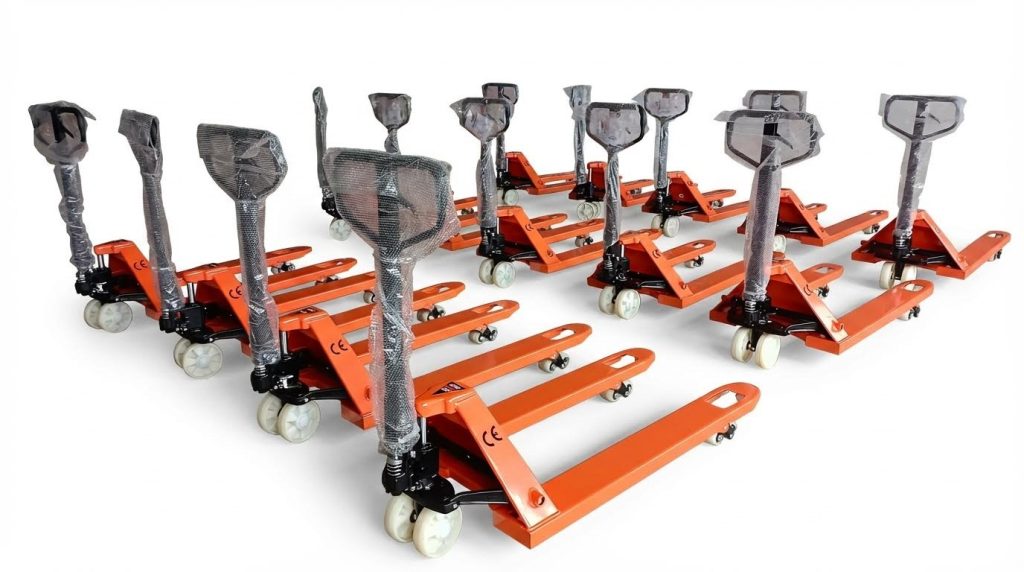
A structured troubleshooting workflow reduced downtime and prevented unnecessary component replacement. Technicians typically moved from low-risk checks to invasive repairs. This sequence protected hydraulic components, validated safety, and created clear documentation for maintenance records.
Safety Lockout And Initial Visual Inspection
Always start with safety lockout before touching the pallet jack. For electric units, switch off the key, disconnect the battery connector, and apply any parking brake. For manual jacks, chock wheels if on a slope and remove any load from the forks. Inspect the frame, handle, forks, and wheels for deformation, cracks, or obvious impact damage. Look for fresh hydraulic oil on the floor, on the pump housing, around the ram, and at hose or seal interfaces. Check that forks sit fully lowered, and verify that the control lever moves through lift, neutral, and lower positions without binding. This quick scan often identified gross faults such as broken linkages, bent rods, or leaking seals before deeper diagnostics.
Bleeding Trapped Air From The Hydraulic Circuit
Trapped air in the hydraulic circuit represented the most frequent cause of a jack that would not lift. Ensure the forks carried no load and that the lowering lever sat in the lift position. Pump the handle 15–20 full strokes to drive air toward the reservoir and through the return path. On some designs, technicians slightly opened a bleed or fill port while pumping, then closed it before releasing the handle. After bleeding, test lift performance with a moderate load within the rated capacity. If lift height or stiffness improved, repeat the cycle once more to stabilize performance. Persistent spongy feel or partial lift after correct bleeding indicated either low oil level or internal leakage past valves or seals.
Checking Oil Level, Leaks, And Seal Integrity
If bleeding did not restore lift, verify hydraulic oil quantity and condition. Place the forks fully lowered and level, then remove the fill or inspection plug carefully to avoid contamination. The oil level typically sat 25–40 mm below the top of the reservoir; consult the service data for exact specification. Low oil levels caused cavitation, incomplete lift, and erratic lowering behavior. Top up with the specified hydraulic oil only; technicians avoided automotive engine oil and brake fluid because they degraded seals. Inspect oil clarity in a clean container; dark, milky, or particle-laden fluid signaled contamination and justified a full oil change. While the area was accessible, examine the pump body, ram, and valve block for wetness around seals, and check hoses and fittings for weeping or drips. External leaks often pointed to worn O-rings, rod seals, or damaged surfaces that required component replacement rather than repeated refilling.
Isolating Handle, Linkage, And Pump Valve Faults
When oil level and bleeding were correct yet lifting still failed, technicians isolated mechanical linkage and pump valve faults. First, disconnect or slacken the lifting linkage from the control lever so the pump inlet and outlet valves operated independently of the handle mechanism. Manually actuate the pump or stroke the handle while observing whether the forks rise under no-load conditions. If the jack lifted with the linkage disconnected, the problem lay in the handle, pivot bushings, pins, or adjustment of the lowering valve rod. Excessive play, bent rods, or worn bushings prevented full valve closure and reduced pressure. If the jack still did not lift, the fault likely resided in the pump unit, typically in check valves, O-rings, or internal sealing surfaces. At that point, a valve cartridge service, O-ring replacement, or full hydraulic unit rebuild became the logical next step in the repair plan.
Repair, Rebuild, And Upgrade Decisions
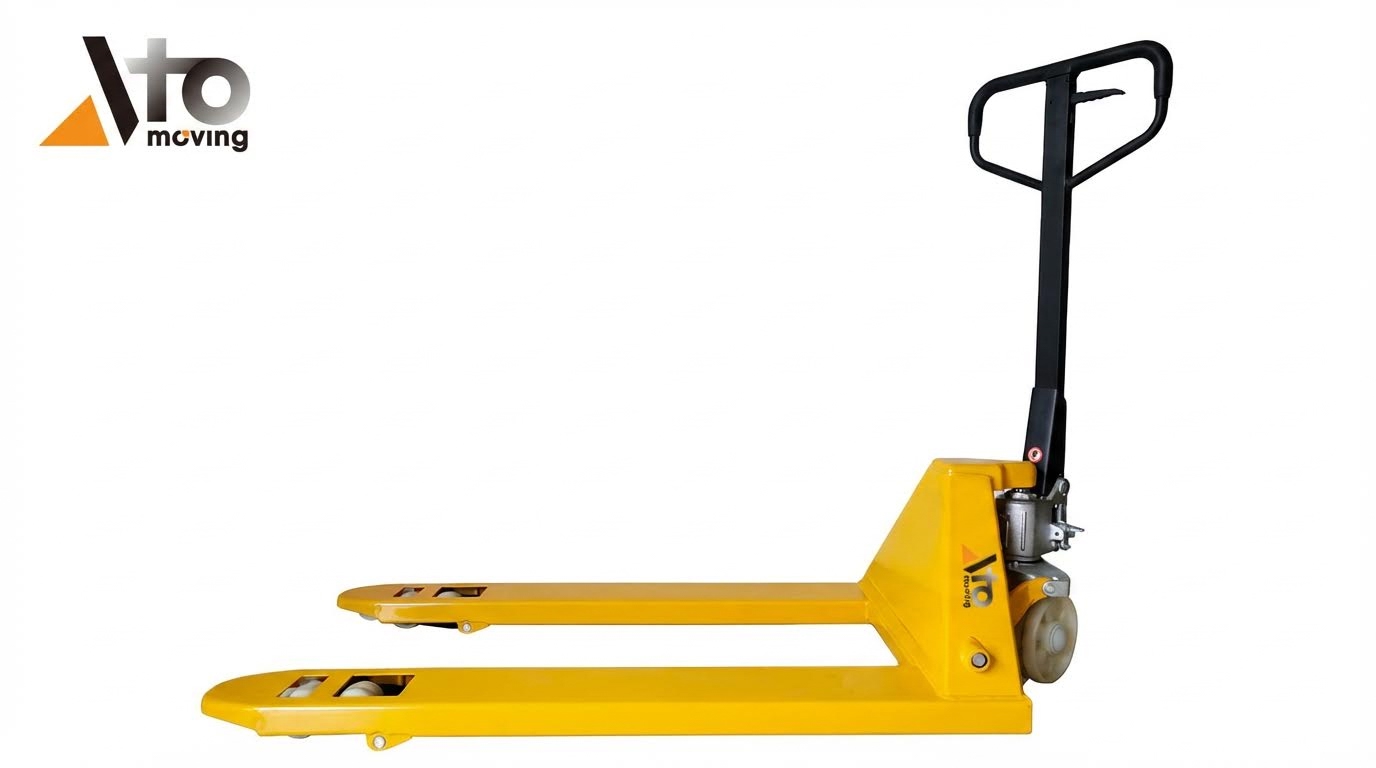
Repair decisions for pallet jacks depended on accurate fault isolation, cost comparison, and safety risk evaluation. Technicians typically started with component-level repairs, then escalated to pump rebuild or full replacement based on labour hours and parts availability.
O-Ring, Valve, And Seal Replacement Procedures
O-ring and valve seal failures caused internal bypass in the hydraulic unit and prevented lifting under load. After bleeding air and verifying correct oil level, technicians raised the drive wheels on stable supports and fully depressurized the circuit. They removed the reservoir cover screw with an Allen key, pumped the handle to drain the hydraulic oil, then extracted the lower lever pin using a Phillips screwdriver and hammer. With the valve cartridge exposed, they pulled the damaged O-ring using pliers, cleaned the groove, installed a correctly sized replacement, reassembled the valve, refilled with specified hydraulic oil, and bled the system again. Persistent leakage or no-lift after O-ring replacement indicated worn valve seats or ram seals, which required a more extensive hydraulic cartridge or seal kit replacement.
Wheel, Roller, And Bushing Wear Assessment
Wheel, roller, and bushing condition directly affected maneuverability, stability, and structural loads on the frame. Inspectors checked load rollers and steer wheels for flat spots, embedded metal, cracks, and loose tread, then measured their diameters with calipers. Replacement became mandatory when diameter loss exceeded 6 mm compared with nominal size, or when the wheel no longer rotated freely without rubbing adjacent structure. Technicians always replaced paired load rollers together to prevent uneven tracking and fork twist. During disassembly they replaced accessible bushings and worn pins, because excessive clearance in the handle bracket or axle bores accelerated fatigue and could lead to sudden pin shear under rated load.
When To Rebuild The Pump Versus Replace The Jack
Choosing between pump rebuild and jack replacement required a structured cost and risk analysis. If the fault localized to simple items such as O-rings, a lowering valve adjustment, or a minor seal kit, a pump repair typically stayed within one to two labour hours plus low-cost parts. When the ram or pump piston showed pitting, scoring, or corrosion, or when untrained tampering damaged the unit, a full hydraulic rebuild became complex and time-consuming. In those cases total cost, including technician travel and parts, often approached the purchase price of a new manual pallet jack. Facilities usually set a threshold, for example 50–60% of new equipment cost, beyond which they retired the unit and replaced it to reduce downtime and future reliability risk.
Digital Tools And Predictive Maintenance Options
Digital tools allowed maintenance teams to move from reactive repair to condition-based strategies. For electric pallet jacks, technicians used built-in diagnostics, error codes, and reset procedures to distinguish electronic faults from mechanical or hydraulic issues. Fleet management software recorded hours of use, load cycles, and failure history, enabling data-driven intervals for oil changes, inspections, and wheel replacement. Some facilities integrated mobile inspection apps with standardized checklists that enforced periodic checks for leaks, oil level, wheel damage, and handle play. Over time, this data supported predictive models that flagged units with rising fault frequency, helping planners schedule rebuilds or replacements before a no-lift failure disrupted operations.
Summary: Key Takeaways For Reliable Pallet Jacks
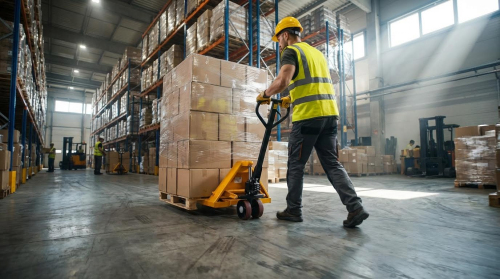
Reliable pallet jack operation depended on a sound hydraulic circuit, intact mechanical linkages, and correctly specified components. Most lifting failures traced back to trapped air, low or contaminated hydraulic oil, or misadjusted valves and linkages. Technicians restored lift in many cases by bleeding the system with 15–20 full handle strokes under no load and then verifying oil level 25–40 mm below the reservoir top. Where issues persisted, targeted replacement of O-rings, seals, and worn valve components usually returned the unit to service.
From an industry perspective, structured troubleshooting workflows reduced downtime and avoided unnecessary full rebuilds. Plants that combined periodic inspections, FEM-compliant annual checks, and condition-based replacement of wheels, rollers, and bushings reported lower life-cycle cost per pallet moved. The trend moved toward integrating digital tools on electric pallet trucks, including error-code diagnostics, programmable performance limits, and basic predictive maintenance analytics. These capabilities supported faster fault isolation between handle, linkage, and pump-side failures.
Practical implementation required disciplined maintenance routines, correct hydraulic oil selection, and adherence to wear limits, such as maximum 6 mm diameter loss on wheels and 1.5 mm on critical pins. Workshops needed basic hand tools, safe lifting supports, and clear procedures for bleeding, oil changes, and seal replacement. A balanced approach considered technician labor, parts availability, and unit age when choosing between pump rebuild and full jack replacement. As pallet handling technology evolved, the fundamentals remained: maintain a clean, air-free hydraulic system, monitor mechanical wear systematically, and document each intervention to build a reliable maintenance history.