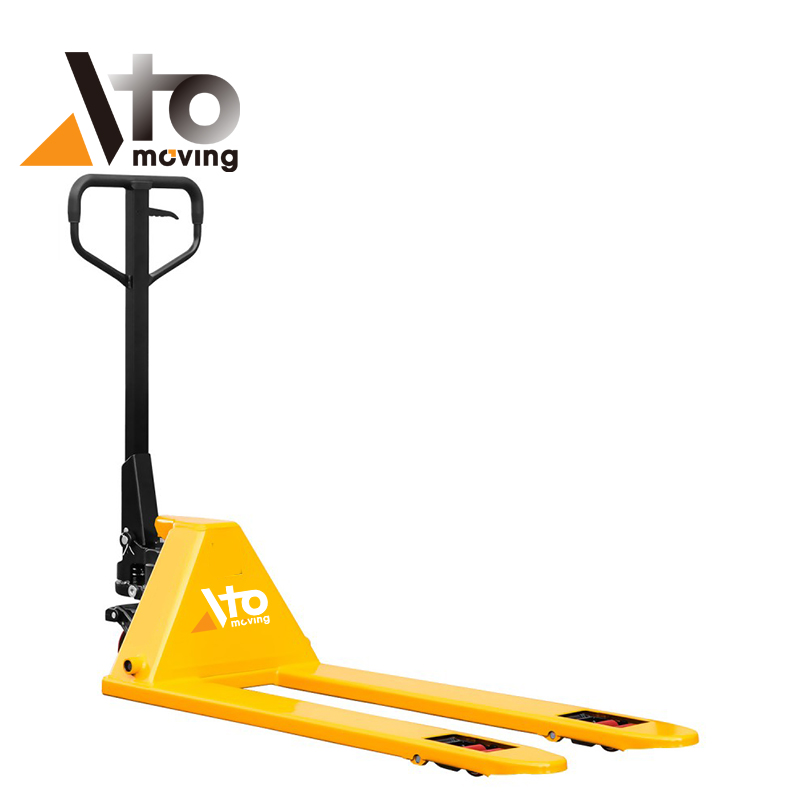
Pallet truck certification and training formed the backbone of safe, efficient materials handling in regulated industries worldwide. This article examined regulatory standards in the US, UK, EU, and Brazil, detailing how OSHA, HSE, PUWER, and L117 defined minimum legal duties and certification cycles. It then outlined how to design compliant training programs, select delivery models, and measure safety performance using structured KPIs. Finally, it addressed the technical skills, inspection routines, and maintenance practices that supported higher reliability, before closing with a summary of how robust training strategies raised safety and operational performance together.
Regulatory Standards For Pallet Truck Competency
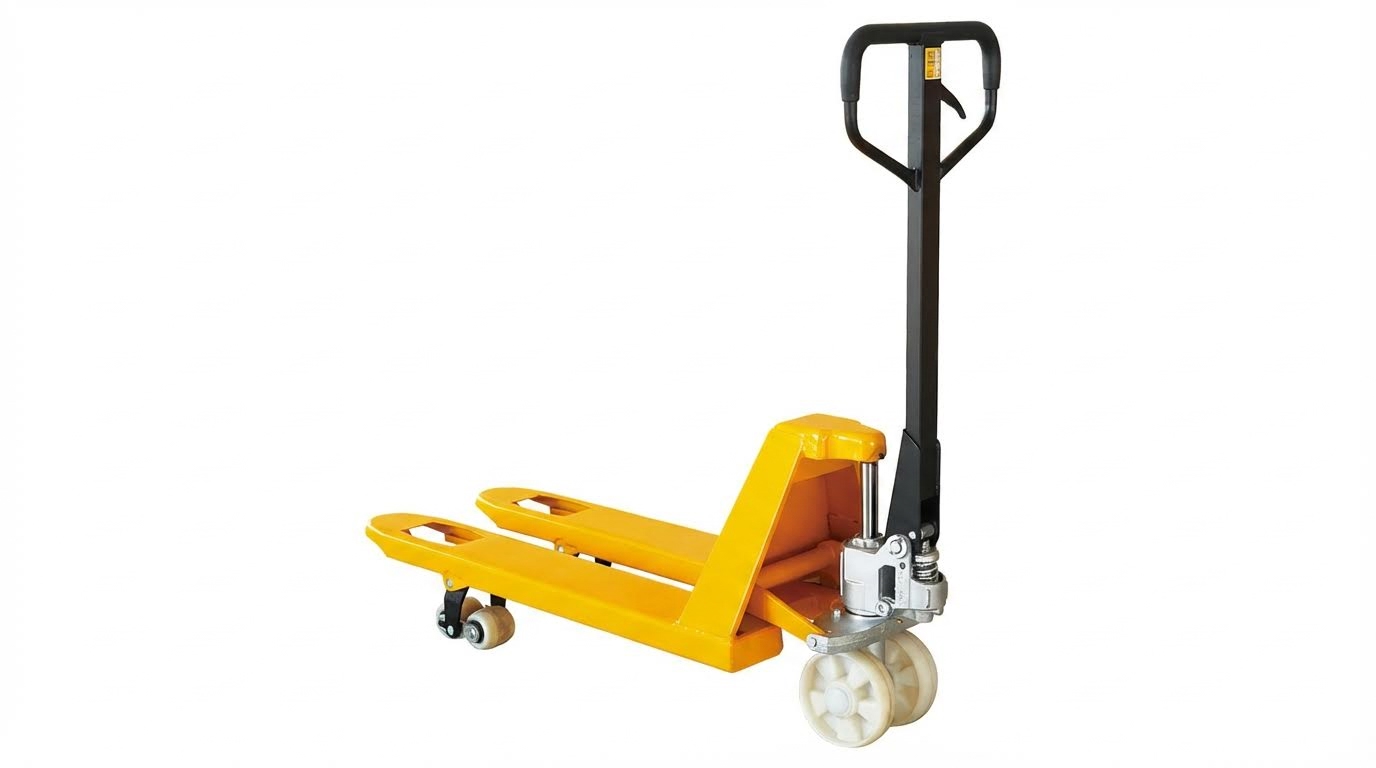
Regulatory standards for pallet truck competency established clear employer duties, operator requirements, and documentation needs. They aligned operator training with broader machinery safety law, linking day‑to‑day pallet truck use to national occupational safety frameworks. Understanding these standards allowed organizations to harmonize training, inspections, and recordkeeping across fleets and sites.
OSHA, HSE, PUWER, And L117: Key Legal Duties
OSHA in the United States regulated powered industrial trucks under 29 CFR 1910.178, which included electric pallet jacks. Employers had to provide formal instruction, practical training, and performance evaluation before authorizing operators. Refresher training became mandatory after unsafe operation, incidents, near misses, or significant workplace or equipment changes. In the United Kingdom, the Health and Safety at Work Act 1974 and PUWER 1998 required employers to ensure work equipment suitability and competent users. HSE’s Approved Code of Practice L117 defined recognized standards for rider-operated lift truck training and served as the benchmark for compliance. Although L117 focused on rider-operated trucks, its training principles influenced pallet truck programs, especially where powered pedestrian equipment operated in mixed-traffic areas.
Powered Vs. Manual Pallet Trucks: Scope Of Rules
Powered pallet trucks, including electric pallet jacks, fell squarely under OSHA’s powered industrial truck rules, triggering formal certification, evaluations, and refresher criteria. Manual pallet trucks typically did not meet the powered industrial truck definition, but employers still had general duty obligations to protect workers from recognized hazards. In the UK, PUWER applied to both powered and manual pallet trucks, since both were work equipment. However, training depth and assessment rigor scaled with risk, travel speed, and operating environment. Best practice treated high-throughput manual pallet truck operations with similar procedural controls to low-capacity powered units, especially where pedestrian interaction and confined spaces increased collision risk.
Certification Validity, Renewals, And Recordkeeping
Under OSHA, employers had to document each operator’s training and evaluation, but the regulation did not prescribe a fixed certificate format. Industry practice commonly adopted a three-year evaluation cycle, aligning with OSHA’s requirement for evaluations at least every three years. Online pallet jack courses often issued printable certificates and wallet cards valid for three years, simplifying internal tracking. In the UK, accredited schemes such as NORS registered successful candidates for three years from the test date and issued expiry reminders. Recordkeeping there included training dates, truck categories, test results, and instructor accreditation. Robust records supported legal defensibility after incidents and enabled targeted refresher planning based on expiry, role change, or performance concerns.
Global Practices: US, UK, EU, And Brazil Compared
In the United States, OSHA standards focused on structured training, evaluations, and incident-triggered refreshers, with strong emphasis on powered equipment. The UK framework combined broad legal duties under the Health and Safety at Work Act and PUWER with detailed guidance in L117 and accreditation bodies such as RTITB. Across the wider EU, member states implemented EU directives on work equipment and workplace safety, typically requiring risk-based training and equipment conformity to relevant machinery standards. Brazilian guidance mirrored OSHA’s model, mandating classroom instruction, practical exercises, and periodic evaluations for forklift-type equipment, plus three-year refreshers or earlier retraining after unsafe behaviors. Despite regional differences, converging themes included documented competency, periodic refreshers, daily inspections, and engineered controls to reduce tip-overs, pedestrian strikes, and falling loads.
Designing A Compliant Pallet Truck Training Program

A compliant pallet truck training program aligned with OSHA, HSE, PUWER, and L117 requirements integrated theory, supervised practice, and formal evaluation. It defined clear learning outcomes for safe operation, inspection, and basic maintenance of both manual and powered pallet trucks. Employers structured the program to demonstrate that operators were competent for the specific truck types and site conditions. Documentation of content, attendance, and test results supported legal defensibility and internal audits.
Core Curriculum: Theory, Practical, And Evaluation
The core curriculum started with classroom or online theory covering legal duties, equipment components, controls, and rated capacity. It addressed OSHA 29 CFR 1910.178 topics such as operating instructions, warnings, load handling, stability, inspection, maintenance, refueling, and battery charging. Practical training followed in a controlled area, where trainees performed pre-use checks, maneuvered with and without loads, and stacked at different heights. Formal evaluation combined written or online tests with observed driving assessments, with documented pass thresholds, retest rules, and instructor sign-off. Employers repeated evaluations at least every three years or sooner after incidents, near misses, or unsafe behavior.
Site-Specific Hazards, Loads, And Traffic Patterns
Compliant programs extended beyond generic truck skills to site-specific risks. Trainers mapped pedestrian routes, intersections, slopes, dock edges, and confined areas, then built scenarios reflecting these conditions. They addressed typical load types, such as pallets with mixed center-of-gravity, unstable shrink-wrapped goods, or liquids, and showed how to secure and position them. Traffic rules covered speed limits, right of way, horn use at blind corners, and shared routes with forklifts and pedestrians. This tailoring ensured operators understood local signage, floor markings, and emergency procedures, not just generic safe driving principles.
Online, Classroom, And Blended Training Models
Training providers used online modules, classroom sessions, and blended models to meet regulatory expectations for formal instruction. Online courses delivered standardized theory, quizzes, and final exams, often with OSHA-aligned content and minimum passing scores of 70–80%. Classroom sessions allowed discussion of local procedures, incident case studies, and clarification of complex topics such as stability and load charts. Regardless of format, regulations still required hands-on practical training and on-truck evaluation under a qualified instructor. Blended programs typically assigned theory online, then scheduled shorter, focused on-site practical sessions to reduce downtime while preserving competency.
Assessing Training Impact With Safety KPIs
Effective programs tracked safety KPIs to verify that training changed behavior and outcomes. Common indicators included pallet truck incident rates, near-miss reports, damage to racking and loads, and unplanned downtime due to operator error. Supervisors conducted periodic observations using checklists to score behaviors such as pre-use inspections, speed control, and pedestrian awareness. Organizations also monitored productivity metrics like picks per hour and rework rates to confirm that safer operation did not degrade throughput. Regular analysis of KPIs fed back into refresher content, toolbox talks, and program updates, creating a closed-loop improvement cycle for pallet truck safety and reliability.
Technical Skills, Inspection, And Maintenance Training

Technical skills training for pallet truck operators needed to move beyond basic driving practice. Effective programs integrated inspection, load handling, and maintenance topics into a single competency framework. This integration reduced unplanned downtime, improved asset life, and lowered incident rates. It also supported compliance with OSHA 29 CFR 1910.178, HSE guidance, PUWER 1998, and equivalent global standards.
Pre-Use Inspection, Defect Reporting, And Lockout
Training on pre-use inspection taught operators to follow a structured checklist before each shift. Typical checks covered forks, wheels, steering, brakes, hydraulics, controls, warning devices, and, for powered trucks, batteries or chargers. Operators learned to identify visible damage, leaks, bent forks, abnormal noises, and missing safety devices that could compromise safe use. Programs emphasized immediate defect reporting, using standardized forms or digital apps, and prohibiting informal fixes.
Lockout and tagout principles formed a critical part of this module. Operators needed to understand when a pallet truck was unsafe to use and how to isolate it from service. This included tagging the equipment, removing keys where applicable, and notifying supervisors or maintenance. Training aligned with employer energy control procedures and local regulations to prevent inadvertent use of defective equipment.
Load Handling, Stability, And Driving Techniques
Load handling training focused on capacity limits, center of gravity, and stability triangles for powered trucks. Operators learned to read nameplates, match load characteristics to rated capacity, and avoid overhanging or unstable loads. Instruction covered correct fork spacing, full fork insertion, and maintaining low travel height to reduce tip-over risk. Scenario-based exercises addressed ramps, dock edges, uneven floors, and confined spaces.
Driving technique modules addressed speed control, route planning, and interaction with pedestrians. Operators practiced smooth acceleration and braking, wide turning radii with long loads, and stopping distances under different floor conditions. Training reinforced use of horns at blind corners, adherence to marked pedestrian zones, and prohibition of riders on pallet trucks. Instructors used incident case studies to link poor technique with real accident outcomes, reinforcing behavioral change.
Battery Care, Charging Safety, And Energy Efficiency
For electric pallet trucks, training on battery care covered both safety and lifecycle economics. Operators learned to check state of charge, inspect cables and connectors, and recognize swelling, leaks, or corrosion. Programs highlighted correct charging procedures, including designated charging areas, ventilation requirements, and avoidance of smoking or ignition sources. Instructors explained differences between lead-acid and lithium-ion systems where relevant, including opportunity charging practices.
Energy efficiency content linked operator behavior with fleet availability. Maintaining proper tire condition, avoiding unnecessary travel, and planning efficient routes reduced energy consumption. Operators learned to avoid deep discharges that shortened battery life and to report charging anomalies promptly. Correct storage in cool, dry conditions, especially for spare batteries, supported reliability and reduced total cost of ownership.
Predictive Maintenance, Telematics, And Digital Twins
Advanced training modules introduced operators and supervisors to predictive maintenance concepts. Telematics systems on modern pallet trucks captured usage hours, impact events, and battery health data. Training showed how to interpret dashboards and alerts, then feed this information into maintenance planning. This approach allowed maintenance teams to service high-risk units before failure, improving uptime and safety.
Some large fleets adopted digital twins or detailed asset models to simulate wear patterns and optimize service intervals. Operator training emphasized accurate data entry, correct key fob or PIN use, and prompt reporting of anomalies detected by onboard sensors. Instructors linked telematics data with safety KPIs, such as impact counts and near-miss trends, to guide targeted refresher training. This data-driven feedback loop supported continuous improvement in both equipment reliability and operator performance.
Summary: Raising Safety And Reliability Through Training
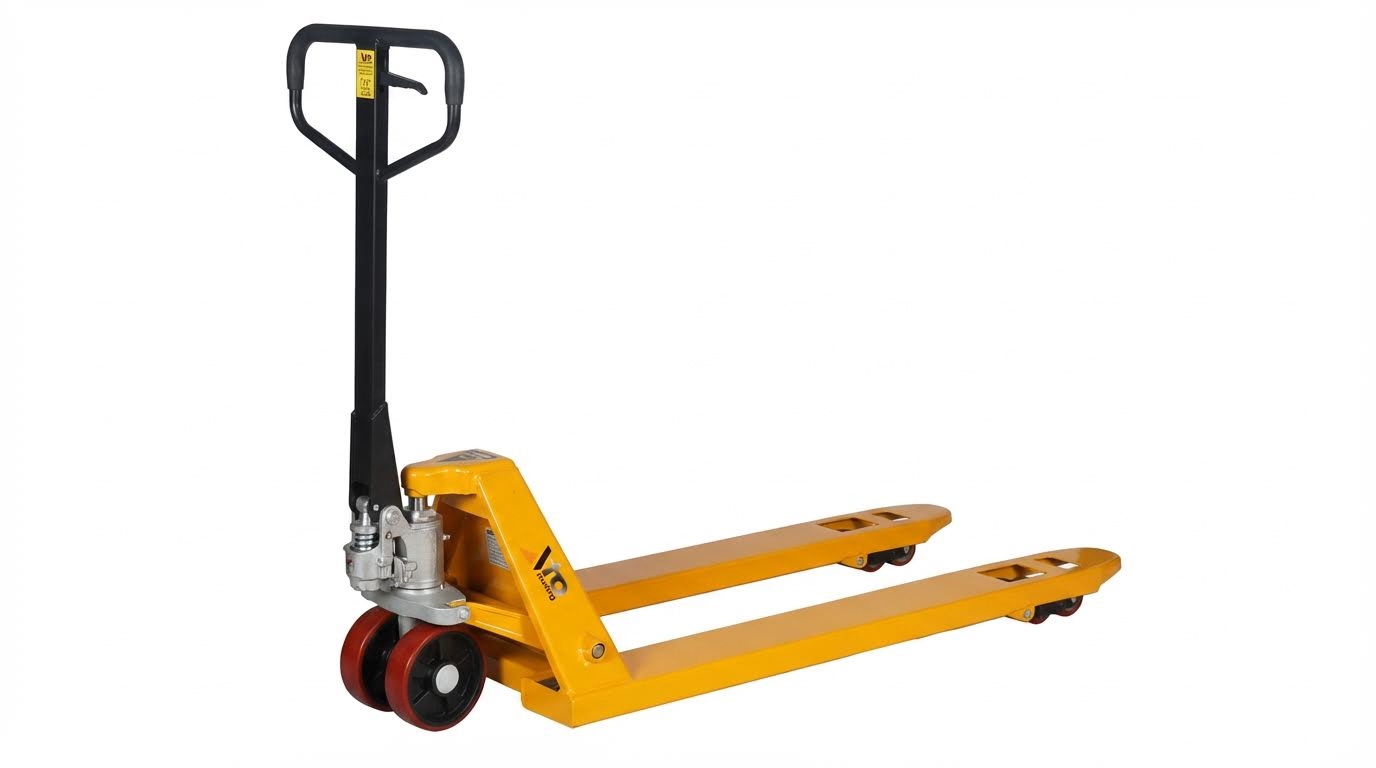
Structured pallet truck training and certification programs raised safety, compliance, and efficiency across warehouses and industrial sites. OSHA 29 CFR 1910.178 in the United States and HSE guidance with PUWER 1998 and L117 in the United Kingdom defined clear employer duties. Regulators required formal instruction, practical training, and performance evaluation for pallet truck operators, with refresher training triggered by unsafe operation, incidents, or workplace changes. Certification typically remained valid for about three years, provided employers maintained records and periodic evaluations.
Industry experience showed that robust curricula, combining theory with hands‑on practice, reduced accidents linked to operator error and poor inspection discipline. Programs that emphasized pre‑use checks, defect reporting, and basic maintenance improved equipment uptime and protected assets. Integrating online modules, simulations, and toolbox talks created flexible learning while still supporting site‑specific hazard training. Organizations that tracked leading and lagging safety indicators, such as near misses, damage rates, and unplanned downtime, could quantify training impact and justify continuous improvement.
Future trends pointed toward wider use of telematics, digital checklists, and digital twins to monitor operator behavior, inspection compliance, and pallet truck health in near real time. These tools supported predictive maintenance and data‑driven refresher training focused on actual risk patterns. However, technology could not replace competent instructors, clear procedures, and a strong safety culture. A balanced strategy combined regulatory compliance, modern learning tools, and disciplined supervision. Companies that aligned certification, maintenance practices, and data analytics positioned their pallet truck fleets for safer, leaner, and more reliable operations over the long term.