Facilities that ask how high can a pallet truck lift usually face real layout limits in racks, docks, and workstations. This article explains typical lift ranges for low-lift hand trucks, manual high-lift units, electric stackers, and special designs such as scissor and low-profile trucks.
You will see how engineering limits on height, capacity, and stability shape safe working envelopes, including load charts, center of gravity, and hydraulic design. The selection section links lift height to duty cycle, powertrain choice, lifecycle cost, and safety systems so engineers and warehouse managers can match equipment to their exact workflows.
Key Pallet Truck Types And Typical Lift Ranges
Engineers who ask how high can a pallet truck lift must first separate low-lift movers from true stacking machines. Lift ranges run from about 110 mm for basic hand trucks up to roughly 3.0 m for manual and electric stackers. Each class trades lift height against capacity, stability, and cost. Understanding these trade-offs lets you match truck type to rack levels, docks, and workstations without overspecifying equipment.
Low-Lift Hand Pallet Trucks (Up To ~300 Mm)
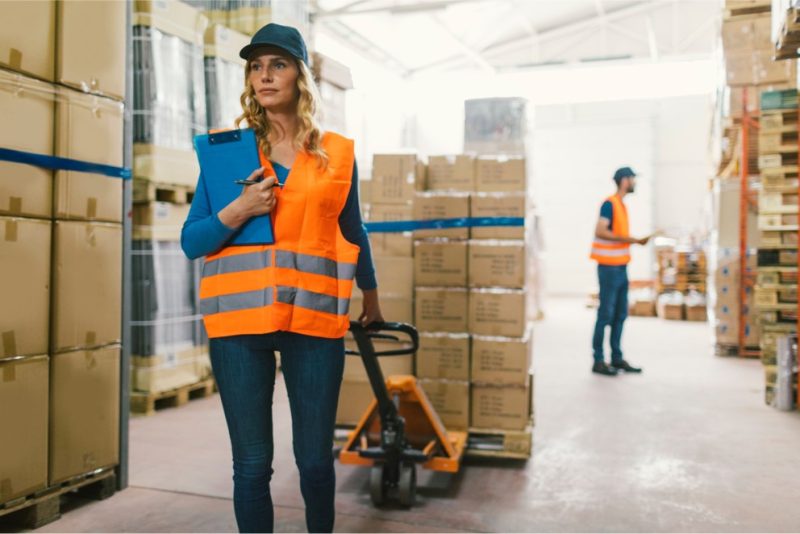
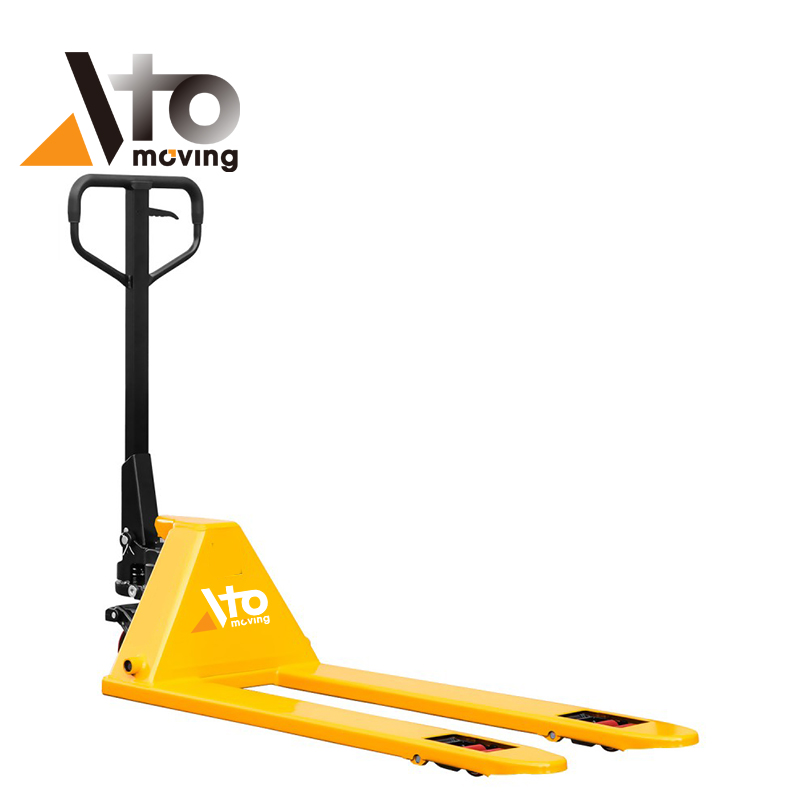
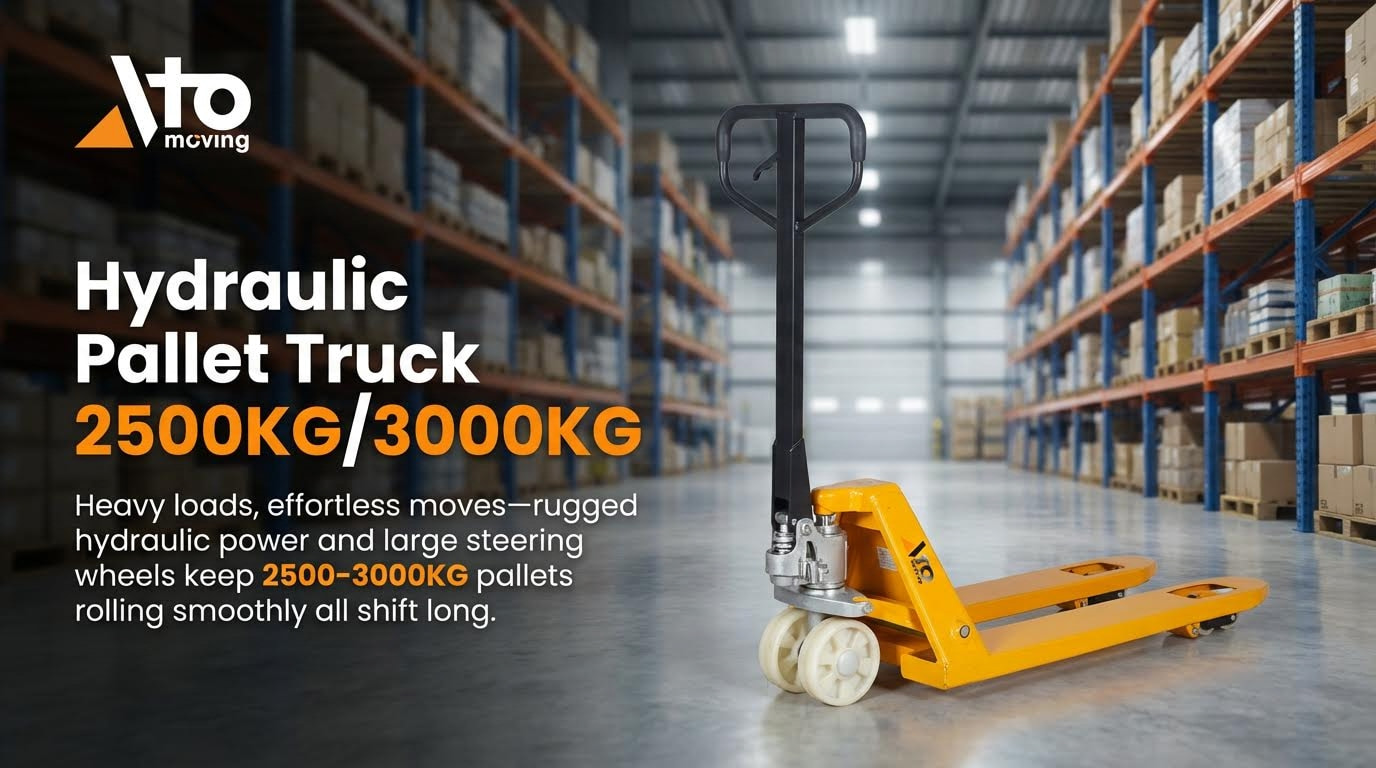
Low-lift hand pallet trucks focus on horizontal transport, not stacking. Typical hydraulic designs raise the forks about 110 mm, with some models reaching up to around 300 mm. That height clears standard pallet entry and dock plates, but it cannot feed even low racking. Capacities usually sit between 2,000 kg and 5,000 kg, so these trucks move heavy loads at floor level.
When planning how high can a pallet truck lift for a purely transport role, low-lift units are enough. They offer simple mechanics, low maintenance, and strong frames. Their short lift stroke also improves stability because the load center stays close to the floor. Use them between receiving docks, staging lanes, and production lines where no vertical storage is needed.
Manual High-Lift Trucks And Stackers (To ~3.0 M)
Manual high-lift pallet trucks and stackers bridge the gap between low-lift trucks and forklifts. Typical maximum lift heights cluster around 1.6 m, 2.5 m, and 3.0 m. Capacities often range from about 500 kg to 1,500 kg, lower than low-lift trucks but enough for most palletized goods. Reinforced steel frames, braced masts, and adjustable fork widths support safe lifting at these heights.
When you evaluate how high can a pallet truck lift for light racking, these manual stackers are a common answer. They can place pallets into first or second rack levels, load small mezzanines, and raise goods to ergonomic work heights. Manual pump or winch systems keep energy costs low but limit cycle speed and operator endurance. They suit low-throughput areas, backup roles, and tight warehouse aisles.
Electric Pallet Stackers And High-Lift Jacks
Electric pallet stackers use powered lift and drive to handle higher duty cycles and heavier loads. Many models share similar maximum lift heights with manual stackers, up to about 3.0 m. The key difference lies in productivity and operator effort, not raw height. Electric drives move loads faster and keep performance consistent over long shifts.
For sites asking how high can a pallet truck lift while still supporting high throughput, electric stackers are a strong option. They can serve medium-height racks, dock levelling, and frequent pallet repositioning at workstations. Typical capacities fall within the same 500 kg to 1,500 kg band as manual stackers, but electric power reduces strain and improves speed. They also integrate safety features such as emergency stops and controlled descent valves for high-lift work.
Special Designs: Scissor, Double, And Low-Profile
Special pallet truck designs extend the basic lift envelope in targeted ways. Scissor-lift pallet jacks combine a pallet truck with a vertical scissors mechanism. These units can reach working heights significantly above standard low-lift trucks, often up to around 800 mm or more, depending on the model. They support ergonomic picking, packing, or assembly at waist height.
Double pallet trucks focus on throughput rather than extra height. They lift two pallets at once, one above the other, which halves the number of trips for compatible loads. Low-profile pallet trucks solve clearance problems instead of chasing height. Their fork height can drop to about 35 mm, allowing entry into very low pallets or skids. When you define how high can a pallet truck lift for each process step, these special types often cover edge cases that standard low-lift or stacker models cannot handle efficiently.
Engineering Limits: Height, Capacity, And Stability

Engineers who ask how high can a pallet truck lift must link height to capacity and stability. Lift range alone does not define safe use. Load charts, structure, hydraulics, wheels, and floor conditions all interact. Regulatory frameworks then set minimum safety margins and inspection duties.
Load Charts, Center Of Gravity, And De-Rating
Manufacturers answered how high can a manual pallet jack lift by pairing rated height with a specific load center. Typical manual stackers lift 500 kilograms to 1 500 kilograms up to about 3.0 metres. Electric stackers reach similar heights but handle heavier loads with less effort. At higher lift, the truck de-rates because the combined centre of gravity moves forward and upward.
Engineers should treat the load chart like a structural map. Key checks include:
- Rated capacity at maximum lift height
- Permitted load centre distance on the forks
- Residual capacity when using attachments or long pallets
As height increases, even small off-centre loads reduce stability. Operators must keep the mast vertical, avoid tilted travel with raised loads, and add shelf clearance of roughly 250 millimetres when sizing stacker height. That clearance prevents operators from forcing pallets into beams, which would overload forks and mast.
Frame, Mast, And Hydraulic Design Constraints
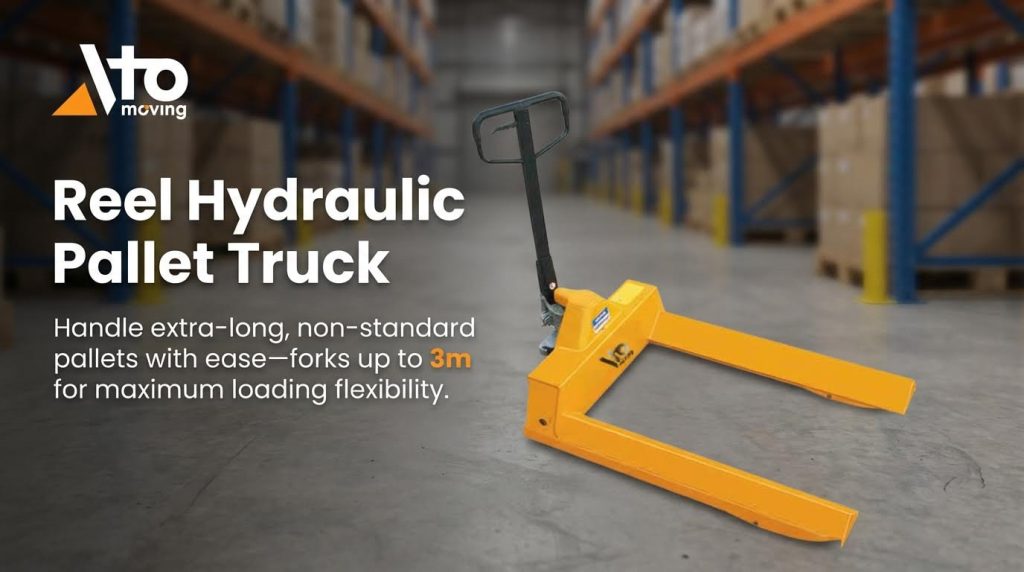
Frame and mast design ultimately limit how high can a hydraulic pallet truck lift safely. Low-lift hand pallet trucks use short, rigid frames and simple linkages. They raise only about 110 millimetres to 300 millimetres, so bending loads stay low and the chassis can remain compact. Manual and electric high-lift stackers need reinforced steel masts, cross bracing, and robust fork carriages to resist bending and torsion at 3.0 metres.
Hydraulic design also constrains lift height. Key aspects include cylinder bore, stroke length, and operating pressure. Longer strokes and higher pressures raise loads higher but increase internal stress and seal wear. Designers balance these factors with safety valves, flow limiters, and controlled lowering circuits. Scissor and high-lift designs that reach from about 800 millimetres to several metres use wide base frames and pinned scissor arms to keep deflection within acceptable limits.
Wheel Materials, Floor Conditions, And Traction
Wheel choice and floor quality strongly affect practical answers to how high can a walkie pallet truck lift in real facilities. Polyurethane wheels suit smooth indoor concrete. They offer good traction, low noise, and protect floors while carrying typical stacker loads. Nylon or steel wheels increase durability and reduce rolling resistance but transmit more shock and can slip sooner on smooth or wet floors.
As lift height increases, small traction losses become serious. A slight slope, a wet patch, or a cracked joint can destabilise a tall, loaded stacker. Engineers should verify:
- Floor levelness and flatness across travel paths
- Surface friction, especially near docks and ramps
- Point loads at wheel contact versus slab capacity
Manual stackers work best on flat indoor surfaces. Rough or uneven floors reduce effective safe lift height because operators must keep loads lower during travel to avoid tipping and shock loads into the mast.
Applying OSHA, PUWER, LOLER, And ISO 22915
Regulations and standards frame how high can a pallet truck lift in compliant operations. Low-lift pallet trucks, which raise loads roughly 300 millimetres or less, generally fall under PUWER style requirements for safe work equipment. High-lift pallet trucks and stackers, which exceed that height, come under lifting regulations similar to LOLER because a dropped load could cause serious injury.
High-lift units need thorough periodic examinations by a competent person. These checks cover structure, mast welds, forks, chains, and hydraulic components. ISO 22915 style stability tests verify that trucks with lift heights up to about 1 200 millimetres for certain classes do not overturn under defined load and tilt conditions. OSHA style rules reinforce safe stacking, sound pallets, and trained operators.
In practice, compliance means documented inspections, risk assessments, and operator training for load limits and stability. Engineers should integrate these rules into equipment selection, maintenance plans, and site procedures so that theoretical maximum lift matches safe, legal operating height.
Selecting The Right Pallet Truck For Your Facility
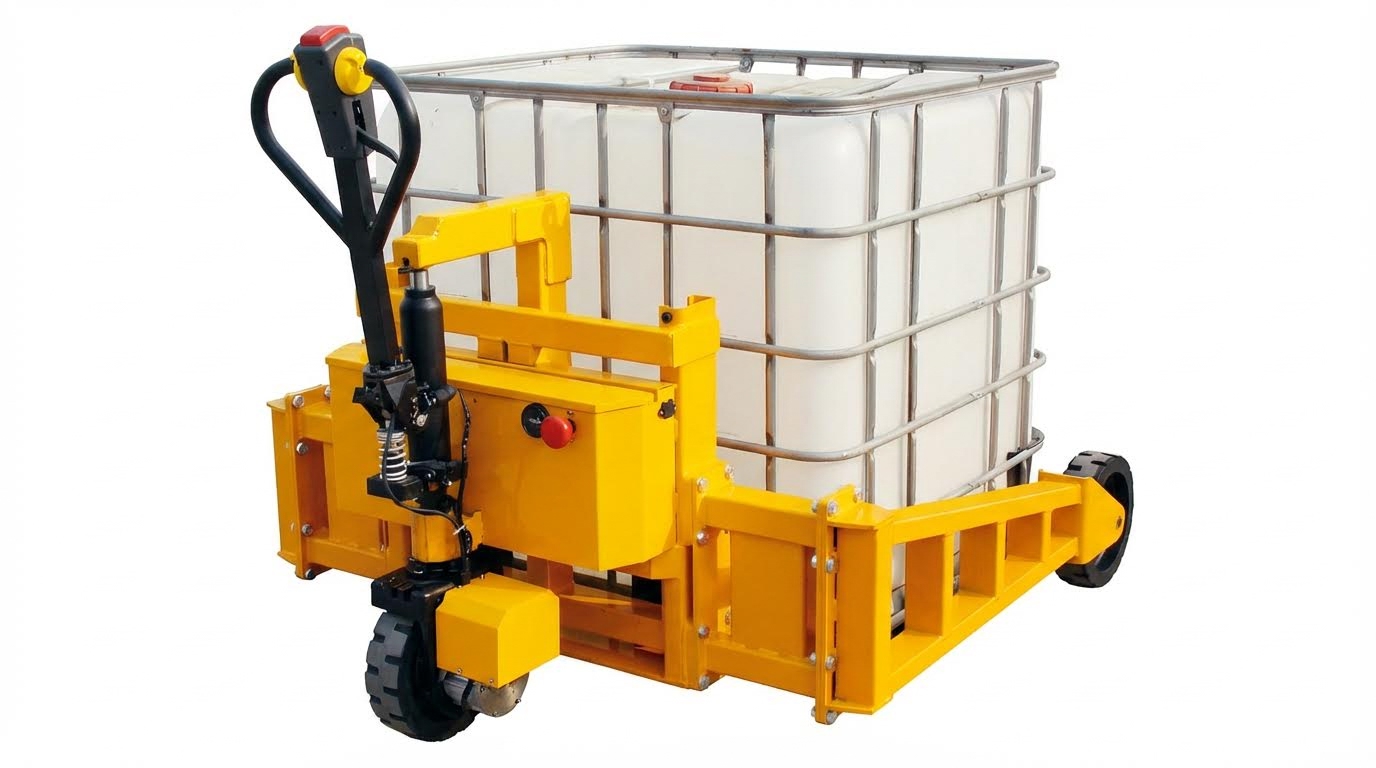
Engineers should start with a clear answer to the query how high can a pallet truck lift for each task. Selection depends on lift height, load, travel distance, and regulatory class. This section links typical lift ranges to real layouts, shift patterns, and safety systems. It helps teams justify when a low-lift hand truck is enough and when a high-lift or light duty electric stacker is essential.
Matching Lift Height To Racks, Docks, And Workstations
Lift height must follow the highest handling point, not the catalog maximum alone. Low-lift pallet trucks usually raise loads to about 300 mm. They suit floor transport, dock levellers, and simple pallet positioning. They do not support racking work.
Manual and electric pallet stackers typically lift up to 3,000 mm. Common rated heights include 1,600 mm, 2,500 mm, and 3,000 mm. These ranges cover low and medium pallet racking and most conveyor in-feeds. For safe use, add at least 250 mm clearance above the top beam or workstation height.
| Application | Recommended lift | Typical truck type |
|---|---|---|
| Floor-to-floor moves | ≤300 mm | Low-lift hand pallet truck |
| Dock loading and unloading | 100–300 mm | Low-lift or electric pallet truck |
| Low racks / workstations | 1,600–2,000 mm | Manual or electric stacker |
| Medium racks | 2,500–3,000 mm | high-lift stacker |
Scissor-lift pallet trucks or high-lift jacks often raise to around 800–1,000 mm. They work best as adjustable-height workstations. They are less suited to deep racking because of limited outreach and stability at height.
Throughput, Duty Cycle, And Powertrain Choices
Throughput and duty cycle decide whether manual or powered lift is viable. Hand pallet trucks and manual stackers fit low-throughput zones and short shifts. They avoid battery management but rely on operator effort. This limits sustainable cycles per hour, especially above waist height.
Electric pallet stackers and high-lift jacks use powered lift and often powered travel. They maintain similar maximum heights to manual stackers, up to about 3,000 mm. However, they handle higher pallet weights and more cycles with less fatigue. They suit multi-shift warehouses, dock operations, and feeding production lines.
- Use manual low-lift trucks for short horizontal moves and light daily hours.
- Use manual high-lift stackers for occasional stacking or backup roles.
- Use electric high lift pallet truck when the question “how high can a pallet truck lift repeatedly and safely” involves full shifts and heavier loads.
For very high racking, above about 3,000 mm, engineers usually move to forklifts or reach trucks. These machines often reach 6,500 mm or more. They fall under stricter stability and inspection rules, so they should not be treated as simple pallet trucks.
Lifecycle Costs, Maintenance, And Digital Monitoring
Manual pallet trucks and stackers have low purchase prices and simple mechanics. They need routine checks on wheels, forks, and hydraulic seals. There are no traction batteries or drive motors. Over a long life, their total cost stays low if loads and heights remain modest.
Electric pallet stackers cost more to buy and maintain. They add batteries, chargers, controllers, and traction motors. However, they reduce labour hours per pallet moved. In high-throughput sites, this often offsets higher capital and service costs.
Key lifecycle factors include:
- Service intervals for hydraulics, chains, and masts at high lift heights.
- Battery life versus daily depth of discharge and charging habits.
- Wheel wear on concrete, epoxy, or cold-store floors.
Digital monitoring is growing on powered pallet trucks. Fleet systems track hours at lift, travel distance, and overload events. Engineers can compare how often operators use full lift height against the rated “how high can a pallet truck lift” figure. This data supports right-sizing future purchases and planning preventive maintenance.
Ergonomics, Training, And Safety System Integration
Lift height links directly to ergonomics and risk. Low-lift trucks keep loads near the floor. They reduce drop energy but force more bending and reaching during picking. High-lift and scissor trucks bring pallets to elbow height. This cuts strain but increases potential fall height if a pallet shifts.
Manual equipment needs clear training on push forces, ramp use, and load stability. Operators should understand capacity de-rating at higher lift positions. They should also know that rough or sloped floors reduce safe height, even if the nameplate says how high a pallet truck can lift in ideal tests.
Electric stackers often include safety systems such as emergency stops and controlled lowering. Integration with site rules is vital. Typical measures include marked pedestrian zones, speed limits in aisles, and defined maximum stacking heights by zone.
Facilities should align training, signage, and truck settings. The goal is simple. Operators should never guess how high a pallet truck can lift safely in a given aisle, rack, or workstation. The limit should be obvious from layout design, labels, and procedures.
Summary: Comparing Lift Heights And Best Uses
Facilities asking how high can a pallet truck lift need a clear comparison of typical ranges and use cases. Low-lift hand pallet trucks usually raise loads only about 100 mm to 300 mm, so they focus on horizontal moves and dock transfers. Manual pallet stacker and electric pallet stackers increase lift height to about 1.6 m to 3.0 m, which suits low and medium racking, workstation feeding, and small cell storage. Electric high-lift pallet truck and scissor designs extend this vertical reach further within their rated charts, but forklifts still covered heights above typical pallet truck capability.
Engineering limits come from load charts, center of gravity, and frame and mast strength. Higher lift always reduces residual capacity, so operators must read the rating plate and avoid overloads. Wheel material and floor quality affect traction and stability, especially at greater heights where a small tilt can create large top movement. Standards such as OSHA rules, PUWER, LOLER, and ISO 22915 stability tests frame these limits and inspection needs.
When choosing equipment, planners should match lift height to rack beams, dock levels, and ergonomic work heights, then check duty cycle and powertrain needs. Manual units fit low-frequency, short-shift work; electric trucks suit higher throughput and longer runs. Lifecycle cost, maintenance access, and options for digital monitoring shape long-term value. Future designs will likely add better energy systems and smarter stability controls, but correct specification, operator training, and disciplined inspections will still decide how safely and effectively each pallet truck uses its available lift height. Hydraulic pallet truck options remain popular for their versatility and reliability in diverse applications.