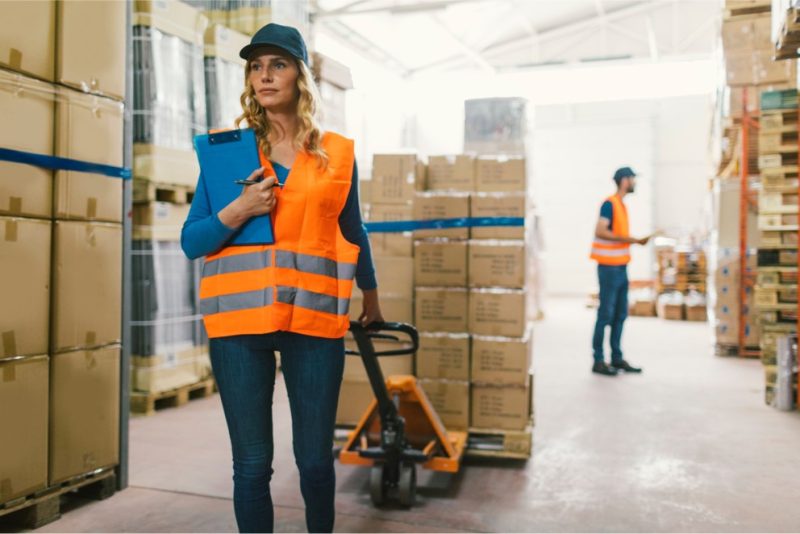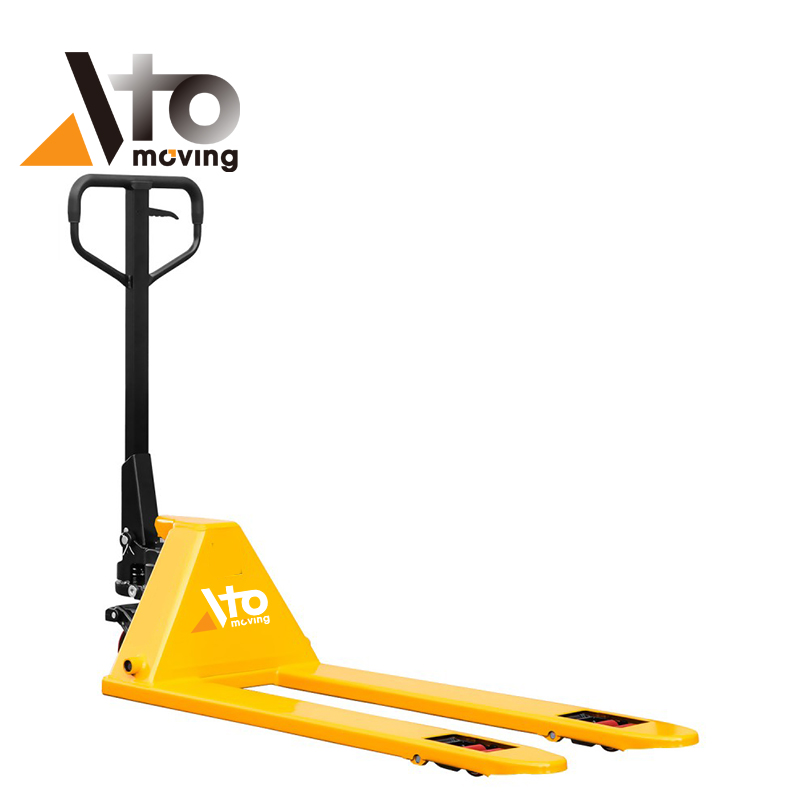
Pallet truck lifting height directly constrained load capacity, stability, and regulatory classification across low-lift and high-lift designs. Engineers and specifiers evaluated minimum, maximum, and travel heights, then matched them to pallet geometry, fork length, and center-of-gravity constraints. Hydraulic system design and maintenance practices determined whether trucks consistently reached their rated lift height over the equipment’s life. This article outlined the key definitions, geometric and regulatory parameters, hydraulic influences, and practical selection guidance needed to specify pallet truck lifting height with confidence in industrial applications.
Defining Pallet Truck Lifting Height And Classes
Key Height Terms: Min, Max, And Travel Height
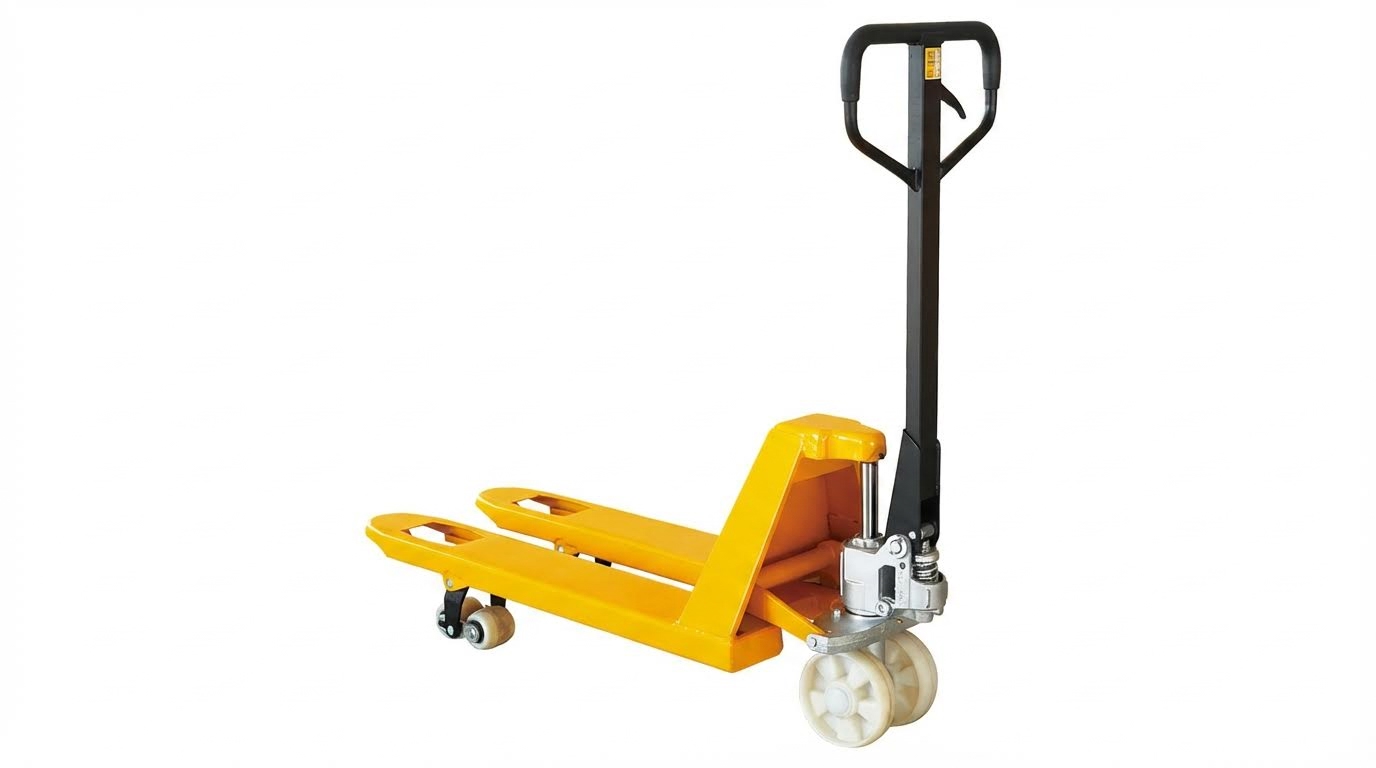
Engineers defined pallet truck lifting height using minimum, maximum, and travel height. Minimum fork height described the fork position when fully lowered, typically 75–85 mm for standard hand pallet trucks. Maximum fork height described the fork position when fully raised; low-lift models reached about 190–200 mm, while high-lift pallet trucks variants reached 800 mm or more. Travel height was the recommended fork elevation during movement, usually 20–50 mm above the floor, to balance ground clearance and stability. Standards and manufacturer data sheets used these three values to check floor compatibility, pallet entry, and racking or conveyor interfaces.
Low-Lift vs High-Lift: Functional Differences
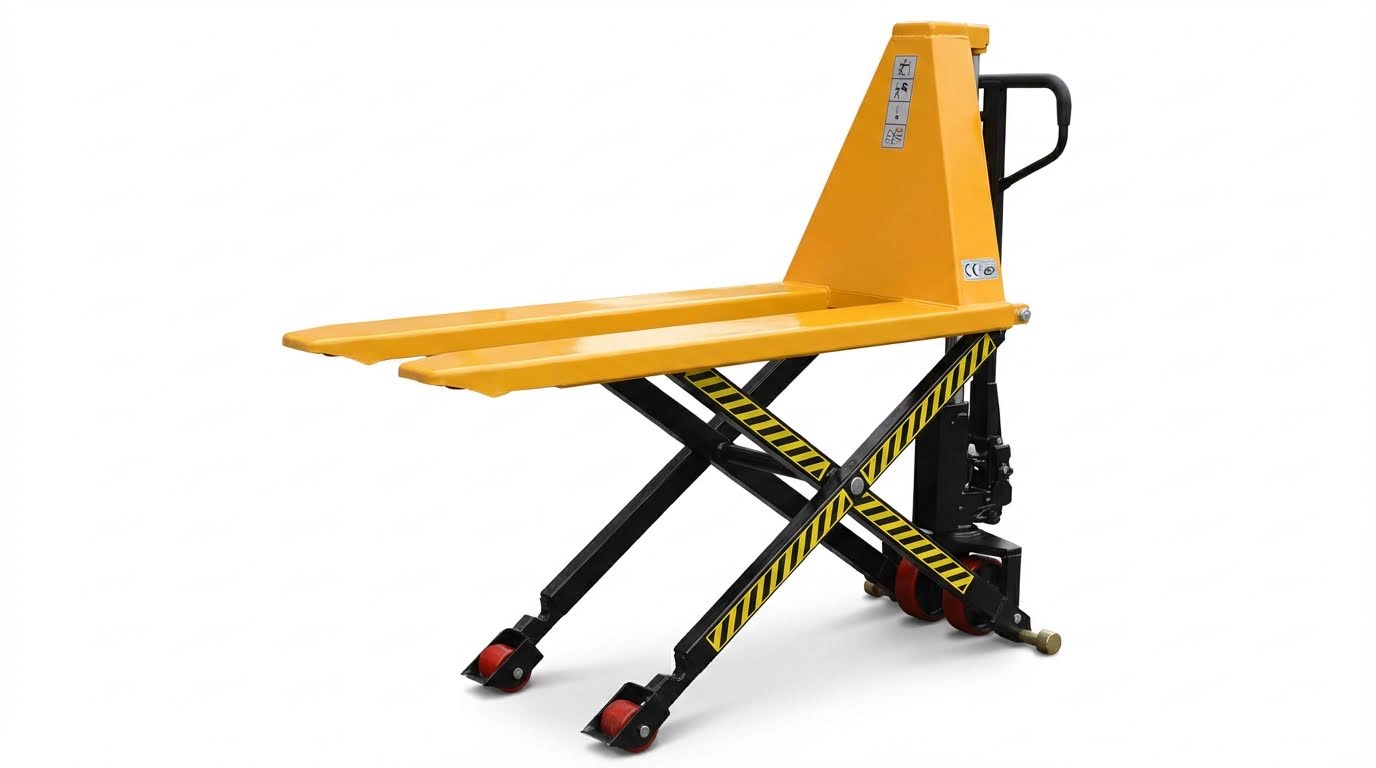
Low-lift pallet trucks handled horizontal transport with modest elevation. They typically raised loads less than 300 mm, only enough to clear the floor and minor obstacles. High-lift pallet trucks acted as a hybrid between a pallet truck and a work-positioner, lifting to bench or ergonomic working heights that exceeded 300 mm and reached up to 800 mm for models such as CUBLIFT’s BHX. This functional difference had regulatory consequences in the UK: low-lift units generally fell under PUWER, while high-lift units that elevated loads significantly also triggered LOLER thorough examination requirements. Designers and specifiers therefore classified equipment not only by capacity, but also by whether it performed simple transport or true load elevation.
Typical Ranges For Manual, High-Lift, And Stackers
Manual low-lift pallet trucks typically offered minimum fork heights of 75–85 mm and maximum fork heights of about 185–200 mm, as shown by SINOLIFT and ONEN data. High-lift manual pallet trucks pushed maximum fork height to about 800 mm, with rated capacities often reduced to 1000–1500 kg to maintain stability at elevation. Stackers and pedestrian pallet stacker trucks went further, lifting pallets to racking heights well above 1 500 mm, but they used masts and different stability criteria compared with simple pallet trucks. Across these classes, typical hand pallet truck capacities ranged from 2 000 kg to 5 000 kg, with higher lift usually implying lower permissible load. Engineers selected the appropriate class by matching these height ranges to process requirements, pallet interfaces, and applicable safety regulations.
Engineering Parameters: Fork And Lift Geometry
Standard Fork Lengths And Pallet Compatibility
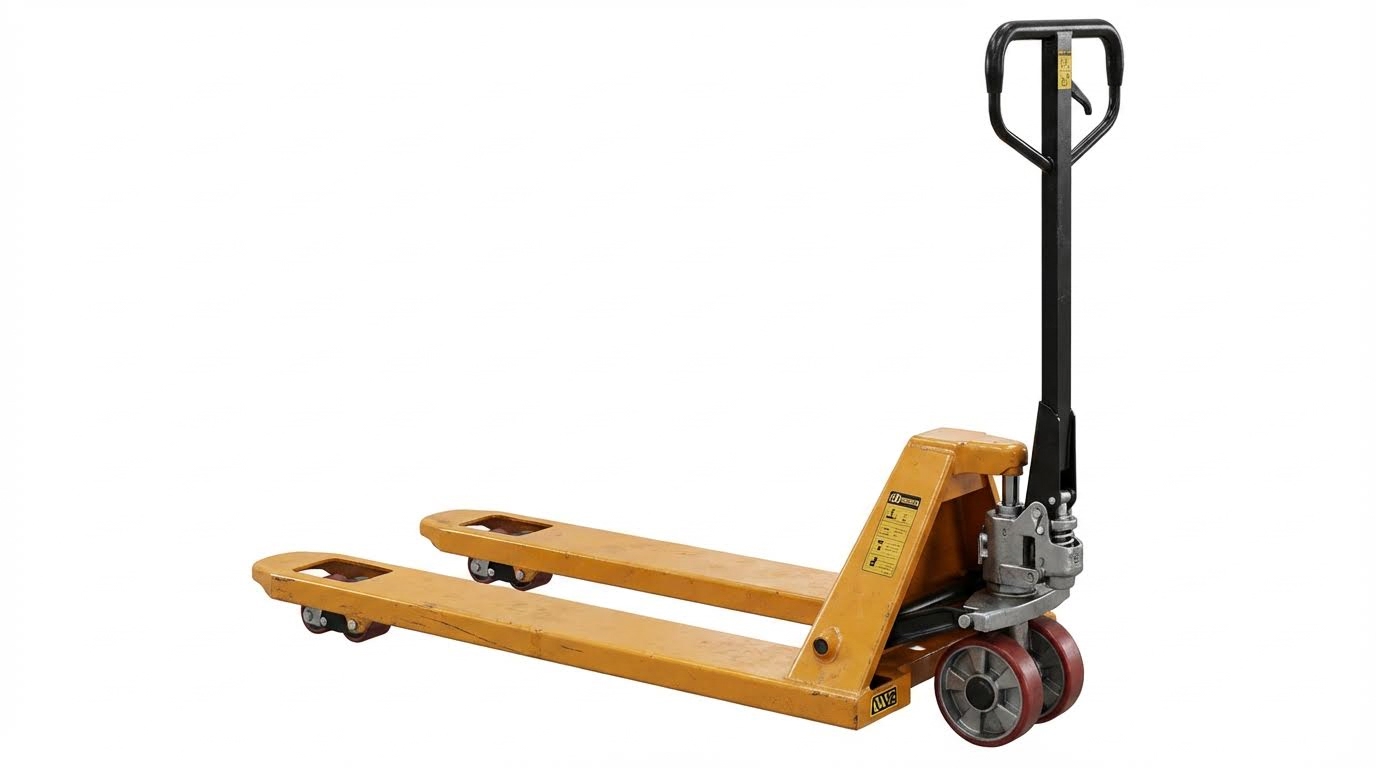
Fork length dictated pallet compatibility and maneuverability. Industry practice standardized around 1 150 mm forks for Euro and ISO pallets. This length supported full entry and adequate heel clearance while keeping turning radii acceptable in warehouses. Manufacturers such as CUBLIFT, SINOLIFT, and ONEN offered 1 150 mm and 1 220 mm as core sizes, with additional options from about 800 mm up to 1 220 mm to match non-standard pallets. Shorter forks between 600 mm and 1 000 mm suited half-pallets and tight aisles, while extended forks up to about 3 000 mm targeted long loads like boards or twin-pallet handling. Engineers matched fork length to pallet stringer spacing, rack depth, and minimum aisle width, ensuring full load support without excessive overhang that could destabilize the truck.
Fork Height For Transport, Ramps, And Clearances
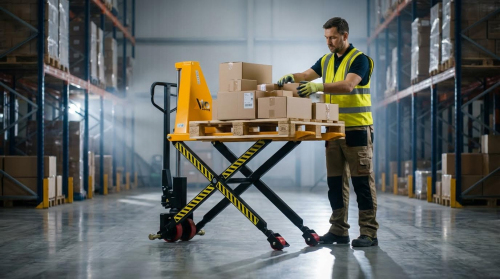
Fork height influenced ground clearance, stability, and regulatory classification. Typical manual low-lift trucks offered minimum fork heights of 75–85 mm and maximum fork heights around 185–200 mm, giving a net lift of roughly 110–120 mm. During horizontal travel on level floors, guidance recommended keeping forks 20–50 mm above the floor to minimize trip hazards while clearing minor surface defects. On ramps or dock plates, operators raised forks to about 100–150 mm, or 4–6 inches, to avoid catching on transitions while still controlling the center of gravity. Designers balanced small minimum heights for easy pallet entry against sufficient wheel diameter and fork heel thickness for durability. High-lift pallet trucks, such as scissor-lift types reaching 800 mm or more, used different stability provisions and fell under different regulatory regimes.
Capacity, Stability, And Center-Of-Gravity Effects
Rated capacity depended on fork geometry and the horizontal load center. Hand pallet trucks typically carried between 1 000 kg and 5 000 kg, with 2 500 kg common for warehouse use. The rating assumed a specified load center, often 600 mm for a 1 200 mm pallet, with the load evenly distributed over both forks. As fork length or lift height increased, the combined center of gravity shifted upward and outward, reducing the allowable capacity before tipping or structural limits were reached. Engineers evaluated stability using the support polygon formed by the steer wheels and load rollers, checking that the resultant load vector stayed inside this polygon under worst-case conditions such as braking on a slope. High-lift and stacker designs incorporated wider bases, outriggers, or reduced nominal capacities to maintain acceptable stability margins.
Regulatory Thresholds: PUWER vs LOLER (UK)
In the UK, regulatory classification hinged on lifting height and function. Low-lift pallet trucks that raised loads only a short distance, typically up to about 300 mm, fell under PUWER, which covered provision and safe use of work equipment. Engineers still had to ensure structural integrity, braking, and ergonomic operation, but no periodic thorough examinations under LOLER were mandated solely due to lifting. When pallet trucks lifted loads significantly above this low-lift range, such as high-lift scissor trucks or stacker-style units, they became lifting equipment under LOLER. In that case, a competent person had to carry out regular thorough examinations, often annually or more frequently, focusing on forks, welds, hydraulic cylinders, chains, and safety devices. Design teams therefore considered intended maximum lift height early, because crossing the low-lift threshold changed documentation, inspection regimes, and lifecycle compliance costs.
Hydraulic Systems, Maintenance, And Height Performance
How Hydraulic Design Sets Maximum Lift Height
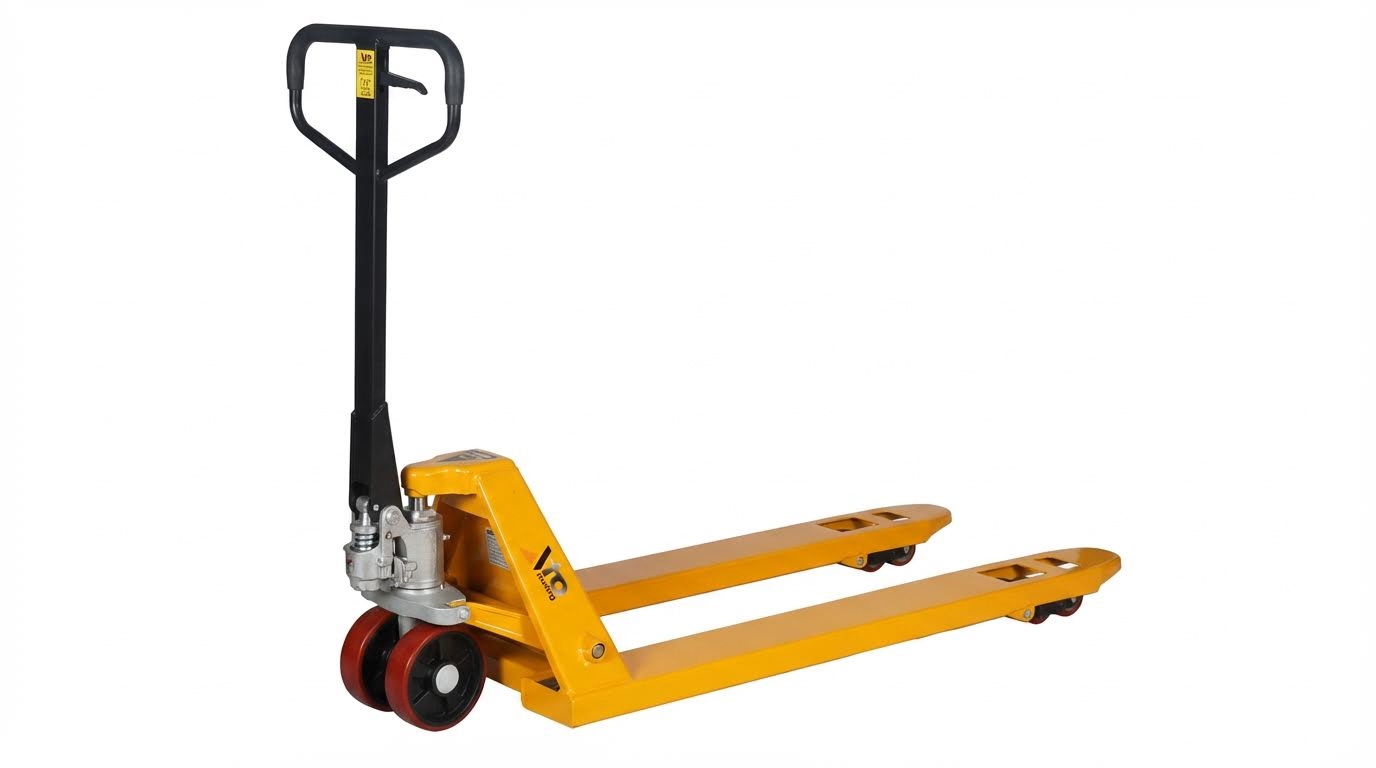
The hydraulic circuit defined the theoretical lifting height of a pallet truck. Designers specified cylinder bore, stroke, and pump displacement to achieve a target maximum fork height, typically 190–200 mm for low-lift trucks and up to 800 mm for high-lift models. The effective lift per handle stroke, such as 11 mm per stroke on SINOLIFT DF series, depended on pump geometry and check-valve timing. System pressure rating and safety valve setting limited the maximum load, often between 2 500 kg and 5 000 kg for hand pallet trucks. Seal design, surface finish, and internal leakage characteristics determined how consistently the truck reached its rated height over service life.
Oil Level, Contamination, And Bleeding Procedures
Hydraulic oil volume directly affected achievable lift height and speed. Low oil levels reduced available stroke, caused spongy operation, and prevented the forks from reaching their nominal 190–200 mm or 800 mm positions. Air ingress created compressibility in the circuit; operators then experienced slow or incomplete lifting and delayed lowering. Bleeding procedures, typically 10–20 full pump cycles with the release valve open, expelled trapped air and restored full height. Contaminated oil with dirt particles damaged valves and cylinder surfaces, progressively lowering effective height and risking sudden failure, so periodic oil changes with suitable hydraulic fluid, often around 0.3 L top-up, were essential.
Inspection Of Cylinders, Rollers, And Leak Points
Routine inspection ensured that the truck consistently achieved its design lifting height. Technicians checked cylinders for scoring, corrosion, and external contamination on the piston rod that could damage seals. They inspected all leak points around the pump body, hose connections, and valve block; any visible hydraulic fluid loss indicated reduced pressure capability and potential loss of lift. Worn fork rollers and steering wheels caused uneven contact with the floor, which altered effective fork height and stability at the rated 2–5 cm transport clearance. Annual FEM-compliant examinations and in-house checks verified that lifting and lowering functions operated smoothly across the full stroke without drift under load.
Digital Monitoring And Predictive Maintenance Trends
Recent designs increasingly integrated digital monitoring to stabilize lifting height performance over the equipment life cycle. Sensor packages measured parameters such as pump cycles, lift counts, load estimates, and hydraulic pressure profiles. Embedded algorithms flagged deviations associated with air ingress, leakage, or contamination before operators noticed reduced maximum height. Data-driven maintenance planning then scheduled oil changes, seal replacements, or roller renewal based on actual usage rather than fixed intervals. For fleets, these systems supported compliance with inspection requirements and improved availability, ensuring that pallet trucks continued to reach their specified lift heights safely and repeatably in demanding industrial environments.
Summary And Practical Selection Conclusions
Pallet truck lifting height depended on a tightly coupled set of geometric, hydraulic, and regulatory constraints. Engineers and specifiers had to balance fork length, minimum and maximum fork height, and load capacity to match pallet formats and floor conditions. Typical low-lift hand trucks offered minimum fork heights of 75–85 mm and maximum fork heights around 185–200 mm, while high-lift designs reached 800 mm and beyond, entering stricter lifting regulations in jurisdictions such as the UK.
Hydraulic design and maintenance practices directly governed achievable lift height over the equipment life. Correct oil volume, clean hydraulic fluid, and properly bled systems preserved the specified maximum stroke, whereas trapped air or contamination reduced effective height and slowed lifting. Regular inspections of cylinders, seals, rollers, and steering wheels, supported by annual FEM or equivalent statutory examinations, mitigated loss of lift and instability under load. Where implemented, digital monitoring and predictive maintenance tools provided early warnings of height-related performance drift through pressure, stroke, and cycle-count data.
For practical selection, users needed to define required lift class first: low-lift for horizontal transport up to roughly 200–300 mm, or high-lift/stackers for elevated storage. They then matched fork length to pallet size, typically 1,150 mm for standard pallets, with shorter or longer forks for non-standard loads. Safety and compliance considerations included observing rated capacities, maintaining 20–50 mm fork clearance during travel, increasing clearance on ramps, and understanding when LOLER-type rules applied. Overall, technology trends pointed toward more configurable geometries, tighter integration of sensors with hydraulic systems, and maintenance regimes that preserved both nominal lifting height and long-term structural integrity, rather than chasing ever-higher capacities alone.