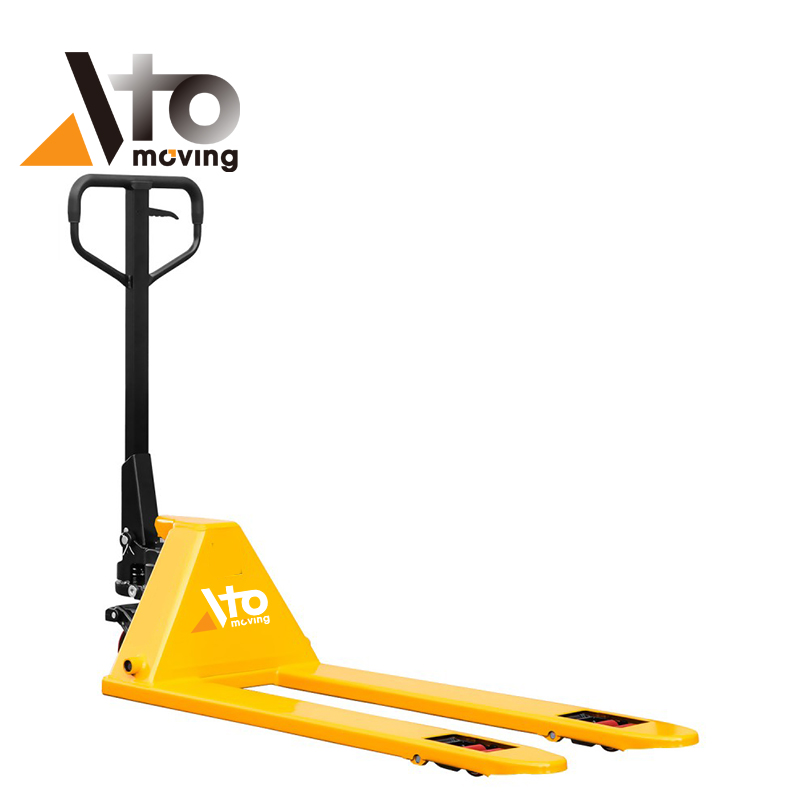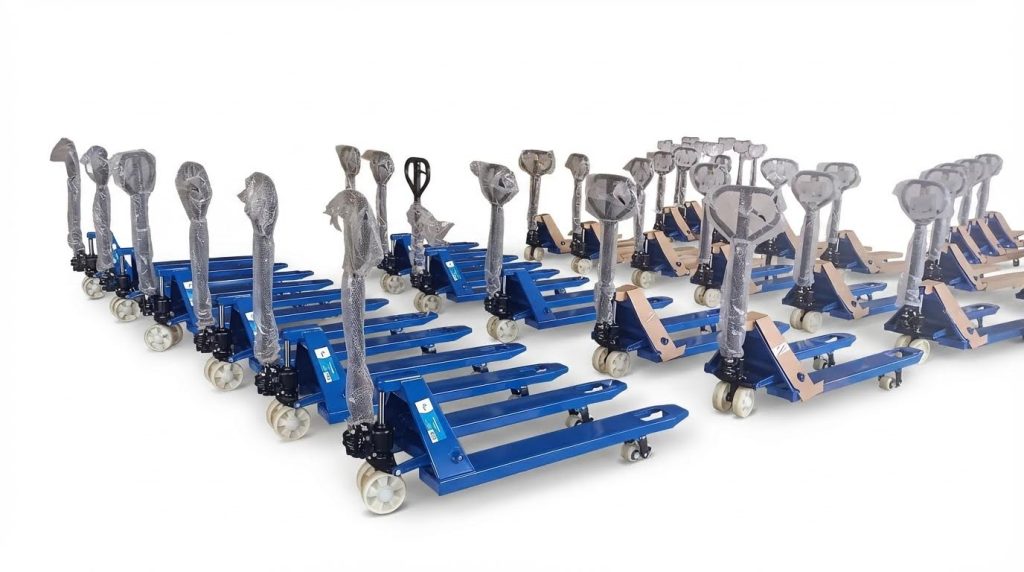
Pallet trucks played a central role in warehouses, retail facilities, and logistics hubs, where downtime directly reduced throughput. This article outlined practical, time-based maintenance routines, hydraulic system care, and repair strategies that extended the service life of manual pallet trucks while supporting compliance with safety regulations. It covered daily to monthly preventive maintenance, troubleshooting and servicing of hydraulic circuits, and structured approaches to wheel, roller, and structural repairs. The final section connected these practices to emerging maintenance trends, helping operations plan more reliable and data-informed material handling strategies.
Preventive Maintenance For Manual Pallet Trucks

Preventive maintenance kept manual pallet trucks reliable, safe, and ready for high-intensity use. Structured daily, weekly, and monthly routines reduced unplanned failures and extended component life, especially in the hydraulic circuit and running gear. Consistent care also supported compliance with annual FEM inspections and reduced logistics downtime.
Daily 5–7 Minute Inspection And Cleaning Routine
A daily 5–7 minute routine focused on quick visual checks, light cleaning, and a basic hydraulic test. Operators performed a 30-second scan to remove debris from wheels with a screwdriver, check forks for bends or cracks, and note jerky or uneven pumping. They then wiped forks and frame with paper or a rag, removing spilled oil using a general-purpose cleaner, a toothbrush, and a dry cloth to prevent slip hazards. Finally, they pumped the handle about three times; sluggish lifting or incomplete rise indicated low hydraulic oil or trapped air, which required follow-up maintenance.
Weekly Lubrication, Fastener Checks, And Load Tests
Weekly maintenance concentrated on lubrication, fastener integrity, and functional safety under load. Technicians applied silicone spray to wheel axles and multi-purpose oil to pivot joints, then used white lithium grease on the center pivot to improve steering under load. They checked fork bolts, wheel axles, and handle base nuts with a wrench, tightening any loose hardware and rolling the truck unloaded while listening for rattles or abnormal noise. A short load test with a moderate, evenly distributed weight verified smooth lifting, controlled lowering, and stable tracking, while spinning wheels by hand helped detect grinding that indicated worn bearings.
Monthly Deep Cleaning, Rust Control, And Storage Practice
Monthly care addressed hidden contamination, early structural damage, and corrosion protection. Maintenance staff scrubbed under the forks, around wheel axles, and inside tight frame areas to remove compacted dirt that accelerated wear on pins and bushings. They checked forks with a straightedge for permanent bending, inspected the hydraulic unit for rust streaks or oil seepage, and examined wheels for cracks or flat spots caused by overloading or impact. After cleaning, they applied a heavy-duty corrosion inhibitor to exposed steel and verified that storage areas remained dry and ventilated, with trucks parked unloaded and forks fully lowered to reduce stress on the hydraulic system.
Common Misuse And Errors That Accelerate Wear
Misuse frequently shortened pallet truck life more than normal service loading. Overloading or shock loading over curbs, steps, or dock edges created flat spots in wheels, damaged bearings, and bent forks, which compromised stability and safety. Using incorrect lubricants, such as cooking oil, promoted gum formation and corrosion, while pressure-washing forced water into bearings and hydraulic components, accelerating rust. Ignoring symptoms like sinking forks, grinding wheels, or persistent oil films led to progressive damage; timely troubleshooting, correct lubrication products, and adherence to rated capacity significantly reduced failure rates and repair costs.
Hydraulic System Care, Oil Changes, And Bleeding
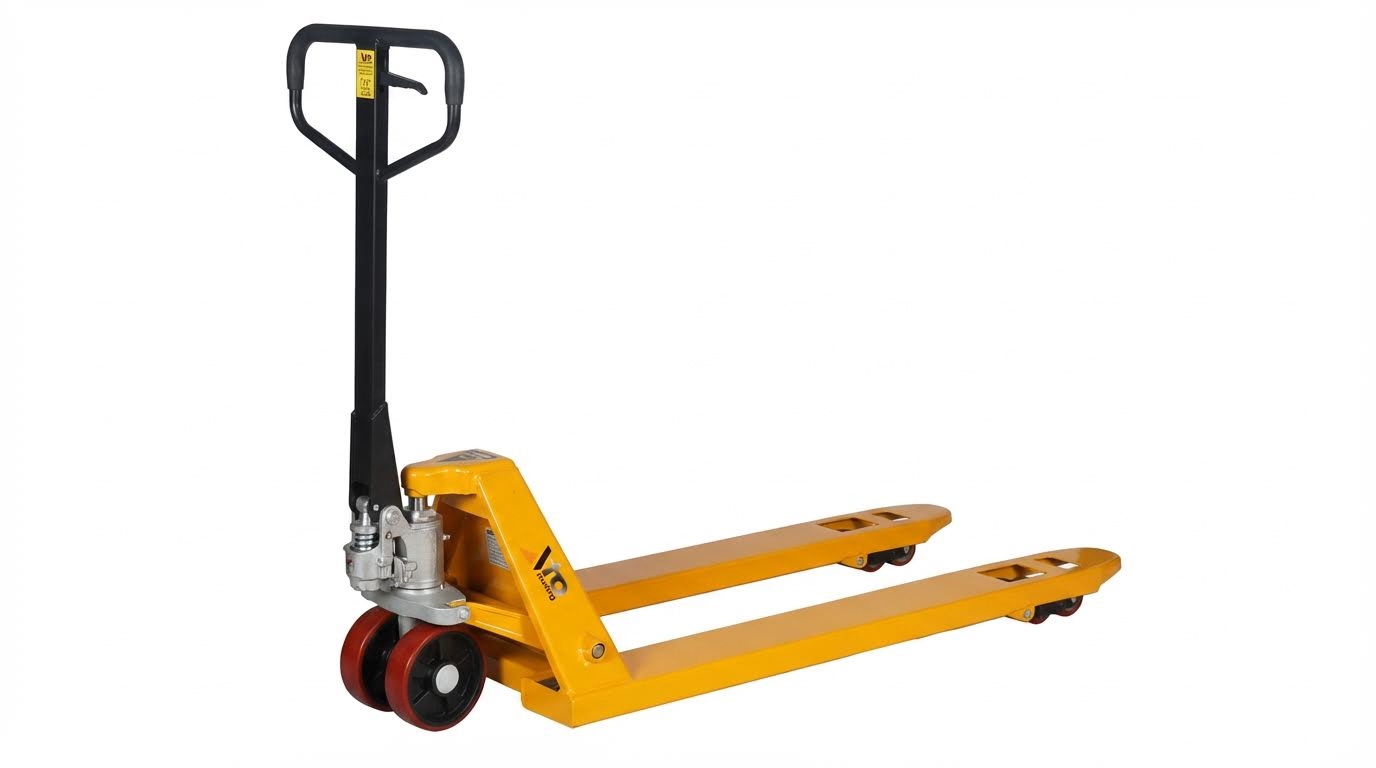
The hydraulic system determined whether a pallet truck lifted reliably or failed under load. Air ingress, fluid degradation, and seal wear all reduced performance and increased downtime. Structured inspection, bleeding, and oil service routines therefore formed the core of hydraulic care. The following subsections described how to diagnose typical faults and restore correct operation with minimal component replacement.
Diagnosing Lift, Lowering, And Sinking Fork Problems
Technicians first assessed lifting problems by separating hydraulic faults from mechanical issues. If the pump handle moved freely but the forks did not rise, they checked for airlocks, low oil level, or a stuck check valve. They inspected the hydraulic unit for external oil leaks, damaged hoses, and rust streaks on the cylinder, which indicated seal deterioration. Slow or incomplete lowering often pointed to an overfilled reservoir, contaminated lowering valve, or misadjusted control linkage.
Sinking forks under load typically indicated internal leakage past seals or valves. A technician raised the forks with a test load and observed height loss over several minutes on level ground. Rapid sinking suggested worn piston seals or a leaking lowering valve seat, while gradual creep could result from minor seal wear or thermal expansion effects. They also verified that no load wheels or fork tips contacted obstacles, which could mimic hydraulic sinking.
If forks tilted or lifted unevenly, the root cause could be bent forks, twisted chassis, or asymmetric load placement rather than hydraulics. However, trapped air in the cylinder sometimes caused spongy, inconsistent lift height and variable handle resistance. In such cases, bleeding the system and then retesting under a moderate reference load restored consistent performance. Only after these functional checks did maintenance staff decide whether full disassembly or professional service was justified.
Bleeding Air From Pallet Truck Hydraulic Circuits
Bleeding removed compressible air pockets that reduced lifting force and caused erratic fork movement. The standard procedure started with placing the pallet truck on level ground and removing all load from the forks. The operator then raised the forks fully, moved the control lever to the lowering position, and pumped the handle repeatedly to drive air toward the reservoir. This cycle released trapped bubbles through the fluid return path until the motion felt firm and uniform.
During bleeding, technicians monitored the fork response and handle resistance. If lifting remained slow or spongy after 10–20 pump strokes, they checked the fluid level and topped up with manufacturer-approved hydraulic oil before repeating the process. Some pallet truck models used a dedicated bleed or vent screw on the pump body. In those cases, the mechanic slightly loosened the screw with a wrench until air and foamy oil escaped, then retightened it once a steady oil stream appeared.
They also visually inspected hoses, fittings, and the cylinder head for micro-leaks, since continuous air ingress made bleeding only a temporary fix. Any damaged seals, loose joints, or cracked lines required correction before final bleeding. After the procedure, the forks had to lift smoothly to full stroke and hold a test load without bouncing or hesitation. If problems persisted, the root cause was likely internal valve wear or seal failure rather than residual air.
Refilling And Changing Hydraulic Oil, Seals, And O-Rings
Correct oil level and cleanliness were critical for stable hydraulic performance and long component life. For refilling, technicians positioned the pallet truck horizontally, fully lowered the forks, and cleaned the area around the fill plug to prevent dirt entry. They removed the plug, checked the existing oil for cloudiness or metal particles, and topped up with compatible hydraulic oil to the specified level. Afterwards, they bled the system by pumping the handle 10–20 times with the control lever in the lifting position.
Oil changes became necessary when fluid showed discoloration, contamination, or after a defined operating interval. The process involved draining the old oil into a suitable container by removing the drain or fill plug with appropriate tools such as a slotted screwdriver or pin wrench. The mechanic inspected O-rings and sealing washers for cuts, flattening, or hardening, replacing any suspect parts with equivalents rated for the hydraulic fluid and operating temperature. Fresh oil was then added, the plugs were reinstalled to the correct torque, and all lifting and lowering functions were tested.
Seal and O-ring replacement addressed persistent external leaks or internal bypass that caused sinking forks. This work usually required partial disassembly of
Wheels, Rollers, And Structural Component Repairs
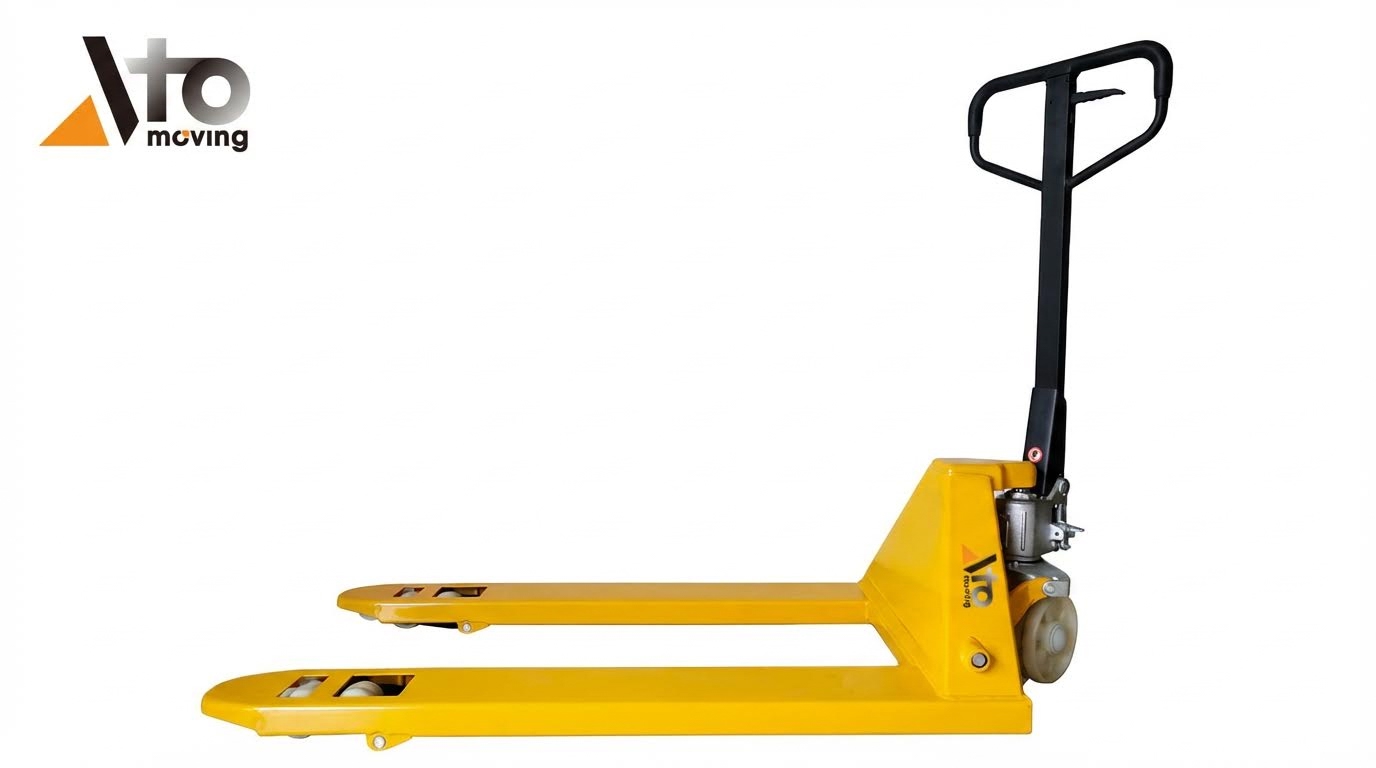
Wheels, rollers, and the surrounding structure determined how safely a pallet truck carried and steered loads. Failures in these components created instability, increased push forces, and damaged floors. Systematic inspection and timely replacement reduced downtime and supported compliance with annual FEM safety requirements.
Inspecting And Replacing Load Rollers And Steer Wheels
Technicians inspected load rollers and steer wheels visually and functionally at least weekly under high-intensity use. They checked tread surfaces for cracks, flat spots, chunking, and embedded debris that increased rolling resistance. They also assessed wheel profile wear, which affected fork height and load distribution on the floor. Axles, spacers, and mounts required checks for looseness, corrosion, and deformation, because these conditions led to misalignment and uneven wear.
Replacement of load or fork rollers followed a controlled procedure to avoid frame damage. The pallet truck was laid on its side on a protected surface, with the forks fully lowered and the truck secured against movement. Technicians removed cotter pins or retaining elements, folded down the wheel mount, and pulled the axle free while supporting the roller. They cleaned the axle bore, applied suitable lubricating grease to the new roller and axle, reassembled the mount, and secured the new roller with a fresh cotter pin or retaining ring.
Steer wheel or caster replacement required similar discipline but with attention to steering geometry. The operator removed the protective cap, retaining ring, and washer using appropriate hand tools such as a slotted screwdriver and retaining ring pliers. The worn steering wheel was removed, the hub and mounting surfaces were cleaned, and the new wheel was positioned with the correct orientation. After reassembly, the technician verified free rotation, correct fork centering, and smooth steering through the full handle sweep under no-load conditions.
Noise, Vibration, And Tracking Issues From Wheel Damage
Noise and vibration during travel often indicated advanced wheel or roller damage. Grinding or rumbling sounds during a weekly safety check usually pointed to worn or contaminated bearings. Operators also felt increased vibration in the handle when flat spots, out-of-round wheels, or damaged rollers contacted the floor. These symptoms increased ergonomic loads and signaled higher risk of component failure during loaded operation.
Tracking issues occurred when steer wheels or load rollers wore unevenly or when axles bent. The truck then pulled to one side, required constant correction, or drifted during straight-line travel. Misalignment also resulted from elongated mounting holes, loose fasteners, or distorted fork tips after impact with curbs or steps. Technicians diagnosed the root cause by comparing wheel diameters, checking axle straightness, and measuring fork spacing and parallelism with a straightedge.
Corrective actions addressed both the damaged wheel and the underlying cause. Replacement of rollers or steer wheels eliminated immediate vibration and noise, but operators also needed training to avoid overloading and shock impacts that created flat spots. Maintenance staff documented repeated failures on the same truck, which indicated structural deformation or unsuitable wheel material for the floor conditions. After repairs, a short functional test with moderate load confirmed quiet running, stable tracking, and consistent steering response.
When To Repair Versus Replace A Worn Pallet Truck
Deciding between repair and replacement required a structured technical assessment. Pallet trucks remained economical to repair when wear was limited to rollers, steer wheels, or seals and when the frame geometry stayed within tolerance. Typical user-level repairs included replacing load rollers, steering wheels, bearings, and axles, as well as renewing hydraulic seals and refilling or changing oil. These tasks restored lifting and rolling performance with modest parts and labor cost, especially when the hydraulic unit showed no rust streaks or scoring.
Replacement became advisable when structural and hydraulic degradation progressed beyond simple component swaps. Noticeably bent forks that failed a straightedge check, persistent hydraulic oil leaks after seal replacement, or a frame with cracked welds indicated loss of structural integrity. Wobbling wheels that continued even after axle and bearing replacement suggested elongated mounting points or distorted housings. In such cases, further repairs delivered diminishing returns and reduced confidence for annual FEM inspections.
Maintenance managers also considered life-cycle cost and downtime. If a truck required frequent interventions for sinking forks, recurring wheel failures, and corrosion despite correct storage and lubrication, it typically approached end of life. Comparing the cumulative repair cost over the past 12–18 months with the purchase price of a new unit helped justify replacement
Summary Of Best Practices And Future Maintenance Trends

Effective pallet truck maintenance relied on structured, short routines that targeted high‑wear components. Daily 5–7 minute checks with cleaning, hydraulic function tests, and debris removal from wheels prevented over 90% of avoidable failures. Weekly lubrication of axles and pivots, fastener tightening, and functional load tests stabilized handling behavior and reduced unplanned downtime. Monthly deep cleaning, rust protection, and geometric fork checks with a straightedge supported safe load handling and extended service life.
Hydraulic reliability depended on correct oil level, timely oil changes, and systematic bleeding to remove trapped air. Technicians restored performance by refilling with specification‑compliant hydraulic oil, replacing worn seals and O‑rings, and adjusting lowering valves with defined procedures and tools. Structured troubleshooting of lift, lowering, and sinking fork issues reduced unnecessary component replacements and improved readiness for annual FEM inspections. Proper wheel and roller care, including early replacement of cracked, flat‑spotted, or noisy units, maintained tracking accuracy and load stability.
Industry practice increasingly moved toward condition‑based maintenance, using checklists, sensor feedback on higher‑end trucks, and digital logs to predict failures. Future trends pointed to wider use of corrosion‑resistant materials, low‑leak hydraulic designs, and standardized repair kits for user‑level interventions. In high‑intensity operations, companies evaluated repair versus replacement using criteria such as repeated hydraulic leaks, persistent fork deformation, and chronic wheel misalignment. Implementing clear inspection intervals, training operators in correct use and storage, and integrating maintenance data into fleet management systems provided a balanced, scalable approach as pallet truck technology evolved.