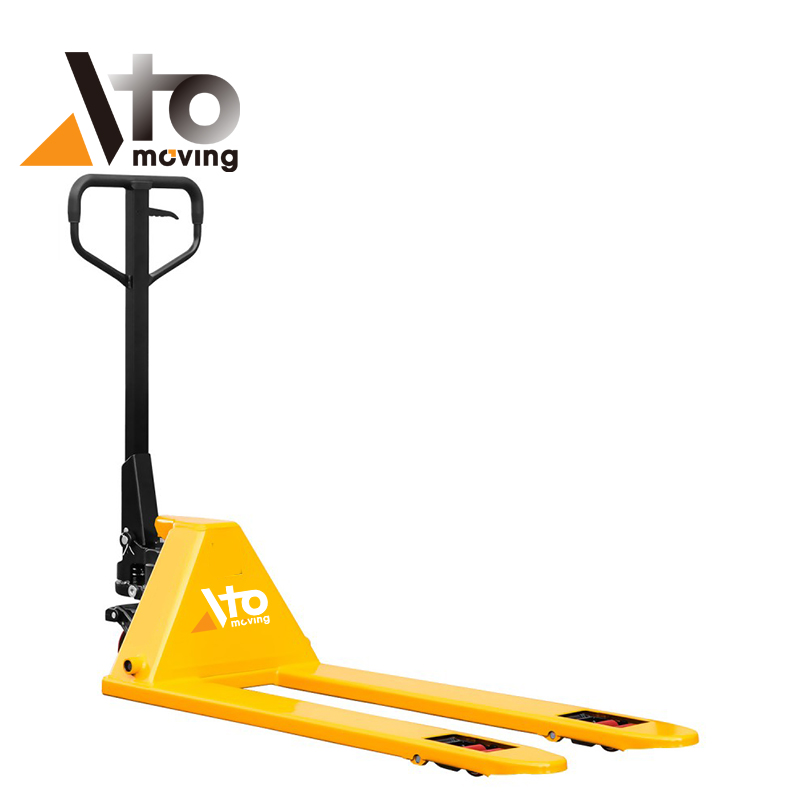
Pallet trucks played a central role in industrial material handling, bridging the gap between manual handling and powered lift trucks. This article outlined their safe use from a systems perspective, covering design limits, operator practices, maintenance, and compliance. It examined core design constraints, such as load ratings and stability, and connected them to real-world operating envelopes on warehouse floors, ramps, and vehicles. The following sections then detailed safe operating practices for manual and electric trucks, structured inspection and maintenance regimes, and the key safety controls needed to meet regulatory requirements in industrial operations.
Core Design Limits And Safe Operating Envelope
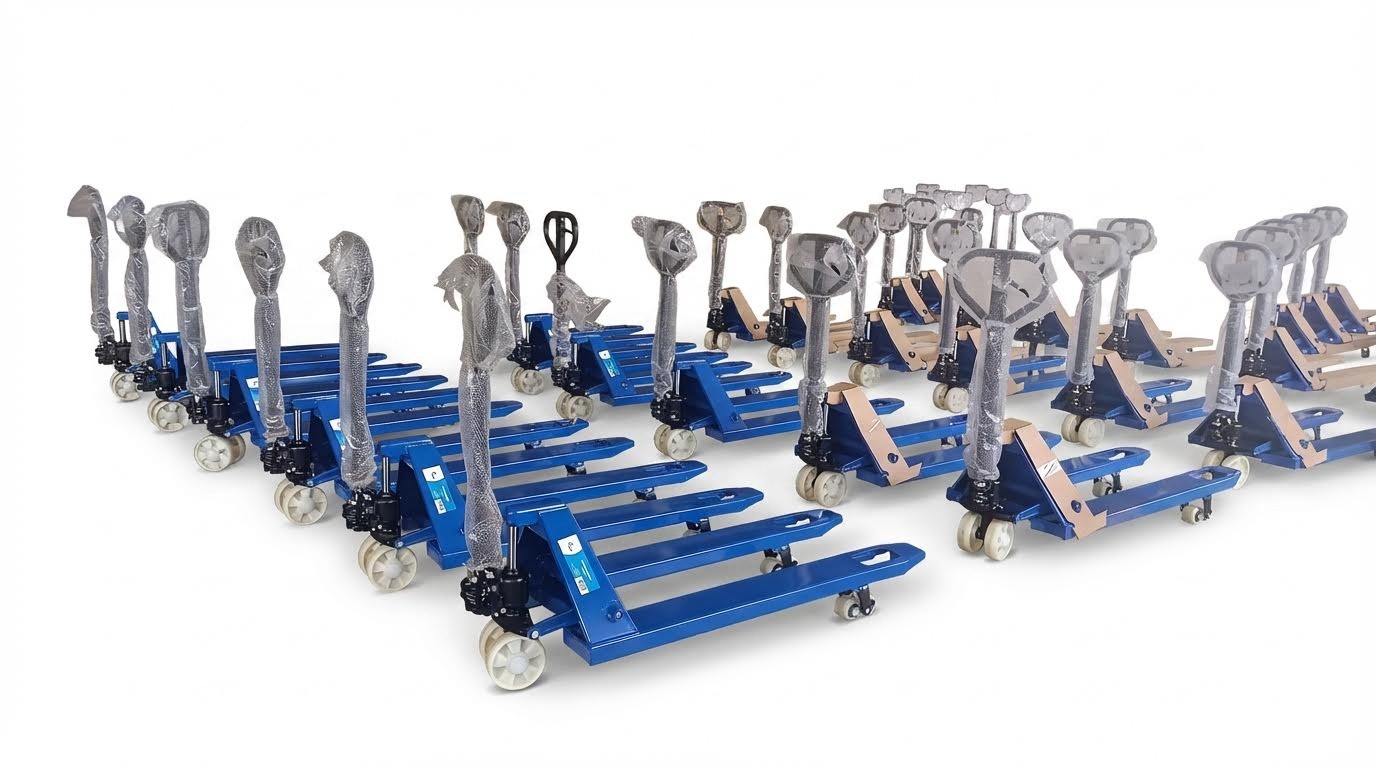
Pallet truck safety depended on respecting the design envelope defined by load, geometry, and environment. Engineers and safety managers needed to understand these limits and translate them into clear operating rules. The following subsections described the primary constraints that governed stability, controllability, and operator exposure in industrial use.
Load Ratings, Center Of Gravity, And Stability
The rated capacity of typical manual pallet trucks reached up to 2 500 kg, defined at a specified load center. Exceeding this rating increased the overturning moment and could cause tipping, fork deformation, or hydraulic failure. Operators therefore had to verify load mass against the truck’s data plate and avoid moving loads heavier than they could physically control, especially because most manual units lacked brakes. The load center and vertical position of the center of gravity strongly influenced stability; high stacks or off-center pallets shifted the resultant force outside the wheelbase, increasing the risk of rollover or load loss during turning or on uneven floors.
Safe operation required keeping the load as low as practicable during travel to minimize the overturning lever arm. Stacking height had to remain limited to maintain a low combined center of gravity and to preserve visibility. Loads also needed to be secure, with no overhanging or shifting items that could alter the center of gravity suddenly. Risk assessments considered dynamic effects such as acceleration, deceleration, and cornering, which temporarily increased lateral loads on wheels and bearings.
Surface Conditions, Ramps, And Vehicle Interfaces
Pallet trucks were designed primarily for even, firm surfaces; irregular or sloped floors narrowed the safe operating envelope. Use on uneven or damaged concrete introduced impact loads into wheels, forks, and frames, and could initiate tipping when combined with high or unstable loads. On ramps, the gradient changed the projection of the center of gravity relative to the wheelbase, so operators had to stay above the load and avoid turning, which reduced lateral stability. Wet or contaminated floors decreased friction, increasing stopping distances and the likelihood of uncontrolled movement, especially for unbraked manual trucks.
When interfacing with road vehicles or elevators, the combined mass of truck, load, and operator had to remain below the rated capacity of the platform. Dock plates and vehicle beds needed sufficient stiffness to limit deflection that could induce sudden slope changes at the transition. Standards and site rules typically required slow speed on motor vehicles and strict prohibition of parking on ramps or blocking exits. Before entering an elevator, operators had to confirm capacity, ensure the load entered first, and keep other personnel out during entry and exit to reduce crush and tip-over hazards.
Pallet Geometry, Fork Engagement, And Stack Height
Pallet geometry constrained fork positioning and load stability. Forks had to be inserted fully and positioned evenly under the pallet, with the wheels of the pallet truck remaining clear of pallet boards to prevent damage during lifting. Misalignment between forks and pallet openings increased the risk of broken deck boards, sudden load drops, or lateral instability during travel. Operators needed to verify that the pallet footprint fit through doorways and aisles without contact, since snagging could abruptly stop the truck and shift the load.
Stack height directly influenced visibility and the vertical position of the center of gravity. Excessive stacking increased the overturning moment and could cause loads to fall during cornering or over floor irregularities. Guidelines recommended keeping stacks low enough to maintain a clear forward or side view and to avoid contact with door headers or sprinkler systems. Securing tall or irregular loads with straps or nets reduced the risk of shifting during acceleration, deceleration, or minor impacts. Engineering controls such as maximum stack height markings and standardized pallet types helped maintain predictable engagement conditions.
Human Factors, Visibility, And Ergonomic Limits
Human strength, reach, and field of view defined practical limits within the mechanical envelope. Manual pallet truck design needed to keep required push or pull forces within ergonomic guidelines to reduce overexertion and musculoskeletal injuries. Operators were advised to pull loads on level floors for improved maneuverability and hazard awareness, but to maintain clear sightlines and avoid walking backward into obstacles. Training emphasized maintaining a clear view of the path, checking behind when pulling, and reducing speed in congested areas.
Ergonomic practices, such as using leg muscles rather than the back
Safe Operating Practices For Manual And Electric Trucks
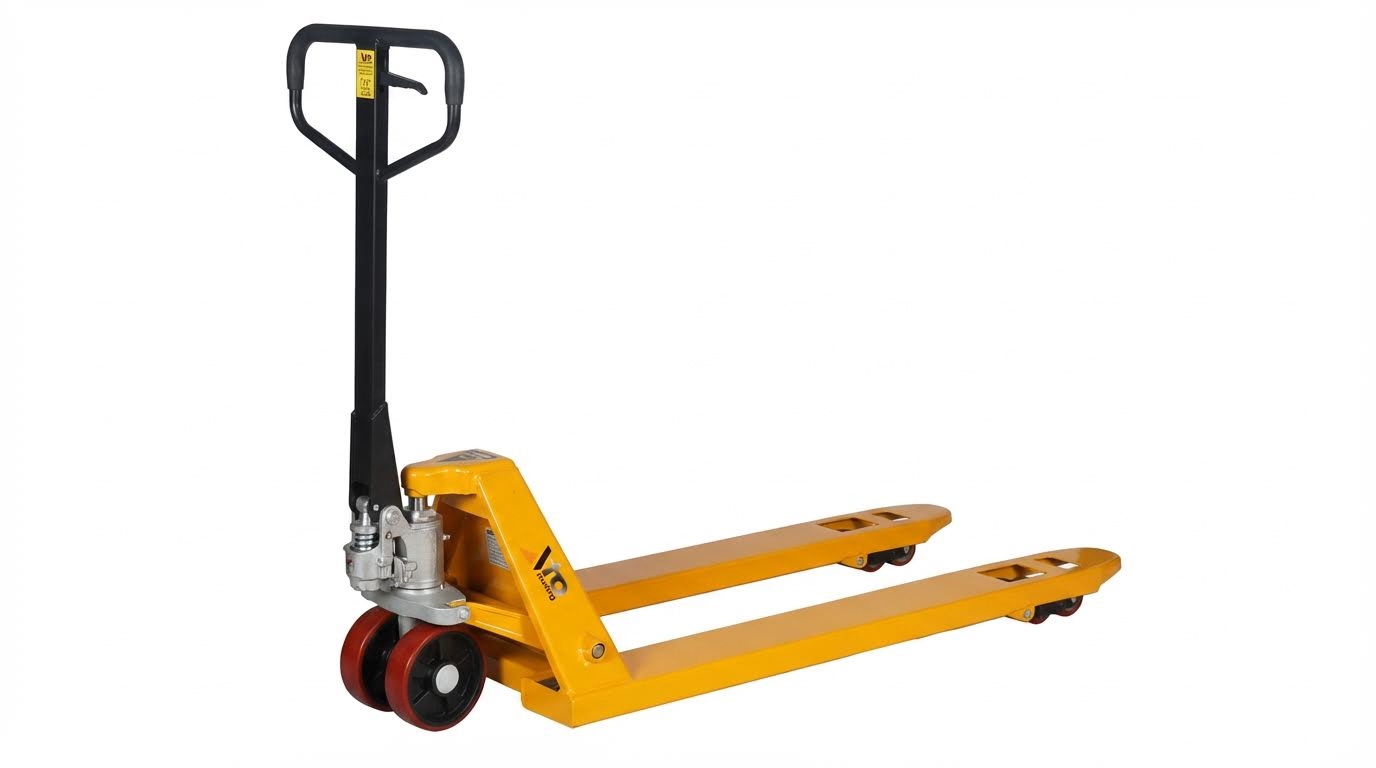
Safe operating practices for pallet trucks relied on a structured sequence: inspect, operate, and park. Manual and electric units shared core principles, but electric trucks added energy, braking, and control-system hazards. Operators reduced risk by combining equipment checks, route assessment, and disciplined driving behavior. Clear procedures for ramps, elevators, and mixed-traffic areas limited high-consequence incidents.
Pre-Use Checks And Start-Up Procedures
Operators started with a visual and functional check before every shift. They inspected forks, frame, handle, and welds for cracks, deformation, and corrosion, and checked wheels and rollers for flat spots, damage, or misalignment. For hydraulic systems, they verified smooth lifting and lowering, looked for external oil traces on hoses and cylinders, and pumped the handle 4–6 times after long idle periods to purge air. Electric pallet trucks required additional checks of battery charge status, connectors, cables, and visible wiring, along with functional tests of brakes, horn, and any lights or alarms. Operators confirmed the rated capacity plate was legible and matched the intended loads, and they removed defective trucks from service until competent personnel completed repairs.
Loading, Travel, And Parking Best Practices
Safe loading started with matching the load to the truck’s rated capacity, typically up to 2500 kg for standard units. Operators positioned forks fully under the pallet, ensured the pallet sat square to both forks, and checked that the load was stable, wrapped, or otherwise secured. They raised the pallet only enough to clear the floor, kept the center of gravity between the wheels, and avoided stacking loads so high that they blocked visibility or raised the overturning moment. During travel, operators maintained a controlled speed, kept a clear view, and usually pulled loads on flat floors for better control and hazard awareness, while recognizing some guidance favored pushing for ergonomic reasons and adjusting practice to site rules. For parking, they removed the load, fully lowered the forks, set any brake or tiller lock to the neutral or brake position, and parked in a designated area that did not obstruct exits, aisles, or emergency routes.
Working On Ramps, Wet Floors, And In Elevators
On ramps, operators stayed on the high side of the load to prevent being run over if control was lost. They moved straight up or down the gradient without turning, controlled speed, and avoided exceeding the truck’s capability on slope and load. Operations on wet floors required reduced speed, extended stopping distances, and often a second person to assist with spotting and control, especially because most manual pallet trucks lacked effective brakes. Before entering an elevator, operators verified the elevator’s rated capacity covered the combined mass of truck, load, operator, and any passengers. They positioned the load to enter first, ensured no other personnel remained in the car during entry or exit, and moved slowly to prevent dynamic overloads. In all these conditions, they stopped operations if traction, stability, or visibility did not meet site safety criteria.
Pedestrian Safety And Traffic Management
Effective pallet truck safety depended on controlling interactions with pedestrians. Facilities used marked pedestrian walkways, one-way traffic lanes, and mirrors or warning signs at blind corners to reduce collision risk. Operators maintained clear sightlines, avoided operating when people stood within the truck’s swept path, and ensured no one rode on the forks or chassis. They kept speeds low in congested areas and on vehicle decks, and they stopped immediately if pedestrians entered the operating zone. Supervisors supported this with training on right-of-way rules, designated crossing points, and communication protocols, and with regular audits to verify that routes, signage, and housekeeping kept travel paths free of obstructions and slip hazards.
Inspection, Maintenance, And Predictive Monitoring
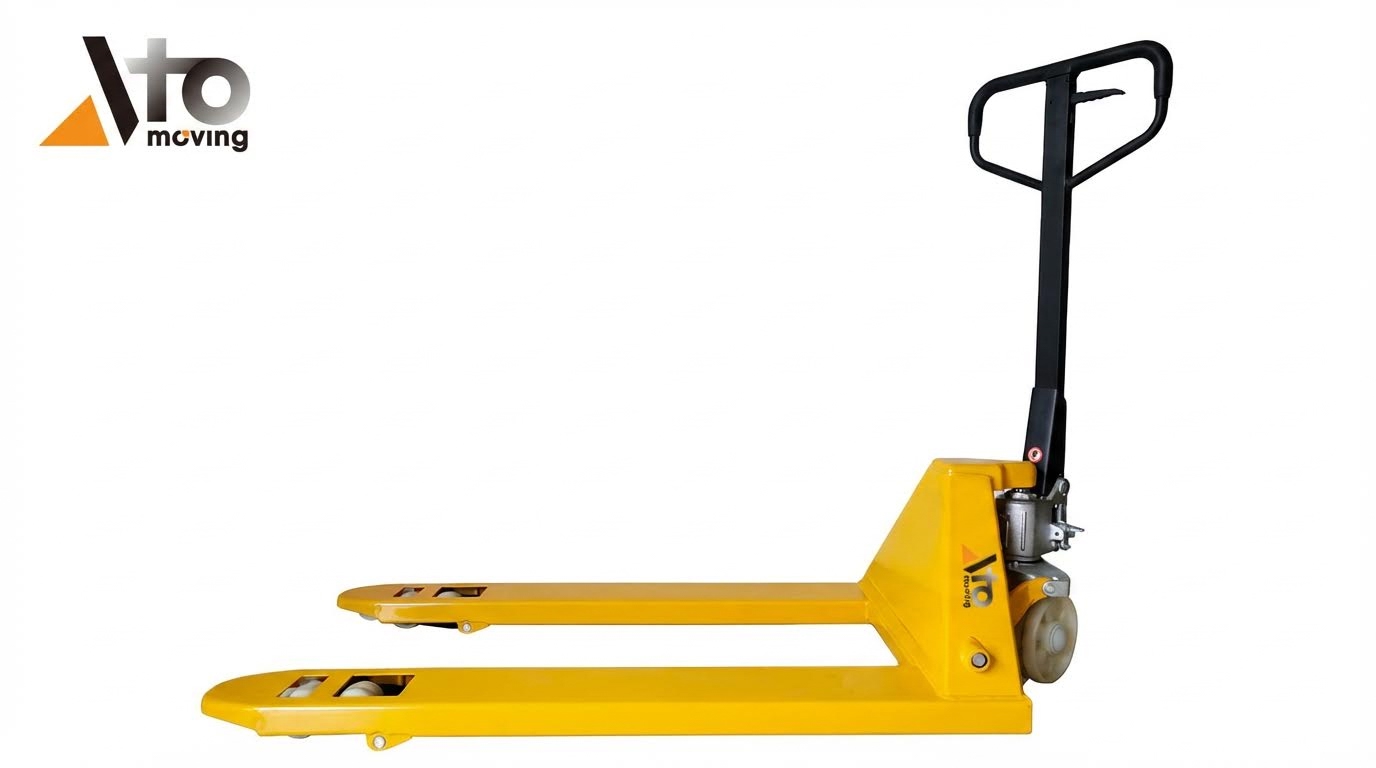
Inspection and maintenance defined the real safety margin of pallet trucks, both manual and electric. Industrial operators relied on structured routines, documented findings, and compliance inspections to keep failure risk low and availability high. Predictive monitoring then extended this approach by using data from sensors and digital logs to anticipate faults before they caused incidents or downtime.
Daily Checks, Periodic Service, And FEM 4.004
Operators performed daily pre-use checks to detect visible defects before loading. They inspected wheels, forks, handle, and chassis for cracks, deformation, or loose parts. They checked hydraulic lifting and lowering functions, verified smooth handle operation, and confirmed that emergency or quick-lowering features worked. These quick checks reduced the likelihood of sudden failures under load.
Maintenance teams supplemented daily checks with periodic service at intervals of 3–6 months, depending on duty cycle. They lubricated moving joints, inspected hydraulic oil for contamination, and replaced worn rollers or steering wheels. For electric trucks, they tested brakes, control logic, and safety devices such as horns and alarms. They also verified that load capacity markings remained legible and matched technical documentation.
Regulatory frameworks required at least one formal safety inspection per year. In Europe, FEM 4.004 defined an annual inspection by a qualified person for industrial trucks and lifting equipment. This inspection covered structural integrity, stability-relevant components, and safety systems. Documented findings supported legal compliance and enabled trend analysis of recurring faults.
Hydraulics, Wheels, Brakes, And Structural Integrity
The hydraulic system determined lifting performance and safety margins under rated load. Technicians checked for external oil traces on cylinders and hoses, which indicated leaks. Low oil level caused incomplete lifting or erratic lowering, so they refilled with suitable hydraulic oil, typically about 0.3 litres for manual units, and then bled the system. Air ingress manifested as spongy lifting behaviour and required repeated pumping in the lowering position to restore normal function.
Wheels and rollers carried concentrated loads and experienced high impact and abrasion. Inspectors looked for flat spots, chunking, or uneven wear that increased rolling resistance or caused tracking errors. Misaligned or seized wheels increased operator effort and could destabilize loads on ramps. Worn steering wheels or casters required replacement to maintain predictable manoeuvring and reduce strain injuries.
For handbrake-equipped or electric pallet trucks, brake function was a critical control. Maintenance personnel tested braking distance at typical operating speeds on representative surfaces. They adjusted linkages and checked for hydraulic or mechanical play that reduced effectiveness. Structural inspections focused on fork blade straightness, welds at the fork heel, and mounting points at the tiller and chassis. Any crack or permanent deformation under rated load criteria justified immediate removal from service.
Electric Drives, Batteries, And Safety Circuits
Electric pallet trucks combined mechanical risks with electrical hazards, so maintenance required specific competence. Technicians inspected drive motors, contactors, and wiring harnesses for insulation damage or overheating marks. They verified that speed control and acceleration ramps behaved as specified, preventing sudden starts that could destabilize loads. Functional tests included dead-man switches, key switches, and direction selectors.
Battery care strongly influenced reliability and lifecycle cost. Operators charged batteries fully before shifts, avoided deep discharge, and kept terminals clean to prevent corrosion and voltage drops. Storage in cool, dry areas limited thermal stress and capacity fade. Where trucks used quickly replaceable battery packs, planned swap procedures minimized downtime and reduced unsafe improvisation.
Safety circuits formed the last defensive layer against misuse and component failure. Maintenance staff checked horns, lights, warning buzzers, and any overload or tilt alarms. They confirmed that interlocks prevented operation with raised forks in transport modes where required by design. Any bypassed or inoperative safety device triggered an immediate lockout until repair and functional verification.
Digital Logs, Sensors, And Predictive Maintenance
Digitalisation allowed operators to move from reactive repairs to predictive maintenance strategies. Electronic hour meters, load counters, and event logs recorded operating patterns, including overload attempts and impact events. Analysts used this data to identify high-stress
Summary Of Key Safety Controls And Compliance
Pallet truck safety in industrial operations relied on a layered control strategy that combined design limits, operating rules, and maintenance discipline. Core controls started with respecting rated capacity, keeping the load center within specification, and operating only on suitable surfaces with correct pallet engagement and conservative stack heights. Human-factor controls reinforced this envelope through clear visibility, ergonomic handling limits, and prohibition of riding, transporting personnel, or operating in congested zones. Safe practices also required structured pre-use checks, controlled travel speeds, correct ramp techniques, and strict parking rules such as fully lowering forks and keeping trucks out of escape routes.
Regulatory compliance frameworks such as OSHA requirements and ANSI/ITSDF B56.1 provided minimum standards for design, operation, and maintenance of industrial trucks. In Europe, annual FEM 4.004 inspections formed a legal baseline for verifying structural integrity, braking performance, hydraulics, and safety devices. Operators needed training in hazard recognition, load assessment, emergency procedures, and local site rules, with refresher programs and documented competence. Documented maintenance plans, including daily visual checks, scheduled servicing, and annual inspections, supported both compliance and lifecycle reliability.
Future trends pointed toward greater use of sensors, digital inspection logs, and predictive analytics to detect overload events, impact shocks, hydraulic degradation, and battery issues before failures occurred. Integration of warning lights, acoustic alarms, and access control systems improved interaction with pedestrians and limited operation to trained personnel. Practical implementation required clear SOPs, visible checklists at storage points, designated traffic lanes, and audit programs to verify that rules were applied in real conditions. Sites that treated pallet trucks as safety-critical equipment rather than simple trolleys achieved lower injury rates, less damage, and more predictable throughput while staying aligned with evolving regulatory expectations.