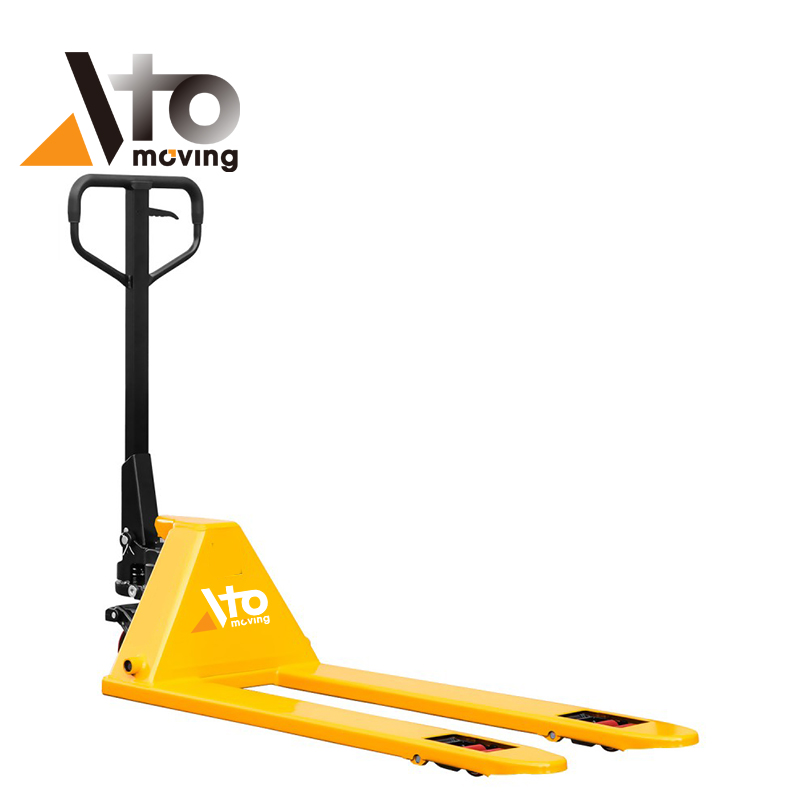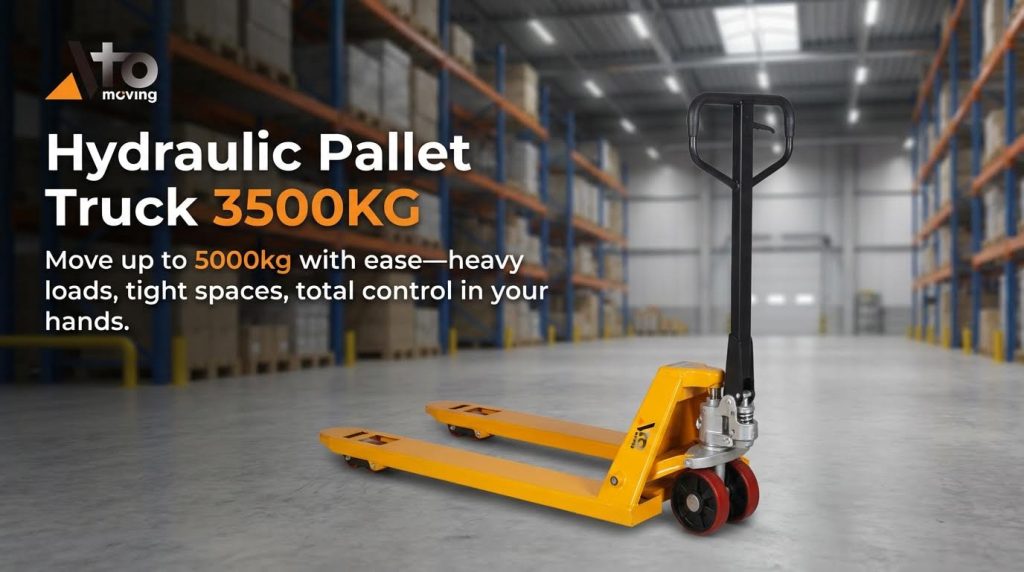
Warehouses that ask how to use a pallet truck safely need clear rules, solid engineering controls, and disciplined training. This article follows the full safety chain, from basic manual and electric pallet truck operation to structured inspection and traffic management.
You will see how core operating rules link to typical warehouse hazards such as collisions, overloading, ramp use, and battery charging risks. The middle sections explain how training, compliance programs, and preventive maintenance reduce incidents and keep pallet trucks within their design limits.
The final section turns these points into practical takeaways that safety, operations, and engineering teams can apply in daily work. By the end, you can align procedures, training, and equipment care around one consistent pallet truck safety standard.
Core Operating Rules For Pallet Trucks
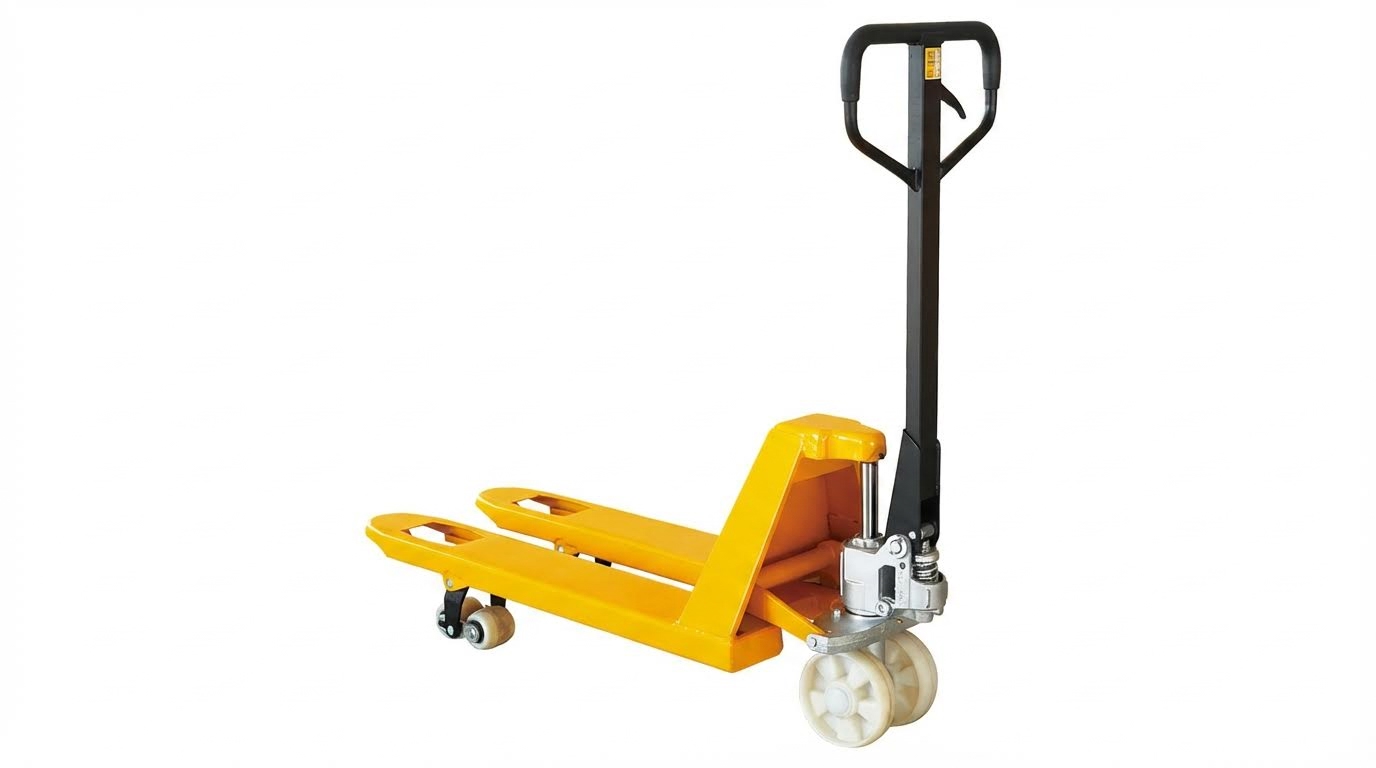
Core operating rules explain how to use a pallet truck safely in real warehouses. These rules link equipment limits, operator checks, and traffic control into one system. When sites follow them, they cut collision risks, strain injuries, and load damage. The following sections break these rules into simple, practical steps for daily use.
Manual Vs. Electric Pallet Truck Basics
Manual and electric pallet trucks share the same goal but behave very differently. Manual trucks rely on operator force, so poor posture or pulling instead of pushing can cause back and shoulder injuries. Electric pallet trucks fall under powered industrial truck rules and need formal training, site evaluation, and age limits. Manual pallet trucks do not need legal certification, but supervisors still must train operators on hazards and local rules.
Manual units work well for short runs, light to medium loads, and tight aisles. Electric pallet trucks handle longer runs, higher loads, and dock work, but they add battery, braking, and control risks. When planning how to use a pallet truck safely, managers should match truck type to floor quality, slope, aisle width, and traffic density. Mixed fleets need clear markings so staff know at a glance which rules apply to which truck.
Pre-Operation Inspection And Checklists
Pre-use checks are the first defense against failures and injuries. OSHA guidance and industry practice both stress that damaged pallet trucks must not enter service. A simple checklist helps operators move fast but stay thorough.
- Check forks for cracks, bends, and twisted tips.
- Inspect wheels and rollers for flat spots, chunks, or seized bearings.
- Cycle the hydraulic pump and lower valve to confirm smooth lift and controlled lowering.
- Verify the load rating tag is present and readable.
- On electric units, check controls, horn, brakes, and emergency stop.
Operators should also scan for oil leaks, loose fasteners, and missing guards. Any defect must be reported and tagged out until repair. Posting laminated checklists at charging or parking points keeps the routine visible and consistent. This habit directly supports the goal behind every search for how to use a pallet truck safely.
Load Rating, Stability, And High Tiering Rules
Safe pallet truck use starts with the nameplate load rating. Operators must never guess weight or rely on “feel.” If the estimated load might exceed the rating, they should split the load or use higher capacity equipment. Loads must sit low, centered between the forks, and fully supported by the pallet deck.
Stability depends on a wide, low base. High, narrow, or offset loads increase tip and fall risk, especially during turns. Operators should avoid stacks that block forward view or shift during braking. Wrapping, banding, or corner boards can stabilize loose items before moving.
High tiering with pallet trucks demands extra caution. Heavier pallets should stay on lower tiers, with lighter units on top tiers. Operators must avoid raising loads higher than needed to clear obstacles and should never ride on the truck to “steady” a high stack. If a task needs frequent high tiering, engineers should review whether a different truck type or racking system is safer.
Safe Driving Practices And Traffic Management
Driving rules turn safe equipment into safe systems. Operators should move at walking speed, keep forks 2–5 cm above the floor, and watch for wet patches, debris, and uneven joints. Pushing a manual pallet truck instead of pulling reduces strain and improves forward visibility. Riding on the forks or chassis is unsafe and must be banned.
Good traffic management reduces collision risk in busy aisles. Marked pedestrian lanes, one-way systems through doors, and stop lines at blind corners all help. Horn use at intersections, doorways, and when entering trailers alerts others in low visibility zones. Supervisors should set speed limits and enforce slow-down zones near docks, battery rooms, and packing lines.
Parking rules are also part of how to use a pallet truck safely. Operators should always lower forks fully, remove keys on electric units, and park in marked bays clear of exits and fire equipment. Regular walk-throughs by safety staff can confirm that these core rules stay in place during real shifts, not just during audits.
Common Hazards And Engineering Controls
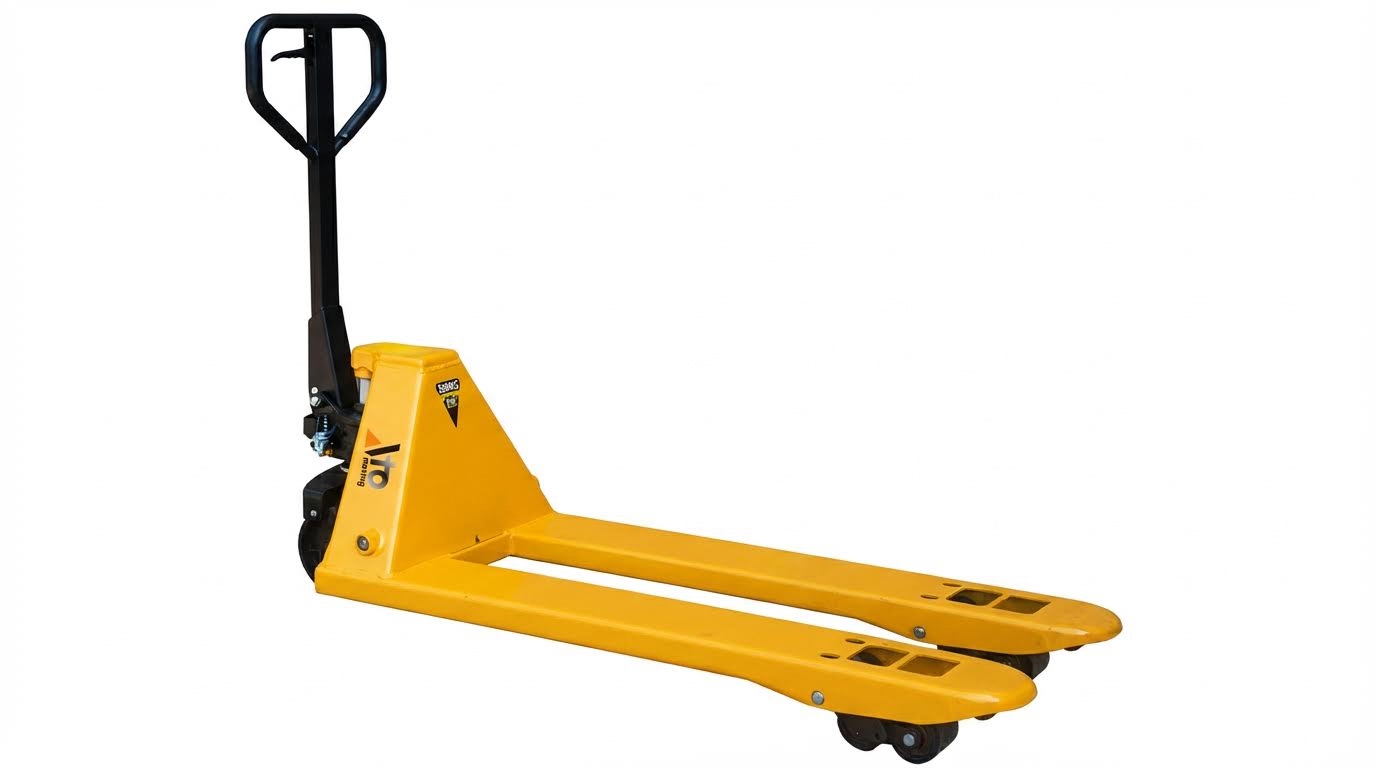
This section explains how to use a pallet truck safely by targeting the highest risk situations. It links each major hazard to simple engineering controls, layout changes, and operating rules. Safety managers can use these points to update site risk assessments and warehouse traffic plans.
Collision, Visibility, And Congestion Risks
Collisions usually happen in blind corners, doorways, and busy pick aisles. Poor visibility around high pallet loads makes it hard for operators to see pedestrians. Congestion from mixed traffic, such as forklifts, pallet trucks, and pedestrians, further raises impact risk.
Key controls for safer use of pallet trucks include:
- Mark one-way routes and separate walkways from truck aisles where possible.
- Install low vision panels in doors and improve lighting at crossings.
- Set speed limits and require horn use at blind spots and trailer entries.
- Keep aisles clear of parked trucks and empty pallets to reduce evasive moves.
In tight areas, operators should push manual trucks whenever possible and keep loads low for a clear line of sight. Supervisors should monitor congestion and adjust pick paths or shift patterns to keep traffic density within safe limits.
Overloading, Tip-Overs, And Falling Loads
Overloading is a core cause of pallet truck accidents and a direct answer to how to use a pallet truck safely. Loads above the rated capacity increase steering effort, lengthen stopping distances, and raise tip-over risk. Poor weight distribution or damaged pallets can cause sudden shifts and falling loads.
Safe loading practice should focus on three checks:
- Confirm load weight against the pallet truck data plate before lifting.
- Center the load on both forks and keep the forks fully under the pallet.
- Secure unstable stacks with wrap, straps, or corner boards before travel.
Operators must never ride on the pallet truck or on the load. They should avoid sharp turns with raised loads and reduce speed in uneven or damaged floor areas. Maintenance teams should replace broken boards and repair floor defects that can trigger pallet collapse.
Slopes, Ramps, Trailers, And Dock Interfaces
Slopes and dock areas change how forces act on a pallet truck. Gravity adds extra load on the operator and on the braking system. Turning on a ramp or dock plate can shift the center of gravity outside the wheelbase and cause loss of control.
For manual pallet trucks, operators should:
- Face uphill and pull when going up a ramp to keep control.
- Descend backward with the load uphill when going down.
- Never turn across the slope or park on a gradient.
For electric pallet trucks, follow the manufacturer slope rating and approach ramps straight on. Before entering trailers, dock plates must be secured, trailer brakes set, and wheels chocked. Operators should sound the horn before entry and use lights in dark trailers to see pedestrians and obstacles.
Battery Charging, Fumes, And Ventilation Needs
Electric pallet trucks introduce battery and charging hazards. Charging lead-acid batteries can release hydrogen gas and acid mist. Poor ventilation or ignition sources in charging areas can turn minor leaks into serious events.
Engineering and procedural controls should cover:
- Dedicated charging zones with mechanical or natural ventilation sized to code.
- Clear rules for no smoking and no open flames near chargers.
- Spill kits, eyewash, and emergency showers close to charging points.
- Routine checks of cables, connectors, and chargers for damage or overheating.
Operators must wear suitable eye and hand protection when topping up electrolyte where applicable. They should park trucks with forks lowered and controls off before connecting to chargers. Clear signage and simple pictograms around the charging area help reinforce how to use a pallet truck safely during daily shifts.
Training, Compliance, And Maintenance Programs
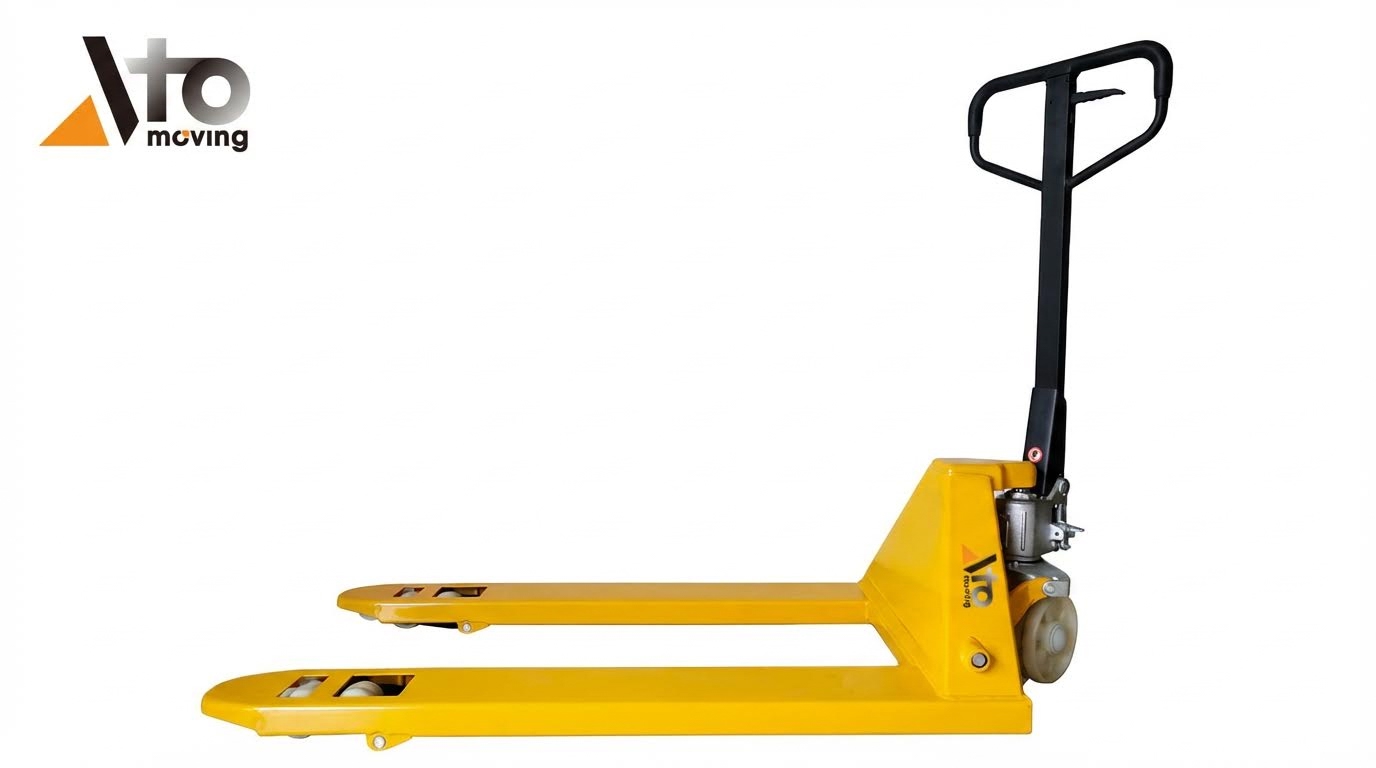
This section explains how to use a pallet truck safely by building strong training, compliance, and maintenance systems. It links legal duties, operator skills, and engineering-based upkeep so warehouses can cut collision, overload, and tip-over risks. The focus is on electric Class III pallet trucks and manual pallet jacks in real warehouse conditions.
OSHA, Class III Rules, And Legal Duties
OSHA treated electric pallet trucks as Class III powered industrial trucks under 29 CFR 1910.178. Employers had a clear duty to provide a workplace free from known hazards and to train operators on safe pallet truck use. That duty covered truck limits, site hazards, and emergency steps.
For powered pallet trucks, OSHA required a three-part process: formal instruction, practical training, and a performance evaluation. Certification stayed valid for three years, but employers had to give refresher training after unsafe driving, an incident, a near miss, or major workplace changes. Manual pallet trucks did not need formal certification, yet OSHA still expected task and hazard training.
To support compliance, safety managers should document for each operator: training dates, truck types covered, evaluation results, and any retraining events. Clear rules on overloading, high tiering, ramps, and trailer work help show that the site controls key risks rather than leaving decisions to operators.
Operator Training, Certification, And Refreshers
Safe pallet truck use starts with structured training that links theory to the real layout. For electric pallet trucks, programs usually combine short classroom or online modules with supervised driving in live aisles. Typical content includes:
- Truck controls, braking limits, and turning radius
- Load charts, center of gravity, and stability triangle basics
- How to spot poor stacking and unstable pallets
- Rules for ramps, docks, and trailers
Formal courses for Class III trucks often took about two hours plus site practice. Trainees had to pass quizzes and a practical test with defined tasks such as tight turns, parking, and controlled stopping. For manual pallet jacks, training could be shorter but should still stress pushing instead of pulling, correct body posture, and low fork travel height.
Refresher training every three years kept knowledge current and allowed updates for new layouts or engineered controls. Safety teams should use recent incidents, near misses, or damage reports as case studies. This approach turns “how to use a pallet truck safely” from a one-time message into a continuous learning loop.
Inspection, Lubrication, And Repair Protocols
Strong maintenance programs support safe operation by catching failures before they cause an incident. Pre-use inspections should be quick but systematic so operators actually complete them. A simple checklist can cover:
- Hydraulic unit: leaks, smooth lifting and lowering
- Forks: cracks, bending, or twisted tips
- Wheels and rollers: flat spots, chips, or seized bearings
- Brakes, horn, and controls (for electric units)
Any damaged pallet truck should be tagged “out of service” and removed from the aisle until a competent technician repairs it. Annual thorough examinations are a legal baseline in several regions, but busy warehouses often benefit from shorter planned intervals based on hours of use. Lubrication of pivot points and wheel bearings reduces push force and lowers strain injuries.
Maintenance records should track fault type, location, and time to repair. Engineers can then spot patterns such as repeated wheel damage at a specific dock plate or frequent fork bending in one zone. Fixing the root cause, such as uneven floor joints or bad pallet quality, is often cheaper than repeated repairs and directly improves safety.
Using Data, IoT, And Predictive Maintenance
Modern warehouses increasingly use data to answer how to use a pallet truck safely in busy, changing layouts. Electric pallet trucks can carry telematics units that log impacts, travel speed, and key-on hours. Safety teams can then compare impact rates by shift, zone, or operator and focus coaching where risk is highest.
IoT sensors on critical parts such as wheels, hydraulic cylinders, or battery systems can support predictive maintenance. For example, rising push force or motor current may indicate bearing wear or low tire pressure on certain models. Addressing these trends early helps avoid sudden failures that could lead to tip-overs or loss of control under load.
Data dashboards also help verify rule compliance. Managers can check if trucks exceed set speed limits in high-pedestrian areas or if operators bypass pre-operation checklists. Combining sensor data with incident reports and near-miss logs gives a fuller risk picture.
However, digital tools do not replace basic discipline. Clear floor markings, one-way systems near dock doors, and good lighting remain essential. The most effective strategy combines trained operators, reliable pallet trucks, and data-driven maintenance into one integrated safety program.
Summary And Key Takeaways For Safer Operations

Safe answers to how to use a pallet truck safely always combine rules, training, and engineering controls. Warehouses that reduced incidents treated pallet trucks as powered industrial equipment, not simple carts. They enforced pre-use checks, clear traffic plans, and strict load rules for both manual and electric units.
Key technical lessons are consistent across sites. Operators must inspect hydraulics, forks, wheels, and controls before use and tag out any defective truck. Loads must stay within the rated capacity, sit centered on the forks, and be wrapped or strapped if unstable. On slopes or dock edges, operators must follow defined procedures, avoid turning, and secure trailers with chocks and dock locks. After use, forks must be fully lowered and trucks parked in marked areas to avoid trip and impact hazards.
From a compliance view, electric pallet trucks fall under OSHA Class III rules and need formal training, hands-on practice, and evaluation. Manual pallet trucks still require documented instruction on site hazards, ergonomics, and traffic routes. Refresher training every three years, or after any incident, keeps skills current and supports a strong safety culture.
Looking ahead, more warehouses will link pallet trucks to IoT systems, maintenance apps, and access control. These tools will track inspections, lock out unsafe units, and flag overloading or speed violations. However, they will only work when paired with disciplined housekeeping, realistic throughput targets, and consistent enforcement of basic pallet truck safety rules.
,
Frequently Asked Questions
What are the main hazards of using a pallet truck?
The main hazards associated with pallet trucks include injuries caused by pushing or pulling over uneven surfaces, the pallet and its contents falling from the pallet truck, and striking or being struck by the pallet truck. These risks can be minimized with proper training and adherence to safety protocols. For more details, refer to this Safety Guidance Document.
Do you need training to use a pallet truck?
Yes, only authorized and trained individuals should operate a pallet truck. Employers must ensure operators are licensed and trained in safe operation practices. Proper training reduces the risk of accidents and ensures compliance with workplace safety standards. Learn more about training requirements in this Safe Operating Rules Guide.
Should you pull or push a pallet truck?
It is generally safer to push a pallet truck rather than pull it. Pushing provides better control and reduces strain on the operator’s body. Always ensure the path is clear and the surface is even before moving the pallet truck. For additional tips on pallet handling, check out this resource on Pallet Packing Techniques.