Understanding the distinctions between pallet trucks and forklifts is crucial for selecting the right equipment for material handling tasks. This article explores their design, maintenance, safety, and operational differences. It provides industry professionals with detailed insights to optimize warehouse and logistics operations.
We will examine structural features, power sources, load capacities, and maneuverability. Additionally, maintenance practices and safety protocols will be discussed to ensure efficient and compliant usage.
Design and Functional Differences Between Pallet Trucks and Forklifts
Structural Components and Lifting Mechanisms
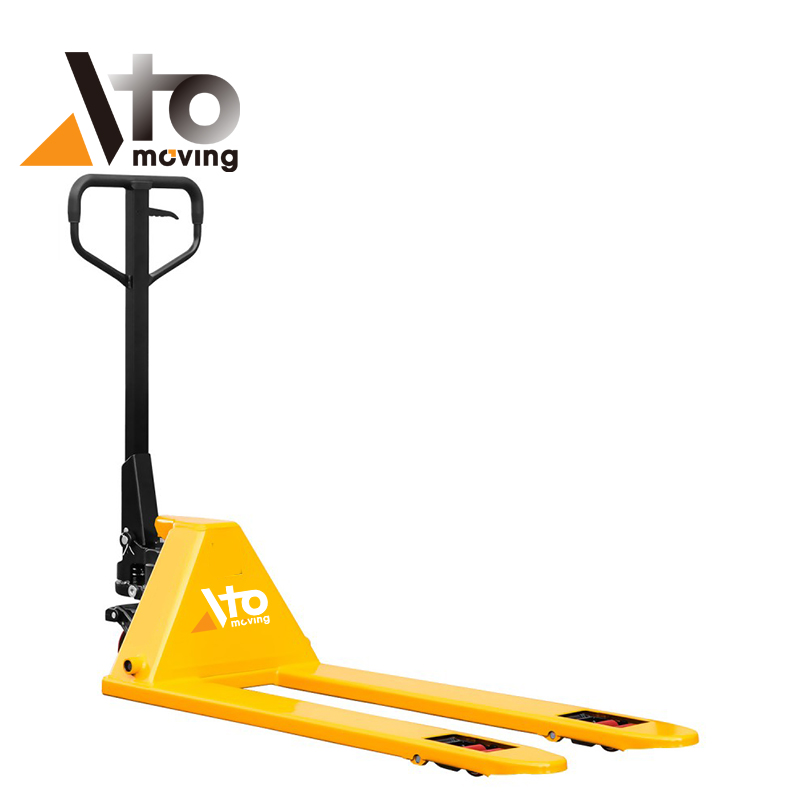
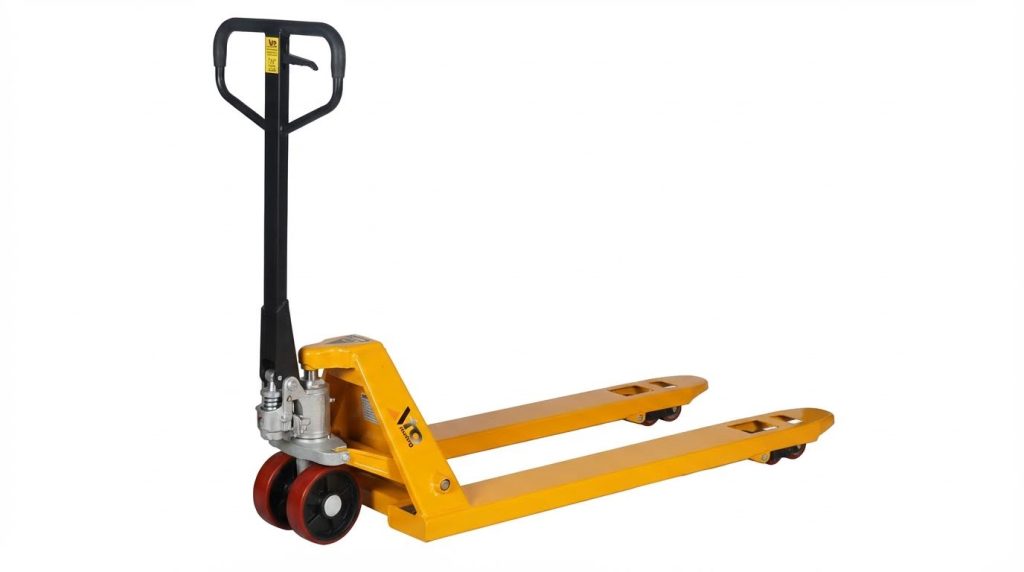
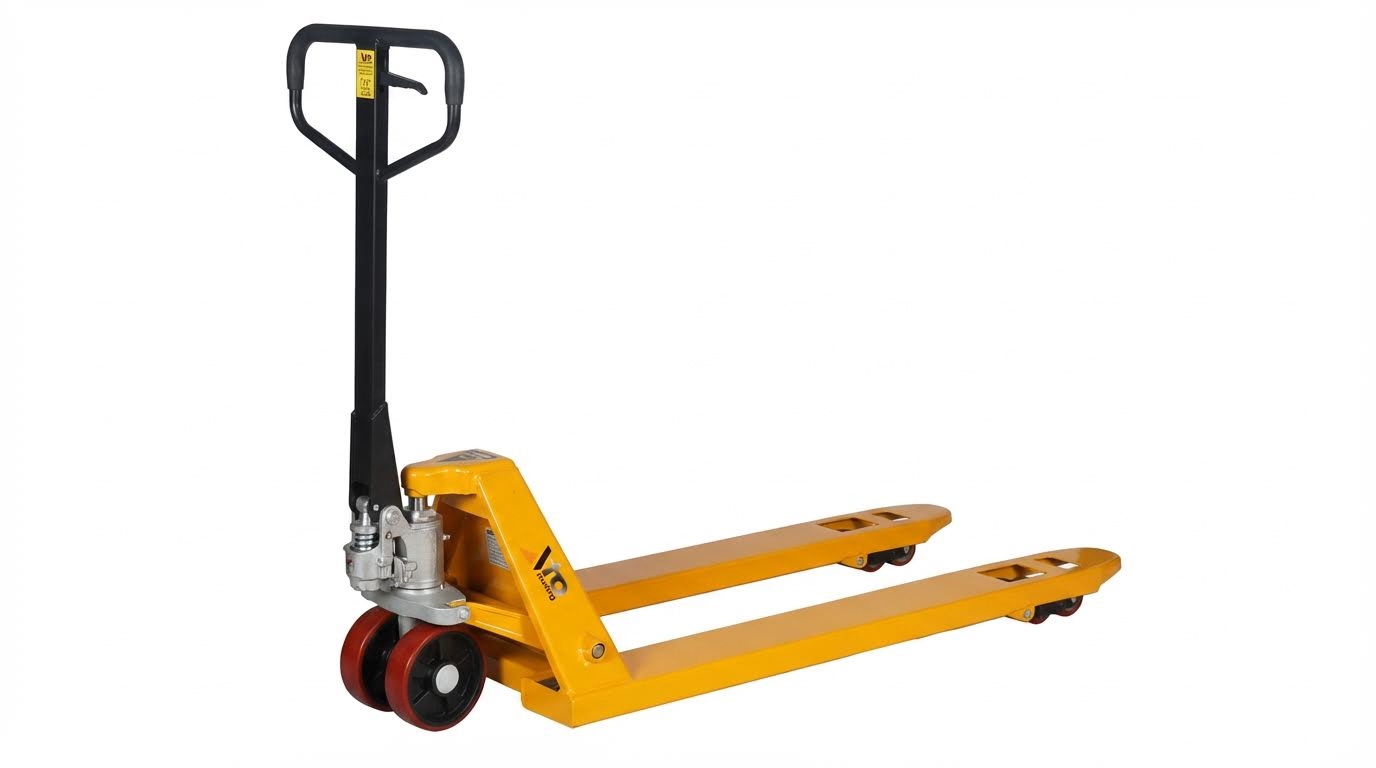
Pallet trucks typically consist of a simple frame with two forks, a hydraulic pump, and small wheels designed for low-level lifting. The lifting mechanism relies on a manual or electric hydraulic pump to raise pallets a few inches off the ground. In contrast, forklifts feature a more complex mast and carriage assembly with hydraulic cylinders capable of lifting loads vertically to significant heights. Forklifts use forks attached to the carriage, which can be tilted and adjusted for load stability during transport and stacking.
Power Sources and Operation Modes
Pallet trucks operate either manually, using a lever or handle to pump the hydraulic system, or electrically via battery-powered motors that assist in lifting and propulsion. Forklifts are predominantly powered by electric batteries, internal combustion engines using diesel, LPG, or gasoline, allowing for heavier workloads and extended operation times. The operational control of forklifts includes steering wheels, pedals, and multiple levers for precise load handling, whereas pallet trucks have simpler controls focused on movement and lifting.
Load Capacity and Lift Height Comparison
Load capacities differ significantly between the two machines. Pallet trucks generally support loads up to 2,500 kilograms, optimized for horizontal transport without high elevation. Forklifts can handle loads ranging from 1,000 kilograms to over 10,000 kilograms, depending on the model, and can lift loads vertically up to several meters. This makes forklifts suitable for stacking pallets in racking systems and loading trucks at height, tasks beyond the capability of pallet trucks.
Size, Maneuverability, and Workspace Requirements
Pallet trucks are compact and lightweight, designed for tight spaces and narrow aisles, with a small turning radius that facilitates easy maneuvering in warehouses. Forklifts are larger, requiring more clearance for operation and turning, but offer greater versatility in outdoor and uneven terrain environments. The workspace for forklifts must accommodate their size and lift height, including sufficient aisle width and ceiling height, whereas pallet trucks can operate effectively in confined indoor spaces with minimal clearance.
Maintenance Practices and Operational Lifespan
Routine Inspection and Preventive Maintenance Tasks
Routine inspections for pallet trucks and forklifts include checking hydraulic fluid levels, tire conditions, and fork integrity. Preventive maintenance involves scheduled lubrication of moving parts and tightening of bolts to prevent mechanical failures. Regular battery checks and cleaning electrical contacts are essential for electric models to ensure consistent performance.
Hydraulic and Mechanical System Care
Hydraulic systems require periodic fluid replacement and seal inspections to avoid leaks and maintain lifting efficiency. Mechanical components such as chains, rollers, and bearings need lubrication and wear assessment to prevent breakdowns. Timely replacement of worn parts extends equipment lifespan and reduces downtime.
Impact of Usage Intensity and Environment on Durability
Heavy usage in harsh environments accelerates wear on both pallet trucks and forklifts. Exposure to dust, moisture, and temperature extremes can degrade seals and electrical components. Proper storage and operation within manufacturer-specified conditions mitigate premature failures and maintain reliability.
Upgrading Considerations for Enhanced Performance
Upgrades may include installing advanced hydraulic pumps or enhanced battery systems to improve efficiency. Retrofitting safety features such as load sensors and ergonomic controls can increase operator comfort and reduce risk. Evaluating cost-benefit ratios ensures that upgrades provide measurable performance gains without excessive investment.
Safety, Training, and Regulatory Considerations
Operator Certification and Training Requirements
Operators of pallet trucks and forklifts must undergo specific certification programs tailored to each equipment type. Training covers operational controls, load handling, and emergency procedures to ensure safe use. Regulatory bodies often mandate periodic refresher courses to maintain certification validity. Proper training reduces accident rates and improves workplace safety compliance.
Safety Features and Risk Profiles
Pallet trucks typically have simpler safety features such as emergency stop buttons and speed limiters. Forklifts include advanced systems like seat belts, overhead guards, and stability control to mitigate rollover risks. The risk profile of forklifts is higher due to elevated load handling and greater lift heights. Both machines require adherence to safety protocols to prevent injuries and equipment damage.
Operational Best Practices to Mitigate Hazards
Operators should conduct pre-use inspections to identify mechanical issues before operation. Maintaining clear communication and visibility in work zones reduces collision risks. Proper load securing and balanced stacking prevent tipping incidents. Adhering to manufacturer guidelines and workplace safety standards is essential for hazard mitigation.
Compliance with Industry Standards and Protocols
Both pallet trucks and forklifts must comply with international standards such as ISO 3691 and OSHA regulations. Compliance ensures equipment meets safety, performance, and environmental criteria. Regular audits and documentation support regulatory adherence. Implementing standardized protocols enhances operational consistency and legal conformity across industries.
Comprehensive Summary and Practical Selection Guidelines
Pallet trucks and forklifts serve distinct roles in material handling, each offering specific advantages based on design and operational parameters. Pallet trucks excel in maneuvering smaller loads over short distances with low lift heights, while forklifts provide higher load capacities and greater lift heights suitable for stacking and heavy-duty tasks. Maintenance practices and safety protocols differ significantly, reflecting their mechanical complexity and operational risks.
For industry applications, selecting between a pallet truck and a forklift depends on load weight, lift height requirements, workspace constraints, and frequency of use. Pallet trucks require less maintenance and operator training, which reduces operational costs but limits their applicability to lighter tasks. Forklifts demand more rigorous inspection and certified operator training to comply with safety standards, ensuring durability and operational safety in demanding environments.
Future trends indicate increased integration of automation and electric power sources to enhance efficiency and reduce environmental impact. Practical implementation should consider lifecycle costs, operator skill levels, and regulatory compliance to optimize asset utilization. Balancing technology evolution with operational needs ensures effective material handling solutions tailored to specific industrial contexts.