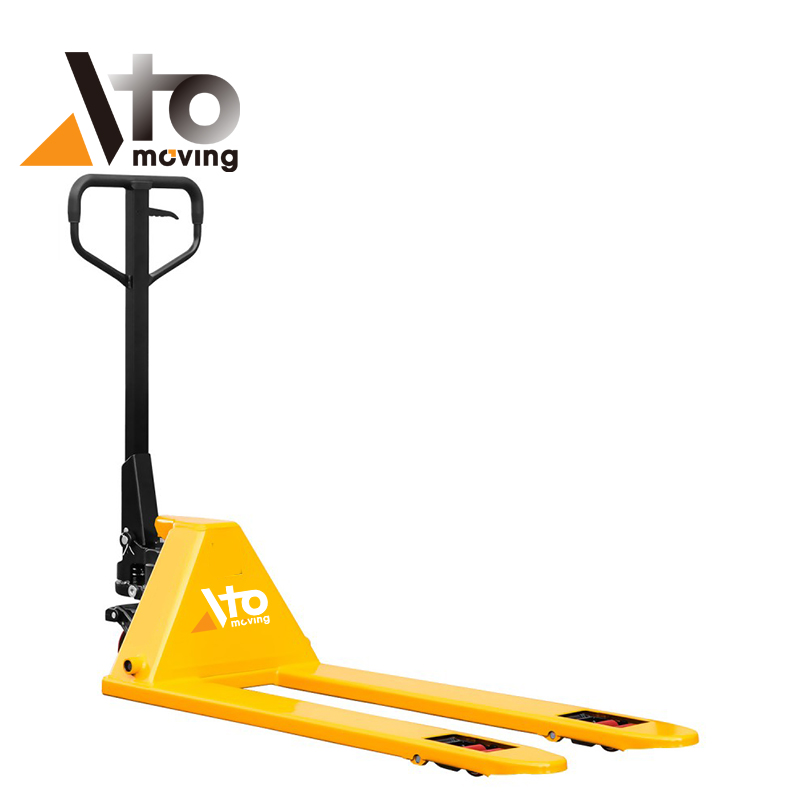
Pallet truck wheel reliability directly affected safety, ergonomics, and material flow efficiency in warehouses and industrial plants. This article outlined when pallet truck wheels had to be replaced, how to select suitable replacement wheels and repair kits, and how to perform step-by-step replacement and inspection. It also covered lubrication, functional testing, and documentation practices that supported compliance and minimized downtime. Finally, it summarized emerging maintenance trends that influenced future pallet truck lifecycle management.
When Pallet Truck Wheels Must Be Replaced
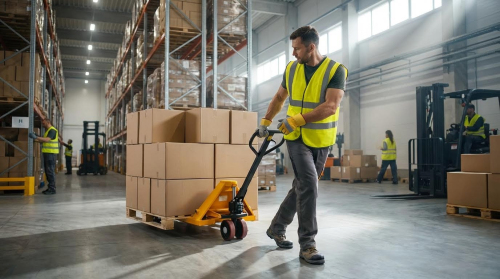
Pallet truck wheels operated under continuous load and abrasive conditions showed progressive degradation. Maintenance teams therefore relied on functional symptoms and visual criteria to trigger replacement. Clear thresholds reduced the risk of structural failure and unplanned downtime. This section described how to interpret those symptoms in a consistent, engineering-driven way.
Functional Symptoms: Noise, Drag, And Poor Tracking
Abnormal operating behavior usually provided the earliest indication that wheels required replacement. Increased rolling resistance, felt as drag when starting or maintaining motion, indicated bearing damage, axle misalignment, or severe tread wear. New grinding, clicking, or rumbling noises under load typically pointed to brinelled bearings, cracked cores, or embedded debris in the tread. Poor tracking, where the truck veered off line or required constant steering correction, suggested uneven wheel wear, seized load rollers, or asymmetric bearing friction. When these functional symptoms persisted after cleaning and basic lubrication, best practice required removing the truck from service and planning wheel replacement.
Visual Wear Limits, Flat Spots, And Chunking
Visual inspection provided objective criteria for deciding if wheels remained serviceable. Industry guidance recommended replacement when the tread wore down to approximately one quarter of its original thickness or when the wheel diameter reduced to the manufacturer’s minimum limit. Flat spots formed when trucks were dragged under load with locked wheels or parked with heavy loads for extended periods; these flats created vibration, shock loading, and localized floor damage. Chunking, where sections of polyurethane or rubber broke away from the tread, indicated overload, impact with floor defects, or chemical attack, and significantly reduced load capacity and stability. Any visible cracks in the core, split hubs, or heavily ovalized bores around the axle also justified immediate removal from service.
Rust, Contamination, And Floor Marking Issues
Corrosion and contamination affected both performance and hygiene standards. Rust on axles, bearings, or core components increased friction, promoted seizure, and complicated future disassembly; severe rust often required driving the axle out with a punch and hammer during replacement. Grease contaminated with metal particles, dirt, or water indicated internal wear or inadequate sealing and required complete cleaning and relubrication when fitting new wheels. Floor marking, such as new dark streaks or colored tracks, signaled chemical degradation of the tread, overheating, or material mismatch with the floor coating. In food, pharmaceutical, or clean manufacturing environments, visible contamination or marking typically triggered immediate wheel change to maintain housekeeping and audit compliance.
Safety, Compliance, And Downtime Considerations
Worn or damaged wheels increased stopping distances, unstable handling, and the risk of sudden failure under peak load. Safety standards and occupational regulations required that handling equipment remained in a condition that did not endanger operators or bystanders, which included maintaining wheels within specified wear limits. Planned replacement based on inspection intervals and defined criteria reduced unplanned outages and avoided secondary damage to forks, linkages, and floors. Facilities with high utilization often kept complete wheel and hardware kits in stock to shorten repair times and maintain overall equipment effectiveness. Documented inspections and timely wheel replacement also supported internal safety audits and insurance requirements, demonstrating that the employer controlled mechanical risks systematically.
Selecting Replacement Wheels And Repair Kits

Load, Duty Cycle, And Environment Assessment
Technicians should size pallet truck wheels based on maximum load, not average load. A typical hand pallet truck carried between 2 000 kg and 2 500 kg, but heavy-duty models exceeded 3 000 kg. Wheel selection had to consider static load, dynamic load, and impact loads from thresholds or dock plates. High-frequency use, multi-shift operation, and long travel distances increased thermal and abrasive stresses on tread materials. Environment also mattered: wet floors, chemicals, metal swarf, or rough concrete accelerated wear and influenced material choice and bearing sealing. Facilities with sensitive floors or hygiene requirements needed low-marking, non-porous materials and easy-to-clean surfaces.
Wheel Materials: Polyurethane, Nylon, Rubber, Steel
Polyurethane wheels offered a balanced combination of load capacity, low rolling resistance, and floor protection. They suited smooth indoor floors and typical warehouse loads, and they reduced noise compared with hard plastics or steel. Nylon wheels carried relatively high loads for their size and rolled easily, but they transmitted more vibration and could mark or damage soft floors under peak loads. Rubber wheels provided high traction and low noise, but they had lower load ratings and higher rolling resistance, so they fit light-duty or mixed-surface use. Steel or cast-iron wheels tolerated high temperatures, sharp debris, and impact, but they required reinforced floors and strict noise controls. Mixed configurations, such as polyurethane load rollers with nylon steer wheels, allowed tuning of handling and durability.
Matching Axles, Bearings, And Hardware Kits
Replacement wheels had to match the original axle diameter, length, and retention method to maintain alignment and safety. Common retention methods included spring pins, snap rings, and lock nuts; each required compatible grooves or bores in the wheel hub and axle. Bearings were usually single or double-row ball bearings or plain bushings; technicians needed to match internal diameter, outer diameter, and width, as well as sealing type. Using complete repair kits that bundled wheels, axles, sleeves, washers, and fasteners reduced fit-up errors and downtime. When corrosion or wear affected axles, best practice required replacing the axle with the wheel to avoid premature bearing damage and misalignment.
Stocking Spares For Maintenance And Uptime
Planned maintenance programs benefited from standardized spare wheel and hardware inventories. Facilities with large pallet truck fleets typically defined a minimum stock level based on historical wheel failure rates and supplier lead times. Stocking paired load wheels, steer wheels, and complete repair kits allowed same-shift replacement when inspections detected wear, rust, or floor marking. Labeling spares by truck model, wheel position, and material minimized selection errors during urgent repairs. Keeping consumables such as grease, snap rings, and spring pins with the kits ensured that technicians could complete replacements without scavenging parts from other trucks. This approach reduced unplanned downtime and supported compliance with internal safety and inspection procedures.
Step-By-Step Wheel Replacement And Inspection
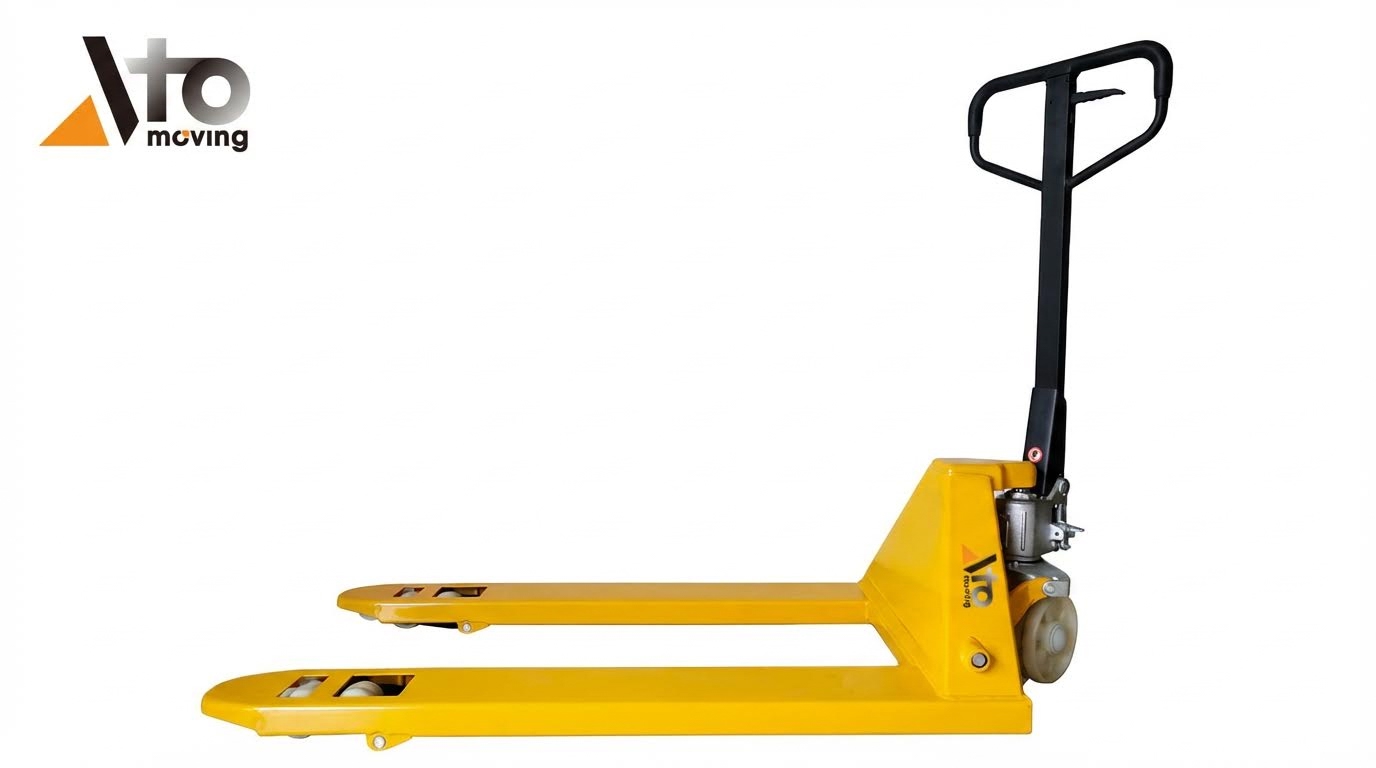
Structured wheel replacement procedures reduced pallet truck failures and safety incidents. Technicians followed OEM instructions and site rules during every intervention. The following steps described a typical, workshop-level process that maintenance teams adapted to their fleet. The focus stayed on repeatability, ergonomics, and verifiable inspection results.
Required Tools, Supports, And Lockout Practices
Wheel replacement required a defined tool set to avoid improvised methods. Typical tools included hammers, a plastic or dead-blow hammer, ½ inch pin punch, ¾ inch wrenches, ⅜ inch Allen key, flathead screwdriver, snap-ring pliers, grease, and cleaning rags. Technicians used stable supports or blocks and laid the pallet truck carefully on its side or inverted it only after raising the forks fully and removing any load. Facilities applied lockout or tagout where pallet trucks formed part of powered systems or dock operations, and they isolated any connected charging equipment for electric units. Clear floor marking, wheel chocks, and back-friendly working postures reduced musculoskeletal risk and unintended truck movement.
Removing Load And Steer Wheels Safely
Before removal, technicians verified that forks were unloaded and lowered or secured at full lift height according to the chosen method. For load wheels, they accessed the axle or spring pin by positioning the jack on its side or upside down on blocks, then removed the axle fastener using two ¾ inch wrenches or a ⅜ inch Allen key, depending on the design. If the axle seized due to rust or damage, they drove it out using a ½ inch pin punch and hammer, taking care not to deform brackets. For designs with spring pins, they struck the pin with a hammer and punch, folded the wheel carrier down, and slid the wheels off the axle; for steer wheels, they additionally removed snap rings with pliers and confirmed that rings cleared the axle groove completely before pulling the wheel assembly.
Installing Axles, Sleeves, Washers, And Retainers
Installation started with cleaning the bracket bores and checking for elongation, cracks, or burrs that could misalign the axle. For load wheels, technicians inserted the sleeve through the wheel bearing, placed washers on both sides, then aligned this stack between the bracket arms. They pushed or tapped the axle through the bracket and sleeve, ensuring full engagement across the width and correct washer positioning. Where designs used lock nuts, they tightened them to the specified torque while maintaining free wheel rotation; where spring pins or snap rings were used, they seated these retainers fully in the axle groove and verified engagement by a tactile pull test. Best practice required replacing wheels in pairs on the same axle to maintain equal rolling diameter and tracking.
Lubrication, Functional Tests, And Documentation
After mechanical assembly, technicians applied grease to specified points such as the linkage rod, pivot pins, and bearing areas, following the operating manual’s lubricant type and interval recommendations. They wiped excess grease and contaminants to prevent dirt accumulation and potential floor contamination. The pallet truck was then returned to the upright position, cycled through its full lift and travel range, and checked for smooth rolling, absence of dragging, abnormal noise, or floor marking. Maintenance teams recorded wheel type, material, date, and any nonconformities in the asset history, which supported trend analysis, warranty claims, and optimization of inspection intervals for high-duty trucks.
Summary And Future Trends In Pallet Truck Maintenance
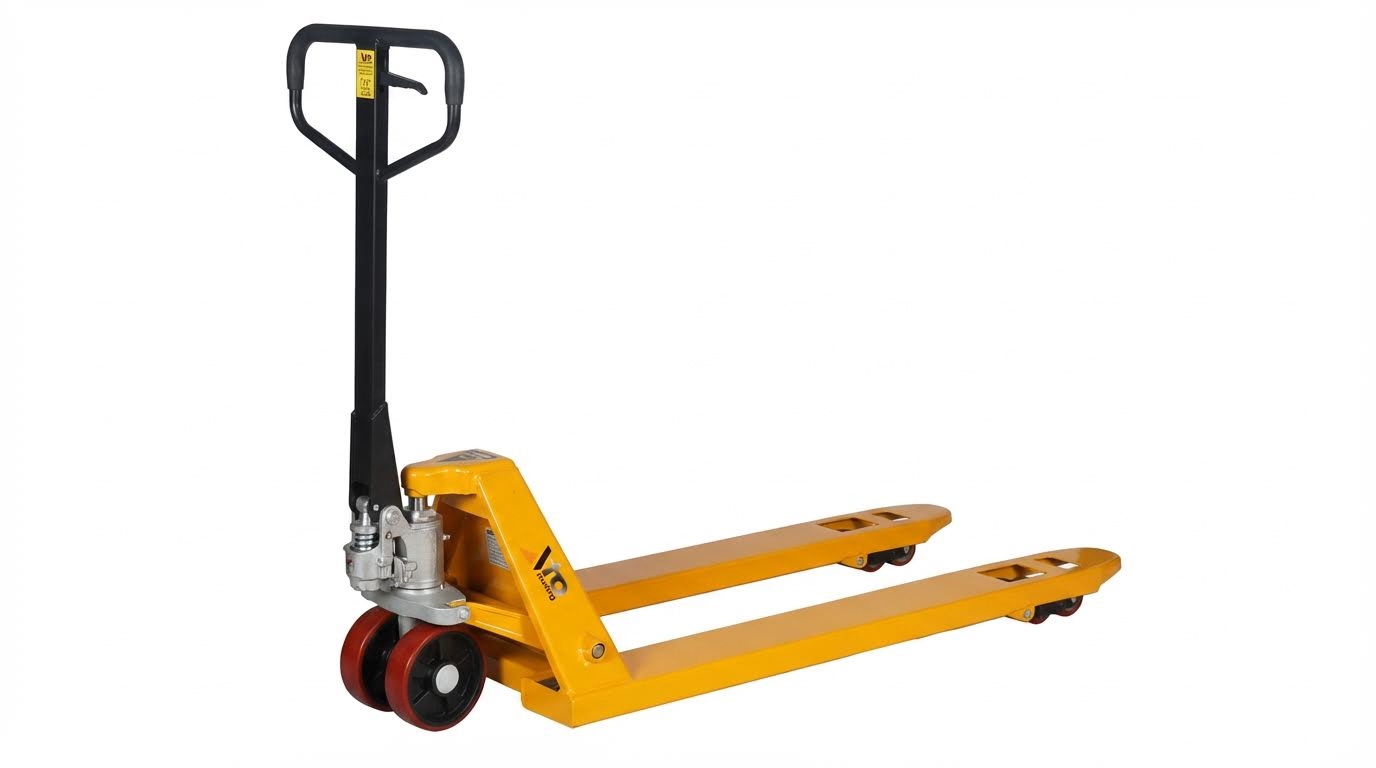
Pallet truck wheel replacement and repair relied on systematic inspection, clear wear criteria, and correct tooling. Maintenance teams monitored functional symptoms such as noise, drag, and poor tracking, and combined these with visual limits like flat spots, chunking, rust, and floor marking to trigger replacement. Best practice required replacing wheel pairs together, aligning axles, sleeves, and washers correctly, and verifying smooth rolling after reassembly. These routines reduced unplanned downtime and supported compliance with occupational safety requirements.
Industry practice evolved toward standardized repair kits that bundled wheels, axles, spacers, and fasteners for specific truck models. This approach simplified parts management and encouraged sites to hold strategic spares to protect uptime in multi‑shift operations. At the same time, guidance emphasized ergonomic working positions, controlled tipping or supporting of the truck, and consistent lubrication of linkage rods and pivot points.
Future trends pointed to more durable wheel materials, better corrosion resistance, and tread formulations that reduced floor marking while maintaining low rolling resistance. Digital maintenance systems increasingly logged wheel changes, tracked service intervals, and linked condition checks to safety audits. Over time, facilities could expect closer integration between pallet trucks and fleet management platforms, with sensor‑based monitoring of usage and impact loads.
For practical implementation, sites needed clear work instructions, trained technicians, and standardized tool sets including pin punches, snap‑ring pliers, and torque‑controlled wrenches. A balanced strategy combined conservative replacement thresholds with data from failure history to avoid both premature change‑outs and unsafe overuse. As technology advanced, the core principle remained stable: accurate diagnosis, correct parts, and disciplined procedures delivered safe, low‑cost pallet truck operation.