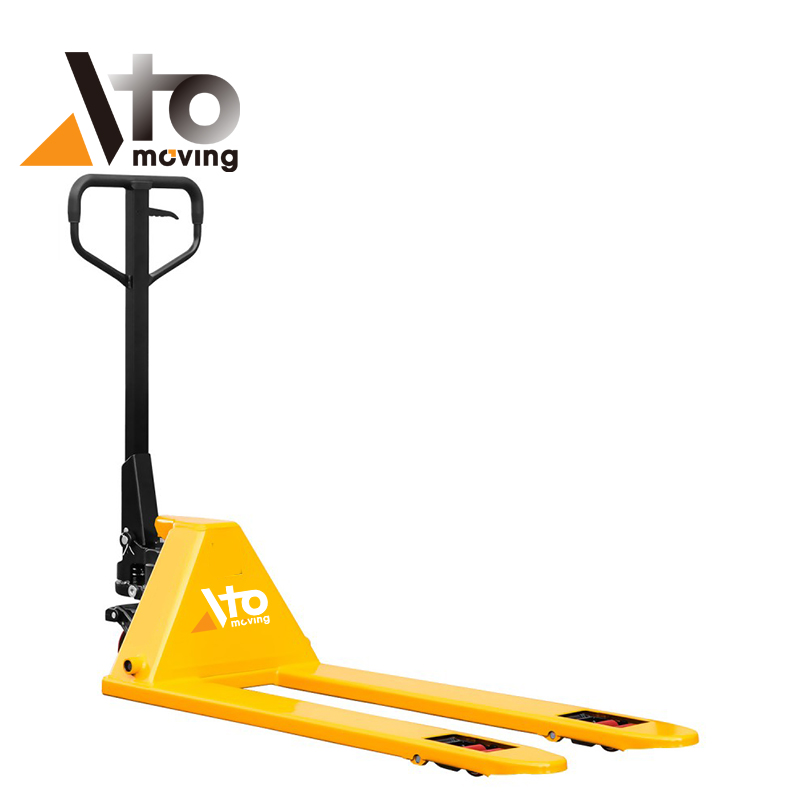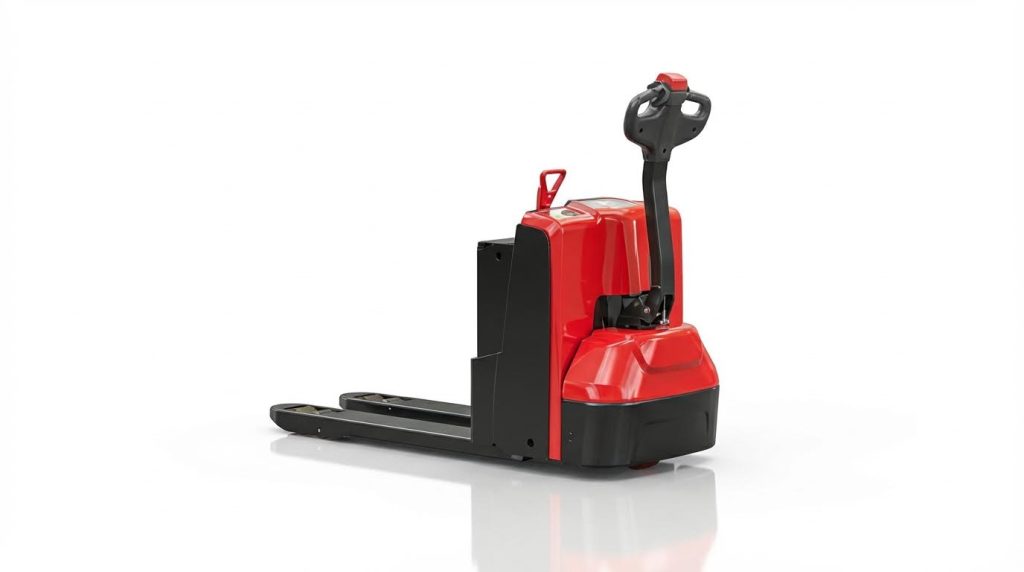
If your pallet jack refuses to go up, you can usually trace it to a few repeatable hydraulic or mechanical faults. This guide walks you through how to fix a pallet jack that won’t go up using fast, structured checks instead of guesswork. You’ll see how the hydraulic circuit works, the most common failure modes, step‑by‑step diagnostics, and the preventive routines that keep lifting performance reliable and safe. Whether you maintain one jack or a whole fleet, the goal is maximum uptime with minimum trial‑and‑error.
Core Causes Of A Pallet Jack That Won’t Go Up
Understanding why a pallet jack will not lift is the first step in knowing how to fix a pallet jack that won’t go up safely and efficiently. This section breaks the problem into the hydraulic circuit itself and the typical mechanical or hydraulic failures that interrupt pressure build‑up. Use it as a quick technical map before you start hands‑on diagnostics.
How the pallet jack hydraulic circuit works
The hydraulic unit converts short handle strokes into high pressure in the lift cylinder. If any stage in this circuit fails, the forks will not rise or will sink under load.
- Handle motion drives a small pump piston that draws oil from the reservoir through a suction path.
- On the upstroke, check valves close the suction side and push oil into the main cylinder, raising the ram.
- A release (lowering) valve opens a return path from the cylinder back to the tank when you pull the lever.
- Seals, O‑rings, and machined seats keep the system leak‑tight so pressure can build and hold.
- Oil quality and level control how consistently the jack can reach full stroke without spongy or jerky motion. Technicians routinely check fluid level, drift, and valve function during inspections.
Why oil level, air, and valves matter
Low oil level lets the pump suck air instead of fluid, so pressure collapses near the top of travel. Trapped air compresses, which makes the jack feel spongy and prevents full lift until you bleed it out. A stuck‑open release valve simply dumps pressure back to tank, so the forks will not rise or will drop as soon as you let go of the handle. Routine checks of oil level, bleeding, and valve operation are core to any repair.
Common failure modes that stop lifting
Most real‑world cases of a pallet jack that will not go up fall into a few repeatable patterns. Knowing these patterns makes it easier to decide how to fix a pallet jack that won’t go up without wasting time on random part changes.
| Failure mode group | Typical symptoms | Probable root causes | First technical actions |
|---|---|---|---|
| Low or contaminated hydraulic oil | Forks stop before full height; weak lift under load; noisy or jerky strokes | Oil below spec level; dirty, emulsified, or degraded fluid | Check reservoir level; top up with correct oil; drain and replace contaminated fluid as recommended. |
| Air in hydraulic circuit | Spongy feel; slow or uneven lifting; lift improves slightly after repeated pumping | Air drawn in at suction seals or during previous service; low oil level | Bleed system by pumping with lever in lower position; on some units open bleeder screw until air‑free oil flows per maintenance guides. |
| External leakage and worn seals | Visible oil on cylinder, pump body, or floor; forks drift down when parked loaded | Aged rod seals, O‑rings, base gaskets; damaged cylinder tube or fittings | Visually inspect for oil stains and wet areas; replace seal kits; repair or replace damaged components as part of leak repair. |
| Internal leakage / worn pump core | Lifts empty but not under rated load; handle effort increases with little fork movement | Worn pump bores, pistons, or internal sealing surfaces; worn piston seals | Pressure‑test unit; if internal bypass is confirmed, rebuild or replace pump core as troubleshooting guides advise. |
| Release / lowering valve faults | Forks will not rise at all or drop immediately after lifting; forks may not lower when commanded | Valve stuck partially open or blocked; misadjusted linkage; contaminated seats | Check handle and linkage adjustment; clean or replace valve; verify controlled descent and full pressure hold during repair. |
| Handle and control linkage issues | Handle moves but does not pump; no resistance; inconsistent lowering response | Loose, bent, or broken pins, bushings, or connecting rods between handle and pump | Inspect joints, pins, and bolts; tighten or replace worn parts; lubricate pivots to restore full stroke transfer as common linkage fixes. |
| Overloading and structural issues | Jack lifts partially then stalls; forks or frame visibly flex; wheels dig into floor | Load above nameplate capacity; bent frame or forks; damaged wheels or bearings | Verify load within rated range (often 2000–10 000 kg for manual units) per capacity guidance; inspect forks, frame, and wheels for damage. |
| Contamination, debris, and clogged passages | Jerky lift; inconsistent maximum height; handle feels rough or sticks | Dirt in oil; clogged filters or valve seats; debris around moving parts | Clean hydraulic components; flush or replace oil; remove debris from wheels, axles, and linkage; lubricate moving parts as part of routine maintenance. |
Once you match the symptom pattern on your truck to one of these failure modes, you can move directly to the relevant diagnostic and repair steps. That targeted approach is the most efficient way to decide how to fix a pallet jack that won’t go up while avoiding unnecessary part swaps and downtime.
Step‑By‑Step Diagnostics And Technical Fixes
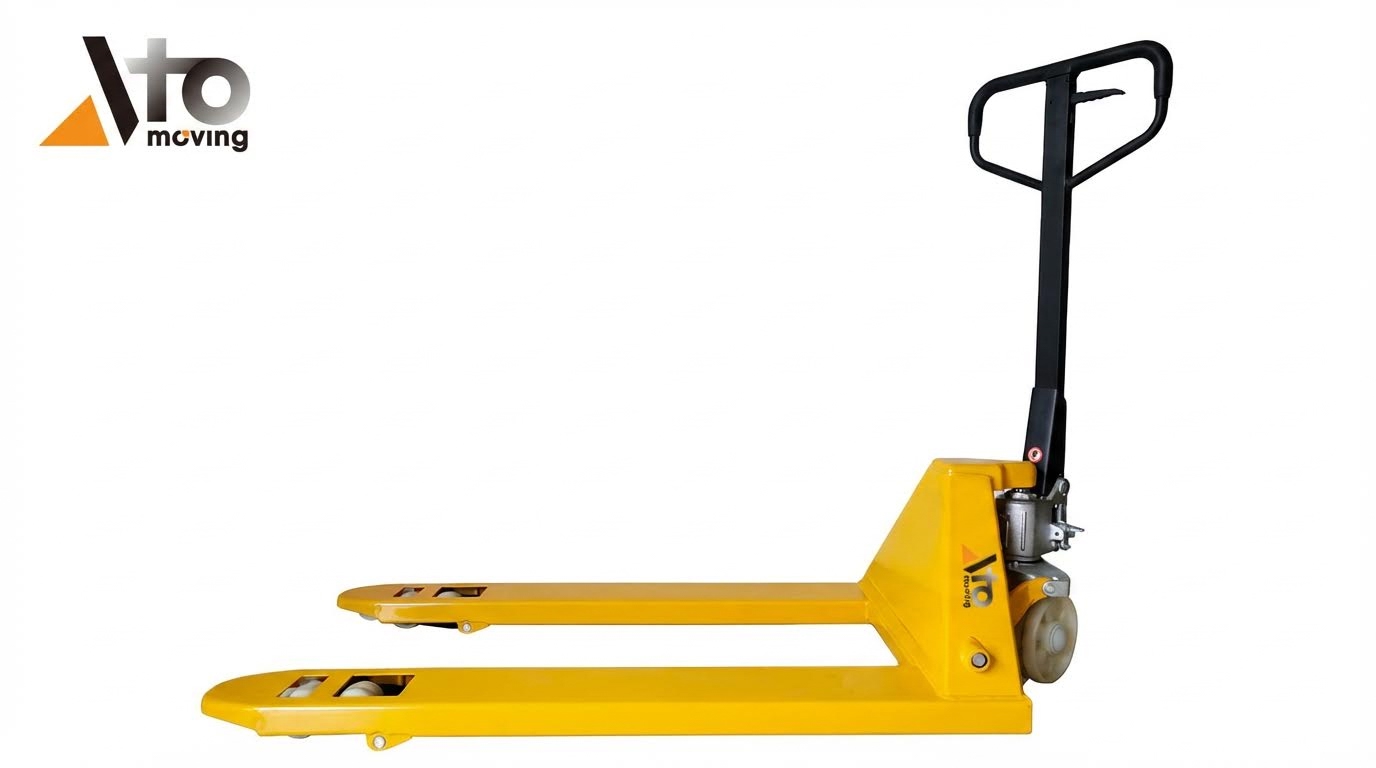
This section walks through practical, workshop‑ready checks to decide how to fix a pallet jack that won’t go up. Follow the steps in order: start with easy external checks, then move into hydraulic bleeding and finally internal component inspection if needed.
Checking oil level, contamination, and leaks
Start here any time a pallet jack will not lift to full height, lifts slowly, or sinks under load. Incorrect oil level or dirty oil is one of the most common root causes when you are deciding how to fix a pallet jack that won’t go up.
Safety prep before hydraulic checks
- Park on flat, solid floor; chock wheels if on a slope.
- Completely unload the forks.
- Set handle/lever to NEUTRAL (not lifting, not lowering).
- Wear eye protection and gloves; wipe off dirt around the pump unit.
- Keep rags ready for spills and avoid open flames near oil.
1. Check hydraulic oil level
- Locate the reservoir plug on the pump unit (often a hex or rubber plug).
- Clean around the plug so dirt does not fall into the tank.
- Remove the plug and check level: many service guides specify oil about 20–30 mm below the filler opening or reservoir top. Low oil prevents full stroke and pressure build‑up.
- If low, refill with the specified hydraulic oil grade (commonly ISO 32–46) until it reaches the correct height. Low hydraulic oil is a primary cause of no‑lift faults.
2. Inspect oil condition (contamination/emulsification)
- Look at the drained or sampled oil in a clear container.
- Normal oil: clear, uniform color, no sludge, no metal flakes.
- Contaminated oil: dark, milky (water ingress), with visible dirt or sludge. Dirty or degraded oil can cause slow or no lifting.
- If contaminated, drain the reservoir, flush with a small amount of fresh oil, and refill with new, correct‑grade hydraulic oil. Cleaning and relubrication reduce wear and restore smooth operation.
3. Check for external hydraulic leaks
- Wipe the pump body, cylinder, hose connections, and valve area clean.
- Operate the handle several strokes with no load and then under a moderate load.
- Look for fresh oil around:
- Rod seal at the top of the cylinder.
- Base of the cylinder and pump body joints.
- Hose/pipe unions and valve blocks.
- Persistent wetness or drips indicate leaks from aged or damaged seals, pipes, or cylinder walls. Hydraulic leakage often comes from worn seals, damaged pipes, or valve faults.
Leak‑related repair actions
- Replace worn rod seals, base seals, and O‑rings using a proper seal kit. New seals restore pressure retention and stop sinking under load.
- Drain and replace old oil if contamination caused seal damage. Fresh oil plus new seals is standard leak repair practice.
- Repair or replace cracked cylinders or damaged oil pipes where leaks are structural, not seal‑related.
Bleeding air and verifying valve operation
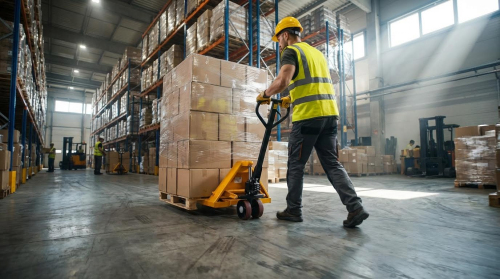
Air inside the hydraulic circuit reduces effective stiffness and prevents the pump from building pressure. This often shows as “spongy” pumping, partial lift, or forks that rise empty but struggle under load. Bleeding air is a core step in how to fix a pallet jack that won’t go up after topping up oil.
1. Standard air‑bleeding procedure
- Unload the pallet jack completely.
- Set the control lever to the LOWER or RELEASE position.
- Pump the handle through 10–20 full strokes. Repeated pumping with the valve open helps purge air pockets.
- Return the lever to the LIFT position and test lifting with no load, then with a moderate test load.
Models with a bleed screw
- Locate the dedicated bleeder on the cylinder or pump housing.
- With the jack unloaded, slightly loosen the screw.
- Operate the handle until a steady, air‑free oil stream flows.
- Tighten the screw to the specified torque to avoid future suction leaks. Proper bleeding removes aeration that causes spongy lifting.
2. Quick functional check of valve operation
| Component | Simple test | Likely symptom if faulty | Typical corrective action |
|---|---|---|---|
| Lowering / release valve | With a load raised, move lever slightly toward lower and back to neutral; check if forks hold height. | Forks drop immediately or cannot lift at all (valve stuck open or mis‑adjusted). A stuck release valve prevents pressure holding. | Clean, adjust, or replace valve; verify linkage is not holding it open. |
| Check valves (pump outlet) | Pump handle under load and watch for jerky motion or lift that falls back between strokes. | Pressure will not build, or height drops between pumps due to backflow. | Disassemble pump, clean valve seats, replace worn balls/springs or cartridges. Valve cleaning or replacement is often required. |
| Overload / relief valve | Compare lifting behavior with empty forks vs. near‑rated load. | Lifts normally empty but stops or will not rise near capacity; valve may be opening too early. | Check that load is within rated capacity; if so, relief setting or components may need professional adjustment. |
3. Handle linkage and control checks
- Inspect the linkage rods, pins, and adjusters between the handle and the pump unit.
- Look for loose, bent, or broken parts that might hold the release valve slightly open or prevent full pump stroke. Misaligned linkage can cause an unresponsive handle.
- Tighten bolts and pins; replace worn bushings or joints. Loose handles often indicate worn connecting parts.
When bleeding and valve checks are not enough
If the jack still will not lift after correct oil fill, air bleeding, and basic valve checks, suspect deeper issues like suction‑side air leaks, damaged seals, or cavitation at the pump inlet. At that point, moving to internal inspection of seals and the pump core is justified. Air pockets and damaged O‑rings are common deeper causes.
Inspecting seals, pump core, and internal leakage
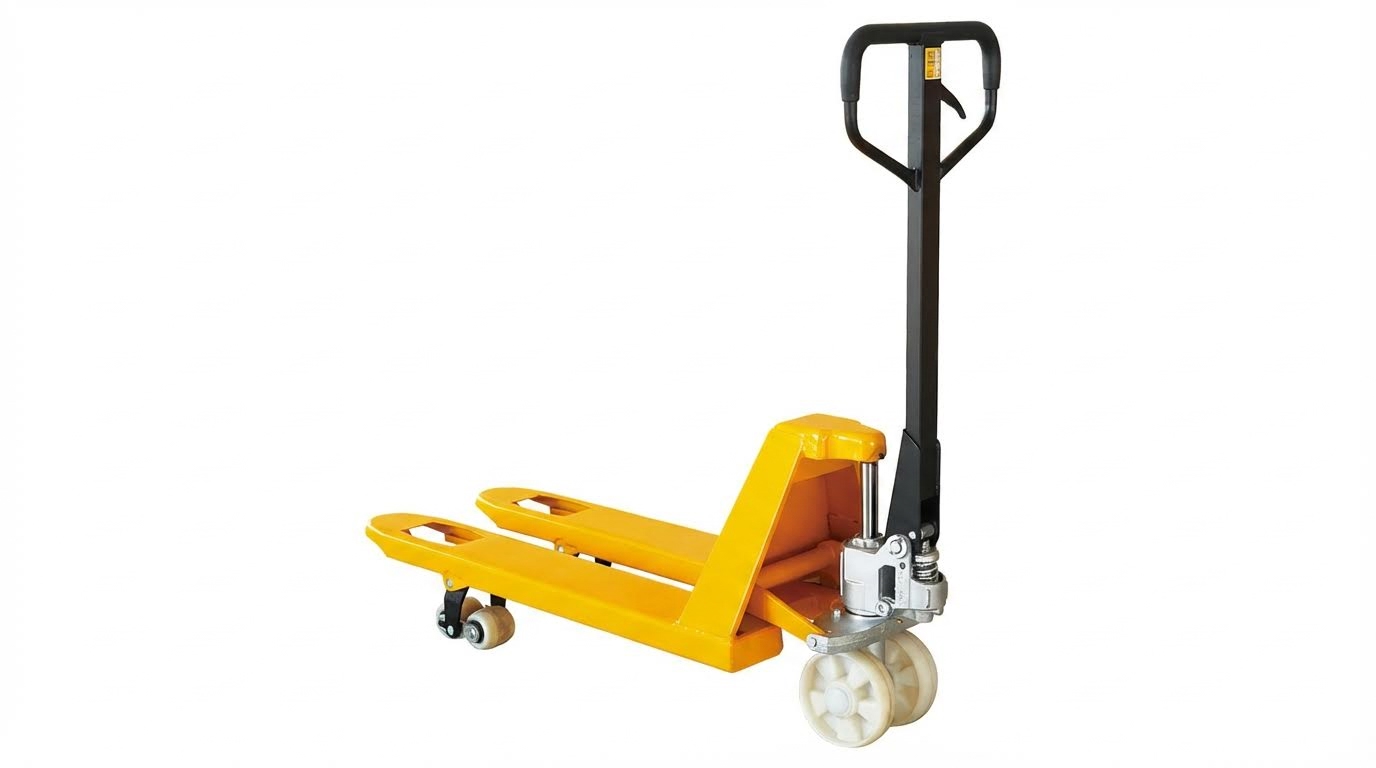
Internal leakage means the pump moves oil, but pressure “slips” past internal clearances instead of lifting the load. This is the main hidden reason many users struggle with how to fix a pallet jack that won’t go up even after oil and air checks look fine.
1. Symptoms pointing to internal leakage
| Observed behavior | Most likely internal cause |
|---|---|
| Lifts normally with no load, but will not lift or is very weak under load. | Worn pump core or internal sealing surfaces; oil bypasses at higher pressure. Worn cores often show “no lift under load” faults. |
| Forks lift, then slowly sink even though no external leaks are visible. | Worn piston seals, rod seals, or internal check valves leaking back to tank. Internal leakage causes slow or uneven lifting and drift. |
| Jerky movement, uneven height between strokes, even after bleeding air. | Clogged hydraulic passages, dirt on valve seats, or partial blockage in lines/filters. Blockages cause unstable pressure and jerky lifting. |
2. Seal inspection and replacement
- Remove the hydraulic unit according to the manufacturer’s procedure.
- Disassemble the cylinder and pump section on a clean bench.
- Inspect:
- Piston seal and rod seal lips for cuts, flattening, or hardening.
- Base seals and O‑rings on plugs, ports, and valve cartridges.
- Valve seats and bores for scoring or embedded particles.
- Replace all suspect seals using compatible materials and dimensions. New elastomeric parts often restore pressure retention.
- Clean all metal parts thoroughly to remove dirt that could obstruct valves. Regular cleaning prevents dirt from blocking valves.
3. Pump core and internal component assessment
- Check pump plungers and bores for scoring, pitting, or excessive clearance.
- Inspect internal check valves, balls, and springs for wear or deformation.
- Evaluate the main pump body and cylinder for cracks or heavy wear at sealing surfaces.
- If the pump core is badly worn, replacement or full hydraulic unit rebuild is usually more economical than partial repair. Severely worn pump cores typically require professional replacement.
Reassembly and final pressure check
- Reassemble the unit with fresh, compatible hydraulic oil (ISO grade recommended by the manufacturer). Preventive Maintenance And Safe Operating Limits
Preventive maintenance is the cheapest way to avoid emergency downtime when you are working out how to fix a manual pallet jack that won’t go up. This section focuses on load limits, structural checks, and routine inspections that stop small issues turning into hydraulic failures.
Load capacity, overloading, and drift checks
Keeping loads within rating and watching for drift protects the hydraulic unit, frame, and operator. Many “no lift” complaints trace back to chronic overloading or ignored leak-down symptoms. Use the checks below as a quick, repeatable routine.
- Always confirm the rated capacity on the nameplate before loading.
- Never exceed the rating, even if the jack “seems” to lift it once.
- Watch for forks that slowly sink (drift) under a steady load.
- Stop using any jack that drifts or shows visible oil leaks.
- Train operators to report overload attempts and drift immediately.
Checkpoint How to do it What is acceptable What it tells you Rated capacity vs. actual load Compare pallet weight to capacity plate or documentation Load ≤ rated capacity (typ. 2000–10,000 kg range) Typical capacity range Frequent overloading accelerates pump, seal, and frame damage and often leads to jacks that will not lift Static drift test (no load) Raise forks fully, no load, mark height, wait 10–15 minutes Height change negligible (a few mm at most) Drop indicates internal leakage in cylinder, valves, or seals Leak causes Drift test under rated load Load within capacity, raise to working height, mark fork height, time 5–10 minutes No noticeable sinking during the test window Sinking under load points to worn rod seals, base seals, or internal pump leakage Seal and valve issues Hydraulic oil level Park level, lower forks, check reservoir; oil should sit below filler opening Level around 20–30 mm below top of reservoir Recommended range Low oil causes limited stroke and “won’t go up” complaints, especially at top of lift Overload behavior Attempt to lift a known heavy pallet close to capacity Jerk-free lift with no unusual noises or frame flex Pump straining, no lift, or sudden drop suggests overloading or damaged relief valve Overloading effects Why overloading leads to “won’t lift” failures
Repeated overloading forces the hydraulic pressure relief valve to open frequently. This drives up oil temperature, degrades seals, and can damage the pump core. Over time, the jack may lift when empty but fail under load because internal leakage bypasses pressure instead of raising the forks. Internal leakage and worn pump cores
Building these capacity and drift checks into weekly inspections dramatically reduces sudden lifting failures. They also give early warning when you are close to needing seal or pump work, long before you are searching how to fix a manual pallet jack that won’t go up in the middle of a shift.
Wheels, frame, handle, and control inspections
Many “hydraulic” complaints are actually rolling resistance, bent frames, or control linkage faults. These are fast to inspect and cheap to fix if you catch them early.
- Inspect wheels and bearings for flat spots, chips, and debris.
- Check the frame and forks for cracks, bends, or twisted geometry.
- Verify the handle and control linkage move smoothly through all positions.
- Confirm the jack rolls freely with and without load.
Component group Inspection task What to look for Action if out of spec Load and steering wheels Visual and functional check of wheels and bearings Even tread, no chunks missing, no binding; debris cleared from around wheels Wheel maintenance Remove debris, lubricate axles, replace worn wheels or bearings (e.g., common sizes Φ160×50 steering, Φ64×70 fork) Typical dimensions Frame and forks Check structure, welds, and fork alignment No cracks, rust-through, or bent beams; forks parallel and level; welds intact Frame integrity Remove from service if cracked or heavily bent; repair or replace to restore structural capacity Handle and linkage Operate lift/neutral/lower positions under light load Positive detents, no excessive play, handle returns to neutral smoothly; no sticking lower valve Control checks Tighten bolts and pins, replace worn bushings or link rods, lubricate joints; repair or replace stuck release valve if forks will not lower or keep dropping Lowering mechanism issues Hydraulic unit area Visual leak and cleanliness check Clean surfaces, no fresh oil around seals, rods, or hoses; no dirt buildup on moving parts Cleaning and lubrication Clean thoroughly, replace worn seals or O-rings, change contaminated oil, and bleed air from the system to restore smooth lifting Overall rolling test Push and steer the jack unloaded and then with a moderate load Low push force, no side-drag, smooth steering response Investigate wheel alignment, bent forks, or twisted frame if push force is high; correct before blaming the hydraulics Routine lubrication and cleaning tips
Keep the jack clean around the pump, axles, and pivot points to prevent debris from blocking movement or scoring seals. Regularly lubricate wheel axles, handle pivots, and linkage joints to cut friction and wear. Dry, ventilated storage slows corrosion and keeps moving parts free. Cleaning and lubrication practices
When these mechanical and structural checks are part of your standard maintenance, hydraulic problems become easier to diagnose and less frequent. You spend less time figuring out how to fix a manual pallet jack that won’t go up and more time keeping loads moving safely and efficiently.
“”
Final Recommendations For Reliable Pallet Jack Uptime
Keeping a pallet jack lifting reliably is not guesswork. It comes from linking hydraulic health, structural integrity, and safe loading into one routine. When you control oil level, air, and valve function, the hydraulic circuit can build and hold pressure. When you respect capacity and watch for drift, you protect seals, the pump core, and the frame from overload damage. When you keep wheels, handle linkage, and the chassis in line, the jack rolls freely and control inputs reach the hydraulic unit correctly.
Maintenance and operations teams should follow a fixed order. First, confirm load is within rating and the frame, forks, and wheels are sound. Next, check oil level and condition, then bleed air and test valve behavior. Only then move to seal replacement or pump core work. This step logic cuts downtime and avoids random part changes.
Build these checks into weekly inspections and simple operator walk‑arounds. Treat early drift, leaks, and hard rolling as stop signals, not background noise. That culture, backed by clear procedures, keeps Atomoving pallet jacks lifting safely, extends component life, and delivers predictable uptime on every shift.
Frequently Asked Questions
Why won’t my pallet jack go up?
If your pallet jack isn’t lifting, it could be due to issues with the hydraulic system. Common problems include low hydraulic fluid levels, air trapped in the system, or worn seals and valves. Another possible cause is a malfunctioning ram, often due to rust, lack of lubrication, or incorrect oil levels. Hydraulic Jack Troubleshooting.
What steps can I take to fix a pallet jack that won’t lift?
To address this issue, start by checking the hydraulic fluid level and refill if necessary. Next, bleed the system to remove any trapped air. Inspect the seals and valves for wear and replace them if needed. Ensure the ram is properly lubricated and free of rust. If these steps don’t resolve the problem, consider consulting a professional technician. Hydraulic Jack Repair Guide.