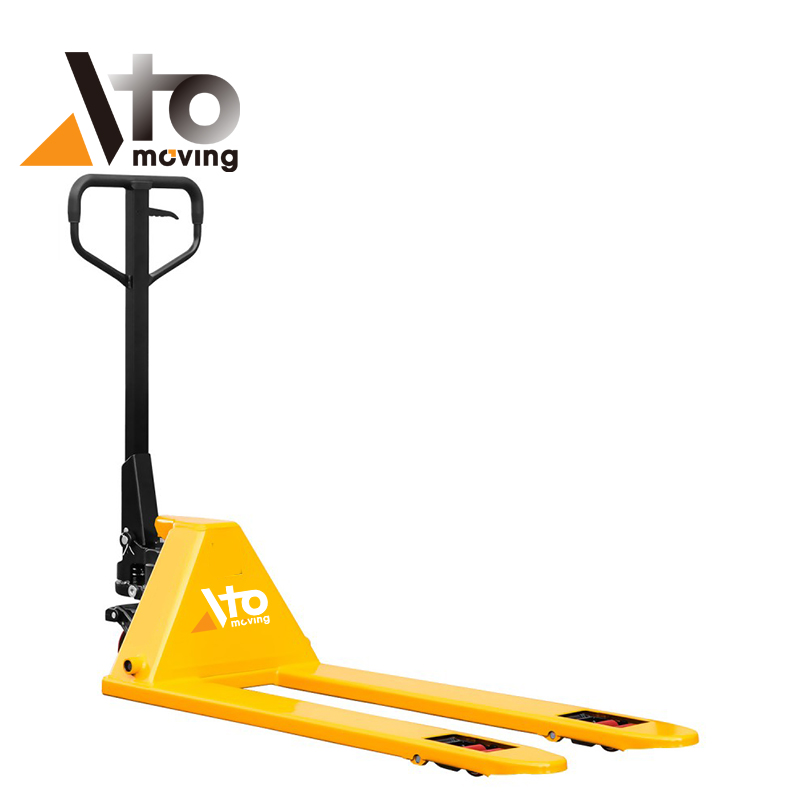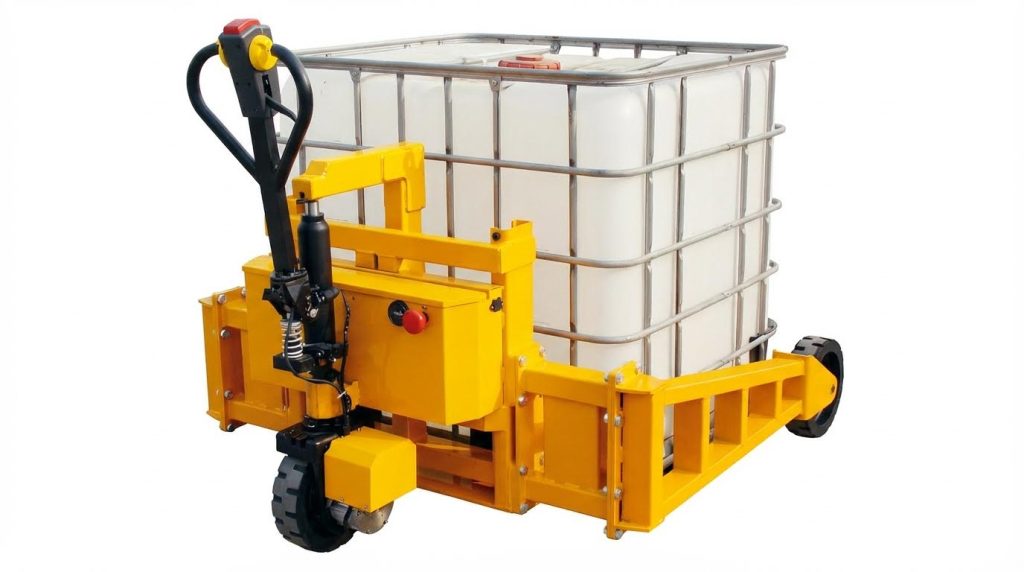
Manual pallet jacks played a central role in warehouses, retail backrooms, and distribution centers by enabling low-cost, flexible pallet handling. Safe, efficient operation depended on correct pre-use inspection, route planning, and adherence to OSHA-aligned facility rules across varied floor and traffic conditions. This article outlined how to plan work, check equipment, and use proper technique when lifting, moving, and placing pallets, including ramps, tight spaces, and irregular loads. It also detailed safety, ergonomics, and maintenance practices that reduced injuries, extended equipment life, and supported reliable pallet handling performance.
Pre‑Use Planning, Inspection, And Risk Assessment
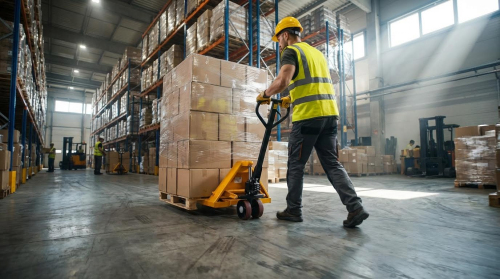
Safe pallet jack operation started before the first pump of the handle. Effective pre‑use planning reduced mechanical failures, musculoskeletal strain, and collision risks. A structured approach considered the load, route, equipment condition, and operator capabilities. This section described how to integrate these checks into standard work to keep handling predictable and compliant.
Assessing load, route, and floor conditions
Operators first verified the load characteristics: mass, center of gravity, footprint, and stacking stability. They compared the estimated mass with the pallet jack’s rated capacity shown on the data label, staying below the limit with a safety margin. The load had to sit on an intact pallet, with no broken deck boards, missing blocks, or protruding nails. Before moving, operators walked the intended route, checking for tight turns, ramps, thresholds, and congestion points.
Floor conditions directly affected required push force and stopping distance. Operators inspected for debris, loose wrap, cords, wet spots, and oil, then removed or reported them. They confirmed that floor transitions, dock plates, and expansion joints would not catch wheels or forks. For outdoor moves, they considered rough concrete, potholes, or gravel and used pallet jacks with suitable wheels where available. They also verified that travel paths through doors, aisles, and intersections offered adequate width and visibility for the load height.
Pre‑operational inspections and functional checks
Before each shift, operators performed a quick visual and functional inspection. They checked forks for bends, cracks, or twisted tips, and ensured welds remained intact. Wheels and rollers had to spin freely, with no flat spots, embedded debris, or broken bearings. The handle, linkage, and pivot points were examined for damage, excessive play, or misalignment.
Hydraulic performance was verified by lowering the forks fully, then pumping the handle three to six times under no load. Sluggish lift, sinking forks, or jerky motion indicated air in the system or low oil. Operators tested the lowering control to confirm smooth, controllable descent without sudden drops. Any oil leaks around the pump, cylinder, or fittings required removing the jack from service until maintenance cleared it. Facilities often used simple checklists to document inspections and support preventive maintenance programs.
OSHA, facility rules, and operator training needs
OSHA treated manual pallet jacks as powered industrial truck adjuncts in many safety programs, even though formal licensing was not required. Employers still had a duty to train workers in hazard recognition, load limits, and safe handling techniques. Site procedures typically defined who could operate pallet jacks, where they could be used, and any restrictions near docks or ramps. Written rules also covered speed, right‑of‑way in mixed traffic, and no‑riding policies.
Supervisors ensured operators knew the specific jack types in the facility, including any electric walkies or high‑lift variants. Training emphasized reading capacity labels, following manufacturer instructions, and understanding emergency responses, such as lowering a load quickly but safely. Refresher training followed incidents, near misses, or equipment changes. Aligning local rules with OSHA guidance and industry best practices reduced inconsistent behaviors between shifts and departments.
PPE selection and ergonomic risk factors
Personal protective equipment complemented, but did not replace, engineering and procedural controls. Operators wore safety footwear with toe protection and slip‑resistant soles to limit crush and slip injuries. Work gloves improved grip on handles and protected against sharp pallet edges or banding. Facilities sometimes required high‑visibility vests in mixed traffic zones and hearing protection in high‑noise areas.
Ergonomic risk assessment focused on push and pull forces, handle height, and trunk posture. Operators minimized waist bending by raising loads on extra empty pallets when appropriate and positioning pallets to avoid repeated stooping. Procedures favored pushing over pulling to reduce spinal load and improve directional control. Supervisors monitored for early signs of strain, such as complaints of shoulder or low‑back discomfort, then adjusted staffing, routes, or equipment selection. Back belts were not treated as a primary control, since evidence for injury reduction remained inconclusive and could encourage overexertion.
Correct Technique To Lift, Move, And Place Pallets

Correct technique ensured safe, efficient pallet handling and reduced equipment damage. Operators planned each move, matched load weight to pallet jack capacity, and verified the route before lifting. They kept forks low during travel, maintained clear sight lines, and positioned loads accurately at the destination. Consistent technique also reduced ergonomic stress and extended pallet jack service life.
Positioning forks and centering the pallet load
Operators aligned the forks with the pallet entry points before insertion. They lowered the forks completely using the release lever to eliminate unintended contact and reduce insertion force. The forks then slid fully under the pallet until the heel of the fork sat inside the pallet footprint. Centering the load meant the pallet’s center of gravity sat between the forks, not offset to one side. Operators avoided placing heavy items at the pallet edge, which increased tipping risk and fork bending. For damaged or lightweight pallets, they verified that deck boards and stringers could support the expected load before lifting.
Lifting heights, stability, and travel clearances
Manual pallet jacks typically lifted pallets to about 0.20 m, while some models reached approximately 0.25 m. Operators raised the load only until the pallet cleared floor irregularities, usually 20–50 mm above the surface. Excessive lift height reduced stability by raising the combined center of gravity and increasing overturning moment. During travel, forks stayed as low as practical to minimize fall distance if the load shifted. Operators avoided sudden pumping while moving, which could destabilize the stack. Before final placement, they stopped the jack, aligned the pallet, and lowered it smoothly until the weight fully transferred to the floor or rack support.
Push vs. pull, ramps, and confined space maneuvers
Best practice favored pushing the pallet jack because pushing engaged stronger leg muscles and reduced lumbar spine load. Pulling was reserved for short repositioning or when visibility required it, with the operator walking beside, not directly in front of, the forks. On ramps, operators descended backward with manual jacks so they could control speed and prevent runaway loads. They never turned on a slope; they aligned the truck straight before ascending or descending. In confined spaces, such as tight aisles, they used short, controlled handle movements and reduced speed. They maintained clearance from walls, racking, and fixed obstacles to prevent hand, foot, and fork impacts. On rough or outdoor surfaces, they selected pallet trucks with suitable wheels and verified that clearances remained adequate over thresholds.
Handling irregular, stacked, or unstable loads
Irregular or top‑heavy loads required additional stabilization before movement. Operators centered these loads on the forks and used straps or stretch wrap to bind loose items. They avoided stacking goods above eye level, which obstructed visibility and increased tip‑over risk. For mixed carton sizes, heavier cartons went at the bottom, with lighter units on top to lower the center of gravity. They checked that stacked pallets nested correctly and that the upper pallet did not overhang excessively. When handling partial or damaged pallets, operators reduced travel speed and avoided sharp turns. If the load remained visibly unstable after securing, they used alternative handling methods or additional equipment rather than forcing movement with a manual pallet jack.
Safety, Ergonomics, And Operational Best Practices

Preventing tip‑overs, collisions, and foot injuries
Operators reduced tip‑over risk by controlling speed and avoiding sudden directional changes. They kept forks 20–50 mm above the floor during travel to maintain stability and limit tripping hazards. Loads stayed centered on the forks, with weight distributed evenly across both blades to prevent lateral tipping. Operators avoided stacking pallets too high, which raised the center of gravity and increased overturn risk.
Facilities required clear aisles, free from debris, cords, and wet patches that could cause jolts or loss of control. Operators watched for pedestrians and maintained eye contact or used verbal warnings in shared areas. They never carried passengers or allowed riders on the pallet jack, which reduced collision and crush hazards. Safety shoes with toe protection and slip‑resistant soles limited severity of foot injuries from rolling loads and dropped pallets.
Operators kept hands and feet clear of the steering wheels and fork tips during lifting and lowering. They lowered forks fully when parking to prevent trip hazards and unintended movement. On slopes, they followed manufacturer instructions and avoided turning on the ramp, which reduced lateral instability. In emergencies, they set the brake and lowered the load to the floor as quickly as safely possible.
Ergonomic techniques to reduce strain and fatigue
Ergonomic practice focused on minimizing peak push and pull forces and limiting awkward postures. Operators generally pushed rather than pulled, because pushing aligned body weight behind the load and reduced spinal loading. They kept the handle near waist height and elbows close to the torso to avoid shoulder overreach. Short, smooth starts avoided high initial force spikes that stressed hands, arms, and lower back.
Before moving heavy loads, operators verified that floor surfaces were smooth, clean, and free of ruts, which reduced rolling resistance. Facilities used pallet jacks with suitable wheel materials and maintained bearings to keep required hand forces within acceptable ergonomic guidelines. Where frequent handling occurred at floor level, workers stacked empty pallets under loads to raise the working height and reduce trunk flexion. Training emphasized bending at the hips and knees instead of the waist when adjusting loads by hand.
Supervisors discouraged reliance on back belts, because evidence did not confirm injury reduction and belts sometimes encouraged overloading. Workflows limited continuous high‑force tasks and allowed short recovery breaks for high‑frequency operations. When risk assessments identified excessive forces or long travel distances, facilities considered powered equipment instead of manual jacks. Regular feedback from operators helped identify early ergonomic issues such as grip discomfort or excessive vibration.
Operating in elevators, docks, and mixed traffic areas
In elevator use, operators confirmed the rated capacity could support the pallet jack, load, and personnel. The load entered first, and the operator positioned behind it to act as a brake and maintain control. Facilities restricted additional passengers during entry and exit to prevent crowding and collision hazards. Operators centered the pallet in the car and set the forks low and stable before movement.
At loading docks, operators checked dock plates for correct positioning, capacity, and absence of damage before crossing. They ensured the trailer was restrained and the height difference minimized to reduce impact forces on wheels. Travel speeds stayed low near dock edges, and turning close to drop‑offs was avoided. Wheel chocks, dock locks, and clear visual markings supported safe pallet jack operation in these transition zones.
In mixed traffic areas with forklifts and pedestrians, facilities used marked pedestrian routes and equipment lanes. Operators maintained line of sight, avoided blind corner shortcuts, and used mirrors or spotters where visibility was restricted. Audible warnings and high‑visibility garments improved detection in busy aisles. Site rules typically gave right‑of‑way to powered industrial trucks, with manual jack operators yielding and stopping before intersections.
Common operator errors and how to prevent them
Frequent errors included exceeding rated capacity, ignoring damaged components, and rushing maneuvers. Facilities prevented overloading by making capacity plates visible and integrating weight checks into pre‑use planning. Daily inspections identified leaking hydraulics, bent forks, or worn wheels before operation. Supervisors removed defective jacks from service immediately and tagged them for maintenance.
Another recurring mistake was pulling heavy loads while walking backward, which increased fall and collision risk. Training stressed pushing with forward vision and using backward travel only under controlled conditions, such as specific ramp procedures. Operators also sometimes left forks raised when parked, creating trip hazards; procedures required forks fully lowered and jacks stored in designated areas. Posting simple checklists near storage zones
Summary: Key Practices For Reliable Pallet Jack Use
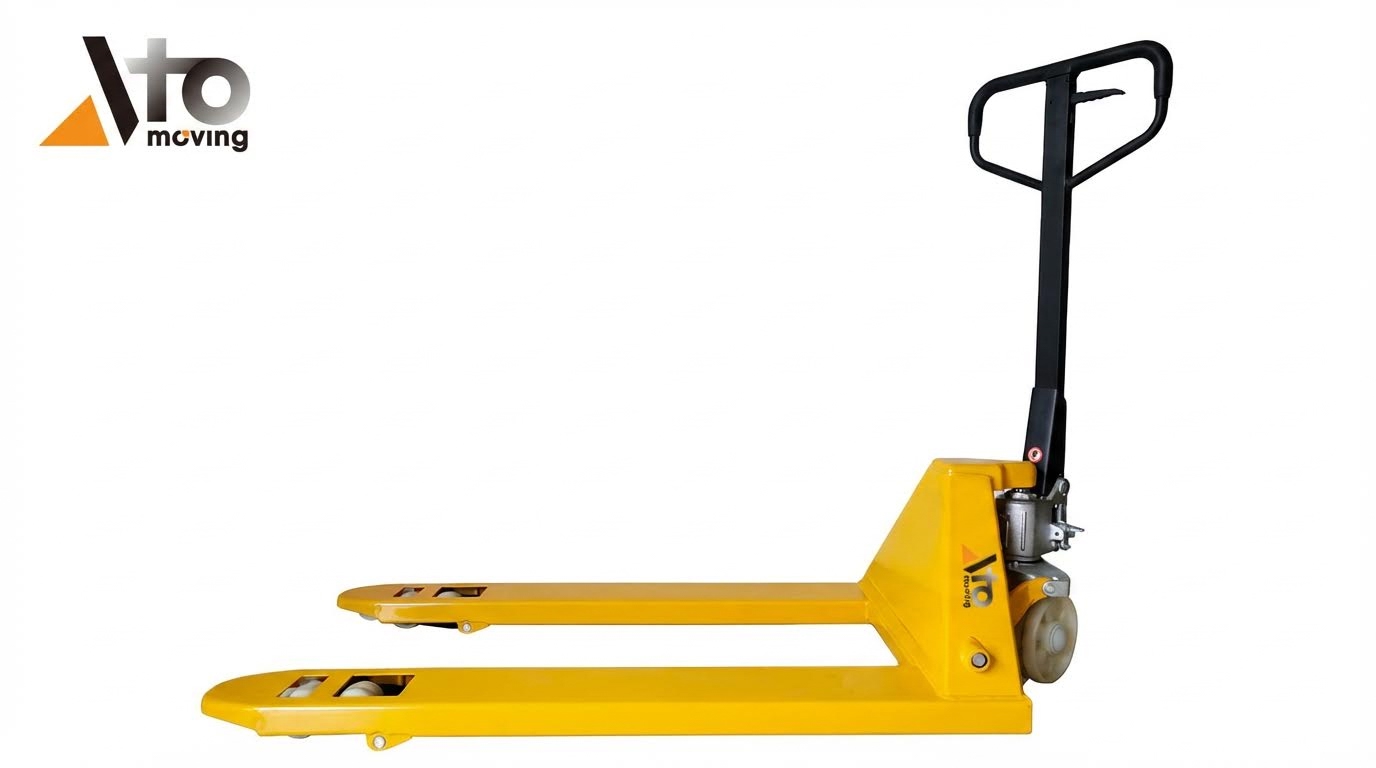
Safe, efficient manual pallet jack use relied on disciplined preparation, correct technique, and consistent maintenance. Operators first assessed load weight, center of gravity, route, and floor conditions, then verified that pallet jacks, pallets, and paths met basic safety criteria. Pre‑use inspections focused on wheels, forks, handle, and hydraulics, with defects tagged out rather than ignored. Facilities aligned these practices with OSHA guidance and internal rules, supported by model‑specific training and appropriate PPE.
During operation, correct fork positioning under intact pallets, centering of the load, and controlled lifting to 20–50 mm travel clearance maintained stability. Pushing rather than pulling reduced musculoskeletal load and improved visibility, while specific ramp techniques and confined‑space maneuvers limited runaway and crush hazards. Operators managed irregular or stacked loads by lowering travel speeds, securing product, and avoiding excessive stack heights that impaired sightlines or raised the center of gravity. Clear separation of pedestrian and equipment zones reduced collision risk in mixed traffic, including docks and elevator interfaces.
From an industry perspective, ergonomic focus and preventive maintenance reduced injuries and life‑cycle costs. Structured daily, weekly, and monthly care programs—cleaning, lubrication, hydraulic checks, and fork and wheel inspections—extended equipment life and preserved smooth, low‑effort handling. Future trends pointed toward wider use of power‑assist devices, improved wheel and handle designs, and tighter integration of training with digital checklists and incident data. Organizations implementing these practices treated manual pallet jacks as engineered systems, not simple tools, balancing productivity with regulatory compliance and long‑term worker health.