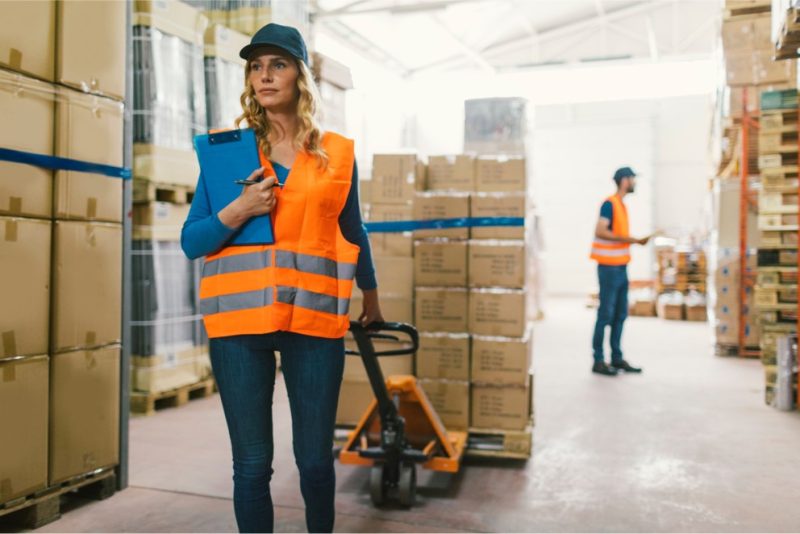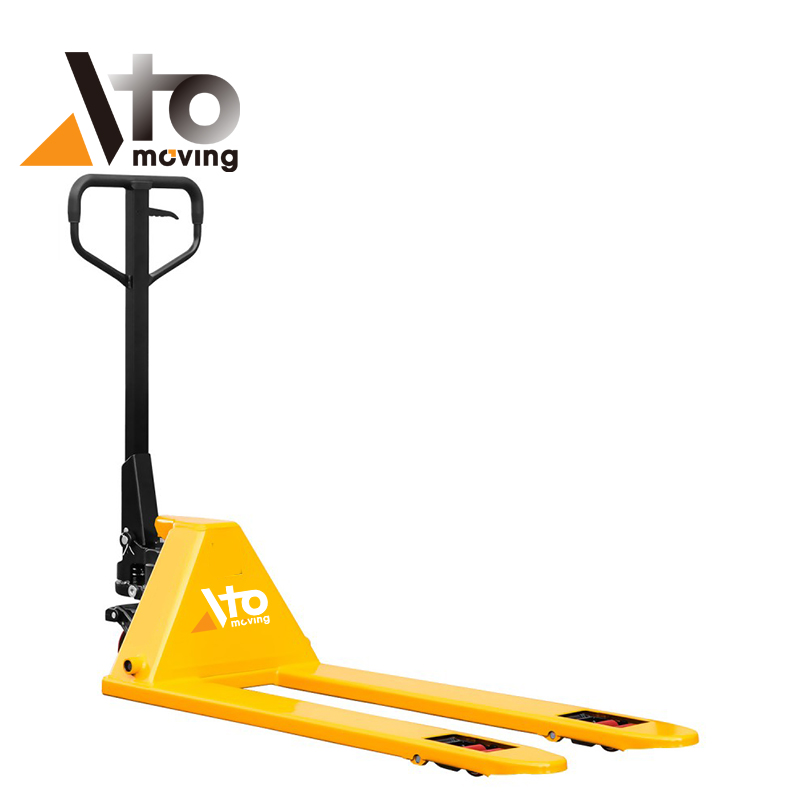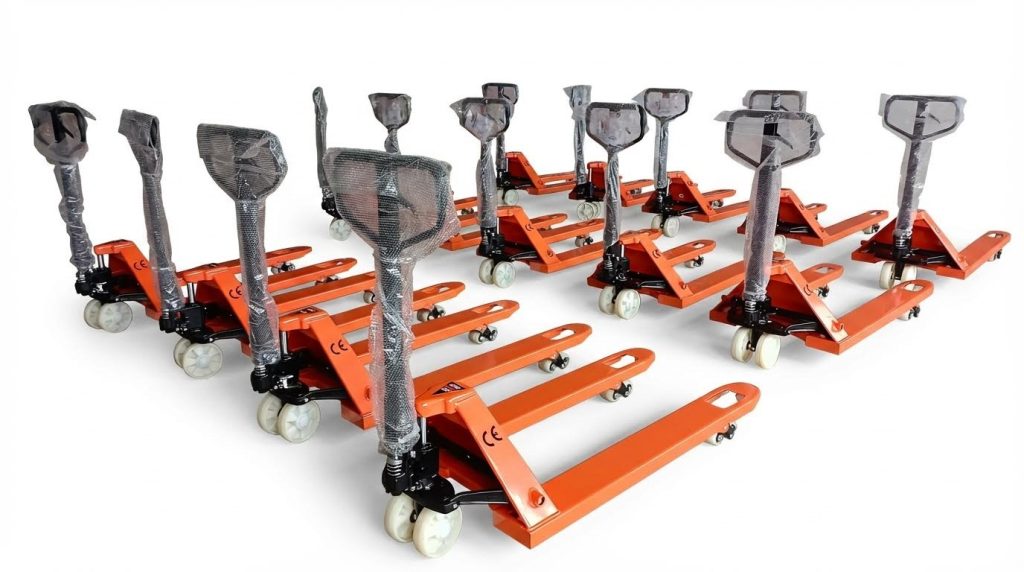
Powered pallet jacks bridged the gap between manual trucks and forklifts by moving heavy palletized loads quickly and with less strain. This article explains their core functions and operating principles, from key components and control modes to load ratings and stability compared with other equipment.
It then details safe operating procedures and OSHA-aligned practices, including pre-use checks, floor operation, ramps, and operator certification. The maintenance section covers inspection routines, battery care, hydraulic servicing, and emerging tools such as telematics and digital twins. Finally, the article summarizes best practices and provides selection guidelines to match equipment type, capacity, and features to specific warehouse and industrial applications.
Core Functions And Operating Principles
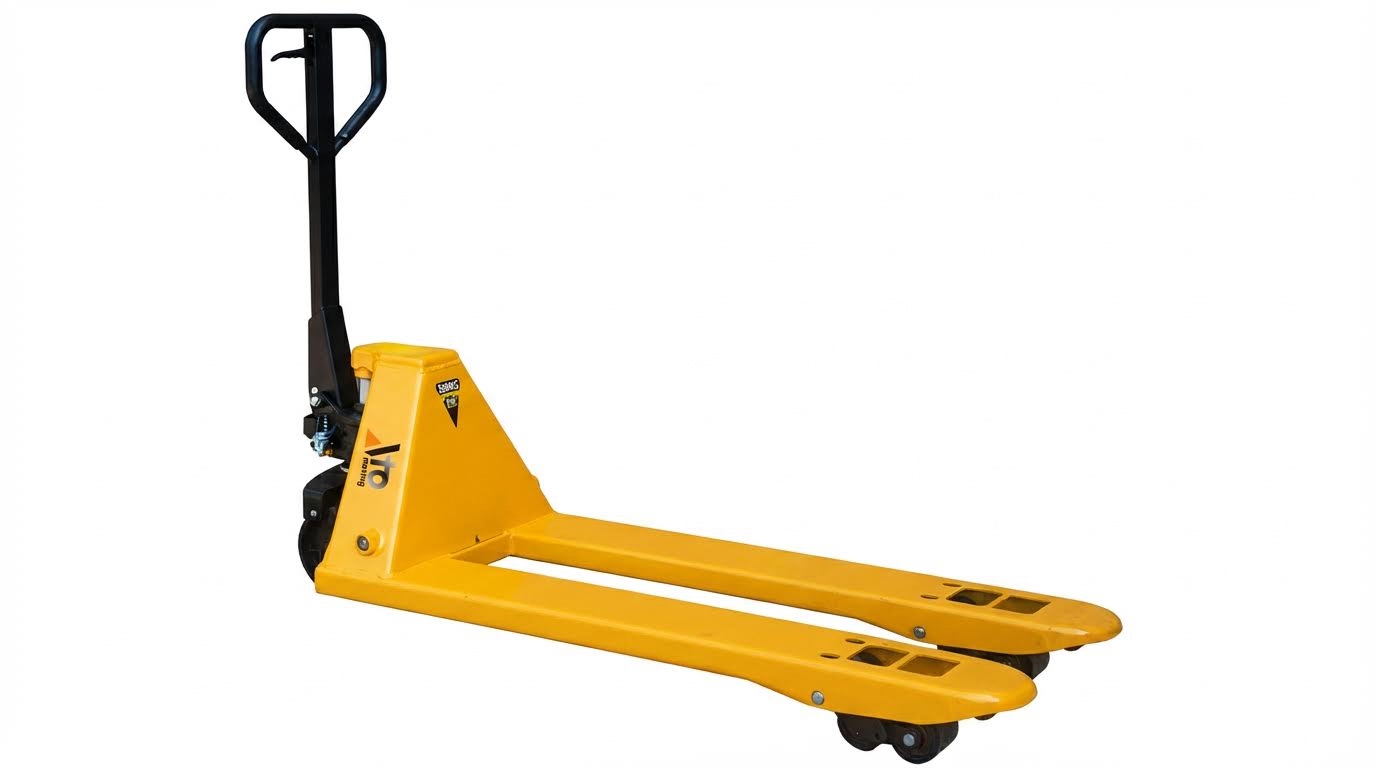
Powered pallet jacks used electric traction and hydraulic lift systems to move palletized loads efficiently in confined warehouse spaces. Their core function was to transfer loads over short to medium distances while minimizing operator effort and musculoskeletal strain. They bridged the capability gap between purely manual pallet trucks and counterbalanced forklifts, offering higher throughput with lower capital and training demands when used correctly.
Key Components Of Electric Pallet Jacks
Electric pallet jacks integrated three main subsystems: the chassis and fork assembly, the traction and steering unit, and the hydraulic lifting circuit. The chassis carried tapered forks sized to standard pallets, typically with fork lengths around 1 150 mm and low-profile fork tips for easy entry. An electric drive motor in the powered wheel supplied traction, controlled by a tiller-mounted throttle. A compact hydraulic power pack, driven by an electric motor and pump, raised and lowered the forks via a lift cylinder. The battery pack, often lead-acid or lithium-ion, provided energy storage and sat in a protected compartment for easy service. Safety devices included an emergency reverse “belly” button, horn, key or PIN access, and, on many models, on-board diagnostics for fault codes and preventive maintenance prompts.
Control Modes: Walkie, Rider, And Platform Types
Control mode defined how the operator interacted with the machine and strongly influenced productivity and risk profile. Walkie pallet jacks required the operator to walk ahead or beside the truck, holding the tiller and using a thumb or twist grip to control speed and direction. Rider versions added a fixed or folding platform plus grab rails, allowing the operator to stand on the truck during longer runs while still steering with the tiller. Platform or “walkie-rider” hybrids allowed both walking and riding modes, improving flexibility in mixed-distance applications. In every configuration, the control head consolidated lift, lower, horn, and emergency reverse functions, and standards required the operator to maintain clear visibility and stable stance relative to the load and travel direction.
Load Ratings, Stability, And Center Of Gravity
Manufacturers rated powered pallet jacks for a maximum load, typically between 1 500 kg and 4 000 kg, defined at a specified load center distance. The rated capacity assumed a standard pallet with a uniform load and a horizontal load center, often 600 mm from the fork heel for common models. Stability depended on the combined center of gravity of truck and load remaining within the stability triangle formed by the drive wheel and load rollers. Overloading, high stacking on the pallet, or off-center placement shifted the center of gravity and reduced lateral and longitudinal stability. Operators needed to keep forks at the minimum travel height that cleared the floor, avoid sudden acceleration or braking, and travel with the forks leading uphill to maintain traction and prevent uncontrolled rollback.
Comparing Manual, Electric Jacks, And Small Forklifts
Manual pallet jacks relied solely on human force for traction and a hand pump for lift, which limited practical loads and travel distances but reduced purchase and maintenance costs. Electric pallet jacks added powered traction and hydraulic lift, enabling frequent handling of loads weighing several thousand kilograms with reduced operator fatigue and higher cycle rates. They remained compact, with lower overall height than small forklifts, making them suitable for trailers, narrow aisles, and low-clearance mezzanines. Small electric forklifts or stackers offered greater lift heights, often up to 6 m, and better load stacking capability but required more operator training and stricter stability controls. In many warehouses, manual trucks handled light, infrequent moves, powered pallet jacks covered horizontal transport of heavy pallets, and forklifts or reach trucks managed vertical storage and high-bay operations.
Safe Operating Procedures And OSHA Compliance
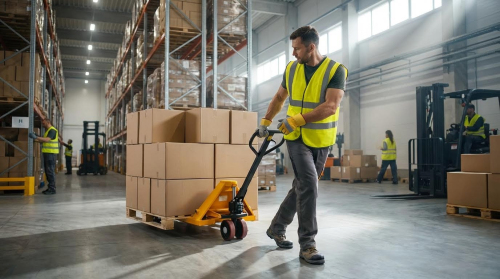
Safe powered pallet jack operation relied on structured procedures aligned with OSHA requirements for powered industrial trucks. Facilities integrated equipment design features, operator behavior, and traffic management to control risk. Written procedures and checklists helped standardize consistent practices across shifts and locations.
Pre-Use Checks, Workspace Prep, And PPE
Operators performed a visual and functional inspection before each shift. They checked forks for bending, cracks, or chipped paint, wheels and rollers for flat spots or damage, and the hydraulic system for leaks. They verified that the tiller, throttle, lift/lower controls, horn, emergency reverse “belly” switch, and brake operated correctly. They confirmed the battery charger was disconnected, cables undamaged, and indicators showed adequate charge.
Workspace preparation minimized collision and trip hazards. Operators cleared travel paths of debris, loose wrapping, and obstructions, and confirmed floor conditions were dry and non-slip. They assessed aisle width, turning space, and overhead clearance for the planned route, including ramps and doorways. They selected pallets in good condition without broken boards, and matched load weight and dimensions to the rated capacity and fork length.
OSHA required trained, authorized personnel and appropriate PPE. Typical PPE included safety shoes with toe protection, high-visibility vests in mixed-traffic areas, and gloves where handling rough loads. Facilities added eye or hearing protection where risk assessments identified impact or noise hazards. Supervisors enforced lockout or tagout when inspections revealed unsafe conditions.
Step-By-Step Operating Sequence On The Floor
Operators approached the pallet squarely and aligned the forks with the pallet openings. They lowered the forks fully before entry, then drove or pushed straight until the forks sat completely under the pallet and the load centered over the forks. They raised the load only enough for ground clearance, staying within the truck’s rated capacity and stability limits. The operator then positioned themselves slightly to the side and behind the tiller to maintain visibility and avoid pinch points.
Travel speed remained low, especially with heavy or high loads. Operators pushed rather than pulled when feasible to reduce strain and improve control, but walked ahead and to the side when using powered travel as recommended in many electric walkie pallet truck procedures. They kept loads stable, avoided sudden throttle changes, and stopped fully before reversing direction. Steering inputs were smooth to prevent lateral load shift.
At the destination, operators positioned the pallet squarely in the storage location. They lowered the forks slowly so the pallet settled level on the floor or rack support, monitoring for rocking or instability. Once the load was fully supported, they lowered the forks completely and backed the truck straight out. They then returned forks to the lowered position for travel without a load and parked in a designated area when finished.
Ramps, Congested Aisles, And Pedestrian Traffic
Ramps and slopes required specific positioning to maintain control and stability. Operators traveled with the load upgrade where recommended, or followed manufacturer and site rules for downhill travel, especially with tall or two-tier loads. They maintained low speed, avoided turning on slopes, and never exceeded the rated gradeability of the pallet jack. They yielded at ramp tops and bottoms, scanning for pedestrians and other equipment.
In congested aisles, operators reduced speed further and increased following distance. They used the horn at intersections and blind corners and maintained clear sightlines around the load by adjusting travel direction or load orientation. They avoided overtaking other equipment in narrow aisles and respected one-way traffic patterns where implemented. Housekeeping standards limited storage encroaching into travel paths.
Pedestrian safety depended on separation and communication. Facilities marked pedestrian walkways, crossing points, and no-go zones around loading areas. Operators remained ready to stop, never allowed riders on the pallet jack, and avoided distractions such as mobile devices. They followed site speed limits and stopped completely for pedestrians at crossings, making eye contact where possible before proceeding.
Operator Training, Certification, And Documentation
OSHA classified electric pallet jacks as powered industrial trucks, so employers had to train and certify operators. Training covered truck-specific features, controls, load charts, and safety devices, as well as site conditions such as ramps, docks, and traffic patterns. Practical evaluations verified that operators could perform inspections, handle loads, and navigate safely in
Maintenance, Reliability, And Lifecycle Costs
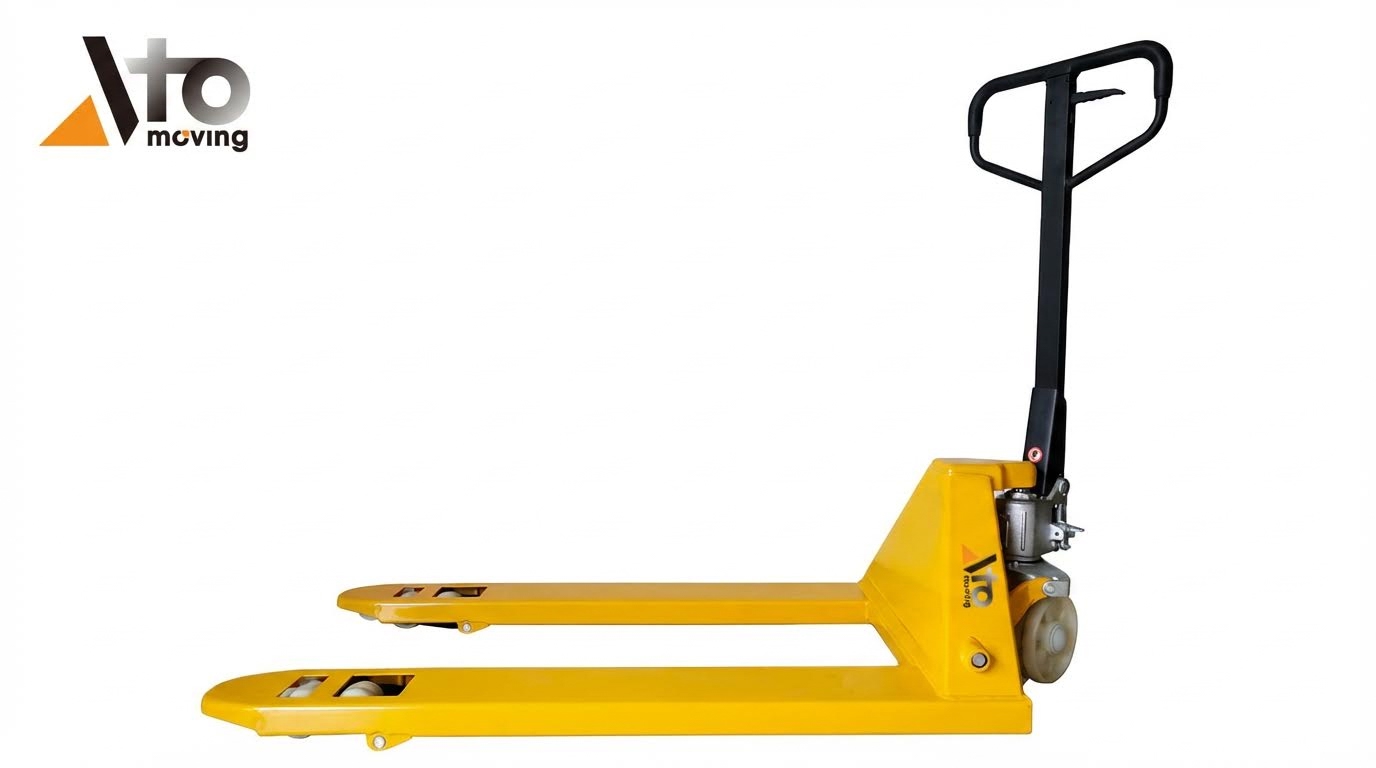
Effective maintenance of powered pallet jacks directly influenced uptime, safety, and total cost of ownership. Structured inspection routines, correct battery management, and basic hydraulic care reduced unplanned failures and extended component life. Modern fleets increasingly used telematics and digital tools to move from reactive to predictive maintenance, improving reliability while optimizing service intervals.
Daily, Weekly, And Annual Inspection Routines
Daily inspections focused on safety-critical items before each shift. Operators visually checked forks for bending, cracks, or chipped paint, which indicated overloads or impacts. They verified wheels and rollers for flat spots, broken edges, and free rotation, and listened for abnormal noises during forward and reverse travel. Controls, emergency stop, and any “belly button” reverse switches had to function reliably before operation.
Weekly inspections went deeper into mechanical and hydraulic integrity. Technicians checked hydraulic oil levels against manufacturer marks and inspected hoses, cylinders, and fittings for external oil traces that suggested leaks. They examined lift and lower functions under light load to confirm smooth, controlled motion without judder or drift. Checks also covered brake performance, electrical connectors, and visible cable insulation damage.
Annual inspections typically followed standards such as FEM 4.004 for industrial trucks. A qualified inspector assessed structural components, welds, mast or lift linkages, and overload protection devices where fitted. Electrical systems, including battery connectors and chargers, underwent insulation and function tests. Documented annual inspections supported legal compliance and insurance requirements and helped plan component replacements before failure.
Battery Care, Charging, And Energy Efficiency
Battery condition strongly affected performance and lifecycle cost for electric pallet jacks. Operators inspected batteries daily for case damage, loose terminals, and signs of swelling or leakage. Regular cleaning of terminals and connectors removed dust and corrosion, which otherwise increased resistance and heat generation. Technicians replaced aging batteries once capacity loss or frequent undervoltage alarms appeared.
Correct charging practices depended on chemistry but always aimed to avoid deep discharge. For lead–acid systems, operators charged fully and avoided repeated short “opportunity” charges unless the manufacturer allowed them. Lithium systems tolerated partial charging better, but still benefited from avoiding complete depletion. Storing trucks in cool, dry areas reduced thermal stress on batteries and electronics and improved energy efficiency.
Energy-efficient operation also relied on operator behavior. Smooth acceleration, low travel speeds, and minimizing unnecessary trips reduced current peaks and energy consumption. Fleet managers could right-size truck capacity and motor power to typical loads instead of extreme cases, improving overall efficiency. Periodic review of charger settings and grid power quality helped maintain optimal charge profiles and battery life.
Hydraulic System Servicing And Simple Repairs
The hydraulic system provided lifting force and required clean oil and sealed circuits. Routine checks looked for oil on the floor, damp cylinder rods, and contaminated dust seals that indicated leakage or wear. Low oil levels caused slow lifting, incomplete stroke, or noisy operation. Technicians topped up hydraulic oil with the specified grade to the lower edge of the filler opening and ensured seals seated correctly.
Air ingress into the hydraulic circuit led to spongy lifting or poor lowering control. Operators could often bleed the system without specialist tools by raising the truck unloaded, placing the control in the lowering position, and pumping the handle multiple times. If lowering remained erratic, they adjusted the lowering valve according to the service manual, using appropriate wrenches and screwdrivers. After bleeding, they verified smooth, controlled descent under test load.
Wheel and roller replacement represented another common simple repair. Maintenance personnel safely laid the truck on its side, removed cotter pins or retaining rings, and swapped worn rollers with new lubricated units. Correct washer and spacer placement preserved alignment and load distribution. Timely replacement of worn wheels prevented floor damage, vibration, and increased drive motor loading.
Predictive Maintenance, Telematics, And Digital Twins
Telematics systems on modern pallet jacks collected data on usage hours, travel distances, impacts, and charging patterns. Fleet managers used this data to schedule maintenance based on actual duty cycles rather than fixed calendar intervals. Impact sensing highlighted high-risk areas or operators, enabling targeted training and layout improvements. Battery analytics identified trucks with abnormal discharge curves or high temperature events, allowing proactive interventions.
Predictive maintenance approaches combined sensor data with analytics models. Algorithms detected early deviations in current draw, lift times, or vibration that correlated with bearing wear, hydraulic degradation,
Summary Of Best Practices And Selection Guidelines
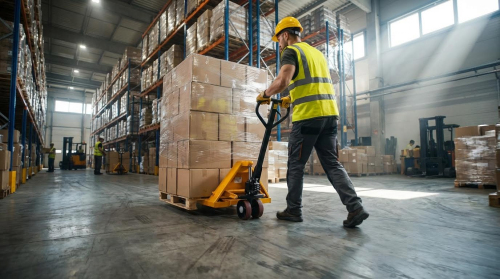
Safe, efficient powered pallet jack operation relied on disciplined procedures, correct equipment selection, and structured maintenance. Technically, best practice started with matching rated capacity, fork length, and configuration to the heaviest, largest pallet and aisle geometry, while maintaining at least a 10–20% safety margin on load rating. Operators needed to perform formal pre-use checks on forks, wheels, hydraulics, controls, and safety devices, then follow a consistent operating sequence: forks fully lowered to engage, full fork insertion, controlled lift to minimum safe travel height, low travel speed, and smooth deceleration. Facilities that handled slopes or high-traffic crossings benefited from explicit rules for ramps, speed limits, and pedestrian right-of-way, aligned with OSHA-powered industrial truck requirements and site-specific training.
From a selection standpoint, walkie units suited short, low-intensity runs, rider or platform types fit higher-throughput or longer-distance applications, and small forklifts covered stacking at height. Lifecycle cost analysis needed to include battery replacement, scheduled inspections, hydraulic service, and downtime, not just purchase price. Organizations that implemented structured daily and weekly inspections, annual FEM-compliant examinations, and documented corrective actions typically achieved higher availability and longer service life. Looking forward, telematics, condition monitoring, and digital twins allowed data-driven scheduling of maintenance, optimization of charging patterns, and better right-sizing of fleets. Adopting these technologies, while keeping operator training and procedural discipline at the core, provided a balanced path to safer, lower-cost pallet handling over the full equipment lifecycle.