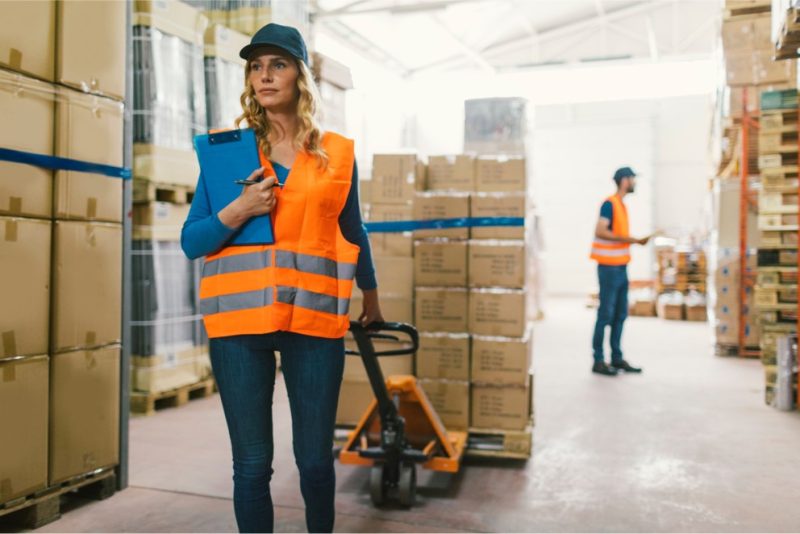
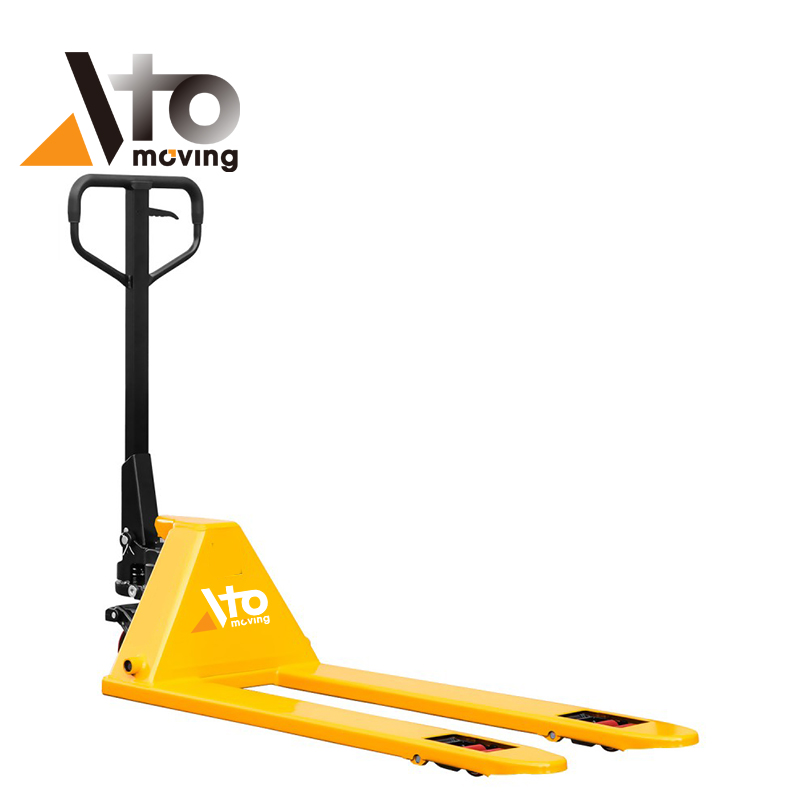
Knowing how to move heavy pallet without manual pallet jack is critical when equipment is down, space is tight, or budgets are limited. This guide breaks down practical methods ranging from safe team lifting and lever tricks to rollers, carts, conveyors, air cushions, and hydraulic aids. You will see where each method fits based on load, floor, and distance, and how to stay within safety and compliance limits. Use it as an engineering-style checklist to boost throughput while protecting people and product.
Core Methods For Moving Heavy Loads Without Jacks
This section focuses on practical, low-tech ways to move a heavy pallet when no jack is available. The goal is to keep forces within safe human limits, comply with OSHA guidance, and use basic physics to your advantage while you figure out how to move heavy pallet without manual pallet jack safely.
Manual and team lifting under OSHA limits
Manual methods are only acceptable for lighter pallets or for repositioning, not for full-weight long moves. Always assume the pallet is too heavy for one person unless proven otherwise and apply OSHA-style safe lifting habits.
When is manual handling reasonable?
Manual or team handling is typically limited to: light or partially loaded pallets, very short distances, or fine positioning where mechanical aids cannot reach. For anything beyond that, use mechanical aids from later sections.
Core manual techniques for moving or repositioning pallets include:
- Weight assessment before lift
Estimate weight from labels, documentation, or similar loads. If in doubt, treat it as too heavy and switch to mechanical aids, in line with safe lifting guidance that stresses assessing the load first. Safe lifting techniques - Straddle lifting for small, light pallets
Operators stand on opposite sides, feet apart, grasp the pallet or load edges, keep the back straight, and lift with the legs while keeping the load close to the body. This distributes load between team members and reduces back strain. Team and straddle lifting - Team lifting for awkward or wide loads
Two or more operators coordinate a lift, using agreed commands. Each person handles a share of the total weight, which reduces individual effort and the risk of overexertion injuries highlighted in OSHA-oriented guidance. Overexertion prevention - Rolling or tilting on edge for minor repositioning
For relatively light pallets on smooth floors, you can tilt one side slightly and “roll” the pallet along its edge over short distances. This is only suitable where the load is secure and the floor is even. Rolling method
Key body-mechanics rules that align with OSHA-style safe lifting advice:
- Bend at the knees, not at the waist, and keep the back as straight as possible. Proper body mechanics
- Keep the load close to the body and avoid twisting; pivot with your feet instead.
- Use team lifting or mechanical aids whenever the pallet is bulky, unstable, or beyond a single worker’s comfortable capacity.
- Stop immediately if the load shifts, feels heavier than expected, or causes pain.
Red flags: switch to mechanical aids
Switch from manual handling to mechanical aids if: the pallet weight is unknown, the center of gravity is high or offset, the route includes stairs, slopes, or obstacles, or more than one or two short moves are needed. This aligns with guidance that recommends mechanical aids whenever possible to limit musculoskeletal disorders. Use of mechanical aids
Lever, fulcrum, and pry-bar assisted movement
Lever-based methods are the first mechanical step beyond pure muscle when deciding how to move heavy pallet without low profile pallet jack. They convert a small human input force into a larger lifting or shifting force using basic physics.
Two common variants are the classic lever-and-block approach and the crowbar/pry-bar “corner lift” used to turn a pallet into a low-friction sled.
| Method | Basic Setup | Main Use | Surface / Distance | Key Safety Points |
|---|---|---|---|---|
| Lever with fulcrum block | Metal bar or pipe under pallet edge with wood block as pivot. Lever and fulcrum method | Raising pallet enough to insert rollers, skids, or blocking | Static lift; used as a preparation step for further movement | Check bar strength, keep hands clear of pinch points, lift gradually |
| Crowbar / pry-bar corner lift | Pry bar lifts one corner; block inserted underneath. Repeated at all corners. Crowbar method | Create a raised “sled” or allow insertion of pipes, skids, or straps | Short to moderate distance once on skids or low-friction surface | Work one corner at a time, maintain stability, avoid sudden drops |
Step-by-step outline for a basic lever and fulcrum lift:
- Inspect the pallet and load
Confirm the deck boards and stringers are sound and the load is secured with wrap or strapping. Any broken boards or loose items increase the risk of collapse during lever action. - Choose a suitable lever and fulcrum
Select a solid steel bar or thick pipe long enough to give mechanical advantage, plus a dense block (wood or similar) as the fulcrum. The reference setup uses a pipe or metal bar under the pallet edge with a wood block as pivot. Lever and fulcrum method - Position the fulcrum close to the pallet
Place the block a short distance from the pallet edge so that when the bar rests on it, you get a high lift at the pallet with manageable handle travel. - Insert the lever under the pallet
Slide the thin end of the bar under the pallet edge or stringer, resting the midsection on the fulcrum block. Keep fingers out of potential pinch zones between bar, block, and pallet. - Apply steady downward force
Push down on the long end of the lever to raise the pallet just enough to insert a roller, skid, or additional blocking. Avoid sudden jerks, and never stand where the bar could slip into you if it loses contact. - Secure the lifted position
Once raised, immediately place blocks, pipes, or skids under the lifted section, then gently release the lever so the load transfers onto the new supports.
The crowbar or pry-bar “sled” method builds on the same principle but focuses on turning the pallet into a drag-friendly platform.
- Lift one corner slightly with a pry bar, then slide a sturdy block underneath.
- Repeat at all four corners to create a raised platform that clears floor obstacles and reduces friction. Crowbar or pry bar method
- Add low-friction interfaces such as plastic sheet, steel plate, or timber skids if available, so the pallet can be dragged more easily.
- Attach a tow strap or rope to the pallet or sled structure if you plan to pull it, staying within safe pulling forces and keeping the path clear. Use of tow strap or rope
Engineering tips for lever-based methods
Use the longest practical lever to reduce required force, but ensure it does not bend excessively. Keep the fulcrum as close as possible to the pallet edge to maximize lift. Always assume the pallet can shift when it leaves full floor contact, so keep the center of gravity over the support area and avoid lifting one corner excessively higher than the others.
Low-Tech Mechanical Aids And System Solutions
This section focuses on practical, low-tech options for how to move heavy pallet without pallet jack. The goal is to cut floor friction, control the load, and keep strain within safe limits while matching the method to your floor, distance, and manpower.
Pipes, rollers, and improvised skids
These methods turn a fixed-friction drag problem into a rolling or sliding problem. They are ideal when you have a solid floor, short to medium travel distance, and no powered equipment available.
| Method | How it works | Best floor type | Typical use case | Key cautions |
|---|---|---|---|---|
| Loose pipes / rollers under pallet | Tilt pallet, insert pipes or rollers, then push or pull so the pallet “walks” over them with low rolling resistance Slide on Pipes or Rollers | Flat, hard, smooth (sealed concrete, metal plate) | Moving a few heavy pallets across a shop or warehouse bay | Risk of pipes shooting out; requires good control and clear path |
| Improvised skid / sled | Lift corners with bar, block up, then place pallet on a smooth, rigid sheet so it can be dragged Crowbar or Pry Bar Method | Rough concrete, damaged floors, outdoor surfaces | Dragging loads over short distances where wheels would snag | Higher pulling force; more wear on floor and skid; heat build-up |
| Fixed roller “track” or pallet roller lane | Rollers set in a frame so pallet can be pushed along a defined path Pallet Roller Systems</td | Flat, prepared foundation | Repeated moves between the same two points (staging to dock, etc.) | Fixed route only; requires guarding and stops to prevent runaway loads |
- Always chock the pallet before inserting or removing pipes or rollers.
- Keep at least three contact points (e.g., three pipes) under the pallet to avoid tipping.
- Use tag lines or guide ropes so helpers can steer from the sides, not in front of the load.
When to choose sliding vs rolling
Rolling on pipes or rollers is usually better for smooth floors and heavier loads because rolling friction is far lower than sliding friction. Sliding on a skid can be safer on broken concrete or outdoors, where small wheels or rollers would jam or dig in. If you are deciding how to move heavy pallet without pallet jack over mixed terrain, you can roll on pipes inside and then transfer to a skid or sheet for the rougher section.
Carts, dollies, tow straps, and towable movers
Wheeled devices reduce effort and allow one or two people to move loads that would otherwise require a jack. The right choice depends on load weight, route length, and whether you are pushing by hand or towing.
| Device / method | Primary function | Typical distance | Best for | Key safety notes |
|---|---|---|---|---|
| Flat carts and platform dollies | Support the pallet or goods on a wheeled platform for manual push/pull Use of Carts and Dollies | Short to medium | Single pallets within a room or between nearby areas | Use brakes on slopes; keep load low and centered over axles |
| Hand trucks / trolleys | Tilted two-wheel or four-wheel frames for unit loads Use of Carts and Dollies | Short | Partial pallet loads, boxes, or crates, not full heavy pallets | Secure load to frame; avoid steep ramps with heavy loads |
| Tow straps or ropes attached to pallet | Drag pallet directly by pulling with strap or rope Use of Tow Strap or Rope | Very short | Emergency moves when no wheels are available | High strain on workers; risk of sudden release or tripping |
| Towable pallet movers / towable carts | Dedicated carts with hitch or handle to tow multiple pallets Towable Pallet Movers | Medium to long | Moving several pallets in larger facilities without forklifts | Need clear tow paths; ensure tow vehicle or operator is trained |
- Use carts or dollies rated for the pallet weight, with wheels suited to your floor (hard wheels for smooth concrete, larger soft wheels for rougher surfaces).
- Push rather than pull where possible; pushing keeps the load in front and reduces back strain.
- With tow straps, keep the line short, stand off to one side, and never wrap the strap around hands or body.
How towable movers fit into a no-jack strategy
If you routinely move pallets along fixed routes, a train of towable pallet movers can replace many individual pallet jack trips. The pallets are loaded once onto carts, then a person or tow tractor pulls them along defined aisles Tow Tractors. This reduces touches and can be a very efficient answer to how to move heavy pallet without pallet jack over longer distances.
Conveyors, air cushions, and hydraulic systems
These are system-level solutions. They require more planning and investment but can move very heavy pallets or machinery with minimal manual effort and high repeatability.
| System | How it moves the load | Typical capacity range | Ideal application | Key engineering notes |
|---|---|---|---|---|
| Roller and chain conveyors | Pallet rides on rollers or chains; motor or gravity moves it along a fixed line Roller Conveyor Systems Conveyor Types for Heavy Loads Chain Driven Live Roller Conveyors | From standard pallet weights up to several thousand pounds per pallet | High-volume, repeated pallet flows (production lines, shipping lanes) | Requires guarding, emergency stops, and fixed routing; allows integration with lifts and transfers |
| Air cushion systems | Compressed air forms a thin film under pads, floating the load with very low friction Air Cushion Technology | From heavy pallets to machinery weighing many tonnes | Confined spaces with smooth floors where wheeled access is limited | Needs very flat, sealed floors and trained operators; air supply must be reliable |
| Hydraulic lifting and skidding systems | Hydraulic jacks or cylinders lift the load; it then travels on skids, rails, or rollers Hydraulic Lifting Systems | From heavy pallets to machinery in the hundreds of tonnes | Precision positioning, machinery installation, or reconfiguring heavy lines | Requires solid support structure, load spreading, and strict exclusion zones under raised loads |
- Conveyors are excellent when your pallet path is fixed and high-volume; they are less suitable for ad hoc or changing layouts Conveyors for Continuous Transport.
- Air cushions and hydraulic systems are usually engineered solutions; involve competent professionals for design and operation.
- Combine lift tables with rollers or conveyors when you need both vertical and horizontal motion at workstations Combination of Lift Tables and Rollers.
Choosing a system approach vs single tools
If you only move a few pallets per week, simple carts, pipes, or improvised skids are usually enough. If you move pallets all day, every day, a conveyor or towable cart system often delivers lower total cost and better safety. Thinking in terms of system flow, not just single moves, is critical when you evaluate how to move heavy pallet without pallet jack across an entire facility.
Engineering Criteria For Method Selection
Load, floor, and distance as design drivers
Before deciding how to move heavy pallet without pallet jack, treat it like an engineering problem: define the load, understand the floor, and measure the distance. These three factors drive whether simple manual methods are acceptable or whether you need mechanical aids such as rollers, carts, or conveyors. When you size each factor correctly, you reduce strain, protect the floor, and avoid choosing an over- or under-sized solution.
| Design Driver | Key Questions | Typical Method Implications |
|---|---|---|
| Load (weight, size, stability) | What is the pallet weight and center of gravity? Is the load shrink-wrapped or loose? | Lighter, compact loads may allow team lifting or pry-bar repositioning. Heavier or unstable loads push you toward rollers, carts, or powered aids. Team lifting and rolling methods suit lighter pallets on smooth floors |
| Floor (strength, friction, flatness) | Is the floor smooth, damaged, sloped, or delicate? Are there thresholds or drains? | Smooth, flat floors favor rolling methods such as pipes, rollers, and conveyors. Rough or uneven floors may require skids, tow straps, or carts with large wheels. Sliding pallets on pipes or rollers works best on smooth surfaces |
| Distance (horizontal travel) | Is the move a few feet, across a bay, or across the building? | Very short moves can use pry bars, short rollers, or lever methods. Medium distances suit carts, dollies, or towable movers. Long distances favor conveyor paths or tow systems. Roller and conveyor systems are efficient for repeated, longer transfers |
Load characteristics come first. If the pallet is close to the upper limit of what people can safely influence manually, you should default to mechanical aids, even for short distances. Team lifting, straddle lifting, or controlled rolling only make sense when the mass and geometry stay within safe human capability. Manual and rolling techniques are better suited to lighter pallets and short moves
Floor conditions often decide between sliding and rolling solutions. Pipes, rollers, and pallet roller systems reduce friction dramatically but require flat, continuous support. On damaged or highly textured floors, a makeshift skid or tow strap may be safer than small-diameter rollers that can jam or dig into joints. Sliding on blocks and makeshift sleds is effective where rolling is difficult
Distance is the economic driver. For a one-time relocation of a pallet over a few meters, a pry bar plus short pipes is usually enough. For repeated moves over tens of meters, carts, dollies, towable pallet movers, or roller conveyors quickly pay back in reduced labor and risk. Towable movers handle heavier loads and longer distances more efficiently than pure manual towing
Quick selection guide by scenario
Use mainly manual / low-tech aids when:
- Load is light to moderate and compact.
- Floor is smooth and level with minimal obstacles.
- Distance is short, and moves are infrequent.
Use carts, dollies, or towable movers when:
- Load is moderate to heavy but within cart rating.
- Routes include mixed floor conditions and doorways.
- Distance is medium, or moves are frequent across a bay or department. Carts and dollies are recommended for short-distance transport of bulky items
Use conveyors or engineered systems when:
- Loads are heavy, standardized, and high volume.
- Routes are fixed and justify permanent equipment.
- Distance is long and continuous flow is required. Motorized conveyors support continuous transport over long distances
Safety, compliance, and ergonomics considerations
Any method for how to move heavy pallet without pallet jack must start with safety and compliance. That means staying within human capability, following OSHA principles, and using ergonomically sound body mechanics and tools. Poor choices here lead directly to overexertion injuries, crushed limbs, and long-term musculoskeletal disorders.
- Respect regulatory guidance: Follow applicable OSHA material handling standards to prevent overexertion, crush injuries, and equipment accidents. OSHA’s general industry rules for material handling define baseline safety requirements
- Train on safe lifting techniques: Workers should evaluate load weight, use mechanical aids whenever possible, bend at the knees, keep the back straight, and team-lift awkward items. Proper body mechanics lower musculoskeletal risk
- Match equipment to rated loads: Even when not using pallet jacks, any carts, dollies, hoists, or tow devices must be rated for the pallet weight and inspected regularly. Load ratings and inspections are core to safe equipment selection
- Secure the load: Strap, wrap, or otherwise stabilize goods before dragging, rolling, or towing to prevent shifts, tip-overs, or falling items. Even load distribution and tie-downs are essential for safe movement
- Design safe pathways: Keep travel paths clear, separate pedestrians from moving loads, and eliminate tripping hazards and pinch points. Good workspace design reduces congestion and collision risk
| Risk Area | Key Controls | Relevant Methods |
|---|---|---|
| Overexertion and strain | Limit manual force, use team lifts, add mechanical advantage (levers, rollers, carts). | Team lifting, straddle lifting, rolling on pipes or rollers, carts and dollies. Manual and rolling methods reduce strain when applied correctly |
| Crush and pinch hazards | Keep hands/feet clear, use pry bars correctly, never stand under or in line with moving loads. | Crowbar/pry bar lifts, tow straps, and improvised skids. Pry-bar methods require secure blocking at all corners |
| Ergonomic fatigue | Minimize push/pull distances, use larger wheels, and consider assistive devices. | Carts, dollies, towable movers, and even exoskeletons. Exoskeletons and purpose-built carts reduce strain during manual handling |
From an ergonomics perspective, the best method is the one that keeps forces low, postures neutral, and repetitions reasonable. That usually means combining simple physics (levers and rollers) with wheeled devices or conveyors rather than relying on pure muscle. Where vertical lifting is unavoidable, portable hoists, lift tables, or pulley systems can keep workers out of high-risk positions. Hoists, lift tables, and pulley systems are recommended for vertical handling of heavy items
Process controls that support safe pallet moves
Standard Operating Procedures (SOPs)
- Define approved methods for specific pallet weights and routes.
- Include pre-use equipment checks, lifting steps, and emergency actions.
- Update when routes, loads, or equipment change. Written SOPs should cover checks, procedures, and incident reporting
Audits and continuous improvement
- Review incident and near-miss data for patterns.
- Inspect improvised methods (tow straps, skids, pry bars) for hidden risks.
- Identify points where low-tech aids should be upgraded to engineered systems. Regular audits highlight misuse, inefficiencies, and automation opportunities
Final Considerations For Pallet Handling Without Jacks
Safe pallet handling without a jack depends on one core idea: engineer the move before you touch the load. Define weight, center of gravity, floor condition, and distance. Then choose the method that keeps human forces low and stability high. Manual lifting and pry bars only suit lighter, compact pallets over short, clear paths. As load, distance, or surface roughness increase, you must shift to rollers, carts, skids, towable movers, or system solutions like conveyors and hydraulic or air-based equipment.
Across all methods, control friction, protect the floor, and keep the pallet supported on multiple points. Use levers to lift just enough to block and insert rollers or skids. Keep the center of gravity inside the support area at every step. Match every cart, dolly, strap, or system to rated capacity and inspect it often. Train operators on OSHA-style body mechanics and clear SOPs, then audit real practice and upgrade improvised methods to engineered solutions where risk stays high.
The best practice for operations and engineering teams is simple: treat “how to move heavy pallet without pallet jack” as a design problem. Standardize methods, invest in the right aids, and let Atomoving equipment sit at the center of a planned, low-strain material flow.
Frequently Asked Questions
How to Move a Heavy Pallet Without a Pallet Jack?
Moving heavy pallets without a pallet jack can be challenging, but there are safe and effective methods. One option is to use a heavy-duty rope. Securely fasten the rope to the pallet and pull it to the desired location. Avoid dragging it too quickly to prevent damage or injury. Pallet Moving Tips.
- Use a rope to drag the pallet safely.
- Ensure the rope is securely attached to avoid accidents.
- Avoid sharp movements to protect both the pallet and yourself.
What Are Safe Techniques for Lifting Heavy Objects?
When lifting heavy objects like pallets manually, proper body mechanics are crucial. Keep your back straight and let your legs do the work. Carry items close to your chest for better balance. Avoid twisting your back during the process. Safe Lifting Guide.
- Maintain a straight back and bend your knees.
- Carry the load close to your body.
- Avoid twisting motions while lifting.