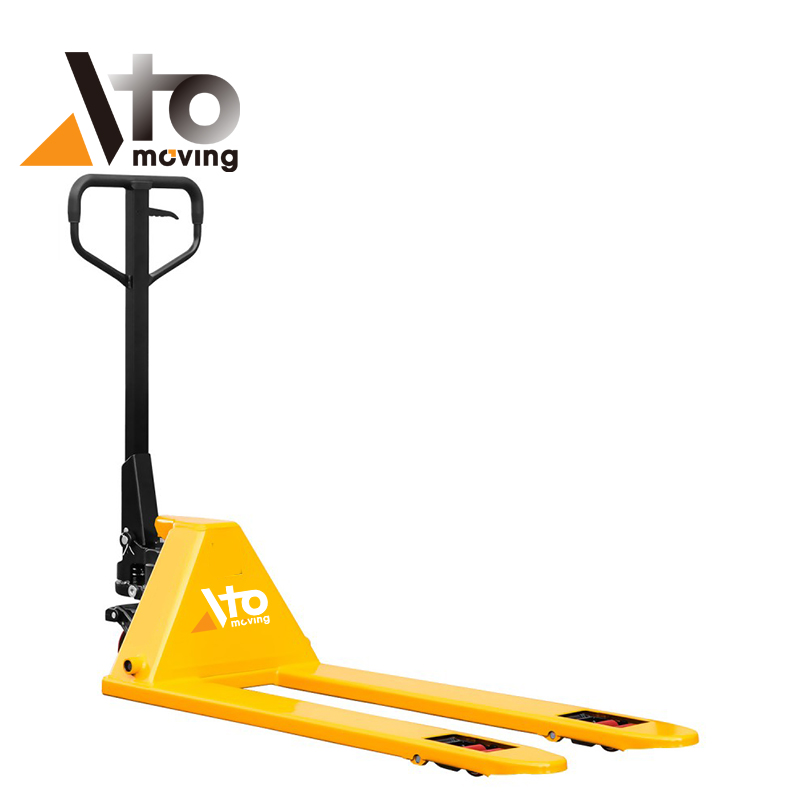
Safe electric pallet jack handling on trucks and lift gates required a solid grasp of equipment engineering, operating limits, and regulatory expectations. This article covered engineering basics such as load ratings, stability, center of gravity, fork positioning, wheel selection, and battery duty cycles. It then examined best practices for loading trucks and lift gates, including inspections, load patterns, ramp use, and securing cargo against in-transit movement. Finally, it addressed maintenance strategies, lifecycle cost, and emerging digital tools like telematics and pallet loading software to support safer, more efficient deployment in logistics operations.
Engineering Basics Of Electric Pallet Jack Operation

Load Ratings, Stability, And Center Of Gravity
Electric pallet jacks typically handled rated loads between 1 000 kilograms and 2 000 kilograms on level floors. Engineers selected models so that expected pallet masses stayed below 80 percent of the nameplate capacity to maintain a safety margin. Stability depended on the combined center of gravity of the truck and load remaining within the stability triangle formed by the wheels. Operators improved stability by centering the pallet on the forks, inserting forks fully, and keeping the load as low as practicable during travel. Forks usually stayed 2–5 centimeters above the floor, which reduced overturning moments while clearing minor surface irregularities. Overloading or offset loading shifted the center of gravity forward or laterally, which increased the risk of tipping, especially on ramps or lift gates.
Comparing Electric And Manual Pallet Jacks
Manual pallet jacks used similar fork geometries and often had comparable nominal capacities to electric units in the 1 000–2 000 kilogram range. However, manual models relied on human force for both traction and hydraulic lifting, which limited sustainable duty cycles and increased ergonomic risk. Electric pallet jacks used powered drive and lift, which reduced operator strain and enabled higher throughput for truck loading and unloading tasks. They also allowed better speed control, smoother acceleration, and controlled braking, which improved load stability and reduced impact loads on truck floors and lift gates. For engineering selection, electric units suited high-volume docks, while manual units fit short-distance, low-frequency moves where power availability or capital budgets were constrained.
Fork Position, Lift Height, And Wheel Selection
Correct fork spacing and insertion were critical to avoid pallet damage and structural overload of the jack. Forks needed to sit fully under the pallet stringers, with the load centered laterally so each fork carried similar share of the weight. Engineers specified minimum clearance between fork tips and pallet edges to prevent point loading and crushing of deck boards. During travel, operators lifted only a few centimeters, which reduced bending stress in the mast structure and limited dynamic load transfer on uneven surfaces. Wheel selection influenced rolling resistance, vibration, and floor loading; polyurethane steer and load wheels worked well on smooth warehouse floors, while pneumatic or soft elastic tires were recommended for rough yards or tail-lifts. Correct wheel diameter and hardness improved ramp climbing capability and reduced peak contact pressures on truck and lift gate decks.
Duty Cycles, Batteries, And Energy Efficiency
Engineering of electric pallet jacks considered duty cycle, defined by the ratio of operating time to total shift time and the proportion of loaded travel. High-duty dock operations required larger battery capacities or fast-change battery systems to avoid mid-shift downtime. Lithium-ion batteries increasingly replaced lead–acid types because they tolerated partial charging, delivered higher energy density, and reduced maintenance needs. Energy efficiency depended on motor and controller design, rolling resistance, and operator behavior such as avoiding unnecessary acceleration and sharp braking. Proper charging practices, including fully charging before shifts and avoiding deep discharge, extended battery life and reduced lifecycle cost. Monitoring energy consumption through telematics or on-board meters allowed fleet managers to right-size equipment and optimize charging infrastructure for truck-loading environments.
Loading Trucks And Lift Gates With Electric Pallet Jacks

Loading trucks and lift gates with electric pallet jacks required more planning than in-warehouse moves. Engineers and supervisors had to balance equipment limits, trailer geometry, and operating procedures. This section described how structured inspections, loading patterns, and controlled maneuvers reduced risk at the dock and on the road.
Pre-Use Inspection And OSHA-Driven Checklists
Pre-use inspection aligned with OSHA powered industrial truck requirements and reduced failure risk at the truck interface. Operators checked the identification plate and confirmed that the rated capacity exceeded the planned pallet mass, typically 1 000–2 000 kg. They inspected forks for cracks, bending, or buckling and verified that wheels and rollers rotated freely without flat spots or debris. Hydraulic systems required checks for external oil traces, correct oil level, and proper lifting and lowering response.
Electric models demanded additional electrical and battery checks. Operators confirmed that the battery was fully charged, terminals were clean, and cables showed no insulation damage. They tested forward, neutral, and reverse controls as well as the emergency stop and horn before approaching a truck or lift gate. Structured checklists captured these items, including PPE verification, such as safety shoes and gloves, and ensured documentation for regulatory audits.
Load Orientation, Patterns, And Trailer Capacity
Load orientation in the trailer influenced stability, axle loading, and usable pallet positions. Side-by-side loading placed pallets with the short side facing fore and aft, which simplified access with an electric pallet jack but used floor space less efficiently. Turned loading rotated pallets so the long side faced fore and aft, increasing the number of pallet positions but tightening maneuvering clearances at the rear. Pinwheeled loading alternated directions, balancing access and space use while improving interlocking between pallets.
Engineers used pallet loading calculators, such as 3D layout tools, to validate patterns against trailer dimensions. A standard 13.6 m semi-trailer carried up to 26 UK pallets or 33 Euro pallets, depending on the pattern. For full truckload operations, tandem trucks and longer semi-trailers offered 34 to 38 pallet floor spaces. Planners distributed heavy pallets over the axles and avoided concentrating high-mass loads at the extreme rear to limit trailer pitch when using lift gates.
Lift Gate Operation, Ramps, And Slope Maneuvering
Lift gate work introduced additional fall and tip-over hazards compared with dock-level loading. Operators positioned the electric pallet jack so that the load faced the truck and the operator stood on the stable side, away from the edge of the gate. They ensured that the gate’s rated capacity exceeded the combined mass of pallet, pallet jack, and operator. Before lifting or lowering, they centered the load on the gate platform to avoid torsional twisting of the mechanism.
On ramps or slopes, procedure differed between electric and manual pallet jacks. Electric units followed manufacturer limits for maximum gradient and avoided turning on the incline to prevent lateral tip. Manual pallet jacks descended ramps with the operator uphill, pulling the load to maintain control. In all cases, operators kept forks low, typically 20–50 mm above the surface, reduced speed, and avoided sudden stops or sharp steering inputs near dock edges or lift gates.
Securing Loads And Preventing In-Transit Shifting
Once inside the trailer, loads required restraint to prevent shifting during transport and to protect both cargo and equipment. Operators ensured that forks fully entered the pallet and that the load was centered laterally before setting it down in the planned pattern. For unstable or tall stacks, they applied straps, chains, or shrink wrap to prevent toppling under braking or cornering. When gaps existed between pallets or between pallets and walls, they used dunnage or lashings to lock the block of cargo in place.
Rough-terrain pallet trucks or pneumatic-tyre electric pallet jacks benefited from tighter load consolidation and additional lashings. During unloading, operators reversed the loading sequence and removed securing devices only when the pallet jack was in position to control the load. This systematic approach minimized unplanned movement, supported regulatory compliance, and preserved trailer and lift gate structures over repeated loading cycles.
Maintenance, Lifecycle Cost, And Digital Tools

Daily, Weekly, And Annual Service Intervals
Structured service intervals controlled lifecycle cost and safety performance. Daily checks focused on visual inspection and functional testing before operation. Operators inspected forks for bending or buckling, wheels and rollers for damage, and confirmed smooth travel without abnormal noise. They also verified control functions, braking, horn, and emergency stop, and checked for hydraulic leaks or oil traces on cylinders. Weekly checks typically covered lubrication of wheels and axles, cleaning dirt from moving parts, and verifying correct lifting and lowering speeds. Technicians inspected electrical cables, connectors, and switchgear on electric units for insulation damage or overheating marks. Annual inspections followed FEM or equivalent national standards, and were often legally mandated. These inspections documented structural integrity, load testing against rated capacity, and compliance with local occupational safety regulations.
Hydraulic And Battery Care For Uptime
Hydraulic systems required clean oil, correct fill level, and leak-free operation to maintain lifting performance. Operators checked cylinders and hoses for external oil traces and removed foreign objects from the lift cylinder area. If forks failed to lift or lower correctly, technicians bled the hydraulic system to remove entrapped air and then adjusted the lowering valve using specified tools. Typical refill quantities stayed near 0.3 litres, using manufacturer-approved hydraulic oil to avoid seal degradation. Battery care dominated uptime for electric pallet jacks. Daily routines included checking state of charge, cable condition, and connector integrity before shifts. Best practice kept batteries fully charged when parked, avoided deep discharge, and stored units in cool, dry areas to limit thermal ageing. Regular cleaning of terminals prevented corrosion and voltage drop, while modular lithium packs allowed rapid swaps and reduced downtime in multi-shift operations.
Predictive Maintenance, Sensors, And Telematics
Predictive maintenance used sensor data and telematics to anticipate failures before they caused unplanned stops. Modern pallet jacks integrated hour meters, current sensors, temperature probes, and accelerometers into the drive and lift systems. These sensors recorded duty cycles, overload events, impact shocks, and thermal excursions that accelerated wear. Telematics modules transmitted this data to fleet management platforms via Wi‑Fi or cellular networks. Algorithms then identified patterns such as increasing current draw at constant load, which indicated bearing or hydraulic degradation. Maintenance teams scheduled targeted interventions, like wheel replacement or hydraulic oil changes, based on actual condition rather than fixed time intervals. This approach reduced lifecycle cost by extending component life while still protecting safety margins. It also provided objective utilisation statistics that supported right‑sizing of fleets and capital expenditure planning.
Digital Twins And Pallet Loading Software
Digital twins represented virtual models of pallet jacks, loads, and vehicle bodies, enabling engineers to simulate operating scenarios before deployment. These models combined geometric data, load ratings, and stability envelopes to evaluate risk on lift gates, ramps, and confined truck interiors. Engineers could test different load positions, fork heights, and travel paths to identify tipping margins and wheel loads at each axle. Pallet loading software, including tools such as 3D pallet loading calculators, optimised the arrangement of pallets within trailers. Users entered pallet dimensions, mass, and orientation rules, and the software generated layouts using side‑by‑side, turned, or pinwheeled patterns. The tools calculated trailer fill percentage, axle load distribution, and available clearance for pallet jack manoeuvring. Integrating these outputs with digital twins of equipment helped align loading patterns with jack capacity, turning radius, and lift height limits, improving both safety and transport efficiency.
Summary And Key Takeaways For Safe Deployment
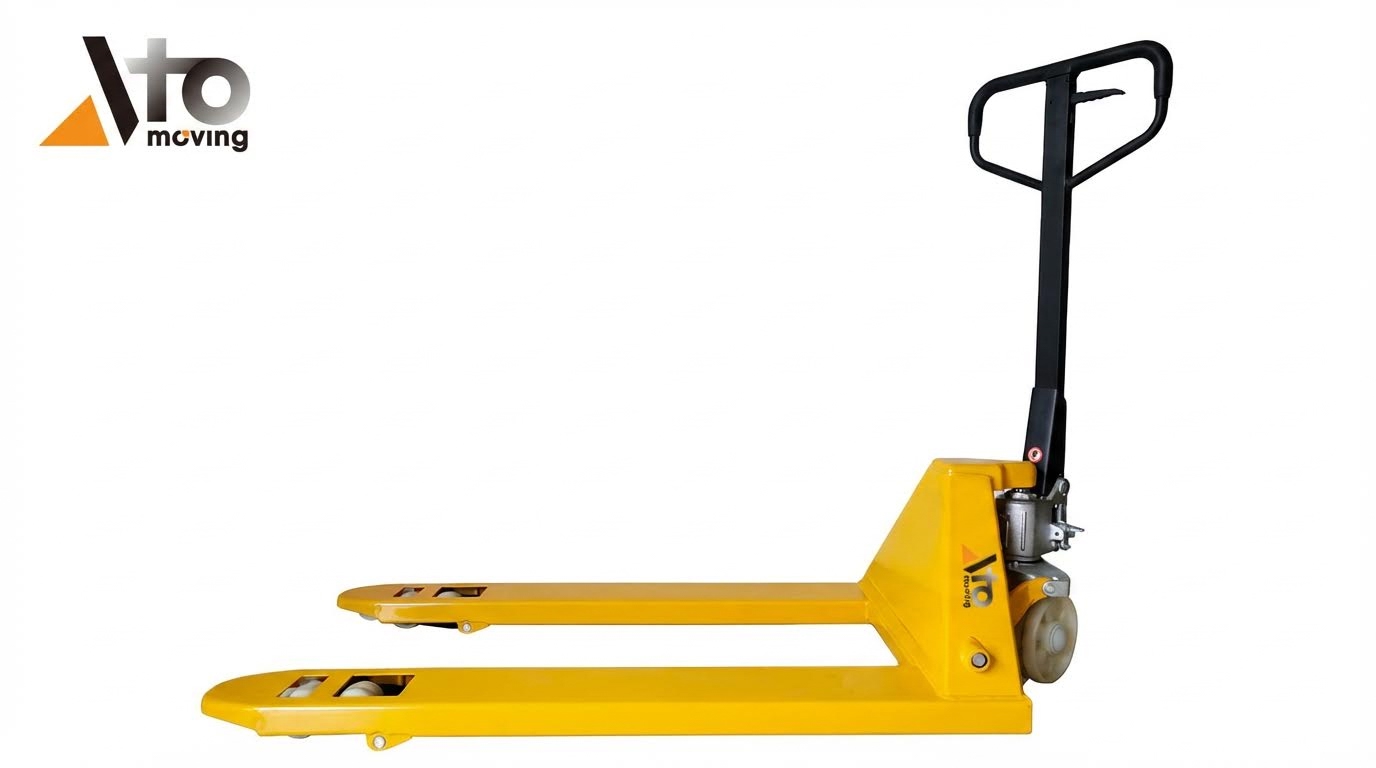
Safe electric pallet jack deployment on trucks and lift gates required a systems view that combined engineering limits, operating practice, and maintenance discipline. Typical electric pallet jacks lifted 1,000–2,000 kg only a few centimetres, so stability, centre of gravity control, and correct fork positioning were more critical than lift height. OSHA data showed that over 20% of warehouse injuries involved improper equipment operation, which justified structured training, formal checklists, and written procedures for truck and lift-gate work. Comparing electric and manual pallet jacks highlighted trade-offs: electric units reduced operator strain and improved productivity but introduced battery, control, and ramp-specific hazards that demanded additional training and inspection.
For truck loading, engineering-based load planning, validated pallet patterns, and respect for trailer floor capacity determined whether operations stayed within safe limits. Side-by-side, turned, and pinwheeled patterns offered different compromises between cube utilisation and access; digital pallet loading calculators improved planning accuracy and reduced trial-and-error. On lift gates and ramps, operators needed to follow manufacturer rules on maximum slope, travel direction, and prohibition of turning on inclines. Loads had to be centred on the forks, fully engaged, and secured with straps or lashings when gaps existed, particularly for rough-terrain approaches or long-haul transport.
Lifecycle safety and cost effectiveness depended on routine inspections and structured maintenance. Daily visual checks, weekly functional tests, and annual FEM-compliant inspections reduced unexpected failures and supported regulatory compliance. Correct hydraulic oil levels, timely bleeding, wheel and roller replacement, and battery care (charging discipline, terminal cleaning, temperature-controlled storage) extended equipment life and preserved rated capacity. Emerging tools—telematics, sensors, and digital twins—enabled predictive maintenance and data-driven utilisation management, but required robust data governance and integration with existing fleet systems. A balanced deployment strategy combined conservative engineering assumptions, operator training, digital planning tools, and continuous condition monitoring to keep incident rates low while maintaining high handling productivity.