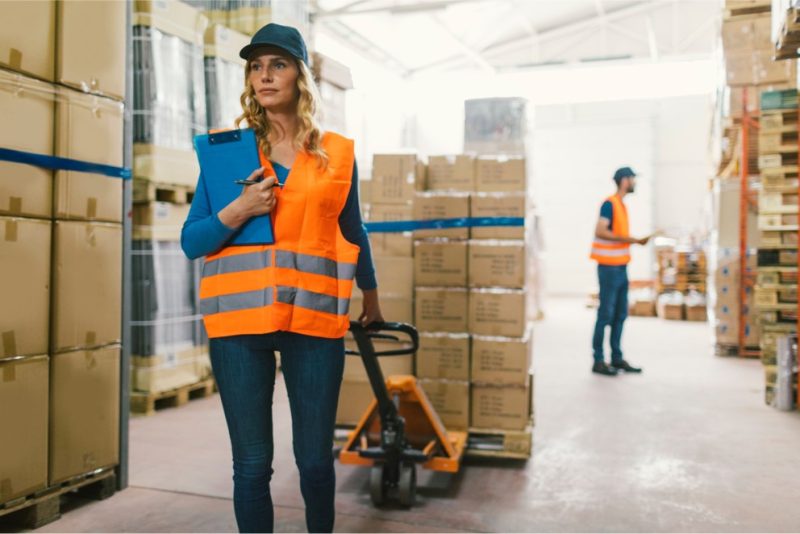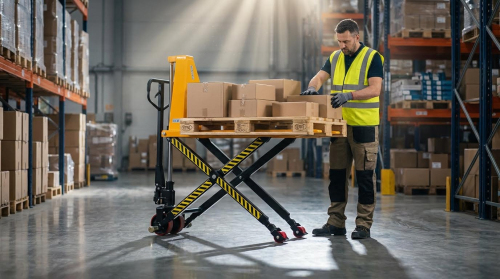
Heavy pallet handling with tractors and wheel loaders requires careful control of load, machine dynamics, and site conditions across the full workflow described in this guide. From engineering basics of fork ratings and stability, through safe operating practices and operator training, to structured inspection and lifecycle management, every step influences safety and productivity. Understanding how to lift a heavy pallet with a loader involves matching forks, hydraulics, and terrain to the task while respecting rated capacities and ground conditions. The following sections explain design principles, field procedures, and maintenance strategies that help engineers and operators manage pallet truck operations on tractors and loaders safely and efficiently.
Engineering Basics Of Tractor And Loader Fork Use
Engineering fundamentals determine how to lift a heavy pallet with a loader safely and efficiently. Operators must understand load ratings, stability, attachment compatibility, and ground constraints before moving heavy pallets. These basics apply to both tractors with clamp-on forks and dedicated wheel loaders with quick-hitch fork frames. Sound engineering practice reduces tipping risk, structural damage, and unplanned downtime.
Load Ratings, Center Of Gravity, And Stability
Load charts define the maximum pallet mass at specific lift heights and reach distances. Clamp-on forks on tractor buckets typically carried 700 kg to 2 300 kg, while dedicated loader forks often carried higher values within the machine’s tipping load. Operators had to keep the pallet’s center of gravity as close to the carriage or bucket cutting edge as possible to reduce overturning moment. Raising the load shifted the combined center of gravity upward, which reduced the stability margin, especially on uneven ground. To lift a heavy pallet with a loader safely, operators kept the mast or boom tilted slightly back, the load low during travel, and avoided side slopes that moved the center of gravity laterally toward the tipping line.
Tractor Vs. Wheel Loader Dynamics With Forks
Tractors and wheel loaders behaved differently once forks and heavy pallets were attached. Tractors used a long wheelbase and typically carried pallet forks on a front loader with a rear ballast implement or weights, so heavy pallets increased front axle loading and reduced steering control if ballast was insufficient. Wheel loaders used an articulated chassis and rear counterweight; lifting a heavy pallet shifted load to the front axle and reduced rear-axle traction, especially when turning under power. Articulation introduced additional side-load sensitivity, so sudden steering inputs with a raised pallet increased rollover risk. When planning how to lift a heavy pallet with a loader, engineers specified conservative travel speeds, limited articulation angles with raised loads, and ensured adequate rear ballast or counterweight configuration.
Matching Forks To Bucket, Hitch, And Hydraulics
Fork selection had to match the host machine’s bucket, hitch system, and hydraulic capacity. Clamp-on forks required straight, undamaged bucket cutting edges and sufficient lip thickness to resist clamp crushing under heavy pallet loads. Quick-attach fork frames had to match the hitch pattern and rated operating load of the loader or tractor front-end loader. Hydraulic lift and tilt circuits needed enough pressure and flow to raise the target pallet mass while maintaining smooth control for precise placement. Engineers also checked fork section modulus, tine length, and spacing to keep deflection within acceptable limits and to support pallet stringers without point loading. Before deciding how to lift a heavy pallet with a loader, they verified that attachment, hitch, and hydraulics all exceeded the required load with an adequate safety factor.
Ground Conditions And Site Layout Constraints
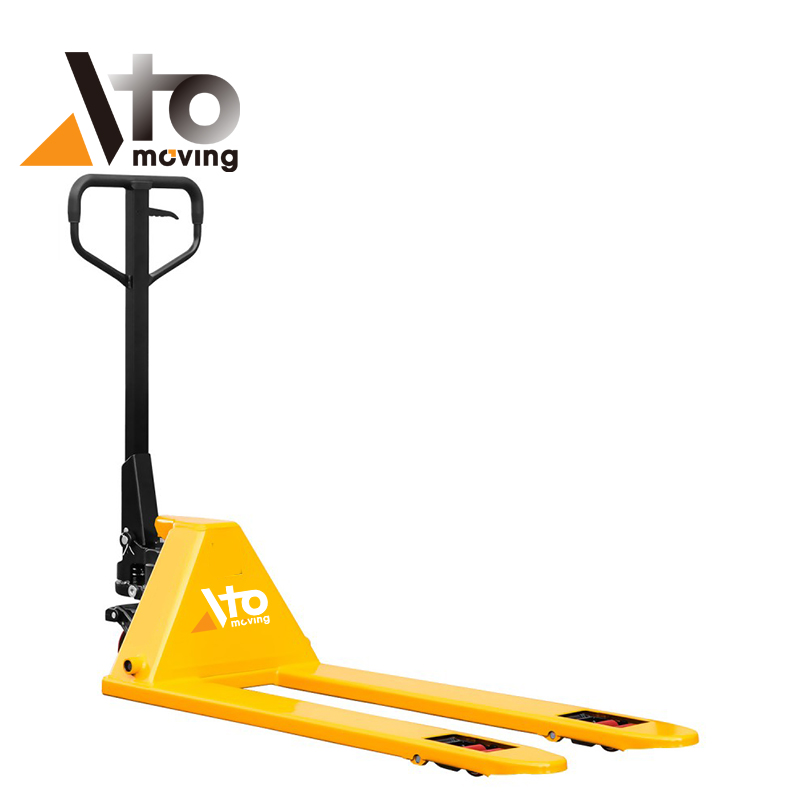
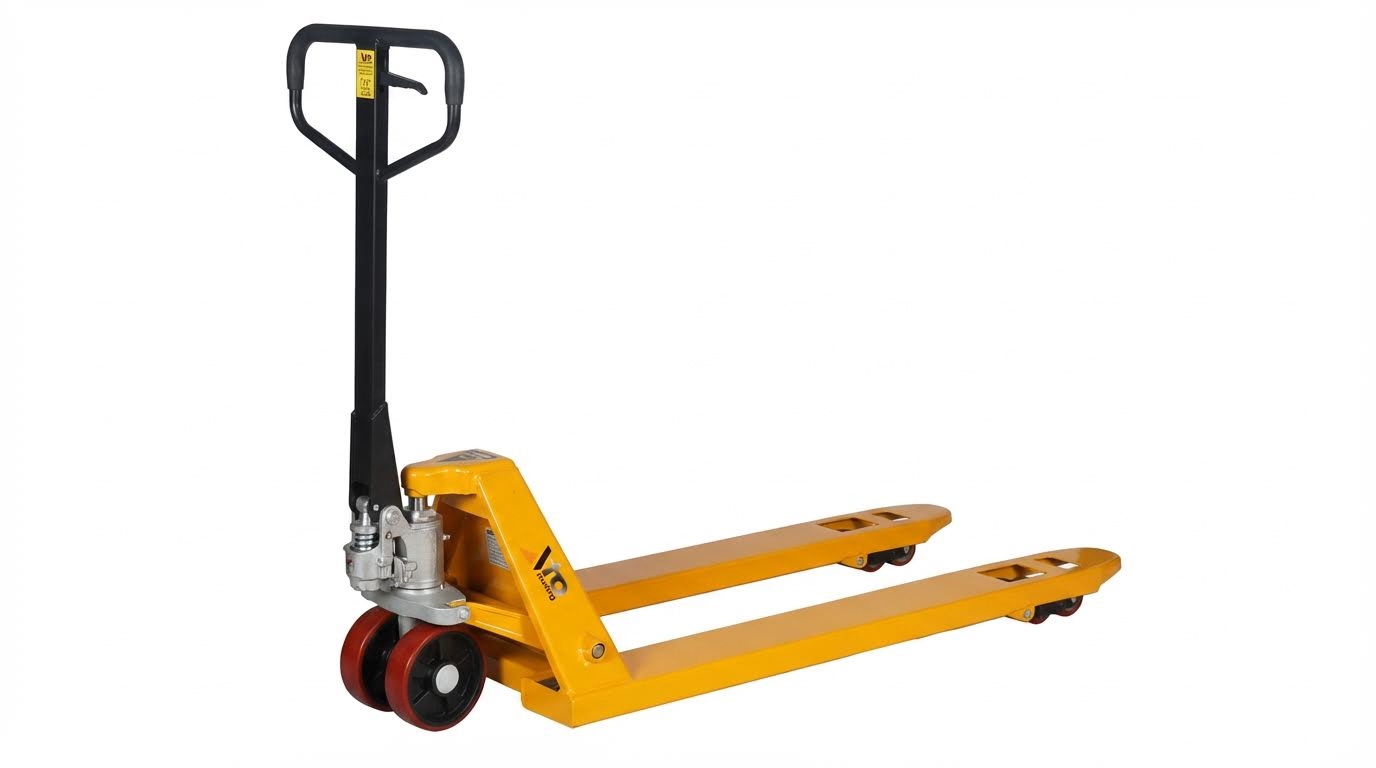
Ground conditions directly influenced stability margins during heavy pallet handling. Soft, muddy, or rocky surfaces reduced tyre contact area and introduced differential sinkage, which tilted the machine and shifted the center of gravity toward a tipping edge. Ruts, potholes, and un-compacted fill created dynamic shocks when traveling with a pallet, amplifying load oscillations at the fork tips. Engineers recommended preparing level travel lanes, cleaning debris from paths, and avoiding steep cross slopes for routine pallet movements. Site layout also mattered; narrow aisles, tight turning radii, and confined loading zones forced sharper steering inputs and complex maneuvers with limited escape routes. When defining procedures for how to lift a heavy pallet with a loader on a specific site, planners optimized entry angles, turning spaces, and staging areas to minimize reversing, sharp articulation, and travel distance with raised loads. For specialized applications, equipment like the manual pallet jack, hydraulic pallet truck, or walkie pallet truck could complement loader operations in confined spaces.
Safe Operating Practices For Heavy Pallet Lifting
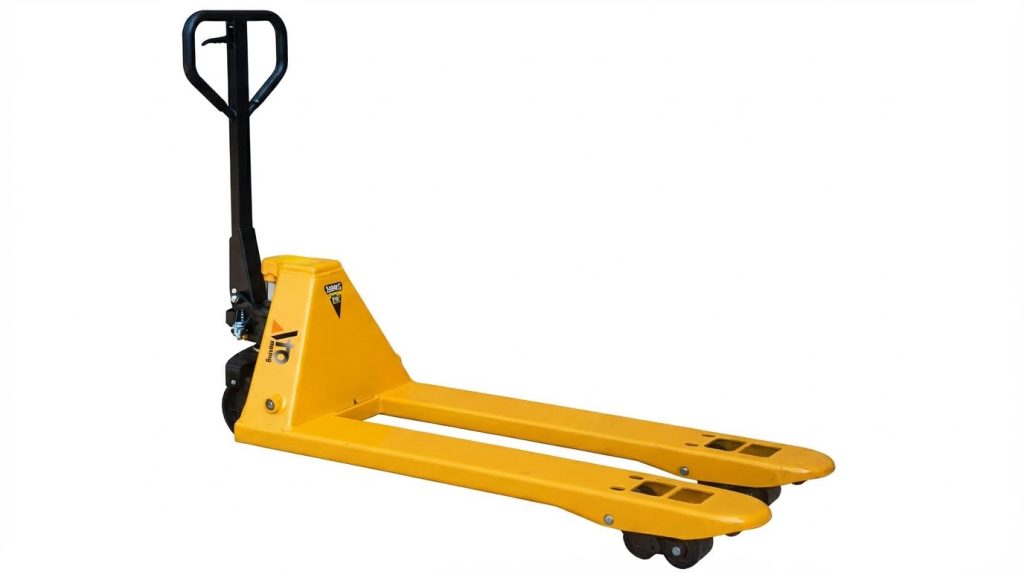
Knowing how to lift a heavy pallet with a loader safely required disciplined procedures, correct attachment setup, and trained operators. This section described practical field methods that reduced tip-over risk, protected structures, and extended fork and loader life. It focused on clamp-on and quick-attach forks on tractors and wheel loaders working with dense palletized loads on varied terrain.
Pre-Use Checks For Forks, Buckets, And Attachments
Before lifting any heavy pallet with a loader, operators inspected the forks, bucket, and quick-hitch or clamp system. They checked fork tines for bends, cracks, weld defects, or excessive wear at the heel and tips, since these areas carried the highest bending stresses. Clamp-on forks required tight, even clamping on both sides of the bucket lip, with no dents or distortion in the bucket edge that could reduce grip. Operators examined pins, locking wedges, and hydraulic couplers for correct engagement and leaks, then verified attachment locking indicators from the cab and from the ground. A short functional test followed: raising and tilting through full stroke, checking for abnormal movement, contact with tyres or frame, and confirming smooth hydraulic response.
Approaching, Lifting, And Transporting Pallet Loads
To lift a heavy pallet with a loader safely, operators approached the pallet square to the load at low speed and low engine revs. They set the mast or loader arms so the forks were level with the pallet openings, then fully inserted both tines until the backrest or fork heel almost contacted the pallet deck. Centering the pallet laterally on the forks minimized side-to-side load shift and reduced risk of rollover. Lifting occurred smoothly, with incremental boom raise and slight rearward tilt to keep the load tight against the frame while maintaining the center of gravity as close to the machine as possible. During travel, operators kept the pallet just high enough to clear the ground, avoided sharp steering inputs, and slowed further when turning or crossing joints, potholes, or transitions to ramps. They avoided sudden braking, because inertia of a high or forward load could destabilize the tractor or loader.
Working On Slopes, Rough Ground, And Tight Areas
On slopes, operators planned the route before lifting, assessing gradient, surface strength, and potential run-off paths if braking performance decreased. Standard practice was to travel with the heavy pallet uphill of the machine where possible, keeping the load low and aligned with the fall line to limit lateral tipping forces. On rough or muddy ground, they reduced speed, avoided ruts and large rocks, and, when feasible, prepared short level working pads for loading and unloading. In confined yards or inside buildings, operators used spotters and clear communication to control blind-side movements and proximity to racks, walls, and overhead structures. They allowed extra clearance for extended fork length and boom crowding, and avoided tight turns with raised loads which increased lateral acceleration and tyre side-loads. If visibility dropped below safe limits, they stopped, lowered the pallet, and repositioned or used a guide.
Operator Training, PPE, And Communication Protocols
Safe heavy pallet lifting with loaders depended on formal operator training that covered load charts, stability limits, and attachment-specific behavior. Training programs combined theory on center of gravity and tipping lines with supervised practice in approaching, picking, and placing pallets on level and sloped ground. Operators wore safety footwear with reinforced toes, high-visibility clothing, and, where required, hard hats and eye protection to reduce injury risk from dropped loads or flying debris. Sites established radio channels or hand-signal standards so operators, spotters, and ground staff could coordinate movements, especially in noisy or multi-machine zones. Procedures required exclusion zones around the loader during lifting and travel, with no personnel allowed under or near suspended pallets. Regular refreshers and toolbox talks reinforced these rules and incorporated lessons from near-misses, ensuring continuous improvement in how teams lifted heavy pallets with loaders.
Inspection, Maintenance, And Lifecycle Management

Inspection, maintenance, and lifecycle control determine whether you can safely execute how to lift a heavy pallet with a loader day after day. Structured routines reduce unexpected downtime, prevent fork failures, and keep tractors and wheel loaders within rated capacities. This section focuses on practical engineering routines that keep forks, hitches, and hydraulics safe and economical over their full service life.
Daily And Periodic Inspection Checklists
Daily inspections start with a walk-around of the tractor or wheel loader and fork attachment. Check fork tines for bends, cracks, twisted blades, or tip wear that reduce section modulus and strength. Inspect clamps, quick-attach couplers, and locking pins for deformation, missing cotter pins, or incomplete engagement. Examine the bucket or carrier for dents, cracked welds, or distorted top rails that could prevent even fork clamping when you lift a heavy pallet with a loader.
Verify hydraulic cylinders, hoses, and couplings around the lift and tilt circuits for leaks, abrasion, or damaged protective sleeves. Confirm tyre condition, inflation, and wheel nut security because stability margins depend on proper contact patches. Test all safety systems: service and park brakes, steering response, horn, backup alarm, work lights, and warning beacons. At periodic intervals, add structured checks for transmission oil, engine oil, coolant, battery terminals, and attachment identification plates to confirm rated capacities remain visible and legible.
Lubrication, Fastener Checks, And Fork Repairs
Lubrication practices strongly influence the lifecycle of fork frames, carriage rails, and loader linkages. Apply grease to all specified pivot points on loader arms, tilt links, and quick-hitch pins according to the manufacturer’s interval, typically daily or every shift in abrasive environments. Use clean grease and purge old, contaminated lubricant until fresh material appears at seals. Lightly oil sliding fork carriages and clamp mechanisms so width adjustment and clamping forces remain smooth and predictable.
Fastener checks focus on high-load joints: bucket-to-quick-hitch pins, fork clamp bolts, carriage locking pins, and any added stabilizer bars. Retorque bolts to specified values if you detect loosening, especially after the first hours of use on new or repaired equipment. When repairing forks, remove from service any tine with visible cracks, severe gouges, or permanent bends exceeding accepted deflection limits. Qualified welding personnel must follow appropriate procedures and post-repair inspection, since uncontrolled heating or grinding can reduce the fork’s yield strength and make heavy pallet lifts unsafe.
Avoiding Overload, Fatigue Damage, And Deformation
Controlling overload is central to safe heavy pallet handling with loaders. Always compare pallet mass plus any packaging to the lower of the loader’s rated capacity at the relevant lift height and the fork attachment’s rated capacity. Consider load center distance: a pallet extending far forward shifts the center of gravity outward and increases effective moment on the loader arms and front axle. When you plan how to lift a heavy pallet with a loader, keep the load as close to the carriage as practical and use forks long enough to support at least two-thirds of the pallet length.
Repeated operation near or above rated capacity accelerates fatigue in fork heels, welds, and loader linkage pins. Watch for early indicators such as hairline cracks at weld toes, elongated pin bores, or progressive permanent set in fork tines. Avoid shock loading by lifting smoothly, not ramming into pallets or dropping loads abruptly. Operating on rough or rocky ground with high travel speeds also increases cyclic stresses; reducing speed and keeping loads low limits dynamic bending and torsional loads that cause long-term deformation.
Storage, Cleaning, And Total Cost Of Ownership
Storage and cleaning practices significantly affect lifecycle cost for fork attachments and loader front-end components. Store forks and quick-attach frames on level, firm ground or dedicated racks, not directly on uneven surfaces that can induce long-term bending. Keep equipment in covered, ventilated areas to reduce corrosion from moisture and aggressive fertilizers or de-icing salts. After operations in soil, aggregates, or organic material, wash forks, carriages, and cylinders to remove abrasive debris and corrosive residues, then dry and re-lubricate exposed sliding or rotating interfaces.
Total cost of ownership depends on more than purchase price; it includes downtime, repair labour, and lost productivity when a fork or loader is unavailable. Document all inspections, defects, and repairs with operating hours to identify high-wear patterns and optimize replacement intervals. Investing in correctly rated forks and maintaining them systematically usually reduces life-cycle cost compared with running overloaded or poorly maintained equipment. This disciplined approach keeps heavy pallet lifting with loaders safe, predictable, and economically competitive over the machine’s full service life.
Summary And Key Safety Takeaways For Fork Use
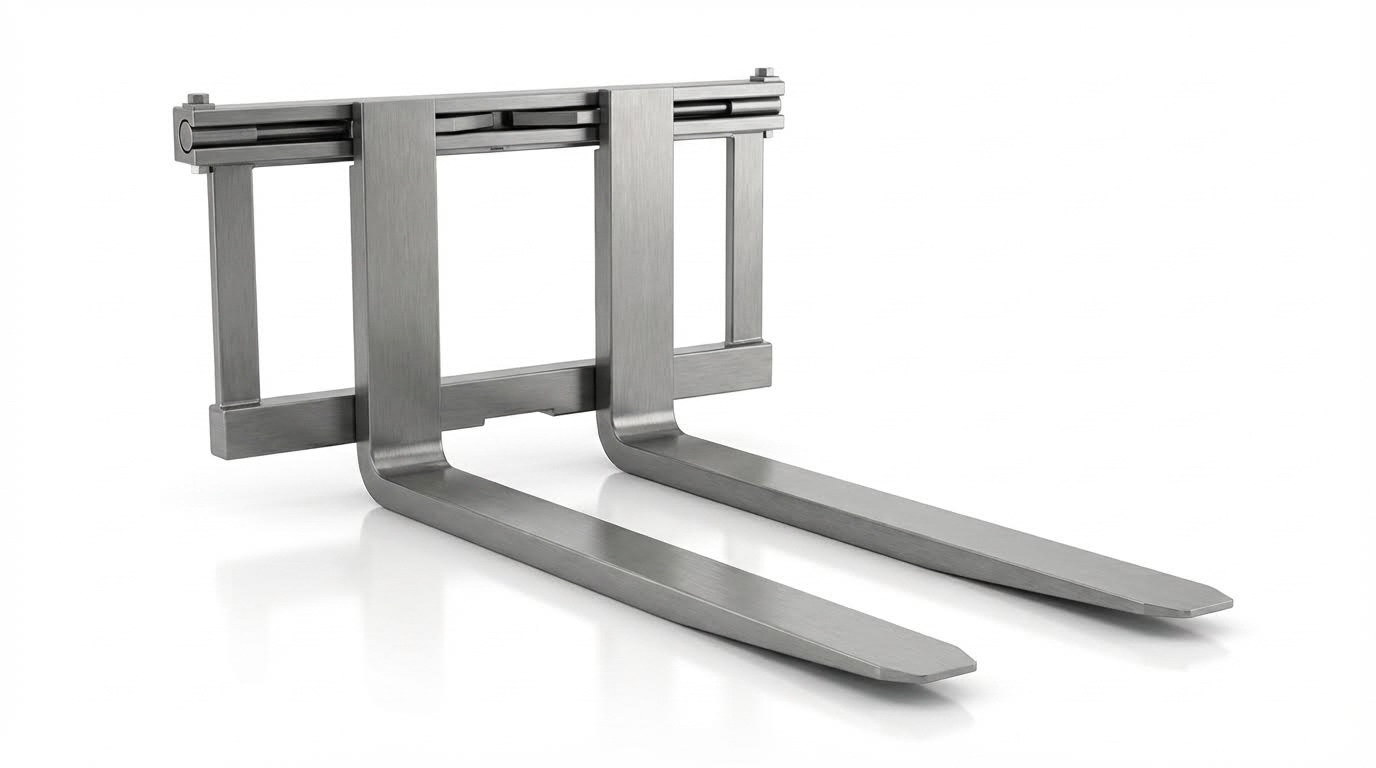
Safe fork use on tractors and wheel loaders depends on respecting load ratings, understanding machine dynamics, and following disciplined operating procedures. Operators who know how to lift a heavy pallet with a loader safely always start with capacity, stability, and ground assessment before any movement. They keep forks, buckets, and hitches in good mechanical condition through structured inspection and maintenance routines. Consistent training, clear communication, and documented practices convert these technical principles into reliable daily behavior on every site.
From an engineering standpoint, the critical controls are load, geometry, and ground. Operators must keep pallet mass within the rated capacity of the forks, loader, and hitch, and position the pallet close to the carriage to minimize the overturning moment. Loads should travel low, level, and centered across both tines, with reduced speed on slopes, rough ground, or tight layouts. Pre-use checks of clamps, pins, hydraulics, and structural welds help detect cracks, bending, or looseness before they cause instability or fork failure. These measures align with good practice under general machinery safety regulations that require risk reduction at the source.
Looking ahead, loader operations will increasingly combine operator skill with assistive technologies. Load weighing, stability indication, and telematics already provided real-time feedback on load mass, tipping risk, and operating patterns. Auto-positioning functions for booms and attachment carriers supported repeatable fork heights and approaches, which reduced operator variability and cycle times. However, these tools only complemented, not replaced, fundamentals such as correct fork selection, conservative load estimation, and disciplined speed control when lifting heavy pallets with a loader.
For practical implementation, sites should standardize checklists for daily inspection, pre-lift evaluation, and shutdown. Supervisors can define approved routes, stacking zones, and exclusion areas to manage interactions with pedestrians and other machines. Maintenance teams should track fork thickness loss, deformation, and crack repairs against replacement criteria, and record all work in maintenance logs to control lifecycle cost. A balanced strategy that combines mechanical integrity, operator competence, and data-driven maintenance will keep tractor and wheel loader fork operations productive while maintaining a robust margin of safety. For instance, using a manual pallet jack or a hydraulic pallet truck can improve efficiency during pallet handling. Additionally, integrating advanced tools like a forklift drum grabber ensures safer material handling in specialized applications.